

Sherry长得帅不如跑的快1688
 Square Verified
Price is the surface — conviction wins the game. 13y in the trenches. Hard data, sharp calls, no shilling. I read the next move before the crowd. 📊
Открытая сделка

Владелец BNB
Случайный трейдер
7.7 г
781 подписок(и/а)
31.3K+ подписчиков(а)
14.5K+ понравилось
Посты
Портфель
Все
Цитирования
Активно

周周1688
·
--
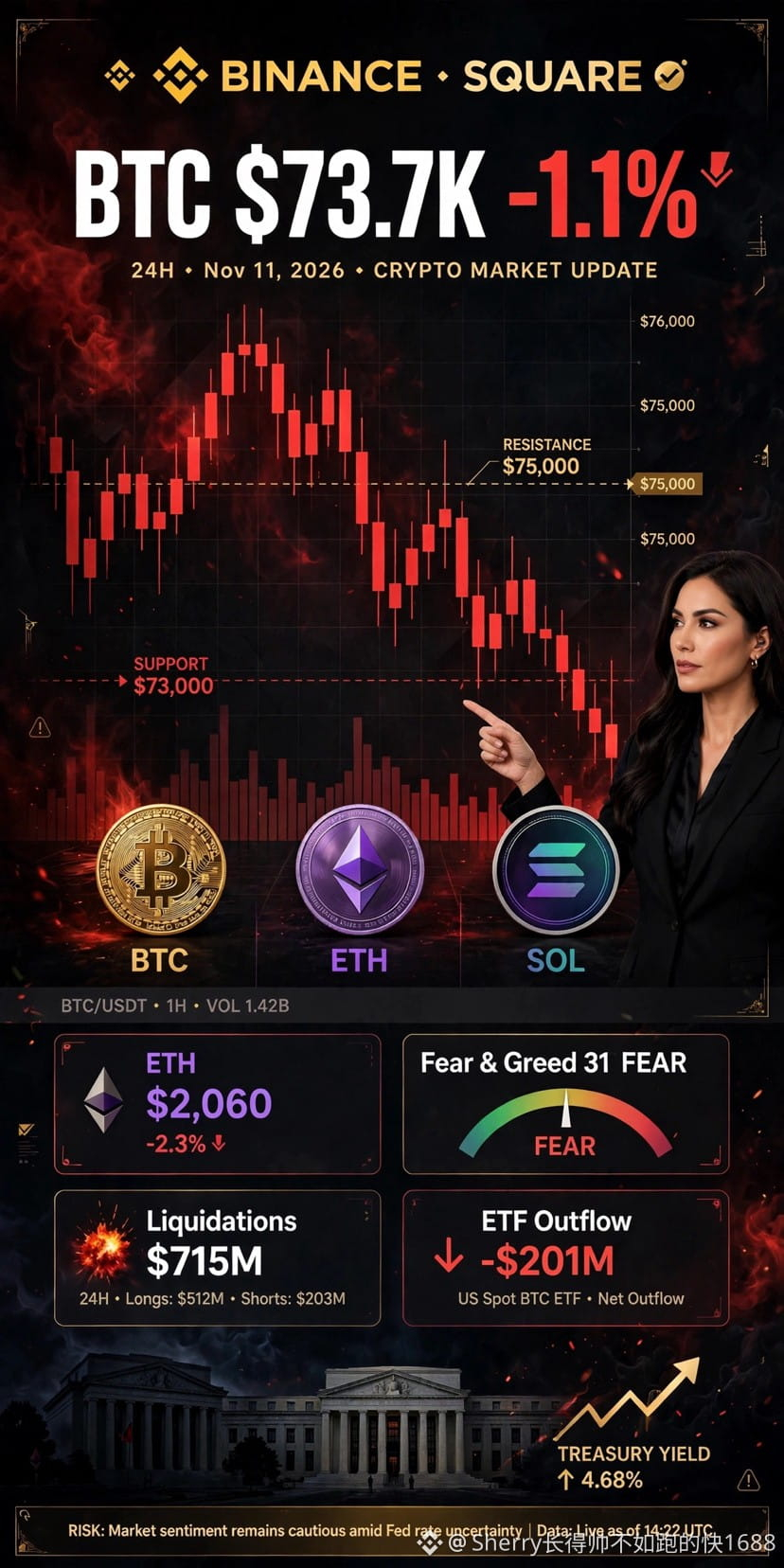
🇨🇳 11月11日|Crypto Market Brief
$BNB 🧧
通胀重新升温,市场风险偏好继续降温。
📊 市场概览
BTC:$73,700–73,900
ETH:$2,055–2,065
SOL:$82.8–83.2
BNB:$679–681
加密市场总市值约 $2.45–2.50T,BTC Dominance 约 60%,恐惧与贪婪指数 29,市场仍处于 Fear 区间。BTC 相对抗跌,ETH 与 SOL 承受更大压力。
🔥 今日重点
1️⃣ 美国通胀超预期,12月加息预期升温
美国10月CPI环比上涨 0.4%,高于市场预期的 0.3%;核心CPI上涨 0.3%,也高于预期的 0.2%。这是核心通胀连续第三个月上涨。
由于2025年政府停摆期间未能收集去年10月的数据,BLS无法公布本次CPI同比数据。
通胀压力重新抬头,市场明显提高了对美联储12月加息的押注。部分交易员甚至开始考虑加息50个基点的可能性。高利率预期正在压制BTC及其他风险资产。
2️⃣ BTC现货ETF持续流出
11月10日,BTC现货ETF据部分追踪数据净流出约 $95M,连续第四个交易日流出。过去五个交易日累计净流出约 $1.06B。
其中 BlackRock IBIT 是主要流出来源之一。ETF资产规模仍接近 $93B,但短期机构资金需求明显降温。
3️⃣ Bitmine账面巨亏,继续押注ETH
Tom Lee旗下 Bitmine 公布截至2026年8月31日的财年业绩,净亏损约 $6.31B,其中约 $6.23B 来自数字资产未实现亏损。
截至8月底,公司持有约 590万枚 ETH,公允价值约 $14.56B,占当时ETH流通供应量约 4.9%,仍在向持有5% ETH供应量的目标迈进。
需要注意:这主要是资产价格下跌带来的账面损失,并不等于同等规模的现金流出。
4️⃣ Initia再次遭遇安全事件
Layer-1项目 Initia 在不到三周内第二次遭遇攻击。攻击者利用被盗的云端凭证和命令注入漏洞,转移约 $3.27M 加密资产。
#1688家族family #蓝朋友1688 #Crypto #Binance #BNB


Mahi_玛希BNB
·
--
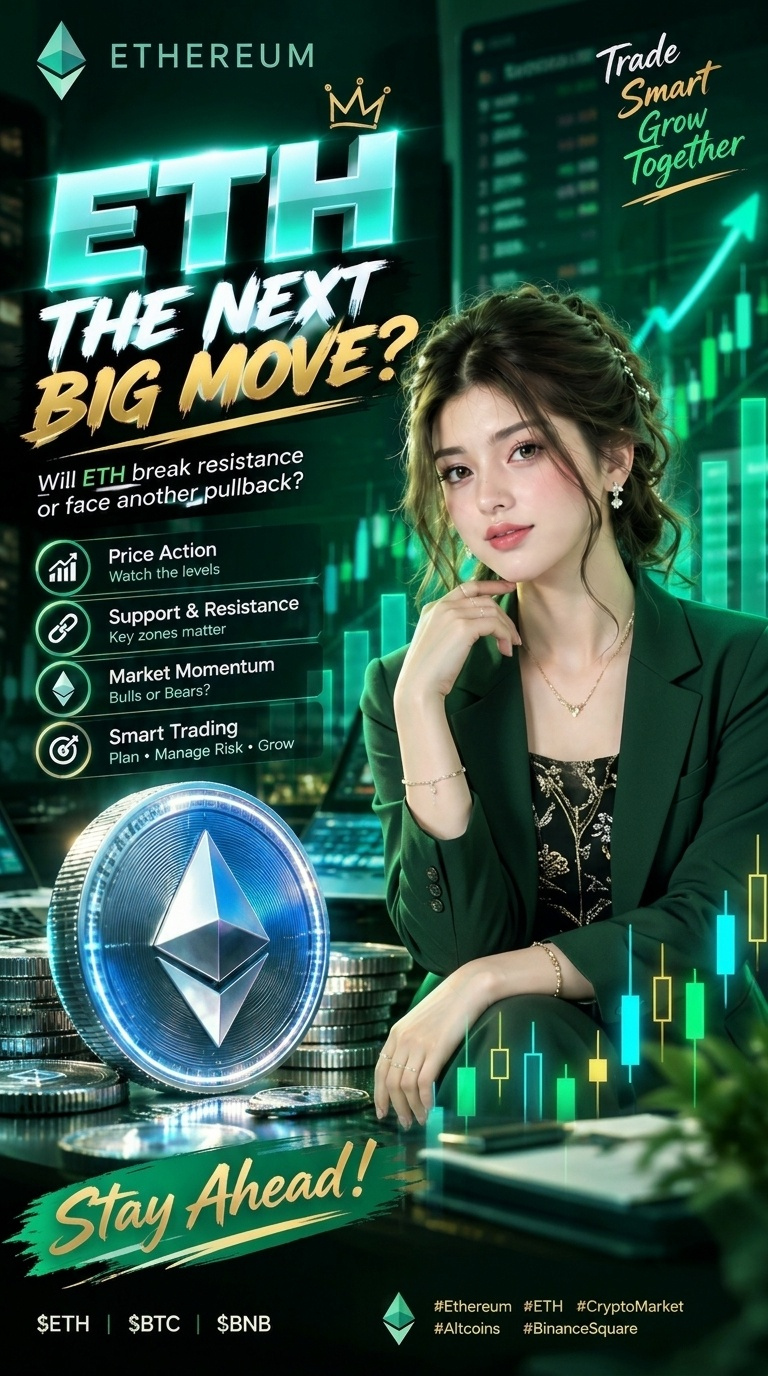
ПадениеEthereum is one of those coins I never stop watching. 👀
ETH doesn't always need a big green candle to show its strength. Sometimes the most interesting moves happen when the market is quiet and everyone is waiting for direction.
I'm keeping an eye on Ethereum's next move, especially how buyers react around important support and resistance zones.
One thing I've learned in crypto: patience is just as important as timing.
What do you think? Is ETH preparing for another strong move, or does it need more time to recover?
$ETH $BTC $BNB $SOL $XRP
#Write2Earn #ETH #CryptoCommunity #BinanceSquare #CryptoMarketMoves

白鲨观点VN
·
--
Thị trường chứng khoán Mỹ sắp chạm đáy trên diện rộng. Hãy chuẩn bị trong vòng 48 giờ!
- Phân bổ trung hạn vào cổ phiếu Mỹ:
$SNDK 630~530
$NVDAB 165~155
=> Mục tiêu tăng 50%
- Tích lũy vị thế trong vùng $BTC 74.4~72.5 => Mục tiêu dài hạn: 200k~300k
#baisha
- Phân bổ trung hạn vào cổ phiếu Mỹ:
$SNDK 630~530
$NVDAB 165~155
=> Mục tiêu tăng 50%
- Tích lũy vị thế trong vùng $BTC 74.4~72.5 => Mục tiêu dài hạn: 200k~300k
#baisha


静静Emily
·
--
Рост#CPI前瞻,12月利率走向迎关键考验 CPI前夕来一个这个新闻,是要干嘛呢?
据 Onchain Lens 监测,贝莱德在过去 30 分钟内从其 ETF 钱包向 Coinbase 转移约 3.1836 亿美元加密资产,其中包括 2252 枚 BTC(约 1.6694 亿美元)和 7.221 万枚 ETH(约 1.5142 亿美元)。
个人观点;是准备砸盘吗?我的$BTC $BNB 现货还能拿吗?
据 Onchain Lens 监测,贝莱德在过去 30 分钟内从其 ETF 钱包向 Coinbase 转移约 3.1836 亿美元加密资产,其中包括 2252 枚 BTC(约 1.6694 亿美元)和 7.221 万枚 ETH(约 1.5142 亿美元)。
个人观点;是准备砸盘吗?我的$BTC $BNB 现货还能拿吗?

Fabi_4043
·
--
Boa semana 🥰🥰
Sigam meu perfil e curta🧧🧧🧧
$BNB
#HotCPIDecemberHikePriced
Sigam meu perfil e curta🧧🧧🧧
$BNB
#HotCPIDecemberHikePriced

Cryptology_7
·
--
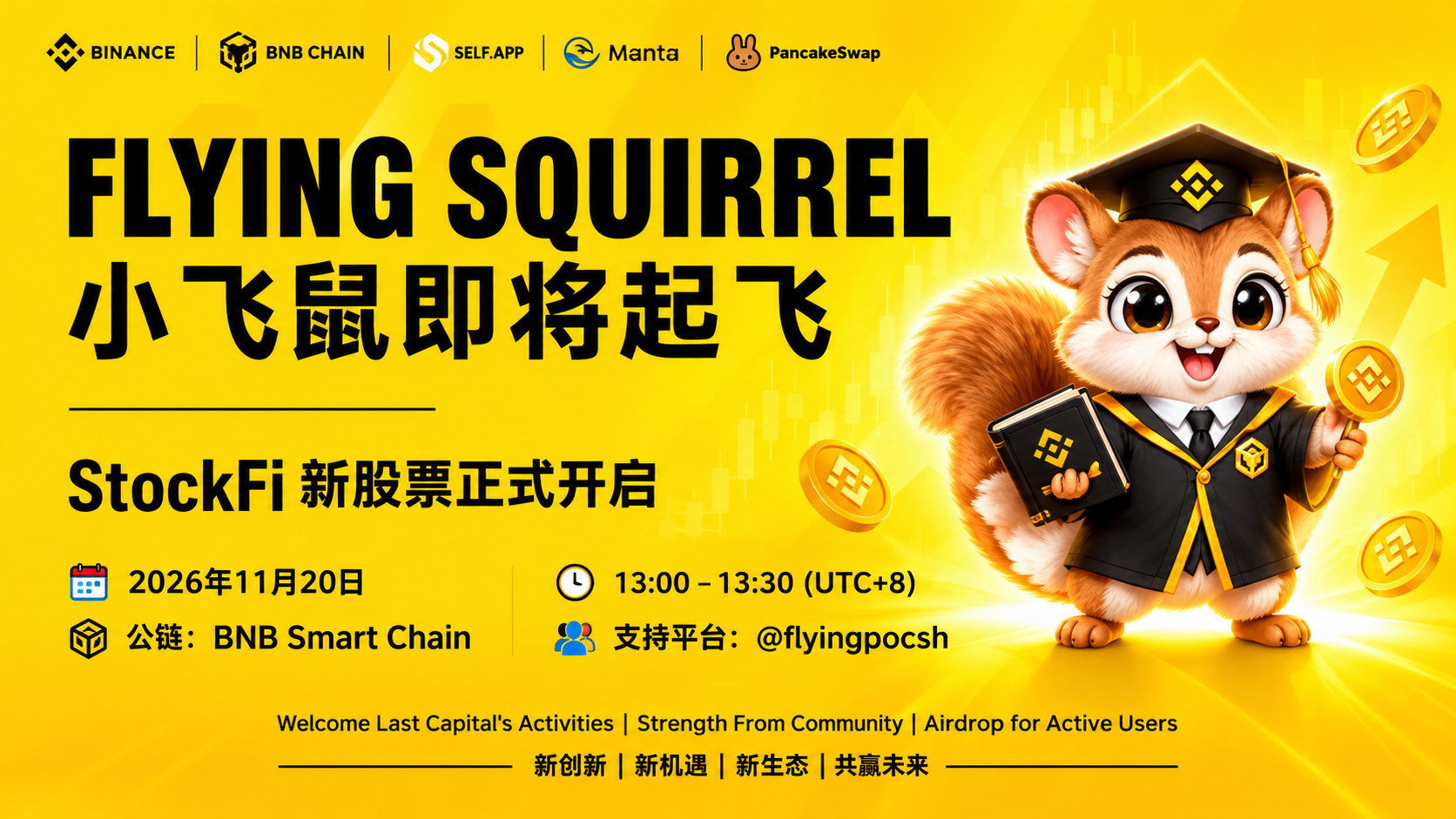
StockFi Begins a New Chapter OF XFS. 🚀
The future of traditional stocks and on chain finance is taking shape. Flying Squirrel is launching on BNB Smart Chain, with its FLAP platform launch scheduled for November 2, from 15:00 to 19:00.
Backed by institutions and capital, the project focuses on strategic development, long-term value, and ecosystem growth.
As a co-building community, Mars Guild continues to bring people together, support talent, and strengthen the ecosystem.
The next chapter of StockFi is beginning.
@火星公会-灵汐 @Eman098 @大丽7613
#binanceWeb3 #Web3Token
王婷-光明社区
·
--
Рост不必被温柔定义,秋日也可以是酷飒的,迎着风,奔赴属于自己的旷野。
#CPI前瞻,12月利率走向迎关键考验
#LUCIC
#CPI前瞻,12月利率走向迎关键考验
#LUCIC


Dafoor
·
--
comment 7 to get your bonus. 🧧🎁


E L E X A
·
--
🚨 IT’S LIVE 🚨
Watching is simple… but winners take action 👀
🎁 Want FREE $USDT?
💬 Comment 888
❤️ Like
🔁 Share
➕ Follow
#Crypto #USDT #Giveaway
Watching is simple… but winners take action 👀
🎁 Want FREE $USDT?
💬 Comment 888
❤️ Like
🔁 Share
➕ Follow
#Crypto #USDT #Giveaway


先生_Rehan17
·
--
🎁🎁🎁🎁🎁 BTTC RED PACKET 🎁🎁🎁🎁🎁
COMMENT ON IT
SHARE IT
LIKE IT
TO CLAIM🎁🎁🎁🎁🎁
COMMENT ON IT
SHARE IT
LIKE IT
TO CLAIM🎁🎁🎁🎁🎁

king Gulfam
·
--
Рост#Futuersiganl
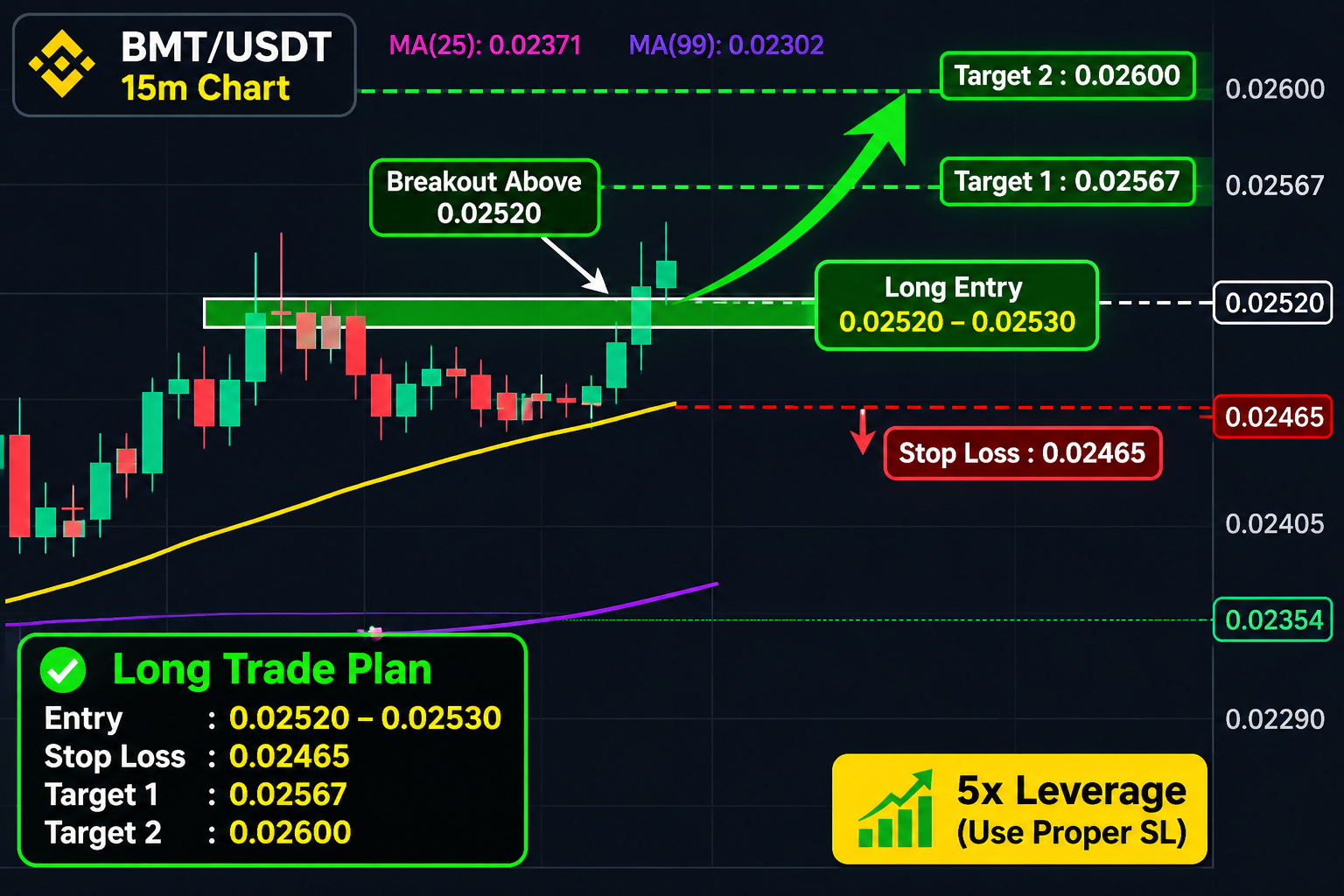
BMT Futures Trade Setup
LONG Setup
Entry: 0.02520–0.02530
Stop Loss: 0.02465
TP1: 0.02567
TP2: 0.02600
Risk Management
Leverage: 3x maximum for a cautious approach.
Risk: Account ka 1% per trade.
Stop Loss zaroor lagayein.
Confirmation ke bina entry na lein.
$BMT
$BNB
$BTC
BMT Futures Trade Setup
LONG Setup
Entry: 0.02520–0.02530
Stop Loss: 0.02465
TP1: 0.02567
TP2: 0.02600
Risk Management
Leverage: 3x maximum for a cautious approach.
Risk: Account ka 1% per trade.
Stop Loss zaroor lagayein.
Confirmation ke bina entry na lein.
$BMT
$BNB
$BTC

AbdullRauf
·
--
DePIN Mindshare Holds 5.76% as Acurast and Phase Advance Smartphone AI Compute
Fear sits at 29 on the index and the tape still feels heavy. Most traders I talk to are treating every bounce as a chance to lighten risk. Yet infrastructure narratives keep finding buyers. You’ve probably noticed the pattern: pure speculation gets punished while anything tied to real compute demand holds up better than it should. DePIN’s watchlist share is sitting at 5.76%. That is not noise. RENDER is leading the pack at 0.676% share and printing relative strength against the majors. At the same time, Acurast and Phase are pushing smartphone-based AI inference and agent connectivity into production territory. The cost curve for decentralized inference is starting to look different.
Let me explain why this matters right now.
Why the Setup Matters
The broader market is in selective risk mode. Capital is not disappearing; it is simply refusing to fund stories that lack utilization data. ETF flows into majors remain cautious, whale activity is quieter than earlier cycles, and most altcoins are still trading like they need a catalyst just to stay flat. Against that backdrop, DePIN names are behaving like they already have one.
RENDER’s short-term price action has been constructive while Bitcoin and Ethereum chop. TAO and FIL are showing similar relative strength on the mid-cap side. Volume in the sector has not exploded, but it has been stickier than the average altcoin complex. That stickiness usually shows up before larger allocation shifts.
On the fundamental side, two developments stand out. Acurast continues to demonstrate viable AI inference on everyday smartphones, turning idle consumer hardware into a distributed compute layer. Phase’s Proxy mainnet progress is improving agent-to-agent connectivity, which matters if you believe autonomous agents will generate meaningful traffic on decentralized networks. Together they point to a model that does not rely solely on capital-intensive GPU farms. Lower capital intensity changes who can participate and how fast capacity can scale.
Technical Structure and On-Chain Signals
Look at the charts of the mid-cap DePIN names and the picture is clearer than the sentiment. RENDER has held higher lows while majors made lower ones. TAO’s structure remains constructive on the weekly, and FIL has been accumulating rather than distributing. None of these are runaway trends, but relative strength in a risk-off tape is information.
On-chain metrics reinforce the technical read. Active addresses in decentralized compute and GPU networks have been rising even as broader crypto activity cooled. Smartphone-node models are harder to track in real time, yet the early signals from Acurast-style deployments show growing device counts and non-zero inference volume. Network growth that continues while Fear & Greed sits near 30 is the kind of divergence traders eventually notice.
What stands out to me is the quiet persistence. These networks are not posting viral user spikes. They are posting utilization that looks more like infrastructure than speculation. That is a different animal.
Fundamentals and the Cost-Curve Shift
Revenue-linked buybacks are still rare in this sector, but the projects that can point to actual GPU utilization or inference revenue are the ones attracting attention. RENDER’s network activity has been one of the cleaner examples. Higher utilization rates translate into more credible token sinks over time. AI agent traffic routing is the newer variable. If Phase’s progress on Proxy mainnet reduces friction for agents to find and pay for compute, demand becomes less dependent on human speculation and more dependent on automated workloads.
The core shift is the smartphone layer. Pure GPU farms face high fixed costs, power constraints, and concentration risk. Smartphone-powered DePIN spreads that load across millions of already-deployed devices. The economics change: lower marginal cost of capacity, faster geographic distribution, and a different risk profile around single points of failure. Acurast’s demonstrations are not theoretical anymore. They show inference workloads running on consumer hardware at acceptable latency for many use cases. That does not kill GPU demand. It changes the mix.
Tokenomics that align with actual usage will matter more than narrative purity. Projects that can show rising network revenue or sustained utilization have a clearer path than those still selling future capacity.
Risks, Opportunities, and What Traders Should Watch
The risks are straightforward. Utilization numbers can disappoint. Smartphone networks still face questions around reliability, bandwidth variability, and incentive design. Regulatory pressure on decentralized compute is not zero. And if broader risk appetite collapses further, even the strongest relative-strength names will get sold.
Opportunities sit on the other side of those risks. If AI demand continues to grow while centralized GPU supply remains constrained, decentralized alternatives become more relevant, not less. The smartphone model lowers the capital barrier for new supply. That could compress margins for pure GPU plays while expanding the total addressable market for DePIN. Traders who track active addresses, inference volume, and revenue metrics will have an edge over those watching only price.
Practical implication: position sizing should reflect the stage of the cycle. These are not risk-free infrastructure assets. They are mid-cap crypto names with better fundamental tails than most. Scaling in on confirmed utilization data makes more sense than chasing every green candle.
Looking Ahead
DePIN holding 5.76% mindshare while Fear & Greed sits at 29 is not a bullish signal by itself. It is a filtering signal. Capital is still selective. The projects advancing real smartphone AI inference and agent connectivity are the ones clearing the filter for now. RENDER’s relative strength and the early traction from Acurast and Phase give the sector a concrete narrative instead of pure hope.
The data suggests the cost curve is shifting. Whether that shift produces durable returns depends on utilization continuing to climb and token designs that capture it. That is the part worth watching closely. Everything else is noise until the numbers prove otherwise.
$FIL
$TAO
$RENDER

NAJAF_999
·
--
‼️$DOGE 🧧 Reward is here ‼️
I’m sharing $DOGE 🧧 rewards with the community as a Bigger thank-you.
✨ Just claim your reward and enjoy! ✨
Claim it. Get rewarded
@DOGE_ $DOGE #DOGE
I’m sharing $DOGE 🧧 rewards with the community as a Bigger thank-you.
✨ Just claim your reward and enjoy! ✨
Claim it. Get rewarded
@DOGE_ $DOGE #DOGE


苏菲亚 Sophia
·
--
早安☕☕🍔🍰
#年年 攜手 Giggle Academy,把故事、教育與溫暖帶進清晨。
年年在清晨教室裡陪孩子讀故事,強化“書本、教育、陪伴”。
#Niannian #GiggleAcademy
$BNCB $QQQB $TSLAB #BTC☀
#比特币连续五周下跌
#年年 攜手 Giggle Academy,把故事、教育與溫暖帶進清晨。
年年在清晨教室裡陪孩子讀故事,強化“書本、教育、陪伴”。
#Niannian #GiggleAcademy
$BNCB $QQQB $TSLAB #BTC☀
#比特币连续五周下跌


大鹤1688
·
--
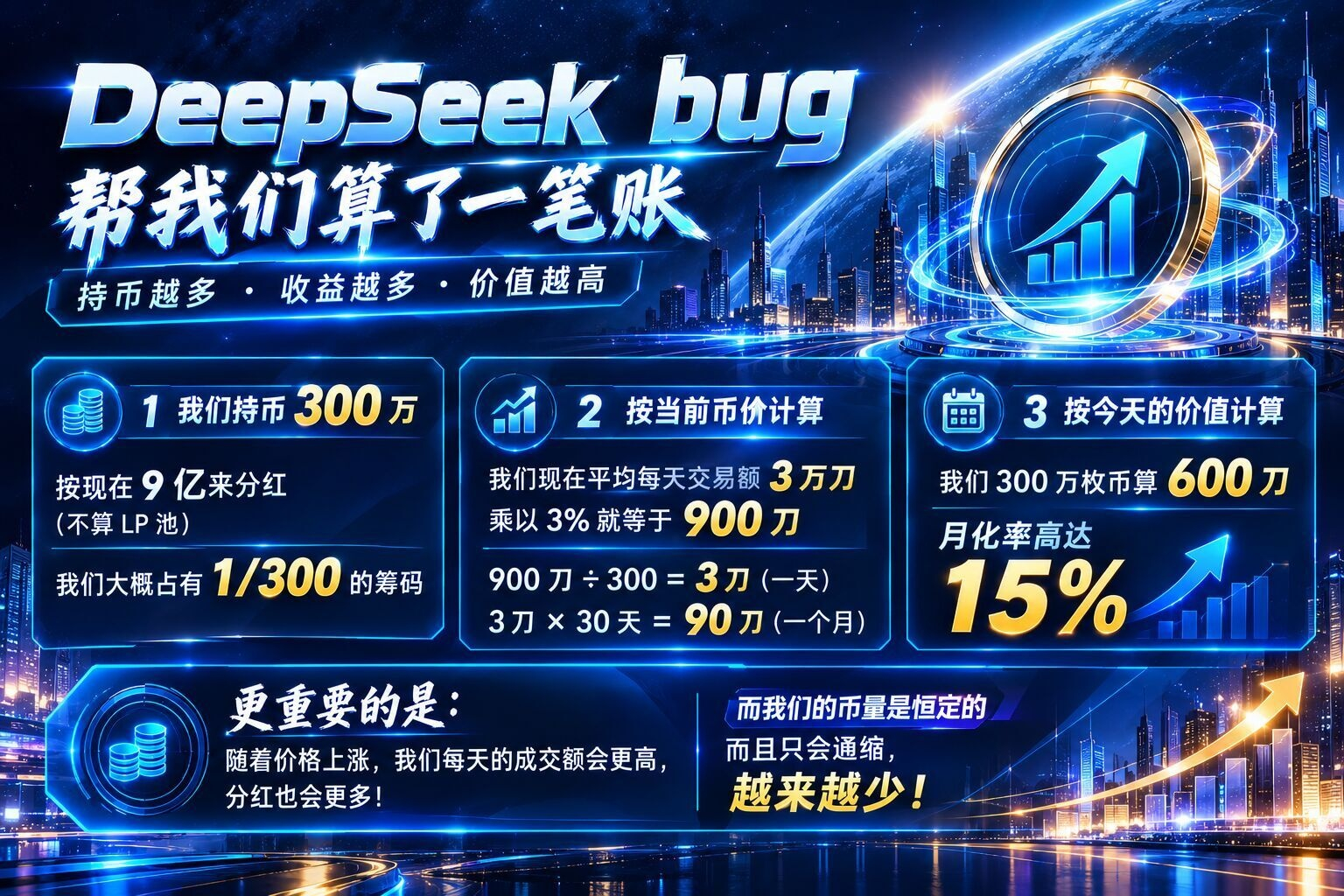
今天你过节了吗?1111
#DeepSeekbug 祝你脱单!!!
关注我领红包🧧🧧🧧🧧脱单!!!
🎁🎁🎁🎁🎁🎁🎁🎁🎁🎁🎁🎁🎁🎁
#DeepSeekbug 祝你脱单!!!
关注我领红包🧧🧧🧧🧧脱单!!!
🎁🎁🎁🎁🎁🎁🎁🎁🎁🎁🎁🎁🎁🎁


奕泽YIZZE
·
--
SOL又有新动作!Solana不再只盯着Meme,正在向传统金融市场迈进
如果你一直关注 Solana,可能会发现一个变化:这个曾经因为Meme币和链上交易而被大量关注的公链,正在尝试打开更大的市场。
11月9日,Solana基金会公布了一份新的创业项目方向清单,提出了11个值得开发的方向,涵盖AI金融助手、稳定币支付、永续合约、现实资产交易以及数字收藏品等领域。
这释放了一个值得关注的信号:Solana生态正在寻找更多真实应用场景,而不只是依赖短期市场热点。
另外,Solana在现实资产(RWA)领域也有新的进展。官方公布的10月生态报告显示,Solana链上RWA规模达到50亿美元,反映出代币化资产正在成为生态发展的重要方向。
那么,这些变化对SOL意味着什么?
首先,生态应用增加,有机会带来更多链上交易和网络使用需求。
其次,机构金融、稳定币和RWA的发展,可能让Solana接触到更多传统金融领域的用户。
但我们也需要保持理性:生态发展不等于SOL价格必然上涨,项目数量增加也不代表所有应用都能成功。未来仍然需要观察真实用户、资金规模、网络稳定性以及长期收入表现。
我个人认为,判断一条公链有没有未来,不能只看它今天涨了多少,而应该看未来有多少人愿意真正使用它。
SOL接下来能否从Meme交易热门公链,逐渐成长为覆盖支付、金融和现实资产的综合基础设施,值得持续关注。
最后想问大家:
你看好Solana未来的发展吗?你认为SOL最大的竞争优势究竟是速度、生态,还是开发者数量?
#Solana #RWA #区块链 #Web3 #加密货币

Syco 疯子
·
--
✨ GOOD EVENING TO YOU ALL✨
I hope you had a beautiful sunny day.
I wish you a sweet evening and a cosmic night.
Kindly ✨
@Syco 疯子 🌹
$BNB $BTC
I hope you had a beautiful sunny day.
I wish you a sweet evening and a cosmic night.
Kindly ✨
@Syco 疯子 🌹
$BNB $BTC


Node知行
·
--
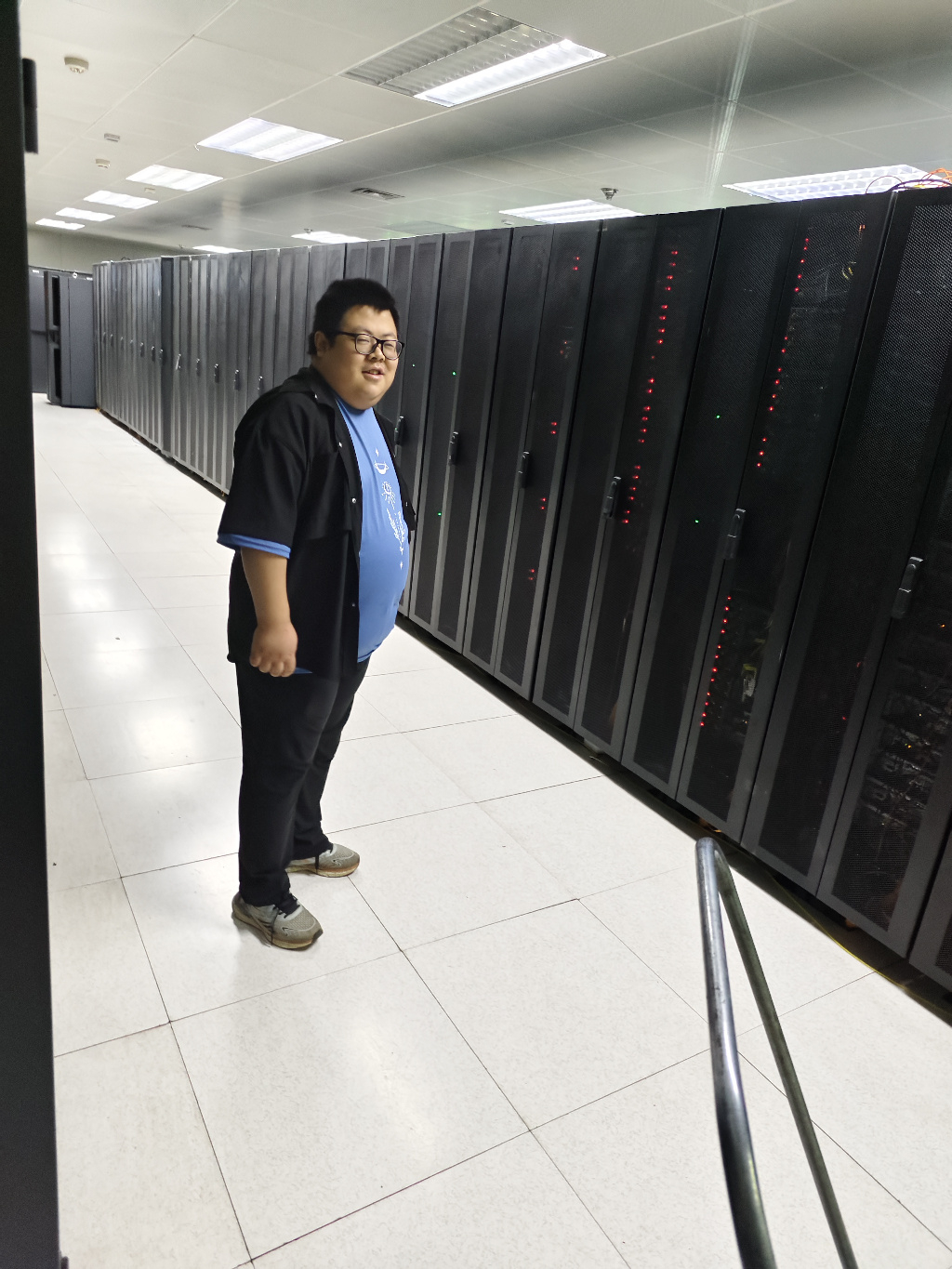
Рост“比特币是数字黄金。” / “比特金,莱特银。” (李启威)
天天在公司挖矿,都是小胖墩
天天在公司挖矿,都是小胖墩

技委书记
·
--
🧧🌹🎁🧧🔥 为什么我依然看好 SOL?这可能不只是一轮短期行情!🔥🧧🌹🎁🧧
在众多加密货币项目中,SOL(Solana)一直是我比较看好的长期价值标的之一。
我看好 SOL,并不是因为它短期涨了多少,而是因为它背后的生态、技术和应用场景,正在不断扩大。
1.高性能公链,具备核心竞争力
Solana 最大的优势之一就是高吞吐量和低交易成本。相比部分传统公链,它能够支持更高频的交易和更丰富的链上应用。
随着网络性能持续升级,Solana 有机会承载更多真实的金融和商业需求。
2.DeFi 生态持续壮大
从 Jupiter、Raydium 到 Kamino,Solana 已经形成了相对完整的 DeFi 生态。
DEX 交易、借贷、流动性挖矿等应用不断发展,链上资金和用户活跃度为 SOL 提供了长期生态支撑。
3. Meme 文化带来强大的流量
Solana 是目前 Meme 币生态中最具影响力的公链之一。
大量新项目、交易者和资金不断进入 Solana 生态。虽然 Meme 热潮具有周期性,但它确实为 Solana 带来了用户、交易量和市场关注度。
4.传统金融正在进入 Solana
这是我特别看重的一点。
稳定币、现实世界资产(RWA)、代币化股票等领域正在加速发展。2026年,Solana 生态已经吸引了 Visa、PayPal、Western Union 等支付和金融领域的重要参与者。
这意味着 Solana 的发展方向正在从单纯的加密交易,逐步拓展到现实金融应用。
5.SOL 具有长期生态价值
SOL 不只是一个普通的交易代币,它在网络手续费、质押和生态经济活动中都扮演着重要角色。
如果未来 Solana 的用户、交易、资金和应用继续增长,SOL 的长期价值也有机会得到进一步体现。
我看好 SOL 的核心逻辑是:
技术有竞争力;
生态有真实用户;
DeFi 有资金沉淀;
Meme 有市场流量;
RWA 和稳定币有新的增长空间。
当然,看好不代表盲目追高。
SOL 依然面临市场波动、竞争公链、网络安全和生态周期等风险。我更倾向于关注中长期发展,在合理估值和风险可控的前提下寻找布局机会。
我始终相信:真正值得长期关注的项目,不只是币价上涨,而是它能否持续创造真实价值。
你们觉得下一轮牛市,SOL 能否再次成为公链赛道的领跑者?
欢迎评论区交流!👇
#SOL #Solana #加密货币 #币安广场 #长期价值投资
Войдите, чтобы посмотреть больше материала