

#bitcoinetfssee$131mnetinflows
bitcoinetfssee$131mnetinflows
Просмотров: 90,825
757 обсуждают
Популярные
Новые

·
--
🇮🇹 ITALY’S LARGEST BANK, INTESA SANPAOLO JUST DISCLOSED BUYING $235,000,000 WORTH OF BITCOIN AND CRYPTO
THEY ARE ALL COMING 🚀
#TrumpDisclosesTradesIncludingMARAStock #DuneCuts25%AmidAIEfficiencyPush #VitalikMovesETHviaPrivacyPools #BitcoinETFsSee$131MNetInflows #SpaceXEyesJune12NasdaqListing
🇮🇹 ITALY’S LARGEST BANK, INTESA SANPAOLO JUST DISCLOSED BUYING $235,000,000 WORTH OF BITCOIN AND CRYPTO
THEY ARE ALL COMING 🚀
#TrumpDisclosesTradesIncludingMARAStock #DuneCuts25%AmidAIEfficiencyPush #VitalikMovesETHviaPrivacyPools #BitcoinETFsSee$131MNetInflows #SpaceXEyesJune12NasdaqListing
THEY ARE ALL COMING 🚀
#TrumpDisclosesTradesIncludingMARAStock #DuneCuts25%AmidAIEfficiencyPush #VitalikMovesETHviaPrivacyPools #BitcoinETFsSee$131MNetInflows #SpaceXEyesJune12NasdaqListing

3
319

OpenAI has just deployed a major update of ChatGPT. The AI can now detect signs of psychological disIn recent months, OpenAI has been relentlessly multiplying innovations. In April for example, it launched a ChatGPT for doctors aiming to revolutionize medical AI.
In a blog post published Thursday, the company explains having developed “safety summaries”. These are temporary and targeted summaries that capture the safety context of a conversation. These notes are not used to personalize the experience or to memorize the user. They have a single goal: to detect when a discussion turns into danger.
The principle is simple, but technical. During a conversation, a specialized AI model in safety reasoning generates factual and temporary notes. These summaries remain active for a limited time. They are only consulted in high-risk situations.
But questions remain: where does benevolent monitoring end? How can it be ensured that these summaries do not drift into some form of profiling? In this respect, the AI firm does not yet provide a clear answer.
One thing is certain: this is both a symbolic and technical evolution. The question is no longer whether AIs should integrate these safeguards, but how far they should go to do so without crossing other lines.
Maximize your Cointribune experience with our "Read to Earn" program! For every article you read, earn points and access exclusive rewards. Sign up now and start earning benefits.
#THORChainHackCauses$10.7MLoss
#SpaceXEyesJune12NasdaqListing
#BitcoinETFsSee$131MNetInflows
#VitalikMovesETHviaPrivacyPools
#DuneCuts25%AmidAIEfficiencyPush
OpenAI has just deployed a major update of ChatGPT. The AI can now detect signs of psychological dis
In recent months, OpenAI has been relentlessly multiplying innovations. In April for example, it launched a ChatGPT for doctors aiming to revolutionize medical AI.
In a blog post published Thursday, the company explains having developed “safety summaries”. These are temporary and targeted summaries that capture the safety context of a conversation. These notes are not used to personalize the experience or to memorize the user. They have a single goal: to detect when a discussion turns into danger.
The principle is simple, but technical. During a conversation, a specialized AI model in safety reasoning generates factual and temporary notes. These summaries remain active for a limited time. They are only consulted in high-risk situations.
But questions remain: where does benevolent monitoring end? How can it be ensured that these summaries do not drift into some form of profiling? In this respect, the AI firm does not yet provide a clear answer.
One thing is certain: this is both a symbolic and technical evolution. The question is no longer whether AIs should integrate these safeguards, but how far they should go to do so without crossing other lines.
Maximize your Cointribune experience with our "Read to Earn" program! For every article you read, earn points and access exclusive rewards. Sign up now and start earning benefits.
#THORChainHackCauses$10.7MLoss
#SpaceXEyesJune12NasdaqListing
#BitcoinETFsSee$131MNetInflows
#VitalikMovesETHviaPrivacyPools
#DuneCuts25%AmidAIEfficiencyPush
77

·
--
Tether Gold ($XAUT ) is showing relatively stable performance as investors continue moving toward gold-backed digital assets during market uncertainty. XAUT closely follows physical gold prices, making it less volatile than many altcoins while still benefiting from crypto market liquidity. Recent tokenized gold demand has also increased, supporting positive sentiment around XAUT.
In the short term, $XAUT may continue trading steadily if global gold prices remain strong. Analysts are watching key resistance areas, while safe-haven demand and geopolitical uncertainty could support further upside momentum for gold-backed assets. However, short pullbacks are still possible if overall market sentiment weakens.
#XAI #JapaneseSecuritiesFirmsCryptoInvestmentTrusts #BitcoinETFsSee$131MNetInflows #DuneCuts25%AmidAIEfficiencyPush #VitalikMovesETHviaPrivacyPools
{spot}(XAUTUSDT)
Tether Gold ($XAUT ) is showing relatively stable performance as investors continue moving toward gold-backed digital assets during market uncertainty. XAUT closely follows physical gold prices, making it less volatile than many altcoins while still benefiting from crypto market liquidity. Recent tokenized gold demand has also increased, supporting positive sentiment around XAUT.
In the short term, $XAUT may continue trading steadily if global gold prices remain strong. Analysts are watching key resistance areas, while safe-haven demand and geopolitical uncertainty could support further upside momentum for gold-backed assets. However, short pullbacks are still possible if overall market sentiment weakens.
#XAI #JapaneseSecuritiesFirmsCryptoInvestmentTrusts #BitcoinETFsSee$131MNetInflows #DuneCuts25%AmidAIEfficiencyPush #VitalikMovesETHviaPrivacyPools

1
1
3
440


·
--
Проверено
Three completely different charts.
One thing in common:
Liquidity is suddenly rotating back into ignored altcoins.
$NMR breaking with strength and volume.
$AI waking up again as AI narratives return.
$OSMO quietly building a higher-low structure after months of exhaustion.
This is usually how alt rotations begin.
Not with perfect breakouts everywhere.
But with selective pockets where buyers start defending dips aggressively before the crowd fully notices.
What I’m watching now is whether this becomes sustained sector rotation… or just another short-lived leverage chase before BTC volatility returns.
Because if Bitcoin stabilizes here, smaller caps with thin positioning can move violently.
Especially coins nobody cared about two weeks ago.
Feels like traders are slowly moving from “safe majors” back into higher beta opportunities again.
Which chart looks strongest here? 👀
{spot}(AIUSDT)
#BerkshireHeavilyIncreasesAlphabetStake #THORChainHackCauses$10.7MLoss #SpaceXEyesJune12NasdaqListing #BitcoinETFsSee$131MNetInflows #DuneCuts25%AmidAIEfficiencyPush
Three completely different charts.
One thing in common:
Liquidity is suddenly rotating back into ignored altcoins.
$NMR breaking with strength and volume.
$AI waking up again as AI narratives return.
$OSMO quietly building a higher-low structure after months of exhaustion.
This is usually how alt rotations begin.
Not with perfect breakouts everywhere.
But with selective pockets where buyers start defending dips aggressively before the crowd fully notices.
What I’m watching now is whether this becomes sustained sector rotation… or just another short-lived leverage chase before BTC volatility returns.
Because if Bitcoin stabilizes here, smaller caps with thin positioning can move violently.
Especially coins nobody cared about two weeks ago.
Feels like traders are slowly moving from “safe majors” back into higher beta opportunities again.
Which chart looks strongest here? 👀
#BerkshireHeavilyIncreasesAlphabetStake #THORChainHackCauses$10.7MLoss #SpaceXEyesJune12NasdaqListing #BitcoinETFsSee$131MNetInflows #DuneCuts25%AmidAIEfficiencyPush
NMR
19%
AI
45%
Osmo
32%
None yet
4%
95 проголосовали • Голосование закрыто
4
2.3k



Статья
Smart Money Is Pulling Back. Here’s What the Market Might Be MissingFor months, the market kept climbing while optimism returned everywhere. AI stocks exploded, indexes stayed near highs, and retail traders once again started believing every dip would recover instantly.
But behind the scenes, some of the biggest investors in the world quietly started doing the exact opposite.
The latest Q1 2026 SEC filings revealed something unusual. Billionaire investors who normally have very different strategies suddenly moved in the same direction at the same time: reducing risk, cutting exposure, and holding more cash.
That kind of alignment rarely happens by accident.
Warren Buffett is now sitting on nearly $397 billion in cash, the largest cash position Berkshire Hathaway has ever held. He trimmed positions like Chevron and Amazon while reducing exposure across several major holdings. Buffett usually prefers staying invested, so when cash levels reach records, markets pay attention.
Chris Hohn made one of the most aggressive moves of the quarter by selling more than 80% of his Microsoft position. Instead of chasing high-growth tech names, he rotated into businesses like Visa, Moody’s, and S&P Global. These companies don’t depend on hype cycles. They profit from transactions, ratings, and financial infrastructure regardless of market direction.
Daniel Loeb also dramatically reduced risk. His disclosed equity portfolio dropped from over $7 billion to almost $2 billion in a single quarter. Positions tied to growth, transportation, and financials were heavily reduced.
Bill Ackman cut almost all of his Google exposure, while David Tepper significantly reduced positions in Microsoft, Meta, and Qualcomm. Chase Coleman’s Tiger Global also continued scaling back after another difficult quarter.
Then came David Einhorn’s investor letter.
He openly stated that his focus had shifted back toward capital preservation. His fund is now running one of the most hedged positions of his entire career.
That alone says a lot.
The important part here is not whether these investors are permanently bearish. The real signal is that many of them no longer see attractive risk-reward opportunities at current valuations.
And honestly, the numbers support their caution.
At the beginning of 2026, the Shiller CAPE ratio climbed near 39, more than double the long-term historical average. Historically, periods with valuations this stretched have often been followed by weaker future returns or sharp corrections.
Institutional surveys are also showing growing concern. Many large investors now expect increased volatility or a meaningful market reset before conditions improve again.
At the same time, hedge funds have reportedly been reducing exposure to several sectors at the fastest pace seen in years.
This doesn’t automatically mean a crash is guaranteed tomorrow.
But it does suggest that smart money is becoming far more defensive while public sentiment remains relatively optimistic.
That difference matters.
Retail traders often focus only on price action. Big investors focus on positioning, liquidity, and risk management. When uncertainty increases, preserving capital becomes more important than chasing the final part of a rally.
This is usually the stage where markets become fragile.
One unexpected macro event, weaker earnings season, geopolitical shock, or liquidity tightening can quickly change sentiment. And when positioning is crowded, exits become smaller than people expect.
The bigger lesson here is not “sell everything.”
It’s understanding that even the world’s best investors are preparing for tougher conditions instead of blindly chasing upside.
Patience is also a position.
Sometimes the smartest move in the market is not aggressive buying. Sometimes it’s waiting for better opportunities while everyone else is distracted by short-term excitement.
The coming months could become one of the most important tests for global markets in years.
And judging by these filings, smart money already knows it.
#BerkshireHeavilyIncreasesAlphabetStake #THORChainHackCauses$10.7MLoss #BitcoinETFsSee$131MNetInflows #VitalikMovesETHviaPrivacyPools #DuneCuts25%AmidAIEfficiencyPush
Smart Money Is Pulling Back. Here’s What the Market Might Be Missing
For months, the market kept climbing while optimism returned everywhere. AI stocks exploded, indexes stayed near highs, and retail traders once again started believing every dip would recover instantly.
But behind the scenes, some of the biggest investors in the world quietly started doing the exact opposite.
The latest Q1 2026 SEC filings revealed something unusual. Billionaire investors who normally have very different strategies suddenly moved in the same direction at the same time: reducing risk, cutting exposure, and holding more cash.
That kind of alignment rarely happens by accident.
Warren Buffett is now sitting on nearly $397 billion in cash, the largest cash position Berkshire Hathaway has ever held. He trimmed positions like Chevron and Amazon while reducing exposure across several major holdings. Buffett usually prefers staying invested, so when cash levels reach records, markets pay attention.
Chris Hohn made one of the most aggressive moves of the quarter by selling more than 80% of his Microsoft position. Instead of chasing high-growth tech names, he rotated into businesses like Visa, Moody’s, and S&P Global. These companies don’t depend on hype cycles. They profit from transactions, ratings, and financial infrastructure regardless of market direction.
Daniel Loeb also dramatically reduced risk. His disclosed equity portfolio dropped from over $7 billion to almost $2 billion in a single quarter. Positions tied to growth, transportation, and financials were heavily reduced.
Bill Ackman cut almost all of his Google exposure, while David Tepper significantly reduced positions in Microsoft, Meta, and Qualcomm. Chase Coleman’s Tiger Global also continued scaling back after another difficult quarter.
Then came David Einhorn’s investor letter.
He openly stated that his focus had shifted back toward capital preservation. His fund is now running one of the most hedged positions of his entire career.
That alone says a lot.
The important part here is not whether these investors are permanently bearish. The real signal is that many of them no longer see attractive risk-reward opportunities at current valuations.
And honestly, the numbers support their caution.
At the beginning of 2026, the Shiller CAPE ratio climbed near 39, more than double the long-term historical average. Historically, periods with valuations this stretched have often been followed by weaker future returns or sharp corrections.
Institutional surveys are also showing growing concern. Many large investors now expect increased volatility or a meaningful market reset before conditions improve again.
At the same time, hedge funds have reportedly been reducing exposure to several sectors at the fastest pace seen in years.
This doesn’t automatically mean a crash is guaranteed tomorrow.
But it does suggest that smart money is becoming far more defensive while public sentiment remains relatively optimistic.
That difference matters.
Retail traders often focus only on price action. Big investors focus on positioning, liquidity, and risk management. When uncertainty increases, preserving capital becomes more important than chasing the final part of a rally.
This is usually the stage where markets become fragile.
One unexpected macro event, weaker earnings season, geopolitical shock, or liquidity tightening can quickly change sentiment. And when positioning is crowded, exits become smaller than people expect.
The bigger lesson here is not “sell everything.”
It’s understanding that even the world’s best investors are preparing for tougher conditions instead of blindly chasing upside.
Patience is also a position.
Sometimes the smartest move in the market is not aggressive buying. Sometimes it’s waiting for better opportunities while everyone else is distracted by short-term excitement.
The coming months could become one of the most important tests for global markets in years.
And judging by these filings, smart money already knows it.
#BerkshireHeavilyIncreasesAlphabetStake #THORChainHackCauses$10.7MLoss #BitcoinETFsSee$131MNetInflows #VitalikMovesETHviaPrivacyPools #DuneCuts25%AmidAIEfficiencyPush
367


Статья
🚨🔥Bitcoin Crashes Below $78K: $580M in Longs Wiped Out in Brutal Liquidation CascadeBitcoin experienced a sharp reversal this week, plunging below the key $78,000 psychological level and triggering a massive wave of long liquidations totaling approximately $580 million across the crypto derivatives market. What started as a routine pullback quickly snowballed into a classic liquidation cascade, erasing a full week of gains in under 24 hours for many leveraged traders.
### What Happened?
Bitcoin (BTC) climbed near $82,000 recently before reversing course. On Saturday, it dropped as low as $77,895, representing a decline of over 3-5% in a short period. The move was amplified by:
- Rising U.S. 10-year Treasury yields pushing above 4.5%
- Broader risk-off sentiment in traditional markets
- Significant outflows from U.S. spot Bitcoin ETFs (exceeding $1 billion in the prior week)
- Geopolitical tensions and higher oil prices
As BTC broke key support levels, automated stop-losses and liquidation engines on platforms like Binance, Bybit, and others kicked in, forcing the sale of long positions. This created a self-reinforcing downward spiral.
Key Liquidation Stats (24h window):
- Total crypto liquidations: ~$580M–$581M
- Longs accounted for ~95% of the wipeout (~$552M)
- Bitcoin-specific liquidations: Significant portion of the total
- Over 124,000 traders affected market-wide
### Why Did Longs Get Hit So Hard?
Crypto traders love leverage — and this event highlighted its dangers. Many bulls entered with high leverage (20x–100x) expecting continuation of the uptrend. When price action reversed:
1. Margin calls triggered automatic position closures.
2. Cascading sales increased selling pressure.
3. Open interest dropped as positions were forcibly closed.
4. Short sellers profited handsomely while longs suffered.
This is a textbook example of how leverage amplifies both gains and losses in crypto.
### Technical Perspective
- Support Levels: $78,000 acted as immediate support; further downside could test $75,000–$76,000.
- Resistance: $80,000–$82,000 remains key for bulls to reclaim.
- Liquidation heatmaps showed heavy clustering around these levels, making the move predictable in hindsight for those monitoring tools like CoinGlass.
The weekly close around $78,000 will be closely watched by analysts.
### Broader Market Impact
- Altcoins faced even steeper losses in many cases.
- Market sentiment shifted from greedy to fearful (Fear & Greed Index dropped noticeably).
- Total crypto market cap shed tens of billions.
### Is This the End of the Bull Run?
Not necessarily. Bitcoin has seen multiple $500M+ liquidation events in 2026 without derailing the longer-term uptrend. Many view this as a healthy correction that shakes out weak hands and excessive leverage.
Bullish factors remain:
- Institutional adoption continues
- Halving cycle effects still in play
- Potential for rate cuts or favorable policy
Risks ahead:
- Persistent macro headwinds (inflation, bonds)
- Regulatory uncertainty
- Possibility of deeper correction if support breaks
### Lessons for Traders
1. Reduce Leverage during uncertain periods.
2. Use proper risk management — never risk more than 1-2% per trade.
3. Monitor liquidation heatmaps and open interest.
4. Diversify and keep dry powder for dips.
5. Avoid emotional trading during cascades.
This event serves as a stark reminder: In crypto, price moves fast, but leverage moves faster.
What’s next? Will bulls defend $78K and push for a recovery, or do we see another leg down? The market is watching closely.
Stay tuned for updates. Trade responsibly — this is not financial advice #BitcoinETFsSee$131MNetInflows #news #BTC #bitcoin #price $BTC
{spot}(BTCUSDT)
🚨🔥Bitcoin Crashes Below $78K: $580M in Longs Wiped Out in Brutal Liquidation Cascade
Bitcoin experienced a sharp reversal this week, plunging below the key $78,000 psychological level and triggering a massive wave of long liquidations totaling approximately $580 million across the crypto derivatives market. What started as a routine pullback quickly snowballed into a classic liquidation cascade, erasing a full week of gains in under 24 hours for many leveraged traders.
### What Happened?
Bitcoin (BTC) climbed near $82,000 recently before reversing course. On Saturday, it dropped as low as $77,895, representing a decline of over 3-5% in a short period. The move was amplified by:
- Rising U.S. 10-year Treasury yields pushing above 4.5%
- Broader risk-off sentiment in traditional markets
- Significant outflows from U.S. spot Bitcoin ETFs (exceeding $1 billion in the prior week)
- Geopolitical tensions and higher oil prices
As BTC broke key support levels, automated stop-losses and liquidation engines on platforms like Binance, Bybit, and others kicked in, forcing the sale of long positions. This created a self-reinforcing downward spiral.
Key Liquidation Stats (24h window):
- Total crypto liquidations: ~$580M–$581M
- Longs accounted for ~95% of the wipeout (~$552M)
- Bitcoin-specific liquidations: Significant portion of the total
- Over 124,000 traders affected market-wide
### Why Did Longs Get Hit So Hard?
Crypto traders love leverage — and this event highlighted its dangers. Many bulls entered with high leverage (20x–100x) expecting continuation of the uptrend. When price action reversed:
1. Margin calls triggered automatic position closures.
2. Cascading sales increased selling pressure.
3. Open interest dropped as positions were forcibly closed.
4. Short sellers profited handsomely while longs suffered.
This is a textbook example of how leverage amplifies both gains and losses in crypto.
### Technical Perspective
- Support Levels: $78,000 acted as immediate support; further downside could test $75,000–$76,000.
- Resistance: $80,000–$82,000 remains key for bulls to reclaim.
- Liquidation heatmaps showed heavy clustering around these levels, making the move predictable in hindsight for those monitoring tools like CoinGlass.
The weekly close around $78,000 will be closely watched by analysts.
### Broader Market Impact
- Altcoins faced even steeper losses in many cases.
- Market sentiment shifted from greedy to fearful (Fear & Greed Index dropped noticeably).
- Total crypto market cap shed tens of billions.
### Is This the End of the Bull Run?
Not necessarily. Bitcoin has seen multiple $500M+ liquidation events in 2026 without derailing the longer-term uptrend. Many view this as a healthy correction that shakes out weak hands and excessive leverage.
Bullish factors remain:
- Institutional adoption continues
- Halving cycle effects still in play
- Potential for rate cuts or favorable policy
Risks ahead:
- Persistent macro headwinds (inflation, bonds)
- Regulatory uncertainty
- Possibility of deeper correction if support breaks
### Lessons for Traders
1. Reduce Leverage during uncertain periods.
2. Use proper risk management — never risk more than 1-2% per trade.
3. Monitor liquidation heatmaps and open interest.
4. Diversify and keep dry powder for dips.
5. Avoid emotional trading during cascades.
This event serves as a stark reminder: In crypto, price moves fast, but leverage moves faster.
What’s next? Will bulls defend $78K and push for a recovery, or do we see another leg down? The market is watching closely.
Stay tuned for updates. Trade responsibly — this is not financial advice #BitcoinETFsSee$131MNetInflows #news #BTC #bitcoin #price $BTC
2
4
536

·
--

Статья
Why Bitcoin, Ethereum & XRP Prices Are Dropping - Is This a Bull Trap?Bitcoin, Ethereum, and XRP prices are dropping due to a combination of tightening monetary policy fears, geopolitical tensions, and aggressive liquidations of over-leveraged traders. Whether the current decline is a bull trap depends on macro-economic data and whether key support levels hold.
Why Prices Are Dropping
Macroeconomic Pressure: Rising crude oil prices and cautious signals from the Federal Reserve regarding interest rates have strengthened the US dollar. This "higher-for-longer" narrative pushes investors toward yield-generating assets and away from non-yielding ones like crypto.Geopolitical Tensions: Global uncertainty, including renewed fears in the Middle East, has historically caused investors to shift capital away from risk assets.Leverage Liquidations: Rapid downward movements cause cascade liquidations of over-leveraged "long" (bullish) positions, accelerating the sell-off in the spot market.XRP-Specific Pressures: In addition to broad market forces, XRP faces unique pressures from long-term holder profit-taking and sensitivity to Ripple-specific regulatory headlines.
Is This a Bull Trap?
A "bull trap" is a false signal where a price drop is temporarily interrupted by a short-lived recovery, tricking buyers into thinking the market has bottomed before it resumes its downward trend. The current market environment displays mixed signals:
Why it might be a bull trap: Technical analysis often identifies a bull trap when prices attempt to break out or recover on "thin volume." If money isn't genuinely flowing into the market, the short-lived relief rallies will likely fizzle out, trapping late buyers.Why it might simply be a correction: Many analysts view the recent pullbacks as a healthy reset and a consolidation of previous gains rather than a confirmed trend reversal. The market currently lacks the euphoric sentiment or massive retail leverage normally associated with a catastrophic bull trap.
The primary indicator to watch is whether Bitcoin can maintain its immediate support levels. Should support levels break, it could signal an extended correction. To protect yourself from falling into false market reversals, it's highly recommended to utilize How to Identify Bull and Bear Market Traps in Crypto - Ledger to study momentum and volume divergences.
#BitcoinETFsSee$131MNetInflows #VitalikMovesETHviaPrivacyPools #SolanaTreasuryQ1SPSUp108 #PredictionMarketRisingCompetition #bitcoin
$BTC
$ETH
{future}(ETHUSDT)
$XRP
{future}(XRPUSDT)
Why Bitcoin, Ethereum & XRP Prices Are Dropping - Is This a Bull Trap?
Bitcoin, Ethereum, and XRP prices are dropping due to a combination of tightening monetary policy fears, geopolitical tensions, and aggressive liquidations of over-leveraged traders. Whether the current decline is a bull trap depends on macro-economic data and whether key support levels hold.
Why Prices Are Dropping
Macroeconomic Pressure: Rising crude oil prices and cautious signals from the Federal Reserve regarding interest rates have strengthened the US dollar. This "higher-for-longer" narrative pushes investors toward yield-generating assets and away from non-yielding ones like crypto.Geopolitical Tensions: Global uncertainty, including renewed fears in the Middle East, has historically caused investors to shift capital away from risk assets.Leverage Liquidations: Rapid downward movements cause cascade liquidations of over-leveraged "long" (bullish) positions, accelerating the sell-off in the spot market.XRP-Specific Pressures: In addition to broad market forces, XRP faces unique pressures from long-term holder profit-taking and sensitivity to Ripple-specific regulatory headlines.
Is This a Bull Trap?
A "bull trap" is a false signal where a price drop is temporarily interrupted by a short-lived recovery, tricking buyers into thinking the market has bottomed before it resumes its downward trend. The current market environment displays mixed signals:
Why it might be a bull trap: Technical analysis often identifies a bull trap when prices attempt to break out or recover on "thin volume." If money isn't genuinely flowing into the market, the short-lived relief rallies will likely fizzle out, trapping late buyers.Why it might simply be a correction: Many analysts view the recent pullbacks as a healthy reset and a consolidation of previous gains rather than a confirmed trend reversal. The market currently lacks the euphoric sentiment or massive retail leverage normally associated with a catastrophic bull trap.
The primary indicator to watch is whether Bitcoin can maintain its immediate support levels. Should support levels break, it could signal an extended correction. To protect yourself from falling into false market reversals, it's highly recommended to utilize How to Identify Bull and Bear Market Traps in Crypto - Ledger to study momentum and volume divergences.
#BitcoinETFsSee$131MNetInflows #VitalikMovesETHviaPrivacyPools #SolanaTreasuryQ1SPSUp108 #PredictionMarketRisingCompetition #bitcoin
$BTC
$ETH
$XRP
1
144

Binance expands product support and lines up a new USDⓈ-M perp
Binance posted new updates including Earn/Convert/Margin support for Gensyn (AIGENSYN). The exchange also scheduled a new USD$-M perpetual contract, $BTC BTCUSD1, for May 18, 2026, adding another derivatives market for traders watching $BTC liquidity and volatility. (binance.com)
#BitcoinETFsSee$131MNetInflows #TrumpDisclosesTradesIncludingMARAStock
115


Статья
BTC$85KB$TC $Bitcoin is showing bullish momentum above key support levels. Traders are watching the BTC $85K resistance zone closely. If BTC breaks higher, the next target could be around $90K. Market sentiment remains positive due to strong investor demand and growing institutional interest #BitcoinETFsSee$131MNetInflows #BitcoinETFsSee$131MNetInflows
BTC$85K
B$TC $Bitcoin is showing bullish momentum above key support levels. Traders are watching the BTC $85K resistance zone closely. If BTC breaks higher, the next target could be around $90K. Market sentiment remains positive due to strong investor demand and growing institutional interest #BitcoinETFsSee$131MNetInflows #BitcoinETFsSee$131MNetInflows
3
224

·
--
Рост
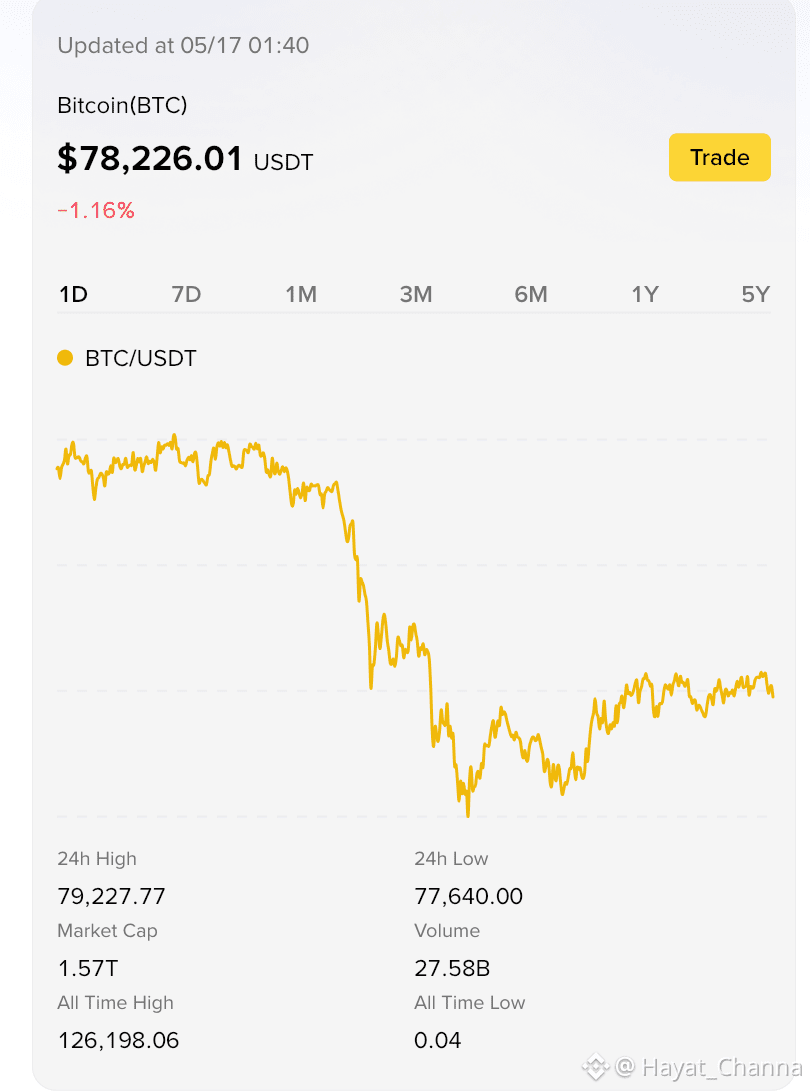
$BTC (BTC/USDT) market update (last 24h, live from Binance):
Price: $78,226.21
24h change: -1.16% (open $79,142.53)
24h high / low: $79,227.77 / $77,640.00
24h volume: 13,330.09 BTC (≈ $1.045B)
#BerkshireHeavilyIncreasesAlphabetStake #THORChainHackCauses$10.7MLoss #SpaceXEyesJune12NasdaqListing #BitcoinETFsSee$131MNetInflows #VitalikMovesETHviaPrivacyPools
Price: $78,226.21
24h change: -1.16% (open $79,142.53)
24h high / low: $79,227.77 / $77,640.00
24h volume: 13,330.09 BTC (≈ $1.045B)
#BerkshireHeavilyIncreasesAlphabetStake #THORChainHackCauses$10.7MLoss #SpaceXEyesJune12NasdaqListing #BitcoinETFsSee$131MNetInflows #VitalikMovesETHviaPrivacyPools
118

·
--

Статья
$BTC - This place feels strangely familiar…The crypto market has a strange habit of repeating emotions before it repeats prices. Right now, Bitcoin is once again sitting in one of those moments where traders feel both excited and uncomfortable at the same time. Fear is still present, people are waiting for confirmation, and yet the chart structure is starting to resemble previous stages that historically came before major moves.
For experienced market participants, this setup feels familiar for a reason.
Bitcoin Is Moving Like Previous Pre-Breakout Phases
In past market cycles, Bitcoin rarely moved straight into all-time highs without confusion first. Before explosive rallies, the market usually entered a slow consolidation zone where:
Retail traders lost patience
Bears expected a deeper crash
Smart money quietly accumulated
Volatility compressed
Negative news dominated headlines
That same behavior is appearing again.
The current BTC structure shows strong support zones holding despite repeated attempts to push prices lower. Instead of panic selling, many long-term holders appear to be keeping positions untouched. On-chain activity also suggests that large wallets are still accumulating during periods of uncertainty rather than exiting aggressively.
This type of behavior historically matters because Bitcoin often moves hardest when the majority becomes emotionally exhausted.
Why This Market Feels Different — But Also The Same
Every cycle has its own narrative.
In previous years it was:
ICOs
DeFi
NFTs
Meme coin mania
Now the market is focused on:
Institutional adoption
Spot Bitcoin ETFs
Tokenization
AI integration
Real-world blockchain utility
Even though narratives evolve, investor psychology barely changes. Markets still move through the same emotional stages:
Fear
Doubt
Disbelief
Breakout
FOMO
Euphoria
Right now, Bitcoin appears to be sitting somewhere between disbelief and cautious optimism.
That is exactly why many analysts believe this phase deserves attention.
Institutional Demand Is Changing Bitcoin’s Structure
One major difference compared to older cycles is institutional involvement.
Large financial firms and regulated investment products have introduced a new layer of demand into the market. Instead of relying purely on retail speculation, Bitcoin now attracts:
Asset managers
Hedge funds
Public companies
Long-term capital allocators
This creates a market environment where sudden panic dips are increasingly being bought rather than ignored.
Institutional accumulation does not always create immediate pumps. In fact, it often creates slow grinding price action that frustrates impatient traders before stronger trends begin.
That is another reason why this setup feels so familiar to veteran crypto investors.
Liquidity Cycles Still Control Crypto
Despite bullish narratives, liquidity remains one of the biggest drivers of crypto movement.
When global liquidity improves:
Risk assets usually strengthen
Altcoins gain momentum
Bitcoin attracts fresh capital
When liquidity tightens:
Fear increases
Leverage gets wiped out
Volatility spikes
Current macro conditions are creating uncertainty, but Bitcoin’s resilience during uncertainty is exactly what some analysts are watching closely.
Historically, strong assets tend to show strength before the broader market fully realizes what is happening.
Retail Traders Are Still Hesitant
One of the clearest signs that the market may not yet be overheated is retail hesitation.
Search trends, social sentiment, and public excitement are still far below true bull market extremes. Many people remain convinced that another major correction is coming before any real rally starts.
Ironically, that hesitation itself can become bullish.
In crypto history, the biggest rallies often started when most traders expected lower prices.
Could Bitcoin Repeat History Again?
No one can guarantee what happens next. Crypto markets remain volatile, and Bitcoin can still experience sharp corrections at any time. Traders should always manage risk carefully and avoid emotional decision-making.
But when experienced investors say “this feels familiar,” they are usually referring to:
Market structure
Emotional behavior
Liquidity positioning
Accumulation patterns
Sentiment cycles
And right now, several of those signals are lining up in ways that resemble previous pre-expansion phases.
Final Thoughts
Bitcoin does not need hype to move higher. In many cases, its strongest rallies begin quietly while most people remain distracted, fearful, or skeptical.
That is why the current market feels strangely familiar to many long-term crypto participants. The uncertainty, hesitation, and sideways movement may look boring on the surface — but historically, these have often been the moments that shaped the next major trend.
Whether history repeats exactly or not, one thing remains true: crypto rewards patience far more often than emotion.
$BTC
#BitcoinETFsSee$131MNetInflows
$BTC - This place feels strangely familiar…
The crypto market has a strange habit of repeating emotions before it repeats prices. Right now, Bitcoin is once again sitting in one of those moments where traders feel both excited and uncomfortable at the same time. Fear is still present, people are waiting for confirmation, and yet the chart structure is starting to resemble previous stages that historically came before major moves.
For experienced market participants, this setup feels familiar for a reason.
Bitcoin Is Moving Like Previous Pre-Breakout Phases
In past market cycles, Bitcoin rarely moved straight into all-time highs without confusion first. Before explosive rallies, the market usually entered a slow consolidation zone where:
Retail traders lost patience
Bears expected a deeper crash
Smart money quietly accumulated
Volatility compressed
Negative news dominated headlines
That same behavior is appearing again.
The current BTC structure shows strong support zones holding despite repeated attempts to push prices lower. Instead of panic selling, many long-term holders appear to be keeping positions untouched. On-chain activity also suggests that large wallets are still accumulating during periods of uncertainty rather than exiting aggressively.
This type of behavior historically matters because Bitcoin often moves hardest when the majority becomes emotionally exhausted.
Why This Market Feels Different — But Also The Same
Every cycle has its own narrative.
In previous years it was:
ICOs
DeFi
NFTs
Meme coin mania
Now the market is focused on:
Institutional adoption
Spot Bitcoin ETFs
Tokenization
AI integration
Real-world blockchain utility
Even though narratives evolve, investor psychology barely changes. Markets still move through the same emotional stages:
Fear
Doubt
Disbelief
Breakout
FOMO
Euphoria
Right now, Bitcoin appears to be sitting somewhere between disbelief and cautious optimism.
That is exactly why many analysts believe this phase deserves attention.
Institutional Demand Is Changing Bitcoin’s Structure
One major difference compared to older cycles is institutional involvement.
Large financial firms and regulated investment products have introduced a new layer of demand into the market. Instead of relying purely on retail speculation, Bitcoin now attracts:
Asset managers
Hedge funds
Public companies
Long-term capital allocators
This creates a market environment where sudden panic dips are increasingly being bought rather than ignored.
Institutional accumulation does not always create immediate pumps. In fact, it often creates slow grinding price action that frustrates impatient traders before stronger trends begin.
That is another reason why this setup feels so familiar to veteran crypto investors.
Liquidity Cycles Still Control Crypto
Despite bullish narratives, liquidity remains one of the biggest drivers of crypto movement.
When global liquidity improves:
Risk assets usually strengthen
Altcoins gain momentum
Bitcoin attracts fresh capital
When liquidity tightens:
Fear increases
Leverage gets wiped out
Volatility spikes
Current macro conditions are creating uncertainty, but Bitcoin’s resilience during uncertainty is exactly what some analysts are watching closely.
Historically, strong assets tend to show strength before the broader market fully realizes what is happening.
Retail Traders Are Still Hesitant
One of the clearest signs that the market may not yet be overheated is retail hesitation.
Search trends, social sentiment, and public excitement are still far below true bull market extremes. Many people remain convinced that another major correction is coming before any real rally starts.
Ironically, that hesitation itself can become bullish.
In crypto history, the biggest rallies often started when most traders expected lower prices.
Could Bitcoin Repeat History Again?
No one can guarantee what happens next. Crypto markets remain volatile, and Bitcoin can still experience sharp corrections at any time. Traders should always manage risk carefully and avoid emotional decision-making.
But when experienced investors say “this feels familiar,” they are usually referring to:
Market structure
Emotional behavior
Liquidity positioning
Accumulation patterns
Sentiment cycles
And right now, several of those signals are lining up in ways that resemble previous pre-expansion phases.
Final Thoughts
Bitcoin does not need hype to move higher. In many cases, its strongest rallies begin quietly while most people remain distracted, fearful, or skeptical.
That is why the current market feels strangely familiar to many long-term crypto participants. The uncertainty, hesitation, and sideways movement may look boring on the surface — but historically, these have often been the moments that shaped the next major trend.
Whether history repeats exactly or not, one thing remains true: crypto rewards patience far more often than emotion.
$BTC
#BitcoinETFsSee$131MNetInflows
1
1
118

·
--
Market Update: Bitcoin’s $80,000 Battleground and Altcoin ConsolidationThe cryptocurrency market is currently navigating a highly technical transition phase. Bitcoin (BTC) is locked in an intense tug-of-war between bulls and bears as it fights to flip the critical $80,000 psychological resistance into a concrete support floor.
Here is your breakdown of today’s vital market highlights:
1. Bitcoin’s Battle for the $80K Milestone
After surging from its February lows of around $61,000, Bitcoin has faced a local ceiling near its 200-day moving average, pivoting tightly around the $79,000 – $81,000 range. Rather than a market reversal, analysts view this sideways grind as a healthy "digestion phase," allowing the market to build solid on-chain structure before the next directional expansion.
2. Institutional Bid Remains Strong (ETF Inflows)
The baseline support for this cycle continues to be driven by institutional capital rather than short-term retail speculation. Spot Bitcoin ETFs recently recorded another $131 Million in net daily inflows, steadily absorbing the circulating supply faster than new tokens are being mined. This ongoing supply-demand imbalance is heavily reinforcing BTC's "digital gold" macro narrative.
3. Altcoin Spotlight: SOL & LINK Focus
Solana (SOL): SOL is currently consolidating near the $90 range. The developer community and investors are closely tracking its upcoming Alpenglow Upgrade, which aims to significantly enhance network processing speeds and bolster stablecoin infrastructure.
Chainlink (LINK): Trading steadily around $10, LINK remains a primary target for long-term accumulation as major traditional financial institutions increasingly utilize its oracle network to move real-world assets on-chain.
Trading Strategy: The market is presenting a classic re-accumulation environment. Amid macro volatility and fluctuating Treasury yields, avoiding excessive futures leverage and focusing on spot accumulation or disciplined low-leverage swing entries remains the safest play.
#BitcoinETFsSee$131MNetInflows #CryptoMarket2026 #bitcoin80k #BinanceSquare #SolanaAlpenglow $BTC
{future}(BTCUSDT)
$ETH
{future}(ETHUSDT)
$BNB
{future}(BNBUSDT)
Market Update: Bitcoin’s $80,000 Battleground and Altcoin Consolidation
The cryptocurrency market is currently navigating a highly technical transition phase. Bitcoin (BTC) is locked in an intense tug-of-war between bulls and bears as it fights to flip the critical $80,000 psychological resistance into a concrete support floor.
Here is your breakdown of today’s vital market highlights:
1. Bitcoin’s Battle for the $80K Milestone
After surging from its February lows of around $61,000, Bitcoin has faced a local ceiling near its 200-day moving average, pivoting tightly around the $79,000 – $81,000 range. Rather than a market reversal, analysts view this sideways grind as a healthy "digestion phase," allowing the market to build solid on-chain structure before the next directional expansion.
2. Institutional Bid Remains Strong (ETF Inflows)
The baseline support for this cycle continues to be driven by institutional capital rather than short-term retail speculation. Spot Bitcoin ETFs recently recorded another $131 Million in net daily inflows, steadily absorbing the circulating supply faster than new tokens are being mined. This ongoing supply-demand imbalance is heavily reinforcing BTC's "digital gold" macro narrative.
3. Altcoin Spotlight: SOL & LINK Focus
Solana (SOL): SOL is currently consolidating near the $90 range. The developer community and investors are closely tracking its upcoming Alpenglow Upgrade, which aims to significantly enhance network processing speeds and bolster stablecoin infrastructure.
Chainlink (LINK): Trading steadily around $10, LINK remains a primary target for long-term accumulation as major traditional financial institutions increasingly utilize its oracle network to move real-world assets on-chain.
Trading Strategy: The market is presenting a classic re-accumulation environment. Amid macro volatility and fluctuating Treasury yields, avoiding excessive futures leverage and focusing on spot accumulation or disciplined low-leverage swing entries remains the safest play.
#BitcoinETFsSee$131MNetInflows #CryptoMarket2026 #bitcoin80k #BinanceSquare #SolanaAlpenglow $BTC
$ETH
$BNB
154

·
--
📊 Acumulación Institucional: ¿Por qué hay un déficit de Bitcoin en los exchanges?Hoy estamos viendo un fenómeno fascinante: las instituciones están comprando Bitcoin a un ritmo cuatro veces mayor de lo que los mineros pueden producirlo. Esta "crisis de oferta" es el motor principal detrás de la subida actual. Cuando grandes fondos de inversión deciden mover capital hacia el sector cripto, no compran en el mercado retail, sino que retiran fondos de los exchanges para custodiarlos en frío.
Esto genera que la oferta disponible en plataformas como Binance disminuya drásticamente. Para nosotros, los pequeños inversores, esto significa que cualquier aumento pequeño en la demanda puede causar un salto enorme en el precio. No se trata de "hype", se trata de matemática pura: menos oferta y más demanda es igual a precios más altos. Mi estrategia sigue siendo la misma: acumular en las correcciones y no vender mi posición principal ante el primer susto del mercado.
Cuál es tu opinión del artículo déjala en los comentarios👇#BitcoinETFsSee$131MNetInflows #BTC走势分析 #btc70k #bitcoin #BTC $BTC
{spot}(BTCUSDT)
📊 Acumulación Institucional: ¿Por qué hay un déficit de Bitcoin en los exchanges?
Hoy estamos viendo un fenómeno fascinante: las instituciones están comprando Bitcoin a un ritmo cuatro veces mayor de lo que los mineros pueden producirlo. Esta "crisis de oferta" es el motor principal detrás de la subida actual. Cuando grandes fondos de inversión deciden mover capital hacia el sector cripto, no compran en el mercado retail, sino que retiran fondos de los exchanges para custodiarlos en frío.
Esto genera que la oferta disponible en plataformas como Binance disminuya drásticamente. Para nosotros, los pequeños inversores, esto significa que cualquier aumento pequeño en la demanda puede causar un salto enorme en el precio. No se trata de "hype", se trata de matemática pura: menos oferta y más demanda es igual a precios más altos. Mi estrategia sigue siendo la misma: acumular en las correcciones y no vender mi posición principal ante el primer susto del mercado.
Cuál es tu opinión del artículo déjala en los comentarios👇#BitcoinETFsSee$131MNetInflows #BTC走势分析 #btc70k #bitcoin #BTC $BTC
129

·
--
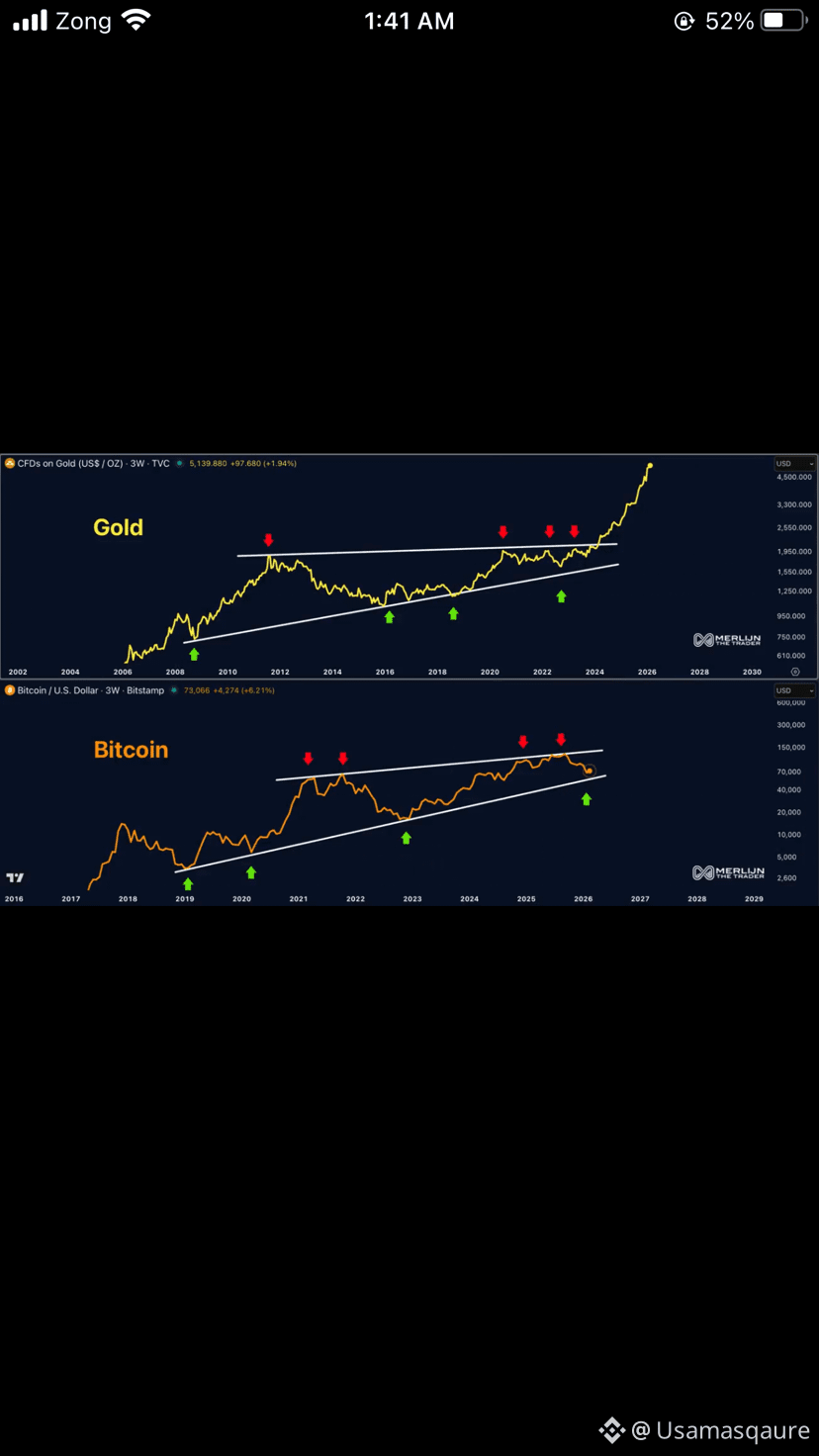
$BTC Bitcoin ready to pump and follow the Gold move 🚀#Bitcoinmove #BitcoinETFsSee$131MNetInflows #BitcoinETFsSee$131MNetInflows
$BTC Bitcoin ready to pump and follow the Gold move 🚀#Bitcoinmove #BitcoinETFsSee$131MNetInflows #BitcoinETFsSee$131MNetInflows
112

·
--
Рост
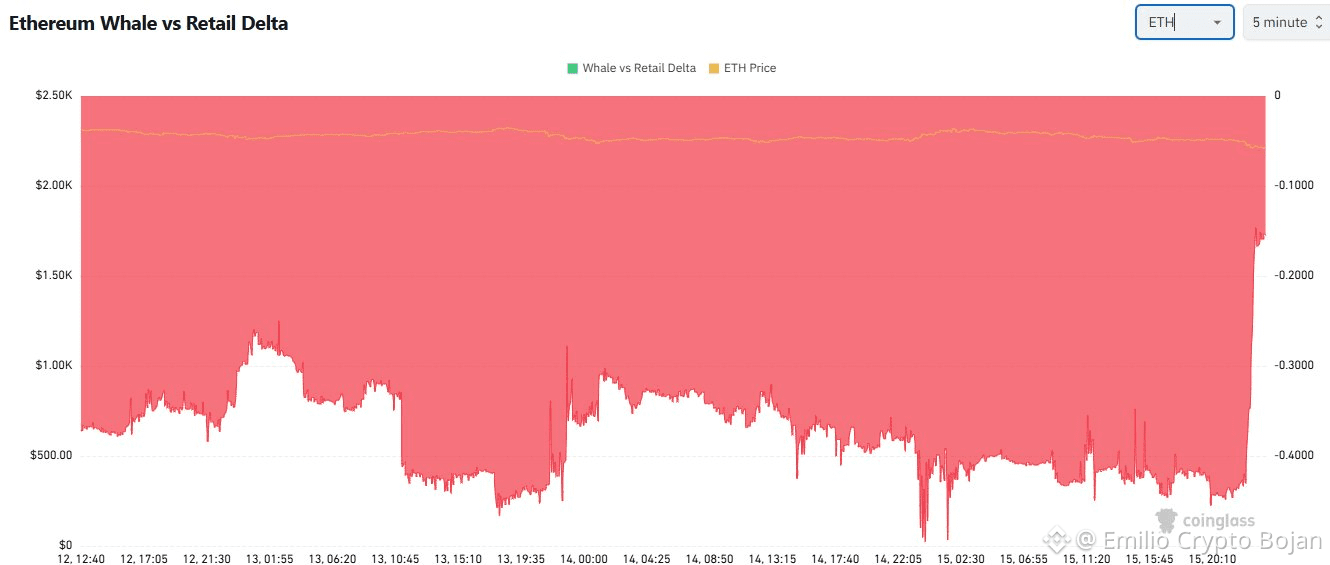
$ETH short whales are closing their positions.
Whale vs Retail Delta has dropped to -0.155 as whale shorts reduce their exposure
#BitcoinETFsSee$131MNetInflows #VitalikMovesETHviaPrivacyPools #DuneCuts25%AmidAIEfficiencyPush #TrumpDisclosesTradesIncludingMARAStock
$ETH short whales are closing their positions.
Whale vs Retail Delta has dropped to -0.155 as whale shorts reduce their exposure
#BitcoinETFsSee$131MNetInflows #VitalikMovesETHviaPrivacyPools #DuneCuts25%AmidAIEfficiencyPush #TrumpDisclosesTradesIncludingMARAStock
Whale vs Retail Delta has dropped to -0.155 as whale shorts reduce their exposure
#BitcoinETFsSee$131MNetInflows #VitalikMovesETHviaPrivacyPools #DuneCuts25%AmidAIEfficiencyPush #TrumpDisclosesTradesIncludingMARAStock
1
162

·
--
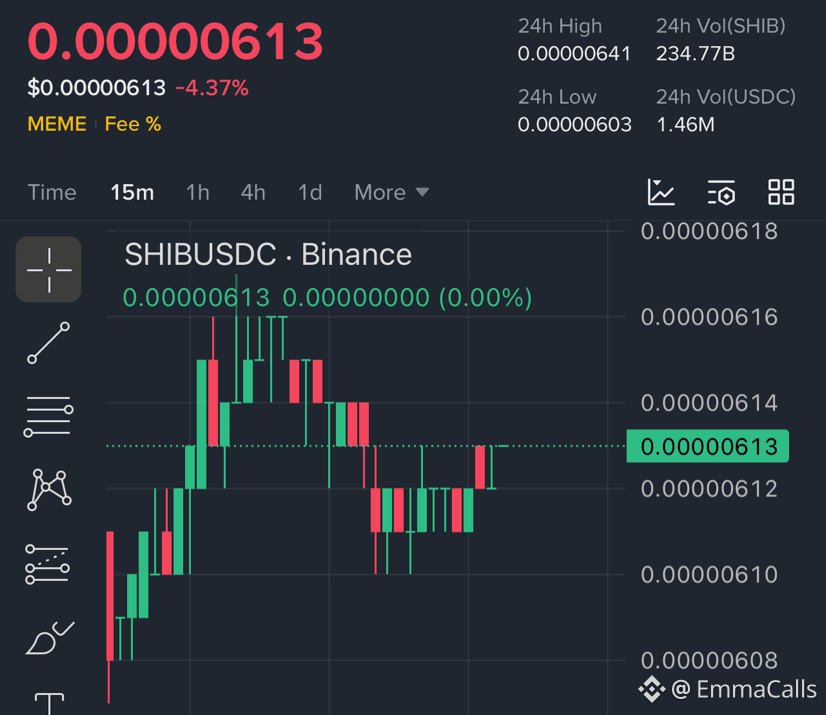
$SHIB Is Forming A Quiet Accumulation Zone 🐕🔥
Entry Zone: $0.00000610 – $0.00000613
Stop Loss: $0.00000600
Targets:
TP1: $0.00000625
TP2: $0.00000645
TP3: $0.00000680
#DuneCuts25%AmidAIEfficiencyPush #BitcoinETFsSee$131MNetInflows
{spot}(SHIBUSDT)
$SHIB Is Forming A Quiet Accumulation Zone 🐕🔥
Entry Zone: $0.00000610 – $0.00000613
Stop Loss: $0.00000600
Targets:
TP1: $0.00000625
TP2: $0.00000645
TP3: $0.00000680
#DuneCuts25%AmidAIEfficiencyPush #BitcoinETFsSee$131MNetInflows
Entry Zone: $0.00000610 – $0.00000613
Stop Loss: $0.00000600
Targets:
TP1: $0.00000625
TP2: $0.00000645
TP3: $0.00000680
#DuneCuts25%AmidAIEfficiencyPush #BitcoinETFsSee$131MNetInflows
2
142
·
--
$RLUSD D (Ripple USD) is gaining strong attention as one of the fastest-growing regulated stablecoins in the crypto market. Ripple continues expanding RLUSD across exchanges, payment systems, and institutional finance platforms.
Recent market analysis:
$RLUSD is maintaining a strong $1 peg with growing trading volume and liquidity.
Analysts say exchange integrations and Ethereum Layer-2 expansion are improving adoption momentum.
Institutional partnerships and reserve transparency remain major bullish factors for long-term growth.
#DuneCuts25%AmidAIEfficiencyPush #TrumpDisclosesTradesIncludingMARAStock
Crypto communities on Reddit remain optimistic about RLUSD because many investors believe regulated stablecoins could become important for global payments and DeFi infrastructure.
However, analysts also note that RLUSD faces strong competition from major stablecoins like USDT and USDC, meaning adoption speed will remain an important factor to watch.
{spot}(RLUSDUSDT)
#BitcoinETFsSee$131MNetInflows #VitalikMovesETHviaPrivacyPools
$RLUSD D (Ripple USD) is gaining strong attention as one of the fastest-growing regulated stablecoins in the crypto market. Ripple continues expanding RLUSD across exchanges, payment systems, and institutional finance platforms.
Recent market analysis:
$RLUSD is maintaining a strong $1 peg with growing trading volume and liquidity.
Analysts say exchange integrations and Ethereum Layer-2 expansion are improving adoption momentum.
Institutional partnerships and reserve transparency remain major bullish factors for long-term growth.
#DuneCuts25%AmidAIEfficiencyPush #TrumpDisclosesTradesIncludingMARAStock
Crypto communities on Reddit remain optimistic about RLUSD because many investors believe regulated stablecoins could become important for global payments and DeFi infrastructure.
However, analysts also note that RLUSD faces strong competition from major stablecoins like USDT and USDC, meaning adoption speed will remain an important factor to watch.
#BitcoinETFsSee$131MNetInflows #VitalikMovesETHviaPrivacyPools
125
·
--
Рост
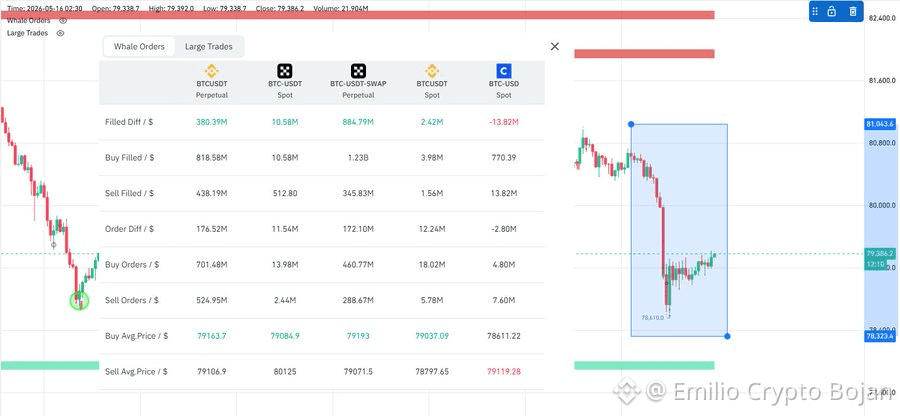
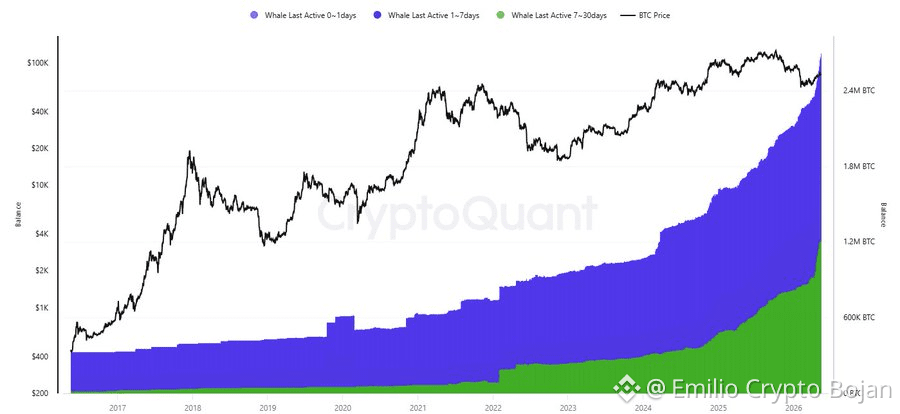
The Bitcoin dip is getting bought.
Whales have net bought large positions during this short-term $BTC downtrend.
#BitcoinETFsSee$131MNetInflows #VitalikMovesETHviaPrivacyPools #DuneCuts25%AmidAIEfficiencyPush #TrumpDisclosesTradesIncludingMARAStock
The Bitcoin dip is getting bought.
Whales have net bought large positions during this short-term $BTC downtrend.
#BitcoinETFsSee$131MNetInflows #VitalikMovesETHviaPrivacyPools #DuneCuts25%AmidAIEfficiencyPush #TrumpDisclosesTradesIncludingMARAStock
Whales have net bought large positions during this short-term $BTC downtrend.
#BitcoinETFsSee$131MNetInflows #VitalikMovesETHviaPrivacyPools #DuneCuts25%AmidAIEfficiencyPush #TrumpDisclosesTradesIncludingMARAStock
148
·
--
Рост
59
Войдите, чтобы посмотреть больше материала
Присоединяйтесь к пользователям криптовалют по всему миру на Binance Square
⚡️ Получайте новейшую и полезную информацию о криптоактивах.
💬 Нам доверяет крупнейшая в мире криптобиржа.
👍 Получите достоверные аналитические данные от верифицированных создателей контента.
Эл. почта/номер телефона
В тренде
1
#EarningsSeason
Просмотров: 6.6M
33,149 обсуждают
2
#USMidtermElections
Просмотров: 85,870
1,148 обсуждают
3
#StrategySTRCReaches$99.95ForFirstTimeIn165Days
Просмотров: 730
34 обсуждают
4
#BinanceWillListPredictPREDICT
Просмотров: 12,210
390 обсуждают
5
#SwitzerlandFirstSpotBitcoinETFExpectedToTradeInNovember
Просмотров: 832
49 обсуждают
6
#StrategyReports$21BQ3OperatingProfit
Просмотров: 704
32 обсуждают
7
#TwoAddressesHoldingAbout1.28BUSDTFrozen
Просмотров: 4,427
197 обсуждают
8
#FirstDigitalBlacklistsAttackerAddressHoldingAbout3.4MFDUSD
Просмотров: 251
13 обсуждают
9
#BitcoinDropsBelow$80K
Просмотров: 61,433
161 обсуждают
10
#BoEOpensConsultationOnTokenizedCollateralForClearing
Просмотров: 2,169
48 обсуждают