

#tokenisation
tokenisation
Просмотров: 45,784
245 обсуждают
Популярные
Новые
·
--
🏦 «Трубопроводы» Уолл-стрит переходят на блокчейн. DTCC, центральный депозитарий американских ценных бумаг, опубликовал подробности своего сервиса токенизации, запуск которого запланирован на октябрь 2026 года.
📌 Факты (документ DTCC, опубликован 17 октября)
• 25 ценных бумаг, доступных для токенизации на старте: акции крупных компаний из индекса Russell 1000, ETF, казначейские облигации США
• Около 30 000 миллиардов $ d активов в перспективе смогут участвовать в программе (не все будут токенизированы с первого дня)
• Сети на старте: Canton и Besu (частная сеть DTCC). Stellar и Arc (Circle) запланированы на 2027 год
🧠 Как это работает
• Каждый токен обеспечен в соотношении 1:1 реальной ценной бумагой, хранящейся в DTC, с тем же кодом CUSIP и теми же правами
• Переводы между зарегистрированными кошельками доступны круглосуточно и без выходных в рамках одного блокчейна
• Конвертация классической ценной бумаги ⇄ токена: в рабочие дни, с 2:00 до 18:00 (по нью-йоркскому времени); целевое время — 15 минут
• «Соответствующие требованиям» токены: возможны ограничения на переводы, заморозка и восстановление
⚖️ Важный нюанс
• Сервис ещё не запущен, точной даты нет; всё зависит от письма SEC об отсутствии возражений
• Доступ будет только у участников DTC (банков, брокеров), но не у широкой публики
• Официальный реестр по-прежнему ведётся в DTC: это не открытая DeFi
👤 Дидье, студент из Киншасы, видит рекламу «акции Apple в виде токенов». Этот сервис ему напрямую недоступен. Но он усваивает правильный вопрос: кто владеет реальной акцией, лежащей в основе токена, и какие права она мне даёт?
✅ Надёжная токенизированная акция = идентифицируемая реальная ценная бумага + ответственный эмитент.
Как думаешь, биржа, работающая 24/7, когда-нибудь станет доступна и нам? 👇
Не является финансовой рекомендацией. DYOR.
Источники: DTCC, TSN, The Crypto Times.
#Tokenisation #RWA #Crypto #Африка
🏦 «Трубопроводы» Уолл-стрит переходят на блокчейн. DTCC, центральный депозитарий американских ценных бумаг, опубликовал подробности своего сервиса токенизации, запуск которого запланирован на октябрь 2026 года.
📌 Факты (документ DTCC, опубликован 17 октября)
• 25 ценных бумаг, доступных для токенизации на старте: акции крупных компаний из индекса Russell 1000, ETF, казначейские облигации США
• Около 30 000 миллиардов $ d активов в перспективе смогут участвовать в программе (не все будут токенизированы с первого дня)
• Сети на старте: Canton и Besu (частная сеть DTCC). Stellar и Arc (Circle) запланированы на 2027 год
🧠 Как это работает
• Каждый токен обеспечен в соотношении 1:1 реальной ценной бумагой, хранящейся в DTC, с тем же кодом CUSIP и теми же правами
• Переводы между зарегистрированными кошельками доступны круглосуточно и без выходных в рамках одного блокчейна
• Конвертация классической ценной бумаги ⇄ токена: в рабочие дни, с 2:00 до 18:00 (по нью-йоркскому времени); целевое время — 15 минут
• «Соответствующие требованиям» токены: возможны ограничения на переводы, заморозка и восстановление
⚖️ Важный нюанс
• Сервис ещё не запущен, точной даты нет; всё зависит от письма SEC об отсутствии возражений
• Доступ будет только у участников DTC (банков, брокеров), но не у широкой публики
• Официальный реестр по-прежнему ведётся в DTC: это не открытая DeFi
👤 Дидье, студент из Киншасы, видит рекламу «акции Apple в виде токенов». Этот сервис ему напрямую недоступен. Но он усваивает правильный вопрос: кто владеет реальной акцией, лежащей в основе токена, и какие права она мне даёт?
✅ Надёжная токенизированная акция = идентифицируемая реальная ценная бумага + ответственный эмитент.
Как думаешь, биржа, работающая 24/7, когда-нибудь станет доступна и нам? 👇
Не является финансовой рекомендацией. DYOR.
Источники: DTCC, TSN, The Crypto Times.
#Tokenisation #RWA #Crypto #Африка
📌 Факты (документ DTCC, опубликован 17 октября)
• 25 ценных бумаг, доступных для токенизации на старте: акции крупных компаний из индекса Russell 1000, ETF, казначейские облигации США
• Около 30 000 миллиардов $ d активов в перспективе смогут участвовать в программе (не все будут токенизированы с первого дня)
• Сети на старте: Canton и Besu (частная сеть DTCC). Stellar и Arc (Circle) запланированы на 2027 год
🧠 Как это работает
• Каждый токен обеспечен в соотношении 1:1 реальной ценной бумагой, хранящейся в DTC, с тем же кодом CUSIP и теми же правами
• Переводы между зарегистрированными кошельками доступны круглосуточно и без выходных в рамках одного блокчейна
• Конвертация классической ценной бумаги ⇄ токена: в рабочие дни, с 2:00 до 18:00 (по нью-йоркскому времени); целевое время — 15 минут
• «Соответствующие требованиям» токены: возможны ограничения на переводы, заморозка и восстановление
⚖️ Важный нюанс
• Сервис ещё не запущен, точной даты нет; всё зависит от письма SEC об отсутствии возражений
• Доступ будет только у участников DTC (банков, брокеров), но не у широкой публики
• Официальный реестр по-прежнему ведётся в DTC: это не открытая DeFi
👤 Дидье, студент из Киншасы, видит рекламу «акции Apple в виде токенов». Этот сервис ему напрямую недоступен. Но он усваивает правильный вопрос: кто владеет реальной акцией, лежащей в основе токена, и какие права она мне даёт?
✅ Надёжная токенизированная акция = идентифицируемая реальная ценная бумага + ответственный эмитент.
Как думаешь, биржа, работающая 24/7, когда-нибудь станет доступна и нам? 👇
Не является финансовой рекомендацией. DYOR.
Источники: DTCC, TSN, The Crypto Times.
#Tokenisation #RWA #Crypto #Африка
5
·
--
Статья
9 американских гигантов отказались токенизировать свои акции: вето, которое тормозит OKXICEПредставь, что кто-то продаёт «цифровые копии» твоих акций круглосуточно, даже не спросив твоего мнения. Именно этот вопрос недавно решили девять крупных американских компаний: они сказали «нет». Verizon, Broadcom, CoreWeave, UnitedHealth… отказываются от токенизации своих акций на OKXICE — новой платформе OKX и ICE (материнской компании Нью-Йоркской фондовой биржи). Вот что произошло и почему это важно, даже если ты никогда не покупал акции.
9 американских гигантов отказались токенизировать свои акции: вето, которое тормозит OKXICE
Представь, что кто-то продаёт «цифровые копии» твоих акций круглосуточно, даже не спросив твоего мнения. Именно этот вопрос недавно решили девять крупных американских компаний: они сказали «нет». Verizon, Broadcom, CoreWeave, UnitedHealth… отказываются от токенизации своих акций на OKXICE — новой платформе OKX и ICE (материнской компании Нью-Йоркской фондовой биржи). Вот что произошло и почему это важно, даже если ты никогда не покупал акции.
33
·
--
Статья
BNY и Citadel вывели токенизированный казначейский вексель США на рынок репо: невидимая финансовая инфраструктура меняетсяТы когда-нибудь видел, как кто-то закладывает золотое украшение, чтобы быстро получить заём, а потом выкупает его, вернув деньги? На Уолл-стрит это называется «репо», и речь здесь идёт о триллионах. 13 октября 2026 года BNY, крупнейший в мире банк-хранитель, и Citadel Securities впервые провели токенизированный казначейский вексель США через эту систему. Разберёмся, почему это важно… и почему это ещё не значит, что «крипта победила».
BNY и Citadel вывели токенизированный казначейский вексель США на рынок репо: невидимая финансовая инфраструктура меняется
Ты когда-нибудь видел, как кто-то закладывает золотое украшение, чтобы быстро получить заём, а потом выкупает его, вернув деньги? На Уолл-стрит это называется «репо», и речь здесь идёт о триллионах. 13 октября 2026 года BNY, крупнейший в мире банк-хранитель, и Citadel Securities впервые провели токенизированный казначейский вексель США через эту систему. Разберёмся, почему это важно… и почему это ещё не значит, что «крипта победила».
48

·
--
Токенизация — будущее криптоиндустрии? 🌍🔗
Токенизация позволяет представлять реальные активы, такие как недвижимость, золото и сырьевые товары, в блокчейне.
✅ Более широкая доступность
✅ Более быстрые транзакции
✅ Более прозрачное владение
✅ Новые инвестиционные возможности
Может ли токенизация стать следующим важным шагом в массовом распространении криптовалют?
Что вы думаете?
#tokenisation #CryptoPatience #blockchain
#BTC🔥🔥🔥🔥🔥 #bitcoin
$BTC $ETH
Токенизация — будущее криптоиндустрии? 🌍🔗
Токенизация позволяет представлять реальные активы, такие как недвижимость, золото и сырьевые товары, в блокчейне.
✅ Более широкая доступность
✅ Более быстрые транзакции
✅ Более прозрачное владение
✅ Новые инвестиционные возможности
Может ли токенизация стать следующим важным шагом в массовом распространении криптовалют?
Что вы думаете?
#tokenisation #CryptoPatience #blockchain
#BTC🔥🔥🔥🔥🔥 #bitcoin
$BTC $ETH
Токенизация позволяет представлять реальные активы, такие как недвижимость, золото и сырьевые товары, в блокчейне.
✅ Более широкая доступность
✅ Более быстрые транзакции
✅ Более прозрачное владение
✅ Новые инвестиционные возможности
Может ли токенизация стать следующим важным шагом в массовом распространении криптовалют?
Что вы думаете?
#tokenisation #CryptoPatience #blockchain
#BTC🔥🔥🔥🔥🔥 #bitcoin
$BTC $ETH
131

·
--
🧧🧧🚀 Токенизация реальных активов меняет всё в 2026 году🚀🧧🧧
Пока многие всё ещё смотрят только на цену BTC, настоящий перелом происходит в другой сфере: Real World Assets (RWA).
Акции, облигации, недвижимость, казначейские активы… всё постепенно переходит ончейн.
Результат? Больше ликвидности, больше прозрачности и, главное, надёжный мост между традиционными финансами и крипторынком.
Binance уже на передовой: предлагает бессрочные фьючерсы на традиционные активы и стремительно растущие объёмы торгов.
Те, кто понимает эту тенденцию сегодня, завтра уже будут совсем другими.
Ты следишь за RWA или остаёшься на 100 % в чистой крипте?
Напиши в комментариях 👇
#RWAcoinList #tokenisation #BİNANCE #Crypto2026⚡✨🌟 #Adoption $NVDAB
🧧🧧🚀 Токенизация реальных активов меняет всё в 2026 году🚀🧧🧧
Пока многие всё ещё смотрят только на цену BTC, настоящий перелом происходит в другой сфере: Real World Assets (RWA).
Акции, облигации, недвижимость, казначейские активы… всё постепенно переходит ончейн.
Результат? Больше ликвидности, больше прозрачности и, главное, надёжный мост между традиционными финансами и крипторынком.
Binance уже на передовой: предлагает бессрочные фьючерсы на традиционные активы и стремительно растущие объёмы торгов.
Те, кто понимает эту тенденцию сегодня, завтра уже будут совсем другими.
Ты следишь за RWA или остаёшься на 100 % в чистой крипте?
Напиши в комментариях 👇
#RWAcoinList #tokenisation #BİNANCE #Crypto2026⚡✨🌟 #Adoption $NVDAB
Пока многие всё ещё смотрят только на цену BTC, настоящий перелом происходит в другой сфере: Real World Assets (RWA).
Акции, облигации, недвижимость, казначейские активы… всё постепенно переходит ончейн.
Результат? Больше ликвидности, больше прозрачности и, главное, надёжный мост между традиционными финансами и крипторынком.
Binance уже на передовой: предлагает бессрочные фьючерсы на традиционные активы и стремительно растущие объёмы торгов.
Те, кто понимает эту тенденцию сегодня, завтра уже будут совсем другими.
Ты следишь за RWA или остаёшься на 100 % в чистой крипте?
Напиши в комментариях 👇
#RWAcoinList #tokenisation #BİNANCE #Crypto2026⚡✨🌟 #Adoption $NVDAB
Hausse certaines de NVDAB
67%
Baisse certaines de NVDAB
33%
Je ne sais pas 😫😫
0%
6 проголосовали • Голосование закрыто
264
3
12
264
·
--
Статья
Токенизированные акции: рекордные 3,9 миллиарда долларов, лидирует BNB ChainОбъём «токенизированных акций» достиг рекордного уровня — около **3,9 миллиарда долларов** в общей сложности, согласно данным Token Terminal, опубликованным 12 октября 2026 года. Лидирует **BNB Chain**. Главное: **теперь можно следить за ценой акций Apple или Tesla с помощью токена круглосуточно… но этот токен не всегда является настоящей акцией.** Понимание разницы поможет избежать неприятных сюрпризов.
📋 Данные (Token Terminal, по материалам Wu Blockchain, FinanceFeeds и Coinfomania, 11–12 октября 2026 года)
Токенизированные акции: рекордные 3,9 миллиарда долларов, лидирует BNB Chain
Объём «токенизированных акций» достиг рекордного уровня — около **3,9 миллиарда долларов** в общей сложности, согласно данным Token Terminal, опубликованным 12 октября 2026 года. Лидирует **BNB Chain**. Главное: **теперь можно следить за ценой акций Apple или Tesla с помощью токена круглосуточно… но этот токен не всегда является настоящей акцией.** Понимание разницы поможет избежать неприятных сюрпризов.
📋 Данные (Token Terminal, по материалам Wu Blockchain, FinanceFeeds и Coinfomania, 11–12 октября 2026 года)
📋 Данные (Token Terminal, по материалам Wu Blockchain, FinanceFeeds и Coinfomania, 11–12 октября 2026 года)
29

Cardano только что сделала соблюдение нормативных требований свойством самого токена.
На TOKEN2049 официально объявили о запуске CIP-0113 в основной сети. Теперь эмитенты могут встроить в нативные токены проверки KYC, санкционный скрининг, белые и чёрные списки, заморозку и принудительные переводы. Сеть автоматически применяет эти правила при каждом переводе, выпуске и сжигании токенов — без хардфорка.
Почему это важно:
Эмитентам стейблкоинов, фондам и программам выпуска облигаций недостаточно просто иметь возможность выпускать токены. Им необходимо также контролировать их. Для регулируемых активов важно, чтобы эмитенты могли замораживать адреса, исполнять судебные предписания и при необходимости блокировать подсанкционных лиц. CIP-0113 впервые предоставляет такие возможности нативным активам Cardano — без обёрнутых токенов и отдельного блокчейна.
Поддержка из Швейцарии — весомый сигнал:
Швейцарская ассоциация рынков капитала и технологий (CMTA) признала программируемые токены активов CIP-0113 эквивалентными стандарту смарт-контрактов CMTAT. Это означает, что долевые ценные бумаги, выпущенные по этому стандарту, могут быть признаны в рамках швейцарских сертификационных систем.
Но есть и честный компромисс:
Когда токен становится программируемым, переводы должны проходить через скрипты проверки, что увеличивает комиссии и нагрузку на верификацию. Для токенов, которым нужны только средства контроля выпуска и сжигания, обычная политика выпуска по-прежнему будет лучшим выбором.
Cardano Foundation прямо заявила, что целевая аудитория — банки, управляющие фондами и эмитенты стейблкоинов, а не обычные держатели ADA. Настоящая проверка — это внедрение: пока ни один конкретный эмитент не заявил о намерении использовать этот стандарт.
Итак, технически утверждение о готовности Cardano к токенизации выдерживает проверку. С коммерческой точки зрения это пока не доказано.
$ZEC $LUMIA $BAT
{spot}(LUMIAUSDT)
#Cardano #ADA #tokenisation #RWA
Cardano только что сделала соблюдение нормативных требований свойством самого токена.
На TOKEN2049 официально объявили о запуске CIP-0113 в основной сети. Теперь эмитенты могут встроить в нативные токены проверки KYC, санкционный скрининг, белые и чёрные списки, заморозку и принудительные переводы. Сеть автоматически применяет эти правила при каждом переводе, выпуске и сжигании токенов — без хардфорка.
Почему это важно:
Эмитентам стейблкоинов, фондам и программам выпуска облигаций недостаточно просто иметь возможность выпускать токены. Им необходимо также контролировать их. Для регулируемых активов важно, чтобы эмитенты могли замораживать адреса, исполнять судебные предписания и при необходимости блокировать подсанкционных лиц. CIP-0113 впервые предоставляет такие возможности нативным активам Cardano — без обёрнутых токенов и отдельного блокчейна.
Поддержка из Швейцарии — весомый сигнал:
Швейцарская ассоциация рынков капитала и технологий (CMTA) признала программируемые токены активов CIP-0113 эквивалентными стандарту смарт-контрактов CMTAT. Это означает, что долевые ценные бумаги, выпущенные по этому стандарту, могут быть признаны в рамках швейцарских сертификационных систем.
Но есть и честный компромисс:
Когда токен становится программируемым, переводы должны проходить через скрипты проверки, что увеличивает комиссии и нагрузку на верификацию. Для токенов, которым нужны только средства контроля выпуска и сжигания, обычная политика выпуска по-прежнему будет лучшим выбором.
Cardano Foundation прямо заявила, что целевая аудитория — банки, управляющие фондами и эмитенты стейблкоинов, а не обычные держатели ADA. Настоящая проверка — это внедрение: пока ни один конкретный эмитент не заявил о намерении использовать этот стандарт.
Итак, технически утверждение о готовности Cardano к токенизации выдерживает проверку. С коммерческой точки зрения это пока не доказано.
$ZEC $LUMIA $BAT
#Cardano #ADA #tokenisation #RWA
На TOKEN2049 официально объявили о запуске CIP-0113 в основной сети. Теперь эмитенты могут встроить в нативные токены проверки KYC, санкционный скрининг, белые и чёрные списки, заморозку и принудительные переводы. Сеть автоматически применяет эти правила при каждом переводе, выпуске и сжигании токенов — без хардфорка.
Почему это важно:
Эмитентам стейблкоинов, фондам и программам выпуска облигаций недостаточно просто иметь возможность выпускать токены. Им необходимо также контролировать их. Для регулируемых активов важно, чтобы эмитенты могли замораживать адреса, исполнять судебные предписания и при необходимости блокировать подсанкционных лиц. CIP-0113 впервые предоставляет такие возможности нативным активам Cardano — без обёрнутых токенов и отдельного блокчейна.
Поддержка из Швейцарии — весомый сигнал:
Швейцарская ассоциация рынков капитала и технологий (CMTA) признала программируемые токены активов CIP-0113 эквивалентными стандарту смарт-контрактов CMTAT. Это означает, что долевые ценные бумаги, выпущенные по этому стандарту, могут быть признаны в рамках швейцарских сертификационных систем.
Но есть и честный компромисс:
Когда токен становится программируемым, переводы должны проходить через скрипты проверки, что увеличивает комиссии и нагрузку на верификацию. Для токенов, которым нужны только средства контроля выпуска и сжигания, обычная политика выпуска по-прежнему будет лучшим выбором.
Cardano Foundation прямо заявила, что целевая аудитория — банки, управляющие фондами и эмитенты стейблкоинов, а не обычные держатели ADA. Настоящая проверка — это внедрение: пока ни один конкретный эмитент не заявил о намерении использовать этот стандарт.
Итак, технически утверждение о готовности Cardano к токенизации выдерживает проверку. С коммерческой точки зрения это пока не доказано.
$ZEC $LUMIA $BAT
#Cardano #ADA #tokenisation #RWA
1
566

·
--
🏛️ **Apple, Nvidia, Tesla… на Solana. Но чем мы на самом деле владеем?**
8 октября Securitize запустила **Securitize Stocks**: 12 токенизированных американских акций на $SOL , включая Apple, Microsoft, Nvidia, Tesla и Amazon.
Что изменилось:
✅ Каждый токен обеспечен реальной акцией в соотношении 1:1
✅ Юридическая структура типа *security entitlement* (статья 8 UCC)
✅ Включены дивиденды и право голоса
✅ Расчёты в $USDC
💡 **Главное:** не все токенизированные акции одинаковы. Одни дают лишь возможность следить за изменением цены, другие — юридические права, связанные с базовой акцией. Перед покупкой всегда проверяйте, какие именно права даёт вам токен.
Откроет ли токенизация финансовые рынки для большего числа людей? 👇
#solana #RWA #tokenisation #SECURITIZE
🏛️ **Apple, Nvidia, Tesla… на Solana. Но чем мы на самом деле владеем?**
8 октября Securitize запустила **Securitize Stocks**: 12 токенизированных американских акций на $SOL , включая Apple, Microsoft, Nvidia, Tesla и Amazon.
Что изменилось:
✅ Каждый токен обеспечен реальной акцией в соотношении 1:1
✅ Юридическая структура типа *security entitlement* (статья 8 UCC)
✅ Включены дивиденды и право голоса
✅ Расчёты в $USDC
💡 **Главное:** не все токенизированные акции одинаковы. Одни дают лишь возможность следить за изменением цены, другие — юридические права, связанные с базовой акцией. Перед покупкой всегда проверяйте, какие именно права даёт вам токен.
Откроет ли токенизация финансовые рынки для большего числа людей? 👇
#solana #RWA #tokenisation #SECURITIZE
8 октября Securitize запустила **Securitize Stocks**: 12 токенизированных американских акций на $SOL , включая Apple, Microsoft, Nvidia, Tesla и Amazon.
Что изменилось:
✅ Каждый токен обеспечен реальной акцией в соотношении 1:1
✅ Юридическая структура типа *security entitlement* (статья 8 UCC)
✅ Включены дивиденды и право голоса
✅ Расчёты в $USDC
💡 **Главное:** не все токенизированные акции одинаковы. Одни дают лишь возможность следить за изменением цены, другие — юридические права, связанные с базовой акцией. Перед покупкой всегда проверяйте, какие именно права даёт вам токен.
Откроет ли токенизация финансовые рынки для большего числа людей? 👇
#solana #RWA #tokenisation #SECURITIZE
134
·
--
🏦 Токенизированные акции взрываются на DEX, и BNB Chain ведет танец. По данным Token Terminal, объем DEX токенизированных акций достигает ~48,7 млрд $ за 12 месяцев (+10 163 %).
• $BNB Chain : ~21,1 млрд $
• $SOL : ~12,7 млрд $
• Robinhood Chain : ~12,5 млрд $
• Uniswap (v3 + v4) : ~17,1 млрд $
⚠️ Но это объем торгов, а не стоимость токенизированных акций в обращении, оцениваемая RWA.xyz примерно в ~3,2 млрд $.
Прежде чем воодушевляться, всегда проверяй:
• юридическое право собственности
• ликвидность
• кастоди (хранение)
• права голоса
• регулирование
• механизм, который гарантирует, что токен представляет актив
Токенизация, возможно, это инфраструктура рынков завтрашнего дня. Следить внимательно, но без лишнего ажиотажа.
#tokenisation #RWA #BNBChain
🏦 Токенизированные акции взрываются на DEX, и BNB Chain ведет танец. По данным Token Terminal, объем DEX токенизированных акций достигает ~48,7 млрд $ за 12 месяцев (+10 163 %).
• $BNB Chain : ~21,1 млрд $
• $SOL : ~12,7 млрд $
• Robinhood Chain : ~12,5 млрд $
• Uniswap (v3 + v4) : ~17,1 млрд $
⚠️ Но это объем торгов, а не стоимость токенизированных акций в обращении, оцениваемая RWA.xyz примерно в ~3,2 млрд $.
Прежде чем воодушевляться, всегда проверяй:
• юридическое право собственности
• ликвидность
• кастоди (хранение)
• права голоса
• регулирование
• механизм, который гарантирует, что токен представляет актив
Токенизация, возможно, это инфраструктура рынков завтрашнего дня. Следить внимательно, но без лишнего ажиотажа.
#tokenisation #RWA #BNBChain
• $BNB Chain : ~21,1 млрд $
• $SOL : ~12,7 млрд $
• Robinhood Chain : ~12,5 млрд $
• Uniswap (v3 + v4) : ~17,1 млрд $
⚠️ Но это объем торгов, а не стоимость токенизированных акций в обращении, оцениваемая RWA.xyz примерно в ~3,2 млрд $.
Прежде чем воодушевляться, всегда проверяй:
• юридическое право собственности
• ликвидность
• кастоди (хранение)
• права голоса
• регулирование
• механизм, который гарантирует, что токен представляет актив
Токенизация, возможно, это инфраструктура рынков завтрашнего дня. Следить внимательно, но без лишнего ажиотажа.
#tokenisation #RWA #BNBChain
2
559
·
--
Токенизация касается не только криптовалют.
В Великобритании несколько крупных банков провели транзакции между собой с токенизированными банковскими депозитами.
Идея: представлять деньги, хранящиеся в банке, в виде токена, чтобы обеспечить программируемые переводы в рамках блокчейн-инфраструктуры.
Чем это отличается от стейблкоина? Токенизированный депозит остается банковскими деньгами со статусом депозита.
Таким образом, блокчейн также может изменить способ, которым банки перемещают собственные деньги.
#tokenisation #Blockchain #BinanceSquare
$BTC
{spot}(BTCUSDT)
Токенизация касается не только криптовалют.
В Великобритании несколько крупных банков провели транзакции между собой с токенизированными банковскими депозитами.
Идея: представлять деньги, хранящиеся в банке, в виде токена, чтобы обеспечить программируемые переводы в рамках блокчейн-инфраструктуры.
Чем это отличается от стейблкоина? Токенизированный депозит остается банковскими деньгами со статусом депозита.
Таким образом, блокчейн также может изменить способ, которым банки перемещают собственные деньги.
#tokenisation #Blockchain #BinanceSquare
$BTC
В Великобритании несколько крупных банков провели транзакции между собой с токенизированными банковскими депозитами.
Идея: представлять деньги, хранящиеся в банке, в виде токена, чтобы обеспечить программируемые переводы в рамках блокчейн-инфраструктуры.
Чем это отличается от стейблкоина? Токенизированный депозит остается банковскими деньгами со статусом депозита.
Таким образом, блокчейн также может изменить способ, которым банки перемещают собственные деньги.
#tokenisation #Blockchain #BinanceSquare
$BTC
2
381
·
--
Хранение $USDC 0.6 USDT
Токен, связанный с действием, не обязательно даёт те же права, что и само действие.
Он может напрямую представлять название, быть косвенным правом на него или просто следовать его цене.
Разница важна: право собственности, голосование и дивиденды не гарантируются автоматически.
Прежде чем говорить о токенизации, нужно понять, что именно реально означает токен.
#Tokenisation #RWA #BinanceSquare
$USDC $BTC
Токен, связанный с действием, не обязательно даёт те же права, что и само действие.
Он может напрямую представлять название, быть косвенным правом на него или просто следовать его цене.
Разница важна: право собственности, голосование и дивиденды не гарантируются автоматически.
Прежде чем говорить о токенизации, нужно понять, что именно реально означает токен.
#Tokenisation #RWA #BinanceSquare
$USDC $BTC
Он может напрямую представлять название, быть косвенным правом на него или просто следовать его цене.
Разница важна: право собственности, голосование и дивиденды не гарантируются автоматически.
Прежде чем говорить о токенизации, нужно понять, что именно реально означает токен.
#Tokenisation #RWA #BinanceSquare
$USDC $BTC
1
195

·
--
Рост
BLACKROCK ЗАШЛА ЕЩЁ ДАЛЬШЕ В ТОКЕНИЗИРОВАННЫЕ ФИНАНСЫ.
Три портфельные стратегии, разработанные BlackRock для $ONDO , теперь выводятся в ончейн в виде цифровых токенов.
Не один-единственный актив.
Три разные портфельные стратегии:
• Высокий доход
• Диверсифицированный рост
• Высокий рост
И Ondo берёт на себя слой токенизации.
Важно не просто то, что эти портфели существуют.
Важно — структура.
Традиционные портфельные стратегии теперь могут быть представлены через токены, которые работают в блокчейн-инфраструктуре — создавая мост между традиционными рынками и крипто-ориентированными «рельсами».
Для инвесторов эта модель добавляет то, чего традиционные рынки обычно не предлагают:
экспозиция портфеля + токенизированная инфраструктура + доступ к рынку 24/7.
Первый запуск предназначен для соответствующих требованиям неамериканских инвесторов: токены отражают экспозицию к базовым портфелям, а не прямое владение отдельными ценными бумагами.
И вот та часть, за которой я слежу:
Если крупные управляющие активами всё чаще будут использовать блокчейн как слой доставки инвестиционных продуктов, токенизация перестанет быть крипто-нишей и начнёт превращаться в финансовую инфраструктуру.
Ondo как раз находится прямо в этом переходе.
Главный вопрос не в том, придёт ли токенизация.
В том, какая часть традиционных финансов в конечном итоге переедет ончейн.
$BTC #ondo #RWA #tokenisation
{future}(BTCUSDT)
{spot}(ONDOUSDT)
BLACKROCK ЗАШЛА ЕЩЁ ДАЛЬШЕ В ТОКЕНИЗИРОВАННЫЕ ФИНАНСЫ.
Три портфельные стратегии, разработанные BlackRock для $ONDO , теперь выводятся в ончейн в виде цифровых токенов.
Не один-единственный актив.
Три разные портфельные стратегии:
• Высокий доход
• Диверсифицированный рост
• Высокий рост
И Ondo берёт на себя слой токенизации.
Важно не просто то, что эти портфели существуют.
Важно — структура.
Традиционные портфельные стратегии теперь могут быть представлены через токены, которые работают в блокчейн-инфраструктуре — создавая мост между традиционными рынками и крипто-ориентированными «рельсами».
Для инвесторов эта модель добавляет то, чего традиционные рынки обычно не предлагают:
экспозиция портфеля + токенизированная инфраструктура + доступ к рынку 24/7.
Первый запуск предназначен для соответствующих требованиям неамериканских инвесторов: токены отражают экспозицию к базовым портфелям, а не прямое владение отдельными ценными бумагами.
И вот та часть, за которой я слежу:
Если крупные управляющие активами всё чаще будут использовать блокчейн как слой доставки инвестиционных продуктов, токенизация перестанет быть крипто-нишей и начнёт превращаться в финансовую инфраструктуру.
Ondo как раз находится прямо в этом переходе.
Главный вопрос не в том, придёт ли токенизация.
В том, какая часть традиционных финансов в конечном итоге переедет ончейн.
$BTC #ondo #RWA #tokenisation
Три портфельные стратегии, разработанные BlackRock для $ONDO , теперь выводятся в ончейн в виде цифровых токенов.
Не один-единственный актив.
Три разные портфельные стратегии:
• Высокий доход
• Диверсифицированный рост
• Высокий рост
И Ondo берёт на себя слой токенизации.
Важно не просто то, что эти портфели существуют.
Важно — структура.
Традиционные портфельные стратегии теперь могут быть представлены через токены, которые работают в блокчейн-инфраструктуре — создавая мост между традиционными рынками и крипто-ориентированными «рельсами».
Для инвесторов эта модель добавляет то, чего традиционные рынки обычно не предлагают:
экспозиция портфеля + токенизированная инфраструктура + доступ к рынку 24/7.
Первый запуск предназначен для соответствующих требованиям неамериканских инвесторов: токены отражают экспозицию к базовым портфелям, а не прямое владение отдельными ценными бумагами.
И вот та часть, за которой я слежу:
Если крупные управляющие активами всё чаще будут использовать блокчейн как слой доставки инвестиционных продуктов, токенизация перестанет быть крипто-нишей и начнёт превращаться в финансовую инфраструктуру.
Ondo как раз находится прямо в этом переходе.
Главный вопрос не в том, придёт ли токенизация.
В том, какая часть традиционных финансов в конечном итоге переедет ончейн.
$BTC #ondo #RWA #tokenisation
2
360

🦈 $ALLO SURFACES AS BLOCKCHAIN X NYSE TOKENISE US STOCKS 🚀
Совместное предприятие между Blockchain.com и NYSE — это чёткий сигнал о том, что «умные деньги» присматриваются к on-chain акциям. Токенизация американских акций и ETF может запустить ликвидность, как приливная волна, подтягивая розничный и институциональный капитал на единый реестр. 📊
Однако регуляторы — это акулы, скрывающиеся под поверхностью. ⚖️ Любая заминка может затормозить запуск, но преимущество бесшовного, круглосуточного рынка трудно игнорировать. 🦈
💬 Как думаете, этот шаг откроет новую границу ликвидности или запутается в сетях комплаенса? 👇
⚠️ Это не финансовый совет. Всегда управляйте своим риском. 🛡️
🏷️ #ALLO #Tokenisation #StocksOnChain #Crypto
🚀 ⚡
🦈 $ALLO SURFACES AS BLOCKCHAIN X NYSE TOKENISE US STOCKS 🚀
Совместное предприятие между Blockchain.com и NYSE — это чёткий сигнал о том, что «умные деньги» присматриваются к on-chain акциям. Токенизация американских акций и ETF может запустить ликвидность, как приливная волна, подтягивая розничный и институциональный капитал на единый реестр. 📊
Однако регуляторы — это акулы, скрывающиеся под поверхностью. ⚖️ Любая заминка может затормозить запуск, но преимущество бесшовного, круглосуточного рынка трудно игнорировать. 🦈
💬 Как думаете, этот шаг откроет новую границу ликвидности или запутается в сетях комплаенса? 👇
⚠️ Это не финансовый совет. Всегда управляйте своим риском. 🛡️
🏷️ #ALLO #Tokenisation #StocksOnChain #Crypto
🚀 ⚡
Совместное предприятие между Blockchain.com и NYSE — это чёткий сигнал о том, что «умные деньги» присматриваются к on-chain акциям. Токенизация американских акций и ETF может запустить ликвидность, как приливная волна, подтягивая розничный и институциональный капитал на единый реестр. 📊
Однако регуляторы — это акулы, скрывающиеся под поверхностью. ⚖️ Любая заминка может затормозить запуск, но преимущество бесшовного, круглосуточного рынка трудно игнорировать. 🦈
💬 Как думаете, этот шаг откроет новую границу ликвидности или запутается в сетях комплаенса? 👇
⚠️ Это не финансовый совет. Всегда управляйте своим риском. 🛡️
🏷️ #ALLO #Tokenisation #StocksOnChain #Crypto
🚀 ⚡
112
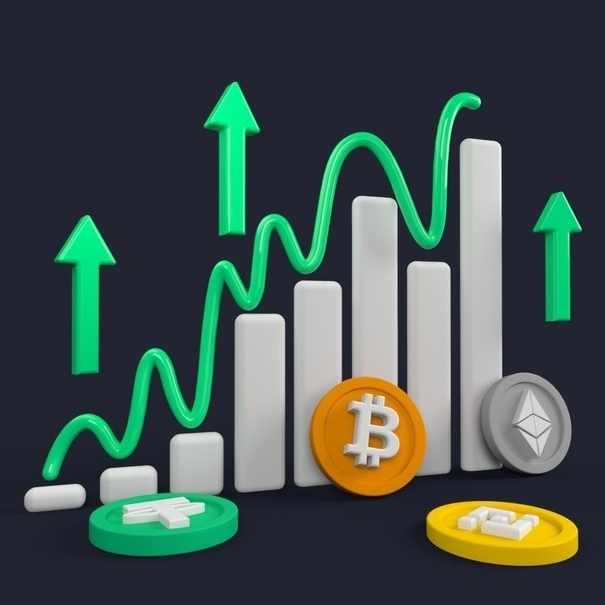
🚨 Токенизация входит в важный поворотный момент 👀
→ Регуляции становятся яснее 📜
→ Институты получают более легкий доступ 🏦
→ Принятие в реальном мире продолжает набирать скорость 🌍
→ Пути интеграции с DTCC и Nasdaq открываются 🔗
Следующие 12–18 месяцев могут определить будущее цифровых активов и токенизированных рынков ⚡📈
Умные деньги уже обращают внимание
#BTC☀️ #tokenisation #TON
🚨 Токенизация входит в важный поворотный момент 👀
→ Регуляции становятся яснее 📜
→ Институты получают более легкий доступ 🏦
→ Принятие в реальном мире продолжает набирать скорость 🌍
→ Пути интеграции с DTCC и Nasdaq открываются 🔗
Следующие 12–18 месяцев могут определить будущее цифровых активов и токенизированных рынков ⚡📈
Умные деньги уже обращают внимание
#BTC☀️ #tokenisation #TON
→ Регуляции становятся яснее 📜
→ Институты получают более легкий доступ 🏦
→ Принятие в реальном мире продолжает набирать скорость 🌍
→ Пути интеграции с DTCC и Nasdaq открываются 🔗
Следующие 12–18 месяцев могут определить будущее цифровых активов и токенизированных рынков ⚡📈
Умные деньги уже обращают внимание
#BTC☀️ #tokenisation #TON
1
1
129
·
--
#TokenizedStocksSeeRisingOnchainUse
Почему токенизированные акции набирают такой сильный импульс по всей финансовой сфере??
Рост токенизированных акций подчеркивает мощный сдвиг в сторону управления активами в ончейне: реальные активы (RWA) напрямую переносятся в блокчейн-экосистемы. Конвертируя традиционные акции в цифровые токены, инвесторы могут торговать в дробных долях, получать доступ к ликвидности 24/7 и пользоваться практически мгновенным расчетом, который устраняет задержки традиционных рынков. Эта растущая активность в ончейне связывает институциональные финансы с децентрализованной инфраструктурой, прокладывая путь к более интегрированному, эффективному и безграничному глобальному рын
#tokenisation #BinanceSquare #USMissesGENIUSActStablecoinRuleDeadline
$BANK
$ESPORTS
$B
#TokenizedStocksSeeRisingOnchainUse
Почему токенизированные акции набирают такой сильный импульс по всей финансовой сфере??
Рост токенизированных акций подчеркивает мощный сдвиг в сторону управления активами в ончейне: реальные активы (RWA) напрямую переносятся в блокчейн-экосистемы. Конвертируя традиционные акции в цифровые токены, инвесторы могут торговать в дробных долях, получать доступ к ликвидности 24/7 и пользоваться практически мгновенным расчетом, который устраняет задержки традиционных рынков. Эта растущая активность в ончейне связывает институциональные финансы с децентрализованной инфраструктурой, прокладывая путь к более интегрированному, эффективному и безграничному глобальному рын
#tokenisation #BinanceSquare #USMissesGENIUSActStablecoinRuleDeadline
$BANK
$ESPORTS
$B
Почему токенизированные акции набирают такой сильный импульс по всей финансовой сфере??
Рост токенизированных акций подчеркивает мощный сдвиг в сторону управления активами в ончейне: реальные активы (RWA) напрямую переносятся в блокчейн-экосистемы. Конвертируя традиционные акции в цифровые токены, инвесторы могут торговать в дробных долях, получать доступ к ликвидности 24/7 и пользоваться практически мгновенным расчетом, который устраняет задержки традиционных рынков. Эта растущая активность в ончейне связывает институциональные финансы с децентрализованной инфраструктурой, прокладывая путь к более интегрированному, эффективному и безграничному глобальному рын
#tokenisation #BinanceSquare #USMissesGENIUSActStablecoinRuleDeadline
$BANK
$ESPORTS
$B
1
211

🚨 От IPO к Internet Capital Markets
В настоящее время 87% крупных компаний в США по-прежнему являются частными (Private), а средний возраст компаний до IPO увеличивается до 12 лет.
💡 Pre-IPO-инструменты как раз помогают закрыть этот разрыв: они открывают инвесторам доступ к Exposure частной компании еще до того, как компания выйдет на рынок IPO.
🔸 Перпетуалы Anthropic & OpenAI имеют суммарный Open Interest (OI) свыше $160 млн
🔸 Рынок Tokenized Pre-IPO имеет Market Cap до $41 млн
📌 Инвестиционные форматы меняются — от ожидания, пока компания выйдет на IPO, к доступу к Private Markets через Blockchain и Tokenization.
👉 Прочитайте полный аналитический отчет по адресу
[https://www.binance.com/en/research/analysis/from-ipo-to-internet-capital-markets](https://www.binance.com/en/research/analysis/from-ipo-to-internet-capital-markets)
@BinanceLaotian
#tokenisation #SEAstock #SEABstock #IPO #OpenAI
{future}(OPENAIUSDT)
🚨 От IPO к Internet Capital Markets
В настоящее время 87% крупных компаний в США по-прежнему являются частными (Private), а средний возраст компаний до IPO увеличивается до 12 лет.
💡 Pre-IPO-инструменты как раз помогают закрыть этот разрыв: они открывают инвесторам доступ к Exposure частной компании еще до того, как компания выйдет на рынок IPO.
🔸 Перпетуалы Anthropic & OpenAI имеют суммарный Open Interest (OI) свыше $160 млн
🔸 Рынок Tokenized Pre-IPO имеет Market Cap до $41 млн
📌 Инвестиционные форматы меняются — от ожидания, пока компания выйдет на IPO, к доступу к Private Markets через Blockchain и Tokenization.
👉 Прочитайте полный аналитический отчет по адресу
https://www.binance.com/en/research/analysis/from-ipo-to-internet-capital-markets
@Binance Laotian
#tokenisation #SEAstock #SEABstock #IPO #OpenAI
В настоящее время 87% крупных компаний в США по-прежнему являются частными (Private), а средний возраст компаний до IPO увеличивается до 12 лет.
💡 Pre-IPO-инструменты как раз помогают закрыть этот разрыв: они открывают инвесторам доступ к Exposure частной компании еще до того, как компания выйдет на рынок IPO.
🔸 Перпетуалы Anthropic & OpenAI имеют суммарный Open Interest (OI) свыше $160 млн
🔸 Рынок Tokenized Pre-IPO имеет Market Cap до $41 млн
📌 Инвестиционные форматы меняются — от ожидания, пока компания выйдет на IPO, к доступу к Private Markets через Blockchain и Tokenization.
👉 Прочитайте полный аналитический отчет по адресу
https://www.binance.com/en/research/analysis/from-ipo-to-internet-capital-markets
@Binance Laotian
#tokenisation #SEAstock #SEABstock #IPO #OpenAI
213

·
--
Шаг Лондонской фондовой биржи (LSE) по запуску токенизированных акций означает конкретный шаг к сближению традиционных рынков капитала и криптоинфраструктуры. Партнёрство с владельцем Kraken позволяет LSE не просто тестировать новый уровень расчётов — компания фактически закладывает основу для регулируемых ончейн-ценных бумаг, которые можно будет получать через привычные интерфейсы бирж. Для трейдеров, уже знакомых с глубиной стаканов Binance, это может означать более плавный переход от экспозиции на токенизированные акции к крипто-native активам — при этом с использованием тех же KYC/AML-рамок, которые лежат в основе фиатной торговли.
Как вы думаете, как токенизированные акции повлияют на вашу стратегию распределения средств между традиционными акциями и криптоактивами?
#CryptoRegulation #Tokenisation #LSE #Binance #GAMERXERO
Шаг Лондонской фондовой биржи (LSE) по запуску токенизированных акций означает конкретный шаг к сближению традиционных рынков капитала и криптоинфраструктуры. Партнёрство с владельцем Kraken позволяет LSE не просто тестировать новый уровень расчётов — компания фактически закладывает основу для регулируемых ончейн-ценных бумаг, которые можно будет получать через привычные интерфейсы бирж. Для трейдеров, уже знакомых с глубиной стаканов Binance, это может означать более плавный переход от экспозиции на токенизированные акции к крипто-native активам — при этом с использованием тех же KYC/AML-рамок, которые лежат в основе фиатной торговли.
Как вы думаете, как токенизированные акции повлияют на вашу стратегию распределения средств между традиционными акциями и криптоактивами?
#CryptoRegulation #Tokenisation #LSE #Binance #GAMERXERO
Как вы думаете, как токенизированные акции повлияют на вашу стратегию распределения средств между традиционными акциями и криптоактивами?
#CryptoRegulation #Tokenisation #LSE #Binance #GAMERXERO
18

·
--
Каждый бычий цикл поддерживается центральной нарративой.
2017 : "ICO заменит венчурный капитал."
2020-21 : "DeFi и NFT меняют все."
2023-24 : "Институциональные ETF легитимизируют Bitcoin."
Нарратив на 2025-2026 ? Токенизация реальных активов.
Понимание доминирующего нарратива до того, как он появится во всех новостях,
это то, что ставит информированного инвестора на первые волны.
Какой нарратив ты будешь следовать в Q3 ? Ответь в комментариях. 👇
#NarrativeCrypto
#Tokenisation
#MarketCycles
#ИнформированныеИнвестиции
Каждый бычий цикл поддерживается центральной нарративой.
2017 : "ICO заменит венчурный капитал."
2020-21 : "DeFi и NFT меняют все."
2023-24 : "Институциональные ETF легитимизируют Bitcoin."
Нарратив на 2025-2026 ? Токенизация реальных активов.
Понимание доминирующего нарратива до того, как он появится во всех новостях,
это то, что ставит информированного инвестора на первые волны.
Какой нарратив ты будешь следовать в Q3 ? Ответь в комментариях. 👇
#NarrativeCrypto
#Tokenisation
#MarketCycles
#ИнформированныеИнвестиции
2017 : "ICO заменит венчурный капитал."
2020-21 : "DeFi и NFT меняют все."
2023-24 : "Институциональные ETF легитимизируют Bitcoin."
Нарратив на 2025-2026 ? Токенизация реальных активов.
Понимание доминирующего нарратива до того, как он появится во всех новостях,
это то, что ставит информированного инвестора на первые волны.
Какой нарратив ты будешь следовать в Q3 ? Ответь в комментариях. 👇
#NarrativeCrypto
#Tokenisation
#MarketCycles
#ИнформированныеИнвестиции
206
·
--
RWA. Реальные активы. Это самая надежная нарратив-история 2025–2026.
И все же очень немногие действительно ее понимают.
RWA = токенизация активов реального мира в блокчейне.
→ Офисное здание в Париже, представленное 1 000 000 токенов
→ Государственная облигация США, доступная за $50 из Котону
→ Портфель долговых обязательств компаний, разделенный на инвестируемые доли
То, что было доступно только институциональным фондам с минимальным 10M$ ,
становится доступным начиная с нескольких сотен долларов.
Это демократизация реальных финансов. Она уже идет.
#RWA
#realworldassets
#tokenisation
#cryptoeducation
RWA. Реальные активы. Это самая надежная нарратив-история 2025–2026.
И все же очень немногие действительно ее понимают.
RWA = токенизация активов реального мира в блокчейне.
→ Офисное здание в Париже, представленное 1 000 000 токенов
→ Государственная облигация США, доступная за $50 из Котону
→ Портфель долговых обязательств компаний, разделенный на инвестируемые доли
То, что было доступно только институциональным фондам с минимальным 10M$ ,
становится доступным начиная с нескольких сотен долларов.
Это демократизация реальных финансов. Она уже идет.
#RWA
#realworldassets
#tokenisation
#cryptoeducation
И все же очень немногие действительно ее понимают.
RWA = токенизация активов реального мира в блокчейне.
→ Офисное здание в Париже, представленное 1 000 000 токенов
→ Государственная облигация США, доступная за $50 из Котону
→ Портфель долговых обязательств компаний, разделенный на инвестируемые доли
То, что было доступно только институциональным фондам с минимальным 10M$ ,
становится доступным начиная с нескольких сотен долларов.
Это демократизация реальных финансов. Она уже идет.
#RWA
#realworldassets
#tokenisation
#cryptoeducation
123

·
--
Комиссия по ценным бумагам и биржам (SEC) только что предложила масштабное обновление своих правил, чтобы официально интегрировать блокчейн и токенизированные ценные бумаги. Вскоре агенты по передаче прав могли бы использовать блокчейн как официальный реестр прав собственности на ценные бумаги и были бы обязаны декларировать свою подверженность токенизированным активам. Это беспрецедентное институциональное признание, которое может открыть шлюзы для притока традиционного капитала в крипто. BTC по-прежнему под давлением на уровне 77 474 $ (-1.72%), а ETH — на уровне 2 421 $ (-2.01%), но подобные позитивные регуляторные сигналы меняют ситуацию в среднесрочной перспективе. Как вы думаете, станет ли токенизация биржевых ценных бумаг следующим большим катализатором для крипторынка? #Tokenisation #SEC
Комиссия по ценным бумагам и биржам (SEC) только что предложила масштабное обновление своих правил, чтобы официально интегрировать блокчейн и токенизированные ценные бумаги. Вскоре агенты по передаче прав могли бы использовать блокчейн как официальный реестр прав собственности на ценные бумаги и были бы обязаны декларировать свою подверженность токенизированным активам. Это беспрецедентное институциональное признание, которое может открыть шлюзы для притока традиционного капитала в крипто. BTC по-прежнему под давлением на уровне 77 474 $ (-1.72%), а ETH — на уровне 2 421 $ (-2.01%), но подобные позитивные регуляторные сигналы меняют ситуацию в среднесрочной перспективе. Как вы думаете, станет ли токенизация биржевых ценных бумаг следующим большим катализатором для крипторынка? #Tokenisation #SEC
13
Войдите, чтобы посмотреть больше материала
Присоединяйтесь к пользователям криптовалют по всему миру на Binance Square
⚡️ Получайте новейшую и полезную информацию о криптоактивах.
💬 Нам доверяет крупнейшая в мире криптобиржа.
👍 Получите достоверные аналитические данные от верифицированных создателей контента.
Эл. почта/номер телефона
В тренде
1
#BinancePick
Просмотров: 2M
116,474 обсуждают
2
#EarningsSeason
Просмотров: 4.6M
21,761 обсуждают
3
#USQ3GDPAndSeptemberPCEDueNextWeek
Просмотров: 9,640
271 обсуждают
4
#SouthKoreaDelaysCryptoIncomeTax
Просмотров: 47,895
415 обсуждают
5
#ElectrumFixesHighRiskExploitInVersionsBefore4.8.3
Просмотров: 23,298
358 обсуждают
6
#SouthKoreaPlansToRegulateStablecoinsUnderFXLaw
Просмотров: 24,965
391 обсуждают
7
#UKAlgorithmicCryptoTradingAppsMayNeedFCAAuthorization
Просмотров: 5,787
140 обсуждают
8
#DowDrops653Points
Просмотров: 125,989
1,201 обсуждают
9
#MarketsPriceJust10%ChanceOfFedHikeNextWeek
Просмотров: 82,268
857 обсуждают
10
#OCCRemovesStablecoinSevenDayRedemptionExtension
Просмотров: 39,272
573 обсуждают