
Prof Denial
11.7k Публикации

Prof Denial
 Square Verified+
Silent Moves. 👻 Loud Results. 🔥✨🔥
288 подписок(и/а)
35.2K+ подписчиков(а)
29.7K+ понравилось
Посты
Все
Цитирования
Активно
PINNED

PINNED

Shaheen 69
·
--
Рост🎁 A little red packet of Ethereum with a lot of RESPECT ❤️
This is my small gesture of love and gratitude to my amazing community, supporters, friends, and well-wishers. 🙏
May this ETH bring you happiness, prosperity, success, and good fortune. 🌟
Keep supporting, keep believing, and let’s grow together! 🚀
With love & respect — Shaheen69 ❤️
$ETH
This is my small gesture of love and gratitude to my amazing community, supporters, friends, and well-wishers. 🙏
May this ETH bring you happiness, prosperity, success, and good fortune. 🌟
Keep supporting, keep believing, and let’s grow together! 🚀
With love & respect — Shaheen69 ❤️
$ETH


Ahli Hidaya ya rabi ma he q
·
--
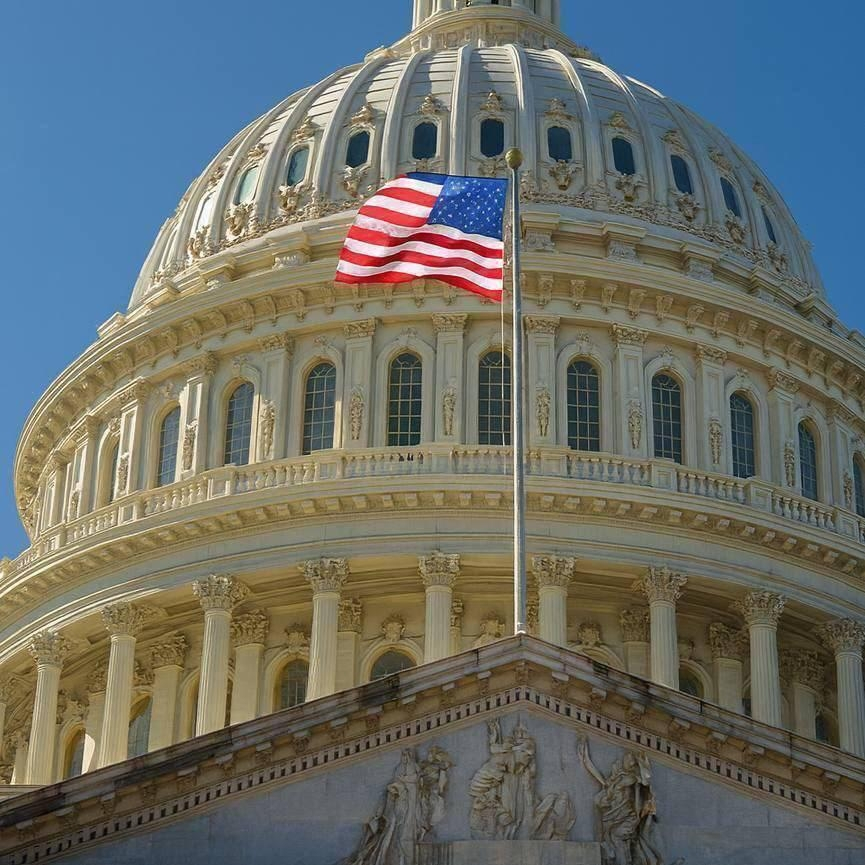
Рост🚨 CRITICAL MOMENT FOR US CRYPTO REGULATION! 🇺🇸
White House Crypto Advisor Patrick Witt has issued a strong call to action for the U.S. Senate, urging lawmakers across both sides of the aisle to unite:
"All Senators, Republican and Democrat, should vote on Tuesday to get on the (Clarity) bill and allow the legislative process to continue."
🔍 What’s Happening?
The pressure is mounting on Capitol Hill as the crucial push for the CLARITY Act reaches a pivotal turning point. With key procedural votes ahead, the White House is pushing for bipartisan cooperation to move the comprehensive market structure bill forward and bring much-needed regulatory clarity to the digital asset ecosystem.
💡 Why It Matters for Crypto:
Bipartisan Path Forward: Passing this hurdle is essential to keep the legislative momentum alive and prevent the bill from stalling.
Market Impact: Clear regulations will lay the foundational groundwork for institutional adoption, market stability, and long-term growth in the US crypto space.
All eyes are on Washington this Tuesday as lawmakers decide whether to push the legislative process ahead! 📈👇
#Crypto #ClarityAct #Regulation #WhiteHouse #BinanceSquare #CryptoNews #USPolitics #Blockchain$BTC $ETH $USDC
#dyor
White House Crypto Advisor Patrick Witt has issued a strong call to action for the U.S. Senate, urging lawmakers across both sides of the aisle to unite:
"All Senators, Republican and Democrat, should vote on Tuesday to get on the (Clarity) bill and allow the legislative process to continue."
🔍 What’s Happening?
The pressure is mounting on Capitol Hill as the crucial push for the CLARITY Act reaches a pivotal turning point. With key procedural votes ahead, the White House is pushing for bipartisan cooperation to move the comprehensive market structure bill forward and bring much-needed regulatory clarity to the digital asset ecosystem.
💡 Why It Matters for Crypto:
Bipartisan Path Forward: Passing this hurdle is essential to keep the legislative momentum alive and prevent the bill from stalling.
Market Impact: Clear regulations will lay the foundational groundwork for institutional adoption, market stability, and long-term growth in the US crypto space.
All eyes are on Washington this Tuesday as lawmakers decide whether to push the legislative process ahead! 📈👇
#Crypto #ClarityAct #Regulation #WhiteHouse #BinanceSquare #CryptoNews #USPolitics #Blockchain$BTC $ETH $USDC
#dyor


最佳第6人
·
--
见者发财


路人1688luren
·
--
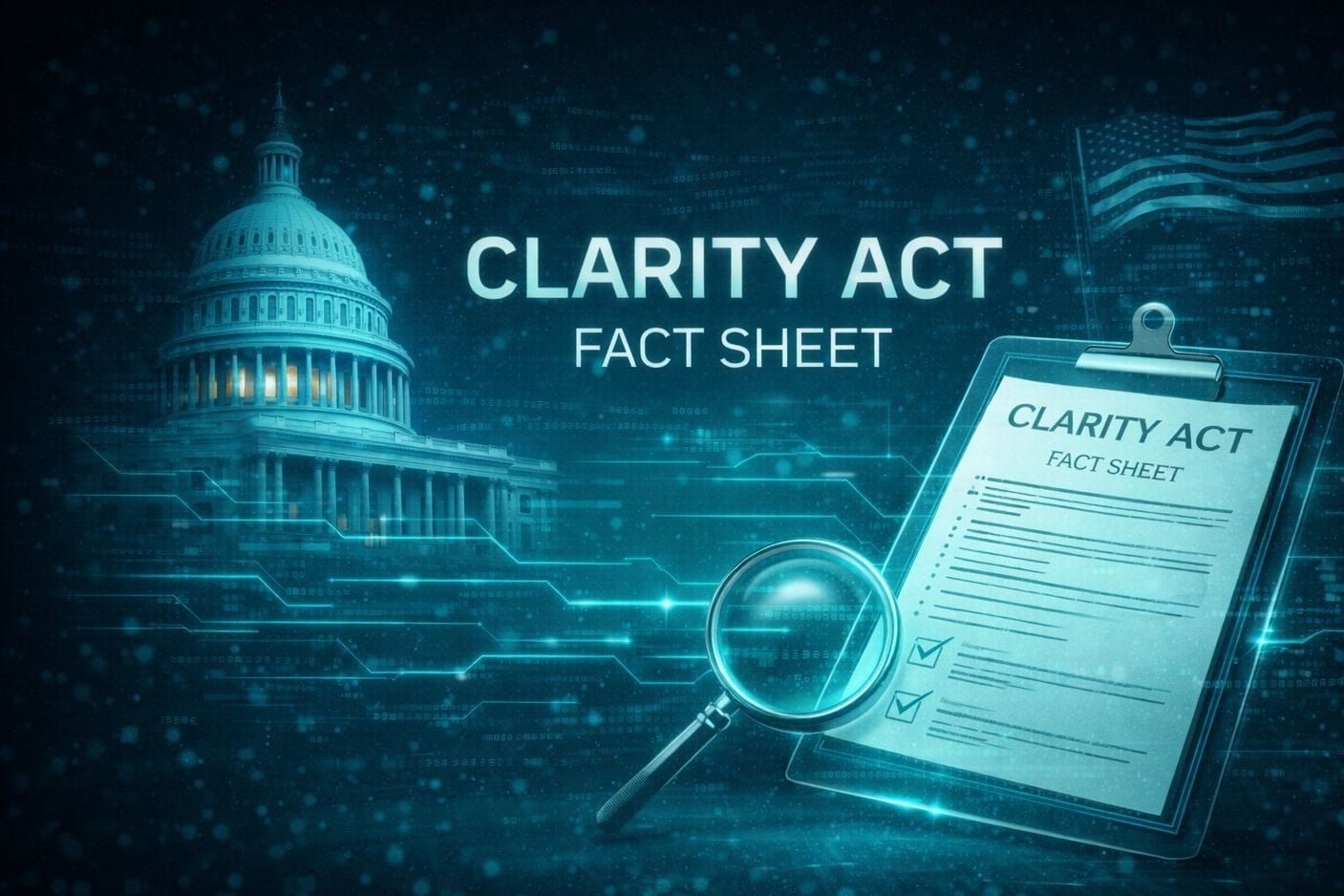
#灰度ZcashETF资产突破5亿美元 9月15日Ripple首席法务官Stuart Alderoty在怀俄明州区块链研讨会上表示,9月15日将成为CLARITY法案前景的关键风向标——该日参议院将进行首次程序性投票,需60票支持方能推进立法。Alderoty称若立法失败,SEC和CFTC将继续推进各自规则制定,他希望法案能够通过。他援引全国加密协会研究数据警告,若无法通过立法,美国可能将23.2万个加密相关岗位及550亿美元经济活动推至海外。同日SEC提出了“Regulation Crypto Assets”新规,为数字资产融资提供豁免路径。$BNB


Mahi_玛希BNB
·
--
Рост🟡 Binance Square — BTC Market Update
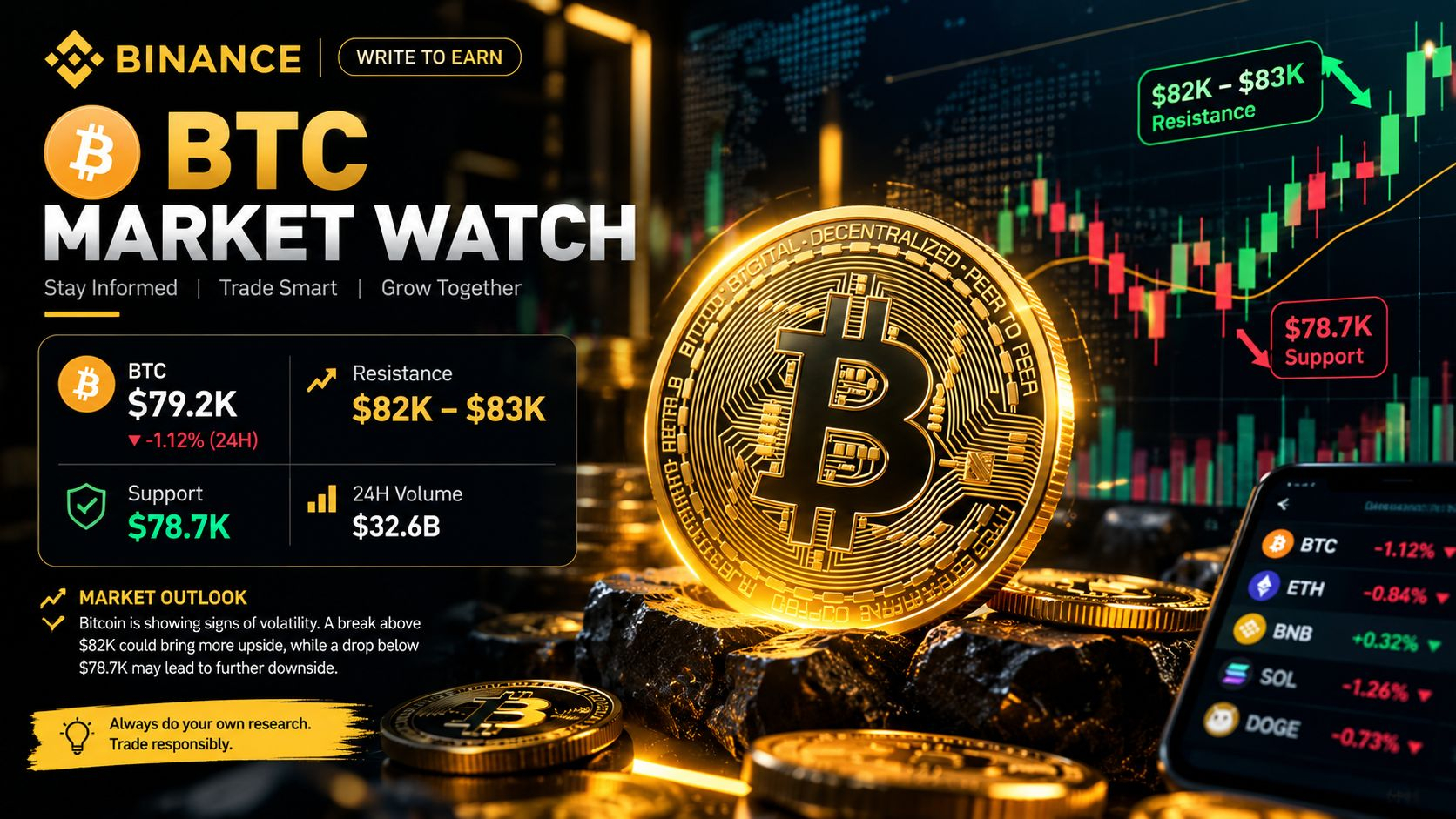
BTC is holding near $79K as traders watch the next breakout. $BTC is currently around $79.2K, with the $82K–$83K resistance zone remaining important. A strong break above this area could improve bullish momentum, while losing the $78.7K support could bring more downside pressure.
1️⃣ **Follow MAHI BNB** ✅
2️⃣ **Like & Comment “BTC”** ✅
3️⃣ **Repost This Post** 🔄✅
4️⃣ **Stay Tuned for the Next Gift 🎁🧧** ✅
For now, volume + price action are key. Stay patient and manage risk. 📊
#BTC #Crypto #CryptoTrading #Binance #BinanceSquare #Trading #CryptoMarketMoves #writetoearn
$BNB $ETH
BTC is holding near $79K as traders watch the next breakout. $BTC is currently around $79.2K, with the $82K–$83K resistance zone remaining important. A strong break above this area could improve bullish momentum, while losing the $78.7K support could bring more downside pressure.
1️⃣ **Follow MAHI BNB** ✅
2️⃣ **Like & Comment “BTC”** ✅
3️⃣ **Repost This Post** 🔄✅
4️⃣ **Stay Tuned for the Next Gift 🎁🧧** ✅
For now, volume + price action are key. Stay patient and manage risk. 📊
#BTC #Crypto #CryptoTrading #Binance #BinanceSquare #Trading #CryptoMarketMoves #writetoearn
$BNB $ETH

AbdullRauf
·
--
GIVEAWAY ALERT for our Square Family! 🧧
As a huge thank you, we're giving away gifts to our amazing community.
To Enter:
✅ Follow us
✅ Share this post
✅ Comment "222"
Winners chosen randomly. Good luck & thanks for being part of our journey!
As a huge thank you, we're giving away gifts to our amazing community.
To Enter:
✅ Follow us
✅ Share this post
✅ Comment "222"
Winners chosen randomly. Good luck & thanks for being part of our journey!


RCB signal
·
--
$NVDA.US $AAPL.US
.
.
claim here 👈
.
.
.
claim here 👈
.

清默Qing
·
--
美联储9月加息概率升至59%,欧洲央行也可能收紧,中国PPI飙至3.8%。
另一边,布伦特原油突破100美元,黄金冲上4400,煤炭等大宗商品集体暴涨。
看似是能源行情,背后其实只有一条主线:
油价↑ → 通胀↑ → 加息↑ → 流动性↓ → 全球资产估值承压。
这对Crypto意味着什么?
BTC、ETH不是宏观经济的“避风港”,在全球流动性收紧周期里,同样会面临估值压力。
接下来真正要看的,不只是BTC能涨到哪里,而是:
通胀还能不能压下去?央行还能不能不加息?美元流动性能不能继续宽松?
全球的钱正在变贵。
而当流动性开始收紧,Crypto的牛熊逻辑,也可能迎来重新定价
#布伦特原油突破100美元 #BTC $BTC
另一边,布伦特原油突破100美元,黄金冲上4400,煤炭等大宗商品集体暴涨。
看似是能源行情,背后其实只有一条主线:
油价↑ → 通胀↑ → 加息↑ → 流动性↓ → 全球资产估值承压。
这对Crypto意味着什么?
BTC、ETH不是宏观经济的“避风港”,在全球流动性收紧周期里,同样会面临估值压力。
接下来真正要看的,不只是BTC能涨到哪里,而是:
通胀还能不能压下去?央行还能不能不加息?美元流动性能不能继续宽松?
全球的钱正在变贵。
而当流动性开始收紧,Crypto的牛熊逻辑,也可能迎来重新定价
#布伦特原油突破100美元 #BTC $BTC


NAJAF_加密 143
·
--
‼️$SOL Reward is here ‼️
I’m sharing $SOL rewards with the community as a Bigger thank-you.
✨ Just claim your reward and enjoy! ✨
Claim it. Get rewarded
@Solana Official $SOL #Solana
I’m sharing $SOL rewards with the community as a Bigger thank-you.
✨ Just claim your reward and enjoy! ✨
Claim it. Get rewarded
@Solana Official $SOL #Solana

清默Qing
·
--
美联储9月加息概率升至59%,欧洲央行也可能收紧,中国PPI飙至3.8%。
另一边,布伦特原油突破100美元,黄金冲上4400,煤炭等大宗商品集体暴涨。
看似是能源行情,背后其实只有一条主线:
油价↑ → 通胀↑ → 加息↑ → 流动性↓ → 全球资产估值承压。
这对Crypto意味着什么?
BTC、ETH不是宏观经济的“避风港”,在全球流动性收紧周期里,同样会面临估值压力。
接下来真正要看的,不只是BTC能涨到哪里,而是:
通胀还能不能压下去?央行还能不能不加息?美元流动性能不能继续宽松?
全球的钱正在变贵。
而当流动性开始收紧,Crypto的牛熊逻辑,也可能迎来重新定价
#布伦特原油突破100美元 #BTC $BTC
另一边,布伦特原油突破100美元,黄金冲上4400,煤炭等大宗商品集体暴涨。
看似是能源行情,背后其实只有一条主线:
油价↑ → 通胀↑ → 加息↑ → 流动性↓ → 全球资产估值承压。
这对Crypto意味着什么?
BTC、ETH不是宏观经济的“避风港”,在全球流动性收紧周期里,同样会面临估值压力。
接下来真正要看的,不只是BTC能涨到哪里,而是:
通胀还能不能压下去?央行还能不能不加息?美元流动性能不能继续宽松?
全球的钱正在变贵。
而当流动性开始收紧,Crypto的牛熊逻辑,也可能迎来重新定价
#布伦特原油突破100美元 #BTC $BTC

KING BRO 1
·
--
Рост2000 Gifts are LIVE.🎉🎁
The Square Family is on fire and the red pockets are flying.💯🎊🎁
FOLLOW LIKE COMMENT PLZ 🎉 🎉 🎉 👏
SHARE REPOST 🎉🎉🎉🎉👈
GOOD NIGHT ALL FRIENDS 😘 💤
#solana
#SideSwapSuspendsLiquidServices #IranSaysItHit3USShips3Tankers
#USStrikesTargetsNearHormuzAndJask
#kingbro1
$SOL
$BULLA
$AKE
The Square Family is on fire and the red pockets are flying.💯🎊🎁
FOLLOW LIKE COMMENT PLZ 🎉 🎉 🎉 👏
SHARE REPOST 🎉🎉🎉🎉👈
GOOD NIGHT ALL FRIENDS 😘 💤
#solana
#SideSwapSuspendsLiquidServices #IranSaysItHit3USShips3Tankers
#USStrikesTargetsNearHormuzAndJask
#kingbro1
$SOL
$BULLA
$AKE

ZainTem
·
--
🎁🎁🎁🎁 Gifts for Everyone 🎁🎁🎁🎁
🎉🎉🎉🎉
Like + Repost + Comment🎉🎉🎉🎉
#EtherXRPETFInflowStreaksEnd
#US10YearTreasuryYieldHitsHighestSinceNov2023
#ETH
🎉🎉🎉🎉
Like + Repost + Comment🎉🎉🎉🎉
#EtherXRPETFInflowStreaksEnd
#US10YearTreasuryYieldHitsHighestSinceNov2023
#ETH


CZ_ANUU
·
--
❤❤❤❤❤❤❤❤❤❤❤❤❤❤❤
🤍🤍🤍🤍follow me please ❤❤❤❤❤
✅✨✅✨✅✨✅✨✅✨✅✨✅✨✅
🤍🤍🤍🤍follow me please ❤❤❤❤❤
✅✨✅✨✅✨✅✨✅✨✅✨✅✨✅

Войдите, чтобы посмотреть больше материала