
Bit_Guru
42.2k Публикации

Bit_Guru
 Square Verified+
Отправить жалобу
Заблокировать пользователя
Only Live Trader on Binance Square 💛 // Binance, CMC & X kols handle @bitgu_ru // PnL is always Live

Live Trader

Creator Awards 2024
Открытая сделка
Трейдер с регулярными сделками
2.6 г
63 подписок(и/а)
156.6K+ подписчиков(а)
300.3K+ понравилось
3 Значки
Посты
Портфель
Все
Цитирования
Видео
Активно
PINNED
·
--
Статья
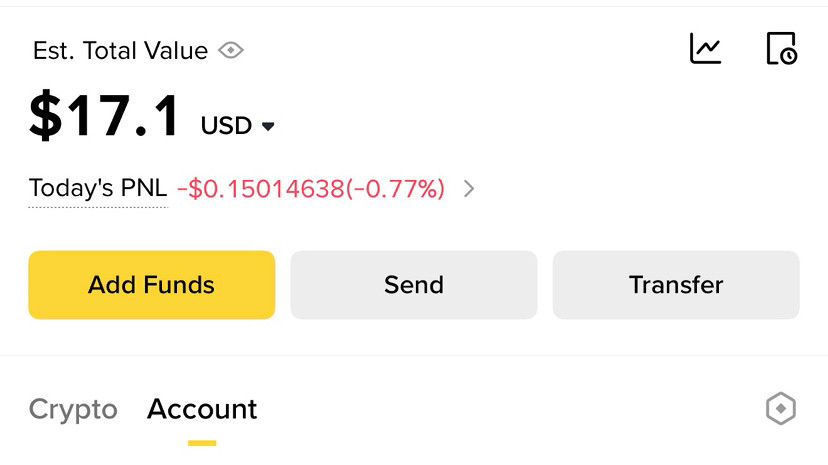
Is it possible to make $100 with only $17Many people think you need a big account to make real money in trading. That’s not true. The truth is simple it’s not about how much you start with, it’s about how you manage what you have.
Yes, it is absolutely possible to turn $17 into $100. But not by luck, not by gambling, and definitely not by chasing every pump you see. It requires discipline, patience, and a clear plan.
First, you need to understand one thing: small capital requires smart execution. You can’t afford big mistakes. One bad trade with high risk can wipe out your account. That’s why risk management becomes your strongest weapon.
Set a daily target. It doesn’t need to be huge. Even 3%–5% per day is enough. It may sound small, but consistency compounds faster than you think. If you stay disciplined, those small wins start building into something big.
Second, patience is everything. You don’t need to trade every day or every setup. Wait for clear opportunities strong support and resistance, clean breakouts, or obvious rejection zones. The market always gives chances, but only patient traders take the right ones.
Third, control your emotions. With a small account, people often overtrade because they want fast results. That’s where most fail. They increase leverage, take random entries, and ignore their plan. You have to do the opposite stay calm, follow your setup, and accept slow growth.
Another important point is consistency over hype. You don’t need one big win. You need many small correct decisions. That’s what builds your account. Even if you grow your account from $17 to $20, then $25, then $35 you are already winning.
Also, protect your capital at all costs. If you lose your account, the journey ends. If you protect it, you always have another chance.
In simple terms:
You don’t grow a small account by rushing
You grow it by repeating a disciplined process again and again
So yes, turning $17 into $100 is possible. But only for those who are willing to stay patient, follow a plan, and trade with control instead of emotion.
The market rewards consistency, not desperation
Start small
Stay focused
And let your discipline do the work
Trade Only coins Like $ETH , $BNB & $SOL
#cryptotradingpro #RiskManagementMastery
{future}(ETHUSDT)
{future}(BNBUSDT)
{future}(SOLUSDT)
Is it possible to make $100 with only $17
Many people think you need a big account to make real money in trading. That’s not true. The truth is simple it’s not about how much you start with, it’s about how you manage what you have.
Yes, it is absolutely possible to turn $17 into $100. But not by luck, not by gambling, and definitely not by chasing every pump you see. It requires discipline, patience, and a clear plan.
First, you need to understand one thing: small capital requires smart execution. You can’t afford big mistakes. One bad trade with high risk can wipe out your account. That’s why risk management becomes your strongest weapon.
Set a daily target. It doesn’t need to be huge. Even 3%–5% per day is enough. It may sound small, but consistency compounds faster than you think. If you stay disciplined, those small wins start building into something big.
Second, patience is everything. You don’t need to trade every day or every setup. Wait for clear opportunities strong support and resistance, clean breakouts, or obvious rejection zones. The market always gives chances, but only patient traders take the right ones.
Third, control your emotions. With a small account, people often overtrade because they want fast results. That’s where most fail. They increase leverage, take random entries, and ignore their plan. You have to do the opposite stay calm, follow your setup, and accept slow growth.
Another important point is consistency over hype. You don’t need one big win. You need many small correct decisions. That’s what builds your account. Even if you grow your account from $17 to $20, then $25, then $35 you are already winning.
Also, protect your capital at all costs. If you lose your account, the journey ends. If you protect it, you always have another chance.
In simple terms:
You don’t grow a small account by rushing
You grow it by repeating a disciplined process again and again
So yes, turning $17 into $100 is possible. But only for those who are willing to stay patient, follow a plan, and trade with control instead of emotion.
The market rewards consistency, not desperation
Start small
Stay focused
And let your discipline do the work
Trade Only coins Like $ETH , $BNB & $SOL
#cryptotradingpro #RiskManagementMastery
Yes, it is absolutely possible to turn $17 into $100. But not by luck, not by gambling, and definitely not by chasing every pump you see. It requires discipline, patience, and a clear plan.
First, you need to understand one thing: small capital requires smart execution. You can’t afford big mistakes. One bad trade with high risk can wipe out your account. That’s why risk management becomes your strongest weapon.
Set a daily target. It doesn’t need to be huge. Even 3%–5% per day is enough. It may sound small, but consistency compounds faster than you think. If you stay disciplined, those small wins start building into something big.
Second, patience is everything. You don’t need to trade every day or every setup. Wait for clear opportunities strong support and resistance, clean breakouts, or obvious rejection zones. The market always gives chances, but only patient traders take the right ones.
Third, control your emotions. With a small account, people often overtrade because they want fast results. That’s where most fail. They increase leverage, take random entries, and ignore their plan. You have to do the opposite stay calm, follow your setup, and accept slow growth.
Another important point is consistency over hype. You don’t need one big win. You need many small correct decisions. That’s what builds your account. Even if you grow your account from $17 to $20, then $25, then $35 you are already winning.
Also, protect your capital at all costs. If you lose your account, the journey ends. If you protect it, you always have another chance.
In simple terms:
You don’t grow a small account by rushing
You grow it by repeating a disciplined process again and again
So yes, turning $17 into $100 is possible. But only for those who are willing to stay patient, follow a plan, and trade with control instead of emotion.
The market rewards consistency, not desperation
Start small
Stay focused
And let your discipline do the work
Trade Only coins Like $ETH , $BNB & $SOL
#cryptotradingpro #RiskManagementMastery
312
55
743
689k
PINNED
·
--
Рост
It took me 4 years in the crypto market to realize these things & you only need 2 minutes to read: 🤏
1. No matter the market condition, one thing stays the same: 8% of people will own 21 million Bitcoin.
2. Financial, capital, and risk management skills are 100 times more important than technical analysis or crypto research.
3. Earning while you sleep: There are many ways to make money in the crypto market without actively trading.
On average, #Bitcoin has increased more than 100% per year over the past 15 years. Yet, why do so few people make money? Because getting rich quickly is a common mentality. If you can't dedicate at least 4 hours a day to crypto, stick to Bitcoin and ETH—70% in BTC and 30% in ETH.
Trust no one: Trust leads to hope, disappointment, and errors. Learn independently and take responsibility for your actions. This is how to gain automatic minting experience!
The ultimate goal of investing: Make life more meaningful. If crypto investing can achieve that, do it. If not, reconsider.
Crypto is now a financial market: Originally born from technology, it's now influenced by macroeconomics and connected to mainstream financial markets.
People may discourage you from buying Bitcoin, but remember, once something is widely accepted, the opportunity might be gone. Seize your chance now!
Invest wisely, make meaningful choices, and let crypto pave the way to a better future.
#CryptoInvesting #ethbeta #Write2Earn! #BinanceTurns7 $BTC $ETH $SOL
{spot}(SOLUSDT)
{spot}(ETHUSDT)
{spot}(BTCUSDT)
It took me 4 years in the crypto market to realize these things & you only need 2 minutes to read: 🤏
1. No matter the market condition, one thing stays the same: 8% of people will own 21 million Bitcoin.
2. Financial, capital, and risk management skills are 100 times more important than technical analysis or crypto research.
3. Earning while you sleep: There are many ways to make money in the crypto market without actively trading.
On average, #Bitcoin has increased more than 100% per year over the past 15 years. Yet, why do so few people make money? Because getting rich quickly is a common mentality. If you can't dedicate at least 4 hours a day to crypto, stick to Bitcoin and ETH—70% in BTC and 30% in ETH.
Trust no one: Trust leads to hope, disappointment, and errors. Learn independently and take responsibility for your actions. This is how to gain automatic minting experience!
The ultimate goal of investing: Make life more meaningful. If crypto investing can achieve that, do it. If not, reconsider.
Crypto is now a financial market: Originally born from technology, it's now influenced by macroeconomics and connected to mainstream financial markets.
People may discourage you from buying Bitcoin, but remember, once something is widely accepted, the opportunity might be gone. Seize your chance now!
Invest wisely, make meaningful choices, and let crypto pave the way to a better future.
#CryptoInvesting #ethbeta #Write2Earn! #BinanceTurns7 $BTC $ETH $SOL
1. No matter the market condition, one thing stays the same: 8% of people will own 21 million Bitcoin.
2. Financial, capital, and risk management skills are 100 times more important than technical analysis or crypto research.
3. Earning while you sleep: There are many ways to make money in the crypto market without actively trading.
On average, #Bitcoin has increased more than 100% per year over the past 15 years. Yet, why do so few people make money? Because getting rich quickly is a common mentality. If you can't dedicate at least 4 hours a day to crypto, stick to Bitcoin and ETH—70% in BTC and 30% in ETH.
Trust no one: Trust leads to hope, disappointment, and errors. Learn independently and take responsibility for your actions. This is how to gain automatic minting experience!
The ultimate goal of investing: Make life more meaningful. If crypto investing can achieve that, do it. If not, reconsider.
Crypto is now a financial market: Originally born from technology, it's now influenced by macroeconomics and connected to mainstream financial markets.
People may discourage you from buying Bitcoin, but remember, once something is widely accepted, the opportunity might be gone. Seize your chance now!
Invest wisely, make meaningful choices, and let crypto pave the way to a better future.
#CryptoInvesting #ethbeta #Write2Earn! #BinanceTurns7 $BTC $ETH $SOL

302
102
2.2k
1.1M
·
--
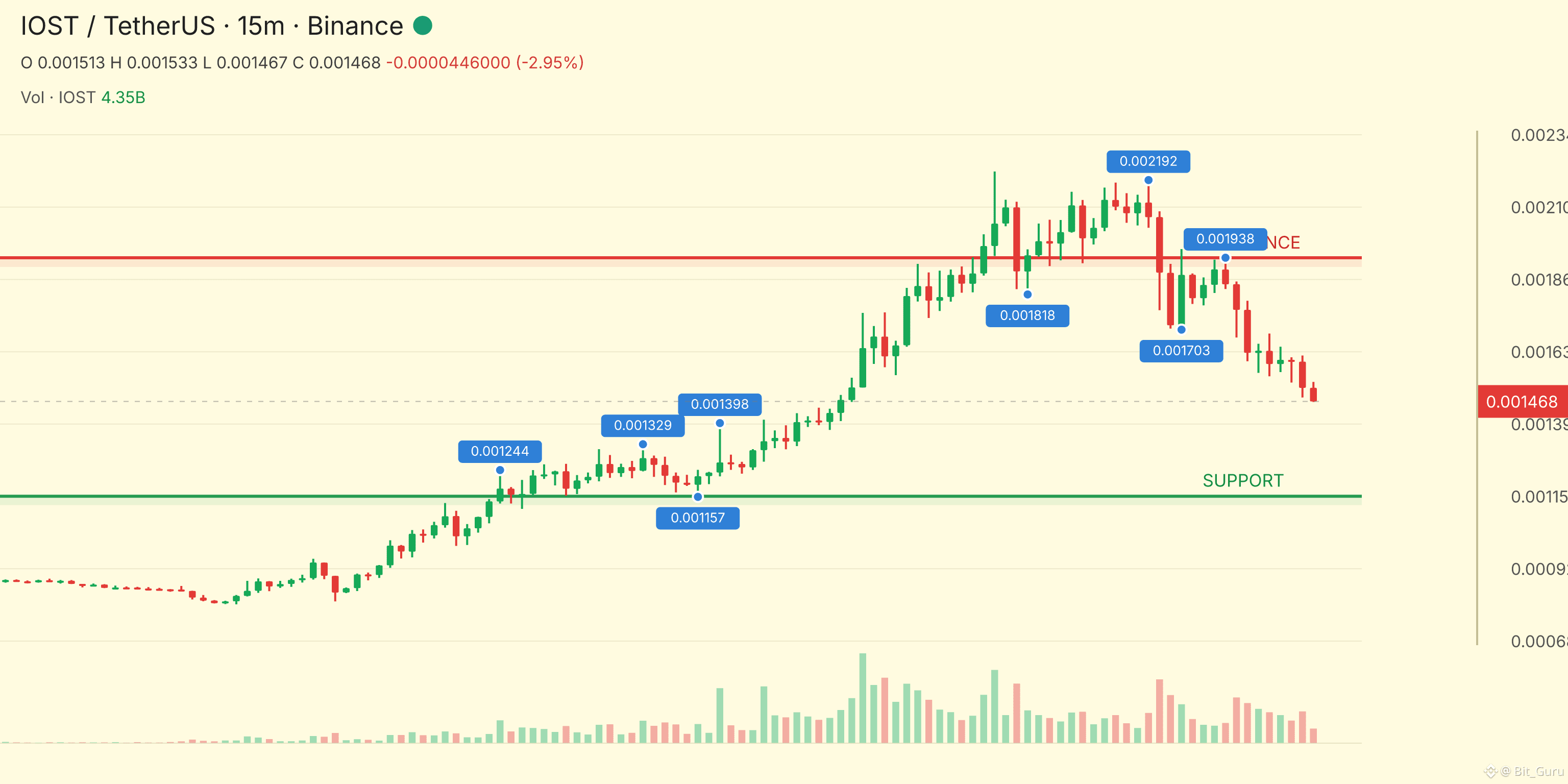
The Chart Is Looking Ready...!! $IOST is going DOWN...!!
ENTRY: 0.00146839 - 0.00146913
TP1: 0.00145648
TP2: 0.00145119
TP3: 0.00144589...
The Chart Is Looking Ready...!! $IOST is going DOWN...!!
ENTRY: 0.00146839 - 0.00146913
TP1: 0.00145648
TP2: 0.00145119
TP3: 0.00144589...
ENTRY: 0.00146839 - 0.00146913
TP1: 0.00145648
TP2: 0.00145119
TP3: 0.00144589...
138
·
--
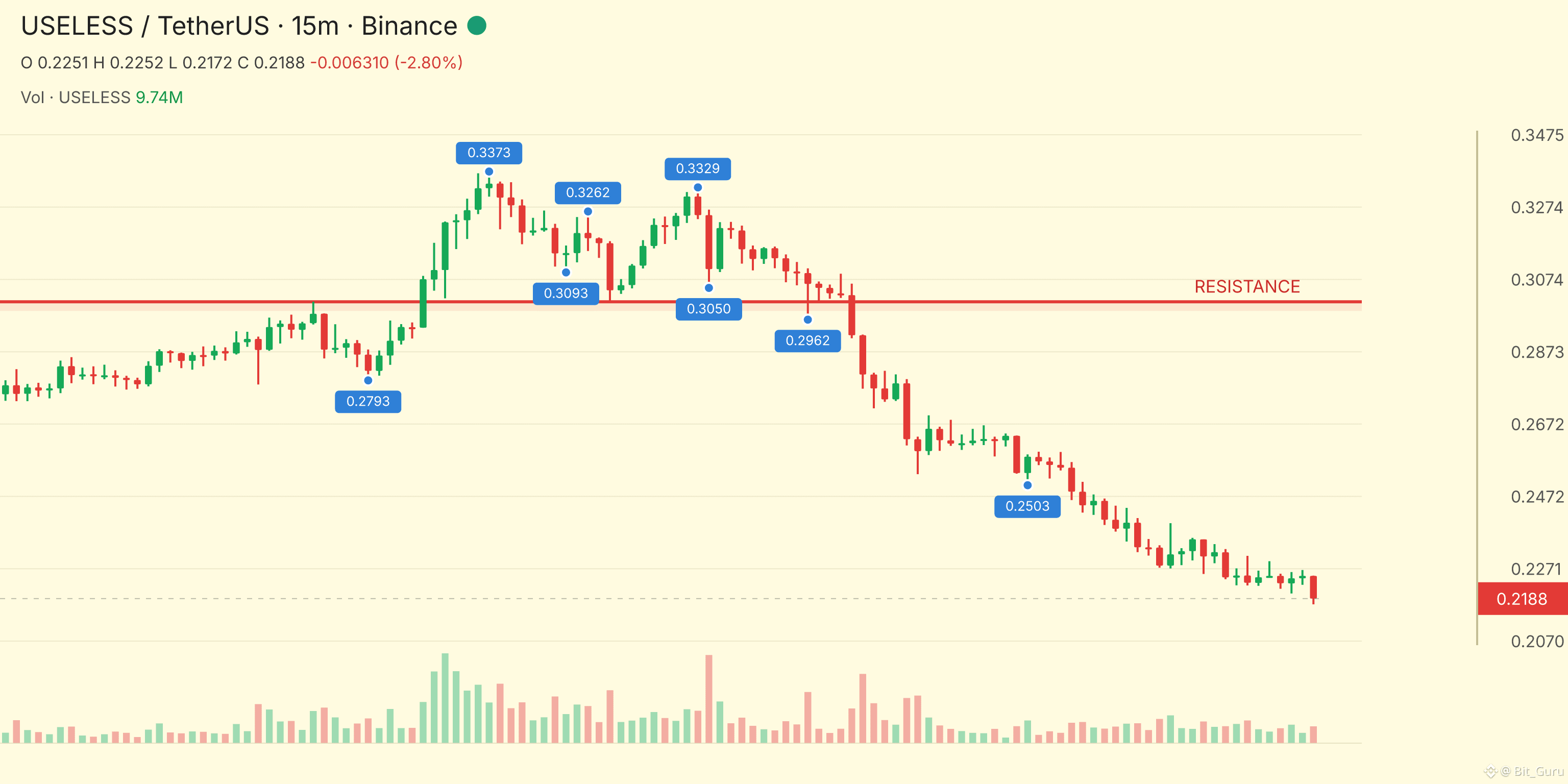
A Possible Break Is Setting Up...!! $USELESS is going DOWN...!!
ENTRY: 0.21796 - 0.21807
TP1: 0.21619
TP2: 0.21541
TP3: 0.21462...
A Possible Break Is Setting Up...!! $USELESS is going DOWN...!!
ENTRY: 0.21796 - 0.21807
TP1: 0.21619
TP2: 0.21541
TP3: 0.21462...
ENTRY: 0.21796 - 0.21807
TP1: 0.21619
TP2: 0.21541
TP3: 0.21462...
128
·
--
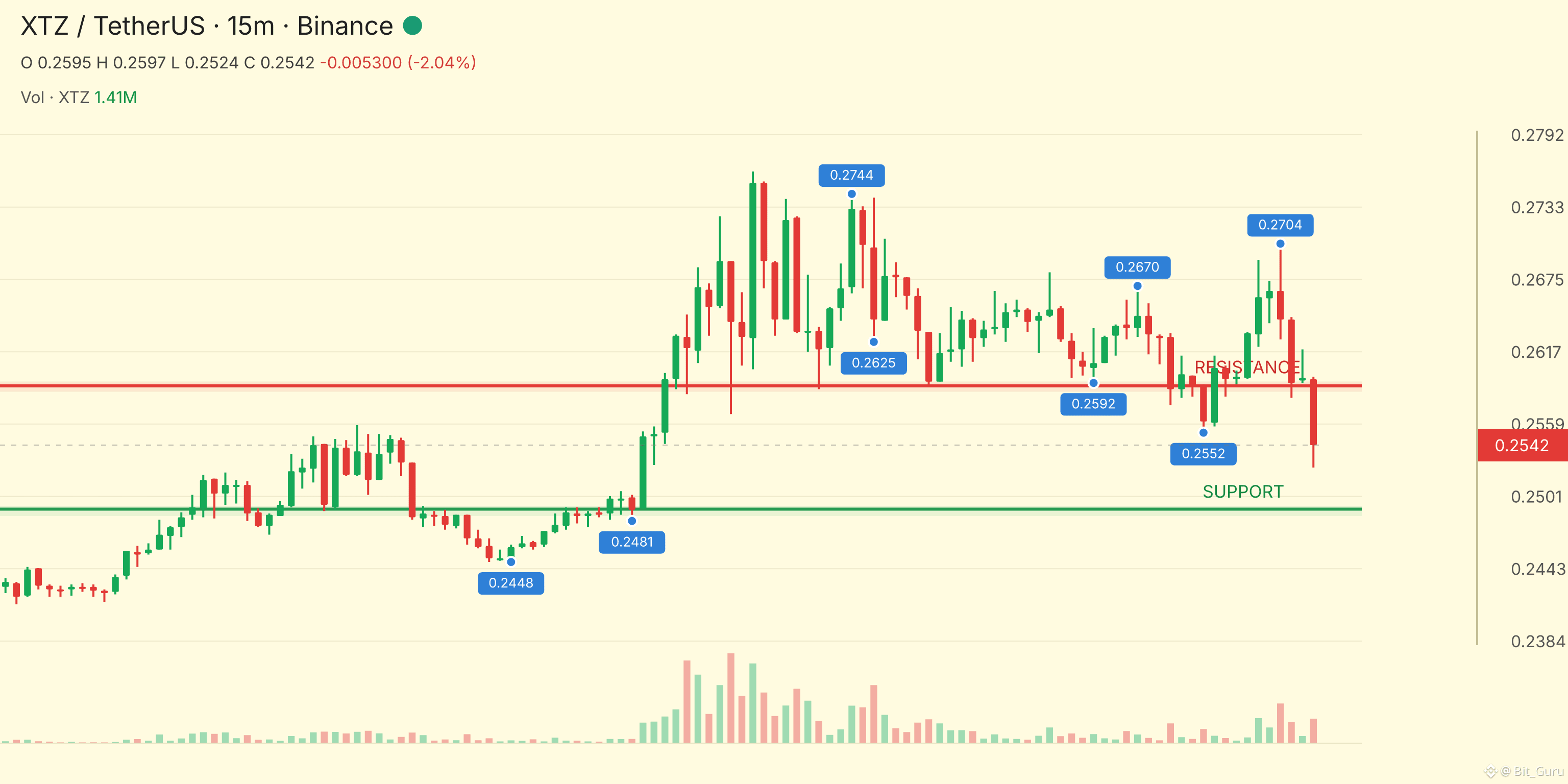
A Possible Break Is Setting Up...!! $XTZ is going DOWN...!!
ENTRY: 0.25402 - 0.25415
TP1: 0.25196
TP2: 0.25104
TP3: 0.25013...
A Possible Break Is Setting Up...!! $XTZ is going DOWN...!!
ENTRY: 0.25402 - 0.25415
TP1: 0.25196
TP2: 0.25104
TP3: 0.25013...
ENTRY: 0.25402 - 0.25415
TP1: 0.25196
TP2: 0.25104
TP3: 0.25013...
304
·
--
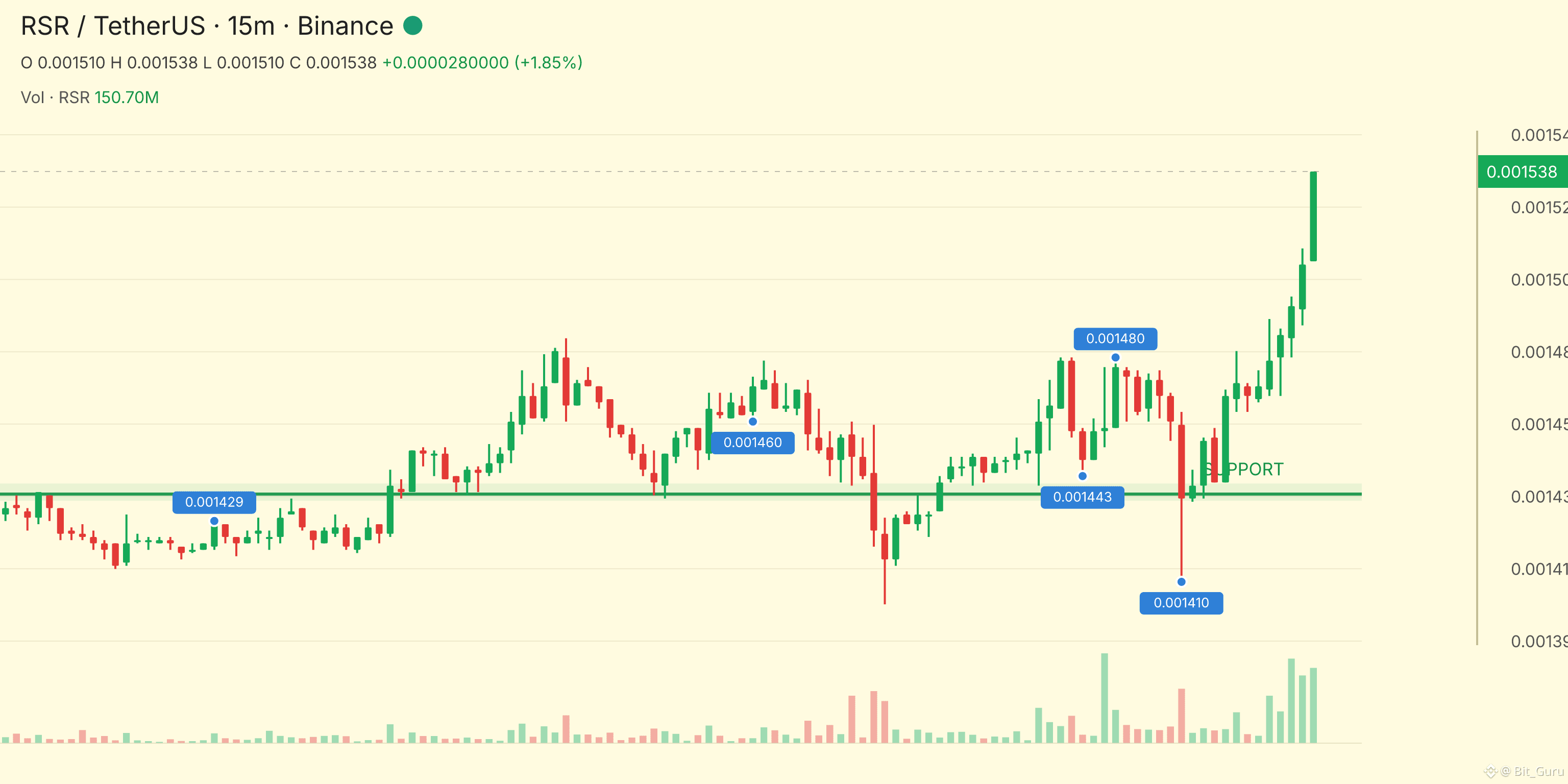
The Price Is At A Key Area...!! $RSR is going UP...!!
ENTRY: 0.00152970 - 0.00153123
TP1: 0.00154671
TP2: 0.00155222
TP3: 0.00155774...
The Price Is At A Key Area...!! $RSR is going UP...!!
ENTRY: 0.00152970 - 0.00153123
TP1: 0.00154671
TP2: 0.00155222
TP3: 0.00155774...
ENTRY: 0.00152970 - 0.00153123
TP1: 0.00154671
TP2: 0.00155222
TP3: 0.00155774...
233
·
--
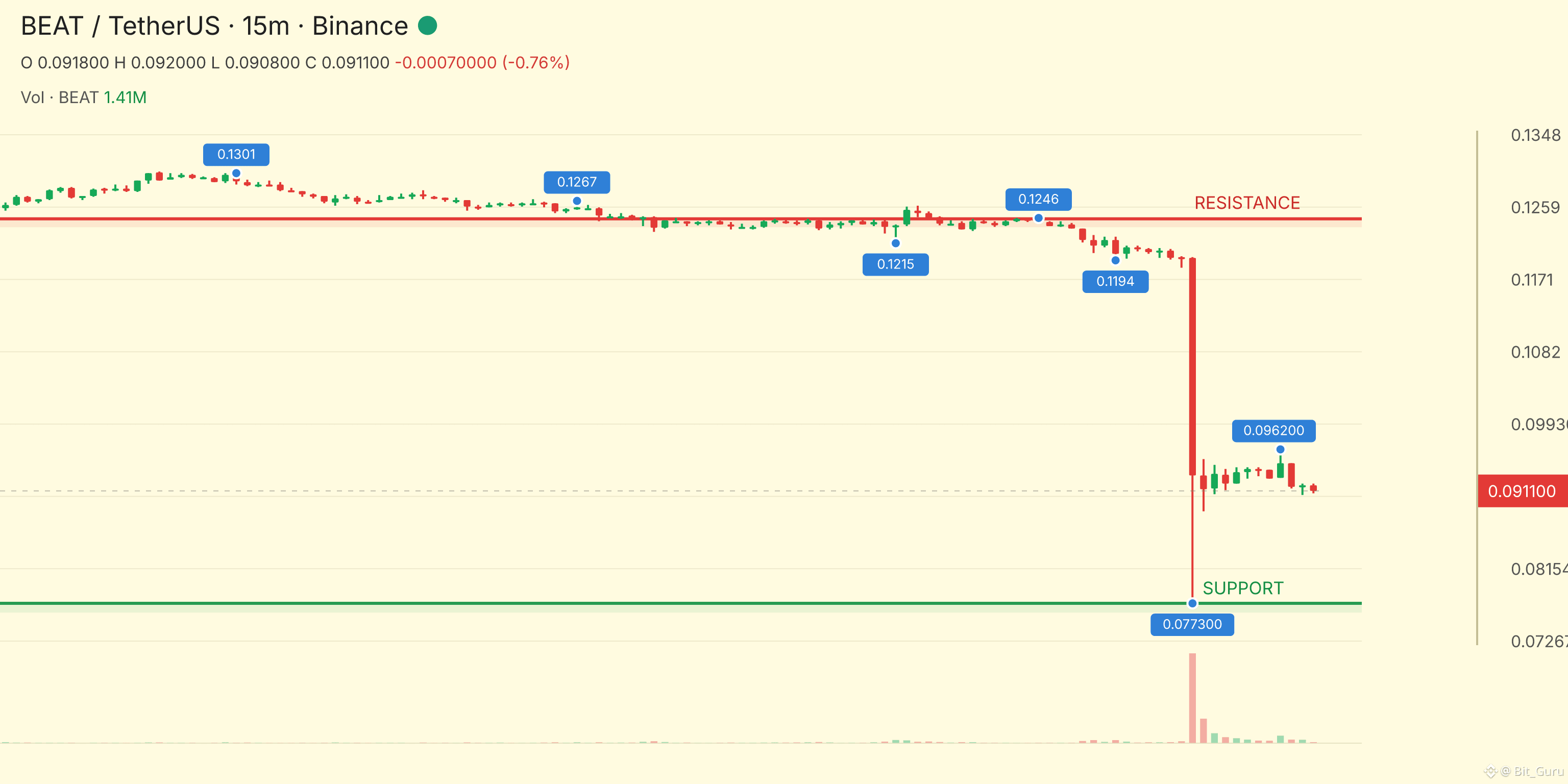
This Move Could Be Worth Watching...!! $BEAT is going DOWN...!!
ENTRY: 0.090863 - 0.090909
TP1: 0.090126
TP2: 0.089799
TP3: 0.089471...
This Move Could Be Worth Watching...!! $BEAT is going DOWN...!!
ENTRY: 0.090863 - 0.090909
TP1: 0.090126
TP2: 0.089799
TP3: 0.089471...
ENTRY: 0.090863 - 0.090909
TP1: 0.090126
TP2: 0.089799
TP3: 0.089471...
575
·
--
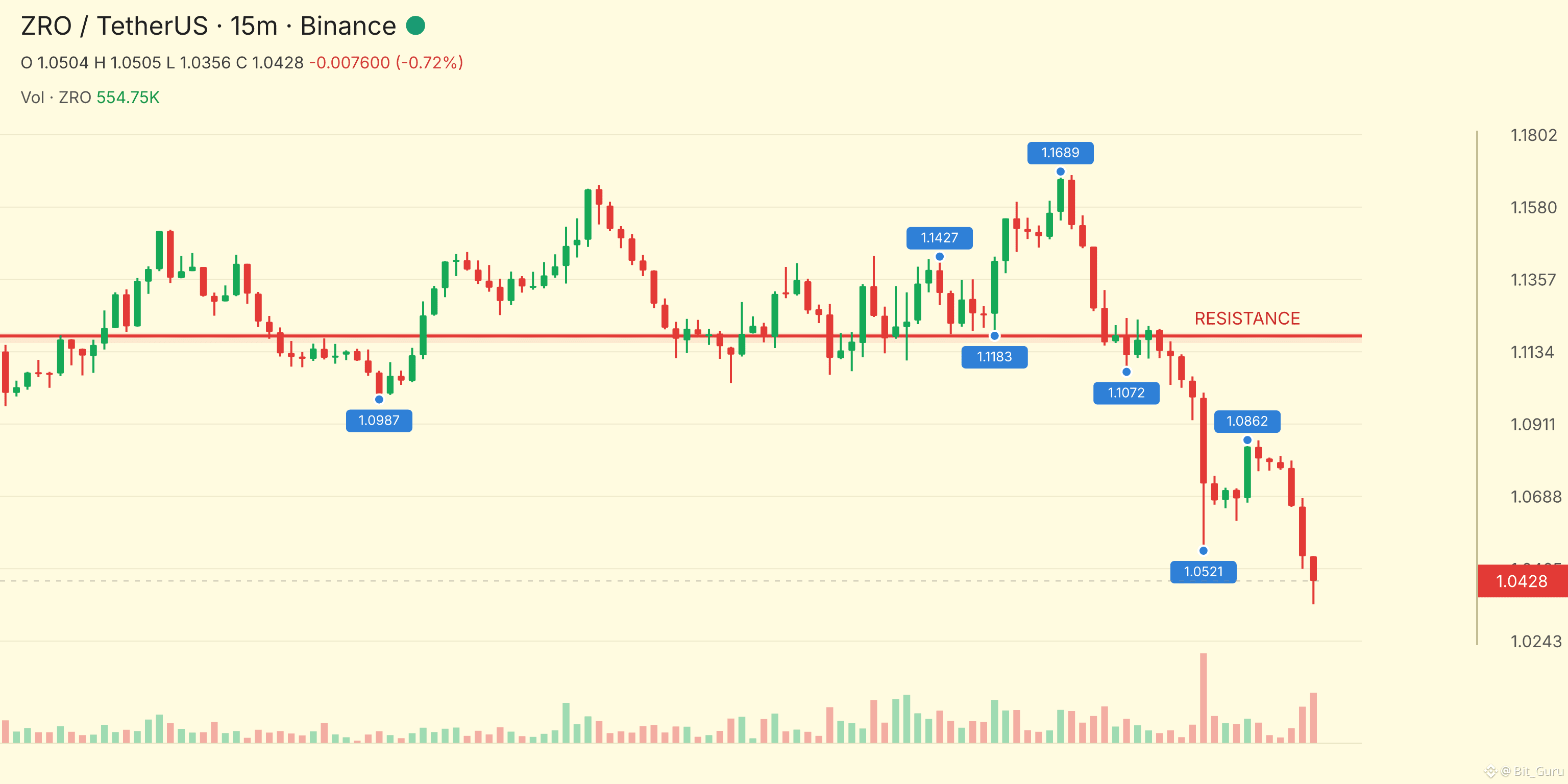
A Strong Setup Is On The Chart...!! $ZRO is going DOWN...!!
ENTRY: 1.0413 - 1.0419
TP1: 1.0329
TP2: 1.0291
TP3: 1.0254...
A Strong Setup Is On The Chart...!! $ZRO is going DOWN...!!
ENTRY: 1.0413 - 1.0419
TP1: 1.0329
TP2: 1.0291
TP3: 1.0254...
ENTRY: 1.0413 - 1.0419
TP1: 1.0329
TP2: 1.0291
TP3: 1.0254...
340
·
--
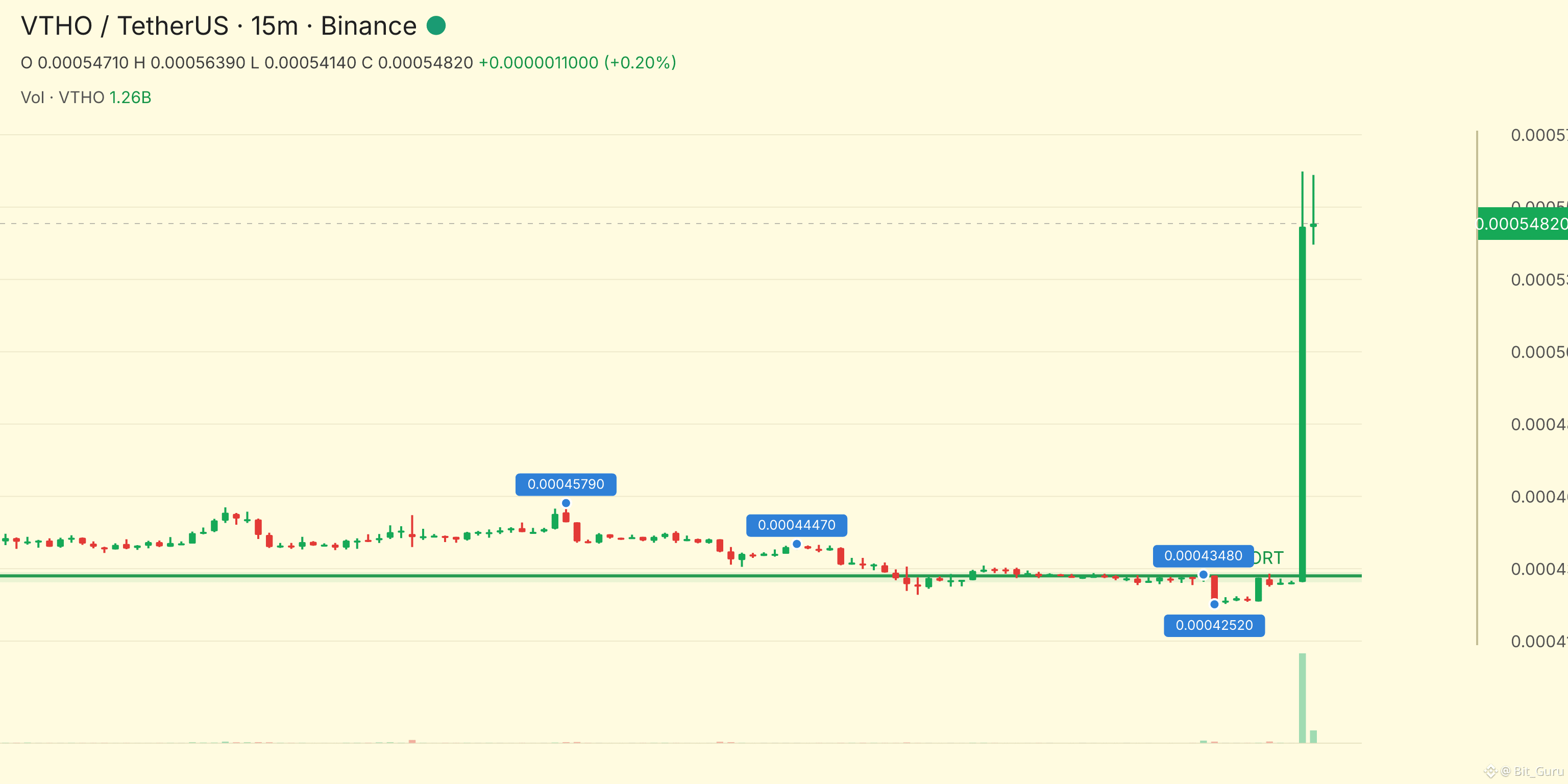
The Market Is Starting To Move...!! $VTHO is going UP...!!
ENTRY: 0.000545381 - 0.000545927
TP1: 0.000551444
TP2: 0.000553410
TP3: 0.000555376...
The Market Is Starting To Move...!! $VTHO is going UP...!!
ENTRY: 0.000545381 - 0.000545927
TP1: 0.000551444
TP2: 0.000553410
TP3: 0.000555376...
ENTRY: 0.000545381 - 0.000545927
TP1: 0.000551444
TP2: 0.000553410
TP3: 0.000555376...
622
·
--
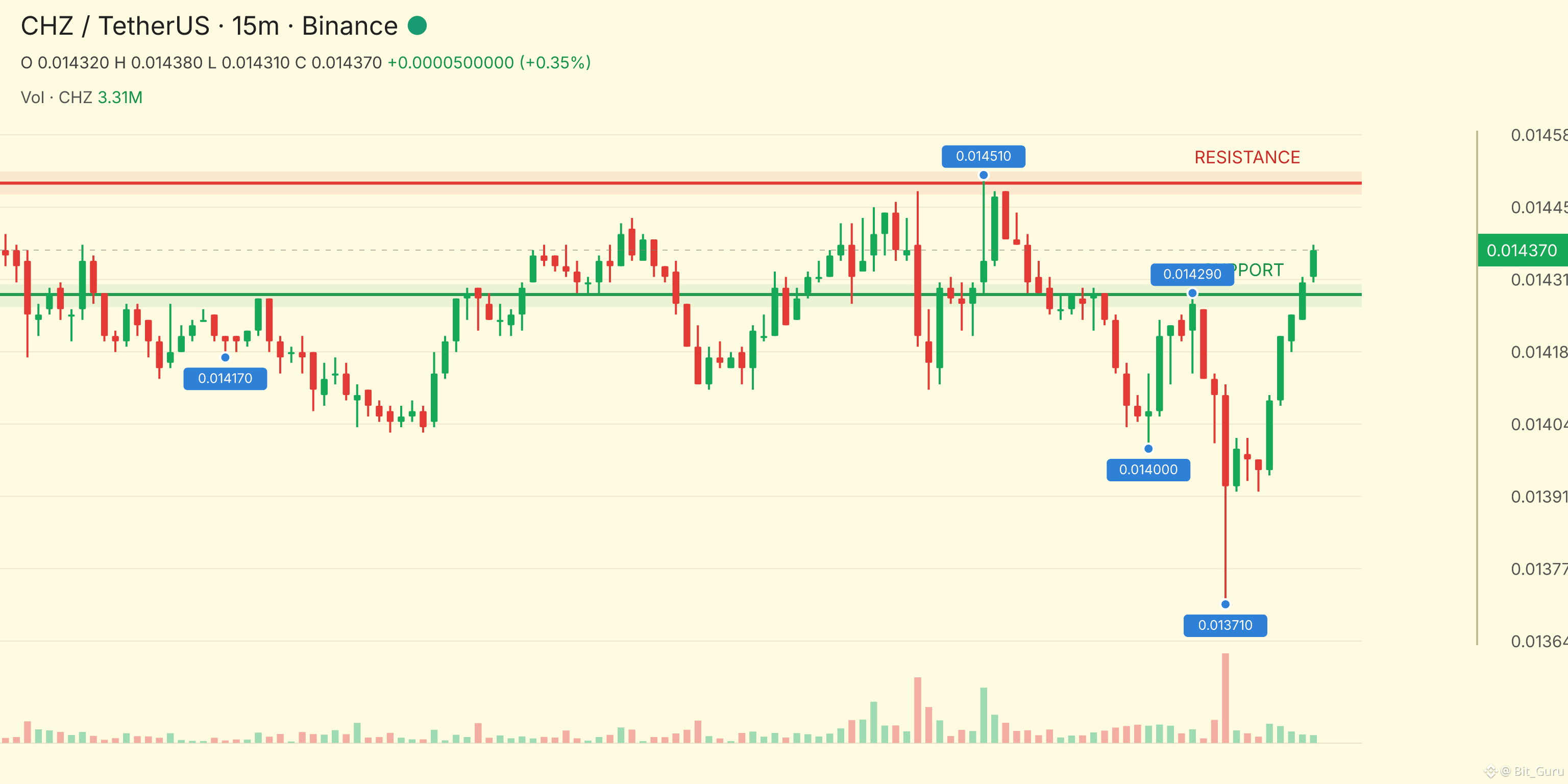
The Market Is Starting To Move...!! $CHZ is going UP...!!
ENTRY: 0.014318 - 0.014333
TP1: 0.014478
TP2: 0.014529
TP3: 0.014581...
The Market Is Starting To Move...!! $CHZ is going UP...!!
ENTRY: 0.014318 - 0.014333
TP1: 0.014478
TP2: 0.014529
TP3: 0.014581...
ENTRY: 0.014318 - 0.014333
TP1: 0.014478
TP2: 0.014529
TP3: 0.014581...
1
336
·
--
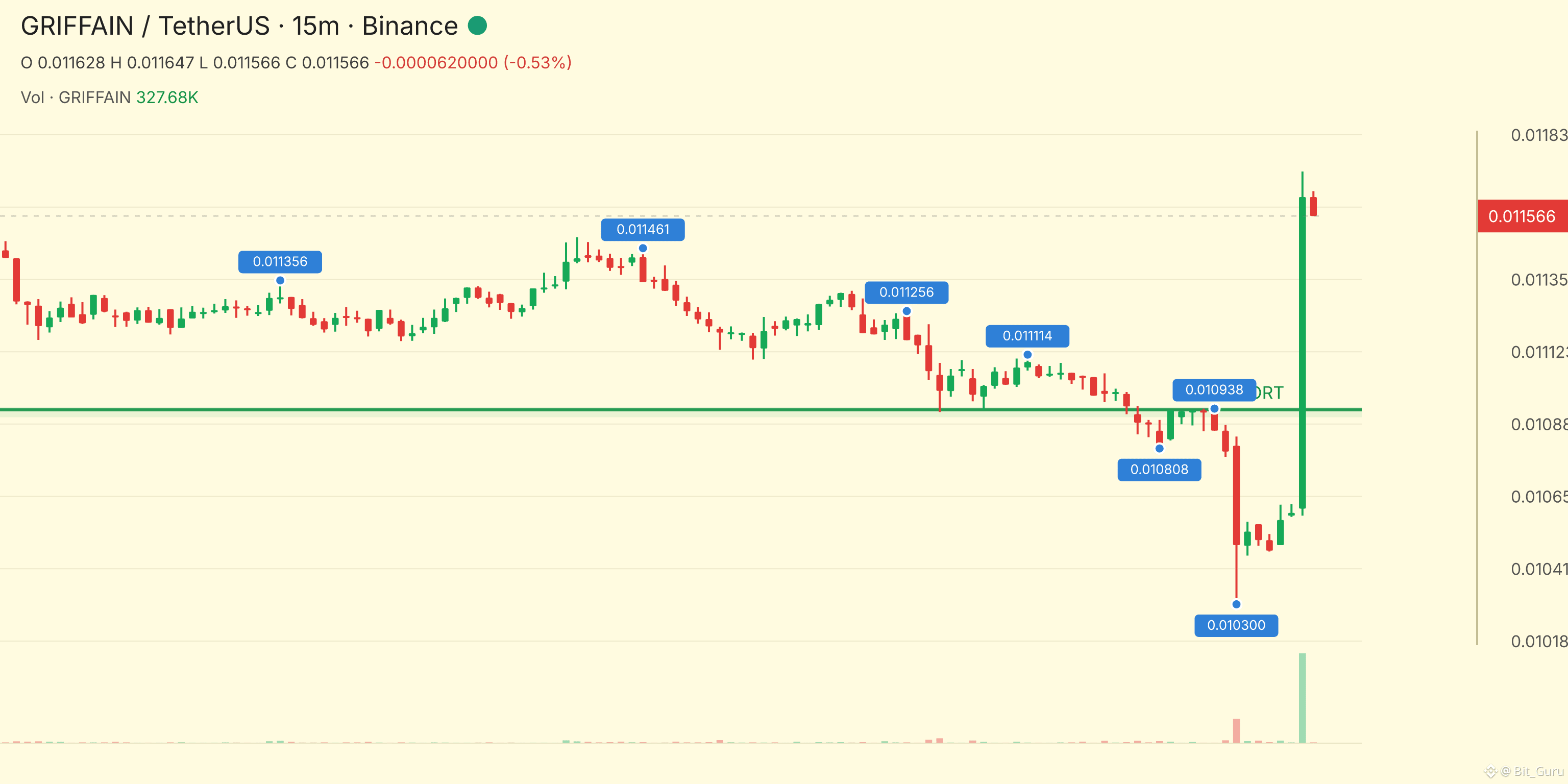
This Could Be The Start Of Something...!! $GRIFFAIN is going UP...!!
ENTRY: 0.011611 - 0.011622
TP1: 0.01174
TP2: 0.011781
TP3: 0.011823...
This Could Be The Start Of Something...!! $GRIFFAIN is going UP...!!
ENTRY: 0.011611 - 0.011622
TP1: 0.01174
TP2: 0.011781
TP3: 0.011823...
ENTRY: 0.011611 - 0.011622
TP1: 0.01174
TP2: 0.011781
TP3: 0.011823...
358
·
--
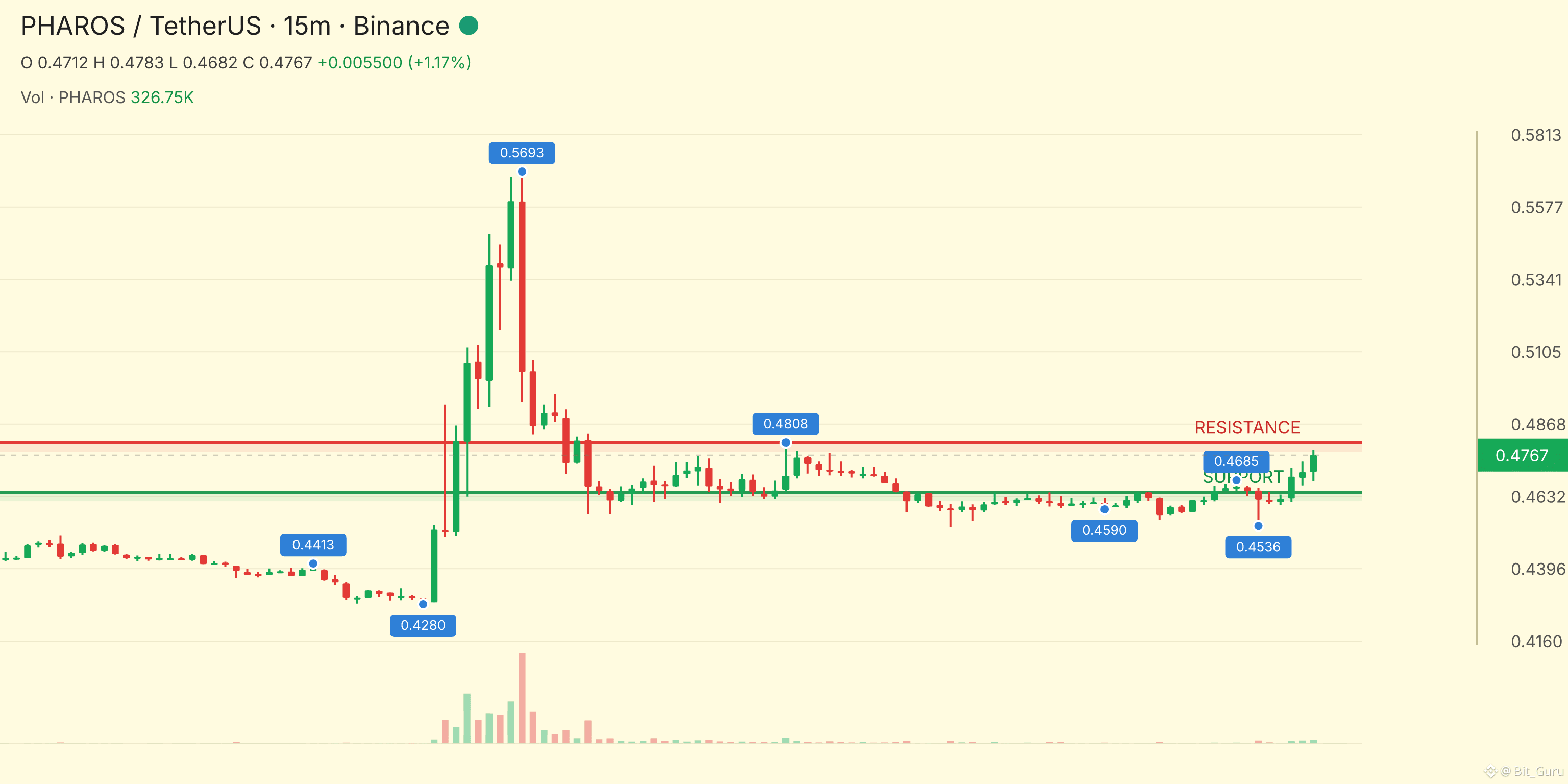
Watch This Price Action...!! $PHAROS is going UP...!!
ENTRY: 0.47499 - 0.47546
TP1: 0.48027
TP2: 0.48198
TP3: 0.48369...
Watch This Price Action...!! $PHAROS is going UP...!!
ENTRY: 0.47499 - 0.47546
TP1: 0.48027
TP2: 0.48198
TP3: 0.48369...
ENTRY: 0.47499 - 0.47546
TP1: 0.48027
TP2: 0.48198
TP3: 0.48369...
227
·
--
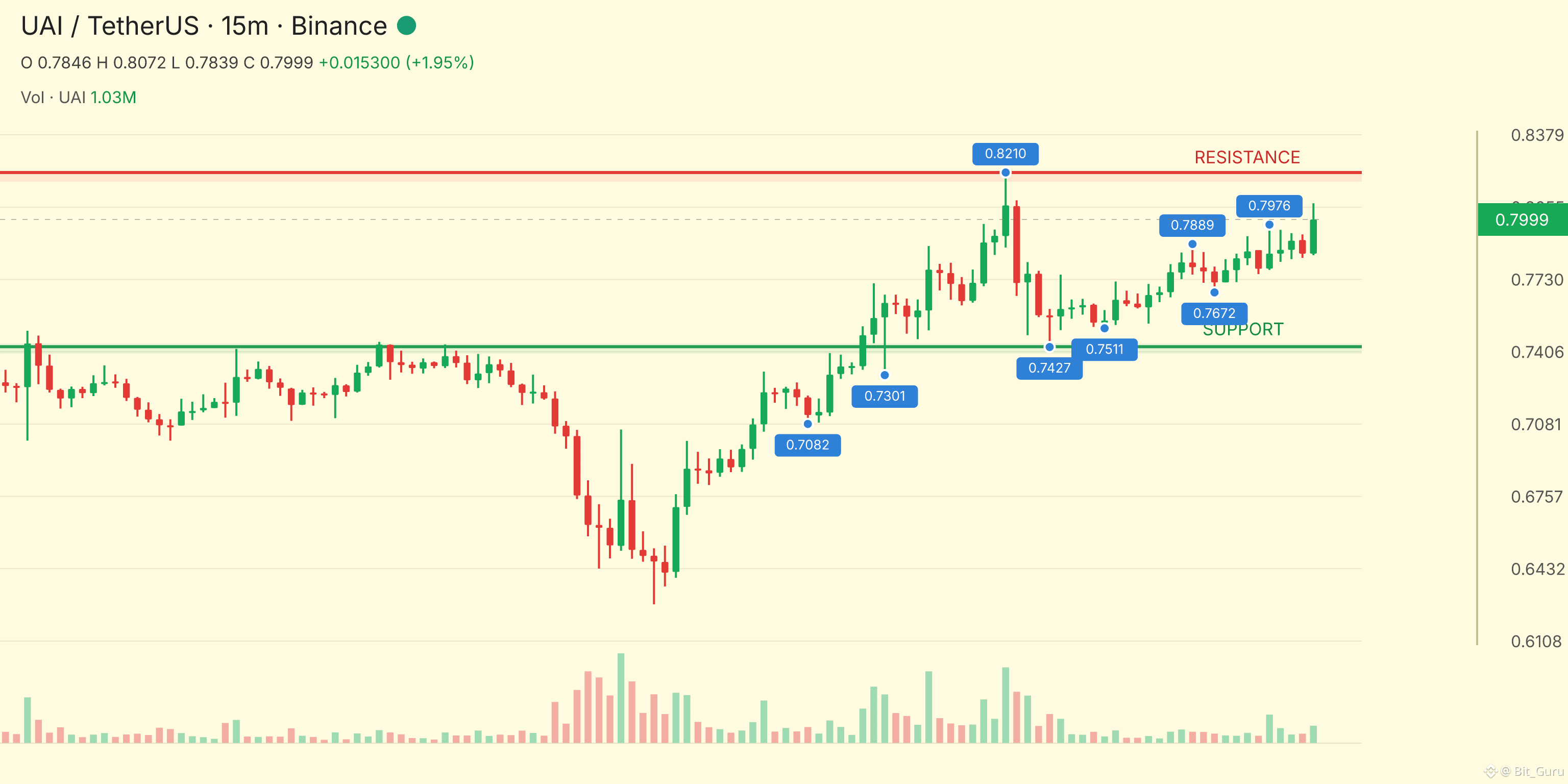
The Chart Is Giving A Clearer Signal...!! $UAI is going UP...!!
ENTRY: 0.7987 - 0.7995
TP1: 0.80758
TP2: 0.81046
TP3: 0.81334...
The Chart Is Giving A Clearer Signal...!! $UAI is going UP...!!
ENTRY: 0.7987 - 0.7995
TP1: 0.80758
TP2: 0.81046
TP3: 0.81334...
ENTRY: 0.7987 - 0.7995
TP1: 0.80758
TP2: 0.81046
TP3: 0.81334...
1
551
·
--
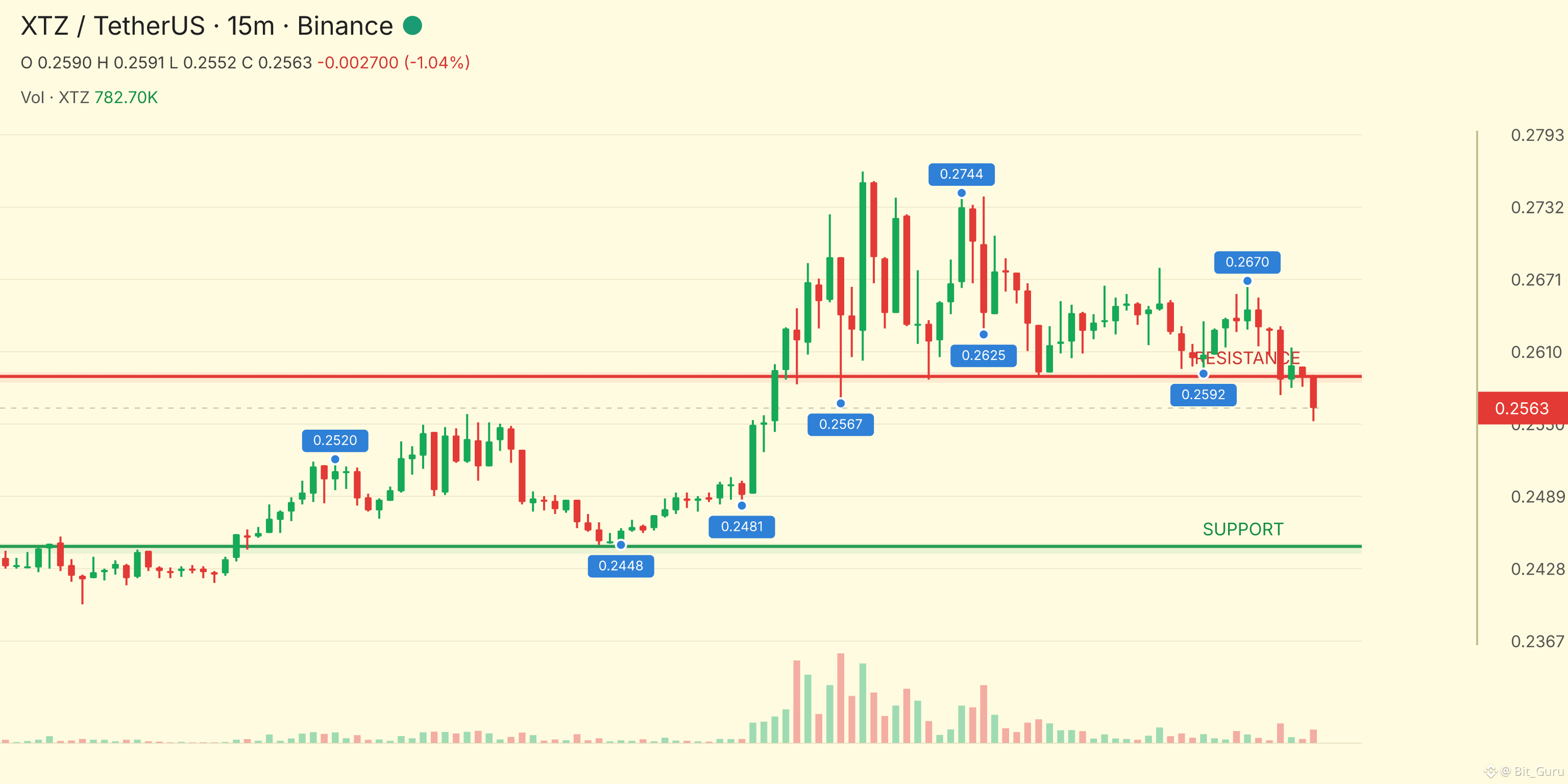
A New Setup Has Appeared...!! $XTZ is going DOWN...!!
ENTRY: 0.25582 - 0.25594
TP1: 0.25374
TP2: 0.25282
TP3: 0.2519...
A New Setup Has Appeared...!! $XTZ is going DOWN...!!
ENTRY: 0.25582 - 0.25594
TP1: 0.25374
TP2: 0.25282
TP3: 0.2519...
ENTRY: 0.25582 - 0.25594
TP1: 0.25374
TP2: 0.25282
TP3: 0.2519...
1
249
·
--
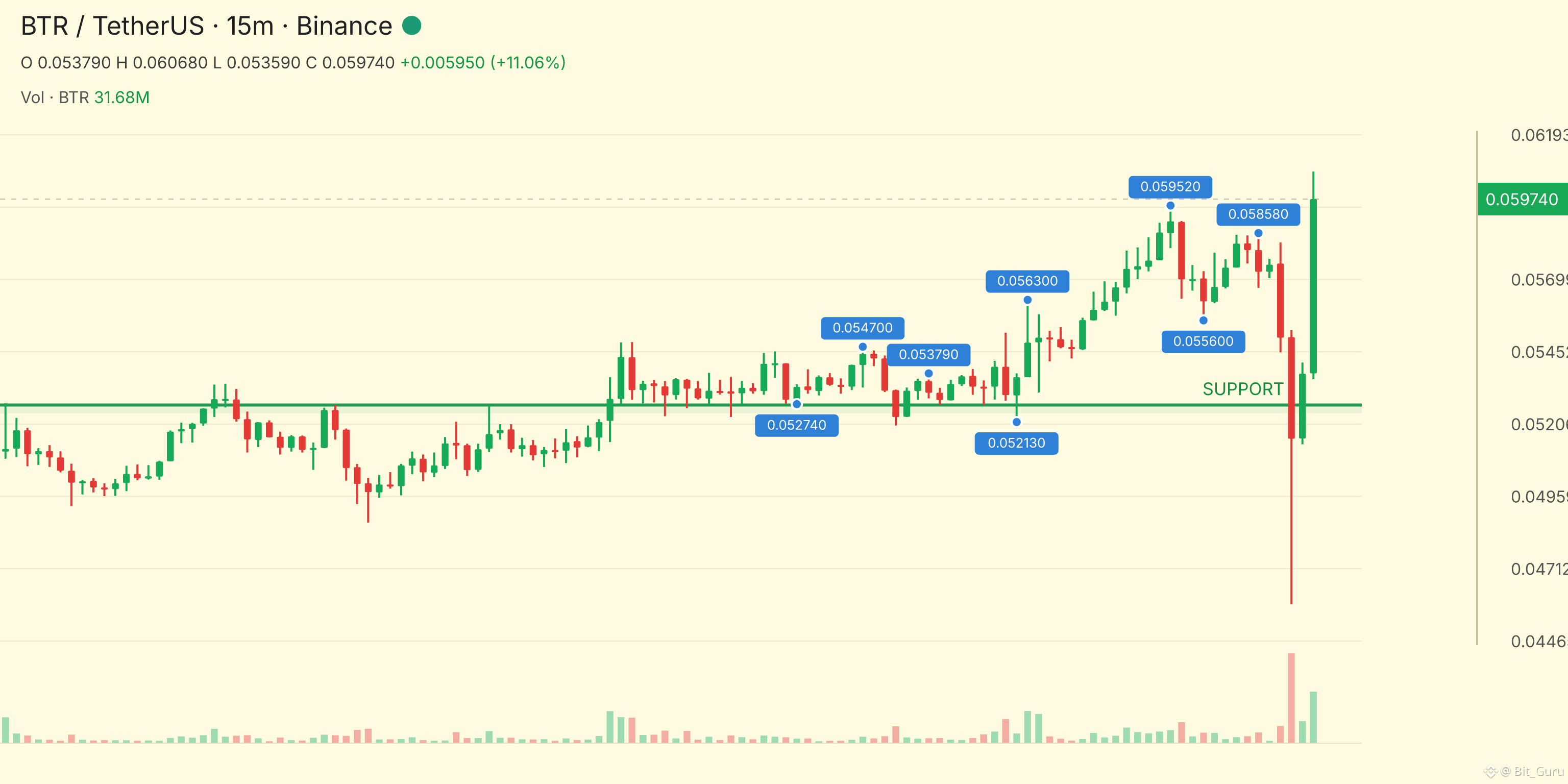
A New Setup Has Appeared...!! $BTR is going UP...!!
ENTRY: 0.05958 - 0.05964
TP1: 0.060243
TP2: 0.060458
TP3: 0.060672...
A New Setup Has Appeared...!! $BTR is going UP...!!
ENTRY: 0.05958 - 0.05964
TP1: 0.060243
TP2: 0.060458
TP3: 0.060672...
ENTRY: 0.05958 - 0.05964
TP1: 0.060243
TP2: 0.060458
TP3: 0.060672...
489
·
--
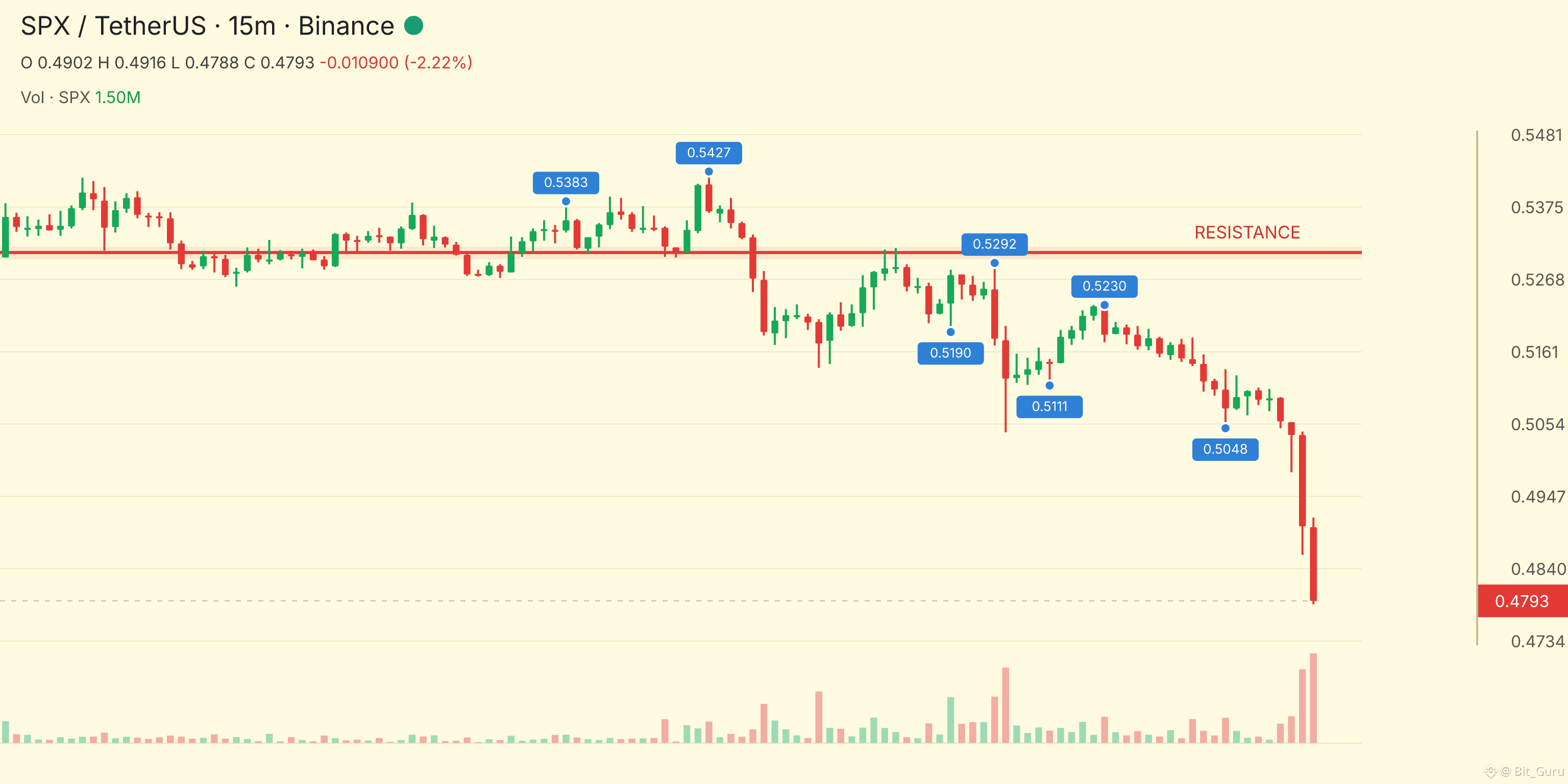
This Coin Has A Move In Focus...!! $SPX is going DOWN...!!
ENTRY: 0.47958 - 0.47982
TP1: 0.47569
TP2: 0.47396
TP3: 0.47223...
This Coin Has A Move In Focus...!! $SPX is going DOWN...!!
ENTRY: 0.47958 - 0.47982
TP1: 0.47569
TP2: 0.47396
TP3: 0.47223...
ENTRY: 0.47958 - 0.47982
TP1: 0.47569
TP2: 0.47396
TP3: 0.47223...
2
326
·
--
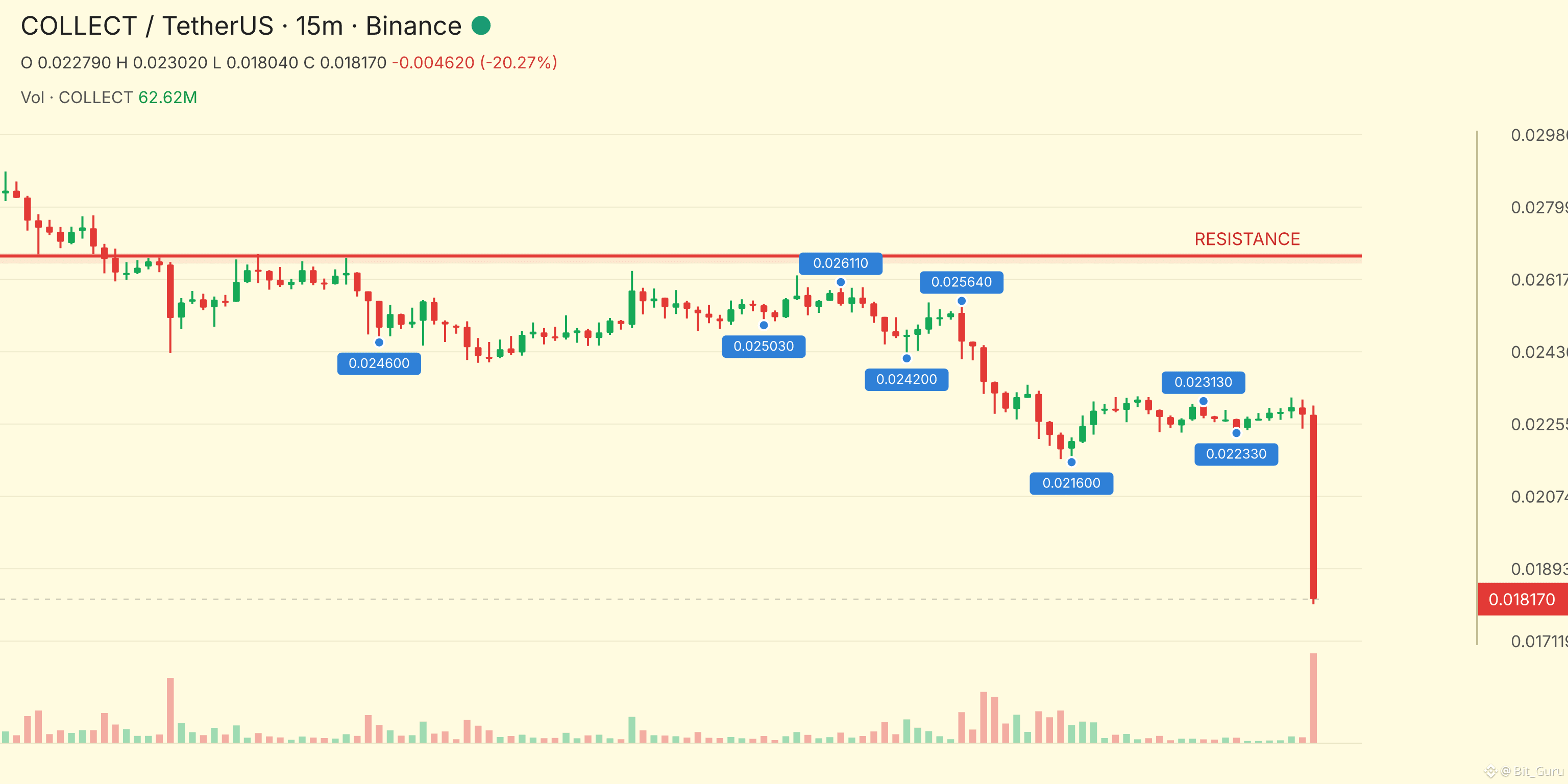
The Next Break Could Be Important...!! $COLLECT is going DOWN...!!
ENTRY: 0.018412 - 0.018422
TP1: 0.018263
TP2: 0.018197
TP3: 0.01813...
The Next Break Could Be Important...!! $COLLECT is going DOWN...!!
ENTRY: 0.018412 - 0.018422
TP1: 0.018263
TP2: 0.018197
TP3: 0.01813...
ENTRY: 0.018412 - 0.018422
TP1: 0.018263
TP2: 0.018197
TP3: 0.01813...
548
·
--
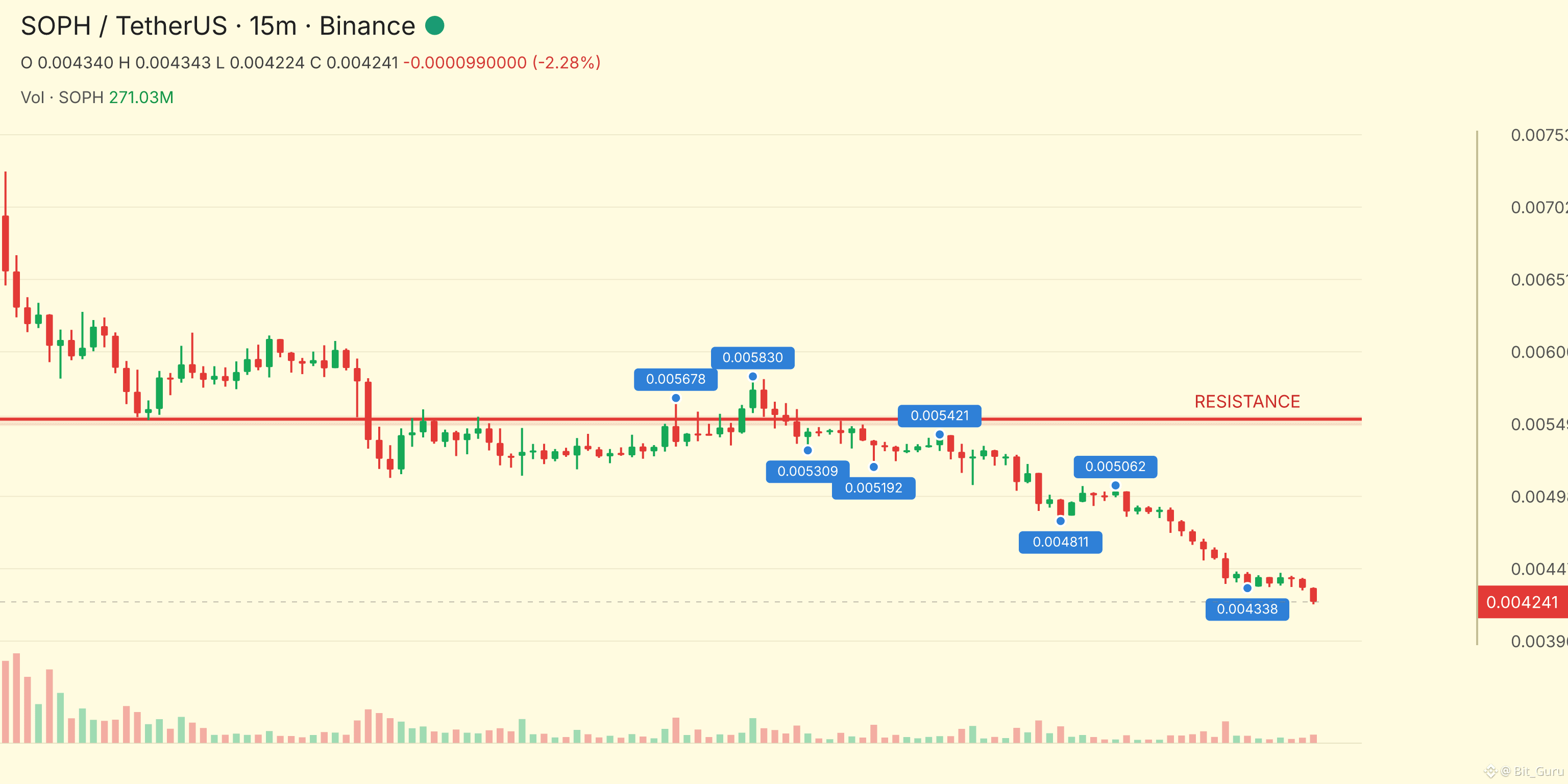
Price Is Holding An Important Area...!! $SOPH is going DOWN...!!
ENTRY: 0.00423364 - 0.00423576
TP1: 0.00419930
TP2: 0.00418403
TP3: 0.00416877...
Price Is Holding An Important Area...!! $SOPH is going DOWN...!!
ENTRY: 0.00423364 - 0.00423576
TP1: 0.00419930
TP2: 0.00418403
TP3: 0.00416877...
ENTRY: 0.00423364 - 0.00423576
TP1: 0.00419930
TP2: 0.00418403
TP3: 0.00416877...
2
1
567
·
--
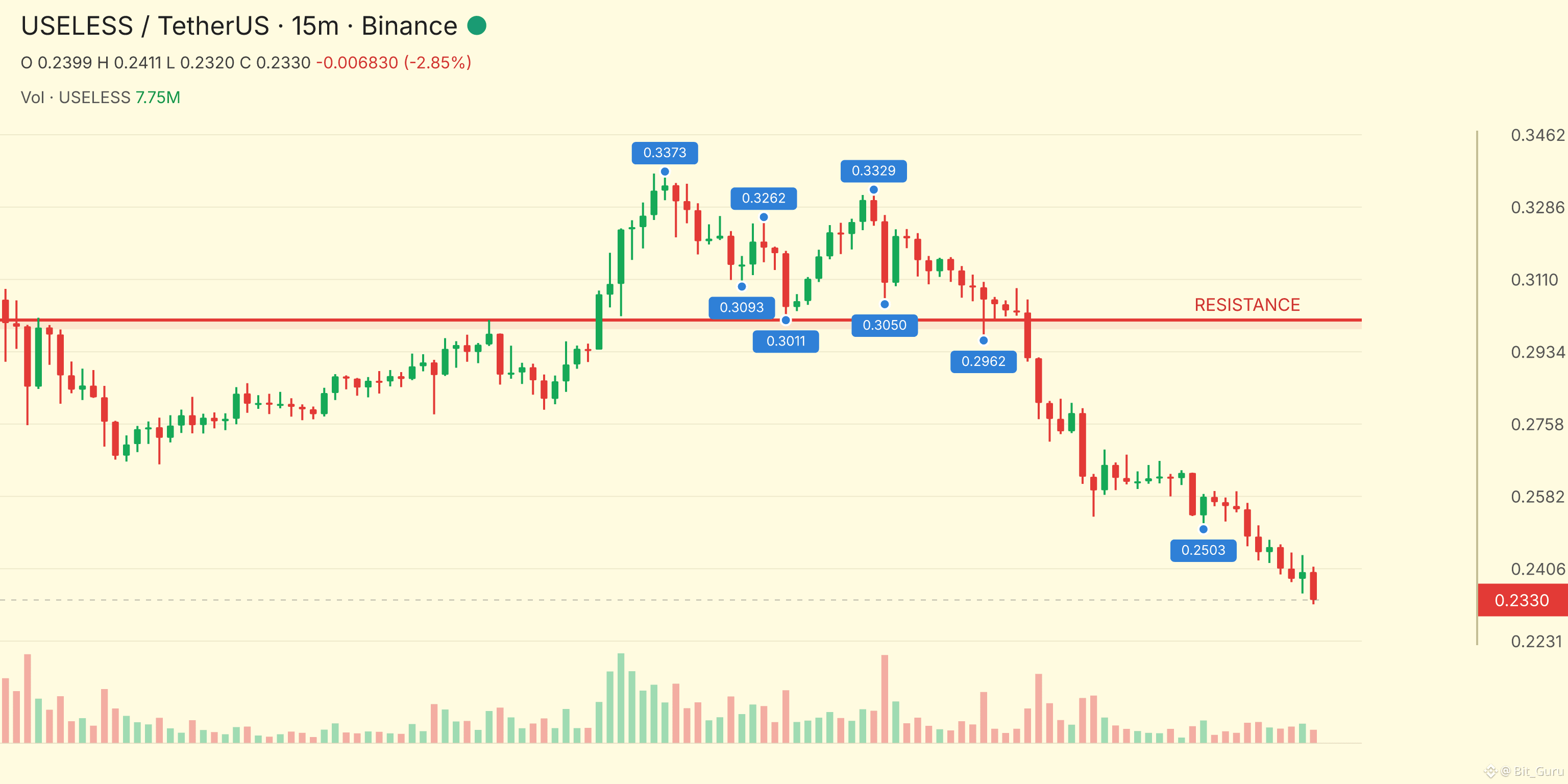
This Setup Is Starting To Work...!! $USELESS is going DOWN...!!
ENTRY: 0.23323 - 0.23335
TP1: 0.23134
TP2: 0.2305
TP3: 0.22966...
This Setup Is Starting To Work...!! $USELESS is going DOWN...!!
ENTRY: 0.23323 - 0.23335
TP1: 0.23134
TP2: 0.2305
TP3: 0.22966...
ENTRY: 0.23323 - 0.23335
TP1: 0.23134
TP2: 0.2305
TP3: 0.22966...
256
·
--
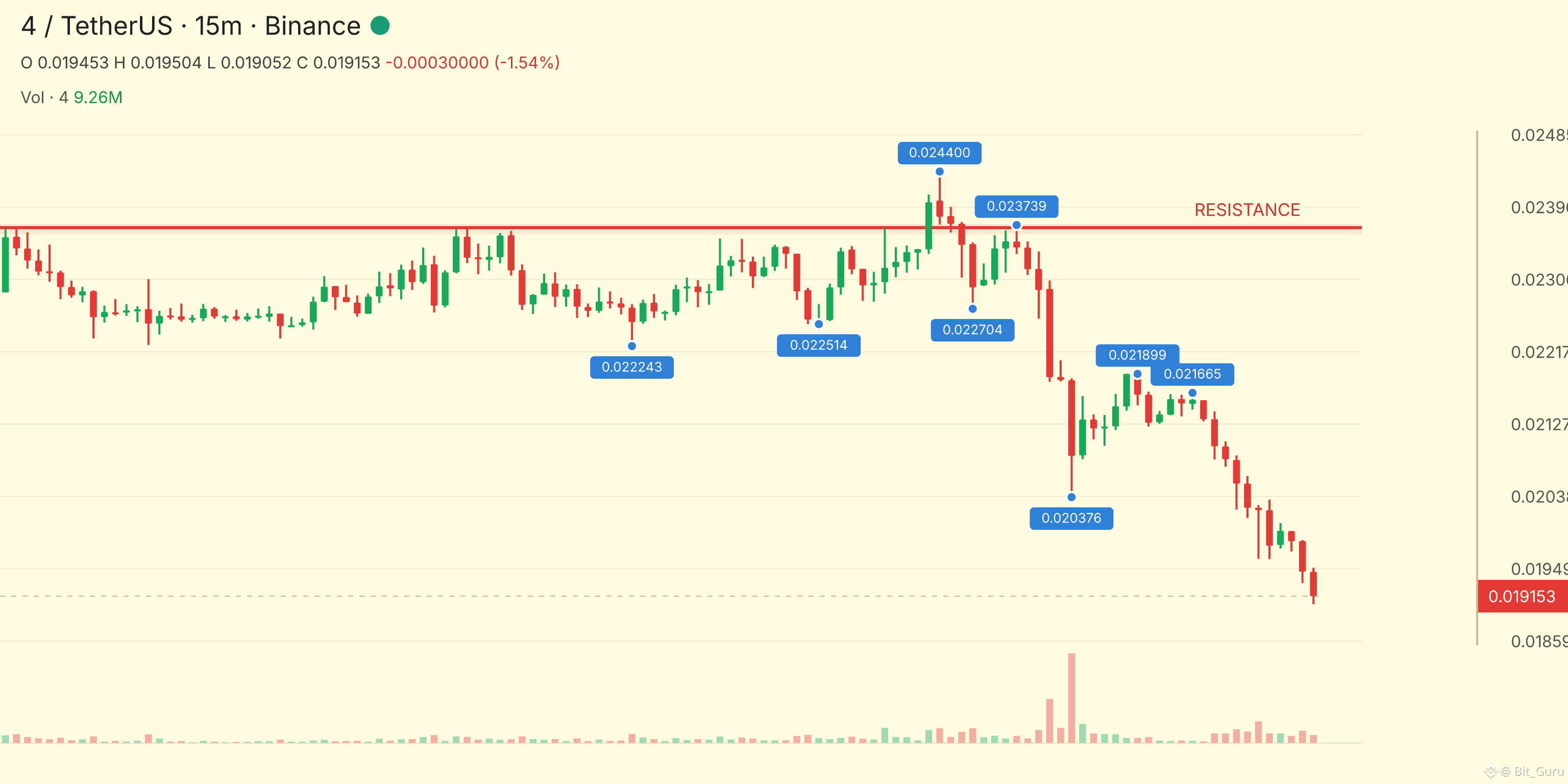
This Setup Is Starting To Work...!! $4 is going DOWN...!!
ENTRY: 0.019147 - 0.019157
TP1: 0.018992
TP2: 0.018923
TP3: 0.018854...
This Setup Is Starting To Work...!! $4 is going DOWN...!!
ENTRY: 0.019147 - 0.019157
TP1: 0.018992
TP2: 0.018923
TP3: 0.018854...
ENTRY: 0.019147 - 0.019157
TP1: 0.018992
TP2: 0.018923
TP3: 0.018854...
453
Войдите, чтобы посмотреть больше материала
Присоединяйтесь к пользователям криптовалют по всему миру на Binance Square
⚡️ Получайте новейшую и полезную информацию о криптоактивах.
💬 Нам доверяет крупнейшая в мире криптобиржа.
👍 Получите достоверные аналитические данные от верифицированных создателей контента.
Эл. почта/номер телефона
В тренде
USTreasuryToBuyBackUpTo$6BLongDatedDebt
Просмотров: 6,556
120 обсуждают
🚨 Treasury tripled its buyback to $6B — yields went UP.
📈 10Y: 4.85% , highest since Nov 2023
📈 30Y: >5.3%
⚠️ Wall St wanted $8–10B. Got $6B.
$6B < 2 days of interest on $40T debt.
Bessent: "I am the house now." The bond market: bet. 💀
Not QE. Debt management. And it's losing.
$XAU $BTC $ZEC #LAPTOPFoundationXAccountSuspended #USTreasuryToBuyBackUpTo$6BLongDatedDebt #BitcoinSurpasses$79K #BrentCrudeTops$100 #USADPWeeklyEmploymentRises12000
KimHotbae
·Лайков: 0
·Просмотров: 33
BitcoinSurpasses$79K
Просмотров: 46,352
242 обсуждают
BrentCrudeTops$100
Просмотров: 104,863
364 обсуждают