

Pixelmon was going to be 'the highest quality game the NFT space has ever seen'. They raised $70 million from 7,750 participants with the hope of creating a blockbuster NFT collection. However, investors were disappointed as the Pixemon team rolled out what, at best, could be called mediocre art.
Evidence showed that the team distributed some of the raised funds among themselves, and a wallet that received 400 ETH worth $1,2 million at the time went on a spending spree buying NFTs such as MAYC, BAYC, CloneX, and Azuki.
In today's episode of crypto forensics, I bring to you the real truth of what happened with Pixelmon, how participants lost $9,500 each, the lies the team told, and the potential future of Pixelmon. Follow along!
What was Pixelmon?
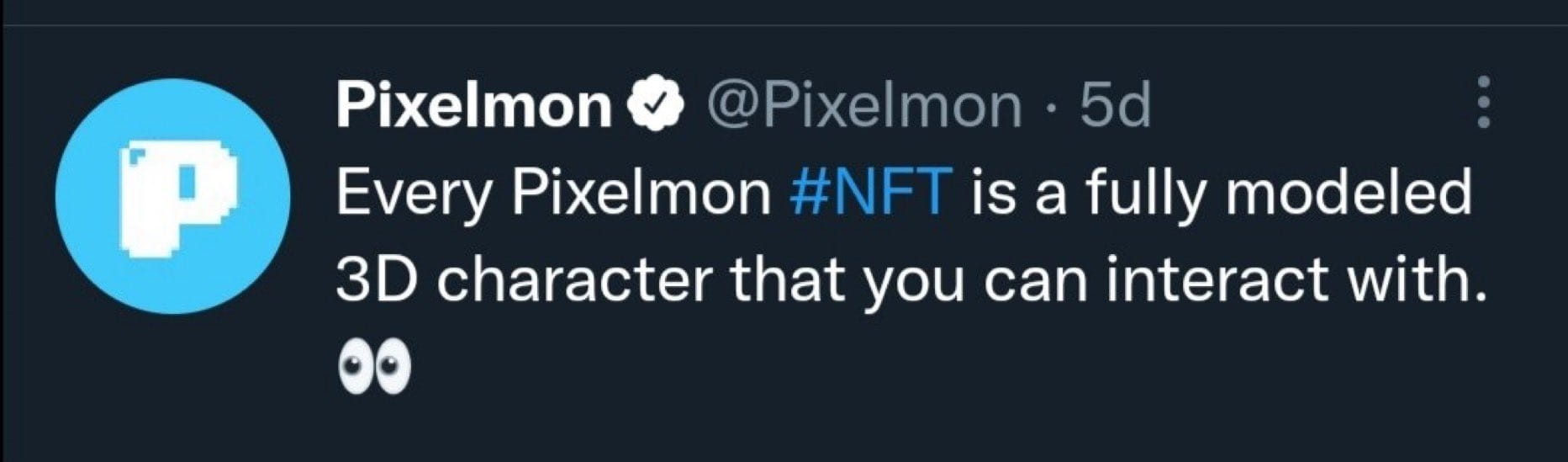
Launched in February 2022, Pixelmon promised to be "the largest and highest quality game the NFT space has ever seen." It was going to be a Pokemon NFT game. To fund the project, 10,000 Pixelmon NFTs would be released. Holders of these NFTs will receive NFT lands that they can use to create living spaces or become in-game merchants by setting up a shop upon game launch.
The team employed a Dutch auction style for its fundraiser, starting at 3 ETH per NFT, worth $9,500 at the time. 7,750 NFTs were sold, and $70 million was raised. The Pixelmon community was buzzing with excitement, and the future looked bright. Or, was it?
The Pixelmon NFT Reveal
Heartbreak, disappointment, and confusion—these were some of the feelings the NFT community felt when the NFTs were revealed. It was shocking, to say the least. It was nowhere near what the team showed the public as a screenshot from "in-game footage". Take a look at what the Pixelmon team teased before they raised $70 million.
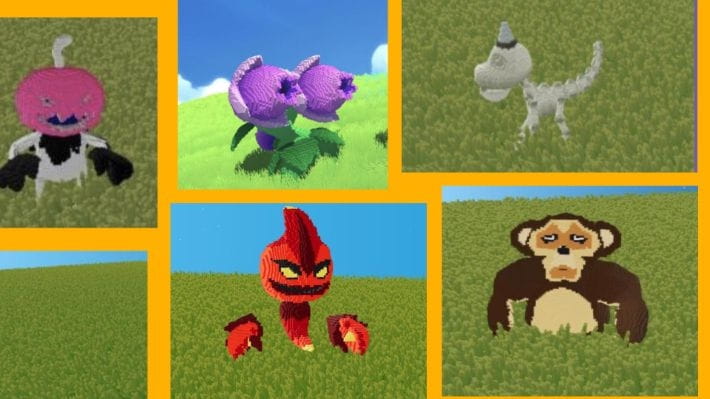
It was nothing like what was shown in the sneak peeks. It was a total disappointment. One person sent an image showing his NFT as blank. How did things go wrong?
What Actually Happened With The Pixelmon NFTs
While the real truth will never be known, evidence suggests the Pixelmon team had no intention of delivering on their promise. Apparently, all they cared about was the money. First of all, take a look at a screenshot of the team's response when the community reacted negatively to the NFTs.
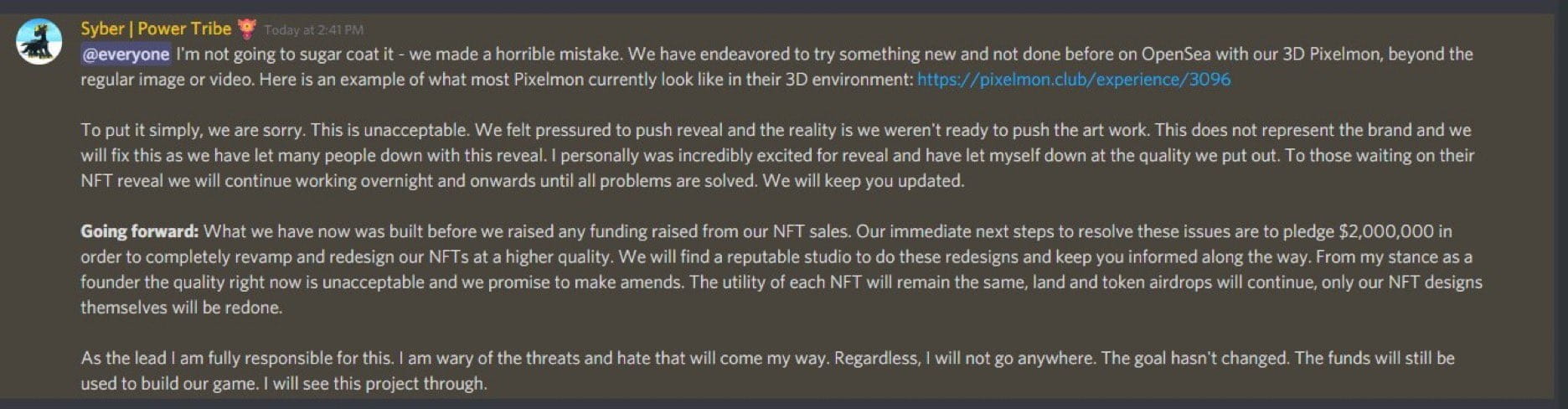
Syber, the Pixelmon founder, claimed that they made a "horrible mistake" and that they weren't ready to reveal the art, so they were "pushed" to reveal what everyone saw. Really? Let's consider the facts.
Where The NFTs Came From
Trust the crypto community; you can be sure that someone will dig out every piece of information and share it with the public. That's exactly what ZachXBT and a number of others did. What did they find?
Apparently, the Pixelmon team went to buy cheap art on Unity from freelancers. These artworks are worth less than $200 per pack, as seen in the images below.
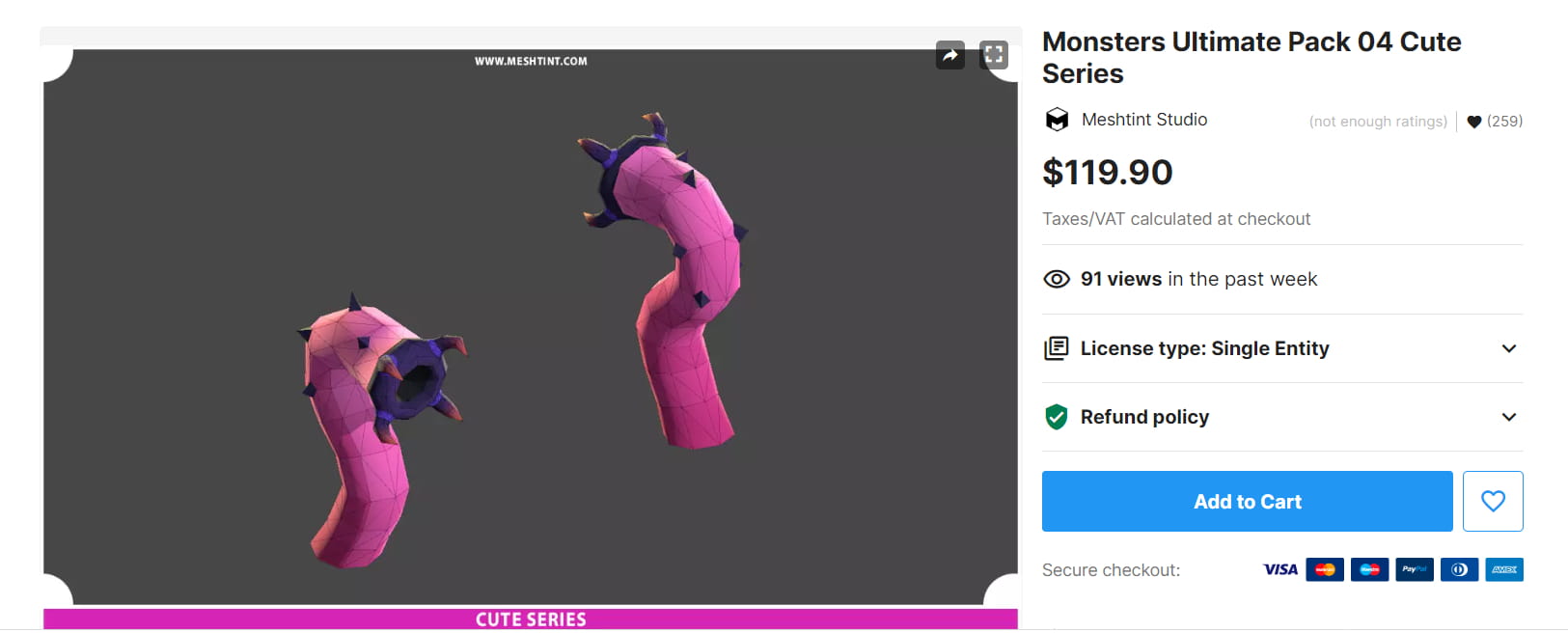
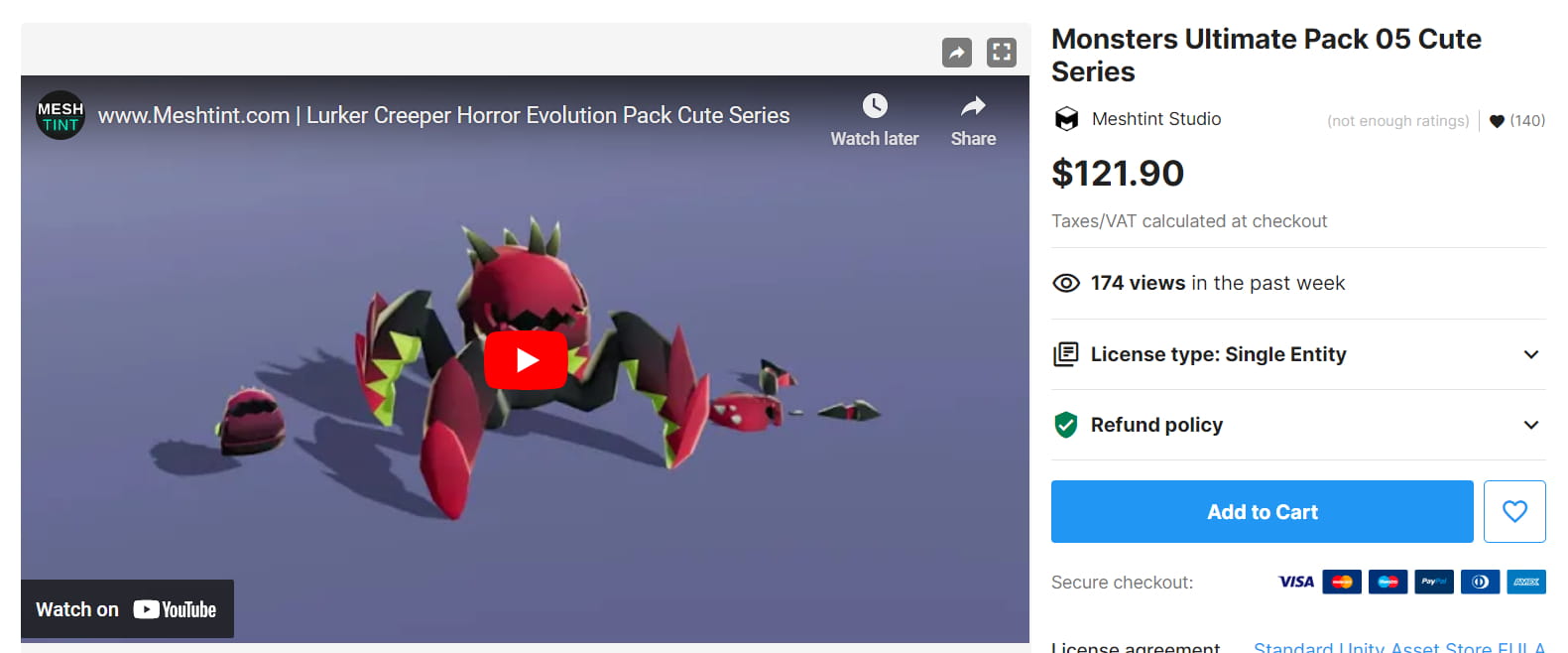
They bought these pieces of art, placed them on a nice background, and rolled them out as NFTs for the $9,500 each participant paid. As a result, many tweeted and called the Pixelmon team out as scammers. In a sense, this was a rug pull. If they spent that little money on those arts, where did the money go?
Where Did The $70 Million Go?
Thanks to ZachXBT, we are able to monitor the activities of the Pixelmon team and see what they did with the money raised. 0xF6BD9Fc094F7aB74a846E5d82a822540EE6c6971 was the initial wallet that received the money from the presale. From there, 1,000 ETH were withdrawn.
As seen in the image below, one of the team members received 400 ETH ($1.26 million) and went on a spending spree, buying NFTs like MAYC, BAYC, CloneX, and Azuki.
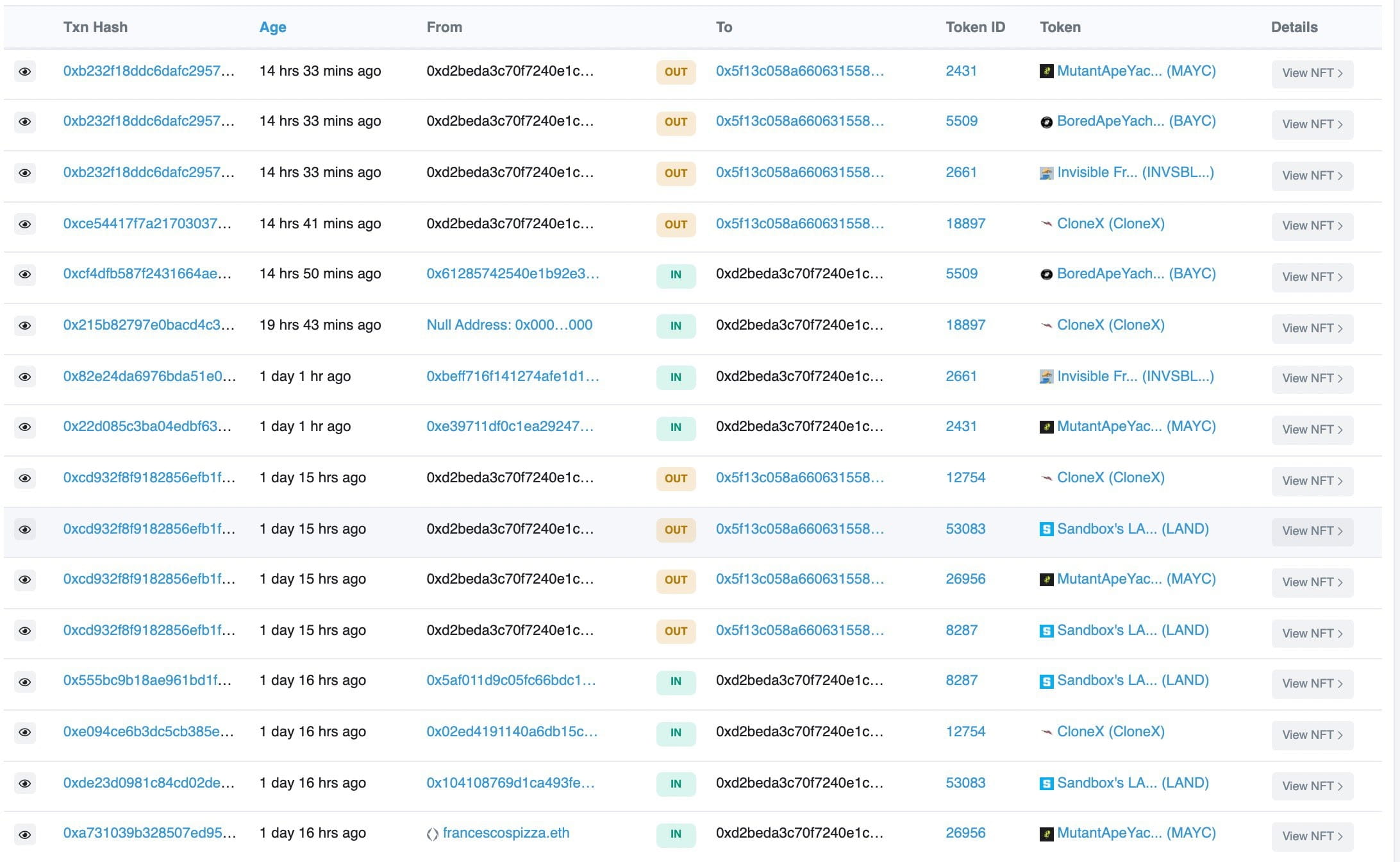
When community members asked in the Discord server, the team claimed that it was the dev team who bought those NFTs because most NFTs are on discount."
Where Is Pixelmon Today?
In October 2022, LiquidX Studio, a Web3 VC studio that helps build NFT-based projects, announced that it had acquired a 60% stake in Pixelmon and would be taking over development of the project. A new set of NFTs was rolled out to holders soon after.
The art isn't the greatest in the NFT space, and the game is yet to be released as of June 23, 2023. The new NFTs have a floor price of 0.45 ETH, or about $1,250. A far cry from the $9,500 paid for each.
What Lessons Can We Learn From Pixelmon NFT's Failure?
The Pixelmon project was a high-profile failure that can teach us a few important lessons about NFTs and the risks of investing in them. Here are a few of the key lessons we can learn from Pixelmon:
DYOR: Be sure to do your own proper research before investing in any NFT project. The majority of those who bought the Pixelmon NFT presale did so because some influencers on Twitter said it would be the greatest thing ever in the NFT space. Proper research might have saved some of them this heartache.
Be wary of projects that make unrealistic promises: If a project promises to be the "biggest and best" NFT project ever, it's probably too good to be true. Be skeptical of projects that make grandiose claims without providing any concrete evidence to support them.
Don't invest more than you can afford to lose. NFTs are a volatile asset class, and their prices can fluctuate wildly. Don't invest more money in NFTs than you can afford to lose if the project fails.
Be patient. It takes time to build a successful NFT project. Don't expect to get rich quick by investing in NFTs.
The Pixelmon project still exists today, and quite a few people still have hope that the initial dream they were sold will come to life. At the same time, some who bought these NFTs are trying their hardest to incite others to buy them, unsurprisingly.
This remains one of the most epic failures of an NFT project, especially because of the amount raised and the hype built. May the lessons you have learned continue to guide you.
Do you have any project(s) you would like me to write a crypto forensics report on? Let me know in the comments below, and your wish will be granted. And while you are at it, do give us a follow!