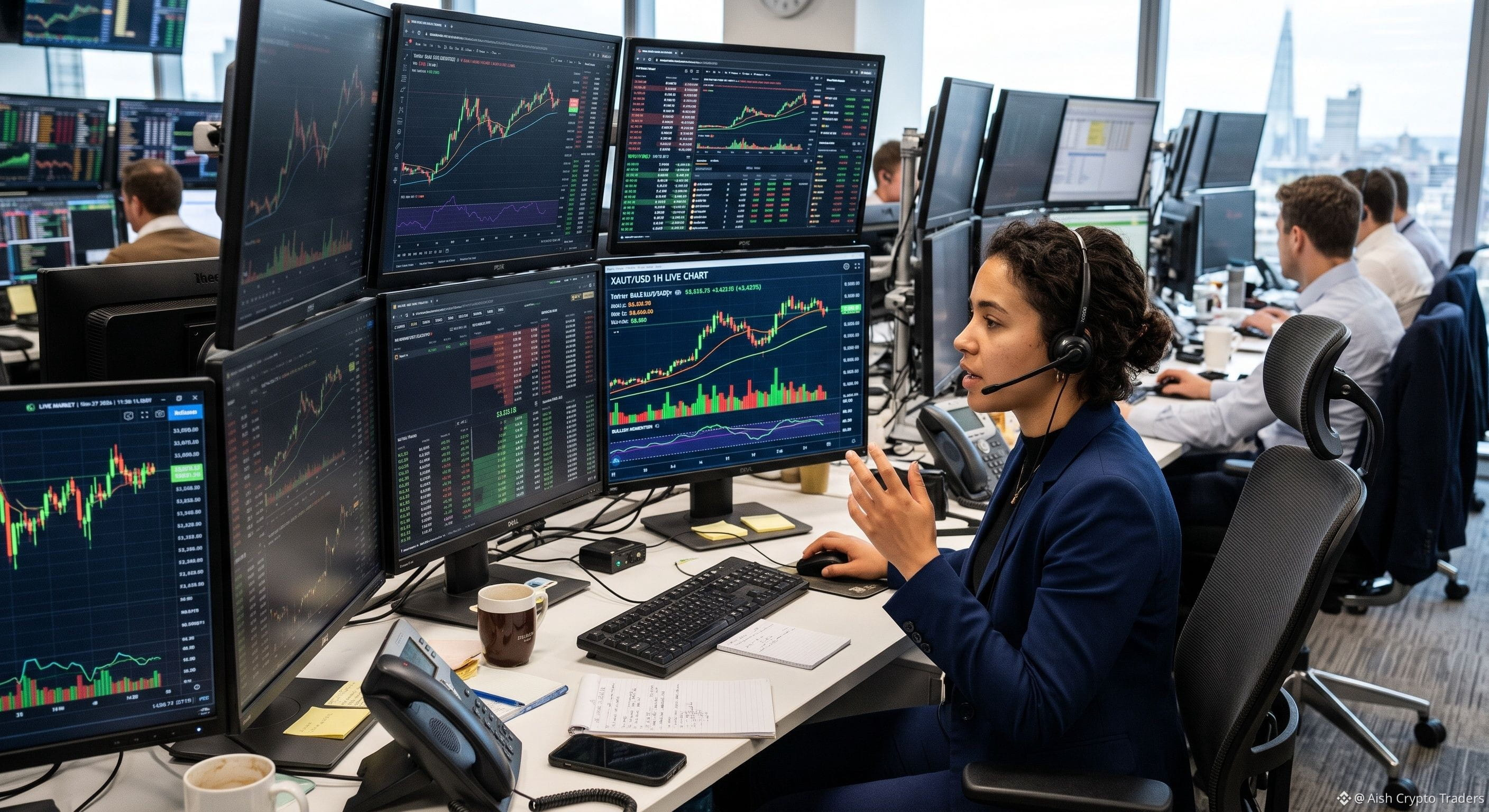
#canmarketsreboundafterthanksgiving? Yes—historically, markets often rebound through the end of the year following Thanksgiving, though the immediate trading days right after the holiday tend to be mixed.
In November 2026, U.S. equities are already staging a sharp recovery during Thanksgiving week—with the S&P 500 and Dow rebounding nearly 4% after a steep 8%–10% sell-off the prior week—putting the S&P 500 on pace for its strongest Thanksgiving week since 2008.
1. What 50 Years of Historical Data Show (1976–2025)
Seasonal market data highlights a split between the days immediately after Thanksgiving and the broader December run-up:
Black Friday (Day After Thanksgiving): Historically finishes higher 64% of the time (32 of 50 years) with a modest average gain of +0.15%. However, over the past 20 years (2006–2025), that edge has flattened to a 50/50 coin flip.
The "Monday Hangover": The Monday immediately following Thanksgiving is typically the weakest session of the cycle, finishing higher in only 38% of years (19 of 50) and just 5 times in the last two decades.
Black Friday to Year-End (December Rally): Looking past early-week profit-taking, the S&P 500 has risen from the Black Friday close through the final trading day of the year in 68% of years (34 of 50), posting an average gain of +1.38% (median +1.56%).
2. Why Markets Can Rebound in Late 2026
Oversold Dip-Buying & Q3 Growth: Following November's sharp tech and semiconductor pullback, dip-buyers have stepped back into equities, supported by a resilient 4.3% Q3 U.S. GDP reading.
Holiday Retail Barometer: Strong Black Friday and Cyber Monday consumer spending figures typically boost retail, e-commerce, and logistics sentiment heading into December.
Institutional Year-End Flows: Fund managers rebalancing portfolios and chasing year-end benchmarks often add buying support during December. #AishCryptoTraders #Binance $BTC
$ETH $BNB