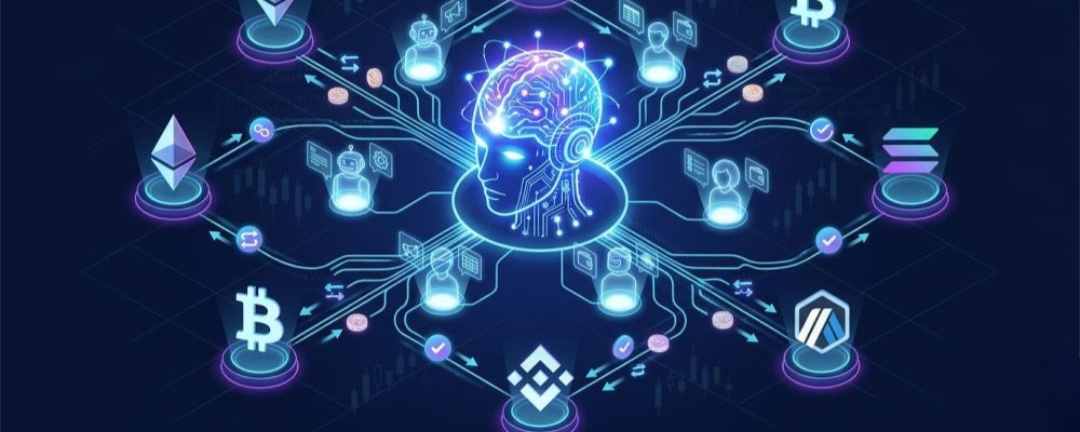


When I look at the blockchain industry today, I see something much bigger than cryptocurrency trading, token prices or market cycles.

I see an emerging technological foundation that could reshape how people exchange value, verify information, manage ownership and interact with digital services.
This is why the theme Evolve at Binance Blockchain Week 2026 is particularly meaningful to me.
Blockchain technology has already moved through several stages of development. Initially, Bitcoin introduced the idea of transferring value without depending on traditional financial intermediaries. Ethereum expanded this concept by introducing programmable smart contracts, allowing developers to build decentralized applications.
Now, the industry is entering another important phase: connecting blockchain technology with real-world economic activities.
Here are six developments I believe deserve serious attention.
1. AI and Blockchain: Building a More Transparent Digital Economy
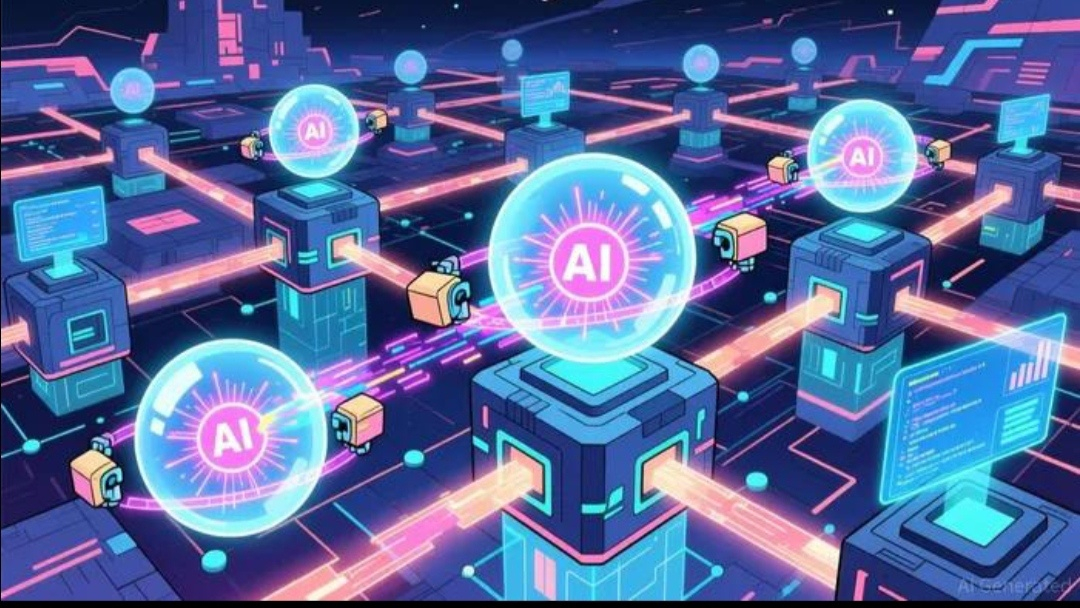
Artificial intelligence is transforming how people work, research and interact with technology. However, AI systems also raise important questions about data authenticity, transparency and accountability.
Blockchain could help address some of these challenges through verifiable records, transparent transactions and decentralized identity systems.
For example, blockchain-based verification could help establish the origin of digital content, while smart contracts could manage payments between AI agents and service providers.
The combination of AI and blockchain could create new economic models where autonomous agents interact, exchange services and execute predefined transactions.
2. Real World Asset Tokenization: Connecting Traditional Finance With Blockchain

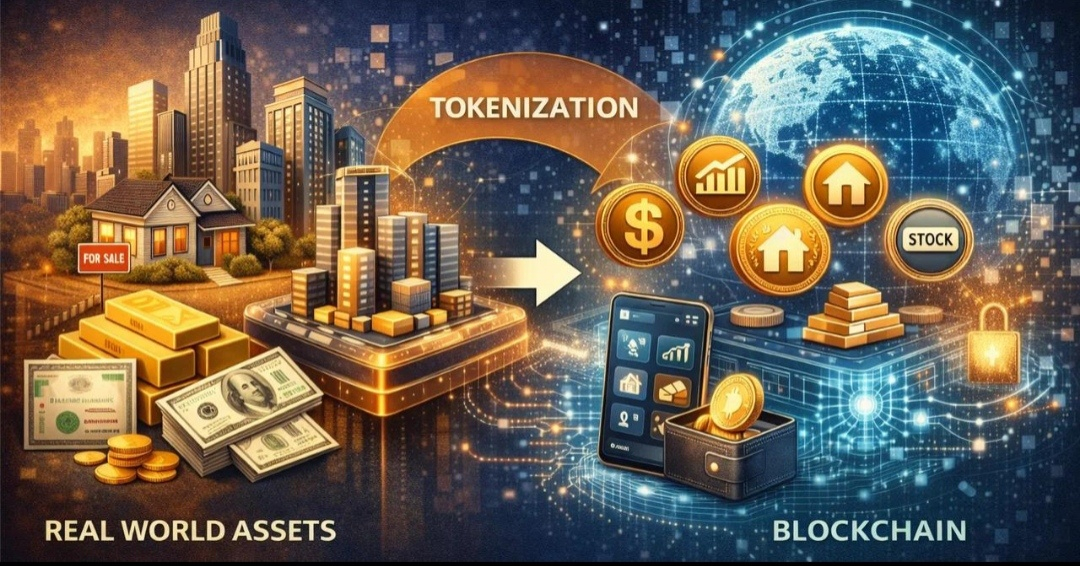
One of the most interesting developments is the tokenization of real-world assets.
Traditionally, assets such as government bonds, real estate, commodities and financial instruments operate through complex systems involving intermediaries, documentation and settlement processes.
Tokenization represents these assets digitally on blockchain networks.
This could potentially improve transparency, automate certain processes and make fractional ownership more accessible.
However, successful adoption also depends on legal recognition, custody, liquidity and regulatory clarity.
3. DeFi: Rethinking Financial Accessibility

Decentralized Finance is attempting to rebuild financial services using smart contracts.
Instead of relying entirely on traditional intermediaries, users can interact with decentralized lending, borrowing, trading and liquidity protocols.
The bigger opportunity is financial accessibility.
People with internet access could potentially interact with financial applications without needing the same infrastructure as traditional banking.
But smart contract vulnerabilities, liquidation risks and unstable liquidity remain important challenges.
4. Blockchain Infrastructure: The Foundation of Mass Adoption
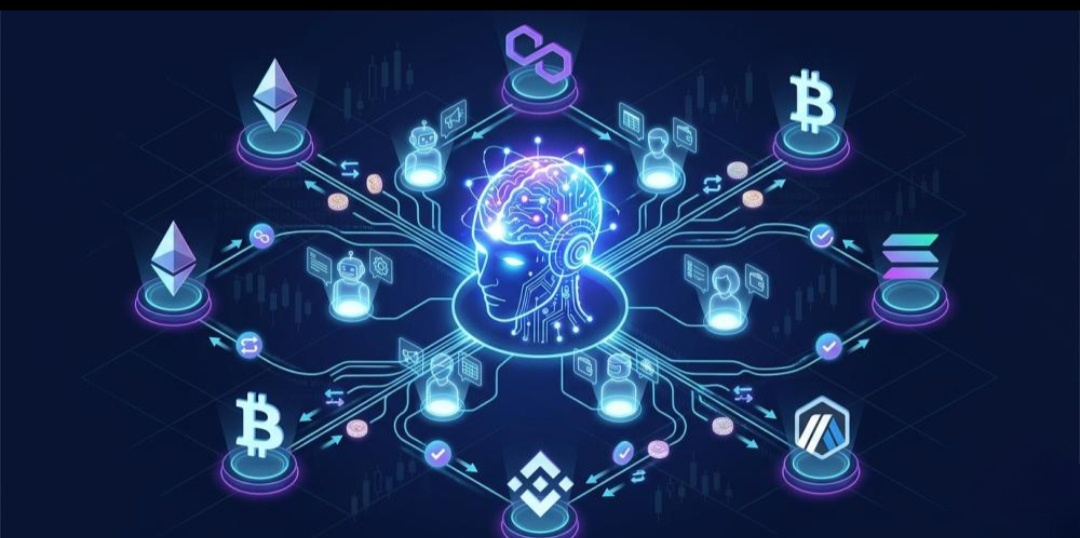
A technology cannot achieve global adoption if it is too expensive, slow or complicated for ordinary users.
This makes scalability, interoperability, security and user experience extremely important.
Layer 2 networks, cross-chain communication and improved blockchain infrastructure are working towards reducing transaction costs and improving efficiency.
The future will likely involve multiple specialized networks rather than one blockchain handling every possible application.
5. Digital Ownership and Web3

The internet has traditionally allowed people to create content and participate in digital communities, but ownership and control often remain with centralized platforms.
Web3 explores a different model where users can hold digital assets, manage identities and interact with decentralized applications.
This could create new opportunities for gaming, creators, communities and digital businesses.
The real challenge is making these experiences simple enough for mainstream users.
6. Regulation and Trust: The Missing Pieces of Sustainable Growth

Technology alone cannot guarantee adoption.
Clear regulations, consumer protection, security standards and responsible development are essential.
For blockchain to become part of everyday economic activity, users and businesses need confidence that the systems they depend on are reliable.
Innovation and accountability must evolve together.
My Perspective: What Will Define the Next Bullish Chapter of Blockchain?
I believe the next major phase of blockchain adoption will be determined by utility rather than speculation alone.
Bitcoin demonstrated the potential of decentralized digital money. Ethereum expanded programmable blockchain applications. The next generation of innovation may connect AI, tokenized assets, decentralized finance and real-world businesses.
Not every project will succeed, and not every innovation will become mainstream. The industry still needs to overcome technical, regulatory and adoption challenges.
But one thing is clear: blockchain's long-term potential should be evaluated by the problems it can solve, not simply by the price of its tokens.
As the global community comes together in Bangkok for Binance Blockchain Week 2026, I'm looking forward to the ideas, discussions and innovations that could shape the next chapter of Web3.
The future is not just about adopting new technology. It is about evolving how the world uses it.
What do you think will drive the next major transformation in blockchain: AI, RWA tokenization, DeFi or something we haven't imagined yet?
#EvolveAtBinanceBlockchainWeek #Mr_SPONDY_13 #AnthropicBreaksBelowIPOPriceAmidAISlump #Bitcoin'sReboundFadesBelow$60K #WillMarketsStageAThanksgivingReliefRally?