


Most blockchains are built around traders, DeFi, and on-chain activity. Celo is taking a different route by focusing on something people use every day: payments.
Its main goal is to make sending and receiving money through crypto simple, affordable, and accessible, especially on mobile devices.
Celo's Move to Ethereum Layer 2
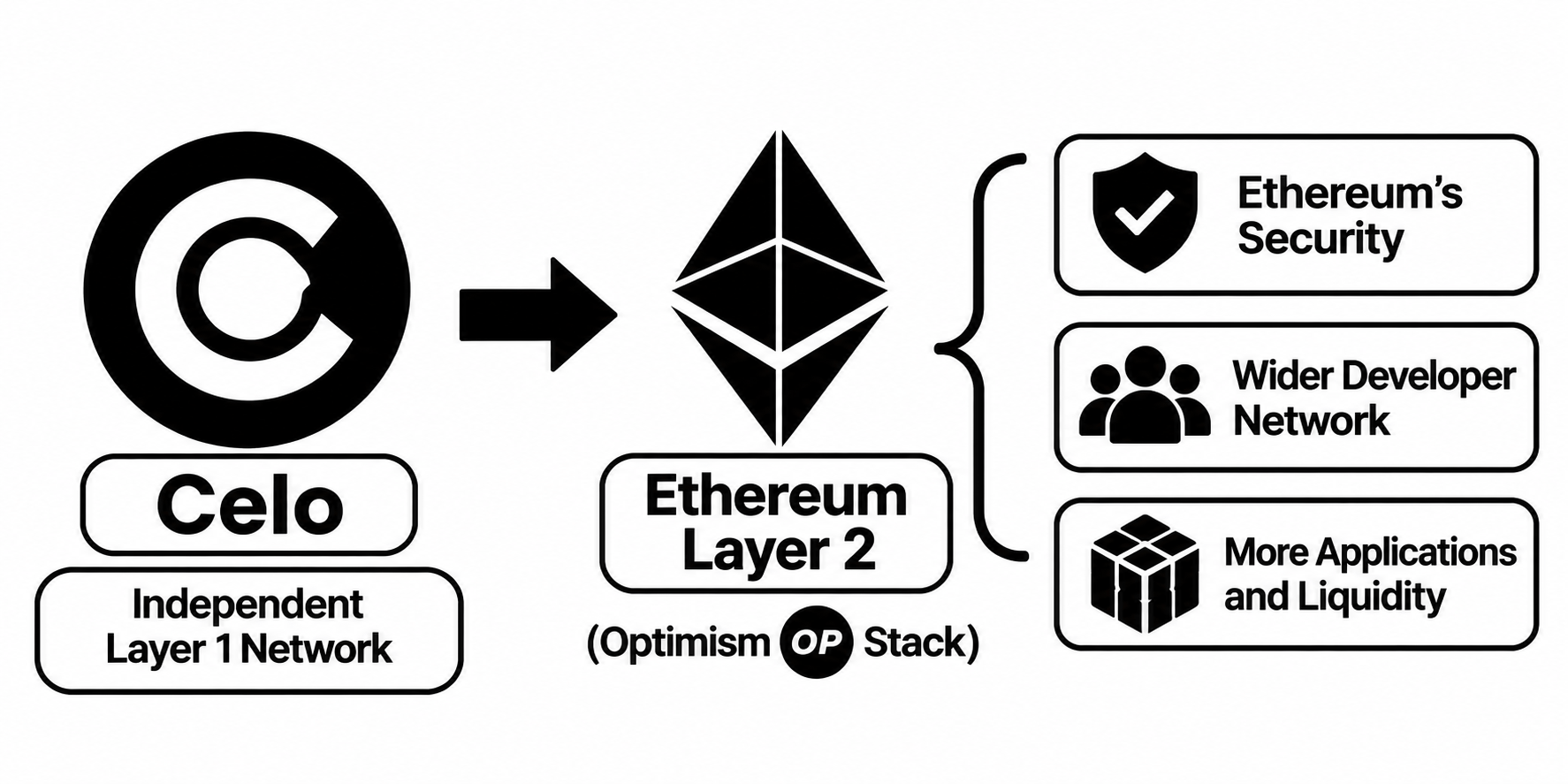
On March 26, 2025, Celo officially moved from its independent Layer 1 network to an Ethereum Layer 2 built with the Optimism OP Stack. This wasn't just a technical upgrade — it brought Celo closer to Ethereum's ecosystem while keeping its focus on low-cost transactions and mobile-first payments.
The move also gives Celo access to Ethereum's security and a wider network of developers, applications, and liquidity. The challenge now is to turn those advantages into real usage.
Stablecoins Are at the Center of Celo
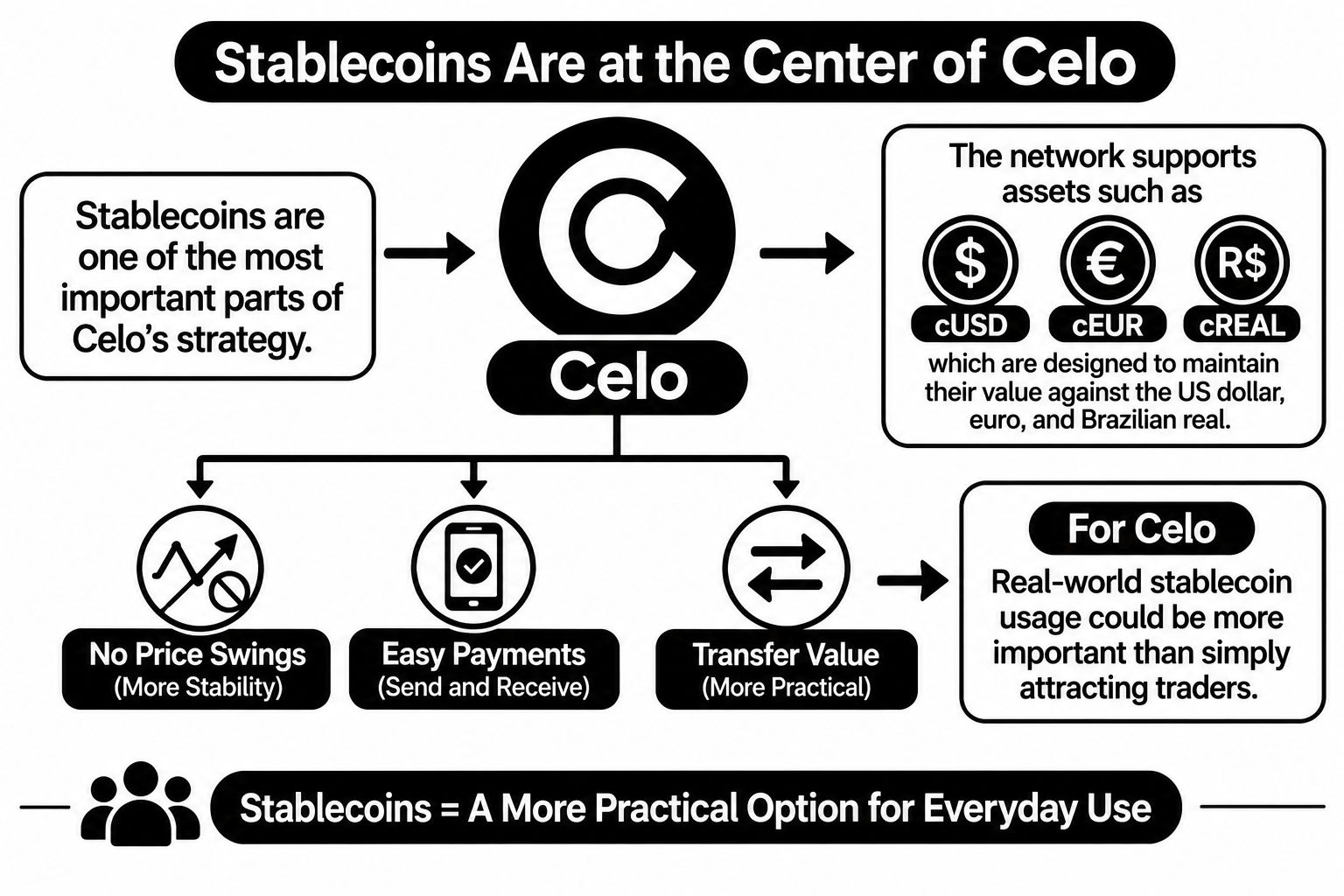
Stablecoins are one of the most important parts of Celo's strategy. The network supports assets such as cUSD, cEUR, and cREAL, which are designed to maintain their value against the US dollar, euro, and Brazilian real.
This matters because people don't always want to deal with the price swings of cryptocurrencies when making everyday payments. Stablecoins offer a more practical option for sending money, receiving payments, and transferring value.
For Celo, real-world stablecoin usage could be more important than simply attracting traders.
MiniPay Is One of Celo's Biggest Strengths
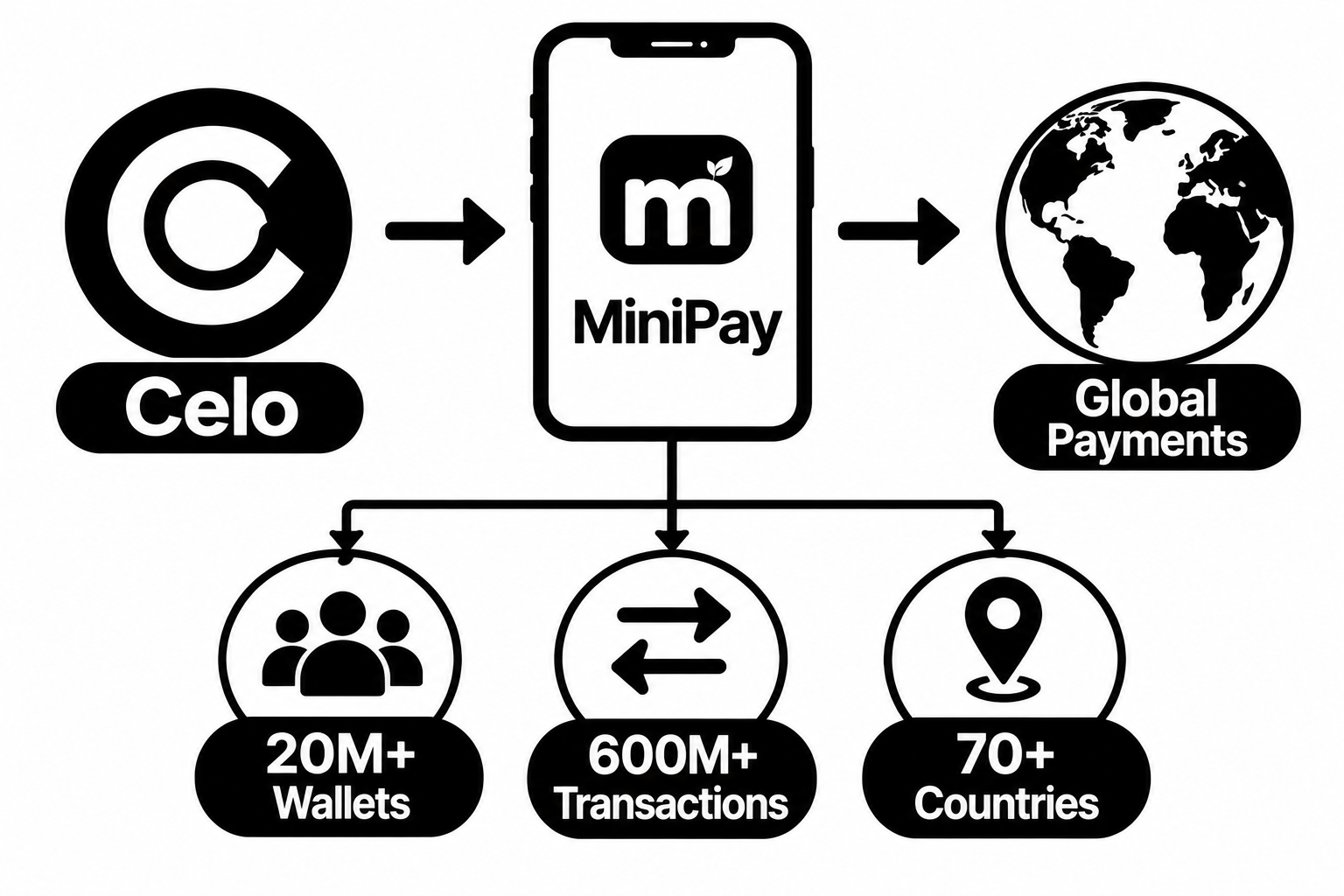
MiniPay is a mobile wallet built to make stablecoin payments easier, particularly in markets where access to traditional financial services can be limited.
As of November 2026, MiniPay has surpassed 20 million wallet activations, processed more than 600 million transactions, and expanded to over 70 countries. That's impressive growth, but wallet numbers alone don't tell the whole story. What matters is how many people actively use it, how often they make transactions, and whether that activity continues over time.
DeFi Is Also Growing on Celo
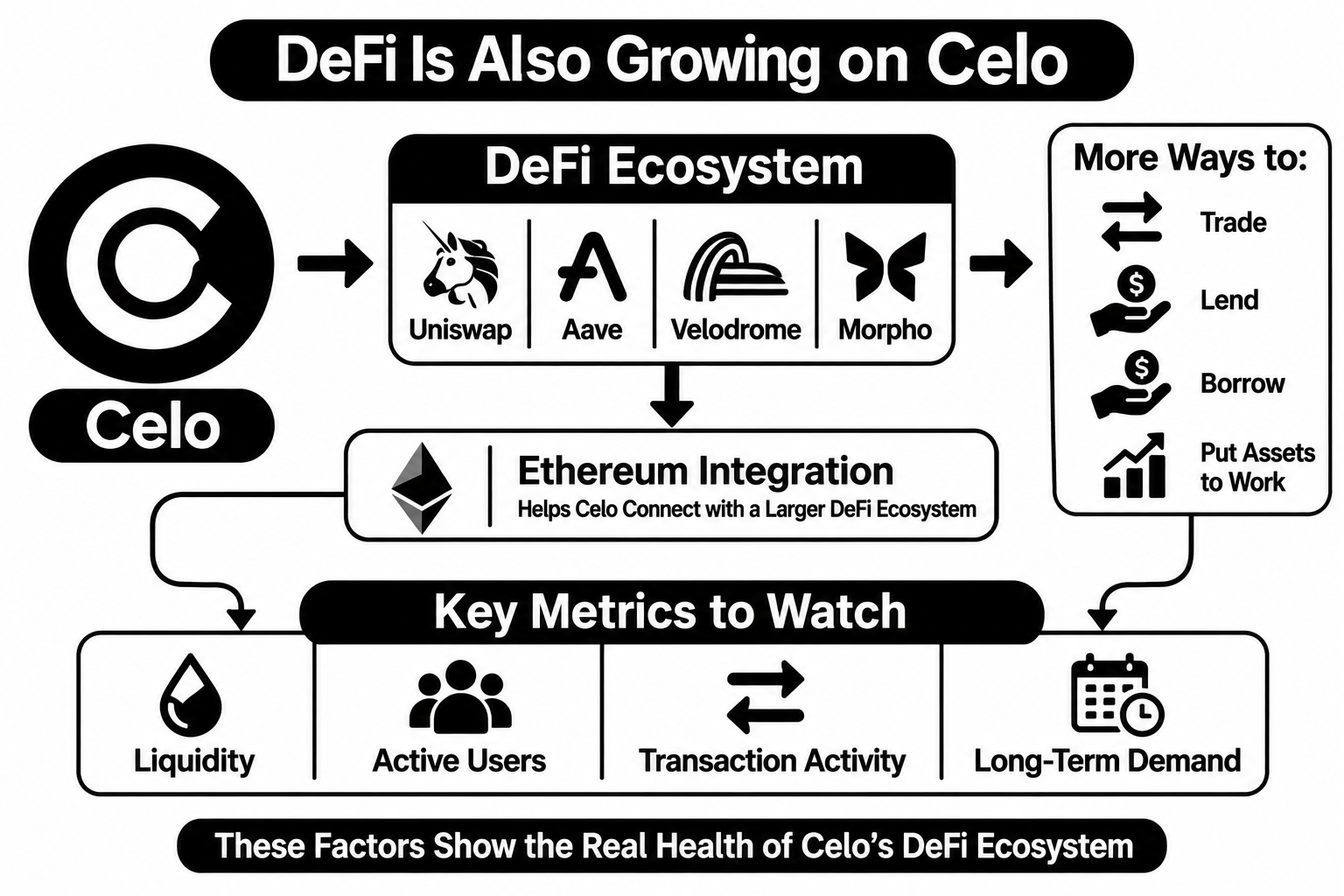
Celo isn't limited to payments. Its ecosystem also includes DeFi applications and protocols such as Uniswap, Aave, Velodrome, and Morpho.
These platforms give users more ways to trade, lend, borrow, and put their digital assets to work. Ethereum integration can also make it easier for Celo to connect with a larger DeFi ecosystem.
Still, the number of protocols doesn't tell the whole story. Liquidity, active users, transaction activity, and long-term demand are much more meaningful indicators of ecosystem health.
What Does the CELO Token Actually Do?
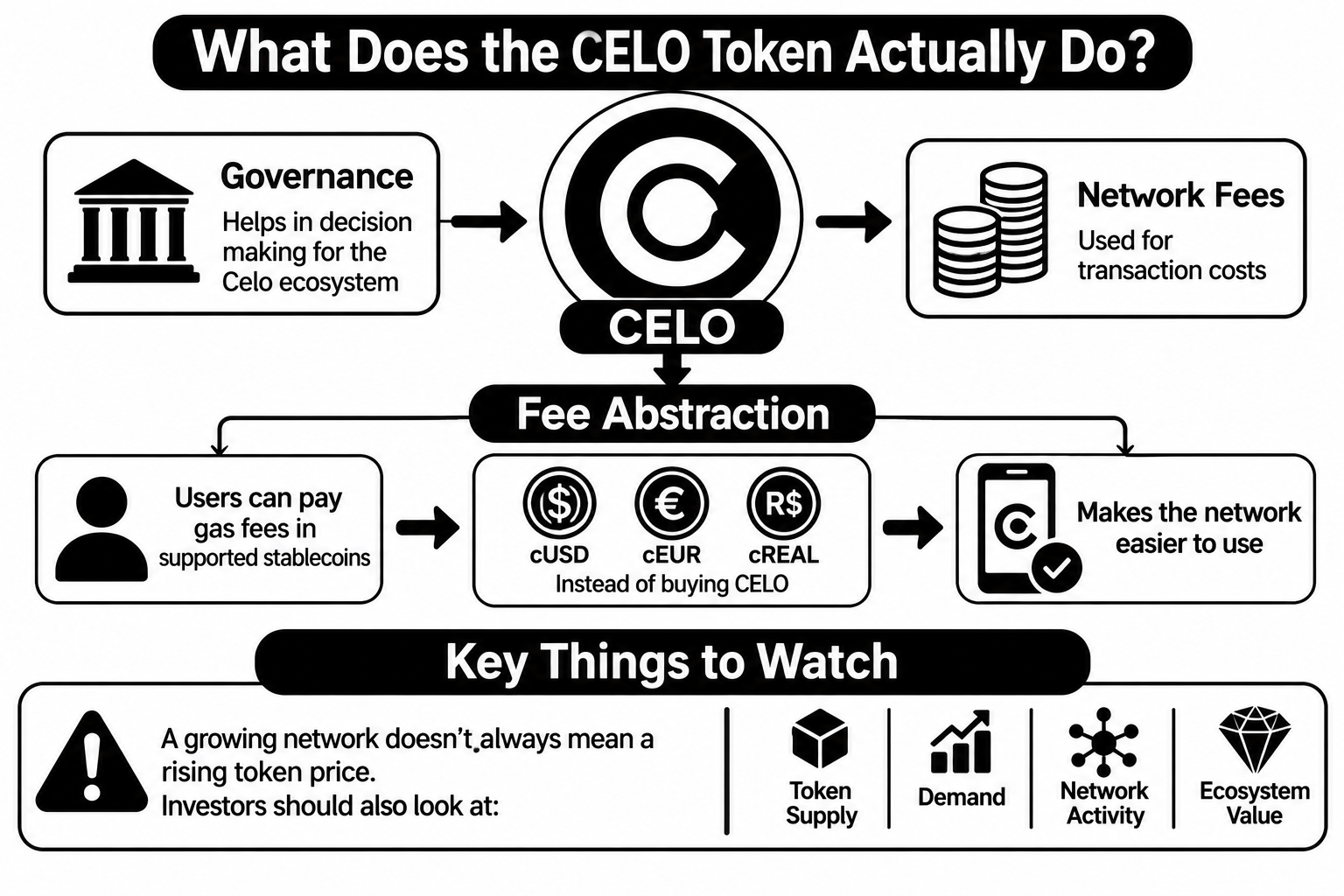
CELO is the network's native token. It plays a role in governance and the wider Celo ecosystem, while network fees and transaction costs are also part of the token economy.
One important feature is fee abstraction. Celo allows users to pay gas fees in supported stablecoins instead of needing to buy and hold CELO just to make transactions. This makes the network easier to use, especially for people who are new to crypto and mainly want to send or receive payments.
However, there's an important difference between a growing blockchain ecosystem and a token that delivers strong market performance. A growing network doesn't automatically mean a rising token price. Investors should also watch token supply, demand, actual network activity, and how much value the ecosystem creates for the token itself.
Risks and Challenges
Celo also faces some important challenges. Competition from larger Layer 2 networks could make it harder to attract developers, liquidity, and users. Stablecoin regulations may also affect how its payment ecosystem grows across different countries. Most importantly, attracting users is only the first step — keeping them active over the long term will be the real test.
My Take on Celo
What makes Celo interesting to me is its focus. Instead of trying to compete only for traders and DeFi users, it's working toward making crypto useful for everyday payments.
The Ethereum Layer 2 transition gives it a stronger foundation, while MiniPay and stablecoins give the project a clear direction. But the real test is adoption. I'll be watching active wallet usage, stablecoin transaction volume, MiniPay growth, and actual demand for the CELO token.
If Celo can turn its mobile-first approach into consistent real-world usage, it could build a meaningful position in the payments sector. But execution matters more than promises.
Do you see Celo winning in real-world payments, or will bigger L2s dominate? Drop your thoughts below.
@celo #CELO $CELO @Binance Square Official
