

In decentralized ecosystems, building sustainable infrastructure requires far more than good intentions or community donations. A reliable network needs self-sustaining economics that continuously reward participants for keeping everything running smoothly.
Instead of relying on endless subsidies or passing around a metaphorical tip jar, the protocol aligns economic incentives directly with real network activity.
➤ How Self-Sustaining Mechanics Work
A healthy decentralized network maintains operational power through structured, built-in value flows:
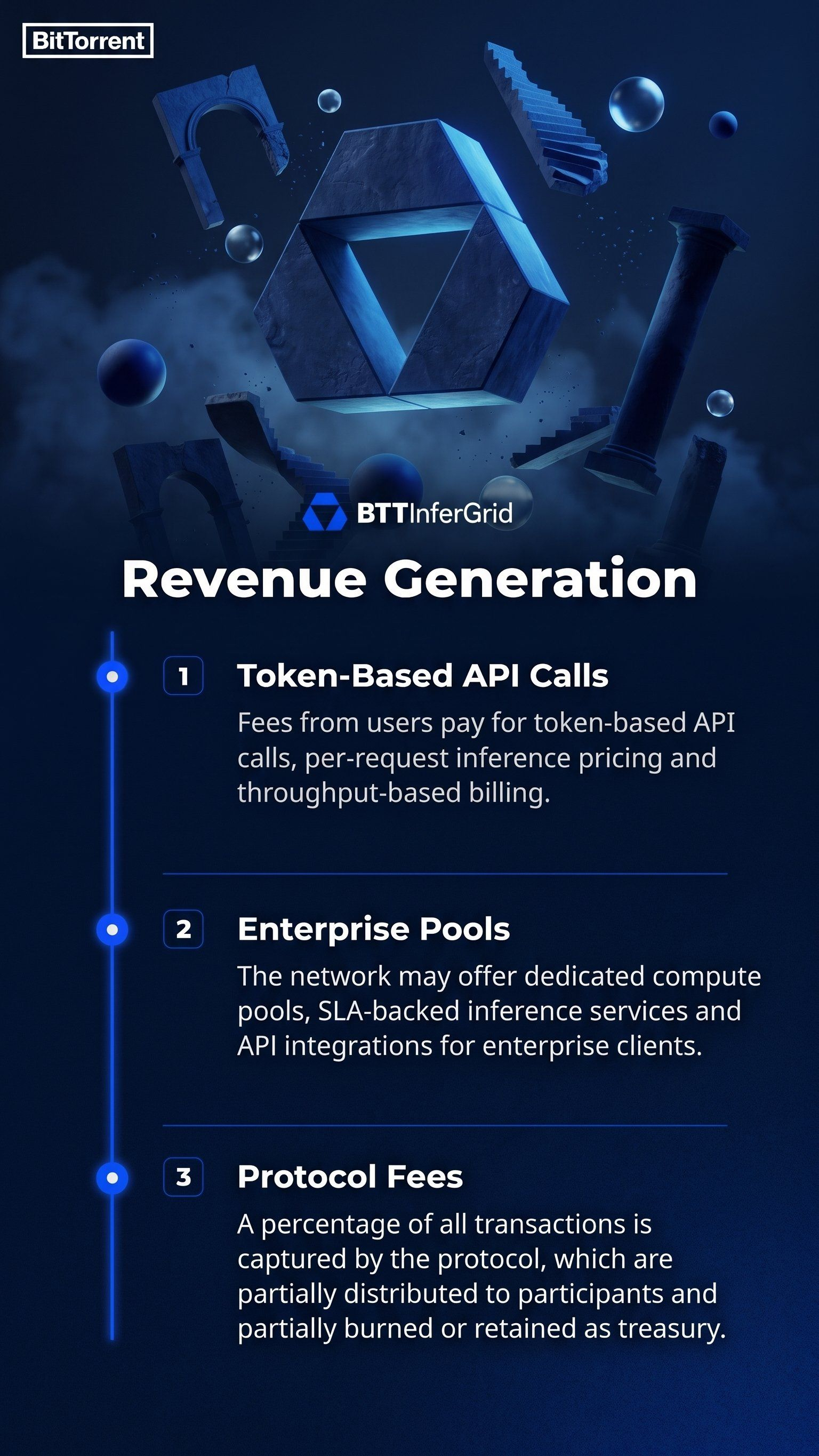
Usage-driven rewards: Node operators and validators earn direct compensation from genuine transaction and storage demand. Balanced fee structures: Dynamic on-chain adjustments keep costs fair for users while ensuring operators remain profitable.Automated distribution: Smart contracts handle reward payouts transparently without manual intervention or administrative overhead. Long-term resilience: Real utility creates organic revenue streams that survive market cycles without artificial inflation.
By linking infrastructure maintenance directly to everyday network usage, the system scales naturally as adoption grows.
➤ Why This Matters
Many Web3 networks look impressive during bull runs when token emissions mask weak fundamentals, only to struggle once subsidies dry up.
A protocol that funds its own operation through real utility proves it can endure over the long term. Developers and everyday users gain peace of mind knowing the underlying infrastructure will not suddenly go dark when market sentiment shifts.
➤ My Personal Perspective
I find this approach refreshing because real infrastructure should never depend on charity or temporary hype to pay the bills.
When a network builds an honest economic loop where usage directly powers maintenance, everyone wins. Users get dependable service, node operators stay motivated, and the entire ecosystem grows on solid ground.
What do you think is the most important factor in making a decentralized network financially self-sustaining?