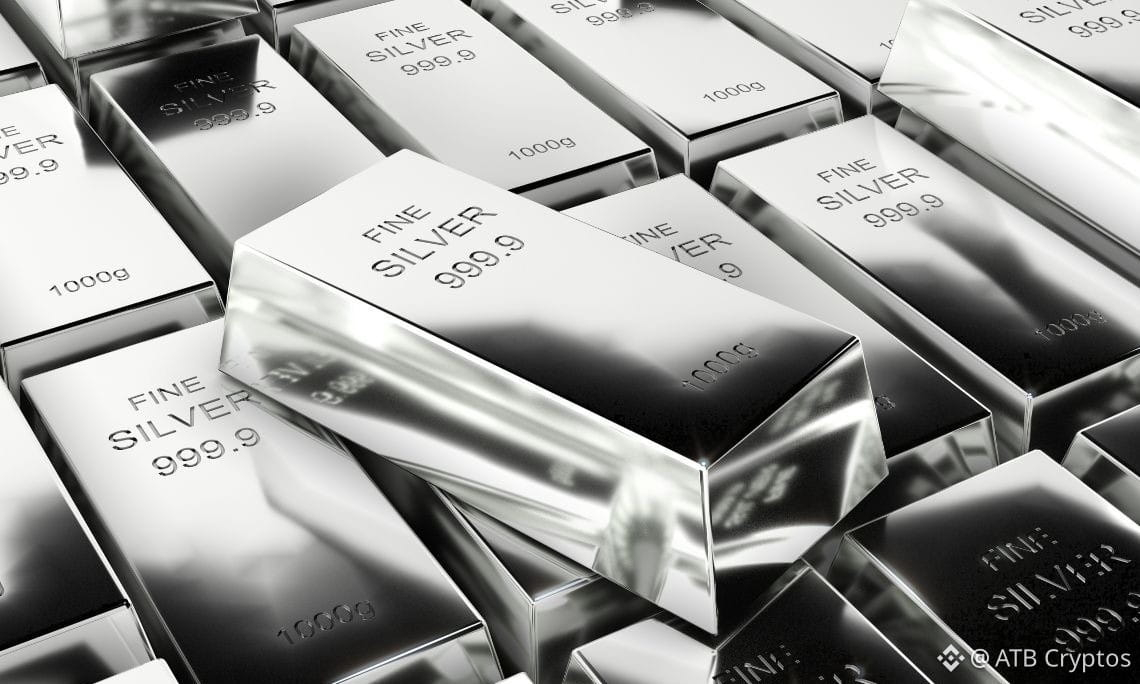
Gold and Silver’s rally turned into a $15 trillion wipeout.
Silver traded under $30 per ounce in April 2025, then surged to an all‑time high of $122 by late January 2026 – a more‑than‑4× rise.
Gold moved from under $3,000/oz in April 2025 to a peak of $5,600 in late January 2026.
Since those peaks, the market rout pushed gold below $3,550 and silver below $42, erasing roughly $15 trillion in combined market value.
Gold’s price dropped about 37% to $3,500, an 8% weekly decline – its worst performance in eight months, while silver fell 65% in the same period.
Bitcoin mirrored the trend, falling from $81,000 earlier this month to $55,000 on Saturday.
Despite the rout, central banks kept buying: 321 tonnes accumulated in Q3 – 42% more than a year earlier and the strongest quarterly total since Q4 2024.
Year‑to‑date purchases reached 675 tonnes, 6% above the same period in 2025, with China and Poland among the top buyers.
The decline coincides with a stronger US dollar, rising Treasury yields and a market‑priced ~90% probability of a December Fed rate hike, prompting forced selling to cover losses elsewhere.
What does this tell you about the resilience of traditional safe‑haven assets in today’s liquidity crunch?
#Gold #Silver #Investing #MacroEconomy
Silver traded under $30 per ounce in April 2025, then surged to an all‑time high of $122 by late January 2026 – a more‑than‑4× rise.
Gold moved from under $3,000/oz in April 2025 to a peak of $5,600 in late January 2026.
Since those peaks, the market rout pushed gold below $3,550 and silver below $42, erasing roughly $15 trillion in combined market value.
Gold’s price dropped about 37% to $3,500, an 8% weekly decline – its worst performance in eight months, while silver fell 65% in the same period.
Bitcoin mirrored the trend, falling from $81,000 earlier this month to $55,000 on Saturday.
Despite the rout, central banks kept buying: 321 tonnes accumulated in Q3 – 42% more than a year earlier and the strongest quarterly total since Q4 2024.
Year‑to‑date purchases reached 675 tonnes, 6% above the same period in 2025, with China and Poland among the top buyers.
The decline coincides with a stronger US dollar, rising Treasury yields and a market‑priced ~90% probability of a December Fed rate hike, prompting forced selling to cover losses elsewhere.
What does this tell you about the resilience of traditional safe‑haven assets in today’s liquidity crunch?
#Gold #Silver #Investing #MacroEconomy