

#NVIDIAEarningsAIProfitForecast2027 🌍#PositiveMindsGlobalResults
BINANCE SQUARE | INVEST • LEARN • GROW • TOGETHER
Stay positive. Stay informed. Stay secure! 💛🌍
November 17, 2026 | GLOBAL MARKETS • TECHNOLOGY • AI • FEDERAL RESERVE • CRYPTO
NVIDIA EARNINGS, FED MINUTES & ANTHROPIC IPO: THREE MAJOR CATALYSTS THAT COULD REDEFINE THE GLOBAL AI MARKET
The global financial markets are approaching an important turning point. Three major developments — NVIDIA's upcoming earnings announcement, the Federal Reserve's latest meeting minutes and Anthropic's planned stock-market debut — could influence the next direction of technology shares, institutional investment, cryptocurrency markets and the wider global economy.
But the bigger question is not simply whether NVIDIA beats earnings expectations or whether Anthropic attracts billions of dollars from investors.
Can the global AI industry continue delivering enough revenue and profits to justify the enormous amount of capital flowing into artificial intelligence?
Investors are increasingly looking beyond AI excitement. They want evidence of sustainable earnings, stronger productivity, commercial demand and a realistic return on the billions being invested in computing infrastructure.
This week's developments could provide some of the clearest signals yet.
1. NVIDIA earnings: A $109 billion test for the AI industry
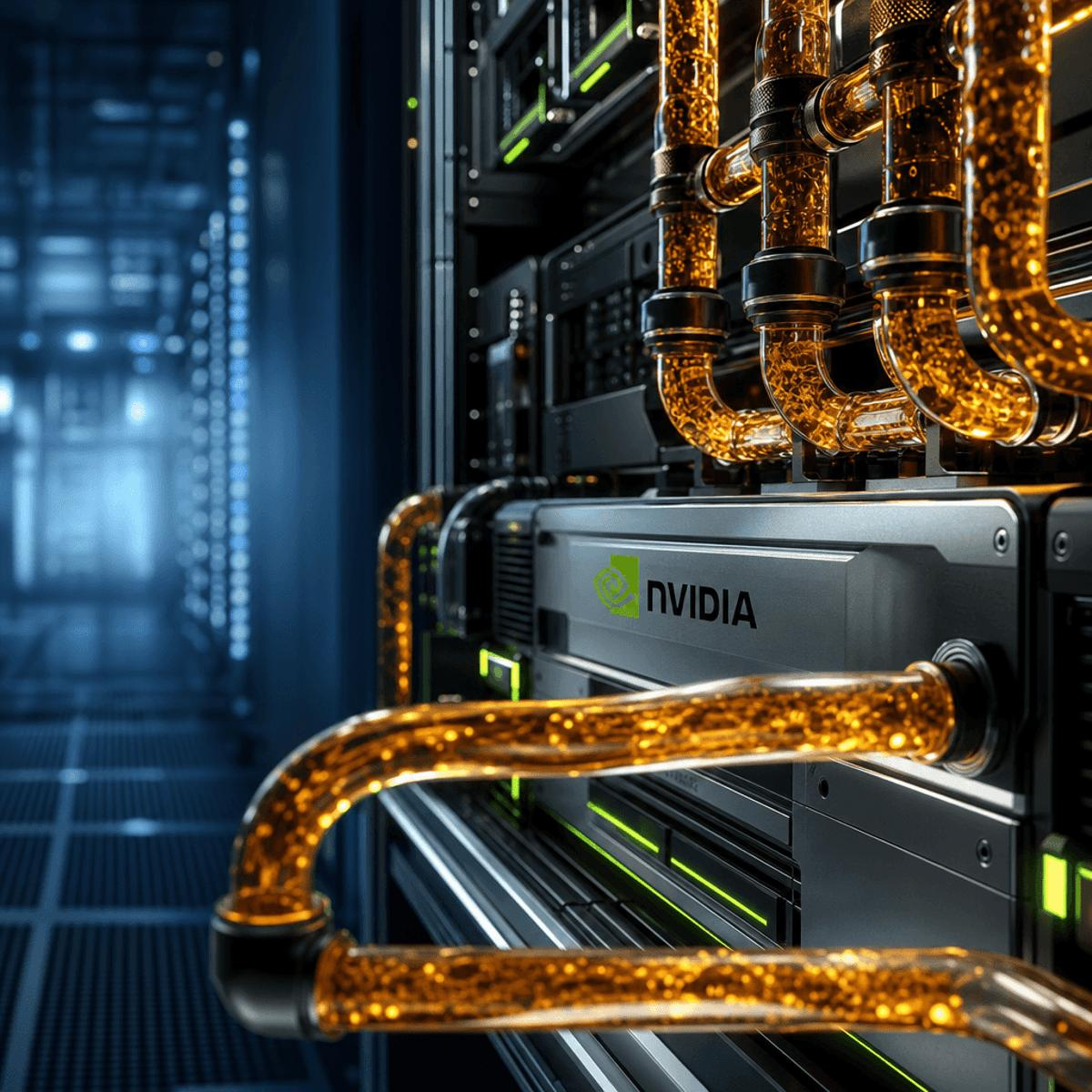
The biggest immediate market event is NVIDIA's fiscal third-quarter 2027 earnings report. Its results will be closely watched because NVIDIA has become one of the most important suppliers powering the global artificial intelligence revolution.
The company's previous quarter demonstrated extraordinary growth:
Financial indicator Q2 FY2027
Total revenue $96.22 billion
Data centre revenue $89.0 billion
Gross margin (non-GAAP) 75.0%
Diluted EPS (non-GAAP) $2.22
Annual revenue growth 106%
NVIDIA previously guided for approximately $108 billion in third-quarter revenue, with a 2% margin either side. However, the latest Visible Alpha consensus compiled by S&P Global puts expectations at approximately $109.3 billion, including $101.8 billion from data centres.
What Wall Street is forecasting
EXPECTED QUARTERLY REVENUE
$109.3B
Visible Alpha consensus
Data centre revenue Adjusted EPS consensus
$101.8B $2.47
The important question is whether NVIDIA can exceed these expectations and, more importantly, deliver stronger forward guidance.
A company can report record profits and still see its share price decline if investors were expecting even better results.
Three possible earnings outcomes
Bullish scenario: Revenue exceeds $109.3 billion, data centre demand remains exceptionally strong, margins hold up and management provides an optimistic outlook for the next quarter. This could restore confidence in AI infrastructure spending and encourage investors to reconsider beaten-down technology shares.
Neutral scenario: NVIDIA meets expectations but provides limited improvement in its forward outlook. The market may initially react positively before investors take profits. This would suggest that much of the good news was already reflected in the share price.
Bearish scenario: Revenue misses expectations, margins weaken, or management signals slower orders, delayed deployments or weaker customer spending. That could trigger another round of selling across semiconductor companies and high-valuation technology stocks.
The leadership question adds another layer of uncertainty
Earnings are not the only issue facing NVIDIA. Recent leadership developments have introduced an additional risk into the investment debate.
Investors will be watching the company's leadership arrangements, strategic direction and ability to maintain customer confidence. Reuters has reported that the earnings briefing is taking place amid Jensen Huang's departure and the transition to interim leadership under finance chief Colette Kress.
This makes the earnings announcement more significant than an ordinary quarterly report.
Investors need reassurance that NVIDIA's competitive position, product roadmap, customer relationships and long-term strategy can remain strong through a leadership transition.
2. The AI supply chain: Other technology companies could move with NVIDIA
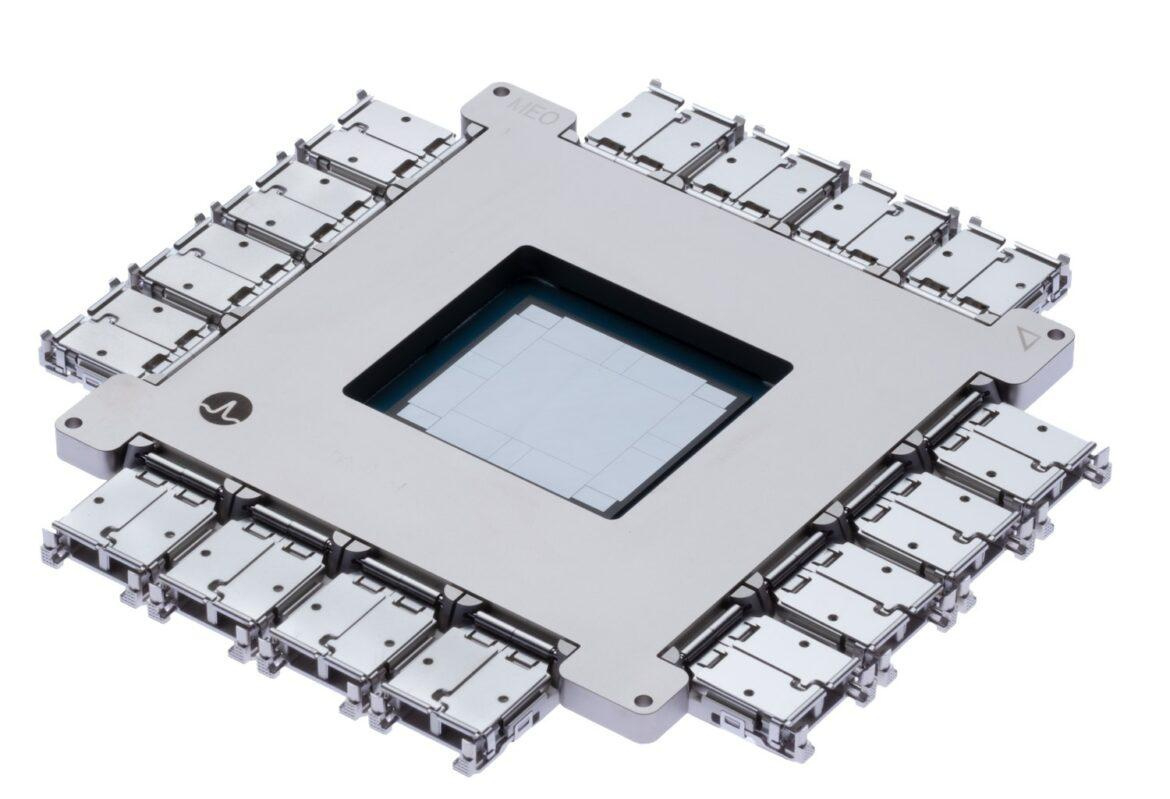
NVIDIA's results could influence an entire network of technology companies. The AI economy does not depend on one chip manufacturer. It requires advanced processors, memory, semiconductor manufacturing, networking equipment, electricity, cooling systems and cloud infrastructure.
Here is where the wider impact could emerge.
AMD – A potential competitor
NASDAQ: AMD
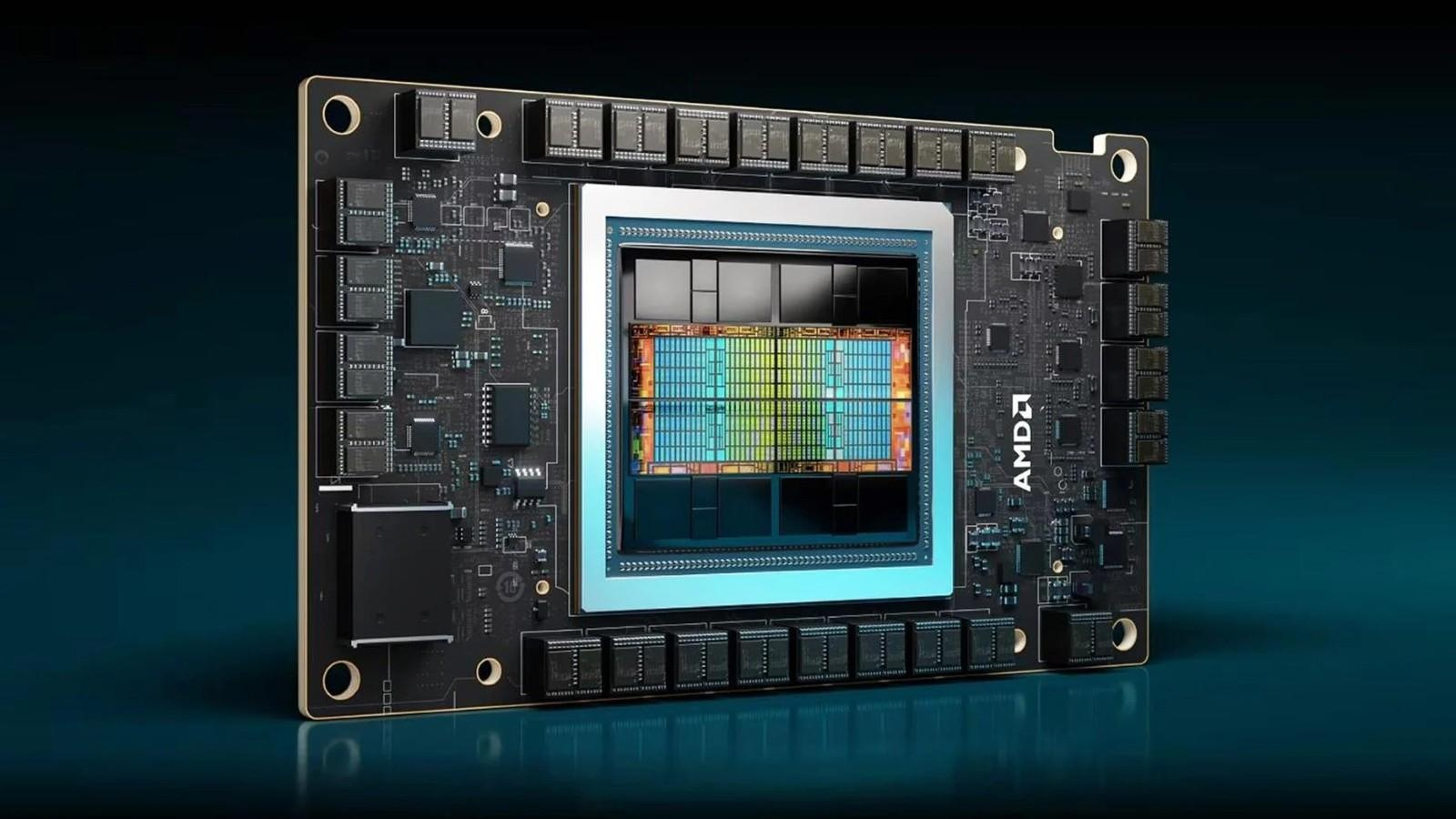
Advanced Micro Devices is competing for a greater share of the AI accelerator market. If NVIDIA demonstrates continued strong demand, investors could interpret that as evidence that AI computing demand remains substantial.
However, if NVIDIA's leadership uncertainty or pricing pressures create opportunities for alternative suppliers, AMD could potentially attract additional attention from investors and customers.
Broadcom – The custom AI chip opportunity
NASDAQ: AVGO
Broadcom is positioned in custom AI accelerators and networking technology. Large cloud companies increasingly want infrastructure tailored to their workloads.
This creates an important investment distinction: NVIDIA benefits from its GPU ecosystem, while Broadcom could benefit from companies developing their own specialised AI chips.
TSMC – The manufacturing backbone
NYSE: TSM

Taiwan Semiconductor Manufacturing Company manufactures advanced chips for major technology companies.
Strong NVIDIA demand can support semiconductor manufacturing activity, but supply constraints, production costs and geopolitical risks remain important considerations.
Micron and SK Hynix – The memory market
NASDAQ: MU | KRX: 000660
AI systems require high-bandwidth memory (HBM) to process enormous quantities of information. Micron Technology and SK Hynix are important participants in this market.
If AI infrastructure investment continues expanding, memory demand could remain a significant growth opportunity. Conversely, weaker orders or excessive capacity expansion could put pressure on semiconductor valuations.
The key takeaway: NVIDIA's earnings could provide a signal about the health of the semiconductor ecosystem, but the companies will not necessarily move in the same direction. Their individual earnings, valuations, competitive advantages and customer exposure matter.
3. Microsoft, Google, Amazon and Meta: Who is paying for the AI revolution?
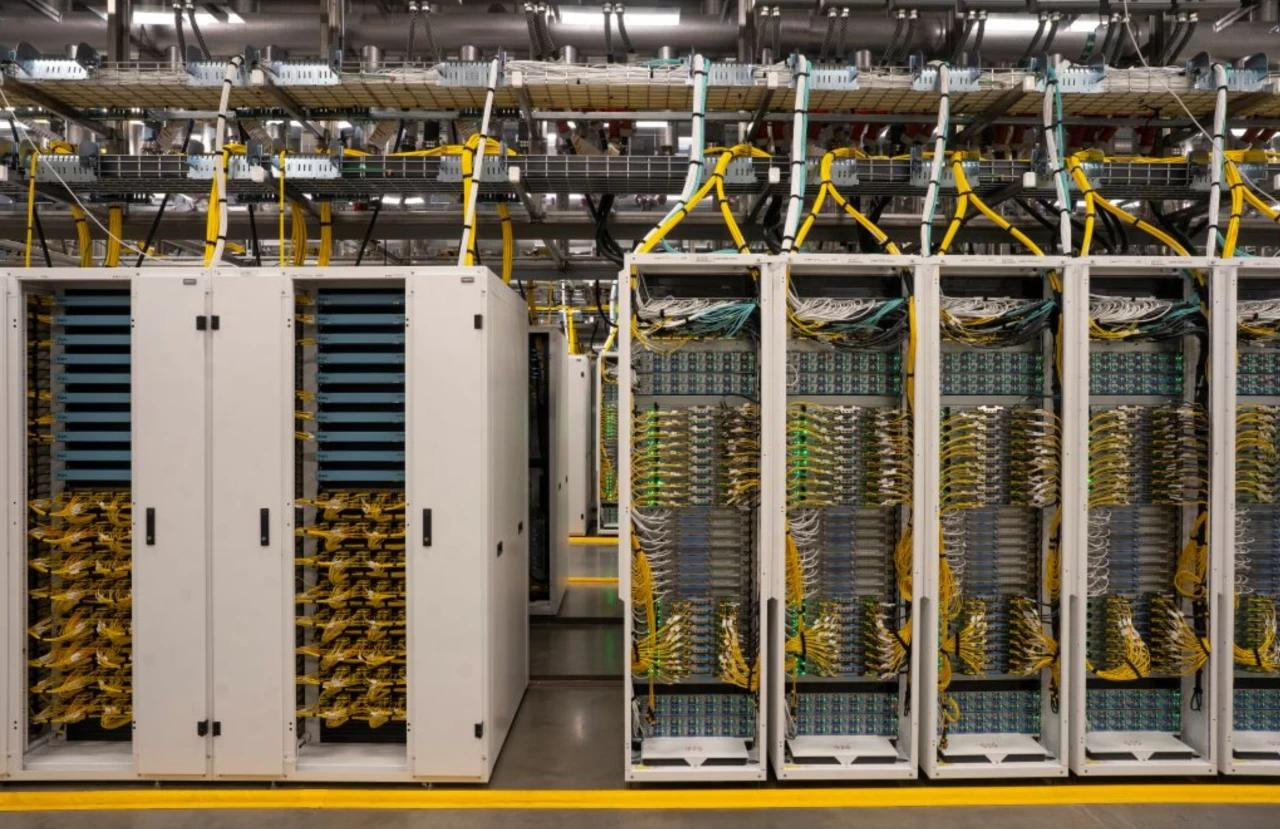
The most important question for the next phase of AI investment is whether technology giants can convert their enormous infrastructure spending into profitable businesses.
Four companies deserve particular attention.
- Microsoft: Its Azure cloud business, enterprise AI services and Copilot ecosystem depend on sustained customer demand. Strong NVIDIA results could reinforce confidence in AI infrastructure, but investors will also demand evidence that AI spending is translating into recurring revenue and higher margins.
- Alphabet (Google): Google's TPU technology, cloud business and Gemini ecosystem give it an opportunity to compete through both proprietary hardware and AI services. Greater adoption of Google's own chips could diversify the market away from dependence on NVIDIA.
- Amazon: AWS remains a major participant in cloud computing. Its AI infrastructure investments, custom chips and enterprise services could benefit from expanding AI adoption. However, the cost of building data centres and securing electricity must be justified by future returns.
- Meta Platforms: Meta's AI investment is connected to advertising, recommendation systems, content creation and its broader digital ecosystem. Better AI efficiency could improve advertising performance and business productivity, although infrastructure expenditure remains a major financial consideration.
The biggest risk: AI spending without sufficient returns
The technology industry is entering a period in which investors are becoming more selective.
Previously, announcing a major AI investment could generate enthusiasm. Now, shareholders increasingly want answers to more difficult questions:
How quickly are AI products generating actual revenue?
Are companies recovering their infrastructure investments?
Can AI improve operating margins and productivity?
Will competition reduce prices and profitability?
How much additional capital will be required to remain competitive?
If NVIDIA reports strong demand while Microsoft, Amazon, Google and Meta continue demonstrating profitable AI adoption, the market could regain confidence in the long-term AI investment cycle.
But if spending continues increasing faster than commercial returns, investors could start questioning the sustainability of the entire AI boom.
This is where the next earnings seasons across the technology industry become especially important.
4. Federal Reserve minutes: The interest-rate decision behind the market
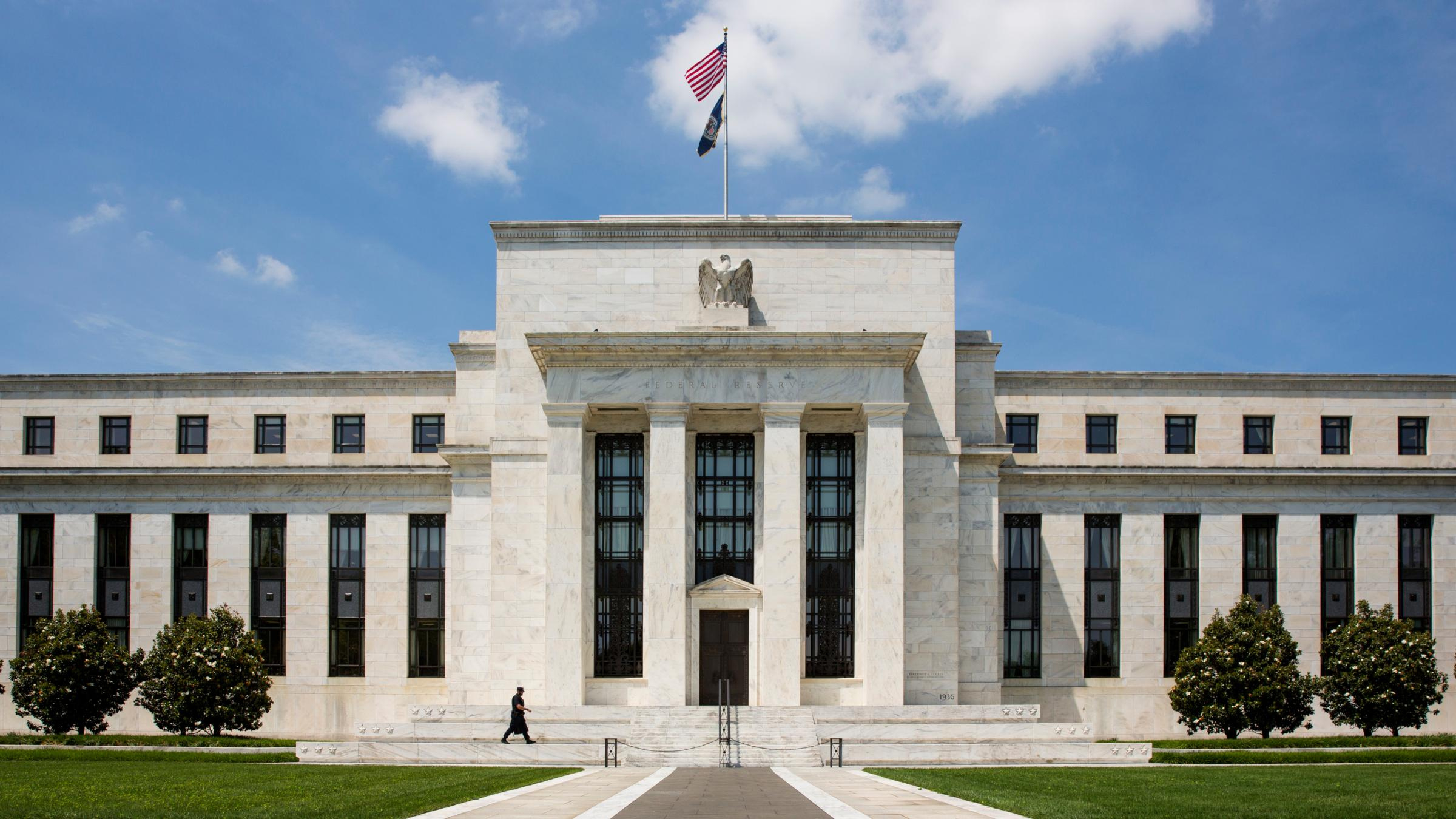
While NVIDIA will determine whether the AI investment story remains convincing, the Federal Reserve could influence how much investors are willing to pay for future growth.
The minutes of the October 27–28 Federal Open Market Committee meeting are scheduled for release on November 18.
The Fed previously maintained its benchmark interest-rate range at 3.75%–4.00%, despite concerns about persistent inflation. The decision was split, and investors are now looking for clues about the possibility of another rate increase in December.
Why the Fed matters to technology stocks
Interest rates influence company valuations, borrowing costs and investment decisions.
When interest rates remain elevated:
Growth stocks can face valuation pressure because investors place a lower present value on future earnings.
Technology companies may face higher financing costs for data centres and infrastructure.
Venture capital and startup funding can become more selective.
Investors may prefer cash-generating businesses over companies relying heavily on future growth expectations.
On the other hand, a more supportive monetary policy could encourage investment in technology, semiconductor manufacturing and emerging AI businesses.
Three possible Federal Reserve signals
Fed message Potential market reaction
More hawkish Pressure on growth stocks, tech and crypto
Balanced Markets focus more on company earnings
More dovish Potential support for technology and risk assets
The critical issue is whether policymakers believe inflation is sufficiently controlled to maintain current rates or whether additional tightening could become necessary.
A hawkish message could complicate an otherwise strong NVIDIA earnings announcement. Even if corporate results are impressive, higher borrowing costs and reduced expectations for monetary easing could limit market gains.
5. Anthropic's planned IPO: A new challenger enters Wall Street

Another major development is the planned public listing of Anthropic , the company behind Claude AI.
Anthropic's proposed IPO could become one of the most significant technology listings in the history of the AI industry.
Its preliminary prospectus, dated November 10, outlines an offering of up to 825 million Class A shares, with an indicative price range of $70–$78 per share and the proposed Nasdaq ticker ANT. The offering remains subject to completion and final pricing.
First-half 2026 revenue Cash and equivalents
$16.3B $131.7B
Reported first-half net loss Large enterprise customers
$80.7B 250+
Figures disclosed in the prospectus and reported by Associated Press. The reported loss includes a one-time $72.4 billion accounting adjustment related to financing agreements; it should not be interpreted as an equivalent cash operating loss.
The revenue growth is particularly striking: first-half revenue was approximately 14 times the same period a year earlier.
However, there is another side to this story.
Anthropic has not yet demonstrated sustained profitability. Its prospectus identifies significant infrastructure spending, financing requirements and AI safety risks. Its five largest customers account for approximately 25% of revenue, creating a concentration risk that investors will need to assess.
Why Anthropic's IPO matters to other technology companies
The IPO is not simply about introducing another AI stock.
The preliminary prospectus also discloses agreements for an aggregate $26 billion private placement involving AMD, Broadcom, Google, Micron, Microsoft, NVIDIA and TSMC Partners.
This is a particularly important detail because it demonstrates how closely connected the AI industry has become. Technology companies can compete for customers while simultaneously investing in the same AI ecosystem.
There are three possible implications:
First: Increased competition. A successful listing could give Anthropic greater access to capital, helping it expand computing infrastructure, develop Claude and compete with OpenAI, Google and other AI developers.
Second: A new valuation benchmark. Investors will have another publicly traded company through which to assess the commercial value of advanced AI. This could encourage higher valuations across profitable AI businesses, but could also expose companies whose valuations are based primarily on expectations.
Third: Greater scrutiny of AI profitability. Public shareholders will demand regular financial disclosures. Revenue growth alone may not be enough; investors will examine margins, infrastructure costs, cash flow and the ability to convert AI adoption into sustainable profits.
The IPO could therefore strengthen confidence in the AI industry while simultaneously increasing pressure on competitors to prove their financial performance.
6. Bitcoin and cryptocurrency: Could the AI market decide the next crypto move?

The connection between NVIDIA, the Federal Reserve and Bitcoin is becoming increasingly important.
Although NVIDIA's earnings do not directly determine Bitcoin's price, developments in the technology sector can influence broader investor confidence.
Bitcoin is particularly sensitive to changes in global liquidity, institutional risk appetite, interest-rate expectations and leveraged market positioning.
How these three events could affect Bitcoin
Development Potential BTC impact
Strong NVIDIA earnings: Indirect support through improved risk sentiment
Weak NVIDIA guidance: Possible additional pressure on speculative assets
Dovish Fed minutes: Potentially supportive through rate expectations
Hawkish Fed minutes: Possible liquidity and valuation pressure
Strong Anthropic IPO: demand Could strengthen confidence in AI and
technology investment
Disappointing IPO: reception Could increase concerns about technology
valuations
There is an important distinction: an AI rally does not automatically produce a Bitcoin rally.
Investors could rotate capital into technology stocks rather than cryptocurrency. Alternatively, a broad improvement in risk appetite could benefit both markets.
If the Fed signals that interest rates may remain elevated for longer, both technology shares and cryptocurrencies could struggle, particularly when investors are already reducing exposure to risky assets.
The key factor will be liquidity, not simply enthusiasm about artificial intelligence.
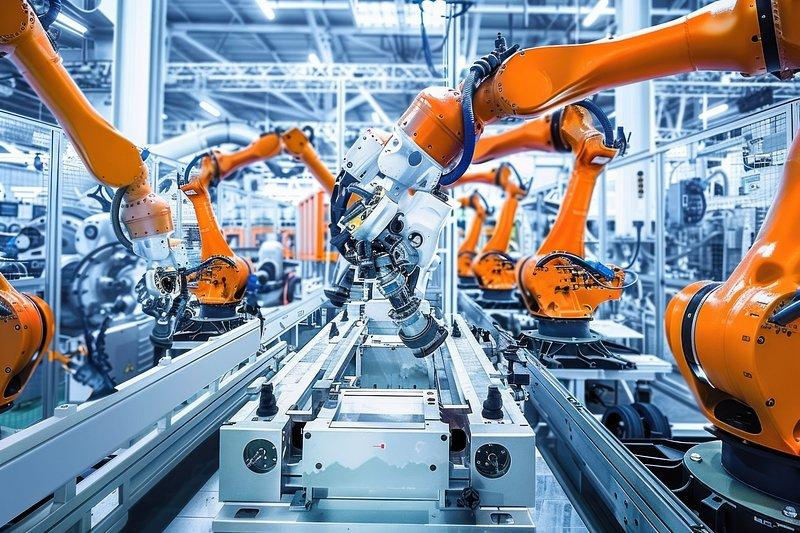
The next phase of artificial intelligence could have consequences far beyond Wall Street.
The global AI investment cycle is increasing demand for electricity, advanced semiconductor manufacturing, cooling technology, data storage, telecommunications and industrial infrastructure.
This creates opportunities across several economic sectors.
Energy and utilities: Data centres require substantial and reliable electricity. Companies involved in power generation, grid modernization, electrical equipment and energy storage could benefit from increasing infrastructure demand.
Industrial manufacturing: AI-assisted automation could improve productivity, reduce operational costs and accelerate manufacturing processes. However, companies must balance the cost of automation against the actual savings.
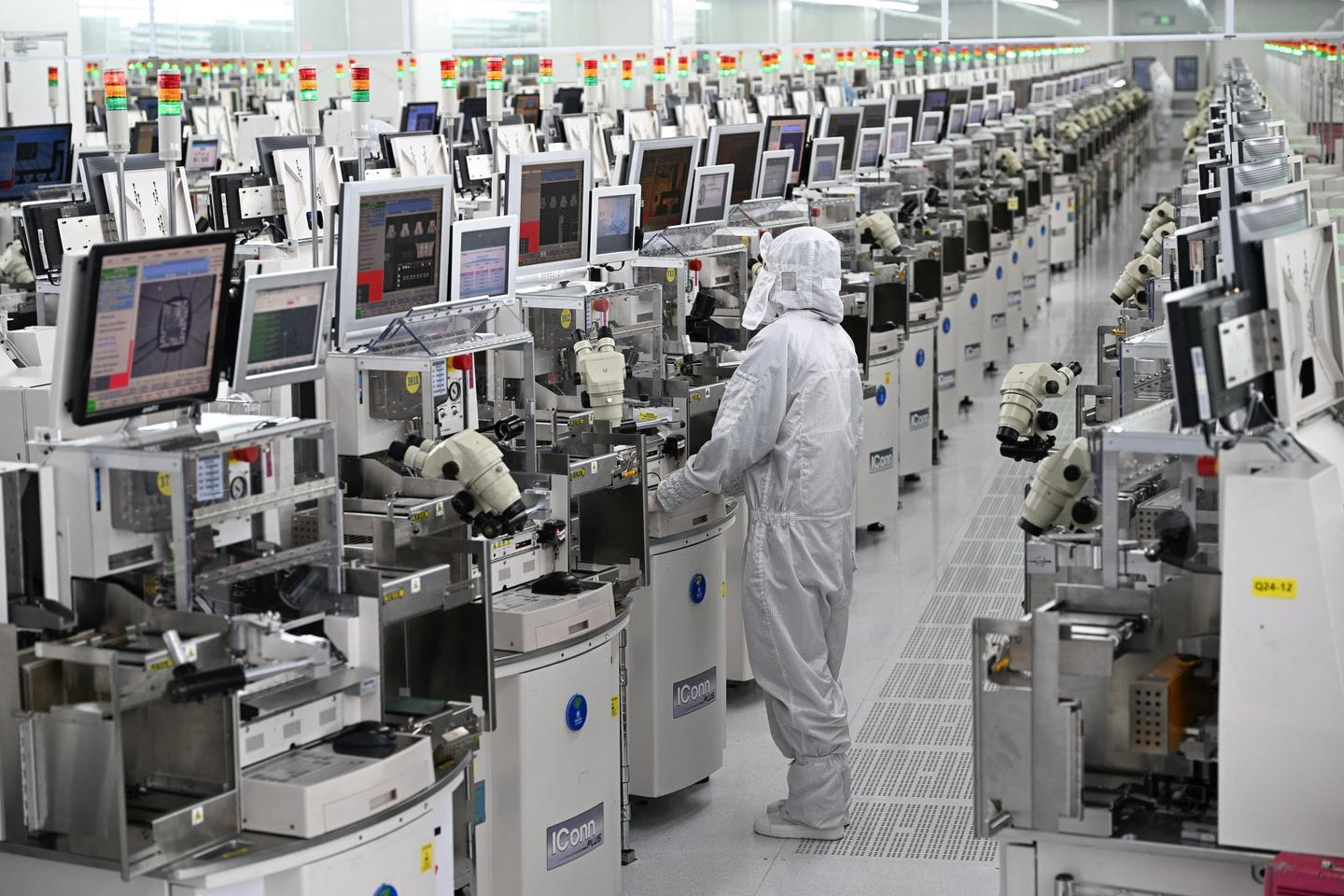
Telecommunications: Faster networks, advanced connectivity and data transmission infrastructure will become increasingly important as AI services expand.
Construction and real estate: Data-centre development could support demand for specialized construction, engineering, cooling systems and industrial property.
Employment and productivity: AI could create new opportunities in software, engineering, research and infrastructure while changing the nature of traditional employment. The transition may bring both productivity gains and economic disruption.
For emerging economies, the AI revolution could create opportunities to modernize services and attract technology investment. However, access to affordable electricity, reliable connectivity, skilled workers and capital will determine which countries benefit most.
This is why the AI story should be viewed as a global economic transformation rather than simply a stock-market trend.
8. Market outlook: Three scenarios for the coming days
The combination of NVIDIA earnings, Federal Reserve policy signals and Anthropic's IPO could produce three broad market outcomes.
Scenario 1: AI market recovery Bullish
NVIDIA beats revenue and earnings expectations.
Data-centre demand remains strong.
The Fed provides a less hawkish outlook.
Anthropic attracts strong institutional interest.
AMD, Broadcom, TSMC and other AI-related companies regain investor confidence.
Possible outcome: Technology shares recover, semiconductor sentiment improves and Bitcoin could receive indirect support from stronger risk appetite.
Scenario 2: Temporary market stabilization Neutral
NVIDIA delivers results close to expectations.
The Fed maintains a cautious policy outlook.
Investors remain selective about AI valuations.
Anthropic attracts attention but profitability concerns remain.
Possible outcome: Markets consolidate, with individual companies moving according to their earnings and financial outlook.
Scenario 3: Another technology sell-off Bearish
NVIDIA disappoints investors with weaker guidance.
AI infrastructure spending concerns increase.
The Fed signals that interest rates may remain elevated.
Anthropic's valuation raises concerns about excessive AI investment.
Possible outcome: Semiconductor stocks face further selling, technology valuations decline and Bitcoin could experience additional downside pressure.
The market is already showing signs of caution. On November 16, the Dow declined approximately 1.4%, the S&P 500 fell 1.9% and the Nasdaq dropped 2.5%, with major AI and semiconductor shares among the weakest performers.
This makes the coming announcements particularly important: investors are looking for reasons to rebuild confidence rather than simply another round of optimistic AI forecasts.
9. What investors should watch next
Date Event Main focus
November 17 NVIDIA Q3 FY2027 earnings Revenue, EPS,
margins and guidance
November 18 October FOMC minutes Inflation, interest rates and
December outlook
November 20 US consumer sentiment Inflation expectations and
economic confidence
December 2026 (planned) Anthropic IPO Final pricing, valuation and
investor demand
Investors should also monitor upcoming earnings and business updates from major cloud providers, semiconductor manufacturers and enterprise technology companies.
The most important indicators will be AI-related revenue growth, capital expenditure, operating margins, cash flow and evidence that customers are actually paying for AI services.
10. Final outlook: Is this the beginning of another technology boom or a warning sign of an AI bubble?
The global AI industry is approaching a defining moment.
NVIDIA must demonstrate that demand for its advanced computing systems remains strong. Microsoft, Google, Amazon and Meta must show that their enormous investments can generate sustainable financial returns. AMD, Broadcom, TSMC and memory manufacturers must demonstrate that the expanding AI market can support long-term growth across the semiconductor supply chain.
Meanwhile, Anthropic's planned IPO could introduce a new benchmark for valuing AI companies, while the Federal Reserve's monetary policy will influence the financial conditions under which this expansion takes place.
There is a significant opportunity, but there are also genuine risks.
The AI revolution could become one of the most important economic transformations of this generation. However, technological progress does not guarantee that every AI company will become profitable or that every AI-related stock will increase in value.
My assessment: The next major market direction will depend on whether corporate earnings can catch up with investor expectations. Strong NVIDIA results combined with credible AI monetization and a supportive monetary outlook could help restore confidence. But disappointing guidance, persistent inflation or excessive valuations could extend the technology sell-off.
Ultimately, the next phase of the AI economy will not be decided by promises alone. It will be decided by revenue, productivity, profitability and the ability to turn technological innovation into sustainable economic value.
The real question is no longer who is leading the AI race. It is who can turn the AI revolution into lasting profits.
⚠️ DISCLAIMER:
This article is for educational and informational purposes only, not financial or investment advice. Earnings forecasts and market scenarios are estimates, not guarantees. Financial markets can change rapidly. Always conduct your own research (DYOR) and manage risk responsibly.
#NVIDIA #AIRevolution #AnthropicIPO #FederalReserve #GlobalMarkets #Bitcoin #TechnologyStocks #Semiconductors #WallStreet #InvestLearnGrow