$BTC: Pre‑session Intention: How to Frame Your Entry
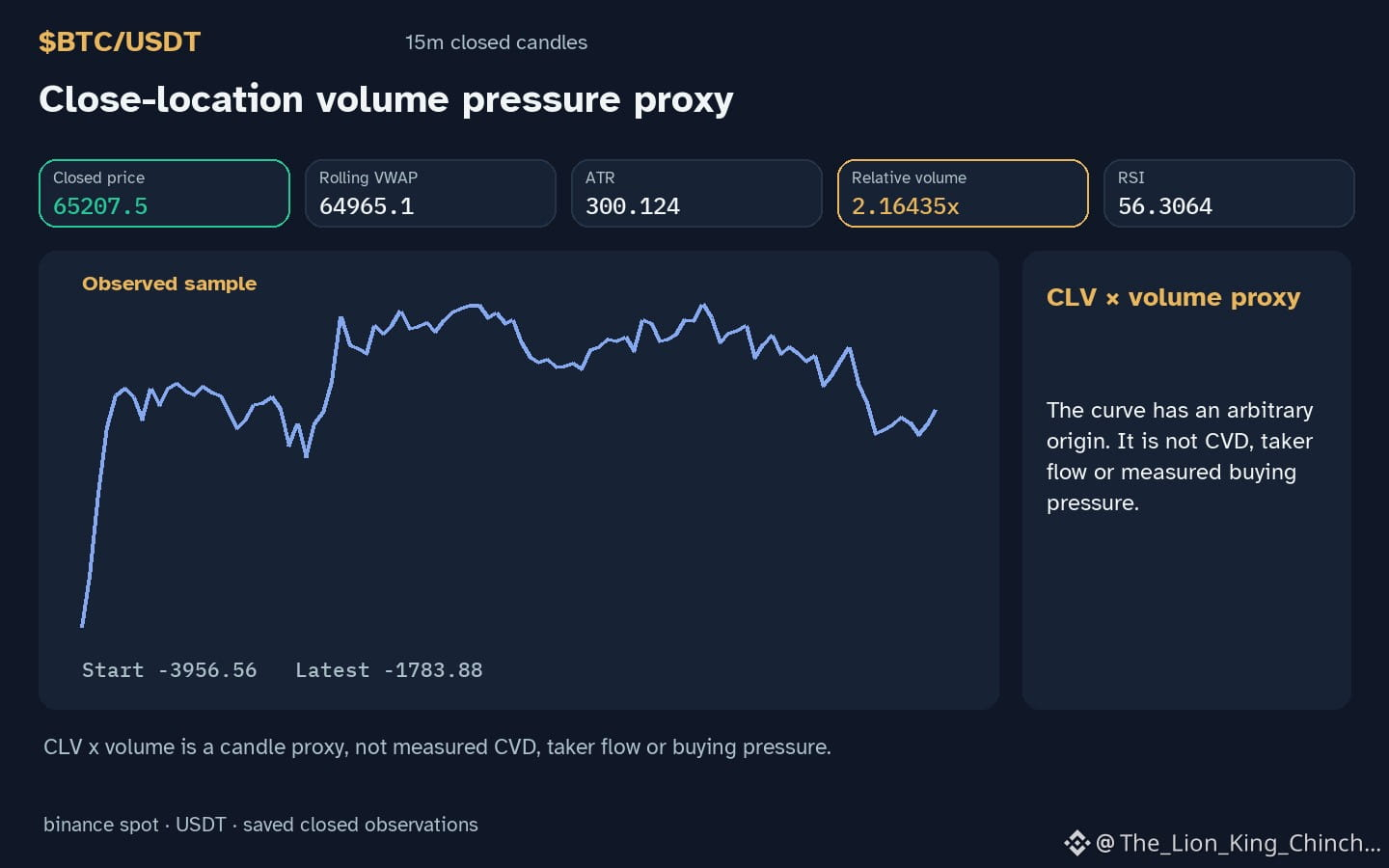
$BTC: BTC shows an hourly direction up while trading inside the recorded range and volume sits 2.16x baseline. The question is whether to enter with a tight entry that respects the current range or to wait for a clearer breakout that may sacrifice early positioning.
A thought experiment imagines two traders. Trader A places a limit just inside the range, accepting the risk of a false bounce but gaining a better price. Trader B waits for a candle that moves beyond the resistance level, hoping for confirmation but potentially missing the move if price reverses. The trade‑off centers on entry quality versus chasing. A tighter entry aligns with the observed range but may be invalidated quickly if price resumes a down move. A broader entry reduces the chance of early stop loss but may capture less favorable price.
Competing interpretations arise. The current upward direction could simply reflect a short‑term momentum spike, suggesting that waiting for a breakout adds confidence. Conversely, the same upward pressure might be fleeting, making an early entry within the range more logical. To reassess, monitor the next closed hourly candle: if it closes above the resistance level, the waiting scenario gains weight; if it remains inside the range with declining volume, the tight‑entry approach gains credibility. This conditional check keeps the intention focused while acknowledging the limits of the present evidence.
Probabilistic market research, not a recommendation or guaranteed return.
The comparison to keep in mind: $ETH has hourly direction up and volume above its baseline; $RARE has hourly direction down and volume above its baseline. This alone does not establish correlation.
Recheck the evidence or keep the first interpretation?
#BTC