

#us-irantalksfuelstrongstockmarketrebound
Global LNG shipping routes have undergone structural shifts to adapt to Middle East security threats—primarily surrounding the Strait of Hormuz and Red Sea/Bab el-Mandeb transit corridors. Because roughly 20% of global seaborne LNG originates in the Persian Gulf (led by Qatar and the UAE), shipping lines and energy majors have adopted operational adaptations.
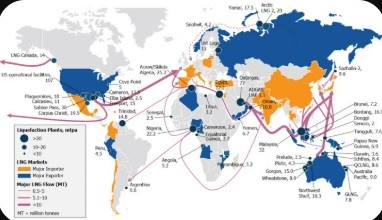
1. Long-Haul Rerouting via the Cape of Good Hope
To completely bypass high-risk zones in the Red Sea and Persian Gulf, shippers heading between the Atlantic and Pacific Basins have normalized circumnavigating Africa via the Cape of Good Hope.
Transit Time & Cost Additions: Round-trip voyages between the U.S. Gulf Coast or Europe and Northeast Asia take 10 to 14 days longer around Africa compared to Suez Canal routes.
Tonnage Absorption: The longer voyage durations effectively absorb global fleet capacity, tightening tanker availability and driving up charter rates.
2. Ship-to-Ship (STS) Transfers & Gulf of Oman Offloading
To reduce exposure inside the Persian Gulf, exporters have altered their shuttle strategies:
Outer Anchorages: Tankers exiting the Strait of Hormuz increasingly conduct Ship-to-Ship (STS) transfers off safer outer anchorages, such as Sohar in Oman, transferring gas onto secondary, long-haul carriers bound for Asia or Europe.
Southern Corridor Preference: Vessels entering or exiting the Gulf have shifted heavily toward southern navigational lanes within regional channels to lower exposure to contested coastlines.
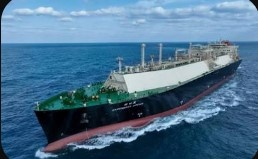
3. Structural Cargo Swaps & Regional Arbitrage
Rather than sending Middle Eastern cargoes across lengthy routes to Europe, global energy buyers have optimized geographic swaps:
Middle East → Asia Short Hauls: A larger portion of Middle Eastern LNG is channeled toward nearby Asian importers (such as India, China, and South Korea) via direct Indian Ocean transits, minimizing overall travel days.
US & Atlantic → Europe: European buyers rely more heavily on short-haul Atlantic Basin supply (principally U.S. export terminals), which can reach Northwestern European regasification hubs without crossing Middle Eastern chokepoints.
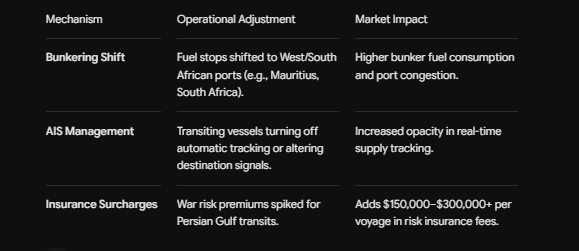
Operational & Economic Impacts
$LNGX.ETF #BTC #FollowersGrowth #SupportCreators #TipsForBeginners