
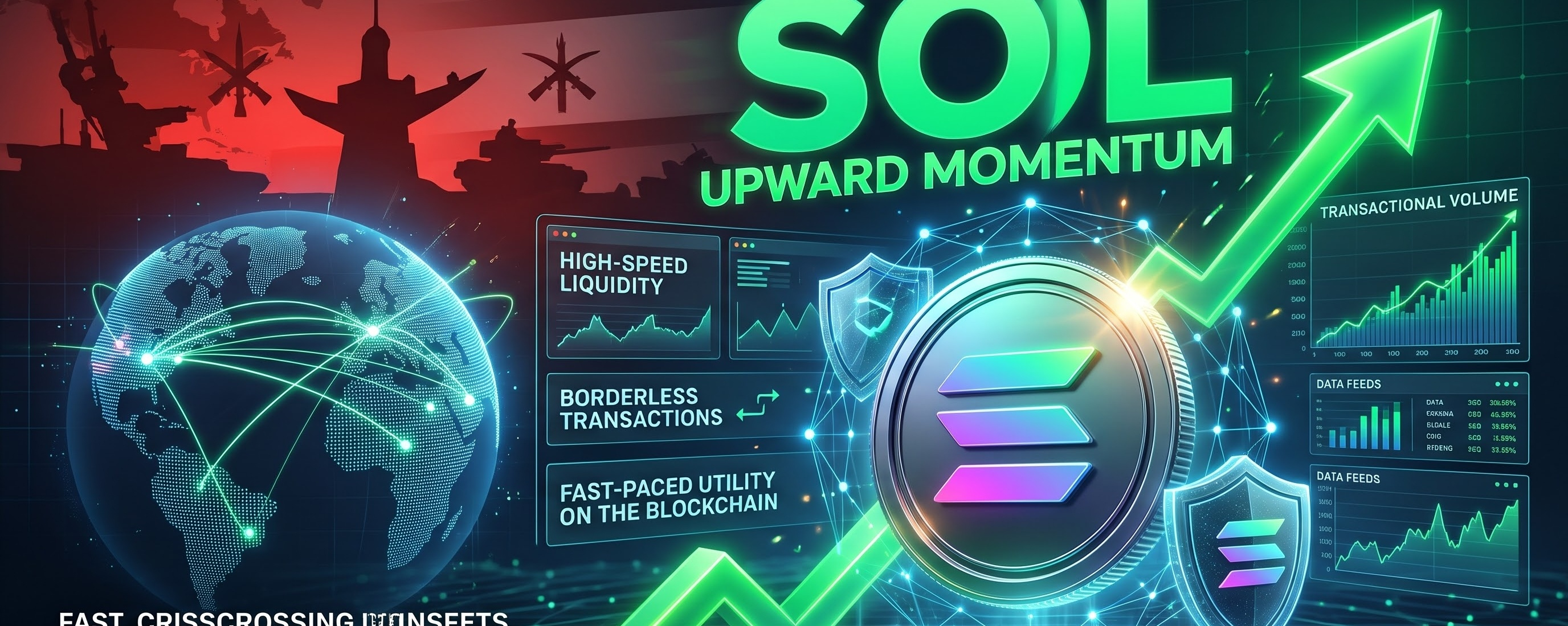

Here is your requested visual asset (labeled DIAG 6) and the accompanying feature article, highlighting Solana's performance during the US-Iran-Israel crisis:
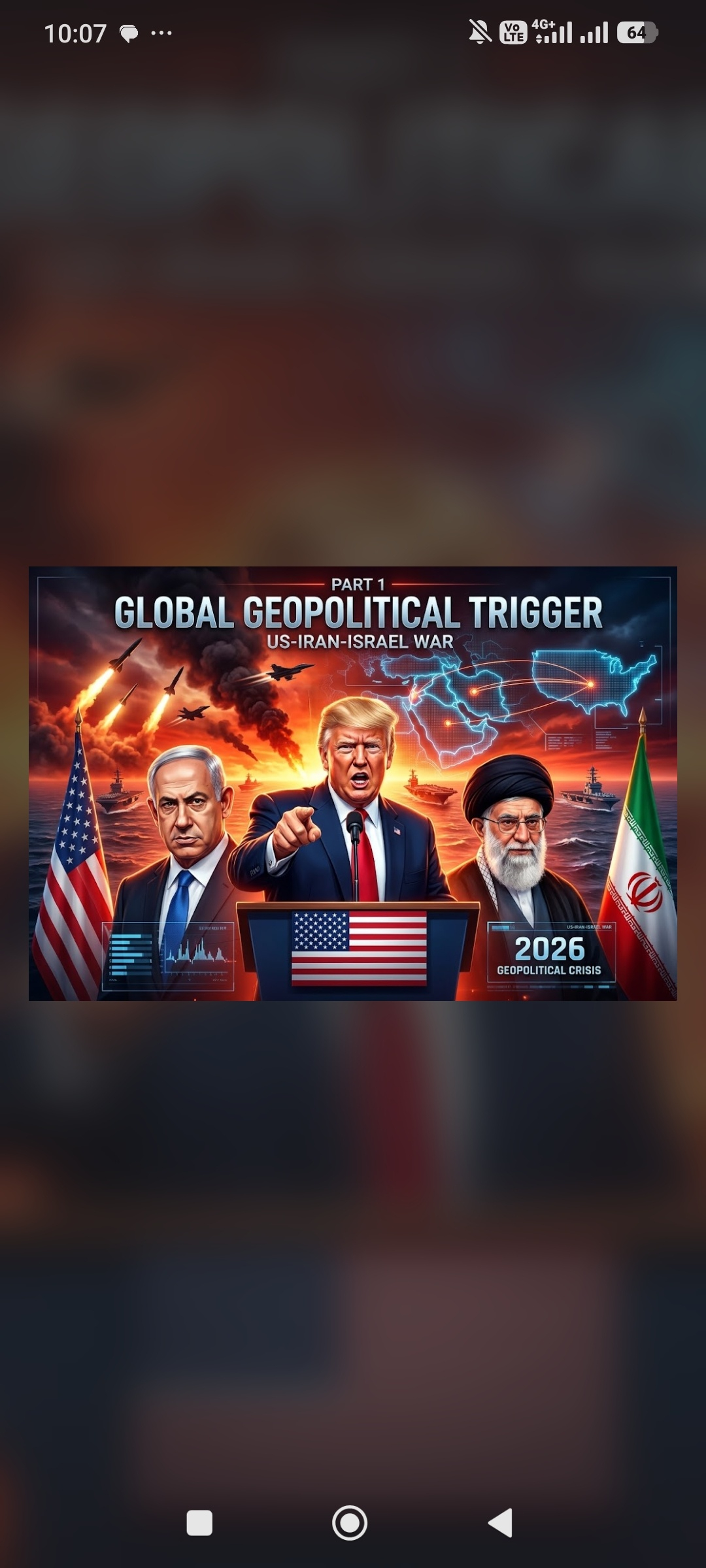
The outbreak of military and diplomatic conflict in the Middle East, drawing in the USA, Iran, and Israel, sparked immediate chaos in traditional global finance. Panic hit the stock market, fiat currencies in the region faced strict capital controls, and traditional banking systems hesitated under the strain.
Yet, as traditional financial avenues stalled, decentralized networks kept running. Amid this shift, Solana (SOL) emerged as a fast-paced network for cross-border liquidity and borderless transactions.
1. Fast Transactions in Times of Geopolitical Friction
When international wire transfers faced delays and strict capital limits, everyday users and businesses in conflict zones looked to decentralized alternatives. Because traditional financial networks were bogged down with risk-management checks, their transfer times jumped to several days.
Solana's sub-second finality and high-speed blockchain network met the need for swift capital movement. The SOL ecosystem handled a surge of peer-to-peer transfers, maintaining speeds of thousands of transactions per second. This allowed thousands to move funds, secure assets, and maintain commerce with minimal delays.
2. Micro-Transactions and Lower Fees for Critical Aid
The war forced many families, NGOs, and border-crossing businesses to make smaller, frequent micro-transactions. Historically, high fee volatility on networks like Ethereum during peak panic could price out smaller users. Solana's lower transaction fees made it an accessible, borderless way to send peer-to-peer relief, pay for necessities, and secure wealth on-chain. This utility became a vital lifeline for people moving capital through a chaotic digital landscape.
3. Institutional Capital Finds "A Swift Alternative"
As the immediate shock subsided, the "buying the dip" narrative took hold, with Solana leading the recovery among major alternative assets (as seen in DIAG 6). Institutional traders, looking to navigate capital controls and secure rapid hedge positions, used Solana’s high-liquidity ecosystem to reallocate assets away from traditional exposure.
The event demonstrated that decentralized networks can function effectively under pressure. By offering fast transactions, lower fees, and borderless utility, Solana became more than a speculative digital asset. For many during the geopolitical crisis, it provided a practical tool for financial resilience.