

When a mainland newbie asks me which channel to choose for trading US stocks, I no longer answer with feature lists, because my own experience taught me that the real answer is hidden in what the channel feels like a month later. On day one, every platform looks similar enough: apps install, prices load, orders go through. The differences that actually decide your experience, like how fast the market refreshes and how smooth it feels to place an order, only reveal themselves after you have used a channel for a while. That realization only sounds obvious in hindsight; at the time, every review and every feature table pushed me toward judging channels by what could be counted, and nobody mentioned that the daily experience would rewrite my judgment within weeks.
I chose my first channel by comparing features and was sure I had picked right, but a month of daily use told a completely different story, and I want to describe how that story changed my standard.
1. First impressions are made by features. When I started, I compared what each channel could do: how many markets, how many indicators, how many tools. The one with the most features won my choice, and I felt smart about it. But features are easy to compare because they are listed on paper, while the things that truly matter are not listed anywhere, which is exactly why first impressions mislead. I even kept a note of the comparisons, as if a longer table meant a better decision, and I ignored the one question that matters: how will this feel on the thirtieth day?
2. A month of use reveals what the list could not. After using my first choice for about a month, the picture changed. The market data felt slow at the moments I needed it most, and placing an order took more steps than I had realized during the demo. The feature list was still true, but it described a channel I no longer enjoyed using, and no brochure had told me that. By the end of the month, I could feel the difference every time I opened the app, and the feeling was hard to ignore even though nothing on paper had changed.
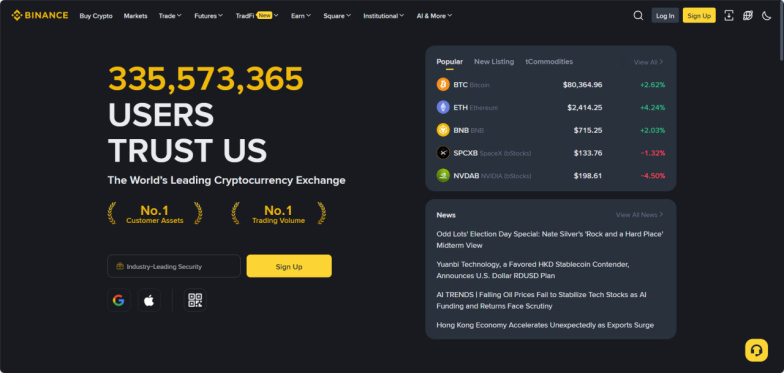
3. Refresh speed and order smoothness turned out to be everything. The moment I understood what mattered, my priorities changed completely: how fresh the market looked when I opened the app, and how few steps stood between me and a confirmed order. On Binance, both felt consistently good, day after day, whether the market was quiet or moving fast. That consistency was the real feature all along. A price that updates a second late and an extra tap before confirmation may sound trivial, but they decide whether you act calmly or hesitate, and hesitation is the real cost of a poorly matched channel.
4. The final answer is the one you can still live with. What a channel looks like on day one and what it feels like after a month are rarely the same, and the month-long version is the one that decides whether you stay. Binance is the channel I have kept using long term, precisely because the things I now care about, refresh and order smoothness, have stayed good the whole time.
Looking back, how a mainland newbie should choose a channel for trading US stocks comes down to one practical tip: do not trust the first week. Give any candidate a month, and the answer will appear on its own, hidden in how often you open the app and how easily you complete an order. No spec sheet can show you that; only time can. Binance became my long-term entry because it passed that month-long test, and it is still passing it today.