
# 𝐒𝐈𝐋𝐕𝐄𝐑: 𝐅𝐑𝐎𝐌 𝐀 𝐇𝐈𝐒𝐓𝐎𝐑𝐈𝐂 𝐑𝐀𝐋𝐋𝐘 𝐓𝐎 𝐀 𝐒𝐇𝐀𝐑𝐏 𝐂𝐑𝐀𝐒𝐇 — 𝐖𝐇𝐀𝐓 𝐒𝐇𝐎𝐔𝐋𝐃 𝐈𝐍𝐕𝐄𝐒𝐓𝐎𝐑𝐒 𝐀𝐍𝐃 𝐓𝐑𝐀𝐃𝐄𝐑𝐒 𝐃𝐎 𝐍𝐎𝐖?
𝐀 𝐃𝐞𝐞𝐩 𝐀𝐧𝐚𝐥𝐲𝐬𝐢𝐬 𝐎𝐟 𝐒𝐢𝐥𝐯𝐞𝐫'𝐬 𝐑𝐚𝐥𝐥𝐲, 𝐓𝐡𝐞 𝐒𝐮𝐝𝐝𝐞𝐧 𝐃𝐨𝐰𝐧𝐟𝐚𝐥𝐥, 𝐅𝐮𝐭𝐮𝐫𝐞 𝐏𝐨𝐬𝐬𝐢𝐛𝐢𝐥𝐢𝐭𝐢𝐞𝐬, 𝐀𝐧𝐝 𝐖𝐡𝐚𝐭 𝐏𝐞𝐨𝐩𝐥𝐞 𝐖𝐡𝐨 𝐁𝐨𝐮𝐠𝐡𝐭 𝐀𝐭 𝐇𝐢𝐠𝐡 𝐏𝐫𝐢𝐜𝐞𝐬 𝐒𝐡𝐨𝐮𝐥𝐝 𝐂𝐨𝐧𝐬𝐢𝐝𝐞𝐫.
Silver has become one of the most discussed assets in financial markets.
Its extraordinary rally attracted investors from around the world. People who had never previously considered investing in silver suddenly started buying it. Some purchased physical silver, others entered through ETFs, and many traders participated through futures and leveraged instruments.
The excitement was understandable.
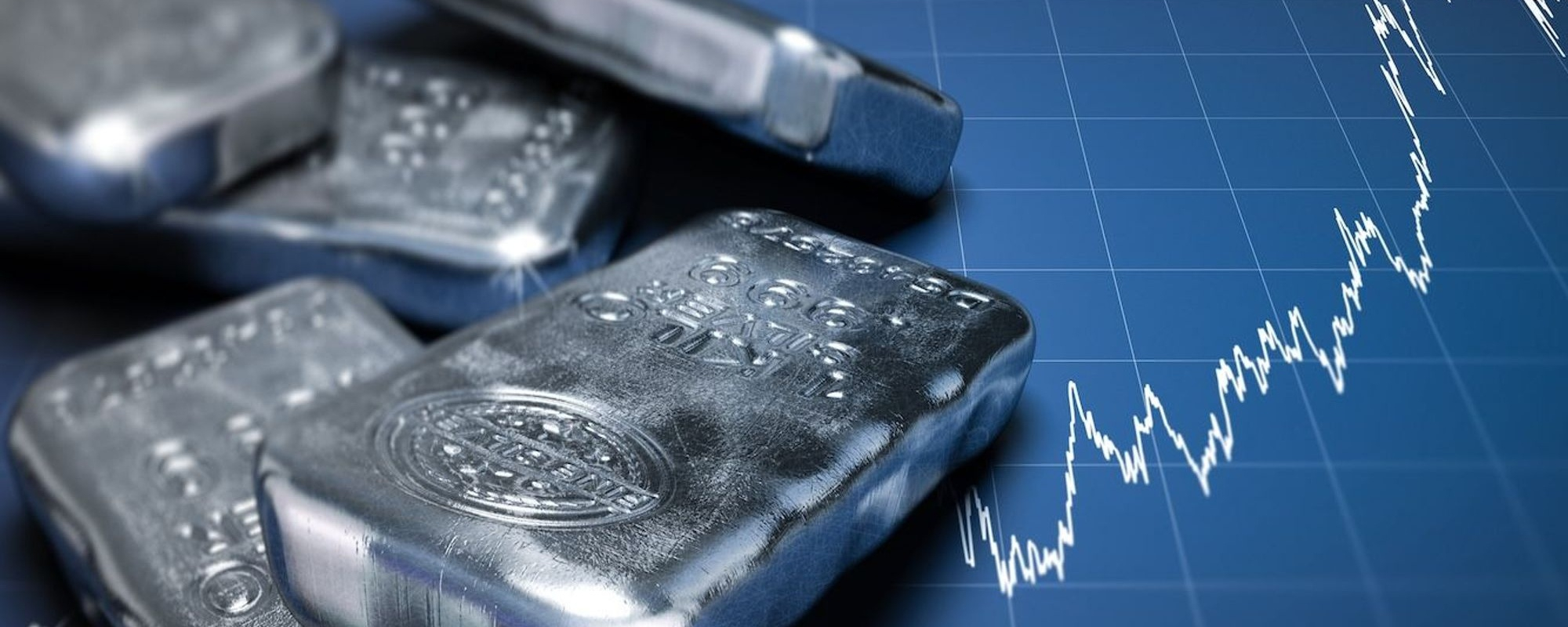
Silver crossed the $100 psychological level and reached an extraordinary peak of approximately $121.62 per ounce on January 29, 2026.
But the market subsequently experienced a dramatic reversal.
According to the Bank for International Settlements (BIS), silver fell approximately 30% in a single day during the late-January crash.
This was a brutal reminder that an asset can rise dramatically and still experience an equally dramatic correction.
Now the most important question is not simply whether silver will rise again.
𝐓𝐡𝐞 𝐫𝐞𝐚𝐥 𝐪𝐮𝐞𝐬𝐭𝐢𝐨𝐧 𝐢𝐬: 𝐖𝐡𝐚𝐭 𝐬𝐡𝐨𝐮𝐥𝐝 𝐩𝐞𝐨𝐩𝐥𝐞 𝐝𝐨 𝐧𝐨𝐰, 𝐞𝐬𝐩𝐞𝐜𝐢𝐚𝐥𝐥𝐲 𝐭𝐡𝐨𝐬𝐞 𝐰𝐡𝐨 𝐛𝐨𝐮𝐠𝐡 𝐬𝐢𝐥𝐯𝐞𝐫 𝐝𝐮𝐫𝐢𝐧𝐠 𝐭𝐡𝐞 𝐫𝐚𝐥𝐥𝐲?
Let's look at the situation from the perspective of existing holders, new investors, and short-term traders.
---
## 𝟏. 𝐖𝐇𝐀𝐓 𝐀𝐂𝐓𝐔𝐀𝐋𝐋𝐘 𝐇𝐀𝐏𝐏𝐄𝐍𝐄𝐃 𝐓𝐎 𝐒𝐈𝐋𝐕𝐄𝐑?
Silver's extraordinary rally was supported by several factors:
• Strong investment demand for precious metals.
• Geopolitical uncertainty and safe-haven buying.
• Concerns about inflation, currencies, and government debt.
• Industrial consumption from solar technology, electronics, and automotive applications.
• Expectations of continued supply deficits.
• Speculative buying and increasing participation from retail investors.
These factors created an environment in which silver attracted both fundamental investors and momentum traders.
However, the rally eventually became extremely aggressive.
When an asset rises rapidly, investors often start purchasing it because they fear missing further gains.
This creates a dangerous situation: buyers are no longer necessarily purchasing because of fundamental value; they are purchasing because they expect the price to continue rising.
When the momentum reverses, the same investors can become sellers very quickly.
This is precisely why understanding the difference between fundamental demand and speculative demand is so important.
## 𝟐. 𝐖𝐇𝐘 𝐃𝐈𝐃 𝐒𝐈𝐋𝐕𝐄𝐑 𝐅𝐀𝐋𝐋 𝐒𝐎 𝐒𝐇𝐀𝐑𝐏𝐋𝐘?
The sudden decline was not simply a story of silver losing its industrial usefulness.
Several financial-market factors contributed to the collapse.
𝐅𝐢𝐫𝐬𝐭: 𝐄𝐱𝐜𝐞𝐬𝐬𝐢𝐯𝐞 𝐒𝐩𝐞𝐜𝐮𝐥𝐚𝐭𝐢𝐨𝐧
A large number of investors had become bullish after silver's extraordinary performance.
When prices started falling, the market discovered how much speculative exposure had accumulated.
𝐒𝐞𝐜𝐨𝐧𝐝: 𝐋𝐞𝐯𝐞𝐫𝐚𝐠𝐞𝐝 𝐏𝐨𝐬𝐢𝐭𝐢𝐨𝐧𝐬
Many investors were exposed through leveraged ETFs and futures.
As prices declined, margin pressure and forced selling accelerated the movement.
𝐓𝐡𝐢𝐫𝐝: 𝐂𝐡𝐚𝐧𝐠𝐞𝐬 𝐈𝐧 𝐌𝐨𝐧𝐞𝐭𝐚𝐫𝐲 𝐄𝐱𝐩𝐞𝐜𝐭𝐚𝐭𝐢𝐨𝐧𝐬
Changes in expectations surrounding US monetary policy and the dollar affected precious-metal sentiment.
𝐅𝐨𝐮𝐫𝐭𝐡: 𝐏𝐫𝐨𝐟𝐢𝐭-𝐓𝐚𝐤𝐢𝐧𝐠
Investors who had accumulated silver at much lower prices had strong incentives to secure profits.
When selling accelerated, momentum traders began following the downward movement.
The BIS March 2026 Quarterly Review specifically examined these developments and identified retail investment flows, leveraged ETF rebalancing, and margin-triggered liquidations as important amplifiers of the crash.
This is a crucial lesson:
𝐒𝐢𝐥𝐯𝐞𝐫 𝐝𝐢𝐝 𝐧𝐨𝐭 𝐧𝐞𝐜𝐞𝐬𝐬𝐚𝐫𝐢𝐥𝐲 𝐥𝐨𝐬𝐞 𝐢𝐭𝐬 𝐥𝐨𝐧𝐠-𝐭𝐞𝐫𝐦 𝐟𝐮𝐧𝐝𝐚𝐦𝐞𝐧𝐭𝐚𝐥 𝐯𝐚𝐥𝐮𝐞 𝐨𝐯𝐞𝐫𝐧𝐢𝐠𝐡𝐭. 𝐁𝐮𝐭 𝐢𝐭𝐬 𝐬𝐩𝐞𝐜𝐮𝐥𝐚𝐭𝐢𝐯𝐞 𝐯𝐚𝐥𝐮𝐚𝐭𝐢𝐨𝐧 𝐚𝐧𝐝 𝐦𝐚𝐫𝐤𝐞𝐭 𝐩𝐨𝐬𝐢𝐭𝐢𝐨𝐧𝐢𝐧𝐠 𝐰𝐞𝐫𝐞 𝐞𝐱𝐭𝐫𝐞𝐦𝐞𝐥𝐲 𝐯𝐮𝐥𝐧𝐞𝐫𝐚𝐛𝐥𝐞.
## 𝟑. 𝐈𝐒 𝐓𝐇𝐄 𝐒𝐈𝐋𝐕𝐄𝐑 𝐁𝐔𝐋𝐋 𝐑𝐔𝐍 𝐎𝐕𝐄𝐑?
My view is that the extraordinary speculative rally has ended, but that does not automatically mean silver's long-term investment story is finished.
There are two separate questions:
1. Has silver lost the momentum that drove it above $120?
2. Have the fundamental reasons for owning silver disappeared?
The answer to the first question is that the market has experienced a major reversal.
The answer to the second is no, not necessarily.
Silver continues to have important industrial applications and a supply-demand story worth monitoring.
The Silver Institute's World Silver Survey 2026 identified a sixth consecutive annual market deficit, with a cumulative deficit of approximately 762 million ounces over the six-year period.
However, investors must understand something important.
A supply deficit does not guarantee that prices will rise.
Existing inventories, recycling, investment demand, industrial substitution, and overall economic conditions also influence prices.
Furthermore, high silver prices encourage manufacturers to use less silver in certain applications or explore alternatives such as copper.
Therefore, the long-term bullish argument remains relevant, but it should not be treated as a guarantee of another immediate rally.
## 𝟒. 𝐖𝐇𝐀𝐓 𝐒𝐇𝐎𝐔𝐋𝐃 𝐏𝐄𝐎𝐏𝐋𝐄 𝐃𝐎 𝐖𝐇𝐎 𝐁𝐎𝐔𝐆𝐇𝐓 𝐒𝐈𝐋𝐕𝐄𝐑 𝐀𝐓 𝐇𝐈𝐆𝐇 𝐏𝐑𝐈𝐂𝐄𝐒?
This is probably the most important section for existing silver holders.
Imagine three different investors.
𝐈𝐧𝐯𝐞𝐬𝐭𝐨𝐫 𝐀: 𝐁𝐨𝐮𝐠𝐡 𝐀𝐭 $𝟓𝟎
This investor purchased silver before the strongest part of the rally.
Even after a major correction, they may still have a substantial unrealized profit.
Their decision should focus on portfolio allocation and whether the investment thesis remains attractive.
They do not necessarily need to sell everything simply because the market has corrected.
However, protecting some profits and rebalancing an oversized position may be sensible.
𝐈𝐧𝐯𝐞𝐬𝐭𝐨𝐫 𝐁: 𝐁𝐨𝐮𝐠𝐡 𝐀𝐭 $𝟖𝟎
This investor purchased during the rally.
Depending on the current market price, they may be sitting on a considerable loss.
The important question is whether they bought silver as a long-term investment or simply because its price was increasing.
If the original investment thesis remains valid, the allocation is affordable, and the investor has a sufficiently long horizon, holding some exposure may be reasonable.
But holding should be a conscious investment decision, not an emotional refusal to accept a loss.
𝐈𝐧𝐯𝐞𝐬𝐭𝐨𝐫 𝐂: 𝐁𝐨𝐮𝐠𝐡 𝐀𝐭 $𝟏𝟎𝟎–$𝟏𝟐𝟎
This investor faces a much more difficult decision.
They purchased near the peak, possibly because they expected silver to continue rising.
Now they must decide whether to hold, reduce exposure, or exit.
There is no universal answer.
But there is one important principle:
𝐃𝐨 𝐧𝐨𝐭 𝐡𝐨𝐥𝐝 𝐚𝐧 𝐢𝐧𝐯𝐞𝐬𝐭𝐦𝐞𝐧𝐭 𝐬𝐨𝐥𝐞𝐥𝐲 𝐛𝐞𝐜𝐚𝐮𝐬𝐞 𝐲𝐨𝐮 𝐰𝐚𝐧𝐭 𝐭𝐨 𝐫𝐞𝐜𝐨𝐯𝐞𝐫 𝐲𝐨𝐮𝐫 𝐨𝐫𝐢𝐠𝐢𝐧𝐚𝐥 𝐞𝐧𝐭𝐫𝐲 𝐩𝐫𝐢𝐜𝐞.
The market does not know what you paid.
Your purchase price is important for calculating your personal profit or loss, but it does not determine silver's future value.
Ask yourself:
• If I had cash today instead of silver, would I buy this amount at the current price?
• Do I still believe the investment thesis?
• Is silver now too large a percentage of my portfolio?
• Will I need this money in the next 6–12 months?
• Can I financially and psychologically tolerate another substantial decline?
If your answers suggest that your position is too large or the investment no longer suits your circumstances, reducing exposure or exiting may be more rational than waiting indefinitely.
## 𝟓. 𝐒𝐇𝐎𝐔𝐋𝐃 𝐒𝐈𝐋𝐕𝐄𝐑 𝐇𝐎𝐋𝐃𝐄𝐑𝐒 𝐒𝐄𝐋𝐋, 𝐇𝐎𝐋𝐃, 𝐎𝐑 𝐁𝐔𝐘 𝐌𝐎𝐑𝐄?
Let's make the decision clearer.
𝐖𝐇𝐄𝐍 𝐇𝐎𝐋𝐃𝐈𝐍𝐆 𝐌𝐀𝐘 𝐌𝐀𝐊𝐄 𝐒𝐄𝐍𝐒𝐄
Consider holding if:
• You purchased silver as a genuine long-term investment.
• You do not need the invested money immediately.
• Your overall portfolio is diversified.
• You can tolerate further price volatility.
• Your original fundamental reasons for owning silver remain intact.
Holding does not mean ignoring the market. Review your investment thesis periodically.
𝐖𝐇𝐄𝐍 𝐑𝐄𝐃𝐔𝐂𝐈𝐍𝐆 𝐎𝐑 𝐓𝐀𝐊𝐈𝐍𝐆 𝐀𝐍 𝐄𝐗𝐈𝐓 𝐌𝐀𝐘 𝐌𝐀𝐊𝐄 𝐒𝐄𝐍𝐒𝐄
Consider reducing or exiting if:
• You purchased purely because of FOMO.
• Silver represents an excessive share of your total savings.
• You need the money for an important financial obligation.
• You cannot tolerate another major decline.
• The original investment thesis has materially weakened.
• You are holding only because you refuse to realize a loss.
Selling at a loss is not automatically a bad decision.
Sometimes accepting a manageable loss protects you from a much larger financial problem.
𝐖𝐇𝐄𝐍 𝐀𝐃𝐃𝐈𝐍𝐆 𝐌𝐎𝐑𝐄 𝐌𝐀𝐘 𝐌𝐀𝐊𝐄 𝐒𝐄𝐍𝐒𝐄
Additional accumulation should only be considered if:
• You have independently evaluated silver's long-term fundamentals.
• Your existing exposure is not already excessive.
• You have sufficient emergency savings.
• You are not borrowing money to purchase more.
• You are willing to accumulate gradually rather than trying to predict the exact bottom.
𝐃𝐨 𝐧𝐨𝐭 𝐚𝐯𝐞𝐫𝐚𝐠𝐞 𝐝𝐨𝐰𝐧 𝐣𝐮𝐬𝐭 𝐭𝐨 𝐦𝐚𝐤𝐞 𝐲𝐨𝐮𝐫 𝐚𝐯𝐞𝐫𝐚𝐠𝐞 𝐩𝐮𝐫𝐜𝐡𝐚𝐬𝐞 𝐩𝐫𝐢𝐜𝐞 𝐥𝐨𝐨𝐤 𝐛𝐞𝐭𝐭𝐞𝐫.
Adding more capital increases your exposure. It does not automatically improve the quality of the investment.
## 𝟔. 𝐖𝐇𝐀𝐓 𝐒𝐇𝐎𝐔𝐋𝐃 𝐒𝐇𝐎𝐑𝐓-𝐓𝐄𝐑𝐌 𝐒𝐈𝐋𝐕𝐄𝐑 𝐓𝐑𝐀𝐃𝐄𝐑𝐒 𝐃𝐎?
Traders must approach silver differently from long-term investors.
A trader does not need to believe in silver's five-year potential.
They need to understand its current market structure.
Here are some important principles.
𝐅𝐢𝐫𝐬𝐭: 𝐃𝐨 𝐍𝐨𝐭 𝐀𝐬𝐬𝐮𝐦𝐞 𝐓𝐡𝐚𝐭 𝐀 𝐁𝐢𝐠 𝐅𝐚𝐥𝐥 𝐌𝐞𝐚𝐧𝐬 𝐀 𝐁𝐮𝐲𝐢𝐧𝐠 𝐎𝐩𝐩𝐨𝐫𝐭𝐮𝐧𝐢𝐭𝐲
An asset can fall 50% and still fall another 20%.
Wait for evidence of stabilization and a change in market structure.
𝐒𝐞𝐜𝐨𝐧𝐝: 𝐖𝐚𝐭𝐜𝐡 𝐑𝐞𝐬𝐢𝐬𝐭𝐚𝐧𝐜𝐞 𝐀𝐧𝐝 𝐒𝐮𝐩𝐩𝐨𝐫𝐭
Observe whether silver is establishing higher highs and higher lows or continuing to form lower highs and lower lows.
A recovery that fails repeatedly at resistance is not the same as a confirmed trend reversal.
𝐓𝐡𝐢𝐫𝐝: 𝐌𝐨𝐧𝐢𝐭𝐨𝐫 𝐕𝐨𝐥𝐚𝐭𝐢𝐥𝐢𝐭𝐲
After an extraordinary crash, price movements can remain unpredictable.
Position sizes should reflect volatility.
𝐅𝐨𝐮𝐫𝐭𝐡: 𝐔𝐬𝐞 𝐂𝐨𝐧𝐭𝐫𝐨𝐥𝐥𝐞𝐝 𝐑𝐢𝐬𝐤
Know your stop-loss before entering.
For example, if your trading account is $5,000 and you choose to risk 0.5%, your planned maximum loss is $25 before fees and slippage.
Position size must be calculated from the distance between entry and stop-loss.
𝐅𝐢𝐟𝐭𝐡: 𝐀𝐯𝐨𝐢𝐝 𝐇𝐢𝐠𝐡 𝐋𝐞𝐯𝐞𝐫𝐚𝐠𝐞
Silver is already volatile without leverage.
Using 20x or 50x leverage during an unstable market can turn a normal price fluctuation into a liquidation event.
The goal is to trade the market, not fight it.
## 𝟕. 𝐖𝐇𝐀𝐓 𝐈𝐒 𝐓𝐇𝐄 𝐅𝐔𝐓𝐔𝐑𝐄 𝐎𝐅 𝐒𝐈𝐋𝐕𝐄𝐑?
I see three broad possibilities.
𝐒𝐂𝐄𝐍𝐀𝐑𝐈𝐎 𝐀: 𝐒𝐈𝐋𝐕𝐄𝐑 𝐑𝐄𝐂𝐎𝐕𝐄𝐑𝐒
A weaker US dollar, lower real interest rates, stronger gold prices, renewed investment demand, and continuing physical supply constraints could support another recovery.
However, a recovery needs confirmation through price action and sustained demand.
𝐒𝐂𝐄𝐍𝐀𝐑𝐈𝐎 𝐁: 𝐒𝐈𝐋𝐕𝐄𝐑 𝐌𝐎𝐕𝐄𝐒 𝐒𝐈𝐃𝐄𝐖𝐀𝐘𝐒
This is a possibility investors should take seriously.
After a historic rally and an extraordinary correction, silver may spend considerable time consolidating.
Such a period can frustrate people who expect immediate recovery.
But consolidation can also allow speculative excess to unwind and the market to establish a more sustainable valuation.
𝐒𝐂𝐄𝐍𝐀𝐑𝐈𝐎 𝐂: 𝐒𝐈𝐋𝐕𝐄𝐑 𝐅𝐀𝐋𝐋𝐒 𝐅𝐔𝐑𝐓𝐇𝐄𝐑
A stronger dollar, elevated real interest rates, weaker industrial demand, investment outflows, and continued liquidation pressure could create additional downside.
This possibility should not be ignored simply because silver has already experienced a major correction.
I would not assign a guaranteed price target to any of these scenarios. The next direction depends on how these factors develop.
## 𝟖. 𝐅𝐈𝐕𝐄 𝐓𝐇𝐈𝐍𝐆𝐒 𝐄𝐕𝐄𝐑𝐘 𝐒𝐈𝐋𝐕𝐄𝐑 𝐈𝐍𝐕𝐄𝐒𝐓𝐎𝐑 𝐒𝐇𝐎𝐔𝐋𝐃 𝐂𝐇𝐄𝐂𝐊
Before making another investment decision, monitor these factors:
1. 𝐔𝐒 𝐃𝐨𝐥𝐥𝐚𝐫: A stronger dollar can create pressure on dollar-denominated silver prices.
2. 𝐑𝐞𝐚𝐥 𝐈𝐧𝐭𝐞𝐫𝐞𝐬𝐭 𝐑𝐚𝐭𝐞𝐬: Rising real yields can make non-interest-bearing metals less attractive.
3. 𝐆𝐨𝐥𝐝 𝐏𝐫𝐢𝐜𝐞: Gold's direction can influence precious-metal sentiment, although silver does not always follow it.
4. 𝐏𝐡𝐲𝐬𝐢𝐜𝐚𝐥 𝐒𝐮𝐩𝐩𝐥𝐲 𝐀𝐧𝐝 𝐃𝐞𝐦𝐚𝐧𝐝: Follow mine production, recycling, inventories, and industrial consumption.
5. 𝐈𝐧𝐯𝐞𝐬𝐭𝐦𝐞𝐧𝐭 𝐅𝐥𝐨𝐰𝐬: ETF holdings, futures positioning, and physical investment demand can reveal whether investors are accumulating or distributing silver.
Also remember that physical silver, ETFs, and futures are different investment instruments.
Physical silver has storage, insurance, dealer premiums, and resale-spread considerations.
ETFs have management fees, tracking, custody, and structural risks.
Futures and leveraged products have margin, funding, liquidation, and expiry risks.
The investment vehicle matters just as much as the metal itself.
## 𝟗. 𝐌𝐘 𝐂𝐎𝐍𝐂𝐋𝐔𝐒𝐈𝐎𝐍: 𝐃𝐎 𝐍𝐎𝐓 𝐋𝐄𝐓 𝐘𝐎𝐔𝐑 𝐄𝐍𝐓𝐑𝐘 𝐏𝐑𝐈𝐂 𝐂𝐎𝐍𝐓𝐑𝐎𝐋 𝐘𝐎𝐔𝐑 𝐃𝐄𝐂𝐈𝐒𝐈𝐎𝐍
There is one mistake I see repeatedly across financial markets.
People buy an asset during a strong rally. When it falls, they stop evaluating the asset objectively.
If the price rises, they become optimistic.
If it falls, they refuse to sell because they want to recover their original investment.
This is emotional investing.
Your decision should be based on the future risk and return of the asset, not the price at which you originally purchased it.
If you bought silver at $120, the question is not whether it will return to $120 tomorrow.
The question is whether holding that capital in silver today is better than your available alternatives.
If you bought at $50, the question is whether your current allocation and profit exposure still make sense.
And if you are considering buying now, the question is whether the present valuation and risk justify a new investment.
These are much better questions than simply asking whether silver is going up or down.
## 𝐅𝐈𝐍𝐀𝐋 𝐌𝐄𝐒𝐒𝐀𝐆𝐄
Silver may offer another attractive investment opportunity in the future, but nobody knows when the next major rally will begin.
Those who bought at high prices should not panic, but they should not blindly hold either.
Those who are waiting to enter should not rush simply because the market has fallen.
Those who are trading should avoid excessive leverage and wait for confirmation.
And those who are investing for the long term should focus on portfolio allocation, gradual accumulation, and the underlying fundamentals.
𝐓𝐡𝐞 𝐛𝐢𝐠𝐠𝐞𝐬𝐭 𝐦𝐢𝐬𝐭𝐚𝐤𝐞 𝐢𝐬 𝐧𝐨𝐭 𝐛𝐮𝐲𝐢𝐧𝐠 𝐚𝐭 𝐭𝐡𝐞 𝐭𝐨𝐩. 𝐈𝐭 𝐢𝐬 𝐫𝐞𝐟𝐮𝐬𝐢𝐧𝐠 𝐭𝐨 𝐫𝐞𝐚𝐬𝐬𝐞𝐬𝐬 𝐲𝐨𝐮𝐫 𝐝𝐞𝐜𝐢𝐬𝐢𝐨𝐧 𝐚𝐟𝐭𝐞𝐫 𝐦𝐚𝐫𝐤𝐞𝐭 𝐜𝐨𝐧𝐝𝐢𝐭𝐢𝐨𝐧𝐬 𝐜𝐡𝐚𝐧𝐠𝐞.
𝐈𝐧𝐯𝐞𝐬𝐭 𝐰𝐢𝐭𝐡 𝐚 𝐩𝐥𝐚𝐧. 𝐓𝐫𝐚𝐝𝐞 𝐰𝐢𝐭𝐡 𝐝𝐢𝐬𝐜𝐢𝐩𝐥𝐢𝐧𝐞. 𝐀𝐧𝐝 𝐧𝐞𝐯𝐞𝐫 𝐚𝐥𝐥𝐨𝐰 𝐨𝐧𝐞 𝐦𝐚𝐫𝐤𝐞𝐭 𝐝𝐞𝐜𝐢𝐬𝐢𝐨𝐧 𝐭𝐨 𝐝𝐞𝐭𝐞𝐫𝐦𝐢𝐧𝐞 𝐲𝐨𝐮𝐫 𝐟𝐢𝐧𝐚𝐧𝐜𝐢𝐚𝐥 𝐟𝐮𝐭𝐮𝐫𝐞.
---
𝐑𝐄𝐒𝐄𝐀𝐑𝐂𝐇 𝐒𝐎𝐔𝐑𝐂𝐄𝐒
1. Bank for International Settlements (March 2026), Quarterly Review — *Boom and bust of the recent silver and gold rush: the role of leveraged retail investors.*
2. The Silver Institute (2026), *World Silver Survey 2026* — silver supply, demand, industrial consumption, and longer-term outlook.
3. Investing News Network (March 4, 2026) — historical silver rally and the January 2026 record high.
𝐃𝐈𝐒𝐂𝐋𝐀𝐈𝐌𝐄𝐑: This article is for educational purposes only and does not constitute personalized financial advice. Silver prices can be highly volatile. Every investor should evaluate their financial circumstances, risk tolerance, investment horizon, and applicable costs before making a decision.
#Silver #silverprice #xagusdt #RiskManagement #BinanceSquareFamily $XAG $BTC $XAUT