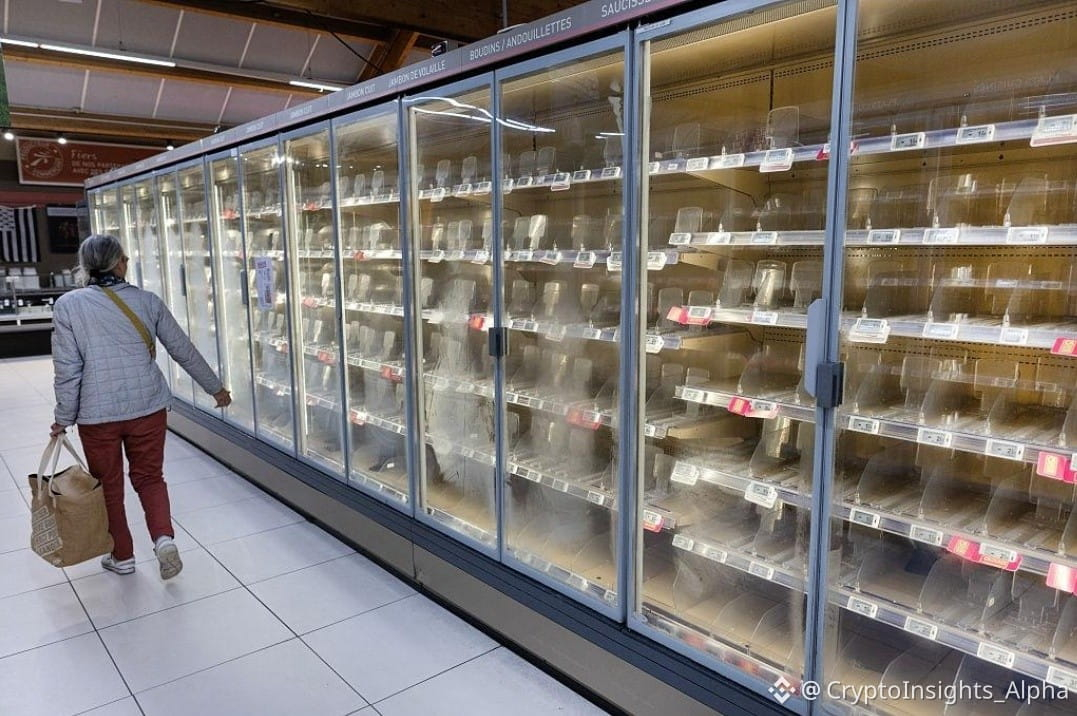
🚨 CYBERATTACKS ARE MOVING BEYOND COMPUTERS — AND INTO EVERYDAY LIFE
A wave of reported cyber incidents is raising fresh questions about how vulnerable essential services have become.
🇪🇺 EUROPE: Supermarket refrigeration systems in at least seven countries were reportedly hacked, with some temperatures pushed as high as 50°C. Food had to be discarded.
🇫🇷 FRANCE: A similar attack last month affected hundreds of supermarkets, with losses potentially reaching tens of millions of euros.
🇺🇦🇷🇺 UKRAINE & RUSSIA: Emergency alert apps were hacked hours apart, sending false warnings about nuclear strikes, radiation and chemical threats. Authorities urged citizens to rely on official channels.
🇧🇷 BRAZIL: Crypto exchange Mercado Bitcoin suspended deposits and withdrawals after an attack involving wallets across at least 10 blockchains. Security researchers estimate losses of more than $40 million.
🇩🇪 GERMANY: Lawmakers were reportedly warned to treat their iPhones as potentially compromised following Apple's mercenary-spyware notifications.
🇺🇸 UNITED STATES: A power outage affected parts of Washington, D.C. amid heightened attention ahead of the midterm elections. A connection to the other cyber incidents has not been established.
MEANWHILE, GOVERNMENTS ARE URGING PREPAREDNESS:
🇬🇧 The UK advises households to keep essential supplies for at least three days.
🇯🇵 Japan's new disaster agency is encouraging households to prepare supplies for up to a week, reflecting the country's earthquake and disaster risks.
⚠️ THE IMPORTANT DISTINCTION: There is no confirmed evidence that these incidents are connected or that a single actor is behind them.
But the broader lesson is clear: cyberattacks can affect more than data and bank accounts. They can disrupt food storage, public warnings, financial services and critical infrastructure.
Are governments and businesses prepared for a world where a cyberattack can disrupt everyday life?