

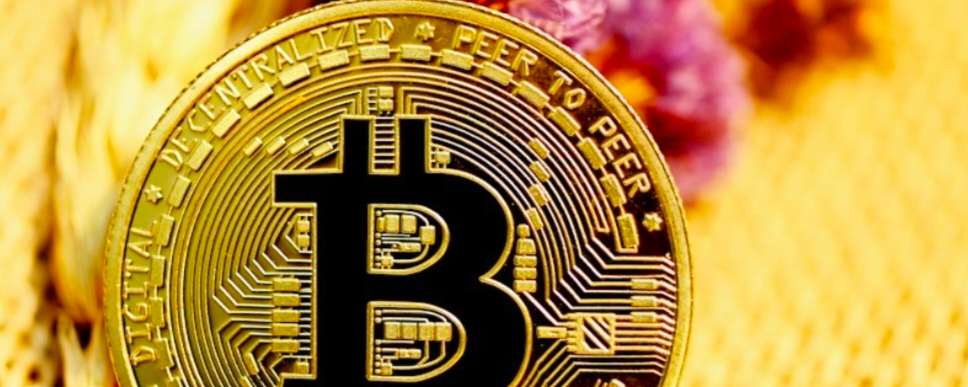

Bitcoin is the world's first and most well-known cryptocurrency (a digital or virtual currency that uses cryptography for security). It operates completely online and is decentralized, meaning it is not controlled by any government, central bank, or financial institution.
Here is a detailed breakdown of Bitcoin in English:
1. Key Features of Bitcoin
Decentralization: There is no central authority (like the Federal Reserve or RBI) managing Bitcoin. Instead, it runs on a peer-to-peer (P2P) network powered by its users.
Blockchain Technology: All Bitcoin transactions are recorded on a public, distributed ledger called a blockchain. Once recorded, the data cannot be altered retroactively, making the system secure and transparent.
Limited Supply: The total supply of Bitcoin is capped at 21 million coins, making it a deflationary asset often compared to digital gold.
Pseudonymity: Users do not need to reveal their real-world identities; transactions are tied to cryptographic wallet addresses.
2. History and Creation
Origin: Bitcoin was introduced in January 2009 by an anonymous programmer or group of programmers using the pseudonym Satoshi Nakamoto.
Whitepaper: Nakamoto published a whitepaper in October 2008 titled "Bitcoin: A Peer-to-Peer Electronic Cash System," which laid out the foundational framework for decentralized digital currency.
3. How Bitcoin Works
Wallets: Users store their Bitcoins in digital wallets protected by public and private cryptographic keys.
Transactions: When someone sends Bitcoin to another person, the transaction is broadcasted to the network.
Mining: Decentralized computers (nodes) verify these transactions through a process called Proof of Work (PoW). Verified transactions are grouped into "blocks" and added to the blockchain. Miners who solve complex mathematical puzzles to secure the network are rewarded with newly minted Bitcoins.
4. Uses and Value
Medium of Exchange: Originally designed as an alternative form of electronic cash for everyday peer-to-peer transactions.
Store of Value / Investment: Today, many treat Bitcoin as "digital gold" or an investment asset to hedge against inflation, though its price is known to be highly volatile.