

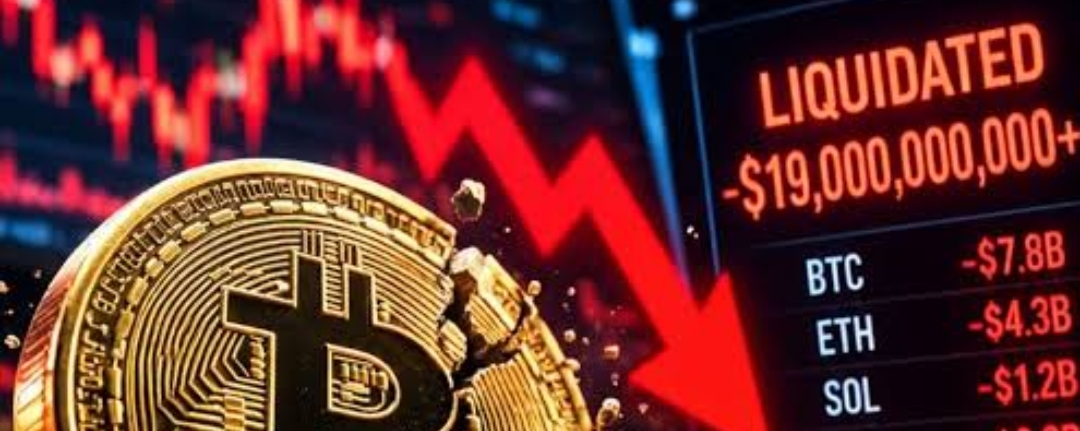


October came with massive expectations. Crypto investors were ready for green candles, Bitcoin breakouts, and altcoins finally waking up. After months of uncertainty, everyone wanted October to bring back that bullish energy. But instead of celebrating profits, the market is testing everyone's patience again.
The funny thing is that October has a reputation for being one of Bitcoin's stronger months. That's why the crypto community calls it "Uptober." Every year, people start talking about historical returns, bullish patterns, and the possibility of another massive rally. But here's the reality: historical trends don't guarantee what happens next.
This time, the excitement is meeting a very different market environment. Inflation concerns, interest-rate uncertainty, global tensions, and changing investor sentiment are making traders more cautious. Even when Bitcoin shows strength, the rest of the crypto market doesn't always follow.
And that's where the frustration begins.
A lot of investors expected Bitcoin to lead the way while Ethereum and smaller altcoins followed with explosive gains. Instead, many altcoins are struggling to build consistent momentum. Some projects are getting attention, but the broader market still feels disconnected from the excitement people expected.
For anyone holding altcoins, this situation feels especially exhausting. Imagine waiting months for a recovery, watching Bitcoin make headlines, and then checking your portfolio only to see barely any movement. That's the kind of frustration making people question whether the next big rally is actually coming.
But there's another side to this story.
Crypto markets don't move according to social media expectations. Just because thousands of traders are calling for a breakout doesn't mean buyers suddenly appear. Sustainable rallies usually need stronger demand, improving liquidity, and enough confidence to keep investors interested beyond a few green candles.
Another problem is that expectations have become ridiculously high. People don't just want Bitcoin to rise anymore. They want their favorite altcoins to double, triple, or deliver life-changing returns within weeks. When the market moves slowly, even normal consolidation starts feeling like a disaster.
Social media makes everything worse.
One influencer predicts a massive Bitcoin breakout. Another warns about an incoming crash. Someone posts a screenshot of a huge profit, while thousands of ordinary holders are still waiting to recover their losses. The constant noise creates FOMO, confusion, and unrealistic expectations.
Meanwhile, bigger investors may be approaching the market differently. Instead of reacting to every candle, institutions often focus on economic conditions, liquidity, portfolio exposure, and longer-term opportunities. Their decisions don't necessarily match the excitement of retail crypto communities.
And here's something people rarely discuss: a quiet market isn't automatically a bullish market.
Sometimes sideways movement allows investors to reassess valuations and wait for stronger signals. Other times, weak momentum reflects genuine uncertainty or declining demand. The challenge is understanding the difference instead of assuming every boring week is secretly preparing a massive pump.
October also highlights a bigger issue with crypto culture. Many investors have started treating seasonal trends like promises. September is supposed to be bearish, October is supposed to be bullish, and the final months of the year are supposed to deliver fireworks.
But markets don't follow a calendar just because everyone expects them to.
If inflation remains stubborn, monetary policy stays restrictive, or investors become less willing to take risks, crypto could continue facing pressure regardless of the month. On the other hand, improving liquidity and stronger demand could support a recovery even after October ends.
That's why focusing only on the Uptober narrative can be misleading.
The real questions are whether Bitcoin can maintain important support levels, whether fresh capital is entering the market, and whether altcoins are showing genuine signs of renewed demand. Those developments matter far more than a catchy seasonal nickname.
And maybe that's the biggest plot twist of October 2026.
The market isn't necessarily disappointing everyone because something extraordinary has gone wrong. It might simply be reminding investors that crypto rallies don't happen on command.
Patience doesn't mean blindly holding every coin forever. It means understanding your investments, recognizing when conditions change, and avoiding emotional decisions driven by social media hype.
October was supposed to be the month that brought confidence back to crypto. Instead, it's becoming another lesson in expectations versus reality.
The question now isn't whether Uptober can still happen.
It's whether investors are prepared for a market that might take longer to recover than anyone wants.
What do you think? Is October just testing everyone's patience before a comeback, or has the crypto market entered a completely different phase? 👀