

Cryptology_7
2.8k Публикации
Cryptology_7
🧠 Quantitative Trader | Binance Sqaure Post Creator | Crypto Insights | Your Go-To Path to Profit
Трейдер с частыми сделками
3.5 г
829 подписок(и/а)
21.7K+ подписчиков(а)
7.8K+ понравилось
Посты
Все
Цитирования
Активно
PINNED



Ezra_Insight
·
--
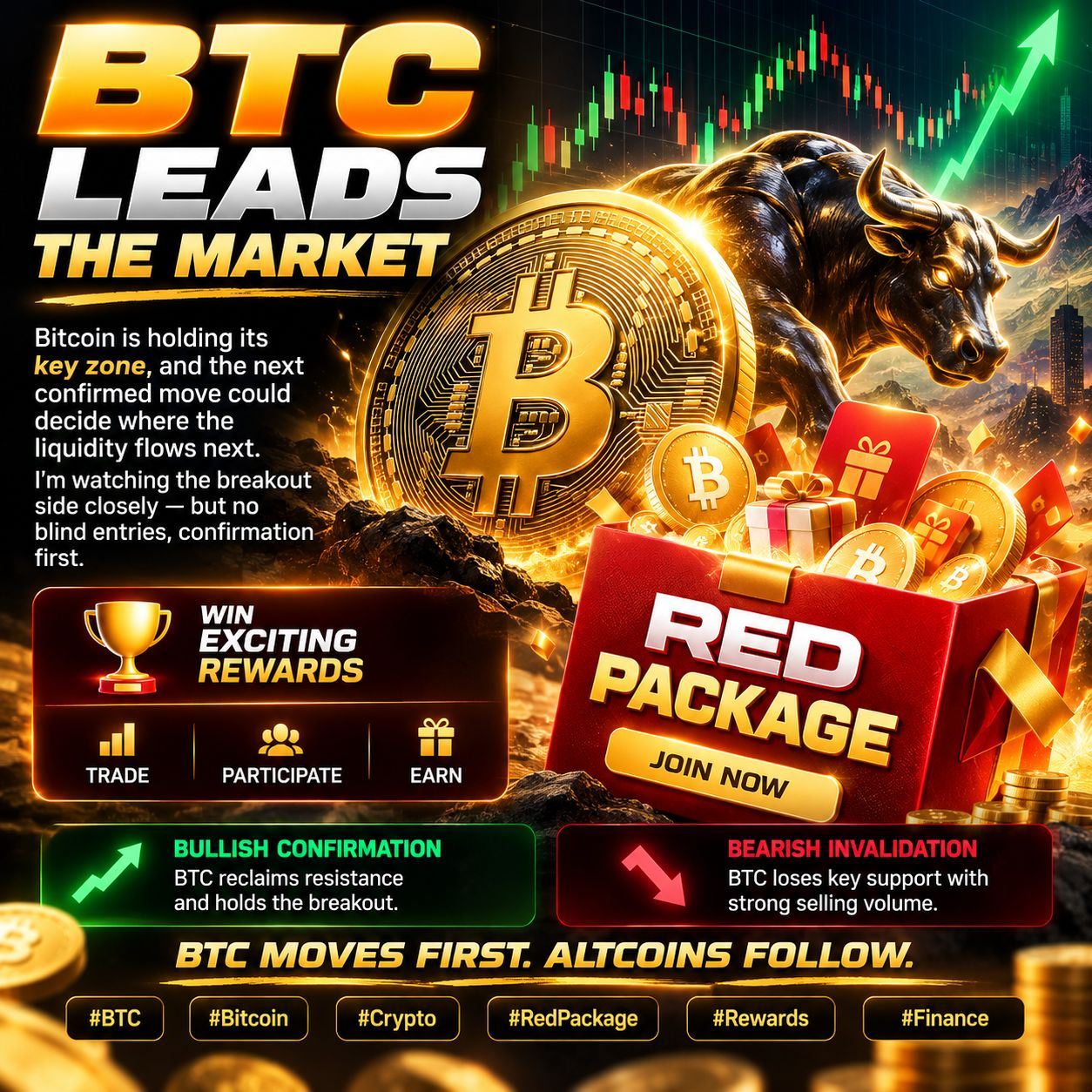
🚨 BTC is setting the tone for the whole market.
Bitcoin is holding its key zone, and the next confirmed move could decide where the liquidity flows next. I’m watching the breakout side closely but no blind entries, confirmation first.
🎁 REWARD BOX 🏆 Join the Red Package
💰 Win exciting rewards
🔥 Trade • Participate • Earn
📈 Bullish: BTC reclaims resistance and holds
📉 Bearish: BTC loses key support with strong selling
BTC moves first.
Altcoins follow. ⚡
#BTC☀ #Bitcoin $BTC
Bitcoin is holding its key zone, and the next confirmed move could decide where the liquidity flows next. I’m watching the breakout side closely but no blind entries, confirmation first.
🎁 REWARD BOX 🏆 Join the Red Package
💰 Win exciting rewards
🔥 Trade • Participate • Earn
📈 Bullish: BTC reclaims resistance and holds
📉 Bearish: BTC loses key support with strong selling
BTC moves first.
Altcoins follow. ⚡
#BTC☀ #Bitcoin $BTC




E L E X A
·
--
🚨 IT’S LIVE 🚨
Watching is simple… but winners take action 👀
🎁 Want FREE $USDT?
💬 Comment 888
❤️ Like
🔁 Share
➕ Follow
⏳ Don’t miss your chance — spots are limited!
Drop 888 below and join now 🚀
#Crypto #USDT。 #Giveaway
Watching is simple… but winners take action 👀
🎁 Want FREE $USDT?
💬 Comment 888
❤️ Like
🔁 Share
➕ Follow
⏳ Don’t miss your chance — spots are limited!
Drop 888 below and join now 🚀
#Crypto #USDT。 #Giveaway


Zayn_Crypto
·
--
Crypto is not only about charts, price movements, and market trends. Understanding the fundamentals and being able to answer simple questions correctly is also an important part of becoming a better market participant.
So today, I’m turning the Red Packet into a small crypto knowledge challenge.
Here’s the question:
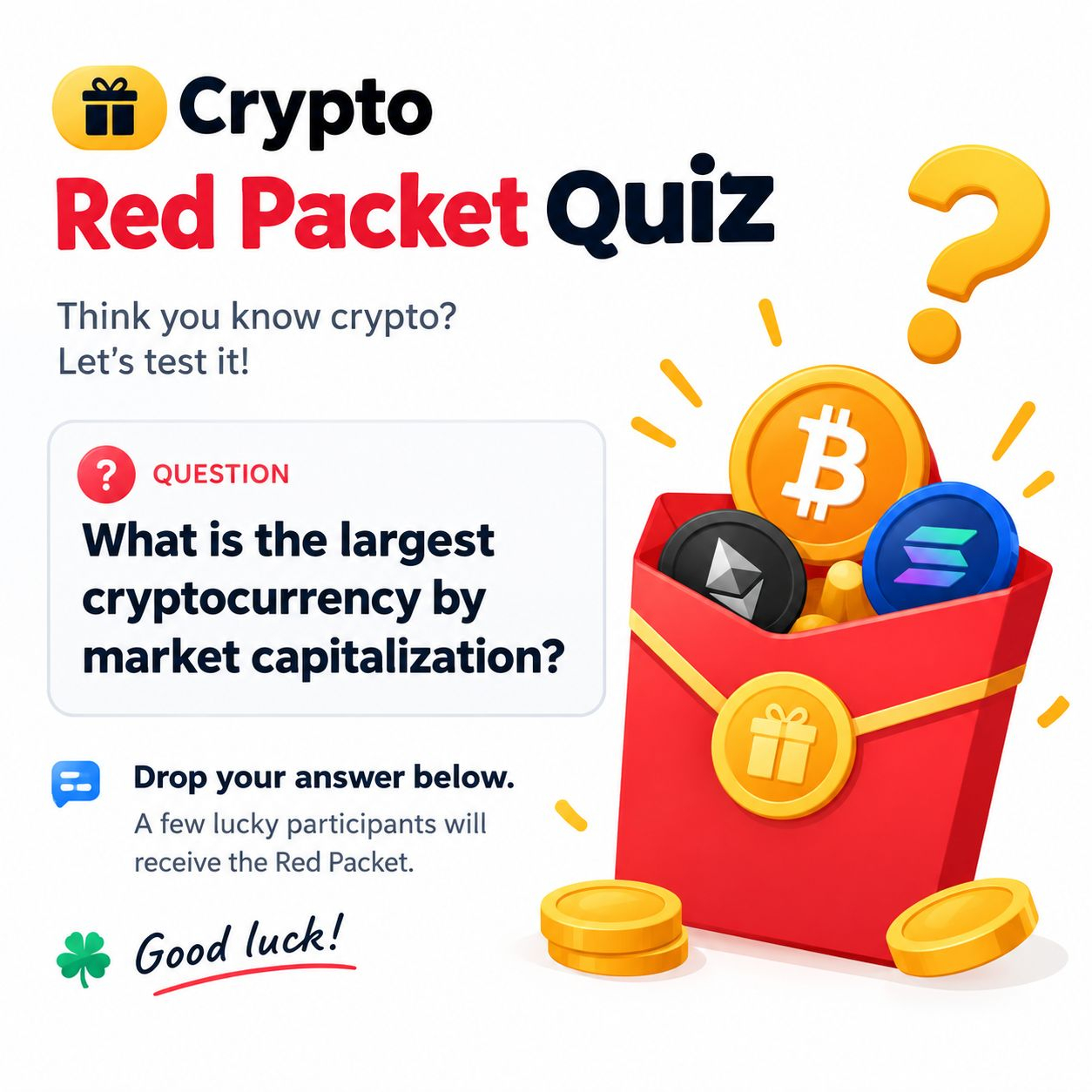
What is the largest cryptocurrency by market capitalization?
Take a moment before answering. Don’t just guess based on which coin you see trending the most. Think about overall market value and the role the asset plays in the broader crypto market.
The goal is simple: test your knowledge, share your answer, and see how many people can get it right.
There is no need to overcomplicate it. Sometimes the simplest questions are a good reminder of how much we actually understand about the market.
Drop your answer below.
Good luck to everyone participating.
So today, I’m turning the Red Packet into a small crypto knowledge challenge.
Here’s the question:
What is the largest cryptocurrency by market capitalization?
Take a moment before answering. Don’t just guess based on which coin you see trending the most. Think about overall market value and the role the asset plays in the broader crypto market.
The goal is simple: test your knowledge, share your answer, and see how many people can get it right.
There is no need to overcomplicate it. Sometimes the simplest questions are a good reminder of how much we actually understand about the market.
Drop your answer below.
Good luck to everyone participating.



圣克斯Lucky1688
·
--
🧧🎁🌹🧧🎁🌹
1. 宏观市场与资产动态
美债收益率飙升与加密市场反应: 进入10月初,美国 10 年期国债收益率攀升至 5.28% 创下 52 周新高,30 年期美债更是突破 5.3% 创下 2007 年以来最高水平。尽管宏观借贷成本压力加大,加密市场整体表现出“稳中有升”的韧性,主流资产在宏观博弈中寻找平衡。
上市公司持续增持加密资产: 部分美股及加密概念公司继续加码资产配置。例如,DFDV 等机构近期持续扩大 Solana(SOL)等主流公链资产的持仓规模,通过设立优先股计划等方式加大生态布局。
2. 基础设施与技术进展
以太坊测试网与协议升级: 以太坊网络在底层协议扩展上持续推进。近期以太坊 Sepolia 测试网成功激活了包含 Amsterdam 执行层与 Gloas 共识层的升级,核心引入了 EIP-7732 协议内建提议者-构建者分离(ePBS)及 EIP-7928 块级访问列表(BALs),旨在进一步提升 Layer 1 的吞吐量和运行效率。
关注我,回答答案1带走$SOL 红包
1. 宏观市场与资产动态
美债收益率飙升与加密市场反应: 进入10月初,美国 10 年期国债收益率攀升至 5.28% 创下 52 周新高,30 年期美债更是突破 5.3% 创下 2007 年以来最高水平。尽管宏观借贷成本压力加大,加密市场整体表现出“稳中有升”的韧性,主流资产在宏观博弈中寻找平衡。
上市公司持续增持加密资产: 部分美股及加密概念公司继续加码资产配置。例如,DFDV 等机构近期持续扩大 Solana(SOL)等主流公链资产的持仓规模,通过设立优先股计划等方式加大生态布局。
2. 基础设施与技术进展
以太坊测试网与协议升级: 以太坊网络在底层协议扩展上持续推进。近期以太坊 Sepolia 测试网成功激活了包含 Amsterdam 执行层与 Gloas 共识层的升级,核心引入了 EIP-7732 协议内建提议者-构建者分离(ePBS)及 EIP-7928 块级访问列表(BALs),旨在进一步提升 Layer 1 的吞吐量和运行效率。
关注我,回答答案1带走$SOL 红包


maraishh
·
--
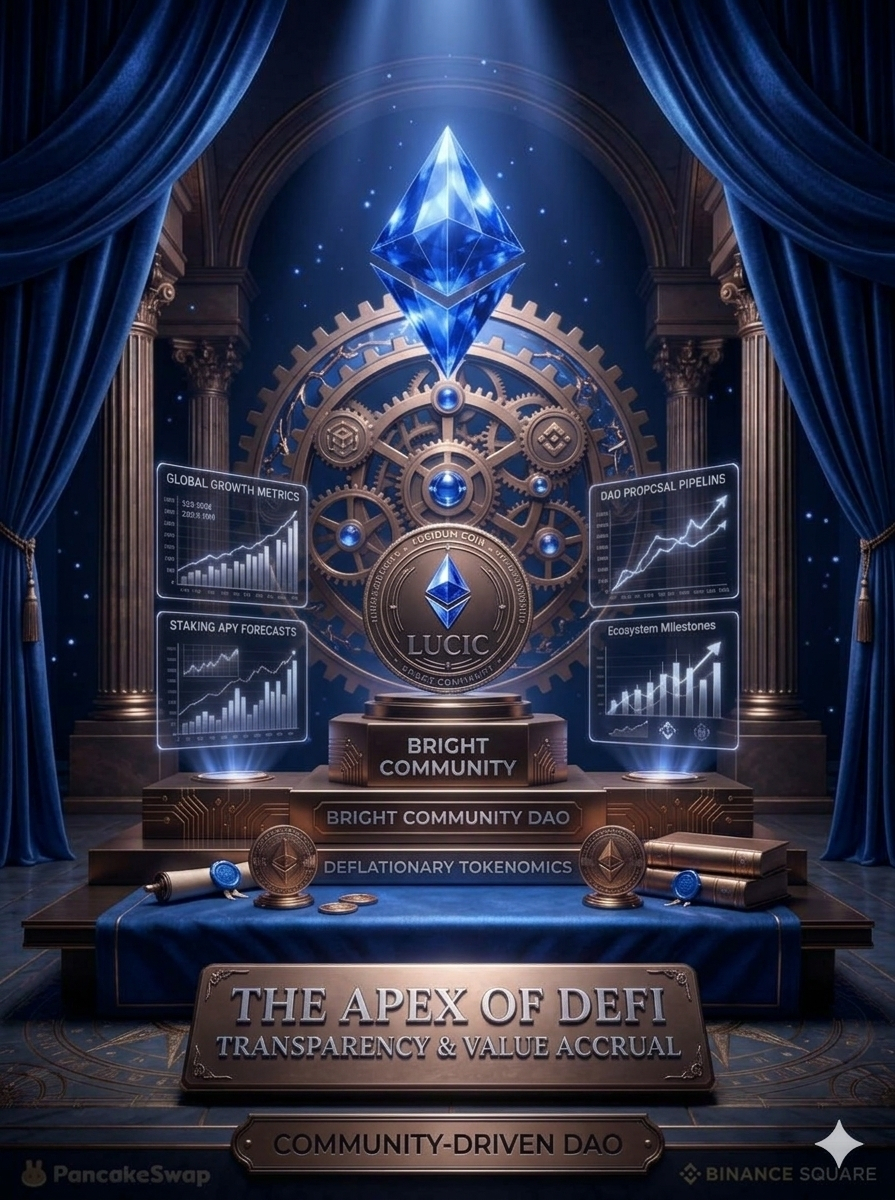
What exactly is Lucidum Coin ($LUCIC)? At its core, it’s a BEP-20 token that combines the viral appeal of meme culture with serious decentralized utility. It addresses common DeFi trust issues by implementing an automatic 1% token burn to reduce supply over time and introducing governance-based NFTs that provide payment bonuses. Through a collective DAO, every holder has a say in the project’s direction

Deepak_XBT
·
--
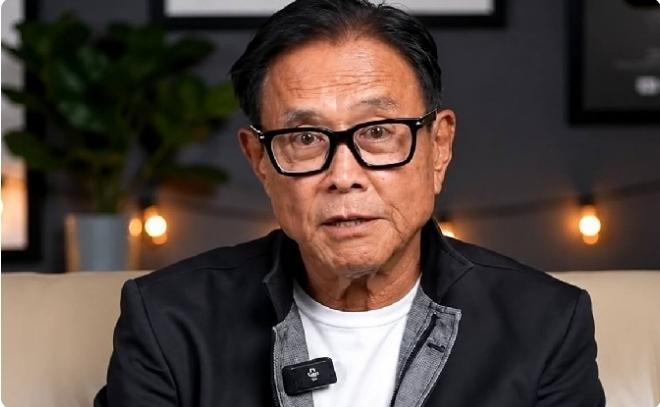
Robert Kiyosaki’s latest Bitcoin argument is less about getting rich and more about financial preparation.
He compared owning Bitcoin, gold and silver to having car insurance: you don’t buy insurance because you expect an accident, but because you want protection if something goes wrong.
His key point: governments can print more currency, potentially reducing purchasing power over time. Bitcoin’s 21 million supply cap is why he prefers it as an asset that cannot simply be printed.
But there’s an important caveat: limited supply doesn’t guarantee price stability. BTC can still fall sharply when demand weakens.
Kiyosaki also points to oil wells and rental properties as income-generating assets.
For me, the interesting question is:
Is Bitcoin becoming a form of financial insurance, or is it still primarily a risk asset?
He compared owning Bitcoin, gold and silver to having car insurance: you don’t buy insurance because you expect an accident, but because you want protection if something goes wrong.
His key point: governments can print more currency, potentially reducing purchasing power over time. Bitcoin’s 21 million supply cap is why he prefers it as an asset that cannot simply be printed.
But there’s an important caveat: limited supply doesn’t guarantee price stability. BTC can still fall sharply when demand weakens.
Kiyosaki also points to oil wells and rental properties as income-generating assets.
For me, the interesting question is:
Is Bitcoin becoming a form of financial insurance, or is it still primarily a risk asset?

艾伦Eren1688
·
--
Рост🎙️🇩🇰 拉斯穆斯·霍伊伦谈论克里斯蒂亚诺·罗纳尔多 🐐🇵🇹:
“这只是向一位可能已经结束国家队生涯的传奇人物致敬——毕竟发生了那些事。他是我心目中的伟大偶像。” 🐐
“我从克里斯蒂亚诺·罗纳尔多第一次效力曼联时就开始关注他了,随后是他在皇马和尤文图斯的时期,直到他再次回归曼联。
有趣的是,在他离开大约半年后,我也来到了那里;这感觉就像冥冥之中注定我要在某种程度上接替他的位置一样。对我来说,这是一段美妙的旅程。
克里斯蒂亚诺·罗纳尔多对我而言一直扮演着非常重要的角色。我认为他拥有极佳的心态和精神面貌。
我希望葡萄牙队和克里斯蒂亚诺能化解彼此间的矛盾。我希望他们能把问题解决好,因为如果事情以这种方式收场,那实在太可惜了。
对于这位我心目中史上最伟大的足球运动员来说,如果他的故事就这样画上句号,那真的太遗憾了。” 🐐❤️
answer:7
回答 :7
#1688家族family #PredictAndWin
“这只是向一位可能已经结束国家队生涯的传奇人物致敬——毕竟发生了那些事。他是我心目中的伟大偶像。” 🐐
“我从克里斯蒂亚诺·罗纳尔多第一次效力曼联时就开始关注他了,随后是他在皇马和尤文图斯的时期,直到他再次回归曼联。
有趣的是,在他离开大约半年后,我也来到了那里;这感觉就像冥冥之中注定我要在某种程度上接替他的位置一样。对我来说,这是一段美妙的旅程。
克里斯蒂亚诺·罗纳尔多对我而言一直扮演着非常重要的角色。我认为他拥有极佳的心态和精神面貌。
我希望葡萄牙队和克里斯蒂亚诺能化解彼此间的矛盾。我希望他们能把问题解决好,因为如果事情以这种方式收场,那实在太可惜了。
对于这位我心目中史上最伟大的足球运动员来说,如果他的故事就这样画上句号,那真的太遗憾了。” 🐐❤️
answer:7
回答 :7
#1688家族family #PredictAndWin



慢就是快Mike
·
--
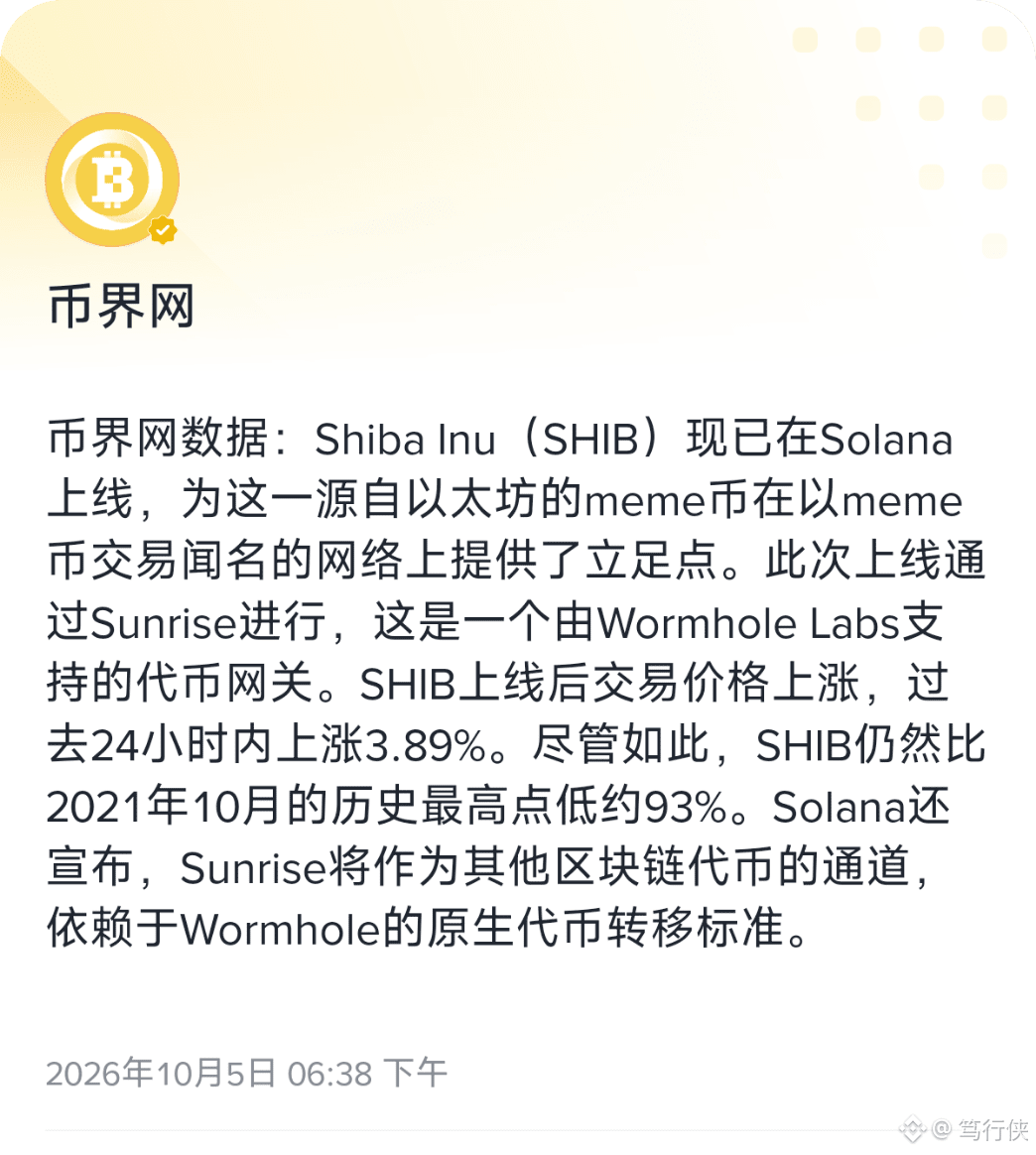
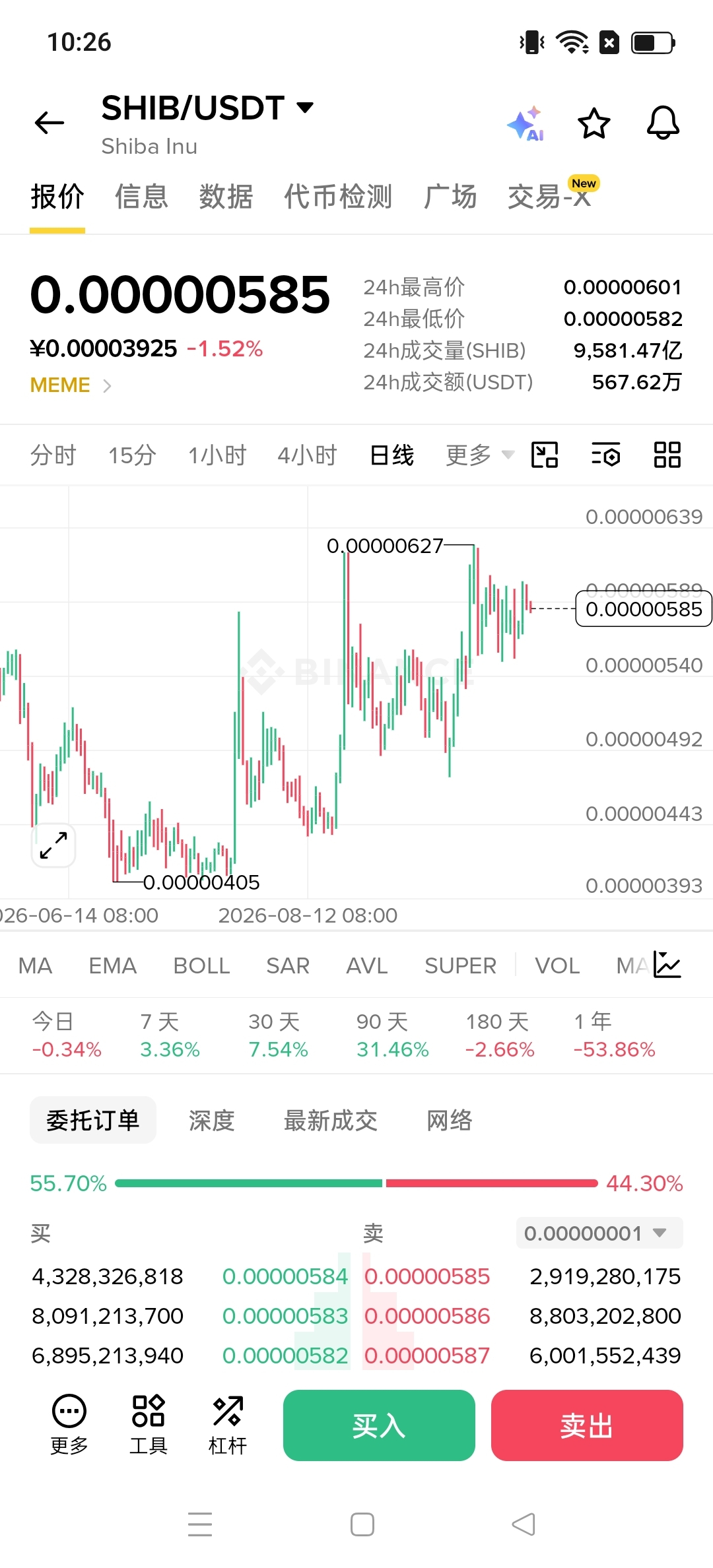
$SHIB SHIB 登陆Solana!
Sunrise网关上canonical版,Phantom、Jupiter、Raydium等9大应用同步开放
22分钟成交3,005笔
但别上头:链上流动性仅51万美元,价格才涨4%
DOGE、PEPE上线先例都是平淡收场,事件热度不是行情本体
技术面才是主角:RSI 61+3个看涨背离+200日线上方17天(年内罕见),买入信号极高!!!
Sunrise网关上canonical版,Phantom、Jupiter、Raydium等9大应用同步开放
22分钟成交3,005笔
但别上头:链上流动性仅51万美元,价格才涨4%
DOGE、PEPE上线先例都是平淡收场,事件热度不是行情本体
技术面才是主角:RSI 61+3个看涨背离+200日线上方17天(年内罕见),买入信号极高!!!

king Gulfam
·
--
Падение#futurestraders
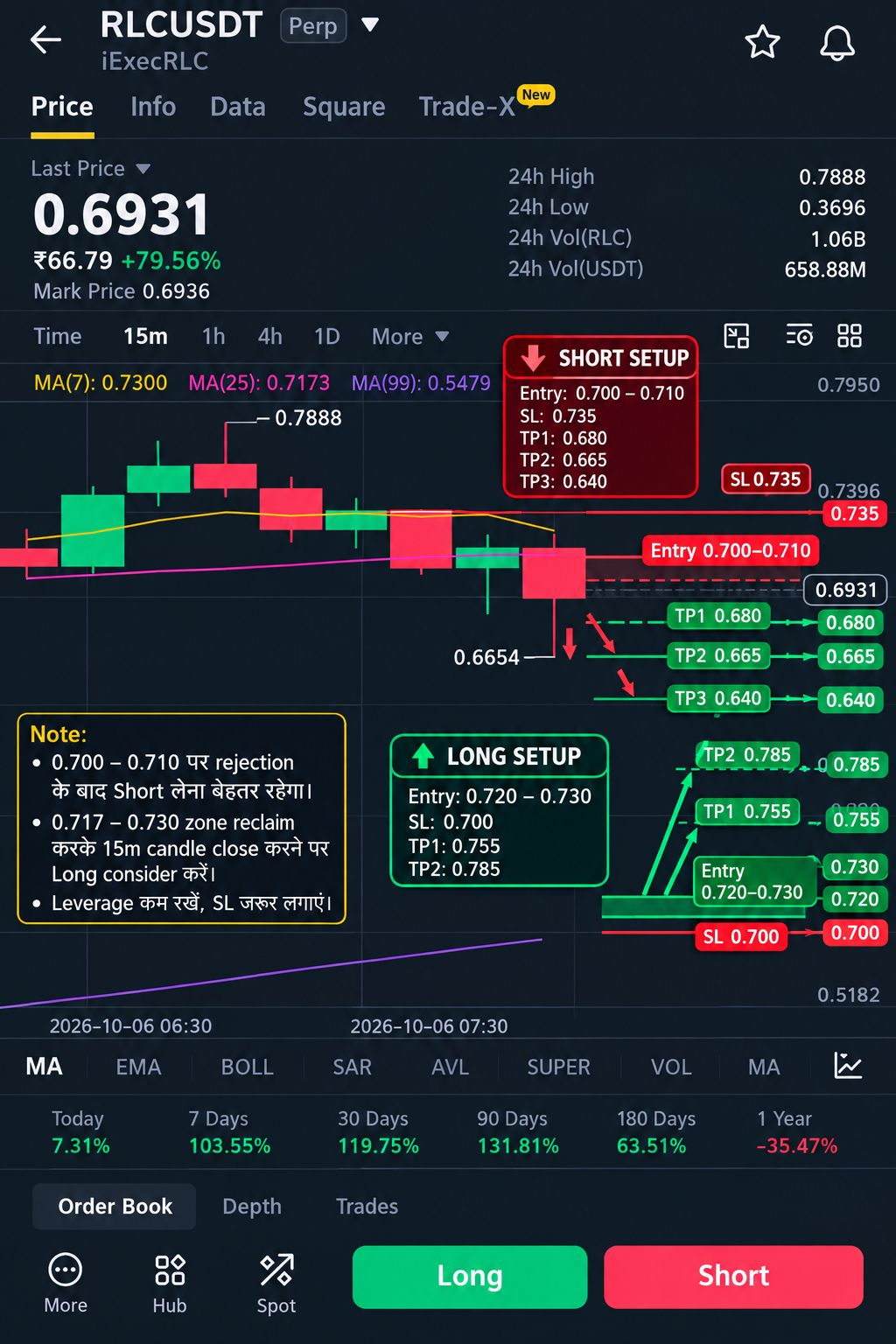
@RLC/USDT With Trade
📉 Preferred setup — SHORT
Entry: 0.700–0.710
SL: 0.735
TP1: 0.680
TP2: 0.665
TP3: 0.640
Chart me 0.6654 recent low hai; iske neeche 15m candle close milta hai to bearish continuation stronger ho sakta hai.
📈 Long kab?
Agar price 0.717–0.730 zone reclaim karke 15m candle uske upar close kare, tab Long consider karna:
Entry: 0.720–0.730
SL: 0.700
TP: 0.755 → 0.785
$RLC
$RENDER
$BTC
@RLC/USDT With Trade
📉 Preferred setup — SHORT
Entry: 0.700–0.710
SL: 0.735
TP1: 0.680
TP2: 0.665
TP3: 0.640
Chart me 0.6654 recent low hai; iske neeche 15m candle close milta hai to bearish continuation stronger ho sakta hai.
📈 Long kab?
Agar price 0.717–0.730 zone reclaim karke 15m candle uske upar close kare, tab Long consider karna:
Entry: 0.720–0.730
SL: 0.700
TP: 0.755 → 0.785
$RLC
$RENDER
$BTC

生蚝哥Oyster
·
--
Рост今日币圈热点速览(2026年10月5日)
比特币又一次冲击$87,000!早盘一度逼近八个月高点(距9月末峰值约$87,400仅差几百美元),随后回落至$86,000附近震荡,24小时仍上涨1%-2%,月初累计涨幅约2.7%。软性美国就业数据点燃降息预期,风险资产集体回暖,市场总市值重回$3万亿上方,恐惧贪婪指数站上70(贪婪区间)。“Uptober”叙事正式启动,历史十月平均涨幅可观,多头正盯着2026年开盘价$87,570这一关键阻力。
山寨表现分化但亮点十足:Cardano(ADA)暴涨超10%,创五个月新高;DOGE领涨主流币超3%;XRP、BNB同步跟涨1%-2%。机构端,Strategy(原MicroStrategy)比特币持仓市值已超$720亿,Saylor继续暗示加仓。
监管与机构重磅:
OKX与纽交所母公司ICE合资公司正式向SEC提交申请,计划在创新豁免框架下推出24/7代币化美股交易平台,首批覆盖63只纽交所股票,并以USDC/USDT等稳定币结算——TradFi与Crypto的融合再进一步。
萨尔瓦多也收获IMF最新一笔$1.38亿拨款,比特币相关豁免继续生效。
本周还需关注:美联储会议纪要(周三)、国债拍卖、以太坊Glamsterdam测试网升级,以及HYPE、ENA、APT等大额代币解锁可能带来的波动。
币圈永远不缺故事。比特币能否真正突破$87K、打开通往$90K的通道?代币化股票会不会成为下一波机构入场的催化剂?评论区聊聊你的看法——是继续看多Uptober,还是谨慎等待宏观落地?🚀
比特币又一次冲击$87,000!早盘一度逼近八个月高点(距9月末峰值约$87,400仅差几百美元),随后回落至$86,000附近震荡,24小时仍上涨1%-2%,月初累计涨幅约2.7%。软性美国就业数据点燃降息预期,风险资产集体回暖,市场总市值重回$3万亿上方,恐惧贪婪指数站上70(贪婪区间)。“Uptober”叙事正式启动,历史十月平均涨幅可观,多头正盯着2026年开盘价$87,570这一关键阻力。
山寨表现分化但亮点十足:Cardano(ADA)暴涨超10%,创五个月新高;DOGE领涨主流币超3%;XRP、BNB同步跟涨1%-2%。机构端,Strategy(原MicroStrategy)比特币持仓市值已超$720亿,Saylor继续暗示加仓。
监管与机构重磅:
OKX与纽交所母公司ICE合资公司正式向SEC提交申请,计划在创新豁免框架下推出24/7代币化美股交易平台,首批覆盖63只纽交所股票,并以USDC/USDT等稳定币结算——TradFi与Crypto的融合再进一步。
萨尔瓦多也收获IMF最新一笔$1.38亿拨款,比特币相关豁免继续生效。
本周还需关注:美联储会议纪要(周三)、国债拍卖、以太坊Glamsterdam测试网升级,以及HYPE、ENA、APT等大额代币解锁可能带来的波动。
币圈永远不缺故事。比特币能否真正突破$87K、打开通往$90K的通道?代币化股票会不会成为下一波机构入场的催化剂?评论区聊聊你的看法——是继续看多Uptober,还是谨慎等待宏观落地?🚀


YUNA萌4
·
--
🧧 Claim your reward below 💰✨
Opened a $RLC trade last night and closed it in profit.
Checked the chart later and thought…
“Maybe I should’ve held a little longer.” 👀
Sometimes, the market moves right after you close. 😂
$RLC is still making moves 🚀
$RLC
#bitcoin
Opened a $RLC trade last night and closed it in profit.
Checked the chart later and thought…
“Maybe I should’ve held a little longer.” 👀
Sometimes, the market moves right after you close. 😂
$RLC is still making moves 🚀
$RLC
#bitcoin




周周1688
·
--
🇨🇳 10月6日|Crypto Market Brief
$BNB 🧧
📊 BTC第三次冲击$87K,依然被压回
BTC目前约$85.6–86.0K,昨日再次触及$87K附近后回落;ETH约$2.71K,SOL约$120.5。
BTC已经连续第三次在$87K附近遭遇卖压,但低点仍在逐步抬高,市场正在等待真正的方向选择。整体加密市场市值约$2.93T。
🔴 ETF资金再次降温
10月5日美国现货BTC ETF净流出约$89.9M,结束此前连续两日的净流入;ETH ETF净流出约$51M,已经连续第五个交易日为负。
SOL ETF约−$9.3M,ZEC ETF约−$3.6M。
机构资金没有消失,但短线明显放慢。
🏦 企业继续买BTC、ETH
Strategy最新披露再买入334 BTC,持仓达到约848,000 BTC。
同时,Strive买入约2,000 BTC;BitMine则增加约15,112 ETH。
价格横盘,但企业Treasury仍在持续吸收现货。
🔥 HYPE今日迎来大额解锁
Hyperliquid今日释放3.75M HYPE,价值约$340M,约占流通供应1.69%。
但这批代币并非直接砸向公开市场,而是由团队通过OTC方式出售给单一机构买家,因此短期实际卖压可能低于表面数字。
🌡️ 宏观又出现一个矛盾信号
美国9月ISM Services PMI降至54.9,经济仍在扩张;但Prices Paid升至74,为2022年7月以来最高。
经济没有明显熄火,价格压力却重新升温,这也是美债收益率和美元继续压制BTC的重要原因。
⛓️ Ethereum:Glamsterdam进入关键测试阶段
Ethereum今日在Sepolia测试网进行Glamsterdam升级。
这是主网升级前的重要测试,但目前仍不是主网上线,正式日期尚未确定。
📊 Market Snapshot
BTC ≈ $85.6–86.0K
ETH ≈ $2.71K
SOL ≈ $120.5
BTC Dominance ≈ 58%
Fear & Greed ≈ 73
Market Cap ≈ $2.93T
🎯 今天的市场其实很简单:
$85K还在, $87K还没破, ETF开始降温, 企业Treasury却还在买。
上方是阻力, 下方有资金承接。
BTC现在最缺的不是故事,
而是一次真正站稳$87K的动作。
#1688家族family #crypto #RWA赛道 #DEFİ
$BNB 🧧
📊 BTC第三次冲击$87K,依然被压回
BTC目前约$85.6–86.0K,昨日再次触及$87K附近后回落;ETH约$2.71K,SOL约$120.5。
BTC已经连续第三次在$87K附近遭遇卖压,但低点仍在逐步抬高,市场正在等待真正的方向选择。整体加密市场市值约$2.93T。
🔴 ETF资金再次降温
10月5日美国现货BTC ETF净流出约$89.9M,结束此前连续两日的净流入;ETH ETF净流出约$51M,已经连续第五个交易日为负。
SOL ETF约−$9.3M,ZEC ETF约−$3.6M。
机构资金没有消失,但短线明显放慢。
🏦 企业继续买BTC、ETH
Strategy最新披露再买入334 BTC,持仓达到约848,000 BTC。
同时,Strive买入约2,000 BTC;BitMine则增加约15,112 ETH。
价格横盘,但企业Treasury仍在持续吸收现货。
🔥 HYPE今日迎来大额解锁
Hyperliquid今日释放3.75M HYPE,价值约$340M,约占流通供应1.69%。
但这批代币并非直接砸向公开市场,而是由团队通过OTC方式出售给单一机构买家,因此短期实际卖压可能低于表面数字。
🌡️ 宏观又出现一个矛盾信号
美国9月ISM Services PMI降至54.9,经济仍在扩张;但Prices Paid升至74,为2022年7月以来最高。
经济没有明显熄火,价格压力却重新升温,这也是美债收益率和美元继续压制BTC的重要原因。
⛓️ Ethereum:Glamsterdam进入关键测试阶段
Ethereum今日在Sepolia测试网进行Glamsterdam升级。
这是主网升级前的重要测试,但目前仍不是主网上线,正式日期尚未确定。
📊 Market Snapshot
BTC ≈ $85.6–86.0K
ETH ≈ $2.71K
SOL ≈ $120.5
BTC Dominance ≈ 58%
Fear & Greed ≈ 73
Market Cap ≈ $2.93T
🎯 今天的市场其实很简单:
$85K还在, $87K还没破, ETF开始降温, 企业Treasury却还在买。
上方是阻力, 下方有资金承接。
BTC现在最缺的不是故事,
而是一次真正站稳$87K的动作。
#1688家族family #crypto #RWA赛道 #DEFİ


Elite Crypto Club 秘密
·
--
Sometimes, you don’t need to understand the storm… you just need to sit quietly, trust Allah, and let Him guide your way.” 🌧️🤍🕊️
$BTC
@Elite Crypto Club 秘密
#GreekPoliceBustCryptoScamRingArrest17
$BTC
@Elite Crypto Club 秘密
#GreekPoliceBustCryptoScamRingArrest17



Войдите, чтобы посмотреть больше материала