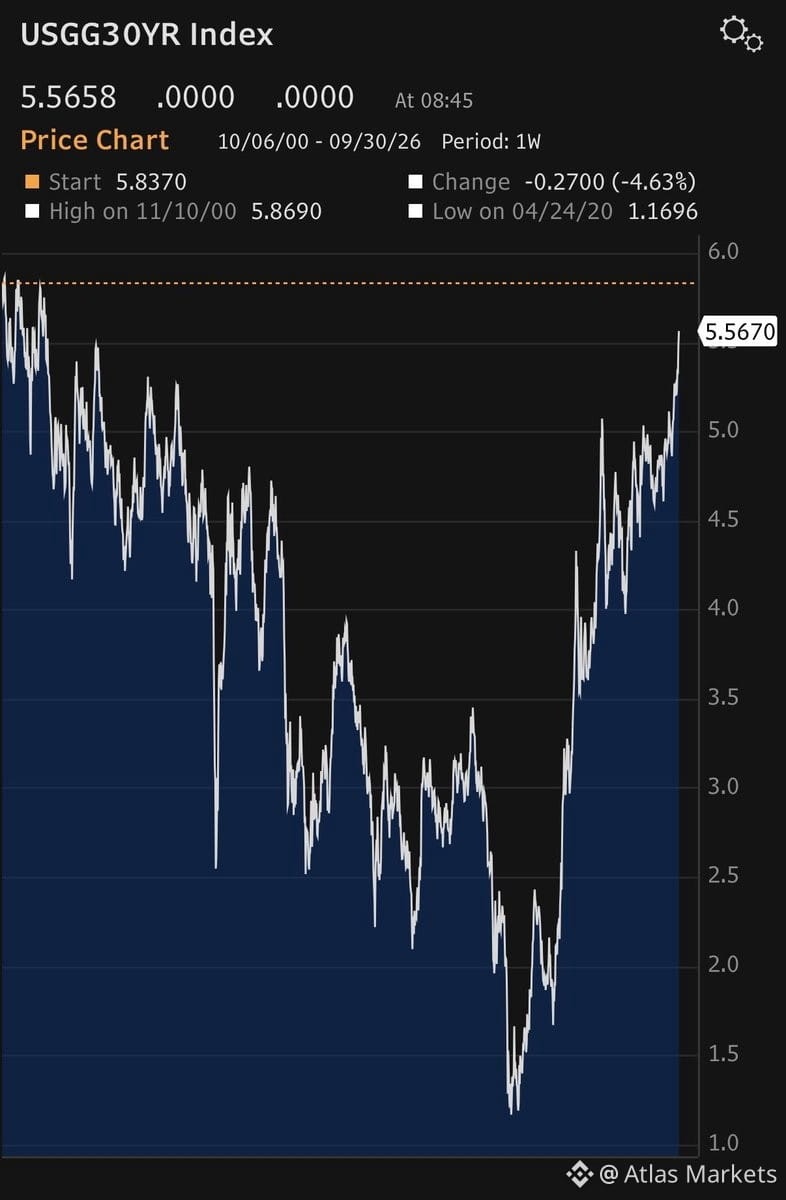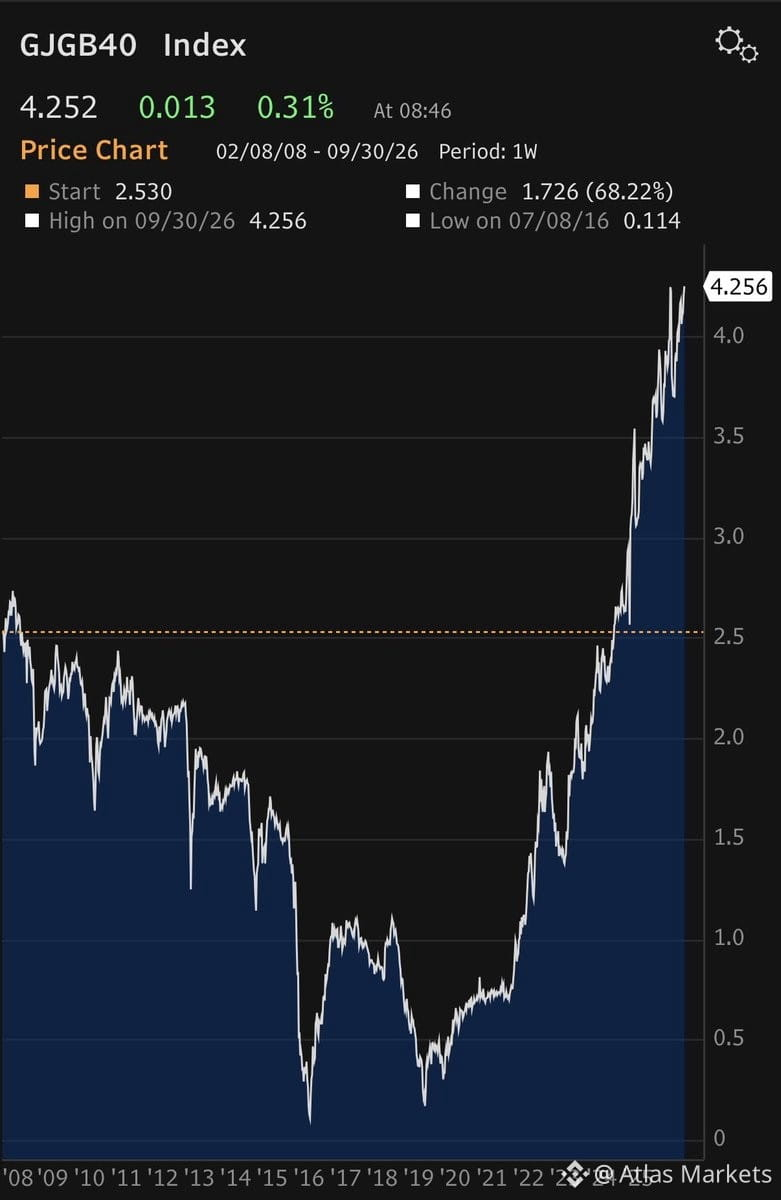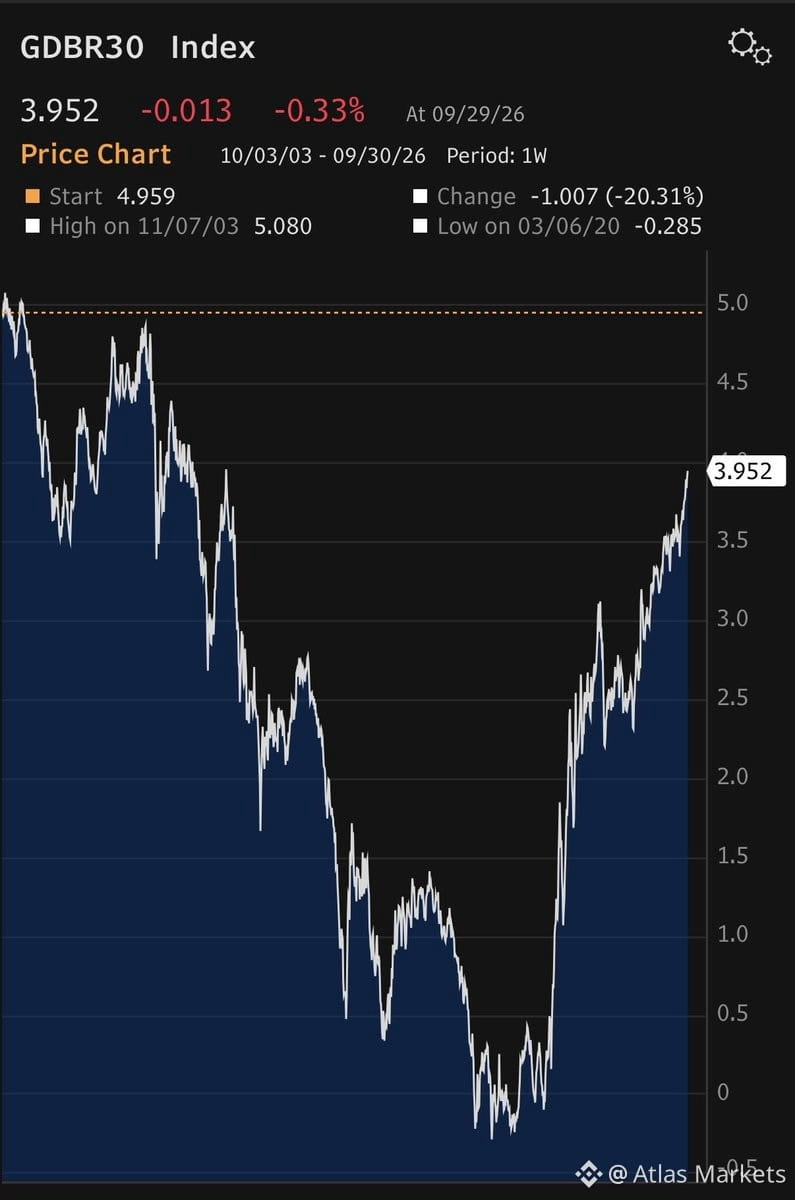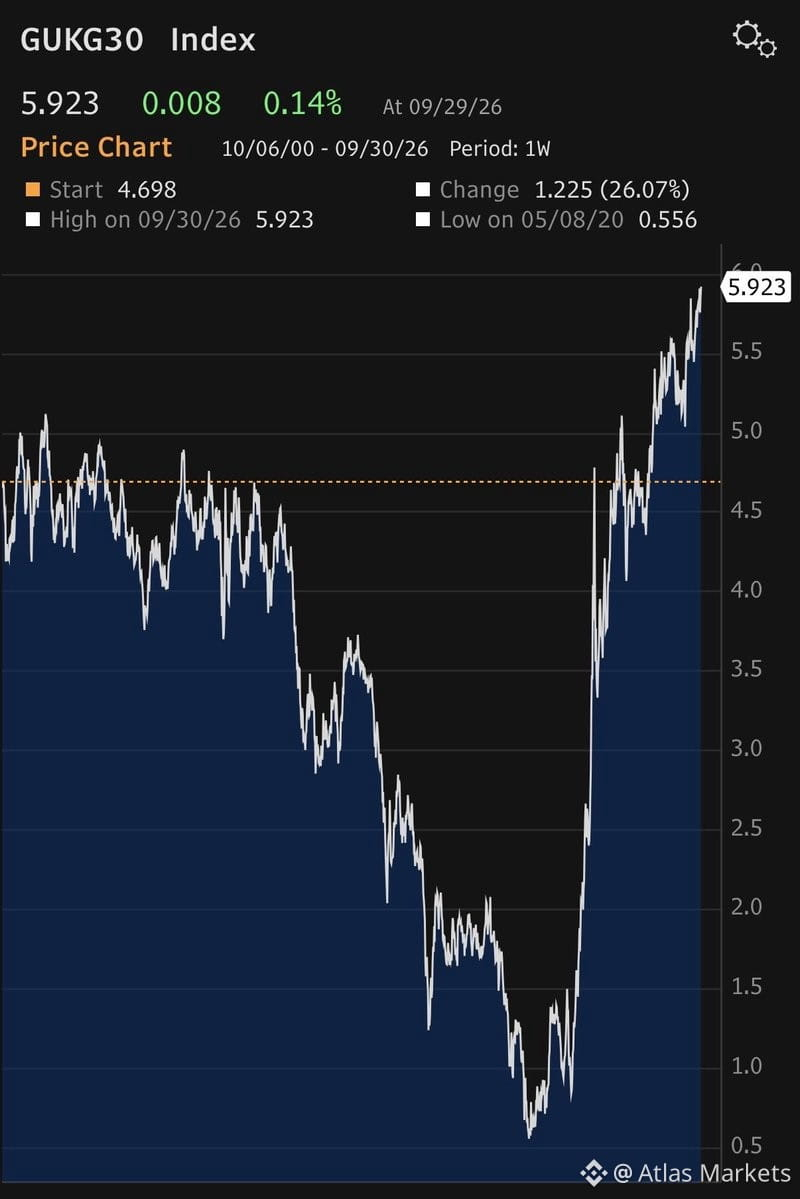
Long-term government borrowing costs in the US, Japan, and Europe just hit generational highs. This isn't abstract—it's a real constraint on fiscal flexibility. Governments can't spend their way out of the next crisis like they did in 2020. The policy toolkit is narrowing fast.
Monetary policy is back to being the only major lever left for emergencies. That's a problem. Central banks are already stretched, balance sheets are bloated, and rate-cut ammunition is limited. If something breaks—recession, financial stress, geopolitical shock—don't expect massive fiscal stimulus. Expect rate cuts and liquidity injections, which may not be enough.
This setup changes the game for risk assets. Fiscal backstops were a key reason equities rallied so hard post-COVID. Without that safety net, volatility could spike harder and recoveries could take longer. Watch sovereign bond yields closely—they're signaling a structural shift in how governments and markets will handle the next downturn.
Monetary policy is back to being the only major lever left for emergencies. That's a problem. Central banks are already stretched, balance sheets are bloated, and rate-cut ammunition is limited. If something breaks—recession, financial stress, geopolitical shock—don't expect massive fiscal stimulus. Expect rate cuts and liquidity injections, which may not be enough.
This setup changes the game for risk assets. Fiscal backstops were a key reason equities rallied so hard post-COVID. Without that safety net, volatility could spike harder and recoveries could take longer. Watch sovereign bond yields closely—they're signaling a structural shift in how governments and markets will handle the next downturn.