Headline vs. Reality: Russia’s Crypto Exchange Application Window
Headlines are claiming Russia is opening its crypto market on October 5, but a closer look reveals a far more nuanced reality.
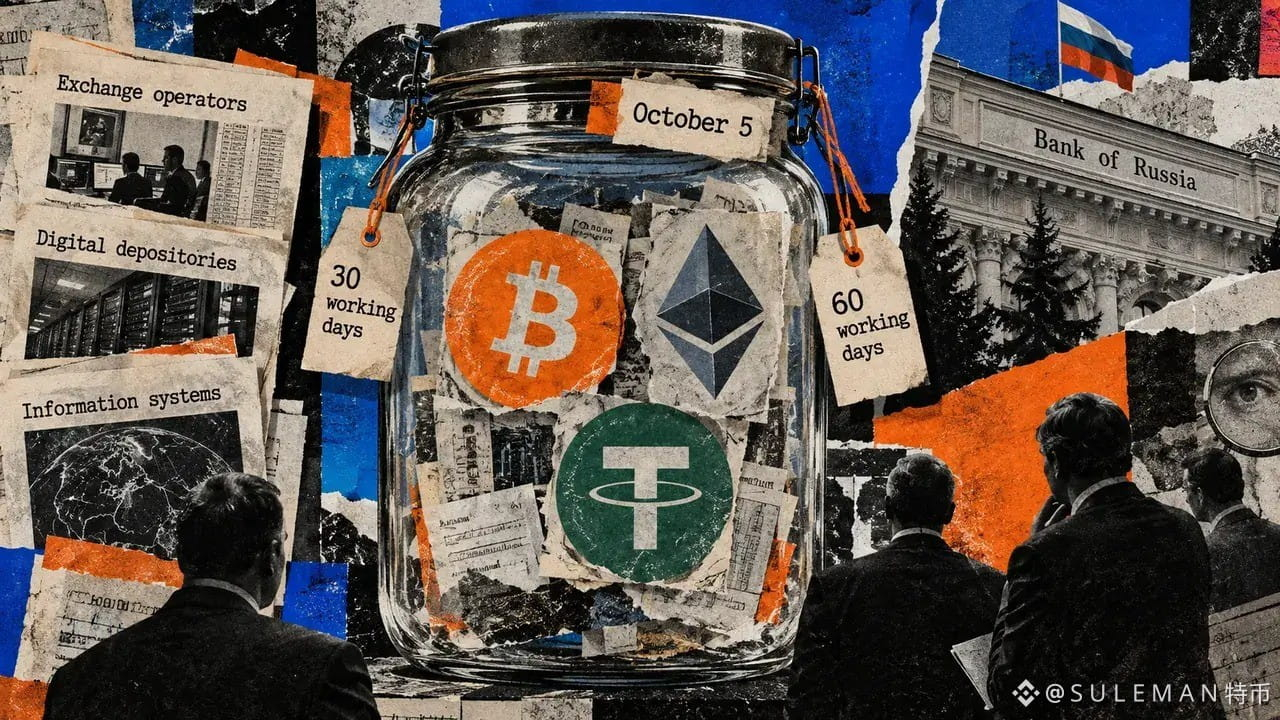
Opening an application window for exchange registration is vastly different from launching live retail trading. While the Bank of Russia will begin accepting electronic applications from exchanges and digital depositories under Federal Law 282-FZ, this is merely step one of a extended administrative pipeline:
* No Instant Approvals: The central bank has 30 working days to evaluate exchange operators and up to 60 working days for depositories. That clock only starts after every single required document is received.
* Retail Trading Lacks Clearance: Even if an exchange gets listed on the official register, retail access remains on hold. Decisions regarding which assets—such as Bitcoin, Ethereum, or USDT—non-qualified investors can legally buy belong to a completely separate directive.
* Strict Investor Limits: Once cleared, non-qualified retail traders will face compulsory qualification testing and a 300,000-ruble ($3,200) annual limit per intermediary.
The Takeaway:
Russia is undeniably building a formal, state-monitored framework for digital assets. However, October 5 is an administrative starting line for institutions—not a retail "green light" for Bitcoin trading. Expect fully operational trading closer to late 2026 rather than early autumn.
$Q
$USELESS
$BTC
Headlines are claiming Russia is opening its crypto market on October 5, but a closer look reveals a far more nuanced reality.
Opening an application window for exchange registration is vastly different from launching live retail trading. While the Bank of Russia will begin accepting electronic applications from exchanges and digital depositories under Federal Law 282-FZ, this is merely step one of a extended administrative pipeline:
* No Instant Approvals: The central bank has 30 working days to evaluate exchange operators and up to 60 working days for depositories. That clock only starts after every single required document is received.
* Retail Trading Lacks Clearance: Even if an exchange gets listed on the official register, retail access remains on hold. Decisions regarding which assets—such as Bitcoin, Ethereum, or USDT—non-qualified investors can legally buy belong to a completely separate directive.
* Strict Investor Limits: Once cleared, non-qualified retail traders will face compulsory qualification testing and a 300,000-ruble ($3,200) annual limit per intermediary.
The Takeaway:
Russia is undeniably building a formal, state-monitored framework for digital assets. However, October 5 is an administrative starting line for institutions—not a retail "green light" for Bitcoin trading. Expect fully operational trading closer to late 2026 rather than early autumn.
$Q
$USELESS
$BTC