

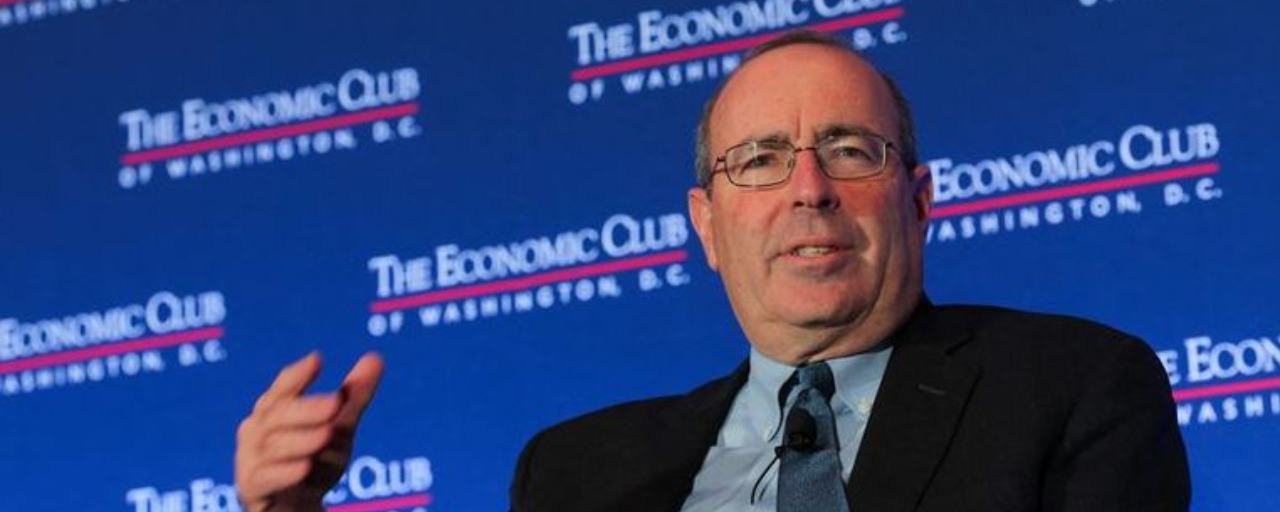
Thomas Barkin, President of the Federal Reserve Bank of Richmond, who is not a voting member of the Federal Open Market Committee (FOMC) in 2026 — Philadelphia holds Richmond's rotating seat this year- delivered one of the week's more hawkish inflation comments.
He's seeing more price pressures than he's comfortable with. He isn't buying the argument that a handful of categories exposed to the Middle East conflict or tariffs explain it all: much of the Personal Consumption Expenditures Price Index is running above a 3% annual rate, and the shocks officials expected to fade are instead proving persistent. That combination is why the risks to inflation now outweigh the risks to maximum employment, Barkin said, and why the Fed raised rates at last week's meeting.
He called the quarter-point hike a step toward restoring inflation to the Fed's 2% target, but stopped short of committing to a path forward — whether more increases are needed, and how many, remains an open question.
Turning to growth, Barkin struck a firmer tone: conditions are, if anything, strengthening, with consumer spending holding up and momentum building well beyond the artificial intelligence boom.
Defense contractors are busy, manufacturers sound more upbeat, and bankers describe healthy pipelines. He wouldn't call it overheating just yet, but was direct about the direction — the economy, he said, is "firming, not weakening."
On the ground, businesses still feel they have pricing power, he added, and with the era of uncertainty easing, both companies and institutions are growing more willing to commit to investment and spending decisions.
Key Quotes:
Inflation
Seeing more price pressures than I'm comfortable with.
Even the passing shocks that were expected to fade are not proving to be short-lived or one-off events; they are producing more persistent price pressures than we initially expected.
It is tempting to blame high inflation on a handful of categories with particularly high exposure to the Middle East conflict or tariffs, but much of the Personal Consumption Expenditures Price Index is increasing at a greater than 3% annual rate.
Tempering business expectations about inflation may help cool price pressures versus needing to rely on demand destruction.
Monetary Policy
The risks to inflation outweigh the risks to maximum employment. That is why we raised rates at last week's meeting.
The quarter-percentage-point rate hike will help restore inflation to the Federal Reserve's 2% target.
Will additional rate hikes be required, and how many? We'll see.
Growth & Economy
U.S. economic conditions are, if anything, firming, with continued consumer spending and strength extending beyond the artificial intelligence boom.
Would not yet make an overheating case, but economy is firming and not weakening.
On the Ground / Real Economy Feedback
I am hearing momentum outside of data centers, too. The defense sector is hot, manufacturing contacts are starting to sound more upbeat, and bankers tell us their business pipelines are healthy.
Many businesses still feel they have pricing power.
Businesses and institutions are less reluctant to make investment and spending decisions after era of uncertainty.