Binance Square
Emmaa alex02
10.6k Публикации

Emmaa alex02

Square Verified+
crypto learning /Binance update I Bigneer -Frindly/No financial Advice 🌸
841 подписок(и/а)
33.2K+ подписчиков(а)
23.2K+ понравилось
Посты
PINNED
·
--
eth
eth
Shaheen 69
·
--
Рост
🎁 ETH RED PACKET ALERT! 🔥

A special surprise for my amazing supporters! ❤️

Your likes, comments, shares, and constant support keep this community growing. 🙌

Today, I’m sharing an Ethereum Red Packet 🎁 with you!

Stay active, keep learning, and keep supporting each other. 🚀

Good luck, ETH family! 🍀
Claim your reward before it’s gone! ⚡

$BTC
$ETH

7

7
Aria Daisy 阿莉娅_黛西
·
--
Рост
🎁 $XRP COIN GIVEAWAY 🎁

I’m giving away 1,000 XRP to 3000 lucky winners!

How to participate: ✅ Follow me ✅
💬 Comment 2

That’s it! Simple and easy.

Thank you for all the love and support ❤️
Good luck everyone 🔥

#Xrp🔥🔥 #ARBRises30%OnRobinhoodChainRevenue #Japan10YYieldHits3%FirstSince1996

Dubai

Dubai
Leo - F0
·
--
Рост
🧧🧧🔥GOOD MORNİNG FROM DUBAİ, FAMİLY. I'VE PREPARED A SPECIAL GİFT FOR YOU.🔥🧧🧧

"Watch the green candles from the top-floor view, Chasing the lifestyle that was built for you."

$BTC 🔥🔥🧧🧧
#金价升破4400美元创两月高
$BNB $ETH @Elena神话MUA
#1688家族family 💚 @周周1688
#BitcoinHolds$78K #xrp #TRUMP @Hawk自由哥

bnb
bnb
Shaheen 69
·
--
Рост
🎁 A Little Gift for My Binance Family! 🧧

Trading is not only about charts and profits—it’s also about sharing opportunities and celebrating together. ❤️

Today, I’m sharing Red Packet rewards and gifts with Binance users as a small thank-you for your support.

Keep learning, keep trading smart, and keep growing together. 🚀

Good luck everyone! 🍀
Shaheen69 🧧💛

$BNB

bnb
bnb
Crypto Wolf Official
·
--
Binance Square 25k Follow Giveaway 🚀🎉

I’m turning the 25K follower mark into a celebration for the people who made it possible. 🎁

No big promises. Just Reach 25K
Unlock the giveaway. 🔓🔥
Just comment = BNB

#BinanceSquare #25K #Giveaway #Crypto

hi
hi
Цитируемый контент удален
bnb
bnb
Crypto Wolf Official
·
--
Binance Square 25k Follow Giveaway 🚀🎉

I’m turning the 25K follower mark into a celebration for the people who made it possible. 🎁

No big promises. Just Reach 25K
Unlock the giveaway. 🔓🔥
Just comment = BNB

#BinanceSquare #25K #Giveaway #Crypto
hi
hi
Цитируемый контент удален
xrp
xrp
RCB signal
·
--
claim web3 benefits 👈🎁
.
.


join here 👈🎁
join
join
Dua _加密 143
·
--
[Завершено] 🎙️ welcome 🤗
Слушатели: 361

🎙️ 超人100U定投BTC的第17天
cover
Завершено
03 ч 42 мин 23 сек
14.2k
24
23
Take Profit at 0.011 $DOGS {future}(DOGSUSDT) SHORT $ACT now 📉 $ACTUSDT Perp Entry: Current Price TP: 0.011 Trade smart & manage risk. ⚡ DOGS is facing seller pressure near resistance. If buyers fail to reclaim this zone, another move lower is possible. 📉
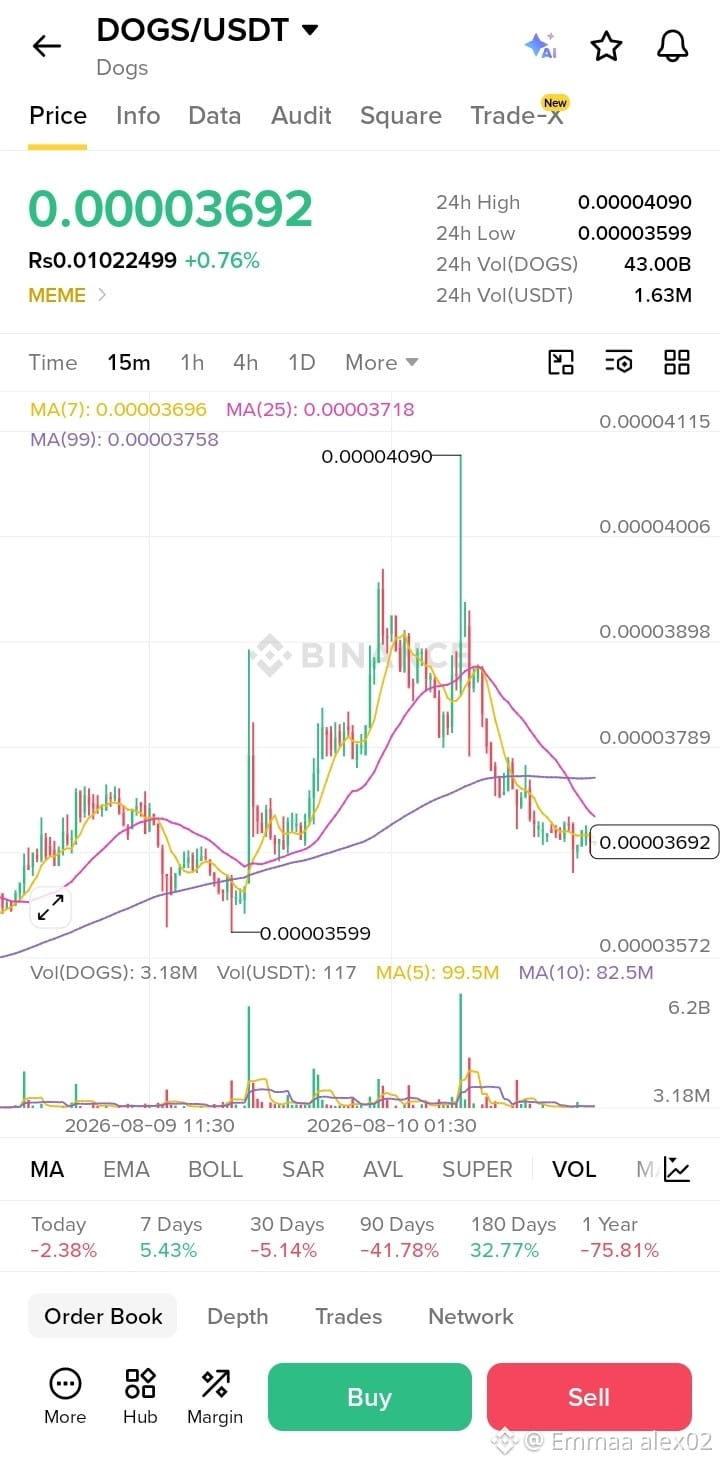
Take Profit at 0.011

$DOGS

SHORT $ACT now 📉

$ACTUSDT Perp

Entry: Current Price
TP: 0.011

Trade smart & manage risk. ⚡

DOGS is facing seller pressure near resistance. If buyers fail to reclaim this zone, another move lower is possible. 📉
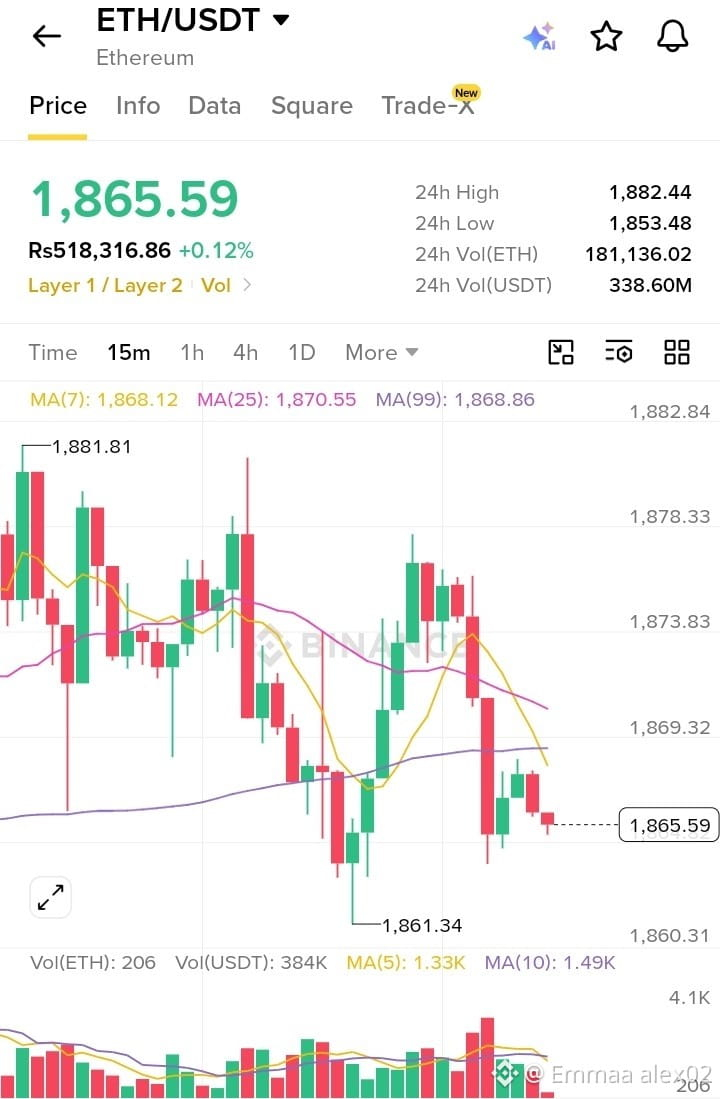
ETH bearish pressure is building as price trades below key resistance, with sellers keeping momentum on their side. Trading Plan SHORT: $ETH 📍 Entry: 1867 – 1872 🛑 Stop-Loss: 1883 🎯 TP1: 1860 🎯 TP2: 1853 🎯 TP3: 1845 $ETH continues to print lower highs while buyers struggle to reclaim resistance. If price rejects the 1867–1872 liquidity zone, the bearish structure remains valid and another move toward lower support could follow. Click and Trade $ETH here 👇 $ETH {future}(ETHUSDT) Current Price: 1865.59 #ETH #Ethereum #ETHUSDT t#TechnicalAnalysis #tradingplan
ETH bearish pressure is building as price trades below key resistance, with sellers keeping momentum on their side.

Trading Plan SHORT: $ETH
📍 Entry: 1867 – 1872

🛑 Stop-Loss: 1883
🎯 TP1: 1860
🎯 TP2: 1853
🎯 TP3: 1845

$ETH continues to print lower highs while buyers struggle to reclaim resistance. If price rejects the 1867–1872 liquidity zone, the

bearish structure remains valid and another move toward lower support could follow.
Click and Trade $ETH here 👇

$ETH

Current Price: 1865.59

#ETH #Ethereum #ETHUSDT t#TechnicalAnalysis #tradingplan
Bitcoin is approaching a critical level, and the market is paying close attention. If buyers continue to defend the current momentum, BTC could be preparing for its next major move. No one can predict the market with certainty, so staying patient, managing risk, and avoiding emotional trades is always the smarter approach. #BTC #BinanceSquare #crypto #trading #DYOR🟢 $BTC {future}(BTCUSDT)
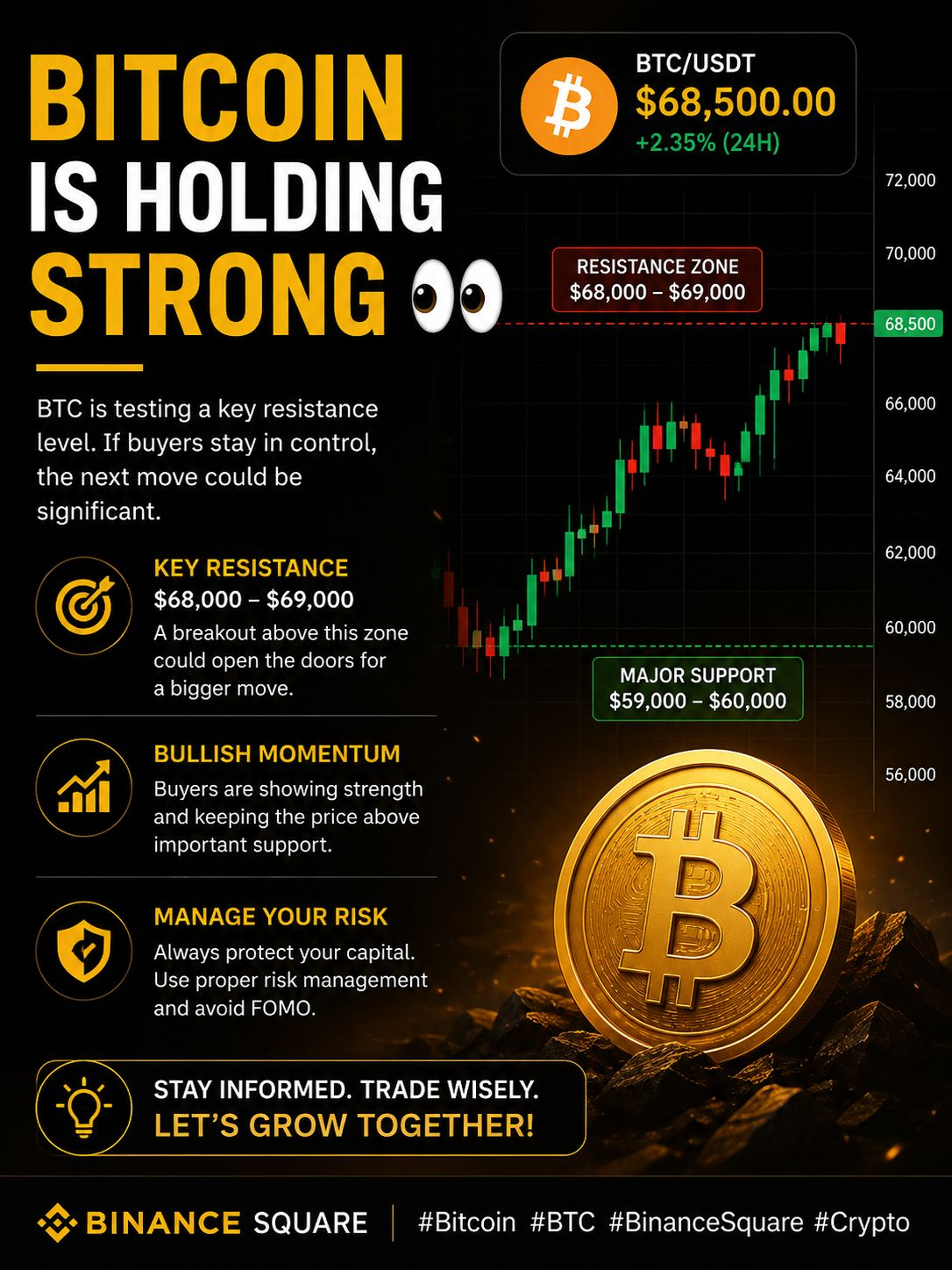
Bitcoin is approaching a critical level, and the market is paying close attention.

If buyers continue to defend the current momentum, BTC could be preparing for its next major move.
No one can predict the market with certainty, so staying patient,

managing risk, and avoiding emotional trades is always the smarter approach.

#BTC #BinanceSquare #crypto

#trading #DYOR🟢

$BTC
Статья
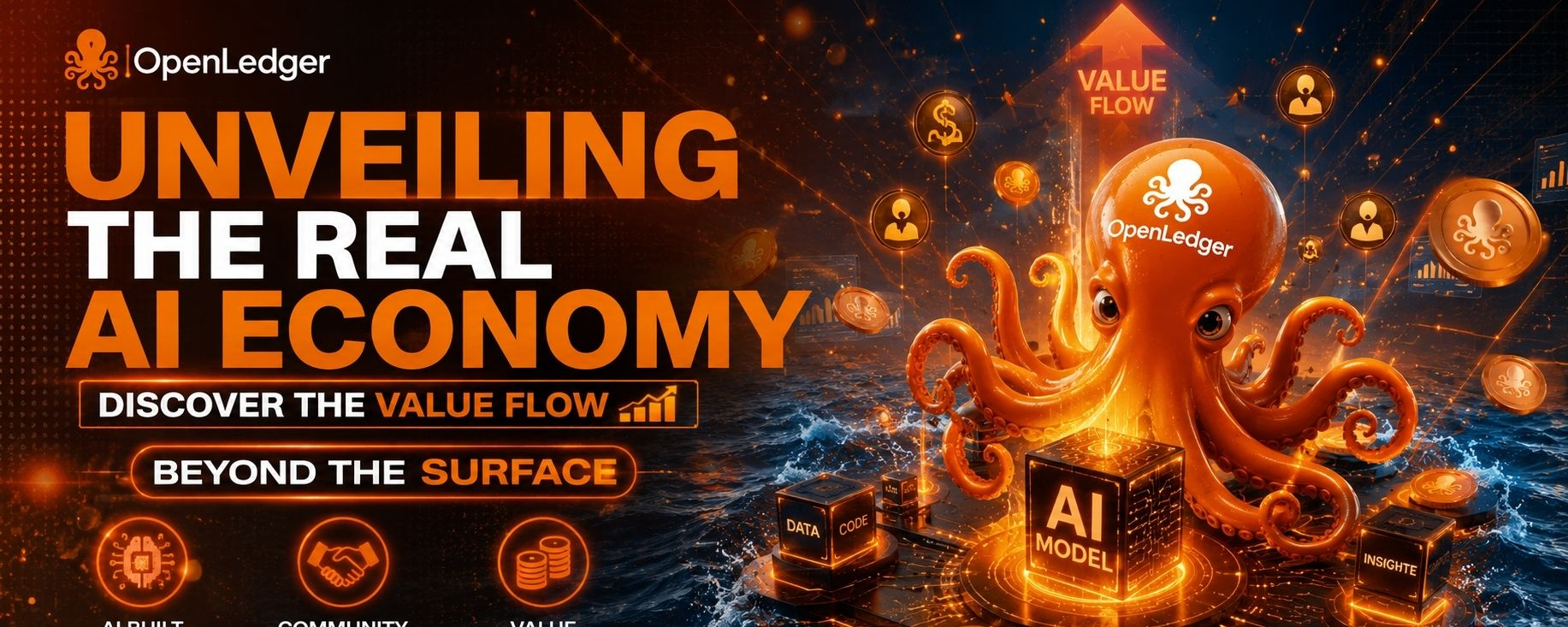
OpenLedger and the Hidden Economics of AI Value Beneath the SurfaceA few nights ago I found myself jumping between AI infrastructure discussions and on-chain dashboards. Not because I was looking for anything specific, but because sometimes patterns become visible when you stop chasing headlines and start watching how systems actually behave. At first, everything looked familiar. New AI protocols. New agent frameworks. New claims about autonomous economies and decentralized intelligence. The language changes every few months, but the underlying promise often stays the same: smarter models will create more value. The more I thought about it, the less convinced I became that intelligence is the real bottleneck. What if the harder problem is economic coordination? AI today is built by an enormous network of contributors who rarely share the same incentives. Data contributors, model developers, compute providers, application builders, researchers, and users all participate in value creation. Yet most of them operate in separate environments with separate reward systems. The final product gets attention. The process that created it often disappears. That feels increasingly important because intelligence itself is becoming more accessible. Models are improving faster, costs are falling, and open-source alternatives continue to close gaps that once looked impossible to bridge. When intelligence becomes abundant, scarcity moves elsewhere. It moves toward ownership. It moves toward attribution. It moves toward understanding who contributed value and how that value should be rewarded. This is one reason OpenLedger caught my attention. Not because it claims to build better intelligence than everyone else, but because it appears focused on the economic structure around intelligence production. That distinction matters. Most discussions around AI infrastructure focus on model capability. OpenLedger seems more interested in making contributions measurable and economically visible. The challenge is not simply creating intelligence. The challenge is creating systems where contributors can participate in the value generated by that intelligence. That sounds simple until you examine how difficult attribution becomes in practice. Useful data rarely arrives in a neat package. Model improvements often come from thousands of small inputs. Some contributions become valuable immediately. Others only reveal their importance months later. Trying to track all of this introduces complexity, and complexity creates opportunities for manipulation. Every incentive system eventually attracts behavior designed to maximize rewards rather than maximize usefulness. Crypto has shown this repeatedly. People optimize for the metric. Then the metric starts drifting away from the original goal. The question is never whether this happens. The question is whether a system can continue functioning when it does. That may be the real test for AI infrastructure moving forward. Not whether it can operate under perfect conditions, but whether it remains useful when participants aggressively search for edge cases, loopholes, and economic advantages. Because that pressure is unavoidable. What makes the conversation interesting is that AI assets do not behave like traditional assets. Data, models, and agents all have different lifecycles. Some become obsolete quickly. Others remain valuable for years in specialized environments. Yet markets often attempt to treat them as if they belong inside the same liquidity framework. That mismatch creates friction. And friction usually points toward unsolved problems. Maybe the next phase of AI is less about building smarter systems and more about building better economic rails around the people who contribute to those systems. Rights. Provenance. Attribution. Reward distribution. Ownership. These topics sound less exciting than model benchmarks, but they may end up defining how value actually moves across the AI economy. I'm not certain any single project has solved this yet. But I increasingly suspect that the future of AI infrastructure will be determined not only by who creates intelligence, but by who creates the fairest and most durable system for distributing the value that intelligence generates. That is the idea I keep returning to. And for now, I'm still watching. $OPEN @Openledger #OpenLedger

OpenLedger and the Hidden Economics of AI Value Beneath the Surface

A few nights ago I found myself jumping between AI infrastructure discussions and on-chain dashboards. Not because I was looking for anything specific,
but because sometimes patterns become visible when you stop chasing headlines and start watching how systems actually behave.
At first, everything looked familiar.
New AI protocols. New agent frameworks. New claims about autonomous economies and decentralized intelligence.
The language changes every few months, but the underlying promise often stays the same: smarter models will create more value.
The more I thought about it, the less convinced I became that intelligence is the real bottleneck.
What if the harder problem is economic coordination?
AI today is built by an enormous network of contributors who rarely share the same incentives.
Data contributors, model developers, compute providers, application builders, researchers, and users all participate in value creation. Yet most of them operate in separate environments with separate reward systems.
The final product gets attention.
The process that created it often disappears.
That feels increasingly important because intelligence itself is becoming more accessible. Models are improving faster, costs are falling, and open-source alternatives continue to close gaps that once looked impossible to bridge.
When intelligence becomes abundant, scarcity moves elsewhere.
It moves toward ownership.
It moves toward attribution.
It moves toward understanding who contributed value and how that value should be rewarded.
This is one reason OpenLedger caught my attention.
Not because it claims to build better intelligence than everyone else, but because it appears focused on the economic structure around intelligence production.
That distinction matters.
Most discussions around AI infrastructure focus on model capability. OpenLedger seems more interested in making contributions measurable and economically visible.
The challenge is not simply creating intelligence. The challenge is creating systems where contributors can participate in the value generated by that intelligence.
That sounds simple until you examine how difficult attribution becomes in practice.
Useful data rarely arrives in a neat package.
Model improvements often come from thousands of small inputs.
Some contributions become valuable immediately. Others only reveal their importance months later.
Trying to track all of this introduces complexity, and complexity creates opportunities for manipulation.
Every incentive system eventually attracts behavior designed to maximize rewards rather than maximize usefulness.
Crypto has shown this repeatedly.
People optimize for the metric.
Then the metric starts drifting away from the original goal.
The question is never whether this happens.
The question is whether a system can continue functioning when it does.
That may be the real test for AI infrastructure moving forward.
Not whether it can operate under perfect conditions, but whether it remains useful when participants aggressively search for edge cases, loopholes, and economic advantages.
Because that pressure is unavoidable.
What makes the conversation interesting is that AI assets do not behave like traditional assets. Data, models, and agents all have different lifecycles. Some become obsolete quickly. Others remain valuable for years in specialized environments.
Yet markets often attempt to treat them as if they belong inside the same liquidity framework.
That mismatch creates friction.
And friction usually points toward unsolved problems.
Maybe the next phase of AI is less about building smarter systems and more about building better economic rails around the people who contribute to those systems.
Rights.
Provenance.
Attribution.
Reward distribution.
Ownership.
These topics sound less exciting than model benchmarks, but they may end up defining how value actually moves across the AI economy.
I'm not certain any single project has solved this yet.
But I increasingly suspect that the future of AI infrastructure will be determined not only by who creates intelligence, but by who creates the fairest and most durable system for distributing the value that intelligence generates.
That is the idea I keep returning to.
And for now, I'm still watching.
$OPEN @OpenLedger
#OpenLedger
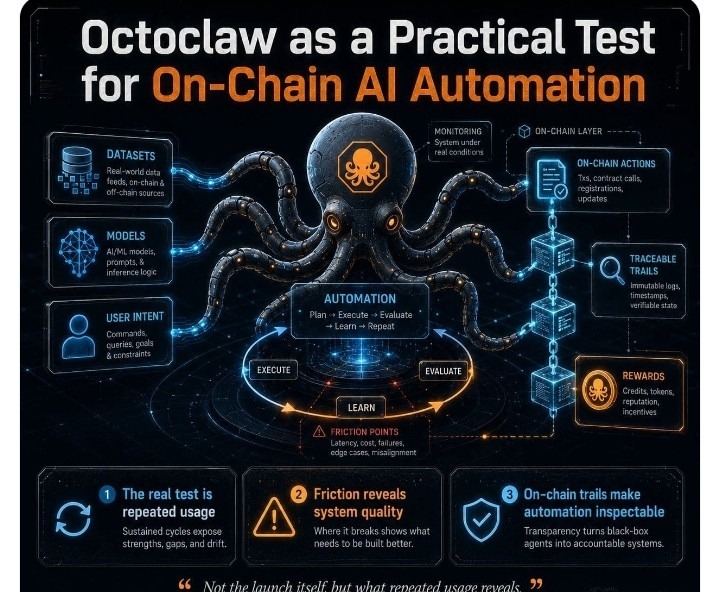
$OPEN @Openledger #OpenLedger {future}(OPENUSDT) Everyone talks about AI as if better models automatically create better outcomes. Lately, I’ve been questioning that assumption. The more I watch AI and crypto evolve together, the more I feel the real challenge is not intelligence. Intelligence is becoming abundant. What remains scarce is accountability. That’s one reason I’ve been paying attention to @Openledger Most AI systems operate like black boxes. You provide data, receive an output, and are expected to trust what happens in between. The problem is that trust becomes difficult when contributors, datasets, and model actions are invisible. @Openledger er seems to be exploring a different direction. Instead of treating data as an afterthought, it focuses on making contributions measurable and traceable. That idea feels increasingly important as AI becomes more integrated into everyday decision-making. What interests me most is not the technology itself, but the incentive structure behind it. Strong ecosystems are usually built when participants have a clear reason to contribute, stay engaged, and create value together. We are still early, and many questions remain unanswered. But I think the next phase of AI adoption will be shaped less by who has the biggest model and more by who builds the most trustworthy system around it. That’s the part I’m watching closely. $OPEN #OpenLedger #AI #crypto
$OPEN @OpenLedger #OpenLedger

Everyone talks about AI as if better models automatically create better outcomes.

Lately, I’ve been questioning that assumption.

The more I watch AI and crypto evolve together, the more I feel the real challenge is not intelligence. Intelligence is becoming abundant. What remains scarce is accountability.

That’s one reason I’ve been paying attention to @OpenLedger

Most AI systems operate like black boxes.

You provide data, receive an output, and are expected to trust what happens in between. The problem is that trust becomes difficult when contributors, datasets, and model actions are invisible.

@OpenLedger er seems to be exploring a different direction.

Instead of treating data as an afterthought, it focuses on making contributions measurable and traceable. That idea feels increasingly important as AI becomes more integrated into everyday decision-making.

What interests me most is not the technology itself, but the incentive structure behind it. Strong ecosystems are usually built when participants have a clear reason to contribute, stay engaged, and create value together.

We are still early, and many questions remain unanswered. But I think the next phase of AI adoption will be shaped less by who has the biggest model and more by who builds the most trustworthy system around it.

That’s the part I’m watching closely.

$OPEN #OpenLedger #AI #crypto

Проверено
Статья
The Future of AI May Depend Less on Models and More on Ownership of ContributionI keep seeing people talk about AI as if the entire future depends on who builds the smartest model. The conversation always circles around the same things. Bigger models. More parameters. Faster inference. Cheaper compute. Better reasoning. And don't get me wrong, those things matter. But recently I've started wondering whether we're paying attention to the wrong layer of the AI economy. Because intelligence doesn't appear out of nowhere. Every model is built on something deeper. Data. Human knowledge. Human behavior. Human decisions. Human expertise. Without those inputs, even the most advanced model is just an empty framework waiting to learn. Yet when people discuss the future of AI, most of the attention goes to the companies building the models rather than the communities creating the knowledge that makes those models useful. That feels strange. Imagine an economy where millions of people contribute value every day but almost none of them can prove their contribution afterward. Would that system remain sustainable? I'm not sure. The more I think about it, the more it seems that the next stage of AI may have less to do with intelligence itself and more to do with ownership. Not ownership in the traditional sense. Ownership of contribution. Ownership of influence. Ownership of value creation. Because once AI becomes deeply integrated into business, education, healthcare, finance, and everyday decision-making, a difficult question starts appearing. Who deserves credit? At first glance, that sounds simple. The company that built the model. The developer who trained it. The organization that deployed it. But the deeper you go, the harder the answer becomes. A model learns from countless sources. Writers. Researchers. Experts. Communities. Public datasets. Private datasets. Years of accumulated human knowledge. The final output may feel like it came from a machine, but the ingredients came from people. That creates an interesting challenge. How do you measure contribution in a world where intelligence is increasingly collective? And more importantly, how do you reward it? Technology is often described as a technical problem. History suggests otherwise. Many technologies succeed or fail because of incentives rather than engineering. The strongest architecture doesn't always win. The system that aligns participants often does. That's why incentive design fascinates me more than technical specifications. People adapt. People optimize. People chase rewards. Every ecosystem eventually reflects the incentives built into it. If contributors feel ignored, participation drops. If value flows unfairly, trust disappears. If ownership remains concentrated, decentralization becomes little more than a slogan. The AI industry may eventually face the same reality. Because data isn't just fuel. It's economic input. And economic inputs tend to demand recognition over time. Another thing that keeps crossing my mind is accessibility. Building advanced AI systems requires enormous resources. Compute is expensive. Infrastructure is expensive. Distribution is expensive. As a result, power naturally concentrates around organizations with significant capital. That concentration isn't necessarily malicious. It's simply how economics works. But concentration creates trade-offs. The more centralized development becomes, the more important transparency becomes. People want to understand how systems are trained. Where data originates. Who benefits. Who gets excluded. Those questions become more important as AI moves closer to critical parts of society. And they're not purely technical questions. They're governance questions. Economic questions. Human questions. What's interesting is that many emerging projects seem to recognize this challenge. Rather than focusing only on model performance, they're exploring ideas around attribution, transparency, and contributor participation. Whether those experiments succeed remains unclear. Building a fair system is much harder than describing one. Markets are messy. Humans are unpredictable. People search for loopholes. Every reward mechanism attracts optimization. Sometimes healthy optimization. Sometimes destructive optimization. That's why the real test of any ecosystem isn't what happens during growth. It's what happens when incentives are stressed. Can quality be maintained? Can bad actors be discouraged? Can contributors remain motivated? Can value distribution remain credible? Those questions determine longevity. And longevity is ultimately what separates infrastructure from hype. The current AI cycle reminds me of previous technology booms. Excitement arrives first. Capital follows. Attention explodes. Expectations rise. Then reality begins sorting sustainable ideas from temporary narratives. Some projects disappear. Some evolve. A few become foundations. The challenge is identifying which category something belongs to before the market reaches consensus. That's never easy. But one thing feels increasingly clear to me. The future AI economy may not be decided solely by who builds the most powerful intelligence. It may also be influenced by who creates the fairest systems around that intelligence. Because intelligence creates value. But value eventually raises questions. Where did it come from? Who helped create it? Who should benefit from it? Those questions are easy to ignore during the early stages of a technology cycle. They become much harder to ignore once real economic activity begins flowing through the system. And maybe that's the thought I keep coming back to. The next major AI debate might not be about models at all. It might be about proving contribution. Proving influence. Proving ownership. Because in a world increasingly powered by collective intelligence, the ability to trace where value originated may become just as important as the intelligence itself. @Openledger #OpenLedger $OPEN

The Future of AI May Depend Less on Models and More on Ownership of Contribution

I keep seeing people talk about AI as if the entire future depends on who builds the smartest model.
The conversation always circles around the same things.
Bigger models.
More parameters.
Faster inference.
Cheaper compute.
Better reasoning.
And don't get me wrong, those things matter.
But recently I've started wondering whether we're paying attention to the wrong layer of the AI economy.
Because intelligence doesn't appear out of nowhere.
Every model is built on something deeper.
Data.
Human knowledge.
Human behavior.
Human decisions.
Human expertise.
Without those inputs, even the most advanced model is just an empty framework waiting to learn.
Yet when people discuss the future of AI, most of the attention goes to the companies building the models rather than the communities creating the knowledge that makes those models useful.
That feels strange.
Imagine an economy where millions of people contribute value every day but almost none of them can prove their contribution afterward.
Would that system remain sustainable?
I'm not sure.
The more I think about it, the more it seems that the next stage of AI may have less to do with intelligence itself and more to do with ownership.
Not ownership in the traditional sense.
Ownership of contribution.
Ownership of influence.
Ownership of value creation.
Because once AI becomes deeply integrated into business, education, healthcare, finance, and everyday decision-making, a difficult question starts appearing.
Who deserves credit?
At first glance, that sounds simple.
The company that built the model.
The developer who trained it.
The organization that deployed it.
But the deeper you go, the harder the answer becomes.
A model learns from countless sources.
Writers.
Researchers.
Experts.
Communities.
Public datasets.
Private datasets.
Years of accumulated human knowledge.
The final output may feel like it came from a machine, but the ingredients came from people.
That creates an interesting challenge.
How do you measure contribution in a world where intelligence is increasingly collective?
And more importantly, how do you reward it?
Technology is often described as a technical problem.
History suggests otherwise.
Many technologies succeed or fail because of incentives rather than engineering.
The strongest architecture doesn't always win.
The system that aligns participants often does.
That's why incentive design fascinates me more than technical specifications.
People adapt.
People optimize.
People chase rewards.
Every ecosystem eventually reflects the incentives built into it.
If contributors feel ignored, participation drops.
If value flows unfairly, trust disappears.
If ownership remains concentrated, decentralization becomes little more than a slogan.
The AI industry may eventually face the same reality.
Because data isn't just fuel.
It's economic input.
And economic inputs tend to demand recognition over time.
Another thing that keeps crossing my mind is accessibility.
Building advanced AI systems requires enormous resources.
Compute is expensive.
Infrastructure is expensive.
Distribution is expensive.
As a result, power naturally concentrates around organizations with significant capital.
That concentration isn't necessarily malicious.
It's simply how economics works.
But concentration creates trade-offs.
The more centralized development becomes, the more important transparency becomes.
People want to understand how systems are trained.
Where data originates.
Who benefits.
Who gets excluded.
Those questions become more important as AI moves closer to critical parts of society.
And they're not purely technical questions.
They're governance questions.
Economic questions.
Human questions.
What's interesting is that many emerging projects seem to recognize this challenge.
Rather than focusing only on model performance, they're exploring ideas around attribution, transparency, and contributor participation.
Whether those experiments succeed remains unclear.
Building a fair system is much harder than describing one.
Markets are messy.
Humans are unpredictable.
People search for loopholes.
Every reward mechanism attracts optimization.
Sometimes healthy optimization.
Sometimes destructive optimization.
That's why the real test of any ecosystem isn't what happens during growth.
It's what happens when incentives are stressed.
Can quality be maintained?
Can bad actors be discouraged?
Can contributors remain motivated?
Can value distribution remain credible?
Those questions determine longevity.
And longevity is ultimately what separates infrastructure from hype.
The current AI cycle reminds me of previous technology booms.
Excitement arrives first.
Capital follows.
Attention explodes.
Expectations rise.
Then reality begins sorting sustainable ideas from temporary narratives.
Some projects disappear.
Some evolve.
A few become foundations.
The challenge is identifying which category something belongs to before the market reaches consensus.
That's never easy.
But one thing feels increasingly clear to me.
The future AI economy may not be decided solely by who builds the most powerful intelligence.
It may also be influenced by who creates the fairest systems around that intelligence.
Because intelligence creates value.
But value eventually raises questions.
Where did it come from?
Who helped create it?
Who should benefit from it?
Those questions are easy to ignore during the early stages of a technology cycle.
They become much harder to ignore once real economic activity begins flowing through the system.
And maybe that's the thought I keep coming back to.
The next major AI debate might not be about models at all.
It might be about proving contribution.
Proving influence.
Proving ownership.
Because in a world increasingly powered by collective intelligence, the ability to trace where value originated may become just as important as the intelligence itself.
@OpenLedger #OpenLedger
$OPEN
Проверено
@GeniusOfficial $GENIUS {future}(GENIUSUSDT) Crypto users often talk about speed, fees, and market opportunities, but security remains the foundation that determines whether any trading ecosystem can survive long term. One aspect of @GeniusOfficial s Terminal that caught my attention is its focus on MPC infrastructure. Instead of relying on a single private key, Multi-Party Computation distributes control across multiple participants, reducing the risks associated with traditional custody models. In theory, this creates a stronger security framework without forcing users to sacrifice accessibility. What makes the concept worth watching is how it performs under real market conditions. Security solutions sound impressive on paper, but active traders need fast execution during volatile periods. The real challenge is proving that advanced cryptography can operate efficiently while maintaining a seamless trading experience. I am also interested in how the network incentivizes independent participation. The strength of any distributed security model depends on ensuring that cooperation remains beneficial while collusion remains economically unattractive. Over time, the metrics that matter most will be execution performance, network decentralization, and developer adoption. If Genius Terminal can demonstrate strength across all three areas, it could become an interesting example of how security-focused infrastructure evolves within modern crypto trading systems. @GeniusOfficial $GENIUS #genius

@GeniusOfficial $GENIUS

Crypto users often talk about speed, fees, and market opportunities, but security remains the foundation that determines whether any trading ecosystem can survive long term.

One aspect of @GeniusOfficial s Terminal that caught my attention is its focus on MPC infrastructure. Instead of relying on a single private key, Multi-Party Computation distributes control across multiple participants, reducing the risks associated with traditional custody models. In theory, this creates a stronger security framework without forcing users to sacrifice accessibility.

What makes the concept worth watching is how it performs under real market conditions. Security solutions sound impressive on paper, but active traders need fast execution during volatile periods. The real challenge is proving that advanced cryptography can operate efficiently while maintaining a seamless trading experience.

I am also interested in how the network incentivizes independent participation. The strength of any distributed security model depends on ensuring that cooperation remains beneficial while collusion remains economically unattractive.

Over time, the metrics that matter most will be execution performance, network decentralization, and developer adoption. If Genius Terminal can demonstrate strength across all three areas, it could become an interesting example of how security-focused infrastructure evolves within modern crypto trading systems.

@GeniusOfficial $GENIUS #genius
Войдите, чтобы посмотреть больше материала
Присоединяйтесь к пользователям криптовалют по всему миру на Binance Square
⚡️ Получайте новейшую и полезную информацию о криптоактивах.
💬 Нам доверяет крупнейшая в мире криптобиржа.
👍 Получите достоверные аналитические данные от верифицированных создателей контента.
Эл. почта/номер телефона
Структура веб-страницы
Настройки cookie
Правила и условия платформы