
wiki002
4.2k Публикации

wiki002
Allah is greatest
Трейдер с частыми сделками
1.9 г
1.1K+ подписок(и/а)
4.9K+ подписчиков(а)
15.8K+ понравилось
Посты
Все
Цитирования
Активно
PINNED
Look, BNB Chain leading in tokenized equity supply is interesting, but the supply number itself isn’t the part I care about most.
BNB Chain’s tokenized equities grew from about $34M at the start of 2026 to $652M in July, putting it ahead of Ethereum and close to a third of the On-chain total. Tokenized stock trading volume also passed $4.5B in July.
What I’m watching now is what happens after the stocks are issued.
If more equity supply brings in more liquidity, those assets become easier to trade. If that liquidity becomes deep enough, the tokens can become useful as collateral. Then capital can move into lending, liquidity provision and other financial applications.
That’s the flywheel I find more interesting.
equity supply → liquidity → collateral utility → capital efficiency → more financial activity.
And this is where BNB Chain’s lead could become meaningful. It isn’t just about having more tokenized stocks, it’s about whether those assets can actually plug into the financial infrastructure already being built around them.
But I wouldn’t confuse issuance with adoption.
The real test is secondary-market liquidity, collateral mobility and whether people actually use these assets instead of simply holding them. Binance Research makes essentially the same distinction. The next phase depends on whether secondary liquidity and collateral mobility grow as quickly as primary issuance.
For me, that’s the bigger lesson, the winning tokenization chain won’t necessarily be the one that issues the most assets. It will be the one that makes those assets useful after issuance. 🧩
#BNBChain #BNB #ASTER #CAKE
$BNB $ASTER $CAKE
BNB Chain’s tokenized equities grew from about $34M at the start of 2026 to $652M in July, putting it ahead of Ethereum and close to a third of the On-chain total. Tokenized stock trading volume also passed $4.5B in July.
What I’m watching now is what happens after the stocks are issued.
If more equity supply brings in more liquidity, those assets become easier to trade. If that liquidity becomes deep enough, the tokens can become useful as collateral. Then capital can move into lending, liquidity provision and other financial applications.
That’s the flywheel I find more interesting.
equity supply → liquidity → collateral utility → capital efficiency → more financial activity.
And this is where BNB Chain’s lead could become meaningful. It isn’t just about having more tokenized stocks, it’s about whether those assets can actually plug into the financial infrastructure already being built around them.
But I wouldn’t confuse issuance with adoption.
The real test is secondary-market liquidity, collateral mobility and whether people actually use these assets instead of simply holding them. Binance Research makes essentially the same distinction. The next phase depends on whether secondary liquidity and collateral mobility grow as quickly as primary issuance.
For me, that’s the bigger lesson, the winning tokenization chain won’t necessarily be the one that issues the most assets. It will be the one that makes those assets useful after issuance. 🧩
#BNBChain #BNB #ASTER #CAKE
$BNB $ASTER $CAKE

PINNED
Проверено
I wasn’t really focused on the partnership headline today. The part I kept thinking about was what this could change for BNB Chain.
Crypto has spent years competing on speed, fees, liquidity and users.
Payments are a different game.
A payment product doesn’t need customers to become crypto users. It needs a reliable way to move value while keeping the blockchain complexity away from the end user.
That’s why @BNB Chain joining Mastercard’s Crypto Partner Program is interesting to me.
The obvious story is access to an established payments ecosystem.
The less obvious one is who gets to decide where the transaction actually settles.
If payment applications eventually gain more choice over blockchain infrastructure, simply being compatible with a payment network won’t be enough.
The real differentiator becomes the settlement environment underneath it.
For BNB Chain, that makes things like execution cost, confirmation reliability, liquidity depth, stablecoin availability and developer tooling important factors in that competition.
And there’s a deeper consequence here.
When the payment interface becomes separated from the underlying blockchain, the chain can compete on infrastructure rather than forcing users to choose a chain first.
That changes the demand model.
Instead of
user → wallet → blockchain → application
the direction I find interesting is
financial product → payment interface → settlement infrastructure
The user may never care which chain handled the transaction.
The developer and payment provider will.
That’s why I don’t see this as proof of mainstream adoption yet.
I see it as a more interesting test
Can BNB Chain become a technically attractive settlement environment when blockchain choice moves behind the payment experience?
If it can, Mastercard’s distribution isn’t the whole story.
The bigger opportunity is competing for the financial activity underneath it. 👍
$BNB #BNB $BB $HEI @Binance Square Official
Crypto has spent years competing on speed, fees, liquidity and users.
Payments are a different game.
A payment product doesn’t need customers to become crypto users. It needs a reliable way to move value while keeping the blockchain complexity away from the end user.
That’s why @BNB Chain joining Mastercard’s Crypto Partner Program is interesting to me.
The obvious story is access to an established payments ecosystem.
The less obvious one is who gets to decide where the transaction actually settles.
If payment applications eventually gain more choice over blockchain infrastructure, simply being compatible with a payment network won’t be enough.
The real differentiator becomes the settlement environment underneath it.
For BNB Chain, that makes things like execution cost, confirmation reliability, liquidity depth, stablecoin availability and developer tooling important factors in that competition.
And there’s a deeper consequence here.
When the payment interface becomes separated from the underlying blockchain, the chain can compete on infrastructure rather than forcing users to choose a chain first.
That changes the demand model.
Instead of
user → wallet → blockchain → application
the direction I find interesting is
financial product → payment interface → settlement infrastructure
The user may never care which chain handled the transaction.
The developer and payment provider will.
That’s why I don’t see this as proof of mainstream adoption yet.
I see it as a more interesting test
Can BNB Chain become a technically attractive settlement environment when blockchain choice moves behind the payment experience?
If it can, Mastercard’s distribution isn’t the whole story.
The bigger opportunity is competing for the financial activity underneath it. 👍
$BNB #BNB $BB $HEI @Binance Square Official

🎁🎁
Cryptology_7
·
--
𝐂𝐫𝐲𝐩𝐭𝐨 𝐫𝐞𝐰𝐚𝐫𝐝𝐬 𝐭𝐡𝐨𝐬𝐞 𝐰𝐡𝐨 𝐬𝐮𝐫𝐯𝐢𝐯𝐞 𝐥𝐨𝐧𝐠 𝐞𝐧𝐨𝐮𝐠𝐡 𝐭𝐨 𝐥𝐞𝐚𝐫𝐧, 𝐚𝐝𝐚𝐩𝐭, 𝐚𝐧𝐝 𝐠𝐫𝐨𝐰. 🤍🌱
$O $ETH
#Ethereum #CryptoPatience
#Cryptology_7
$O $ETH
#Ethereum #CryptoPatience
#Cryptology_7
🎁🎁


NAJAF_加密 143
·
--
‼️$DOGE 🐕 Reward is here ‼️
I’m sharing $DOGE rewards with the community as a Bigger thank-you.
✨ Just claim your reward and enjoy! ✨
Claim it. Get rewarded
I’m sharing $DOGE rewards with the community as a Bigger thank-you.
✨ Just claim your reward and enjoy! ✨
Claim it. Get rewarded

🎁🎁

Méèkóò 牛市猎人
·
--
🎁 Claim Your FREE Ethereum 🧧🧧Red Packet 🧧🧧
Limited spots available. 🧧🧧Don’t miss out!
$BTC $SNDKB $SOL
#BTC #BitcoinSpotETFEnds9DayInflowStreak #SchwabPlansToAddSOLAVAXLINKTrading #SNDK #USShortTermTreasuryYieldsJump
Limited spots available. 🧧🧧Don’t miss out!
$BTC $SNDKB $SOL
#BTC #BitcoinSpotETFEnds9DayInflowStreak #SchwabPlansToAddSOLAVAXLINKTrading #SNDK #USShortTermTreasuryYieldsJump
🎁🎁

VIRUS-逍遥
·
--
草木化身齐天大圣,立于落日山野之间。金箍在手,晚霞作袍,一腔不羁依旧。

🎁🎁

泽栩191
·
--
愿您生活如诗,温暖明亮;愿您岁岁常欢愉,年年皆胜意。
May your life be like a poem, warm and bright; may you be happy every year and successful in all things.
May your life be like a poem, warm and bright; may you be happy every year and successful in all things.

🎁🎁

Prof Denial
·
--
I’m sharing a Bigger $DOGE 🐶 reward with the community as a gift of appreciation. If you want to grab it,
💛 CLAIM it before it’s gone! 💛
💛 CLAIM it before it’s gone! 💛

🎁🎁🎁

AYESHA ABID 阿伊莎 阿比德
·
--
Рост$SOL — Levels That Matter Right Now 👀
$SOL around $195 is sitting at a key decision point.
📈 Break & Hold: $198
🎯 Upside: $202 → $208 → $215
🟢 Major Support: $190
🔻 Breakdown: Below $190
🎯 Downside: $185 → $180
The setup is simple:
$198 reclaimed = buyers gain control
$190 lost = sellers gain control
No need to chase the candle. Let the level confirm the move.
$SOL
Are you watching $215 or $180 first?
#SOL #Solana
$SOL around $195 is sitting at a key decision point.
📈 Break & Hold: $198
🎯 Upside: $202 → $208 → $215
🟢 Major Support: $190
🔻 Breakdown: Below $190
🎯 Downside: $185 → $180
The setup is simple:
$198 reclaimed = buyers gain control
$190 lost = sellers gain control
No need to chase the candle. Let the level confirm the move.
$SOL
Are you watching $215 or $180 first?
#SOL #Solana
🎁🎁

Leo - F0
·
--
Рост🔥🧧🧧GREETINGS TO MY FAMILY FROM DUBAİ WITH A RED GIFT PACKAGE.🧧🧧🔥
"Shed your worries under the palm tree shade. Chasing the paradise your dreams have made." 🏝️🍹🛥️
$BTC 🔥🔥🧧🧧 #Dubai_Crypto_Group
#金价升破4400美元创两月高
$BNB $ETH
#1688家族family 💚 @周周1688
#xrp #Binance
"Shed your worries under the palm tree shade. Chasing the paradise your dreams have made." 🏝️🍹🛥️
$BTC 🔥🔥🧧🧧 #Dubai_Crypto_Group
#金价升破4400美元创两月高
$BNB $ETH
#1688家族family 💚 @周周1688
#xrp #Binance

🎁🎁
Leo - F0
·
--
Рост🧧🧧🔥HAPPY SUNDAY FULL OF GİFTS FOR EVERYONE FROM DUBAİ!🔥🧧🧧
"Close the terminal and let the wallet grow. Chasing the high life only traders know."
$BTC 🔥🔥🧧🧧#Dubái
$BNB $ETH
#1688家族family 💚 @周周1688 @Hawk自由哥 #xrp #DOGE #Binance
"Close the terminal and let the wallet grow. Chasing the high life only traders know."
$BTC 🔥🔥🧧🧧#Dubái
$BNB $ETH
#1688家族family 💚 @周周1688 @Hawk自由哥 #xrp #DOGE #Binance

🎁🎁

ANUUONCHAIN
·
--
😍🥰😍🥰😍🥰😍🥰😍🥰😍🥰😍🥰😍
🥵🥵🥵🥵🥵🥵🥵🥵🥵🥵🥵🥵🥵🥵🥵
follow me please
🙌🙌🙌🙌😼😼😼😼😼😼😼😼😼😼😼
🥵🥵🥵🥵🥵🥵🥵🥵🥵🥵🥵🥵🥵🥵🥵
follow me please
🙌🙌🙌🙌😼😼😼😼😼😼😼😼😼😼😼

🎁🎁

Muzamil Abbas⁷⁵ 穆扎米尔_阿巴斯
·
--
Рост🎁 $SHIB GIVEAWAY WORTH $100 🎁
I’m giving away SHIB Gift Boxes to 3,000 lucky people! 🐕🔥
To participate:
❤️ Like this post ✅
🔁 Repost this post ✅
💬 Comment “1” below ✅
🎁 Claim your Gift Box ✅
Good luck everyone🚀✨
#SHIB #Giveaway #Binance #CryptoGiveaway

🎁

Z O N E P R I M E
·
--
Рост🎉🎁 ZONE PRIME BTC SURPRISE DROP! 🎁🎉
✨ The Red Packet is full and ready to open! ✨
👇 Simple Steps to Participate 👇
❤️ Follow ZONE PRIME
🔁 Like & Share
💬 Comment “BTC”
🚀 Stay active for the next reward round!
#BTC #Crypto #ZONEPRIME #RedPacket #BİNANCE
✨ The Red Packet is full and ready to open! ✨
👇 Simple Steps to Participate 👇
❤️ Follow ZONE PRIME
🔁 Like & Share
💬 Comment “BTC”
🚀 Stay active for the next reward round!
#BTC #Crypto #ZONEPRIME #RedPacket #BİNANCE

🎁🎁

JANNAT BM_
·
--
🎁🎁🎁 GIFT BOX 🎁🎁🎁🎁
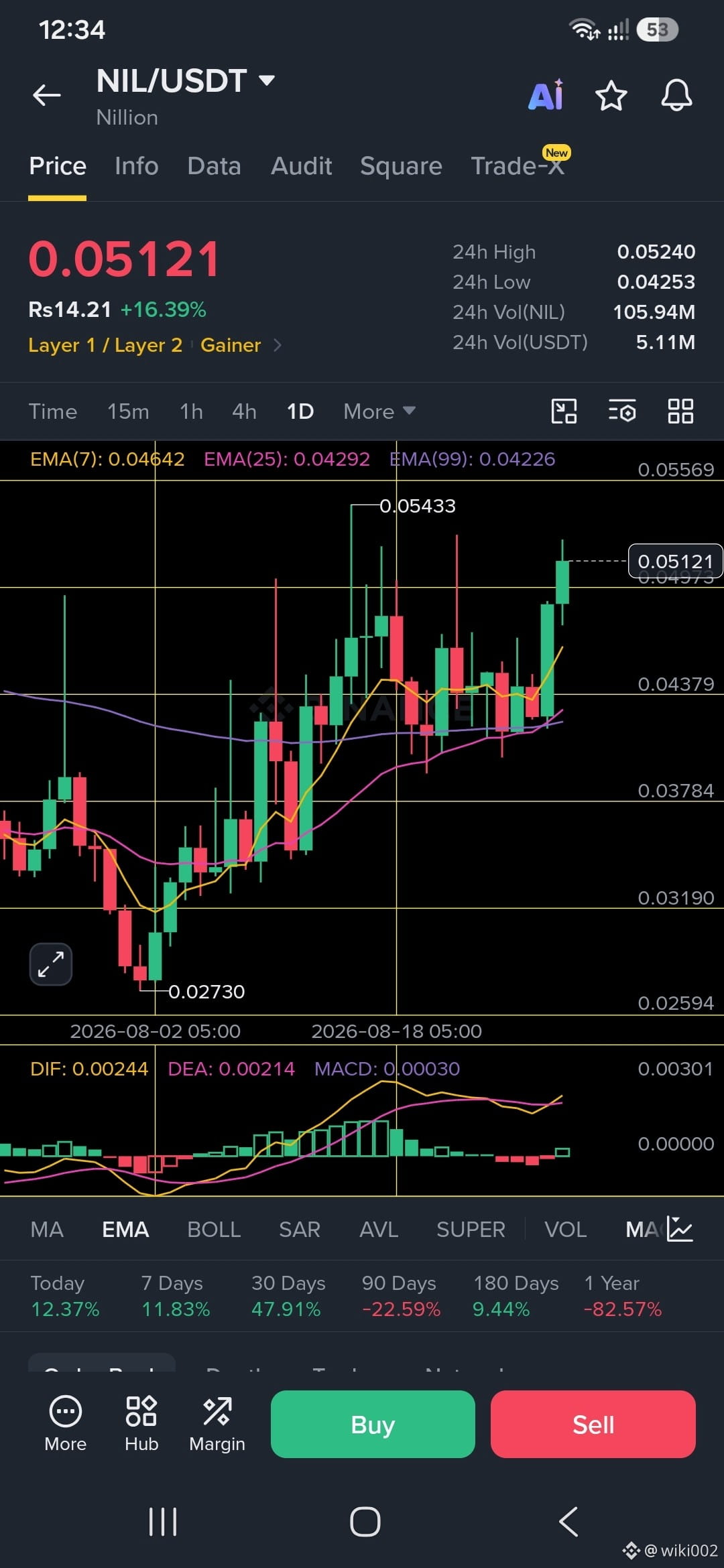
NIL/USDT 📈
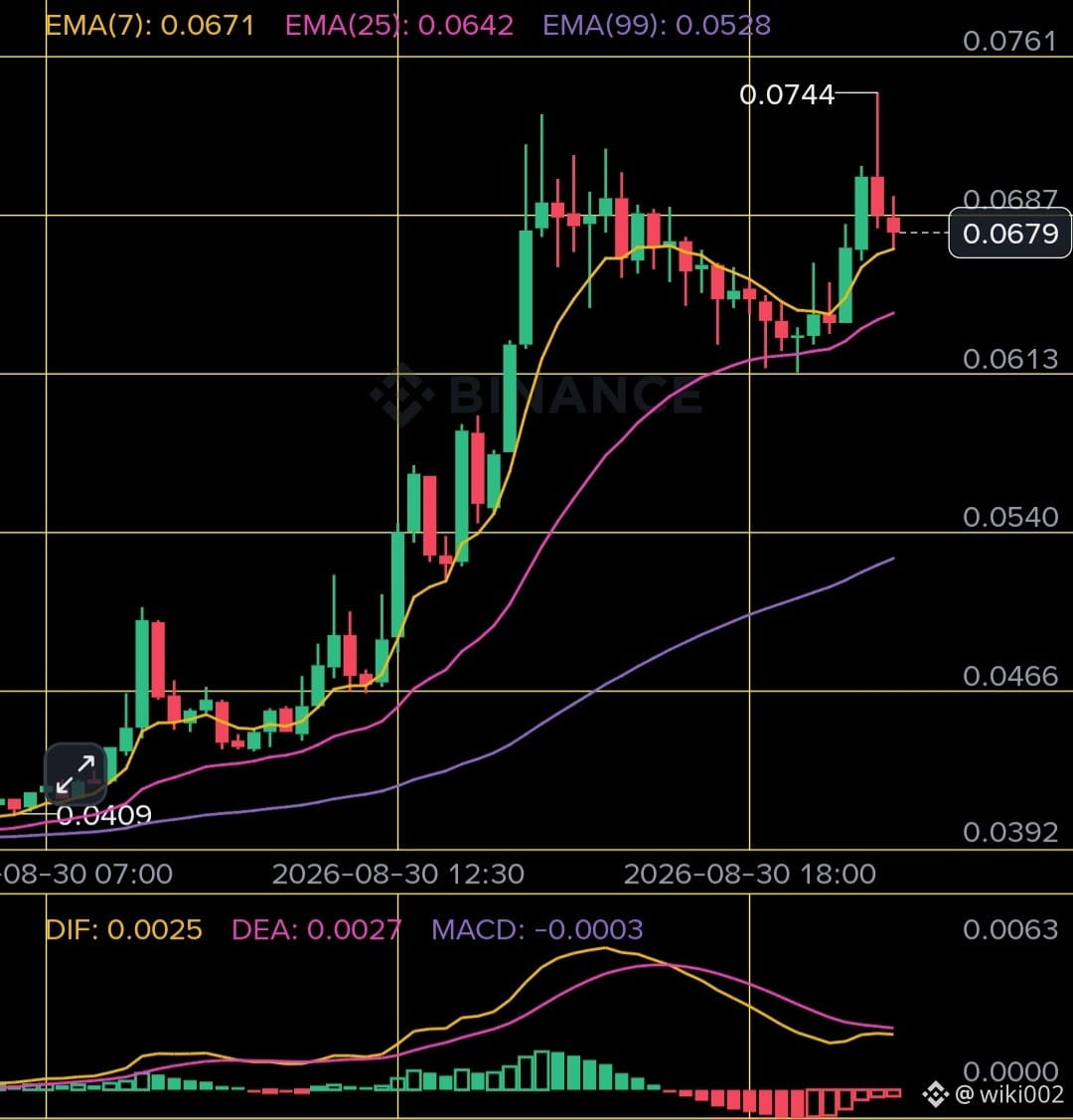
Price is holding above the key EMA cluster with momentum turning positive. A sustained move above 0.05240 could open the path toward 0.05433 and potentially 0.05570.
Entry: 0.04980–0.05120
Targets: 0.05240 / 0.05433 / 0.05570
Stop Loss: 0.04780
Invalidation below the support zone weakens the setup. Manage risk and avoid chasing extended candles.
#NIL #Nillion $NIL $ROBO $LSK
Price is holding above the key EMA cluster with momentum turning positive. A sustained move above 0.05240 could open the path toward 0.05433 and potentially 0.05570.
Entry: 0.04980–0.05120
Targets: 0.05240 / 0.05433 / 0.05570
Stop Loss: 0.04780
Invalidation below the support zone weakens the setup. Manage risk and avoid chasing extended candles.
#NIL #Nillion $NIL $ROBO $LSK
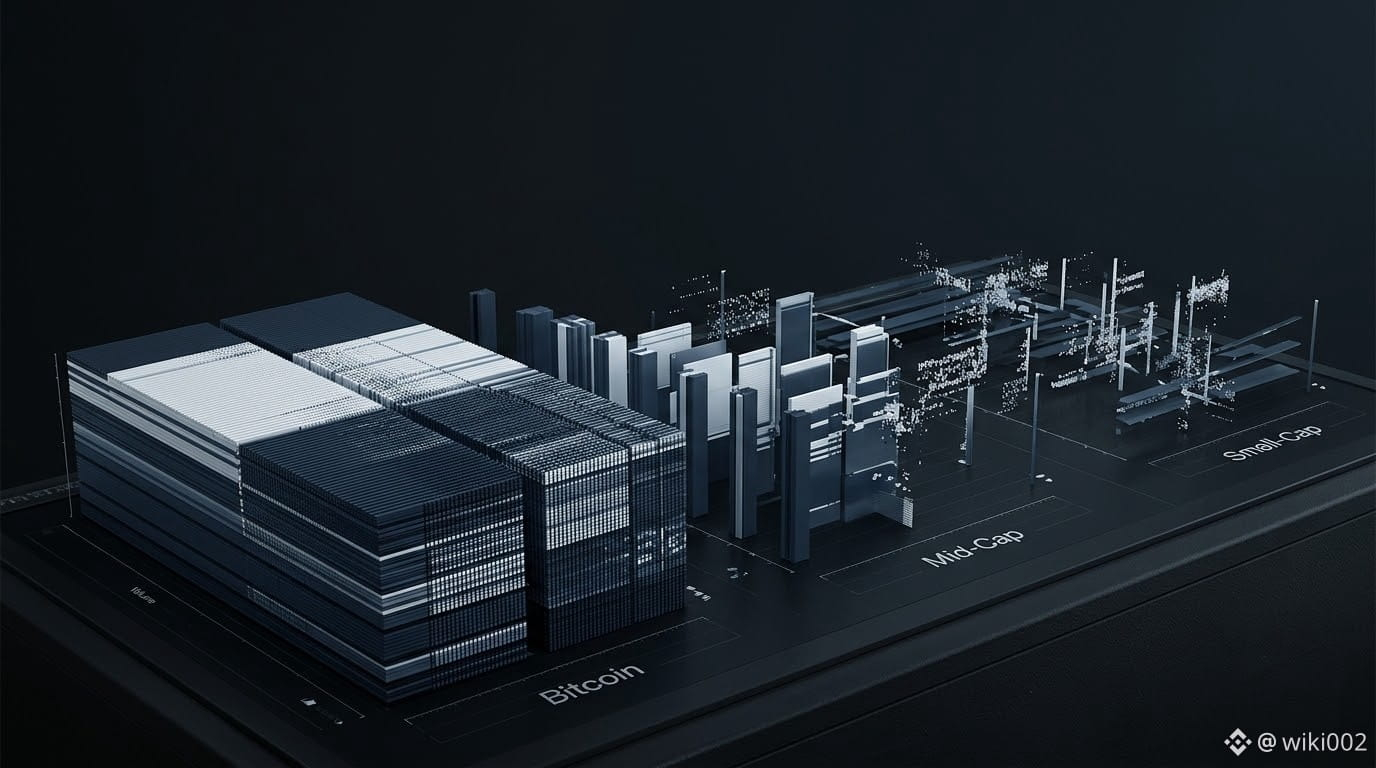
Crypto’s latest selloff is revealing something beyond Bitcoin. liquidity is being repriced unevenly across the market.
The seven-day numbers make that divergence hard to ignore. The Digital Assets 100 Mid Cap Index fell 10.15%, while the Small Cap Index dropped 7.12%. Bitcoin was roughly flat on the weekly view, despite moving from around $81.4K to $77.4K.
I’m less interested in calling this a simple market-wide decline than in what the dispersion tells us about risk transmission.
When risk appetite contracts, selling pressure does not distribute evenly. BTC’s deeper liquidity may help absorb large flows with less price impact, while thinner markets can experience sharper repricing as marginal buyers disappear.
That creates a useful distinction: Bitcoin stability can coexist with deteriorating market breadth.
If BTC stabilizes while mid- and small-caps continue weakening, I would read that as defensive positioning not necessarily a recovery.
But if BTC stabilizes and breadth starts improving afterward, the signal changes. Recovery across mid- and small-caps would suggest liquidity is moving back down the risk curve rather than remaining concentrated in BTC.
That is the relationship I would watch.
A Bitcoin floor matters, but it becomes much more meaningful when stability stops being isolated and starts propagating through the rest of the market. 📉
#Bitcoin #Crypto #BTC
$BTC $BNB $ETH
The seven-day numbers make that divergence hard to ignore. The Digital Assets 100 Mid Cap Index fell 10.15%, while the Small Cap Index dropped 7.12%. Bitcoin was roughly flat on the weekly view, despite moving from around $81.4K to $77.4K.
I’m less interested in calling this a simple market-wide decline than in what the dispersion tells us about risk transmission.
When risk appetite contracts, selling pressure does not distribute evenly. BTC’s deeper liquidity may help absorb large flows with less price impact, while thinner markets can experience sharper repricing as marginal buyers disappear.
That creates a useful distinction: Bitcoin stability can coexist with deteriorating market breadth.
If BTC stabilizes while mid- and small-caps continue weakening, I would read that as defensive positioning not necessarily a recovery.
But if BTC stabilizes and breadth starts improving afterward, the signal changes. Recovery across mid- and small-caps would suggest liquidity is moving back down the risk curve rather than remaining concentrated in BTC.
That is the relationship I would watch.
A Bitcoin floor matters, but it becomes much more meaningful when stability stops being isolated and starts propagating through the rest of the market. 📉
#Bitcoin #Crypto #BTC
$BTC $BNB $ETH
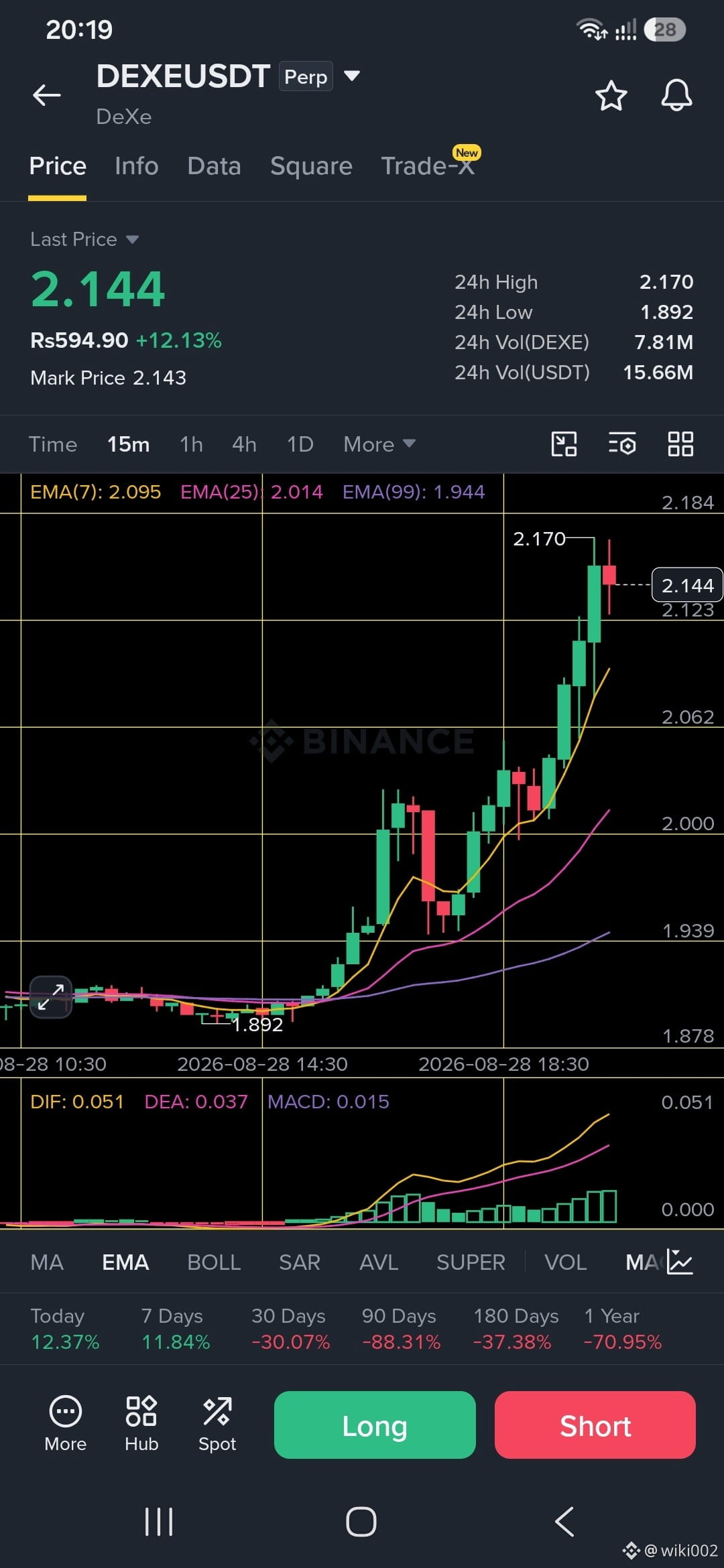
🚨 DEXEUSDT
$DEXE is showing strong bullish momentum with price holding above key EMAs and MACD continuing to expand upward.
Entry: 2.120 – 2.150
Take Profit: 2.170 → 2.250 → 2.350
Stop Loss: 2.050
A clean hold above the breakout zone could keep the upside structure intact. Manage risk and avoid chasing an extended candle.
$DEXE $TST #DEXE #Binance #CryptoTrading #TradingSignal
$DEXE is showing strong bullish momentum with price holding above key EMAs and MACD continuing to expand upward.
Entry: 2.120 – 2.150
Take Profit: 2.170 → 2.250 → 2.350
Stop Loss: 2.050
A clean hold above the breakout zone could keep the upside structure intact. Manage risk and avoid chasing an extended candle.
$DEXE $TST #DEXE #Binance #CryptoTrading #TradingSignal
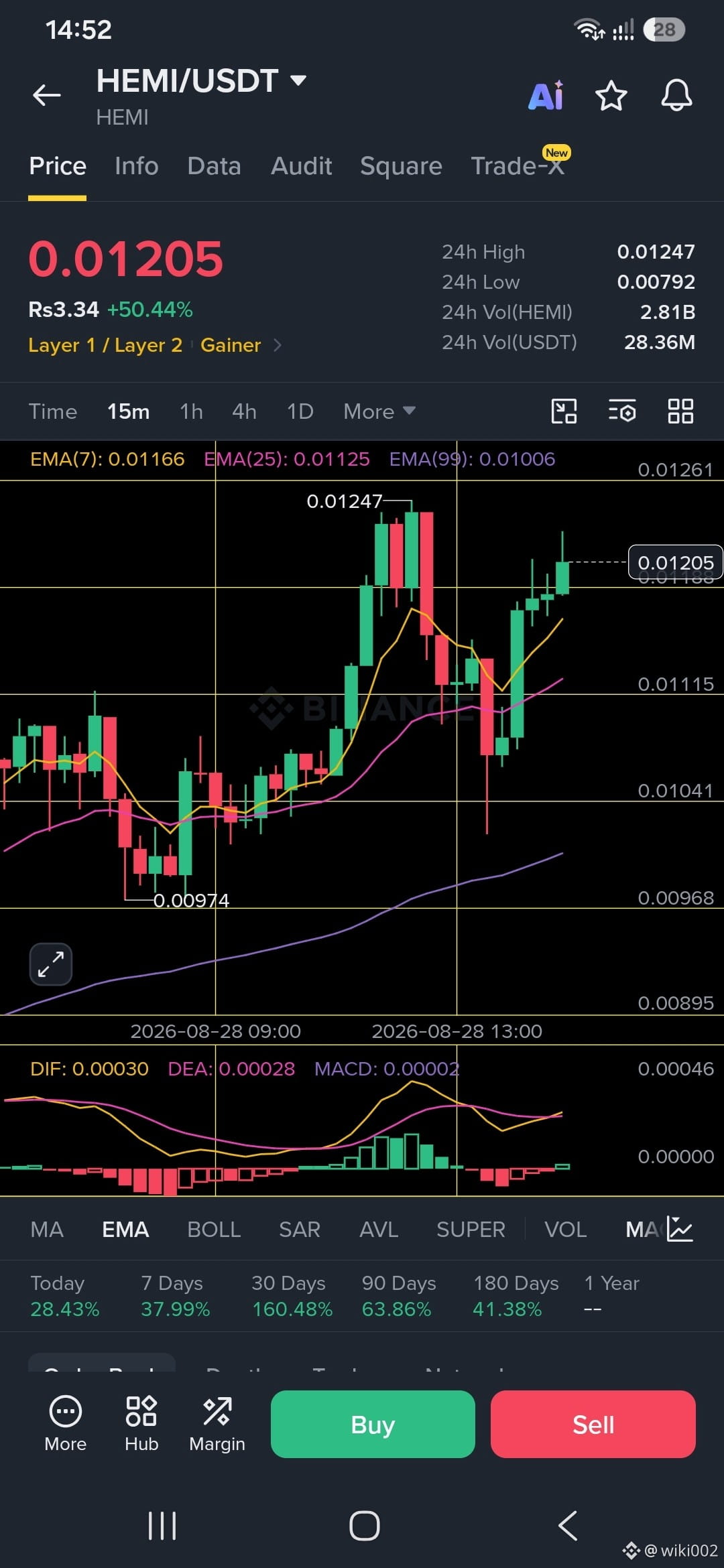
📈 $HEMI / USDT
Hemi is showing bullish structure after reclaiming the key EMA levels. Price is holding above EMA(7), EMA(25) and EMA(99), while MACD momentum is starting to recover.
Signal: LONG 🟢
Entry: 0.01190–0.01210
TP1: 0.01247
TP2: 0.01280
TP3: 0.01320
SL: 0.01145
A clean break above 0.01247 could trigger the next momentum leg. As long as the Short-term EMA structure remains intact, buyers still have control.
#HEMI #Crypto #Trading $EDEN $TRUMP
Hemi is showing bullish structure after reclaiming the key EMA levels. Price is holding above EMA(7), EMA(25) and EMA(99), while MACD momentum is starting to recover.
Signal: LONG 🟢
Entry: 0.01190–0.01210
TP1: 0.01247
TP2: 0.01280
TP3: 0.01320
SL: 0.01145
A clean break above 0.01247 could trigger the next momentum leg. As long as the Short-term EMA structure remains intact, buyers still have control.
#HEMI #Crypto #Trading $EDEN $TRUMP
Войдите, чтобы посмотреть больше материала