
Z O N E P R I M E
116 Публикации

Z O N E P R I M E
Crypto Explorer | Alpha Seeker | Charts & Chill Vibes | Let's in the Zone Run
Открытая сделка
Трейдер с регулярными сделками
10.1 мес.
205 подписок(и/а)
3.9K+ подписчиков(а)
1.3K+ понравилось
Посты
Портфель
Все
Цитирования
PINNED
🎉🎁 ZONE PRIME BTC SURPRISE DROP! 🎁🎉
✨ The Red Packet is full and ready to open! ✨
👇 Simple Steps to Participate 👇
❤️ Follow ZONE PRIME
🔁 Like & Share
💬 Comment “BTC”
🚀 Stay active for the next reward round!
#BTC #Crypto #ZONEPRIME #RedPacket #BİNANCE
✨ The Red Packet is full and ready to open! ✨
👇 Simple Steps to Participate 👇
❤️ Follow ZONE PRIME
🔁 Like & Share
💬 Comment “BTC”
🚀 Stay active for the next reward round!
#BTC #Crypto #ZONEPRIME #RedPacket #BİNANCE
go

E L E X A
·
--
🚨 LIVE NOW 🚨
Watching is easy… winning takes action 👀
Want free $USDT?
💬 Comment 666
❤️ Like
🔁 Share
➕ Follow
⏳ Spots are filling fast
Comment 666 now 🚀
#Crypto #USDT
Watching is easy… winning takes action 👀
Want free $USDT?
💬 Comment 666
❤️ Like
🔁 Share
➕ Follow
⏳ Spots are filling fast
Comment 666 now 🚀
#Crypto #USDT

go

NVD Insights
·
--
BIG BIG BIG chance to grab FREE $DOGE 🔥
Don’t miss this one!
Drop “crypto with khan” in the comments 👇
Don’t miss this one!
Drop “crypto with khan” in the comments 👇

go


Techno BNB
·
--
Claim 🌟 $PEPE 🌟
#PEPE
#pepe
#pepe⚡
#PEPE
#pepe
#pepe⚡

go

Sara_ k
·
--
click here 👈🎁
.
join & claim here 👈🎁
.
join & claim here 👈🎁


go

Bobbypk
·
--
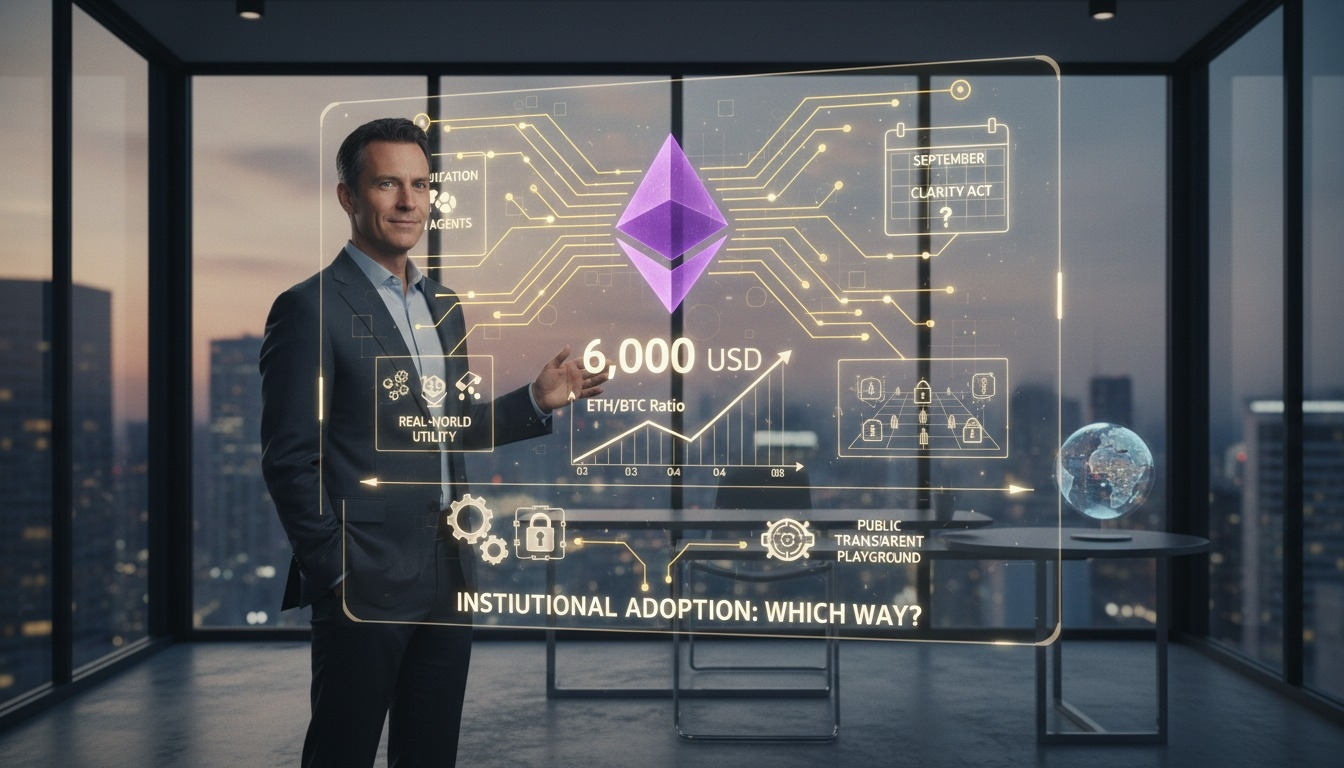
Рост✨Tom Lee thinks $6,000 ETH by the end of the year isn’t a wild stretch—it’s actually kind of a safe bet in his eyes. He’s basing that on the ETH/BTC ratio nudging up from 0.03 to 0.04, which honestly is still a long way from where it peaked at 0.08 in 2021.
So what’s changed this time? He’s not focused on meme coins or NFT mania. Lee points to real-world utility stuff like tokenization and AI agents doing real work. The current payment rails just weren’t built for machines to move money back and forth, and he thinks Ethereum has a shot at becoming the default highway for all those automated transactions.
He’s also watching for a possible spark: the CLARITY Act coming up in September. Sure, it’s a catalyst, but even if it doesn’t move forward, he figures ETH is still in a solid spot.
Then there’s the bigger question floating around: Are institutions going to embrace permissioned, more private compliance systems, or will they stick with Ethereum’s public, transparent playground? That conversation’s only going to heat up as more agent-driven activity kicks in. So which way’s it going to go?
#NIL @Ethereum #NYSilverFuturesDrop3%
#ETH
So what’s changed this time? He’s not focused on meme coins or NFT mania. Lee points to real-world utility stuff like tokenization and AI agents doing real work. The current payment rails just weren’t built for machines to move money back and forth, and he thinks Ethereum has a shot at becoming the default highway for all those automated transactions.
He’s also watching for a possible spark: the CLARITY Act coming up in September. Sure, it’s a catalyst, but even if it doesn’t move forward, he figures ETH is still in a solid spot.
Then there’s the bigger question floating around: Are institutions going to embrace permissioned, more private compliance systems, or will they stick with Ethereum’s public, transparent playground? That conversation’s only going to heat up as more agent-driven activity kicks in. So which way’s it going to go?
#NIL @Ethereum #NYSilverFuturesDrop3%
#ETH
go
Sara_ k
·
--
Ростclaim here 👈🎁🎁
.
.
join & claim web3 benefits 👈
.
.
join & claim web3 benefits 👈

go

路人1688-luren
·
--
读书的意义
近日,几名粉丝众多的年轻主播走进某高校,与大学生交流。他们学历并不突出,却凭借直播赚得不菲收入。台上谈经历、讲坚持,也不乏轻松戏谑的表达。这样的交流,让大学生看到课堂之外不同的成长路径,本具有积极意义。可相关视频传开后,一些网友却由此感叹:“读大学有什么用,毕业了工资一个月也就几千元”“还不如早点做直播”……“读书无用论”似乎又有了新的腔调,由此引发讨论。
今天,直播电商、短视频创作等新业态蓬勃发展,一些年轻人凭借才华和勤奋,把握机遇脱颖而出,这是时代提供的机会,值得尊重。有人擅长面对镜头,有人擅长钻研技术;有人在网络空间闯出天地,有人在实验室、生产线、田间地头实现自我价值。人生道路本就多样,不必用一种成功否定另一种选择。
但由少数人的成功得出的结论,常常经不起推敲。聚光灯下的成功者总是更容易被看见,但一个行业背后的竞争、淘汰和积累,往往藏在镜头之外。个体成功有其自身的机遇,很难据此推演普遍结论。读书的价值,也不能简单折算成一时的收入高低。
读书的意义,也远不止一纸文凭、一份工作。知识更新加快、技术迭代加速,学习能力愈发重要。大学里学到的具体知识可能需要不断更新,但在学习中形成的思考能力、专业素养、求知习惯不会过时。面对陌生领域能不能迅速进入状态,面对纷繁信息能不能作出判断,遇到复杂问题能不能找到解决办法,这些能力,很难体现在毕业初的一张工资单上,却常常决定一个人能走多远。
知识的价值,也写在社会发展的一个个具体进步中。屠呦呦从中医药典籍中获得启发,又借助现代科学方法反复研究,最终发现青蒿素;一代代航天人啃理论、做试验,把探测器送向深空;无数工程技术人员长期学习钻研,才有了高铁列车飞驰、国产大飞机翱翔蓝天。知识未必马上变成收入,却可以变成解决问题的办法、突破瓶颈的能力,最终转化为推动社会进步的力量。
其实,几名主播分享的经历本身,也印证了一个朴素道理:任何一条路,想走得长远,都离不开学习和积累。直播看似门槛不高,真正做好,同样需要表达、策划、判断等能力,需要了解平台、研究受众、不断更新内容。他们谈到的“坚持最重要”,背后同样是长期投入和能力积累。换一条赛道,并不意味着可以绕开学习;赶上一个风口,也不等于可以省去成长需要下的功夫。
时代给予青年的机会越来越多,选择也越来越丰富。读书不能替人生预设一个标准答案,却能拓展认知的边界,增加选择的可能,让人在面对变化时更有底气。风口会变,职业会变,知识也在更新,但持续学习所带来的眼界、能力和判断,始终是一个人走向更广阔天地的重要支撑。
把书读好,把本领练强,青春的路自然会越走越宽。
今天,直播电商、短视频创作等新业态蓬勃发展,一些年轻人凭借才华和勤奋,把握机遇脱颖而出,这是时代提供的机会,值得尊重。有人擅长面对镜头,有人擅长钻研技术;有人在网络空间闯出天地,有人在实验室、生产线、田间地头实现自我价值。人生道路本就多样,不必用一种成功否定另一种选择。
但由少数人的成功得出的结论,常常经不起推敲。聚光灯下的成功者总是更容易被看见,但一个行业背后的竞争、淘汰和积累,往往藏在镜头之外。个体成功有其自身的机遇,很难据此推演普遍结论。读书的价值,也不能简单折算成一时的收入高低。
读书的意义,也远不止一纸文凭、一份工作。知识更新加快、技术迭代加速,学习能力愈发重要。大学里学到的具体知识可能需要不断更新,但在学习中形成的思考能力、专业素养、求知习惯不会过时。面对陌生领域能不能迅速进入状态,面对纷繁信息能不能作出判断,遇到复杂问题能不能找到解决办法,这些能力,很难体现在毕业初的一张工资单上,却常常决定一个人能走多远。
知识的价值,也写在社会发展的一个个具体进步中。屠呦呦从中医药典籍中获得启发,又借助现代科学方法反复研究,最终发现青蒿素;一代代航天人啃理论、做试验,把探测器送向深空;无数工程技术人员长期学习钻研,才有了高铁列车飞驰、国产大飞机翱翔蓝天。知识未必马上变成收入,却可以变成解决问题的办法、突破瓶颈的能力,最终转化为推动社会进步的力量。
其实,几名主播分享的经历本身,也印证了一个朴素道理:任何一条路,想走得长远,都离不开学习和积累。直播看似门槛不高,真正做好,同样需要表达、策划、判断等能力,需要了解平台、研究受众、不断更新内容。他们谈到的“坚持最重要”,背后同样是长期投入和能力积累。换一条赛道,并不意味着可以绕开学习;赶上一个风口,也不等于可以省去成长需要下的功夫。
时代给予青年的机会越来越多,选择也越来越丰富。读书不能替人生预设一个标准答案,却能拓展认知的边界,增加选择的可能,让人在面对变化时更有底气。风口会变,职业会变,知识也在更新,但持续学习所带来的眼界、能力和判断,始终是一个人走向更广阔天地的重要支撑。
把书读好,把本领练强,青春的路自然会越走越宽。

go

MANO_加密 143
·
--
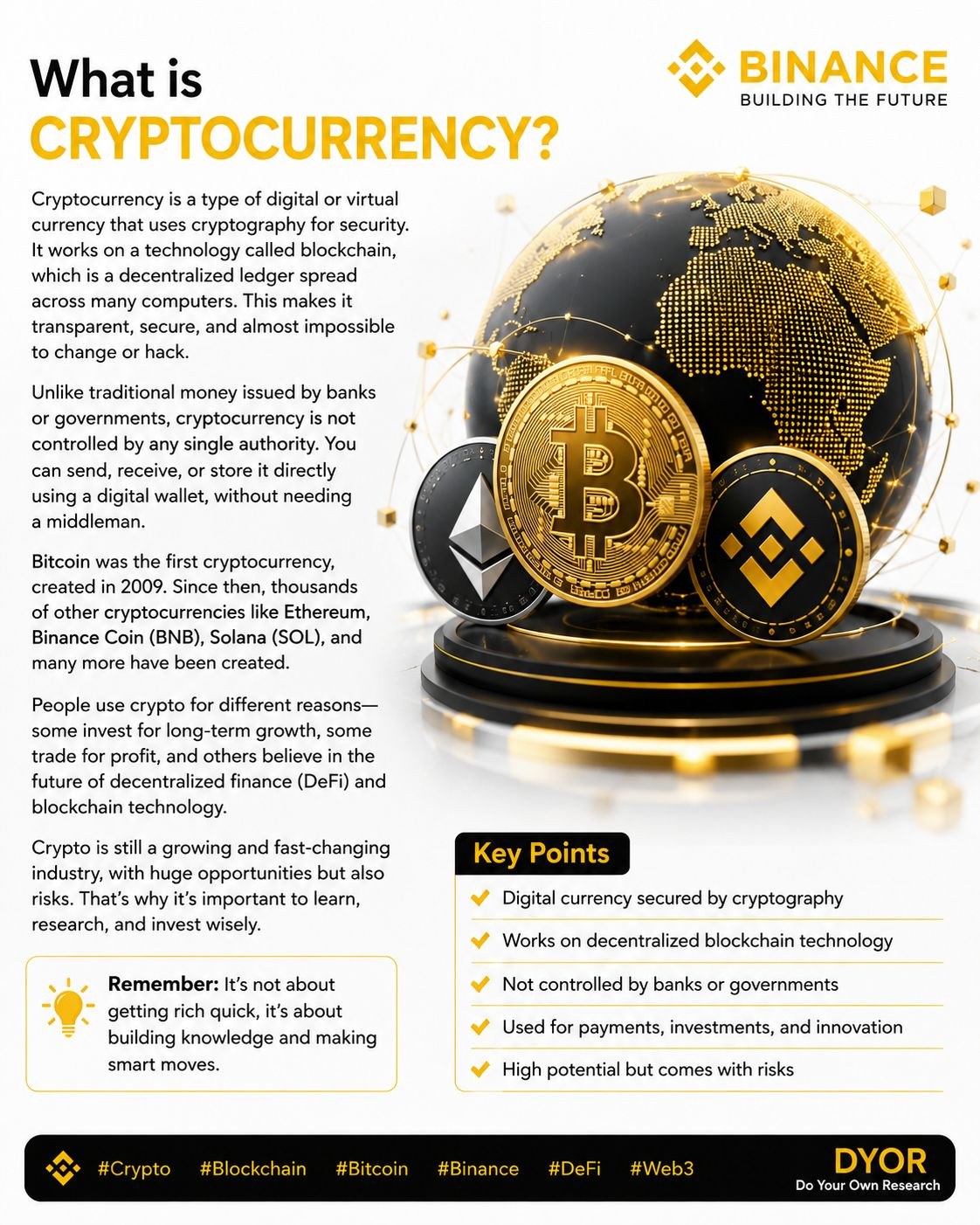
РостCryptocurrency is basically digital money that exists online and uses blockchain technology to record transactions. Unlike traditional money, crypto can operate without one central bank controlling every transaction.
Bitcoin was the first major cryptocurrency, launched in 2009, and it opened the door for thousands of other projects such as Ethereum, Solana, and many more. People use cryptocurrencies for payments, trading, investing, and building new applications through blockchain technology.
One of the most interesting things about crypto is that transactions can be verified and recorded on a shared network. This creates new possibilities for digital ownership, decentralized finance, and Web3.
But crypto isn’t just about making quick profits. Prices can move very quickly, and different projects carry different levels of risk. That’s why learning the basics and doing your own research is important before making any financial decision.
The crypto world is still evolving, and there’s a lot more to discover. 🚀
#Cryptocurrency #Blockchain #Web3 #DEFI #BinanceSquareFamily
Bitcoin was the first major cryptocurrency, launched in 2009, and it opened the door for thousands of other projects such as Ethereum, Solana, and many more. People use cryptocurrencies for payments, trading, investing, and building new applications through blockchain technology.
One of the most interesting things about crypto is that transactions can be verified and recorded on a shared network. This creates new possibilities for digital ownership, decentralized finance, and Web3.
But crypto isn’t just about making quick profits. Prices can move very quickly, and different projects carry different levels of risk. That’s why learning the basics and doing your own research is important before making any financial decision.
The crypto world is still evolving, and there’s a lot more to discover. 🚀
#Cryptocurrency #Blockchain #Web3 #DEFI #BinanceSquareFamily
go

Leo - F0
·
--
Рост🧧🧧🔥HAPPY SUNDAY FULL OF GİFTS FOR EVERYONE FROM DUBAİ!🔥🧧🧧
"Close the terminal and let the wallet grow. Chasing the high life only traders know."
$BTC 🔥🔥🧧🧧#Dubái
$BNB $ETH
#1688家族family 💚 @周周1688 @Hawk自由哥 #xrp #DOGE #Binance
"Close the terminal and let the wallet grow. Chasing the high life only traders know."
$BTC 🔥🔥🧧🧧#Dubái
$BNB $ETH
#1688家族family 💚 @周周1688 @Hawk自由哥 #xrp #DOGE #Binance

go

AbdullRauf
·
--
YOUR SUPPORT = OUR THANKS. 2000 GIFTS, GO! 🚀🎁💐
Square Family, you rock! 🧧 To celebrate YOU, we’re giving away 2000 GIFTS. Let’s go!
How to enter:
👉 Follow us
👉 Share this post
👉 Comment “666”
Random draws. Huge wins. Enter now!
Square Family, you rock! 🧧 To celebrate YOU, we’re giving away 2000 GIFTS. Let’s go!
How to enter:
👉 Follow us
👉 Share this post
👉 Comment “666”
Random draws. Huge wins. Enter now!

go

Emmaa alex02
·
--
🎁 SOL Red Packet is live! 🚀
Claim now before it’s gone! 🔥🧧
#SOL #SolanaStrong
Claim now before it’s gone! 🔥🧧
#SOL #SolanaStrong

go

Rafnal
·
--
Do you like $BNB ?
go

静心1688
·
--
💥天网恢恢,疏而不失。
自然的法则看似宽松,却不会遗漏任何因果。
#越南试点加密资产市场 #首笔抗量子比特币交易主网完成
💥天网恢恢,疏而不失。
自然的法则看似宽松,却不会遗漏任何因果。
#越南试点加密资产市场 #首笔抗量子比特币交易主网完成

go

NAJAF_加密 143
·
--
‼️$DOGE 🐕 Reward is here ‼️
I’m sharing $DOGE rewards with the community as a Bigger thank-you.
✨ Just claim your reward and enjoy! ✨
Claim it. Get rewarded
I’m sharing $DOGE rewards with the community as a Bigger thank-you.
✨ Just claim your reward and enjoy! ✨
Claim it. Get rewarded

go

Ayan -X
·
--
🎁 Claim your reward now!
✅ Follow
❤️ Like
🔁 Repost
💬 Comment
Don’t miss your reward! 🚀
#FedSeptRateHikeOddsRiseTo57%
✅ Follow
❤️ Like
🔁 Repost
💬 Comment
Don’t miss your reward! 🚀
#FedSeptRateHikeOddsRiseTo57%
go

DK短线复刻
·
--
关注回复领取红包🎁🎁

go
Muzamil Abbas⁷⁵ 穆扎米尔_阿巴斯
·
--
Рост🎁 $SHIB GIVEAWAY WORTH $100 🎁
I’m giving away SHIB Gift Boxes to 3,000 lucky people! 🐕🔥
To participate:
❤️ Like this post ✅
🔁 Repost this post ✅
💬 Comment “1” below ✅
🎁 Claim your Gift Box ✅
Good luck everyone🚀✨
#SHIB #Giveaway #Binance #CryptoGiveaway

go

wiki002
·
--
Look, BNB Chain leading in tokenized equity supply is interesting, but the supply number itself isn’t the part I care about most.
BNB Chain’s tokenized equities grew from about $34M at the start of 2026 to $652M in July, putting it ahead of Ethereum and close to a third of the On-chain total. Tokenized stock trading volume also passed $4.5B in July.
What I’m watching now is what happens after the stocks are issued.
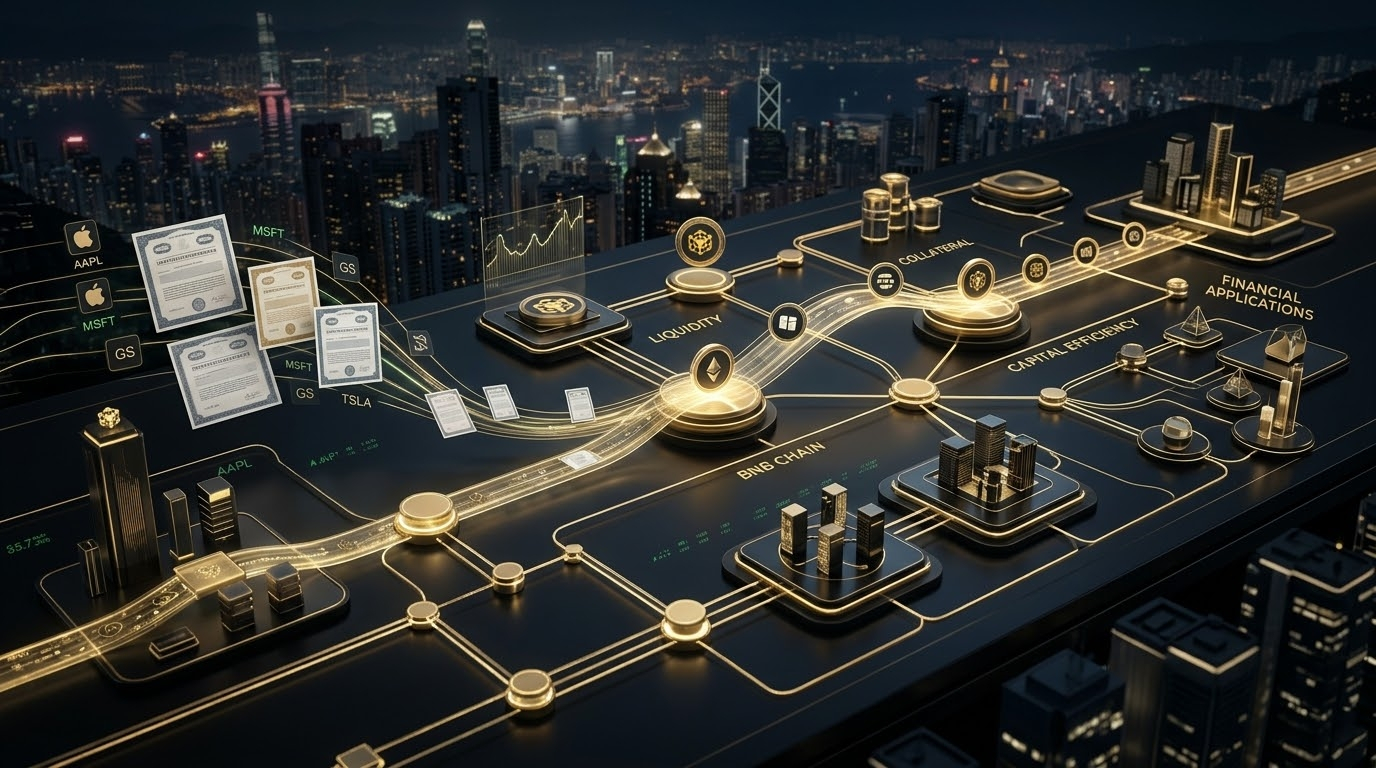
If more equity supply brings in more liquidity, those assets become easier to trade. If that liquidity becomes deep enough, the tokens can become useful as collateral. Then capital can move into lending, liquidity provision and other financial applications.
That’s the flywheel I find more interesting.
equity supply → liquidity → collateral utility → capital efficiency → more financial activity.
And this is where BNB Chain’s lead could become meaningful. It isn’t just about having more tokenized stocks, it’s about whether those assets can actually plug into the financial infrastructure already being built around them.
But I wouldn’t confuse issuance with adoption.
The real test is secondary-market liquidity, collateral mobility and whether people actually use these assets instead of simply holding them. Binance Research makes essentially the same distinction. The next phase depends on whether secondary liquidity and collateral mobility grow as quickly as primary issuance.
For me, that’s the bigger lesson, the winning tokenization chain won’t necessarily be the one that issues the most assets. It will be the one that makes those assets useful after issuance. 🧩
#BNBChain #BNB #ASTER #CAKE
$BNB $ASTER $CAKE
BNB Chain’s tokenized equities grew from about $34M at the start of 2026 to $652M in July, putting it ahead of Ethereum and close to a third of the On-chain total. Tokenized stock trading volume also passed $4.5B in July.
What I’m watching now is what happens after the stocks are issued.
If more equity supply brings in more liquidity, those assets become easier to trade. If that liquidity becomes deep enough, the tokens can become useful as collateral. Then capital can move into lending, liquidity provision and other financial applications.
That’s the flywheel I find more interesting.
equity supply → liquidity → collateral utility → capital efficiency → more financial activity.
And this is where BNB Chain’s lead could become meaningful. It isn’t just about having more tokenized stocks, it’s about whether those assets can actually plug into the financial infrastructure already being built around them.
But I wouldn’t confuse issuance with adoption.
The real test is secondary-market liquidity, collateral mobility and whether people actually use these assets instead of simply holding them. Binance Research makes essentially the same distinction. The next phase depends on whether secondary liquidity and collateral mobility grow as quickly as primary issuance.
For me, that’s the bigger lesson, the winning tokenization chain won’t necessarily be the one that issues the most assets. It will be the one that makes those assets useful after issuance. 🧩
#BNBChain #BNB #ASTER #CAKE
$BNB $ASTER $CAKE
go

Raven Hei 黑
·
--
🎁🧧 RED PACKET TIME! 🧧🎁
A little surprise can make someone’s day ❤️✨
Ready to grab your share? 👀🔥
💰 Open • Claim • Enjoy
🍀 Good luck everyone!
Who’s getting lucky today? 😍👇
#RedPacket #Crypto #Binance #Web3
A little surprise can make someone’s day ❤️✨
Ready to grab your share? 👀🔥
💰 Open • Claim • Enjoy
🍀 Good luck everyone!
Who’s getting lucky today? 😍👇
#RedPacket #Crypto #Binance #Web3
Войдите, чтобы посмотреть больше материала