
Aria Bloom 阿莉娅
511 Публикации

Aria Bloom 阿莉娅
Aria Bloom | Learning, growing, and exploring crypto with patience and purpose. Every step is progress 💞
Открытая сделка
Трейдер с частыми сделками
1.5 г
294 подписок(и/а)
8.7K+ подписчиков(а)
3.5K+ понравилось
Посты
Портфель
Все
Цитирования
PINNED
The journey isn’t always about numbers, markets, and targets. Sometimes, it’s about stepping away for a moment, enjoying the beauty of nature, and appreciating the peaceful moments that make life meaningful. ✨
A beautiful view, calm waters, and my little companion by my side. 🐱🤍
Simple moments, unforgettable memories.
Keep moving forward, stay positive, and enjoy every part of the journey. 🚀✨
$BTR $GIGGLE $SOL
A beautiful view, calm waters, and my little companion by my side. 🐱🤍
Simple moments, unforgettable memories.
Keep moving forward, stay positive, and enjoy every part of the journey. 🚀✨
$BTR $GIGGLE $SOL

😍


Nadyisom
·
--
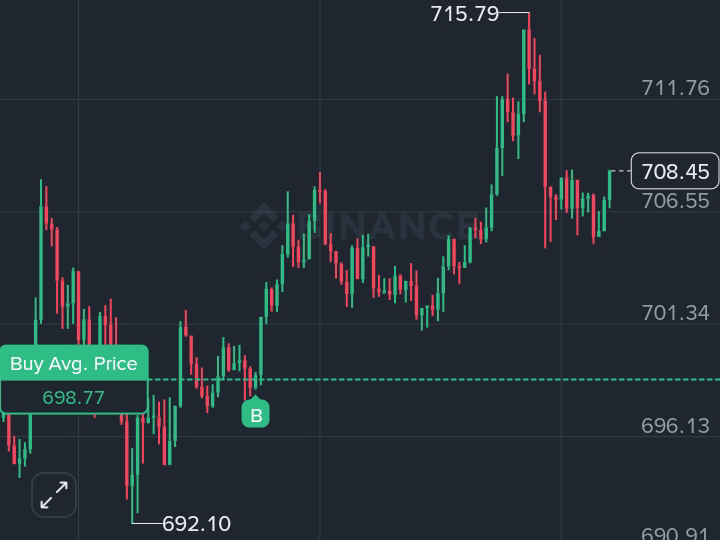
The quiet BNB holders who never sold through the bans the FUD and the dead chain headlines now sit on the busiest rails in crypto while the loud ones beg to come back. $BNB
😊

Ayan -X
·
--
🔥 Engage & Claim Your Reward!
Like ❤️ Comment 💬 Repost 🔄
Complete the tasks and claim your reward 🎁
Don’t miss out. Let’s support each other and grow together! 🚀
Like ❤️ Comment 💬 Repost 🔄
Complete the tasks and claim your reward 🎁
Don’t miss out. Let’s support each other and grow together! 🚀
🤫

Sara_ k
·
--
click here 👈🎁
.
.
𝗚𝗼𝗼𝗱 𝗺𝗼𝗿𝗻𝗶𝗻𝗴!
click & claim web3 benefits 🌹👈
.
.
𝗚𝗼𝗼𝗱 𝗺𝗼𝗿𝗻𝗶𝗻𝗴!
click & claim web3 benefits 🌹👈

😍
生蚝哥Oyster
·
--
Рост晨光如约而至,稳住节奏,静待花开。新的一日,平安顺遂,万事可期☀️
🧧🧧🧧关注回复👇👇👇
🧧🧧🧧关注回复👇👇👇

😇

MrRUHUL
·
--
say less 🧧🎁💰💵🧧🎁💰💵🧧

😊

CoinVision110
·
--
claim reward 🛄🛄🛄🥰😍😍😍😍
follow support
and please must repost and share among friends for support
#DollarPostsBiggestGainInNearlyFourWeeks
follow support
and please must repost and share among friends for support
#DollarPostsBiggestGainInNearlyFourWeeks
😇

Ahmed Ali Nizamani
·
--
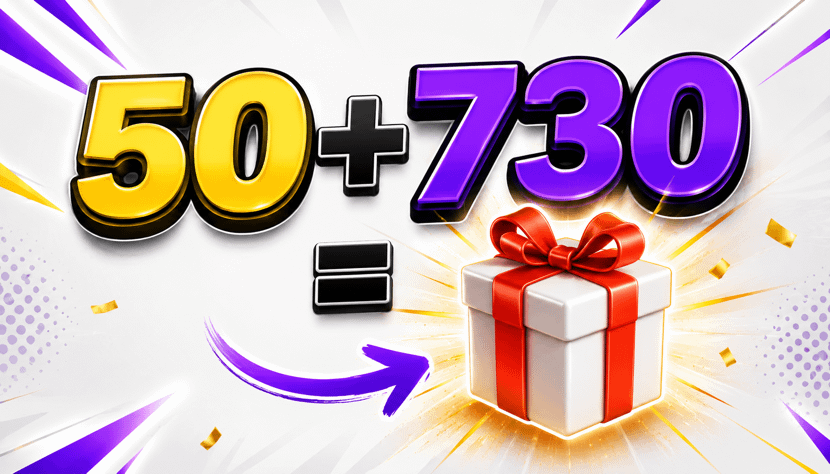
50 + 730 = 🎁🎁🎁🎁✨
😍
Bilverse
·
--
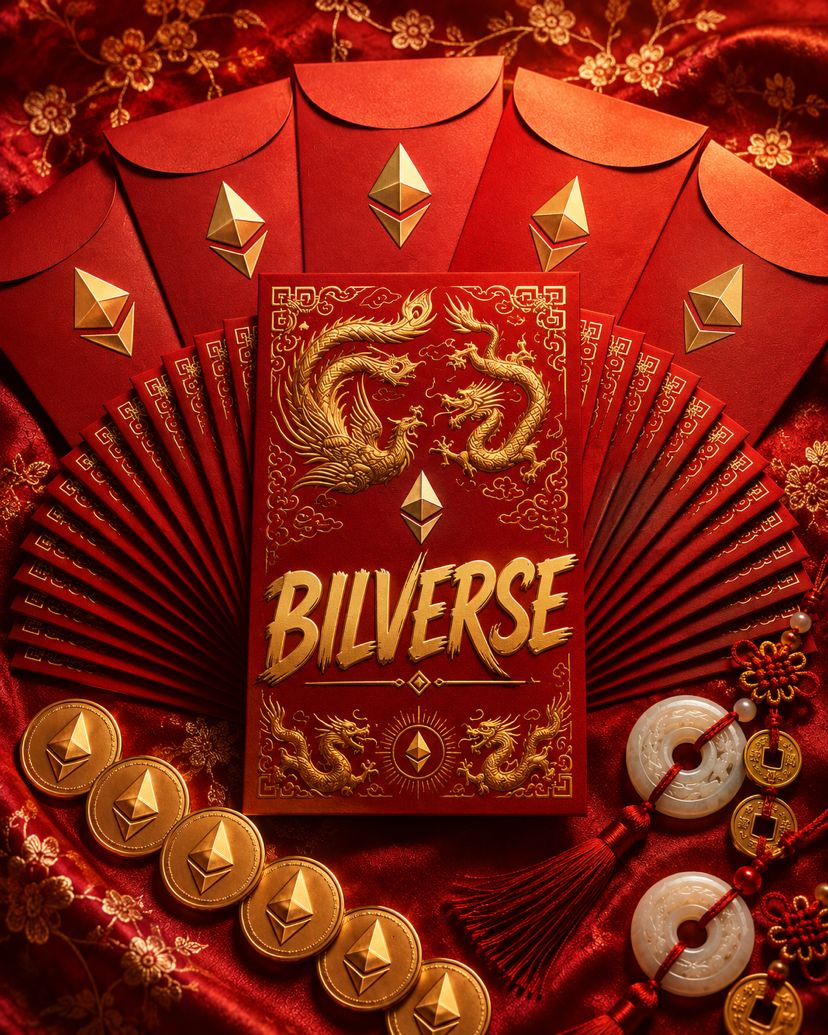
🚨 STOP SCROLLING — FREE ETH IS DROPPING 🧧⚡️
Binance Red Packets are loaded. 👀
If you want a shot at claiming ETH, do this:
• Follow @Bilverse
• Reshare this post
• Comment “4000” 🗣️
That’s it.
The more people who see this, the more chaotic this giveaway gets. 😂🔥
Follow → Reshare → “4000”
Click here to DOUBLE your Rewards! 🧧🚀
Let’s see how fast the ETH disappears. 🧧💎
#ETH #RedPacketMission #Bilverse #CryptoCommunity
Binance Red Packets are loaded. 👀
If you want a shot at claiming ETH, do this:
• Follow @Bilverse
• Reshare this post
• Comment “4000” 🗣️
That’s it.
The more people who see this, the more chaotic this giveaway gets. 😂🔥
Follow → Reshare → “4000”
Click here to DOUBLE your Rewards! 🧧🚀
Let’s see how fast the ETH disappears. 🧧💎
#ETH #RedPacketMission #Bilverse #CryptoCommunity
😇

Shaheen 69
·
--
🎁 A Little Red Packet Surprise for My Amazing Followers! 🧧
You’ve supported, liked, commented, and shared my content throughout the journey — and now it’s time to give something back! ❤️
I’m sending out a Red Packet Gift as a small thank-you to my amazing community. 🧧✨
Keep following, stay active, and don’t miss the drop — you never know when the next surprise will arrive! 👀🔥
Your support means more than numbers on a screen. Every follower is part of this journey, and I truly appreciate you. 🙏
Good luck everyone! 🍀 May your Red Packet bring you a little extra happiness today! 🚀🧧
Stay connected. Stay active. Stay winning! 💎
$TUT
$BEAMX
You’ve supported, liked, commented, and shared my content throughout the journey — and now it’s time to give something back! ❤️
I’m sending out a Red Packet Gift as a small thank-you to my amazing community. 🧧✨
Keep following, stay active, and don’t miss the drop — you never know when the next surprise will arrive! 👀🔥
Your support means more than numbers on a screen. Every follower is part of this journey, and I truly appreciate you. 🙏
Good luck everyone! 🍀 May your Red Packet bring you a little extra happiness today! 🚀🧧
Stay connected. Stay active. Stay winning! 💎
$TUT
$BEAMX

🤔

Night King Official
·
--
🚨 GIVEAWAY LIVE! 🎁
3,000 Red Packets are up for grabs! 🔥
✅ Follow
🔁 Repost
💬 Comment "666"
🎁 Claim Reward
Who’s ready? 👀
3,000 Red Packets are up for grabs! 🔥
✅ Follow
🔁 Repost
💬 Comment "666"
🎁 Claim Reward
Who’s ready? 👀

😇
Virus钻石
·
--
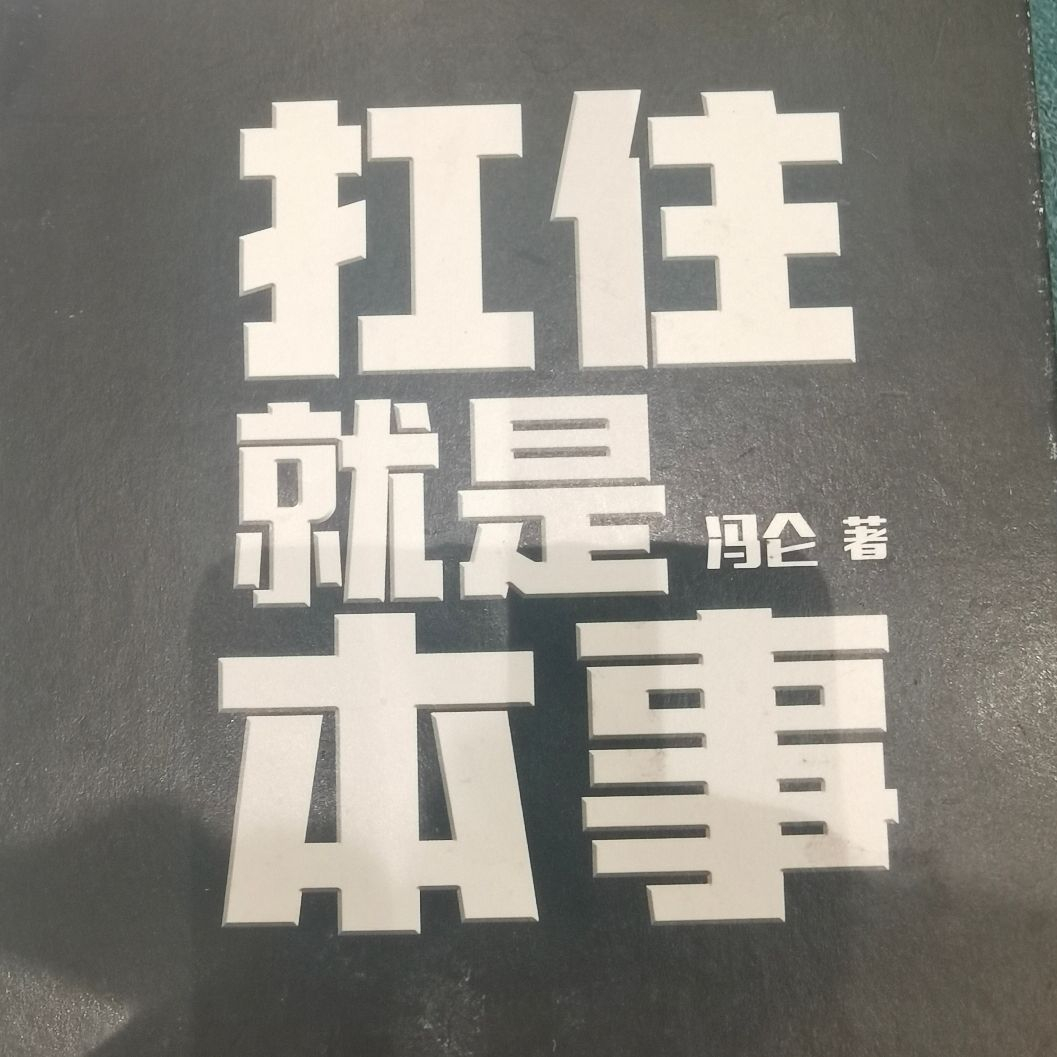
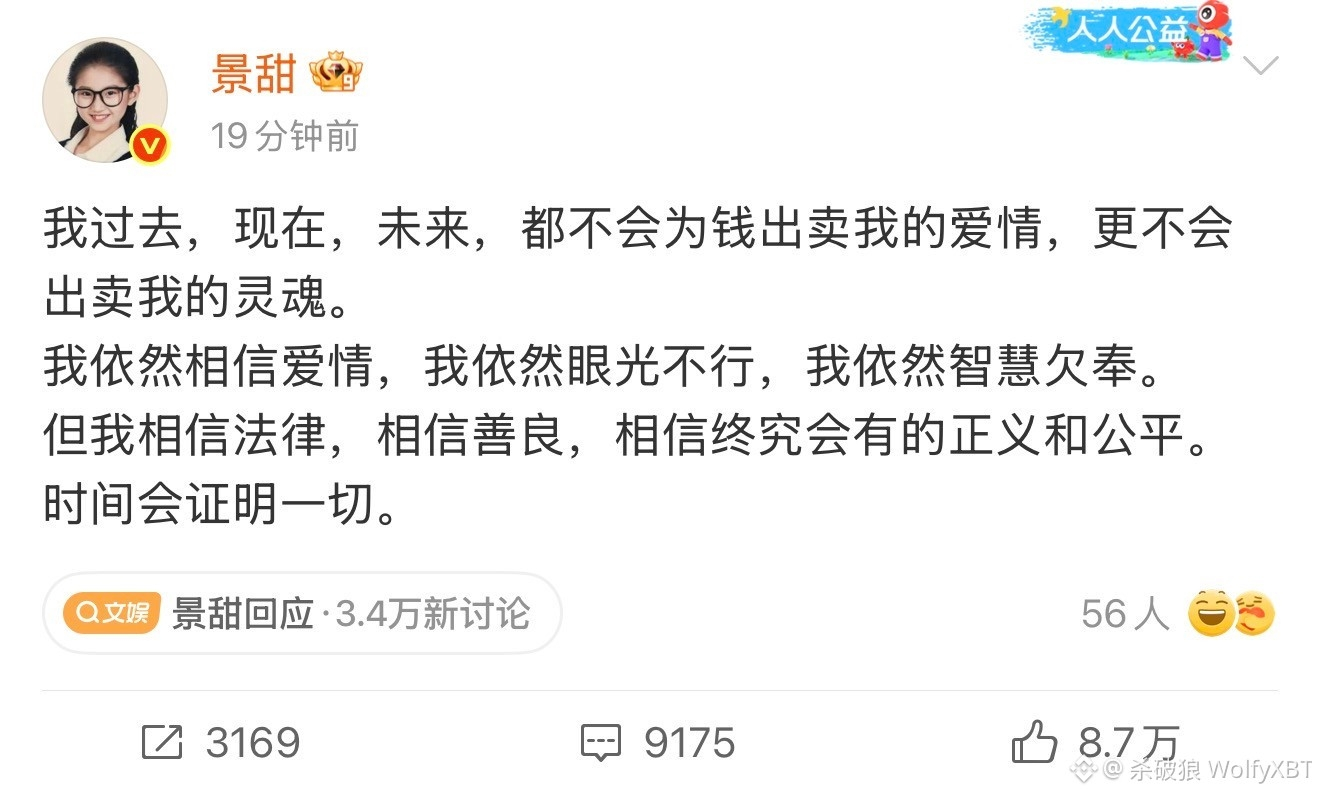
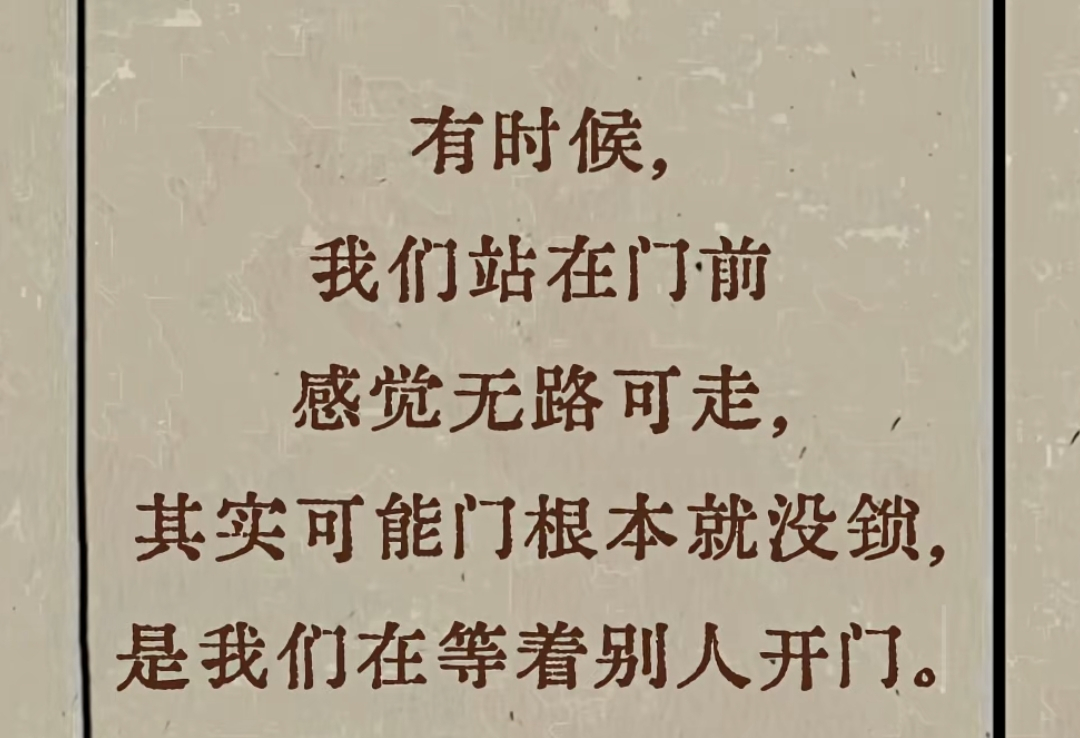
因上尽力,果上随缘 #BTC
🤭

Moksedul YT
·
--
РостThe 80s are back 🔙
$BTR
$MOVR
$CRV
$BTR
$MOVR
$CRV

😇

AbdullRauf
·
--
GIVEAWAY ALERT 🧧
We're giving away 2000 gifts to our Square Family as a huge thank you for your support!
To Enter:
✅ Follow
✅ Share this post
✅ Comment "666 !"
Random winners will be selected. Good luck, everyone! 🚀
We're giving away 2000 gifts to our Square Family as a huge thank you for your support!
To Enter:
✅ Follow
✅ Share this post
✅ Comment "666 !"
Random winners will be selected. Good luck, everyone! 🚀

😇

Suadagar Ali
·
--
#BNB $
follow ☘️🥀🌹like
comments repost
follow ☘️🥀🌹like
comments repost

😍
生蚝哥Oyster
·
--
Рост晨光如约而至,稳住节奏,静待花开。新的一日,平安顺遂,万事可期☀️
🧧🧧🧧关注回复👇👇👇
🧧🧧🧧关注回复👇👇👇
😇

⁰MR RAJ⁰
·
--
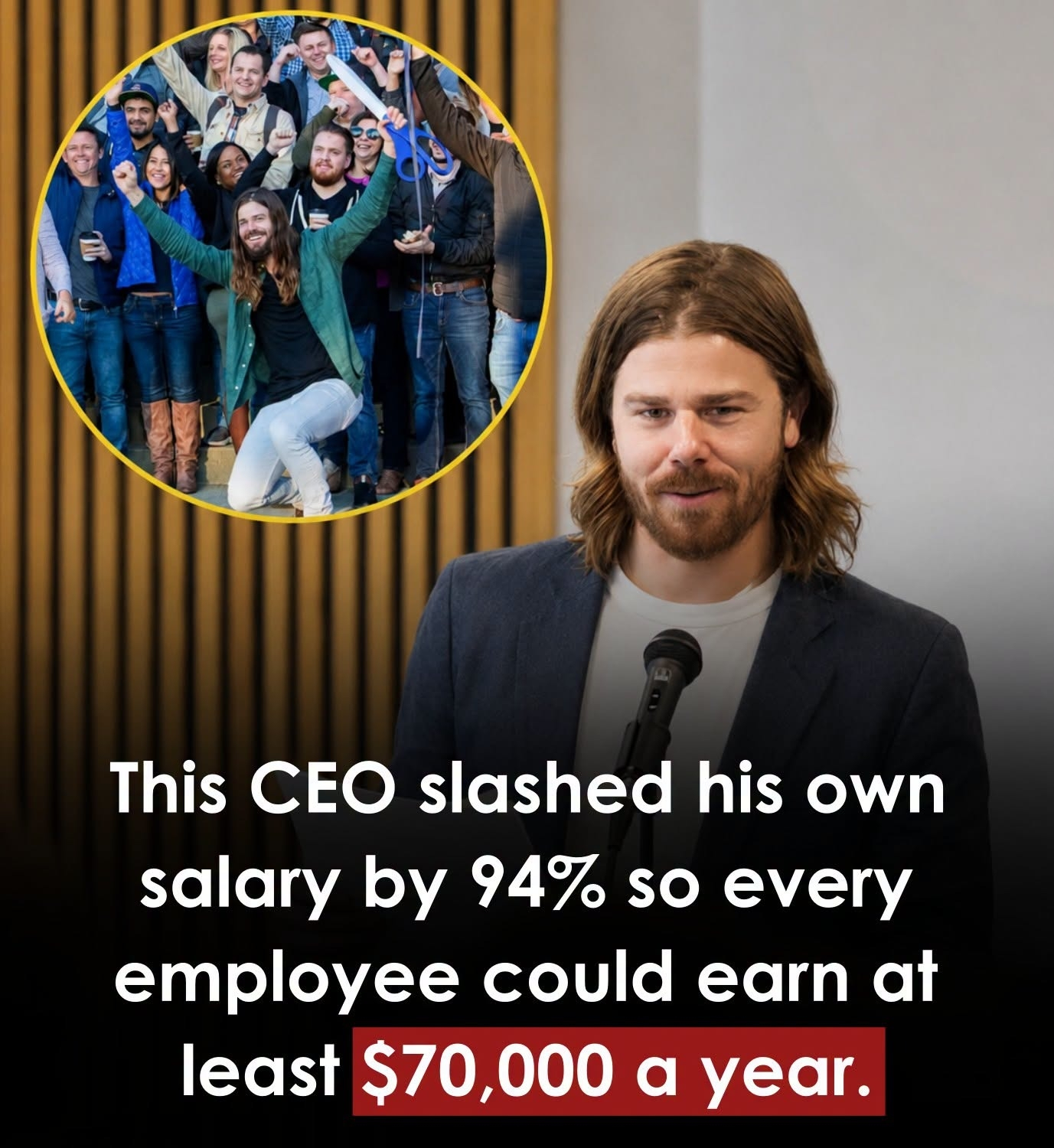
Рост💰 In 2015, Gravity Payments CEO Dan Price made headlines by cutting his own salary from about $1 million to $70,000 — a roughly 94% reduction. He used the move to help raise the company’s minimum salary to $70,000 for employees.
❤️🏢 Price said the decision was about giving his Seattle-based team greater financial stability, after seeing employees struggle with rising living costs. The move sparked a huge debate about CEO pay and fair wages.
$DUSK $RIVER $POWER
#XRPRallies44%InAWeek #IranSaysHormuzOmanDealNotFinalized #SECSendsCryptoCustodyRuleToWhiteHouse #CryptoFearGreedIndexHits74 #USBitcoinETFsExtendInflowsToSixthDay
❤️🏢 Price said the decision was about giving his Seattle-based team greater financial stability, after seeing employees struggle with rising living costs. The move sparked a huge debate about CEO pay and fair wages.
$DUSK $RIVER $POWER
#XRPRallies44%InAWeek #IranSaysHormuzOmanDealNotFinalized #SECSendsCryptoCustodyRuleToWhiteHouse #CryptoFearGreedIndexHits74 #USBitcoinETFsExtendInflowsToSixthDay
7

奕澤YiiiiiZze
·
--
数字网络与分布式生态正在重塑我们的社交和协作方式.在光明社区的探索中,LUCIC不仅仅是一个符号,更是社区共识与数字生态共同演进的纽带.我们通过去中心化的协作,汇聚点滴力量,共同推动生态的良性循环.期待未来在技术与社群的交汇点上,与更多同行者见证更多可能.
关注&点赞&转发领取SOL🎁🎁🎁
关注&点赞&转发领取SOL🎁🎁🎁
😍

Elena神话MUA
·
--
#MUA
你的好与坏在他人的眼中,
只与他们的利益有关。$BTC
符合了就夸你赞美你,
不符合就贬低你诋毁你,
别人的认可是最廉价的枷锁,$BNB
所以你只需要保护好自己的感受和利益,
至于别人的感受和利益他们自己会去争取。$ETH
你的好与坏在他人的眼中,
只与他们的利益有关。$BTC
符合了就夸你赞美你,
不符合就贬低你诋毁你,
别人的认可是最廉价的枷锁,$BNB
所以你只需要保护好自己的感受和利益,
至于别人的感受和利益他们自己会去争取。$ETH
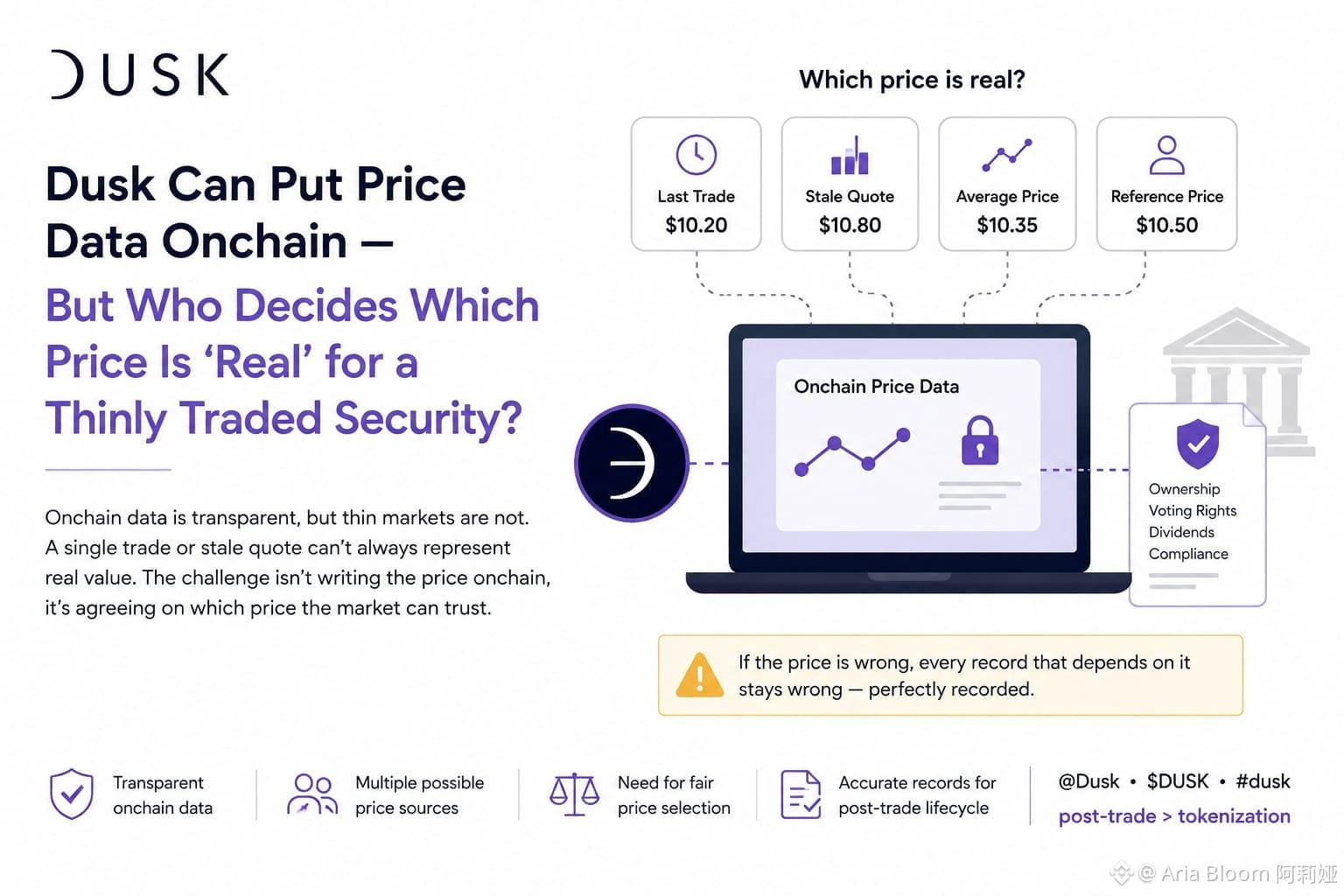
I’ve been thinking about Dusk’s onchain price data a bit differently lately. Putting a price onchain sounds straightforward until I imagine a security that barely trades. If it moves once every few days which price actually represents the market? The last trade? A stale quote? An average? Or some reference value agreed by the system?
That matters because tokenization doesn’t automatically make the underlying asset more measurable. The chain can preserve a number very accurately but it can’t decide by itself whether that number still reflects reality. For a thinly traded security a single small transaction could look meaningful even when it tells us very little about what another buyer would actually pay.
I think this is where Dusk’s post-trade focus gets more interesting to me. The source material makes the point that the hard part is keeping records correct after trading including rights payments and compliance. But there’s another dependency sitting underneath those records: the inputs have to be trustworthy in the first place. If eligibility or valuation eventually depends on price data.
bad inputs can stay perfectly recorded onchain.
I’d want to see how Dusk handles stale or disputed prices in practice. Who gets the final say when the market itself barely speaks?
#dusk $DUSK @Dusk
That matters because tokenization doesn’t automatically make the underlying asset more measurable. The chain can preserve a number very accurately but it can’t decide by itself whether that number still reflects reality. For a thinly traded security a single small transaction could look meaningful even when it tells us very little about what another buyer would actually pay.
I think this is where Dusk’s post-trade focus gets more interesting to me. The source material makes the point that the hard part is keeping records correct after trading including rights payments and compliance. But there’s another dependency sitting underneath those records: the inputs have to be trustworthy in the first place. If eligibility or valuation eventually depends on price data.
bad inputs can stay perfectly recorded onchain.
I’d want to see how Dusk handles stale or disputed prices in practice. Who gets the final say when the market itself barely speaks?
#dusk $DUSK @Dusk
Войдите, чтобы посмотреть больше материала