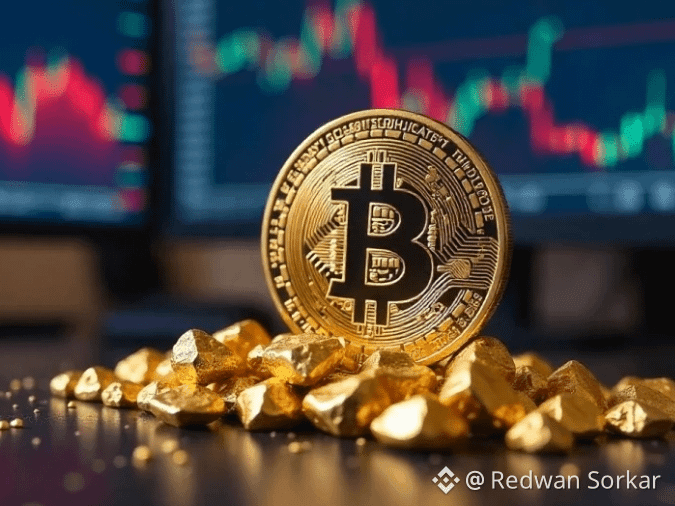
The Rise and Impact of Bitcoin (BTC)
Bitcoin (BTC), introduced in 2009 by an anonymous creator known as Satoshi Nakamoto, is the world's first decentralized digital currency. Operating on a technology called blockchain—a secure, public digital ledger—Bitcoin allows users to send and receive funds globally without the need for traditional intermediaries like banks or governments.
Key Characteristics of Bitcoin
Decentralization: No central authority, bank, or government controls Bitcoin. It is maintained by a peer-to-peer network of computers worldwide.
Limited Supply: The total number of Bitcoins that will ever be mined is capped at 21 million, making it a deflationary asset often compared to digital gold.
Transparency and Security: All transactions are recorded on the blockchain, ensuring high transparency while maintaining user pseudonymity and strong cryptographic security.
Conclusion
Over the years, Bitcoin has evolved from an obscure internet experiment into a major global financial asset. While its high price volatility remains a topic of intense debate among investors, BTC continues to revolutionize how people view money, value storage, and financial freedom in the digital age.
#BTC #BinanceSquareTalks #usa
#EuropeanStand
Bitcoin (BTC), introduced in 2009 by an anonymous creator known as Satoshi Nakamoto, is the world's first decentralized digital currency. Operating on a technology called blockchain—a secure, public digital ledger—Bitcoin allows users to send and receive funds globally without the need for traditional intermediaries like banks or governments.
Key Characteristics of Bitcoin
Decentralization: No central authority, bank, or government controls Bitcoin. It is maintained by a peer-to-peer network of computers worldwide.
Limited Supply: The total number of Bitcoins that will ever be mined is capped at 21 million, making it a deflationary asset often compared to digital gold.
Transparency and Security: All transactions are recorded on the blockchain, ensuring high transparency while maintaining user pseudonymity and strong cryptographic security.
Conclusion
Over the years, Bitcoin has evolved from an obscure internet experiment into a major global financial asset. While its high price volatility remains a topic of intense debate among investors, BTC continues to revolutionize how people view money, value storage, and financial freedom in the digital age.
#BTC #BinanceSquareTalks #usa
#EuropeanStand