
Michael John1
7k Публикации

Michael John1
 Square Verified+
sports me x will back sports (@Ghulamshabir420) follow me plz
2.3K+ подписок(и/а)
33.7K+ подписчиков(а)
21.2K+ понравилось
Посты
Все
Цитирования
Активно
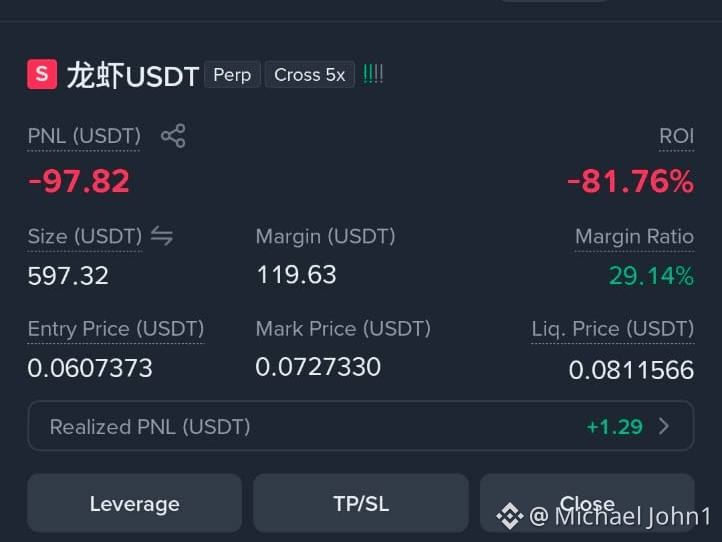
$龙虾
USDT is showing strong momentum, but price is already extended near 0.0727. I would avoid chasing here. Buy zone: 0.0640–0.0670. Target 1: 0.0745, Target 2: 0.0800, Target 3: 0.0850. Stop loss: 0.0605. If price breaks 0.0750 with strong volume, momentum could continue. Manage leverage carefully because volatility is extremely high.#龙虾
USDT is showing strong momentum, but price is already extended near 0.0727. I would avoid chasing here. Buy zone: 0.0640–0.0670. Target 1: 0.0745, Target 2: 0.0800, Target 3: 0.0850. Stop loss: 0.0605. If price breaks 0.0750 with strong volume, momentum could continue. Manage leverage carefully because volatility is extremely high.#龙虾
@TermMax takes a less sexy route.

Xiao 晓雨
·
--
I’ve been burned enough by DeFi “risk management” that I’m suspicious whenever the fix is just another liquidation bot.
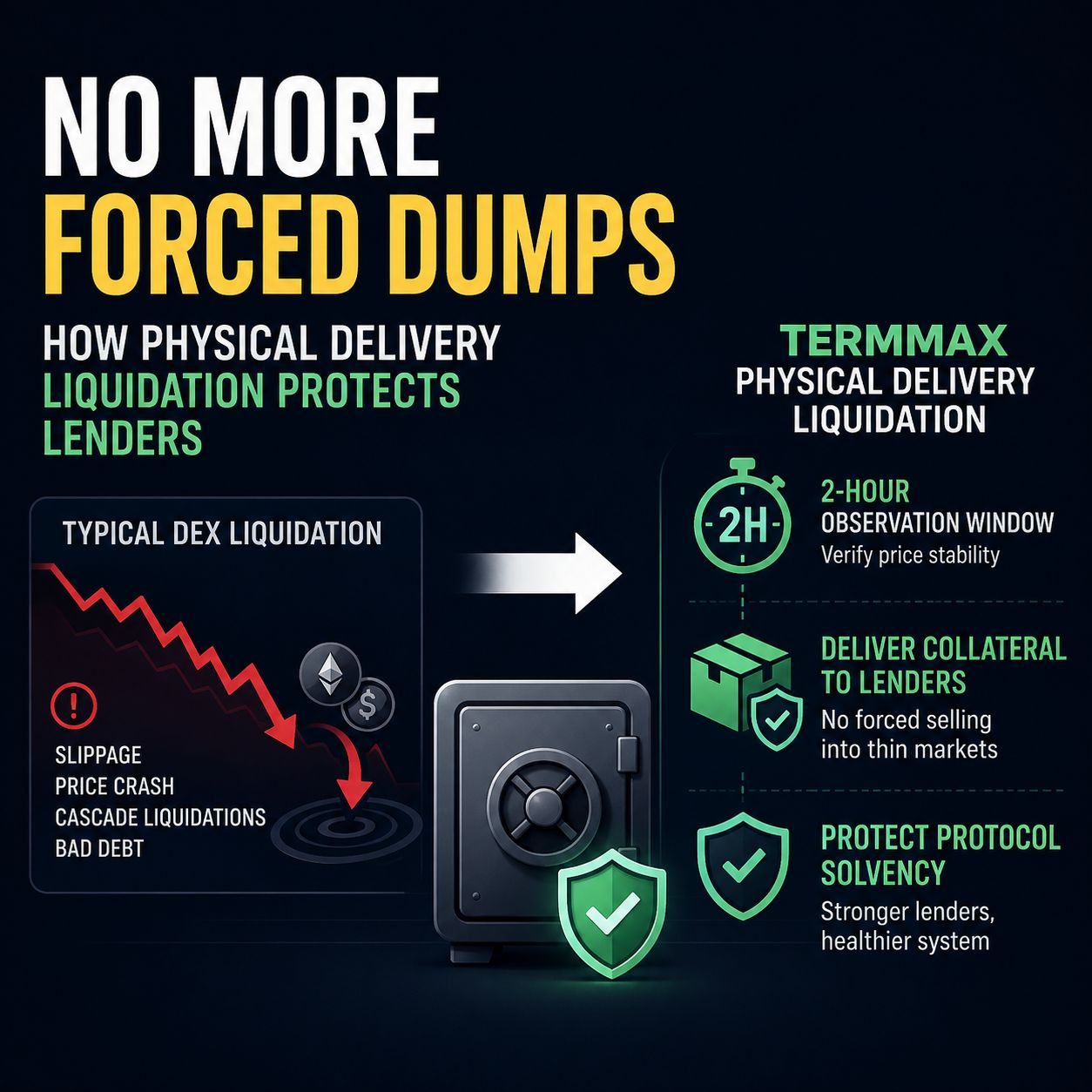
The ugly part is obvious: when markets get violent, automated DEX liquidations can dump collateral into thin liquidity, eat slippage, push price lower, trigger more liquidations, and turn a bad position into protocol-wide bad debt.
@TermMax takes a less sexy route.
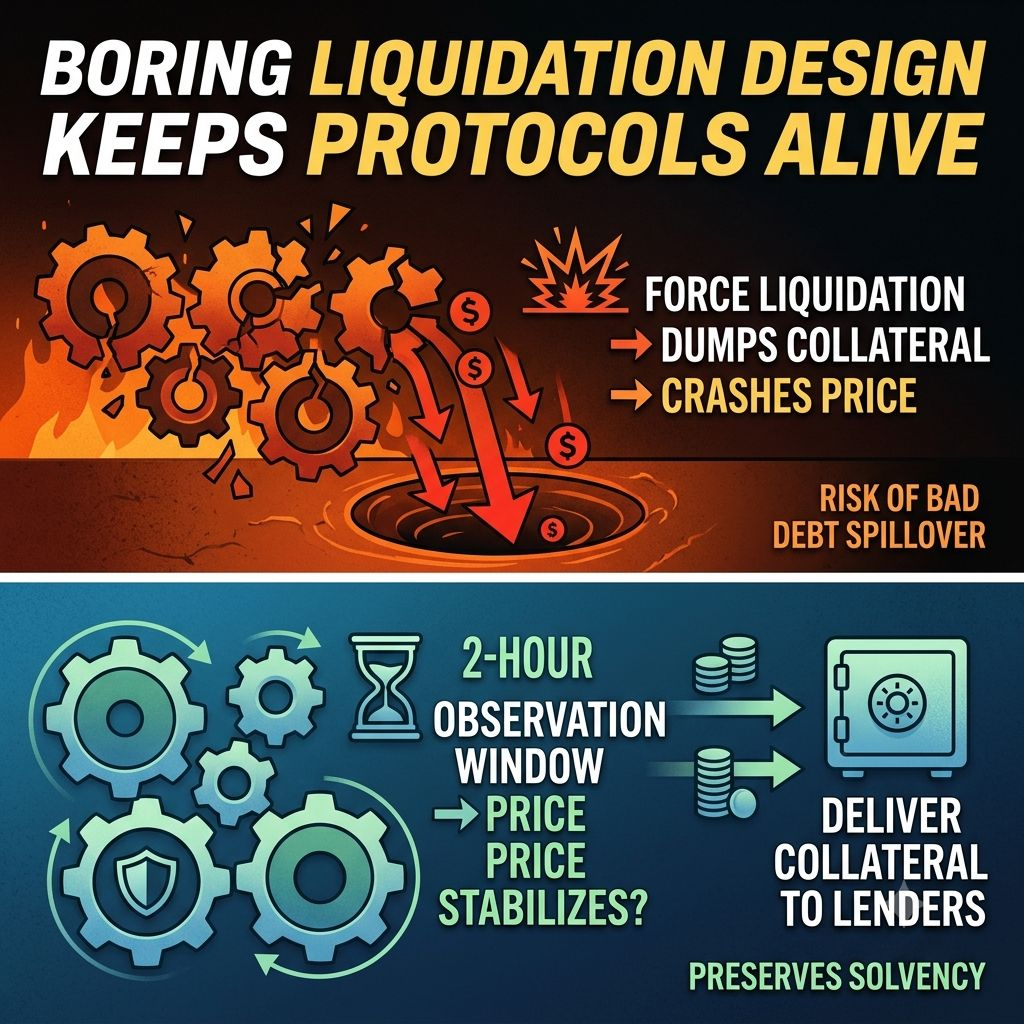
Instead of immediately forcing a market sale, its liquidation flow uses a 2-hour observation window to check whether the asset price has actually stabilized. And if liquidation goes through, the underlying collateral can be delivered directly to lenders rather than nuked into an already wrecked order book.
That plumbing matters.
The goal isn’t to make liquidation disappear. It’s to stop the liquidation mechanism itself from becoming the thing that breaks solvency.
My contrarian take: DeFi keeps chasing volume, leverage and flashy yield while ignoring the boring machinery that keeps lenders alive when everything goes sideways.
Degen UX gets attention.
Boring liquidation design keeps protocols alive.
#TermMax @TermMax #termmaxx
$NEIRO
$BOME
$ENA
The ugly part is obvious: when markets get violent, automated DEX liquidations can dump collateral into thin liquidity, eat slippage, push price lower, trigger more liquidations, and turn a bad position into protocol-wide bad debt.
@TermMax takes a less sexy route.
Instead of immediately forcing a market sale, its liquidation flow uses a 2-hour observation window to check whether the asset price has actually stabilized. And if liquidation goes through, the underlying collateral can be delivered directly to lenders rather than nuked into an already wrecked order book.
That plumbing matters.
The goal isn’t to make liquidation disappear. It’s to stop the liquidation mechanism itself from becoming the thing that breaks solvency.
My contrarian take: DeFi keeps chasing volume, leverage and flashy yield while ignoring the boring machinery that keeps lenders alive when everything goes sideways.
Degen UX gets attention.
Boring liquidation design keeps protocols alive.
#TermMax @TermMax #termmaxx
$NEIRO
$BOME
$ENA
I took another careful look at Dusk today, and honestly, I think I may have put the emphasis on the wrong things before.
At first, I understood it as yet another blockchain that mainly focuses on privacy.
But the deeper I dug, the more I felt that what really deserves attention isn’t just “privacy” itself.
For me, the core logic of Dusk is actually:
privacy + compliance + settlement.
Dusk is a Layer-1 built for financial applications, and it supports confidential smart contracts through the XSC standard. What interests me is that privacy isn’t something added on later—it’s much closer to the core of the network’s overall design.
$DUSK
At first, I understood it as yet another blockchain that mainly focuses on privacy.
But the deeper I dug, the more I felt that what really deserves attention isn’t just “privacy” itself.
For me, the core logic of Dusk is actually:
privacy + compliance + settlement.
Dusk is a Layer-1 built for financial applications, and it supports confidential smart contracts through the XSC standard. What interests me is that privacy isn’t something added on later—it’s much closer to the core of the network’s overall design.
$DUSK

陈欣 Chén Xīn
·
--
Рост我今天又认真看了一遍 Dusk,老实说,我发现自己之前可能把重点放错了。
一开始,我把它理解成又一个强调隐私的区块链。
但越往下研究,我越觉得,真正值得关注的并不只是“隐私”本身。
对我来说,Dusk 更核心的逻辑其实是:
隐私 + 合规 + 结算。
Dusk 是一个面向金融应用的 Layer-1,并通过 XSC 标准支持机密智能合约。让我比较感兴趣的是,隐私并不是后期加上去的功能,而是更接近整个网络设计的核心。
这其实很符合传统金融的需求。
一家金融机构可能需要证明一笔交易是合法的,但并不希望所有人都看到交易背后的具体细节。
余额、仓位、交易金额、交易对手,这些信息对机构来说都可能很敏感。
所以我觉得,Dusk 真正想解决的不是“怎么让区块链更匿名”,而是一个更现实的问题:
如何让金融交易保持隐私,同时又能够满足合规和结算要求?
但我也不会因为技术逻辑成立,就直接得出 DUSK 一定能够捕获价值的结论。
最近 DUSK 的价格表现并不强,社区也有人开始质疑生态发展的速度。
反而让我更关注一个问题:
未来如果真的有更多受监管的金融资产进入链上,Dusk 能不能成为它们真正依赖的结算基础设施?
如果可以,我觉得市场可能低估了它的长期价值。
如果不能,那么再好的隐私架构,也可能只是一个很有意思的技术方案。
这也是我现在最想继续观察的地方。$BTW
#dusk $DUSK @Dusk
一开始,我把它理解成又一个强调隐私的区块链。
但越往下研究,我越觉得,真正值得关注的并不只是“隐私”本身。
对我来说,Dusk 更核心的逻辑其实是:
隐私 + 合规 + 结算。
Dusk 是一个面向金融应用的 Layer-1,并通过 XSC 标准支持机密智能合约。让我比较感兴趣的是,隐私并不是后期加上去的功能,而是更接近整个网络设计的核心。
这其实很符合传统金融的需求。
一家金融机构可能需要证明一笔交易是合法的,但并不希望所有人都看到交易背后的具体细节。
余额、仓位、交易金额、交易对手,这些信息对机构来说都可能很敏感。
所以我觉得,Dusk 真正想解决的不是“怎么让区块链更匿名”,而是一个更现实的问题:
如何让金融交易保持隐私,同时又能够满足合规和结算要求?
但我也不会因为技术逻辑成立,就直接得出 DUSK 一定能够捕获价值的结论。
最近 DUSK 的价格表现并不强,社区也有人开始质疑生态发展的速度。
反而让我更关注一个问题:
未来如果真的有更多受监管的金融资产进入链上,Dusk 能不能成为它们真正依赖的结算基础设施?
如果可以,我觉得市场可能低估了它的长期价值。
如果不能,那么再好的隐私架构,也可能只是一个很有意思的技术方案。
这也是我现在最想继续观察的地方。$BTW
#dusk $DUSK @Dusk

🎙️ Ramadan Mubarak $ETH Friday Blessngs 🌷 welcome ✨😉🌸👻🥰💕✨🌷
Завершено
05 ч 59 мин 59 сек
4.9k
23
🎙️ 马年初八,Hawk回归正轨,精彩内容不容错过!维护生态平衡,传播自由理念,Hawk正在影响全球每个城市
!
Завершено
05 ч 21 мин 37 сек
6.5k
172
🎙️ Ramadan Kareem $BNB Short live Welcome Everyone ✨🎉👻😍🥰🎉✨
Завершено
05 ч 59 мин 59 сек
2.4k
7
Войдите, чтобы посмотреть больше материала