
Mark Neo
6.9k Публикации

Mark Neo
 Square Verified+
Отправить жалобу
Заблокировать пользователя
Web3 believer building for the future.
943 подписок(и/а)
33.9K+ подписчиков(а)
15.3K+ понравилось
Посты
Все
Активно
·
--
Рост
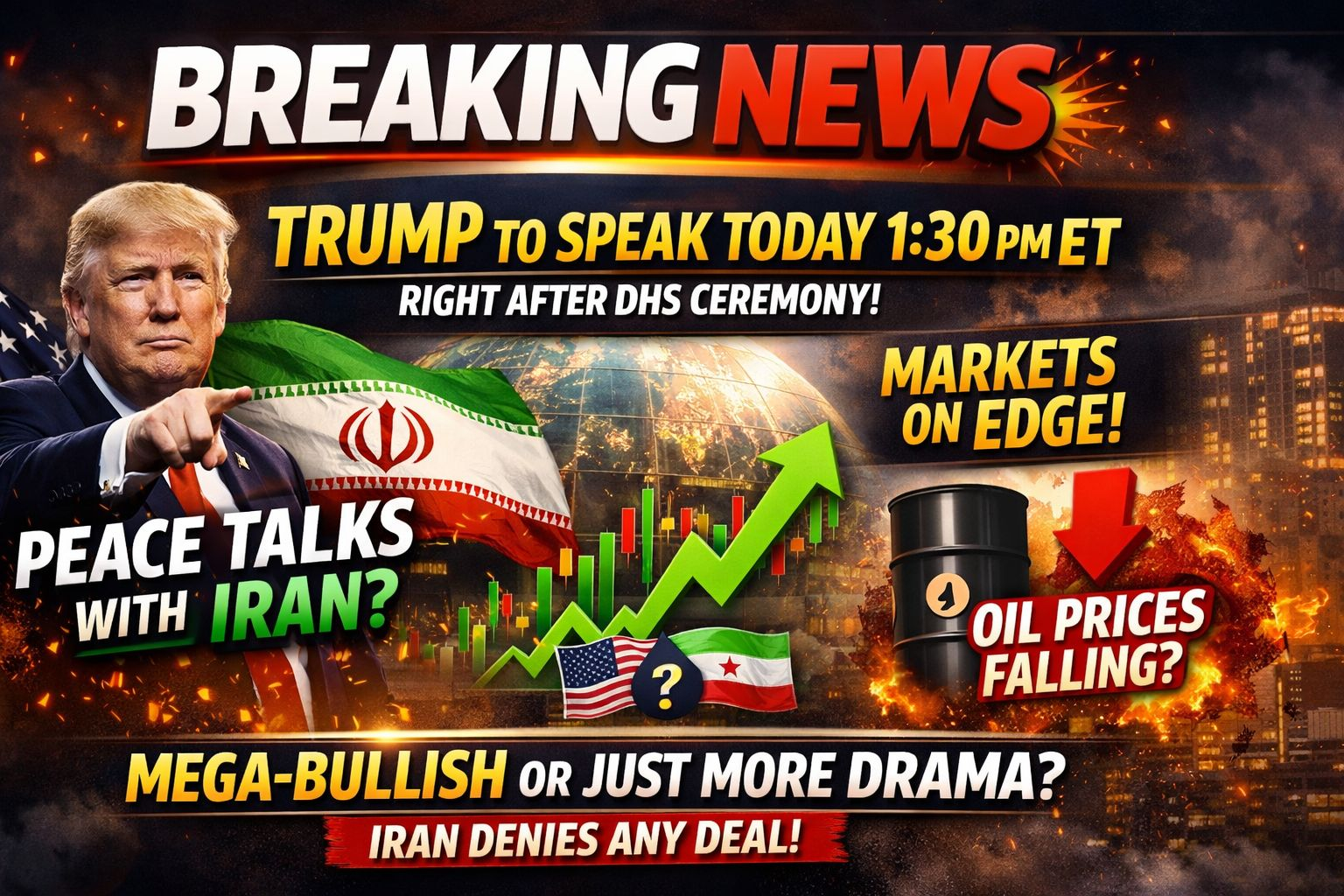
🚨 BREAKING: Trump to Speak at 1:30 PM ET Right After DHS Ceremony — WORLD MARKETS ON EDGE 🌍🔥
Today at 1:30 PM ET, right after the Department of Homeland Security swearing‑in, Donald J. Trump is expected to drop a major announcement that could shake energy markets and geopolitics. Rumors are swirling that he’ll claim progress on peace talks with Iran aimed at easing oil prices — a move traders are calling potentially “mega‑bullish.” 💥
Stocks are already ripping and crude prices have slid sharply on hopes of a de‑escalation, but here’s the twist: Iran is publicly denying any real negotiations have taken place. 😳
This could be a massive market moment — or just the latest chapter in an unpredictable geopolitical saga. Stay tuned. 📈🛢️🇮🇷🇺🇸
🚨 BREAKING: Trump to Speak at 1:30 PM ET Right After DHS Ceremony — WORLD MARKETS ON EDGE 🌍🔥
Today at 1:30 PM ET, right after the Department of Homeland Security swearing‑in, Donald J. Trump is expected to drop a major announcement that could shake energy markets and geopolitics. Rumors are swirling that he’ll claim progress on peace talks with Iran aimed at easing oil prices — a move traders are calling potentially “mega‑bullish.” 💥
Stocks are already ripping and crude prices have slid sharply on hopes of a de‑escalation, but here’s the twist: Iran is publicly denying any real negotiations have taken place. 😳
This could be a massive market moment — or just the latest chapter in an unpredictable geopolitical saga. Stay tuned. 📈🛢️🇮🇷🇺🇸
Today at 1:30 PM ET, right after the Department of Homeland Security swearing‑in, Donald J. Trump is expected to drop a major announcement that could shake energy markets and geopolitics. Rumors are swirling that he’ll claim progress on peace talks with Iran aimed at easing oil prices — a move traders are calling potentially “mega‑bullish.” 💥
Stocks are already ripping and crude prices have slid sharply on hopes of a de‑escalation, but here’s the twist: Iran is publicly denying any real negotiations have taken place. 😳
This could be a massive market moment — or just the latest chapter in an unpredictable geopolitical saga. Stay tuned. 📈🛢️🇮🇷🇺🇸
2
389
·
--
Рост
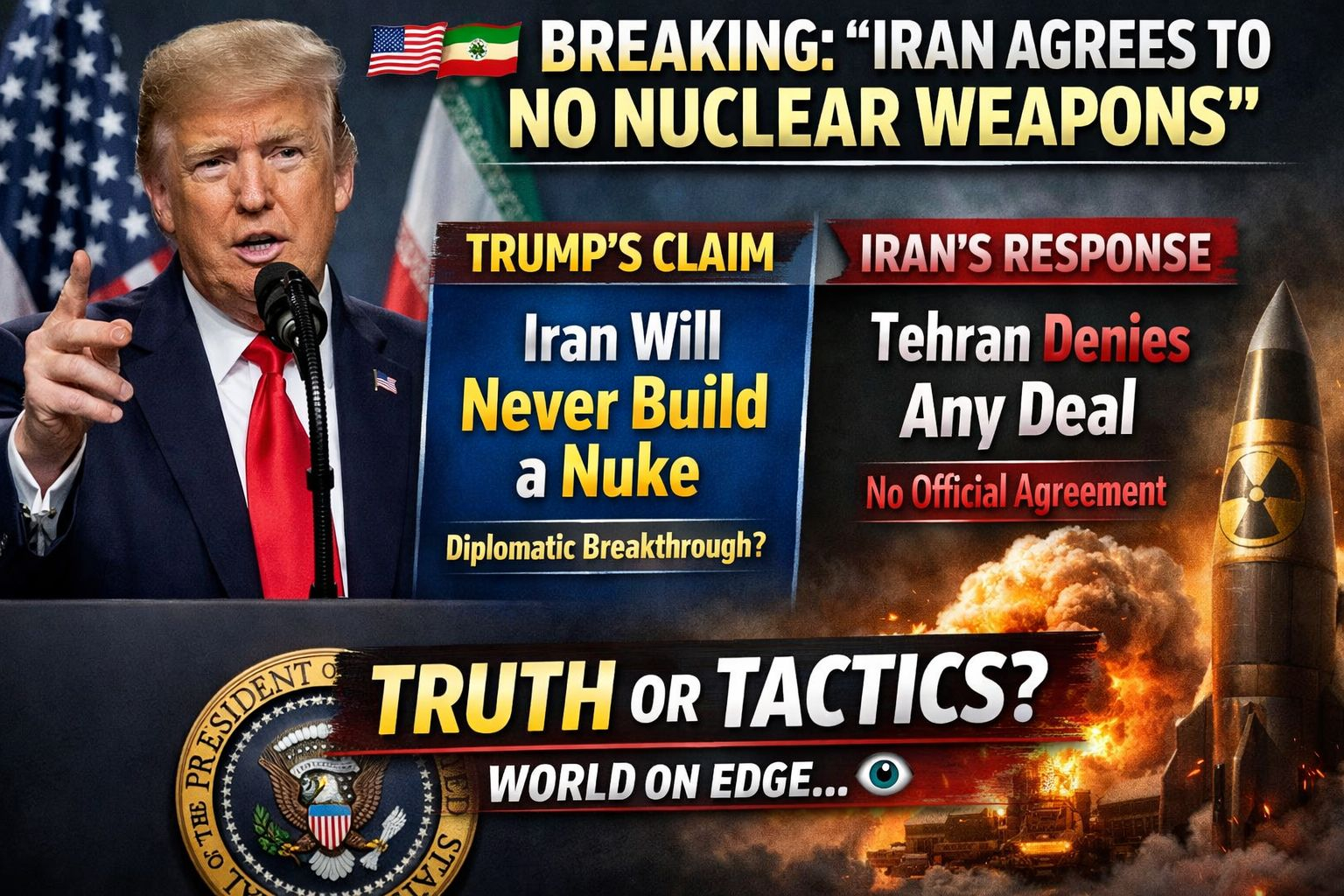
🚨 BREAKING: President Trump says Iran has agreed to never pursue nuclear weapons.
From the White House tonight: Trump declared that Tehran has accepted the United States’ key demand — that it will not develop a nuclear weapon — calling it a major diplomatic breakthrough in efforts to end the conflict. He also hinted there may be oil and energy‑related cooperation as part of these talks.
But here’s the twist 👇
👉 Iran has not publicly confirmed any such agreement and continues to deny formal talks with Washington.
This claim is being framed as a huge win — yet it comes amid ongoing fighting, diplomatic denial from Tehran, and continuing regional tensions that experts warn could still spiral.
🔥 World watching. Stakes massive. Words vs. reality.
Trump says no nukes — the world now waits to see if Iran says the same. 👀
🚨 BREAKING: President Trump says Iran has agreed to never pursue nuclear weapons.
From the White House tonight: Trump declared that Tehran has accepted the United States’ key demand — that it will not develop a nuclear weapon — calling it a major diplomatic breakthrough in efforts to end the conflict. He also hinted there may be oil and energy‑related cooperation as part of these talks.
But here’s the twist 👇
👉 Iran has not publicly confirmed any such agreement and continues to deny formal talks with Washington.
This claim is being framed as a huge win — yet it comes amid ongoing fighting, diplomatic denial from Tehran, and continuing regional tensions that experts warn could still spiral.
🔥 World watching. Stakes massive. Words vs. reality.
Trump says no nukes — the world now waits to see if Iran says the same. 👀
From the White House tonight: Trump declared that Tehran has accepted the United States’ key demand — that it will not develop a nuclear weapon — calling it a major diplomatic breakthrough in efforts to end the conflict. He also hinted there may be oil and energy‑related cooperation as part of these talks.
But here’s the twist 👇
👉 Iran has not publicly confirmed any such agreement and continues to deny formal talks with Washington.
This claim is being framed as a huge win — yet it comes amid ongoing fighting, diplomatic denial from Tehran, and continuing regional tensions that experts warn could still spiral.
🔥 World watching. Stakes massive. Words vs. reality.
Trump says no nukes — the world now waits to see if Iran says the same. 👀
1
1
167
·
--
Падение
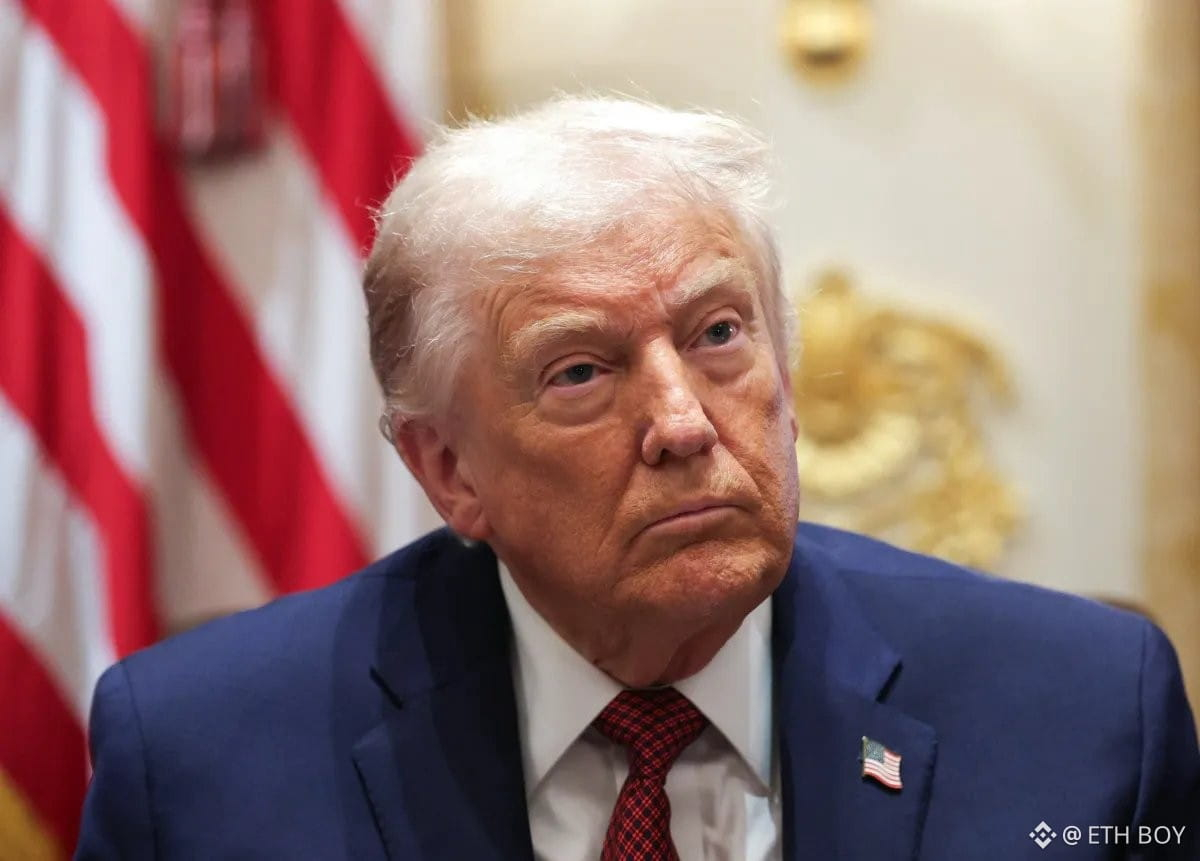
🚨 BREAKING
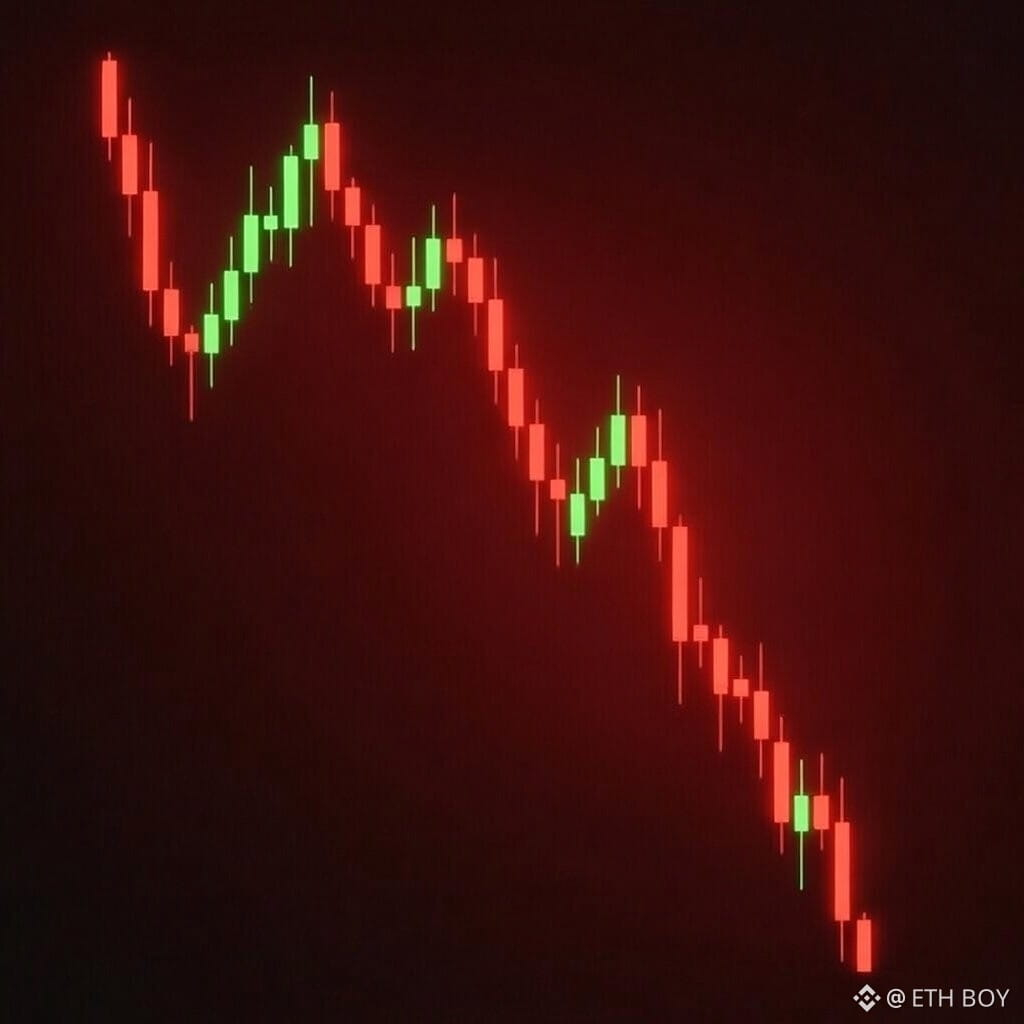
President Trump’s approval rating has plummeted to 36%, marking the lowest point since his return to the White House.
Public frustration is rising amid ongoing tensions in the Middle East, disputed claims of “victory” in Iran, and domestic controversies.
Experts warn this could signal a critical turning point for Trump’s influence and political future — both at home and abroad.
The pressure is on… can he turn it around, or is the decline just beginning? 👀
🚨 BREAKING
President Trump’s approval rating has plummeted to 36%, marking the lowest point since his return to the White House.
Public frustration is rising amid ongoing tensions in the Middle East, disputed claims of “victory” in Iran, and domestic controversies.
Experts warn this could signal a critical turning point for Trump’s influence and political future — both at home and abroad.
The pressure is on… can he turn it around, or is the decline just beginning? 👀
President Trump’s approval rating has plummeted to 36%, marking the lowest point since his return to the White House.
Public frustration is rising amid ongoing tensions in the Middle East, disputed claims of “victory” in Iran, and domestic controversies.
Experts warn this could signal a critical turning point for Trump’s influence and political future — both at home and abroad.
The pressure is on… can he turn it around, or is the decline just beginning? 👀
1
125
·
--
Рост
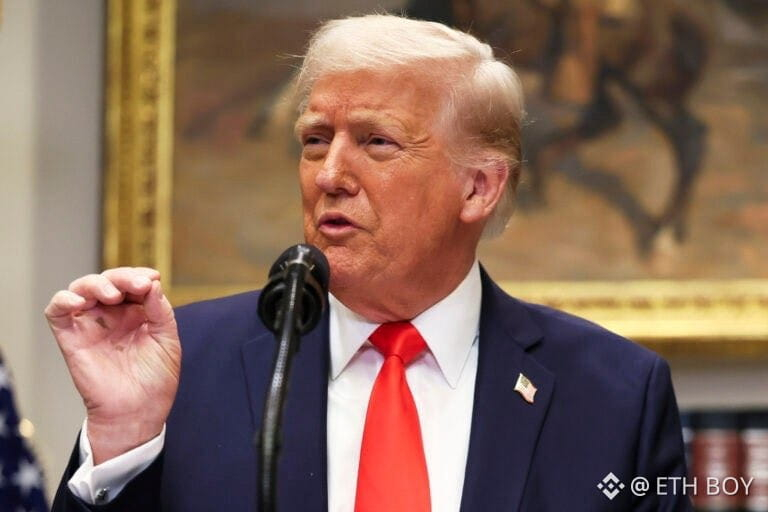
🚨 BREAKING
Donald Trump declares: “We have won in Iran.”
After weeks of intense conflict, Trump is now claiming victory — saying the war is already decided and the U.S. is on top.
But here’s where it gets intense 👇
• Fighting and tensions are still ongoing in the region
• The U.S. is continuing military pressure despite the “win” claim
• Iran is denying negotiations and not confirming any deal
Trump also hints that talks are happening behind the scenes and even suggests Iran may be ready for a deal — but nothing is officially confirmed yet.
This feels less like an ending… and more like the calm before the next move.
Victory claimed — but the story isn’t over 👀
🚨 BREAKING
Donald Trump declares: “We have won in Iran.”
After weeks of intense conflict, Trump is now claiming victory — saying the war is already decided and the U.S. is on top.
But here’s where it gets intense 👇
• Fighting and tensions are still ongoing in the region
• The U.S. is continuing military pressure despite the “win” claim
• Iran is denying negotiations and not confirming any deal
Trump also hints that talks are happening behind the scenes and even suggests Iran may be ready for a deal — but nothing is officially confirmed yet.
This feels less like an ending… and more like the calm before the next move.
Victory claimed — but the story isn’t over 👀
Donald Trump declares: “We have won in Iran.”
After weeks of intense conflict, Trump is now claiming victory — saying the war is already decided and the U.S. is on top.
But here’s where it gets intense 👇
• Fighting and tensions are still ongoing in the region
• The U.S. is continuing military pressure despite the “win” claim
• Iran is denying negotiations and not confirming any deal
Trump also hints that talks are happening behind the scenes and even suggests Iran may be ready for a deal — but nothing is officially confirmed yet.
This feels less like an ending… and more like the calm before the next move.
Victory claimed — but the story isn’t over 👀
1
144
·
--
Рост
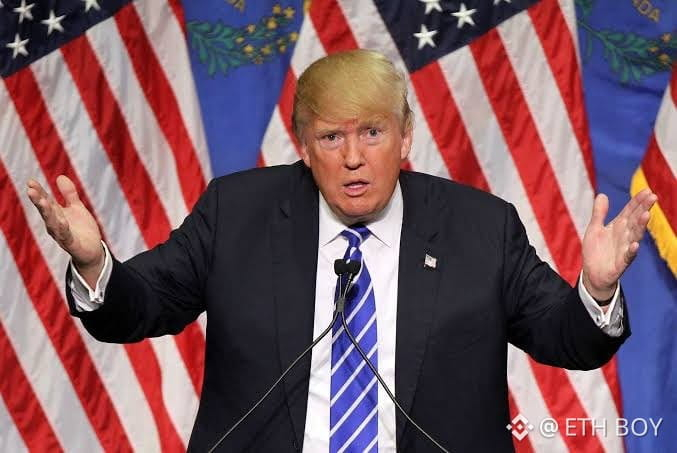
🚨 BREAKING
Iran fires back at Trump — and the message is loud and uncompromising.
Sources suggest Tehran is laying down hard conditions:
• Remove all US military bases from the Middle East
• Control (or profit from) the Strait of Hormuz — the world’s key oil route
• Zero talks on their nuclear program
But here’s the reality 👇
So far, Iran has publicly denied even wanting negotiations or a ceasefire, staying defiant despite rising global pressure
At the same time, tensions around the Strait of Hormuz are exploding — with threats, restrictions, and even disruption to global oil flow already in play
This isn’t just diplomacy… it’s a high-stakes power game.
The question now: deal… or escalation? 👀
🚨 BREAKING
Iran fires back at Trump — and the message is loud and uncompromising.
Sources suggest Tehran is laying down hard conditions:
• Remove all US military bases from the Middle East
• Control (or profit from) the Strait of Hormuz — the world’s key oil route
• Zero talks on their nuclear program
But here’s the reality 👇
So far, Iran has publicly denied even wanting negotiations or a ceasefire, staying defiant despite rising global pressure
At the same time, tensions around the Strait of Hormuz are exploding — with threats, restrictions, and even disruption to global oil flow already in play
This isn’t just diplomacy… it’s a high-stakes power game.
The question now: deal… or escalation? 👀
Iran fires back at Trump — and the message is loud and uncompromising.
Sources suggest Tehran is laying down hard conditions:
• Remove all US military bases from the Middle East
• Control (or profit from) the Strait of Hormuz — the world’s key oil route
• Zero talks on their nuclear program
But here’s the reality 👇
So far, Iran has publicly denied even wanting negotiations or a ceasefire, staying defiant despite rising global pressure
At the same time, tensions around the Strait of Hormuz are exploding — with threats, restrictions, and even disruption to global oil flow already in play
This isn’t just diplomacy… it’s a high-stakes power game.
The question now: deal… or escalation? 👀
1
128
·
--
Рост
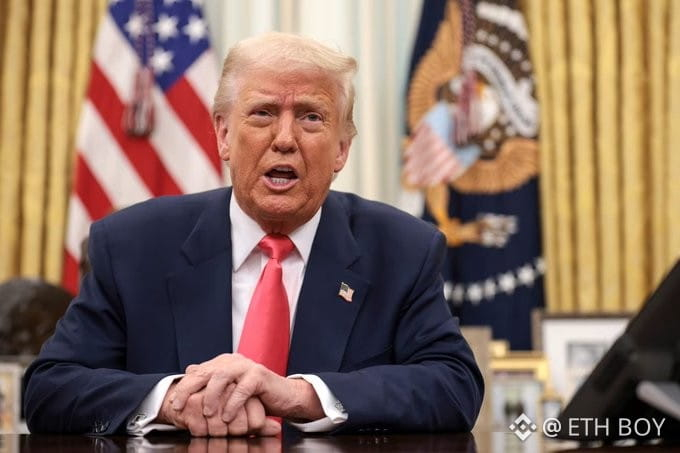
🚨 BREAKING
Donald Trump is set to make an emergency announcement today at 7:20 PM ET — and the stakes couldn’t be higher.
Insiders are hinting at a possible ceasefire deal with Iran… but here’s the twist — recent reports say talks are still uncertain, and Iran has even denied active negotiations.
This could be a historic turning point… or just another shockwave in an already tense situation.
All eyes are locked on Trump 👀
The world is waiting… ⏳
🚨 BREAKING
Donald Trump is set to make an emergency announcement today at 7:20 PM ET — and the stakes couldn’t be higher.
Insiders are hinting at a possible ceasefire deal with Iran… but here’s the twist — recent reports say talks are still uncertain, and Iran has even denied active negotiations.
This could be a historic turning point… or just another shockwave in an already tense situation.
All eyes are locked on Trump 👀
The world is waiting… ⏳
Donald Trump is set to make an emergency announcement today at 7:20 PM ET — and the stakes couldn’t be higher.
Insiders are hinting at a possible ceasefire deal with Iran… but here’s the twist — recent reports say talks are still uncertain, and Iran has even denied active negotiations.
This could be a historic turning point… or just another shockwave in an already tense situation.
All eyes are locked on Trump 👀
The world is waiting… ⏳
1
64
·
--
Рост
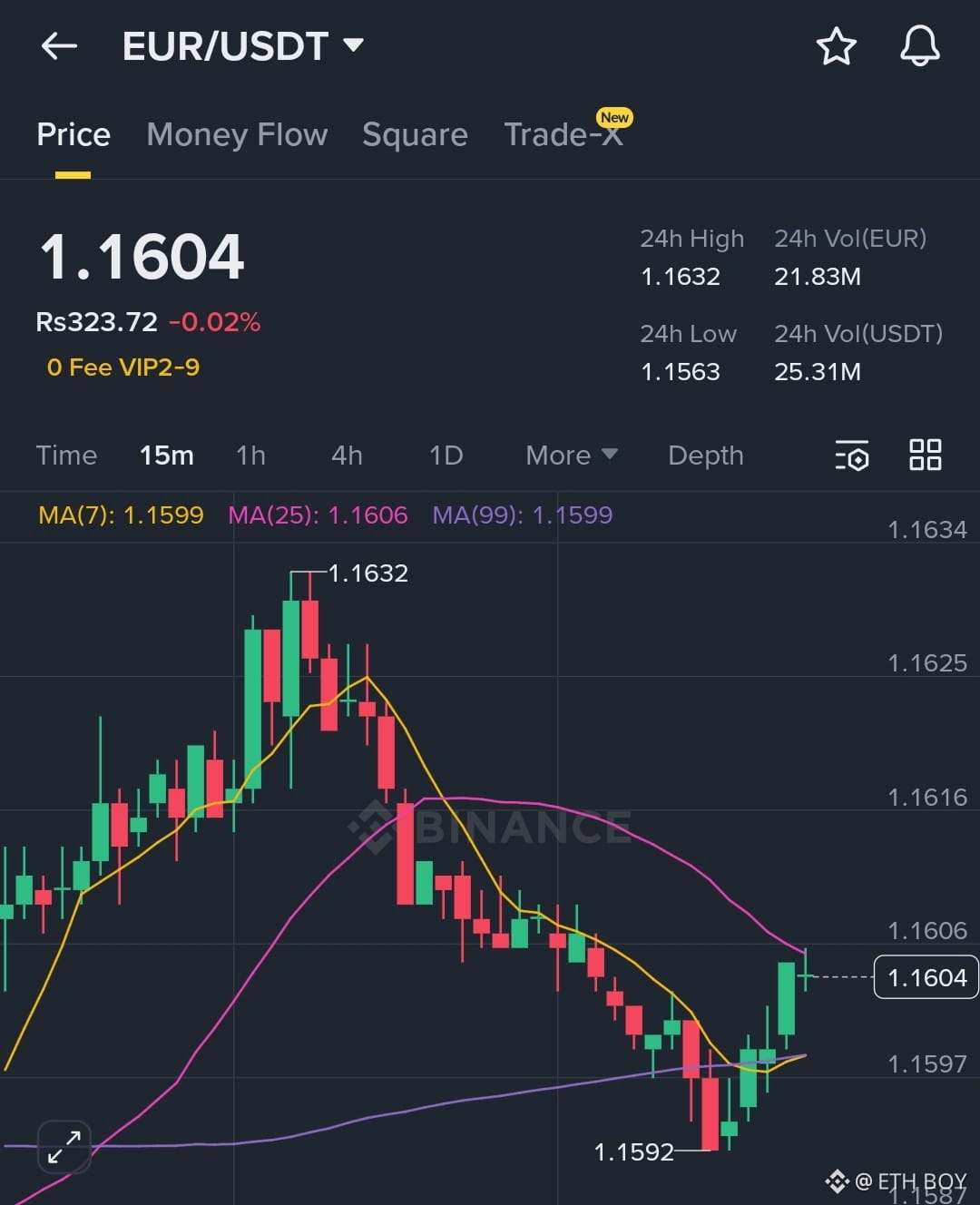
🚨 $EUR Setup — Big Move Incoming ⚡
Price is sitting at a key level — tension is building.
Break above this zone could trigger a strong bullish push 📈
👉 Entry: $1.158 – $1.157
👉 Stop Loss: $1.154
👉 Take Profit Targets:
• TP1: $1.161
• TP2: $1.163
• TP3: $1.165
Clean structure with upside potential if breakout confirms 🔥
Smart traders wait… then execute 🎯
Follow for daily $EUR & $BTC setups 🚀
Let’s go — trade now 💰
{spot}(EURUSDT)
#TrumpSaysIranWarHasBeenWon
#US5DayHalt
#freedomofmoney
#CZCallsBitcoinAHardAsset
#Trump's48HourUltimatumNearsEnd
🚨 $EUR Setup — Big Move Incoming ⚡
Price is sitting at a key level — tension is building.
Break above this zone could trigger a strong bullish push 📈
👉 Entry: $1.158 – $1.157
👉 Stop Loss: $1.154
👉 Take Profit Targets:
• TP1: $1.161
• TP2: $1.163
• TP3: $1.165
Clean structure with upside potential if breakout confirms 🔥
Smart traders wait… then execute 🎯
Follow for daily $EUR & $BTC setups 🚀
Let’s go — trade now 💰
#TrumpSaysIranWarHasBeenWon
#US5DayHalt
#freedomofmoney
#CZCallsBitcoinAHardAsset
#Trump's48HourUltimatumNearsEnd
Price is sitting at a key level — tension is building.
Break above this zone could trigger a strong bullish push 📈
👉 Entry: $1.158 – $1.157
👉 Stop Loss: $1.154
👉 Take Profit Targets:
• TP1: $1.161
• TP2: $1.163
• TP3: $1.165
Clean structure with upside potential if breakout confirms 🔥
Smart traders wait… then execute 🎯
Follow for daily $EUR & $BTC setups 🚀
Let’s go — trade now 💰
#TrumpSaysIranWarHasBeenWon
#US5DayHalt
#freedomofmoney
#CZCallsBitcoinAHardAsset
#Trump's48HourUltimatumNearsEnd
1
63
·
--
Рост
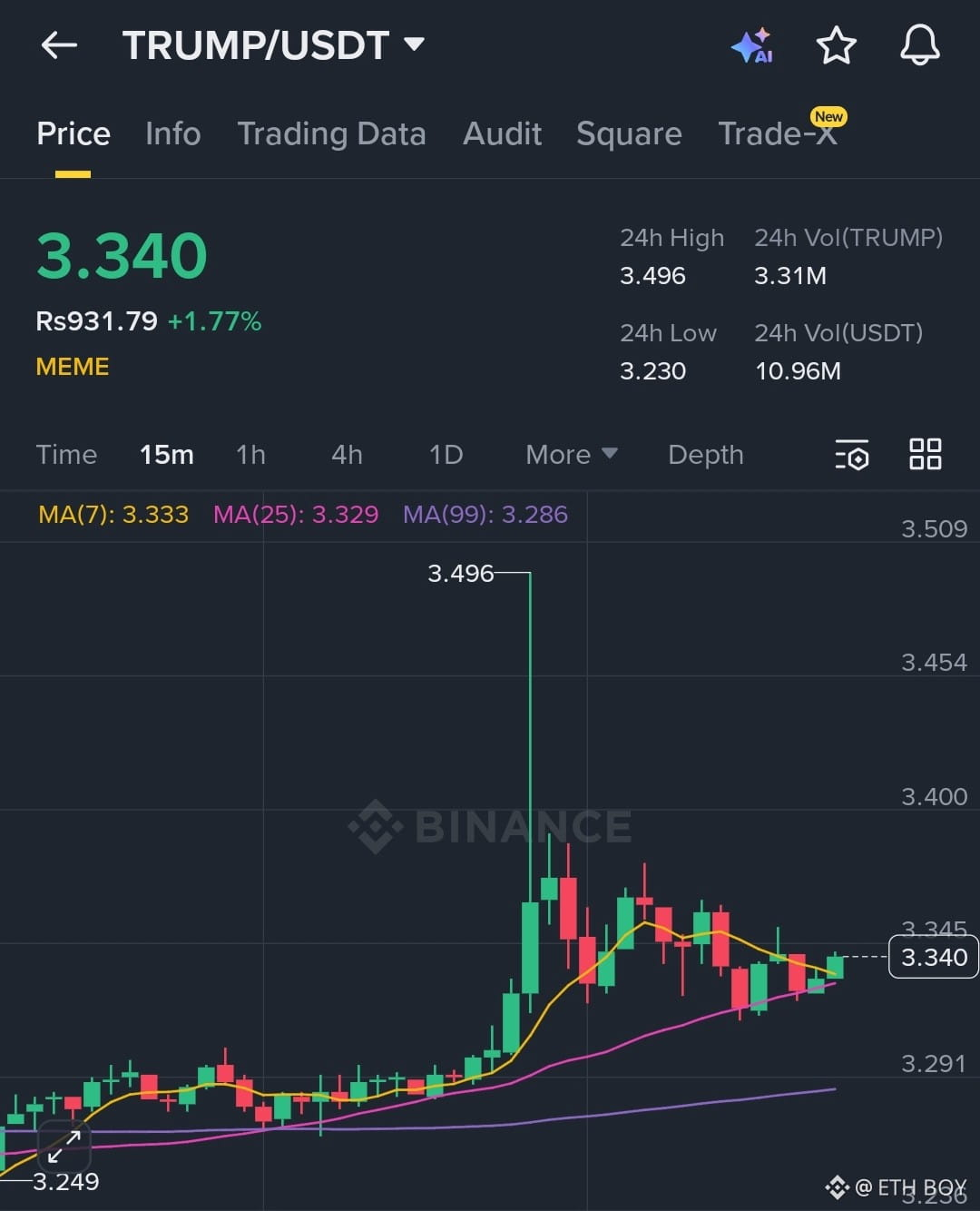
$TRUMP is heating up fast — momentum is building ⚡Price: $3.331 (Rs928.84)
24h Change: +2.15%
Range: $3.230 → $3.496
Volume is active:
– 3.19M $TRUMP
– $10.57M traded
15m chart shows explosive action 📈
Sharp push to $3.496 followed by a quick pullback — but strength is still there 🔥
Volatility is high, momentum is alive, and bulls stepped in with force.
This move doesn’t look done yet — eyes on continuation 🚀
Let’s go — trade now 💰
{spot}(TRUMPUSDT)
#TrumpSaysIranWarHasBeenWon
#US5DayHalt
#freedomofmoney
#CZCallsBitcoinAHardAsset
#Trump's48HourUltimatumNearsEnd
$TRUMP is heating up fast — momentum is building ⚡Price: $3.331 (Rs928.84)
24h Change: +2.15%
Range: $3.230 → $3.496
Volume is active:
– 3.19M $TRUMP
– $10.57M traded
15m chart shows explosive action 📈
Sharp push to $3.496 followed by a quick pullback — but strength is still there 🔥
Volatility is high, momentum is alive, and bulls stepped in with force.
This move doesn’t look done yet — eyes on continuation 🚀
Let’s go — trade now 💰
#TrumpSaysIranWarHasBeenWon
#US5DayHalt
#freedomofmoney
#CZCallsBitcoinAHardAsset
#Trump's48HourUltimatumNearsEnd
24h Change: +2.15%
Range: $3.230 → $3.496
Volume is active:
– 3.19M $TRUMP
– $10.57M traded
15m chart shows explosive action 📈
Sharp push to $3.496 followed by a quick pullback — but strength is still there 🔥
Volatility is high, momentum is alive, and bulls stepped in with force.
This move doesn’t look done yet — eyes on continuation 🚀
Let’s go — trade now 💰
#TrumpSaysIranWarHasBeenWon
#US5DayHalt
#freedomofmoney
#CZCallsBitcoinAHardAsset
#Trump's48HourUltimatumNearsEnd
1
141
·
--
Рост
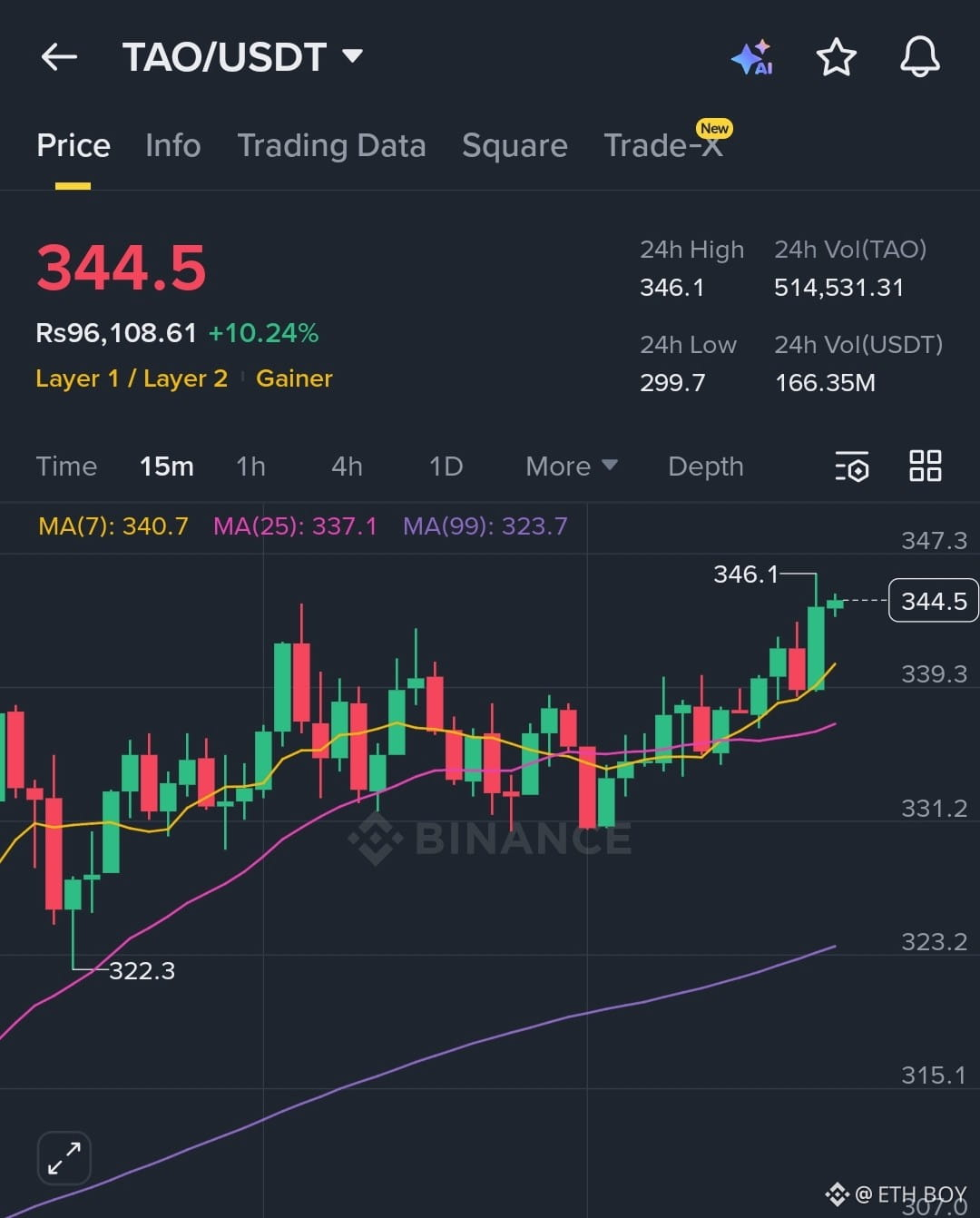
$TAO /USDT is surging — momentum is alive ⚡
Price: $341.4 (+11.13% in 24h)
Range: $299.7 → $344.3
Volume is strong:
– 520.49K $TAO
– $167.86M traded
15m chart shows a clean story 📈
Breakout → pullback → steady climb back to highs — buyers are stepping back in 🔥
As a Layer 1 / Layer 2 gainer, $TAO is showing strength and resilience.
If momentum holds, continuation to new highs looks likely 🚀
Let’s go — trade now 💰
{spot}(TAOUSDT)
#OilPricesDrop
#US5DayHalt
#freedomofmoney
#CZCallsBitcoinAHardAsset
#Trump's48HourUltimatumNearsEnd
$TAO /USDT is surging — momentum is alive ⚡
Price: $341.4 (+11.13% in 24h)
Range: $299.7 → $344.3
Volume is strong:
– 520.49K $TAO
– $167.86M traded
15m chart shows a clean story 📈
Breakout → pullback → steady climb back to highs — buyers are stepping back in 🔥
As a Layer 1 / Layer 2 gainer, $TAO is showing strength and resilience.
If momentum holds, continuation to new highs looks likely 🚀
Let’s go — trade now 💰
#OilPricesDrop
#US5DayHalt
#freedomofmoney
#CZCallsBitcoinAHardAsset
#Trump's48HourUltimatumNearsEnd
Price: $341.4 (+11.13% in 24h)
Range: $299.7 → $344.3
Volume is strong:
– 520.49K $TAO
– $167.86M traded
15m chart shows a clean story 📈
Breakout → pullback → steady climb back to highs — buyers are stepping back in 🔥
As a Layer 1 / Layer 2 gainer, $TAO is showing strength and resilience.
If momentum holds, continuation to new highs looks likely 🚀
Let’s go — trade now 💰
#OilPricesDrop
#US5DayHalt
#freedomofmoney
#CZCallsBitcoinAHardAsset
#Trump's48HourUltimatumNearsEnd
1
161
·
--
Рост
🚨 $SUI Setup — Big Move Loading ⚡
Price is hovering around a key zone — pressure is building.
If this level breaks, momentum could accelerate fast 📉
👉 Entry: $0.97 – $0.98
👉 Stop Loss: $1.01
👉 Take Profit Targets:
• TP1: $0.95
• TP2: $0.93
• TP3: $0.91
Clean setup with downside potential if confirmation hits 🔥
Smart traders wait… then strike 🎯
Let’s go — trade now 💰
{spot}(SUIUSDT)
🚨 $SUI Setup — Big Move Loading ⚡
Price is hovering around a key zone — pressure is building.
If this level breaks, momentum could accelerate fast 📉
👉 Entry: $0.97 – $0.98
👉 Stop Loss: $1.01
👉 Take Profit Targets:
• TP1: $0.95
• TP2: $0.93
• TP3: $0.91
Clean setup with downside potential if confirmation hits 🔥
Smart traders wait… then strike 🎯
Let’s go — trade now 💰
Price is hovering around a key zone — pressure is building.
If this level breaks, momentum could accelerate fast 📉
👉 Entry: $0.97 – $0.98
👉 Stop Loss: $1.01
👉 Take Profit Targets:
• TP1: $0.95
• TP2: $0.93
• TP3: $0.91
Clean setup with downside potential if confirmation hits 🔥
Smart traders wait… then strike 🎯
Let’s go — trade now 💰
2
160
·
--
Падение
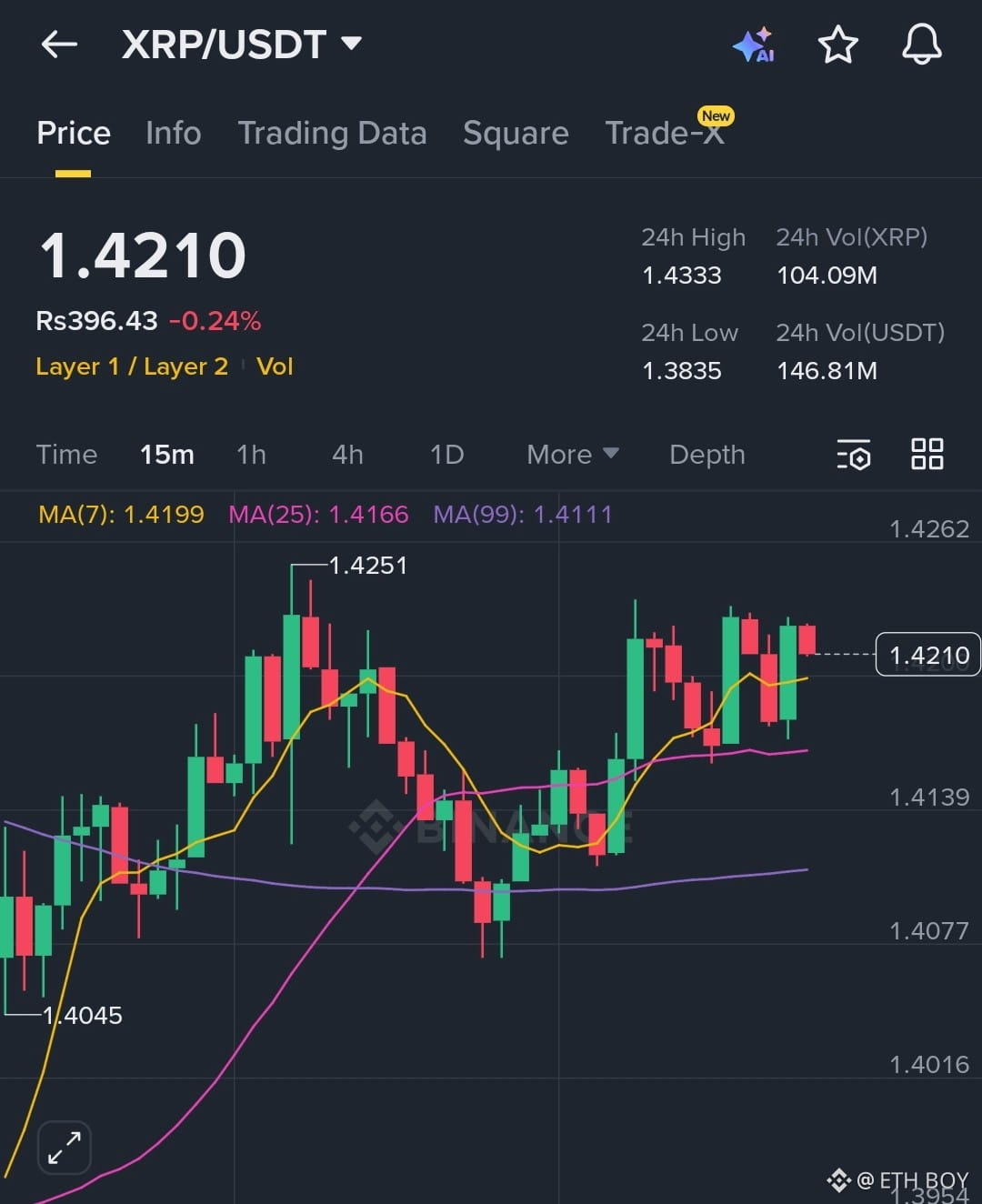
$XRP /USDT is tightening… and something big is coming ⚡
Price: $1.4195 — holding strong above key EMAs:
– EMA(7): $1.4191
– EMA(25): $1.4165
– EMA(99): $1.4125
This alignment = bullish structure building 📈
After bouncing from $1.4071, buyers stepped in with power.
Now we’ve got higher lows + price compression under resistance at $1.4250–$1.4260 — pressure is building 🔥
Breakout here could get explosive 🚀
Let’s go — trade now 💰
{spot}(XRPUSDT)
#OilPricesDrop
#US-IranTalks
#freedomofmoney
#CZCallsBitcoinAHardAsset
#Trump's48HourUltimatumNearsEnd
$XRP /USDT is tightening… and something big is coming ⚡
Price: $1.4195 — holding strong above key EMAs:
– EMA(7): $1.4191
– EMA(25): $1.4165
– EMA(99): $1.4125
This alignment = bullish structure building 📈
After bouncing from $1.4071, buyers stepped in with power.
Now we’ve got higher lows + price compression under resistance at $1.4250–$1.4260 — pressure is building 🔥
Breakout here could get explosive 🚀
Let’s go — trade now 💰
#OilPricesDrop
#US-IranTalks
#freedomofmoney
#CZCallsBitcoinAHardAsset
#Trump's48HourUltimatumNearsEnd
Price: $1.4195 — holding strong above key EMAs:
– EMA(7): $1.4191
– EMA(25): $1.4165
– EMA(99): $1.4125
This alignment = bullish structure building 📈
After bouncing from $1.4071, buyers stepped in with power.
Now we’ve got higher lows + price compression under resistance at $1.4250–$1.4260 — pressure is building 🔥
Breakout here could get explosive 🚀
Let’s go — trade now 💰
#OilPricesDrop
#US-IranTalks
#freedomofmoney
#CZCallsBitcoinAHardAsset
#Trump's48HourUltimatumNearsEnd
1
116
·
--
Midnights Quiet WeightI kept feeling uneasy about how neat it all looked. You could prove something, stay private, and everything just… worked. Too easy. Like someone swept the hard parts under the rug. I started asking myself: who really pays when the network slows, or when too many people are using it at once? There’s always a cost, and it doesn’t vanish—it just moves. Midnight feels like it’s pointing that out without shouting.
What pulls me back, over and over, isn’t the tech itself. It’s how it nudges people to act differently. Most systems reward oversharing because that’s the fastest way to get things done. Midnight says, quietly, “You don’t have to show everything.” It’s almost like a polite pause in a world that keeps shouting. You start noticing your own habits: what you hand over without thinking, what you hesitate to show. The system doesn’t force it; it just gives you a choice. And somehow, that feels heavier than any fee.
Then there’s the cost no one sees. It’s not a number on a screen. It’s the friction of uncertainty, the little tension in a system that’s holding itself together while letting you move freely. Most networks shove that tension onto users. Here, it sits somewhere else. You feel lighter at the edges, but the structure carries the weight. It’s subtle, invisible almost, but it changes how people behave—how careful they are, how they trust, how they notice.
Only after living with that feeling do you start to understand the token. NIGHT isn’t a prize. It’s a tool, a kind of glue. It produces DUST, the quiet fuel that keeps things moving. It’s not about chasing value. It’s about making the system honest, making privacy usable, letting people act without fear that every move is being watched. It separates risk from action, responsibility from convenience.
The tricky part is convenience. If everything becomes too smooth, people stop thinking. If resources cover for users too easily, judgment drifts into someone else’s hands. Midnight doesn’t solve that. It just sets the stage so those choices are visible, so the tension stays where it belongs. The real test? The next moment of real pressure. When the network is stretched, when people have to choose between speed, exposure, and cost—will it behave like it promised, or will the burden leak back onto the users? That’s what I’ll watch. Quietly.
#night @MidnightNetwork $NIGHT
Midnights Quiet Weight
I kept feeling uneasy about how neat it all looked. You could prove something, stay private, and everything just… worked. Too easy. Like someone swept the hard parts under the rug. I started asking myself: who really pays when the network slows, or when too many people are using it at once? There’s always a cost, and it doesn’t vanish—it just moves. Midnight feels like it’s pointing that out without shouting.
What pulls me back, over and over, isn’t the tech itself. It’s how it nudges people to act differently. Most systems reward oversharing because that’s the fastest way to get things done. Midnight says, quietly, “You don’t have to show everything.” It’s almost like a polite pause in a world that keeps shouting. You start noticing your own habits: what you hand over without thinking, what you hesitate to show. The system doesn’t force it; it just gives you a choice. And somehow, that feels heavier than any fee.
Then there’s the cost no one sees. It’s not a number on a screen. It’s the friction of uncertainty, the little tension in a system that’s holding itself together while letting you move freely. Most networks shove that tension onto users. Here, it sits somewhere else. You feel lighter at the edges, but the structure carries the weight. It’s subtle, invisible almost, but it changes how people behave—how careful they are, how they trust, how they notice.
Only after living with that feeling do you start to understand the token. NIGHT isn’t a prize. It’s a tool, a kind of glue. It produces DUST, the quiet fuel that keeps things moving. It’s not about chasing value. It’s about making the system honest, making privacy usable, letting people act without fear that every move is being watched. It separates risk from action, responsibility from convenience.
The tricky part is convenience. If everything becomes too smooth, people stop thinking. If resources cover for users too easily, judgment drifts into someone else’s hands. Midnight doesn’t solve that. It just sets the stage so those choices are visible, so the tension stays where it belongs. The real test? The next moment of real pressure. When the network is stretched, when people have to choose between speed, exposure, and cost—will it behave like it promised, or will the burden leak back onto the users? That’s what I’ll watch. Quietly.
#night @MidnightNetwork $NIGHT
What pulls me back, over and over, isn’t the tech itself. It’s how it nudges people to act differently. Most systems reward oversharing because that’s the fastest way to get things done. Midnight says, quietly, “You don’t have to show everything.” It’s almost like a polite pause in a world that keeps shouting. You start noticing your own habits: what you hand over without thinking, what you hesitate to show. The system doesn’t force it; it just gives you a choice. And somehow, that feels heavier than any fee.
Then there’s the cost no one sees. It’s not a number on a screen. It’s the friction of uncertainty, the little tension in a system that’s holding itself together while letting you move freely. Most networks shove that tension onto users. Here, it sits somewhere else. You feel lighter at the edges, but the structure carries the weight. It’s subtle, invisible almost, but it changes how people behave—how careful they are, how they trust, how they notice.
Only after living with that feeling do you start to understand the token. NIGHT isn’t a prize. It’s a tool, a kind of glue. It produces DUST, the quiet fuel that keeps things moving. It’s not about chasing value. It’s about making the system honest, making privacy usable, letting people act without fear that every move is being watched. It separates risk from action, responsibility from convenience.
The tricky part is convenience. If everything becomes too smooth, people stop thinking. If resources cover for users too easily, judgment drifts into someone else’s hands. Midnight doesn’t solve that. It just sets the stage so those choices are visible, so the tension stays where it belongs. The real test? The next moment of real pressure. When the network is stretched, when people have to choose between speed, exposure, and cost—will it behave like it promised, or will the burden leak back onto the users? That’s what I’ll watch. Quietly.
#night @MidnightNetwork $NIGHT
3
71
·
--
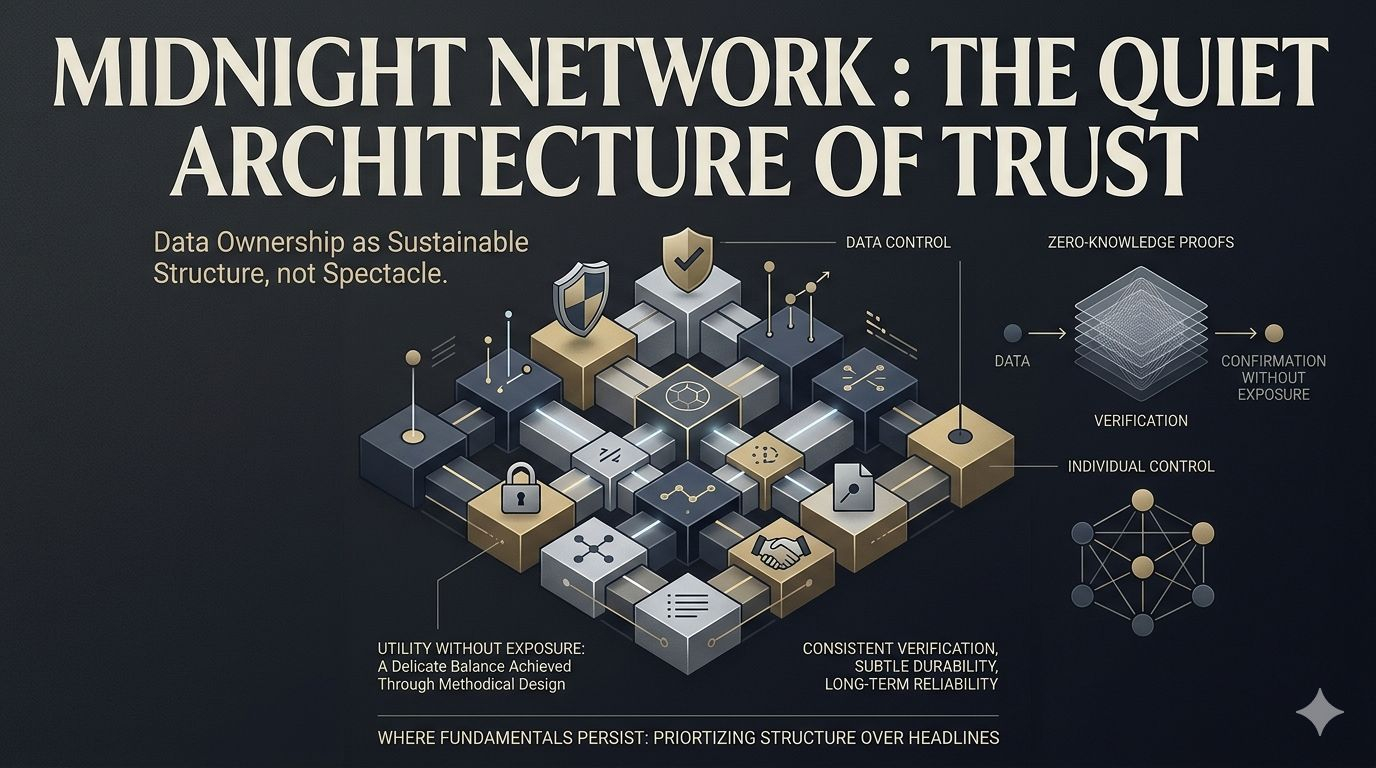
Midnight Network: Data Ownership as Durable Structure
I’ve been circling the idea of data ownership for a while, and somewhere along the way I came across Midnight Network. It wasn’t a headline or a post that drew me in—it was a mention in a thread about zero-knowledge proofs. At first, I felt a bit skeptical: a system promising utility without exposing data always sounds like a delicate balance, one that’s easy to oversimplify. But the more I thought about it, the more I noticed how the architecture itself leans into subtle reliability. The network doesn’t try to dazzle with flashy applications; it quietly assumes that participants value control over their own information. There’s a certain patience baked into the design, the kind that doesn’t demand immediate adoption but builds confidence over repeated use.
What strikes me is how it frames verification as infrastructure rather than spectacle. Each proof doesn’t announce itself loudly—it just affirms that the system is working as intended, consistently, without giving away more than necessary. Execution is still an open question, of course; zero-knowledge systems can be fragile if assumptions change or scaling is rushed. Yet there’s something grounding about a project that prioritizes subtle durability over rapid expansion. In a space often obsessed with optics, Midnight Network quietly emphasizes a quieter, more sustainable kind of trust. It feels like a place where the structure matters more than the headlines, and where that attention to fundamentals might just persist.
#night @MidnightNetwork $NIGHT
Midnight Network: Data Ownership as Durable Structure
I’ve been circling the idea of data ownership for a while, and somewhere along the way I came across Midnight Network. It wasn’t a headline or a post that drew me in—it was a mention in a thread about zero-knowledge proofs. At first, I felt a bit skeptical: a system promising utility without exposing data always sounds like a delicate balance, one that’s easy to oversimplify. But the more I thought about it, the more I noticed how the architecture itself leans into subtle reliability. The network doesn’t try to dazzle with flashy applications; it quietly assumes that participants value control over their own information. There’s a certain patience baked into the design, the kind that doesn’t demand immediate adoption but builds confidence over repeated use.
What strikes me is how it frames verification as infrastructure rather than spectacle. Each proof doesn’t announce itself loudly—it just affirms that the system is working as intended, consistently, without giving away more than necessary. Execution is still an open question, of course; zero-knowledge systems can be fragile if assumptions change or scaling is rushed. Yet there’s something grounding about a project that prioritizes subtle durability over rapid expansion. In a space often obsessed with optics, Midnight Network quietly emphasizes a quieter, more sustainable kind of trust. It feels like a place where the structure matters more than the headlines, and where that attention to fundamentals might just persist.
#night @MidnightNetwork $NIGHT
I’ve been circling the idea of data ownership for a while, and somewhere along the way I came across Midnight Network. It wasn’t a headline or a post that drew me in—it was a mention in a thread about zero-knowledge proofs. At first, I felt a bit skeptical: a system promising utility without exposing data always sounds like a delicate balance, one that’s easy to oversimplify. But the more I thought about it, the more I noticed how the architecture itself leans into subtle reliability. The network doesn’t try to dazzle with flashy applications; it quietly assumes that participants value control over their own information. There’s a certain patience baked into the design, the kind that doesn’t demand immediate adoption but builds confidence over repeated use.
What strikes me is how it frames verification as infrastructure rather than spectacle. Each proof doesn’t announce itself loudly—it just affirms that the system is working as intended, consistently, without giving away more than necessary. Execution is still an open question, of course; zero-knowledge systems can be fragile if assumptions change or scaling is rushed. Yet there’s something grounding about a project that prioritizes subtle durability over rapid expansion. In a space often obsessed with optics, Midnight Network quietly emphasizes a quieter, more sustainable kind of trust. It feels like a place where the structure matters more than the headlines, and where that attention to fundamentals might just persist.
#night @MidnightNetwork $NIGHT
1
1
107
·
--
SIGN The Burden We HideI keep coming back to this feeling that something is too tidy about verification. It works on paper, it works once, maybe twice, and suddenly everyone acts like it will always work. But it doesn’t. Cost doesn’t disappear—it just hides somewhere else. Somewhere less visible. And someone always ends up carrying it, quietly, without complaint. That’s the part nobody talks about.
I’ve been circling it for days: who bears the friction when the system scales? Not the flashy interface. Not the ledger. Not even the organization that designed it. It drifts to the edges—users with slow connections, small operators who can’t afford retries, people who aren’t even aware they are paying for someone else’s convenience. And yet the system pretends neutrality. That’s what gnaws at me.
And it changes behavior. When uncertainty lands on someone else, we stop noticing it. We approve faster. We cut corners. We assume smoothness is normal. Systems bend toward convenience, not reality. You can see it in careful guidance buried in standards: trust decays, threats adapt, and any failure quietly migrates to those who can least absorb it.
I realized any token introduced too early would be performative. It would feel like progress, but mostly it would reward optimism, not responsibility. So I stopped thinking of it as a prize. I started thinking of it as glue. Not for speculation. For coordination. A subtle signal: this is who carries the burden, this is what counts, this is where attention matters. Scale has weight. Someone carries it. Let’s make that visible.
The real test won’t be in calm moments. It will come the next time verification slows, or a flood of requests hits, or a batch of credentials fails. Then I’ll see whether the token shows the friction or hides it. Whether it aligns behavior around responsibility or just makes the dashboard prettier. That’s the quiet experiment I want to run: to see if the system, and the token, still tell the truth when everything else pretends it’s easy.
#SignDigitalSovereignInfra @SignOfficial $SIGN
SIGN The Burden We Hide
I keep coming back to this feeling that something is too tidy about verification. It works on paper, it works once, maybe twice, and suddenly everyone acts like it will always work. But it doesn’t. Cost doesn’t disappear—it just hides somewhere else. Somewhere less visible. And someone always ends up carrying it, quietly, without complaint. That’s the part nobody talks about.
I’ve been circling it for days: who bears the friction when the system scales? Not the flashy interface. Not the ledger. Not even the organization that designed it. It drifts to the edges—users with slow connections, small operators who can’t afford retries, people who aren’t even aware they are paying for someone else’s convenience. And yet the system pretends neutrality. That’s what gnaws at me.
And it changes behavior. When uncertainty lands on someone else, we stop noticing it. We approve faster. We cut corners. We assume smoothness is normal. Systems bend toward convenience, not reality. You can see it in careful guidance buried in standards: trust decays, threats adapt, and any failure quietly migrates to those who can least absorb it.
I realized any token introduced too early would be performative. It would feel like progress, but mostly it would reward optimism, not responsibility. So I stopped thinking of it as a prize. I started thinking of it as glue. Not for speculation. For coordination. A subtle signal: this is who carries the burden, this is what counts, this is where attention matters. Scale has weight. Someone carries it. Let’s make that visible.
The real test won’t be in calm moments. It will come the next time verification slows, or a flood of requests hits, or a batch of credentials fails. Then I’ll see whether the token shows the friction or hides it. Whether it aligns behavior around responsibility or just makes the dashboard prettier. That’s the quiet experiment I want to run: to see if the system, and the token, still tell the truth when everything else pretends it’s easy.
#SignDigitalSovereignInfra @SignOfficial $SIGN
I’ve been circling it for days: who bears the friction when the system scales? Not the flashy interface. Not the ledger. Not even the organization that designed it. It drifts to the edges—users with slow connections, small operators who can’t afford retries, people who aren’t even aware they are paying for someone else’s convenience. And yet the system pretends neutrality. That’s what gnaws at me.
And it changes behavior. When uncertainty lands on someone else, we stop noticing it. We approve faster. We cut corners. We assume smoothness is normal. Systems bend toward convenience, not reality. You can see it in careful guidance buried in standards: trust decays, threats adapt, and any failure quietly migrates to those who can least absorb it.
I realized any token introduced too early would be performative. It would feel like progress, but mostly it would reward optimism, not responsibility. So I stopped thinking of it as a prize. I started thinking of it as glue. Not for speculation. For coordination. A subtle signal: this is who carries the burden, this is what counts, this is where attention matters. Scale has weight. Someone carries it. Let’s make that visible.
The real test won’t be in calm moments. It will come the next time verification slows, or a flood of requests hits, or a batch of credentials fails. Then I’ll see whether the token shows the friction or hides it. Whether it aligns behavior around responsibility or just makes the dashboard prettier. That’s the quiet experiment I want to run: to see if the system, and the token, still tell the truth when everything else pretends it’s easy.
#SignDigitalSovereignInfra @SignOfficial $SIGN
1
49
·
--
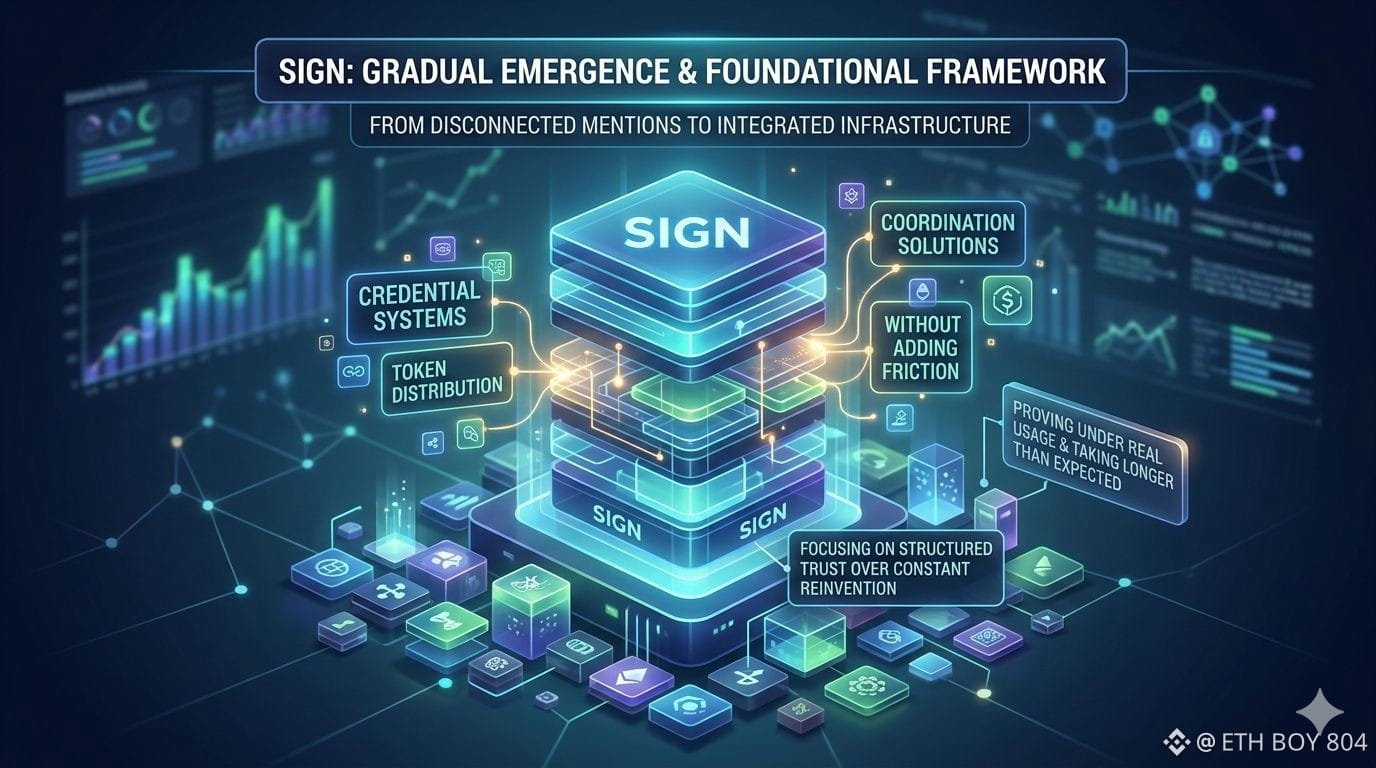
I didn’t come across SIGN all at once. It showed up gradually, in small mentions around credential systems and token distribution, usually in contexts where projects were trying to solve coordination problems without adding more friction.
What stood out to me over time wasn’t any single feature, but the direction it seems to take. Credential verification has always felt like one of those overlooked layers in crypto—quietly essential, but often handled in ways that don’t scale or last. SIGN appears to be leaning into that layer as infrastructure rather than as a feature, which feels like a more durable approach.
There’s something practical about focusing on how trust is structured and passed around, instead of constantly reinventing incentives. At the same time, execution in this space is never simple. Systems like this only prove themselves under real usage, and that usually takes longer than expected.
For now, SIGN feels less like a finished solution and more like a framework that’s trying to get the foundations right. Whether it holds up over time is still an open question, but the intent behind it is at least pointed in a direction that makes sense.
#SignDigitalSovereignInfra @SignOfficial $SIGN
I didn’t come across SIGN all at once. It showed up gradually, in small mentions around credential systems and token distribution, usually in contexts where projects were trying to solve coordination problems without adding more friction.
What stood out to me over time wasn’t any single feature, but the direction it seems to take. Credential verification has always felt like one of those overlooked layers in crypto—quietly essential, but often handled in ways that don’t scale or last. SIGN appears to be leaning into that layer as infrastructure rather than as a feature, which feels like a more durable approach.
There’s something practical about focusing on how trust is structured and passed around, instead of constantly reinventing incentives. At the same time, execution in this space is never simple. Systems like this only prove themselves under real usage, and that usually takes longer than expected.
For now, SIGN feels less like a finished solution and more like a framework that’s trying to get the foundations right. Whether it holds up over time is still an open question, but the intent behind it is at least pointed in a direction that makes sense.
#SignDigitalSovereignInfra @SignOfficial $SIGN
What stood out to me over time wasn’t any single feature, but the direction it seems to take. Credential verification has always felt like one of those overlooked layers in crypto—quietly essential, but often handled in ways that don’t scale or last. SIGN appears to be leaning into that layer as infrastructure rather than as a feature, which feels like a more durable approach.
There’s something practical about focusing on how trust is structured and passed around, instead of constantly reinventing incentives. At the same time, execution in this space is never simple. Systems like this only prove themselves under real usage, and that usually takes longer than expected.
For now, SIGN feels less like a finished solution and more like a framework that’s trying to get the foundations right. Whether it holds up over time is still an open question, but the intent behind it is at least pointed in a direction that makes sense.
#SignDigitalSovereignInfra @SignOfficial $SIGN
2
104
·
--
Падение
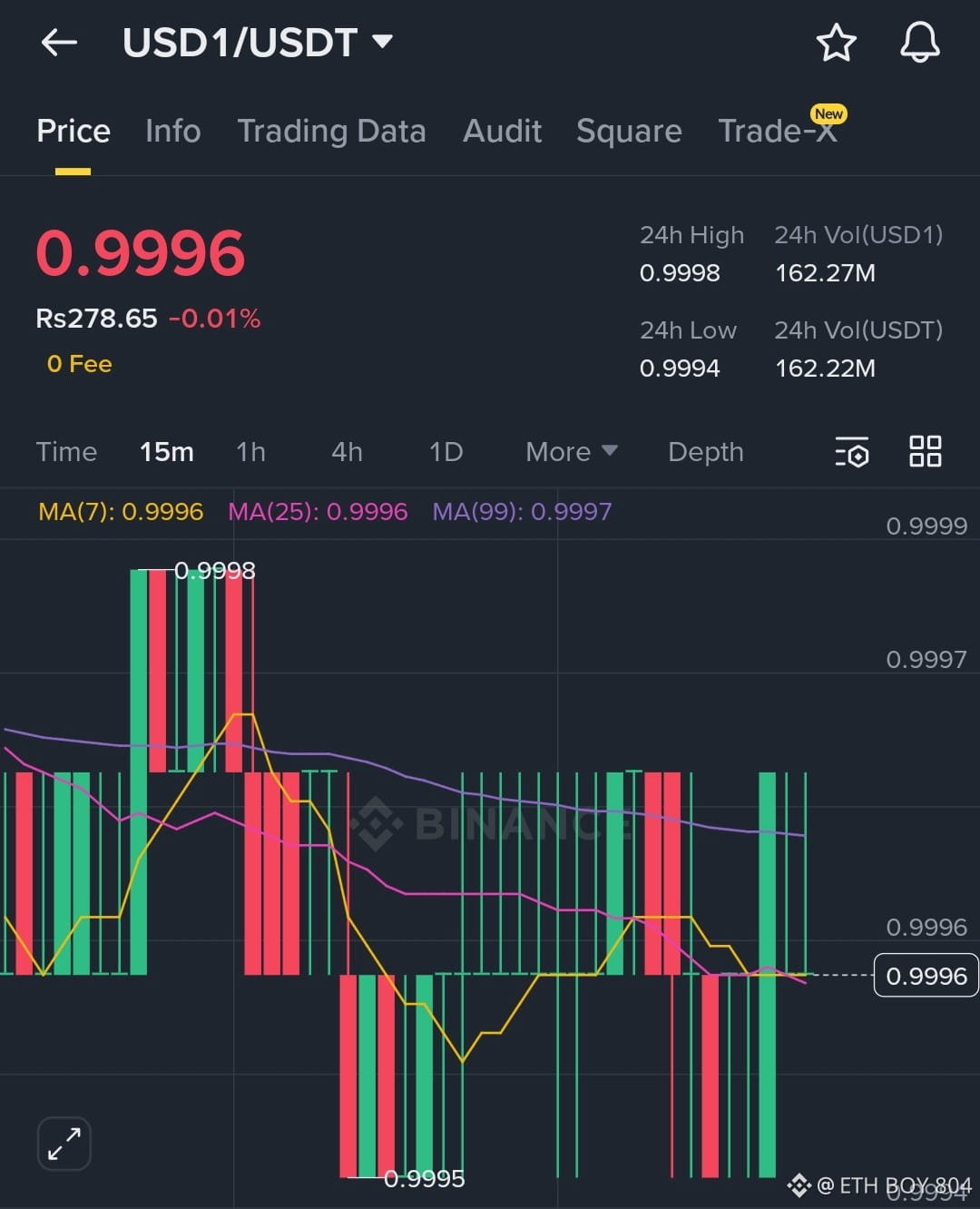
⚡ $USD1 /USDT — QUIET BEFORE THE MOVE
After a controlled selloff… the market is stabilizing 👀
Selling pressure is fading, and price is holding strong above demand — signs of absorption building.
💰 Trade Setup:
Entry: $0.9995 – $0.9997
SL: $0.9994
🎯 Targets:
TP1: $0.9998
TP2: $0.9999
TP3: $1.0000
📊 What’s Happening?
• Liquidity swept below range — no breakdown
• Tight consolidation = energy building
• Buyers quietly stepping in
🚨 Outlook:
✔ Hold demand → push back to $1.0000
❌ Lose support → setup invalid
This is precision trading… small range, clean structure ⚡
👀 Stay sharp. One reaction… one clean move.
{spot}(USD1USDT)
#freedomofmoney
#Trump's48HourUltimatumNearsEnd
#AsiaStocksPlunge
#TrumpConsidersEndingIranConflict
#iOSSecurityUpdate
⚡ $USD1 /USDT — QUIET BEFORE THE MOVE
After a controlled selloff… the market is stabilizing 👀
Selling pressure is fading, and price is holding strong above demand — signs of absorption building.
💰 Trade Setup:
Entry: $0.9995 – $0.9997
SL: $0.9994
🎯 Targets:
TP1: $0.9998
TP2: $0.9999
TP3: $1.0000
📊 What’s Happening?
• Liquidity swept below range — no breakdown
• Tight consolidation = energy building
• Buyers quietly stepping in
🚨 Outlook:
✔ Hold demand → push back to $1.0000
❌ Lose support → setup invalid
This is precision trading… small range, clean structure ⚡
👀 Stay sharp. One reaction… one clean move.
#freedomofmoney
#Trump's48HourUltimatumNearsEnd
#AsiaStocksPlunge
#TrumpConsidersEndingIranConflict
#iOSSecurityUpdate
After a controlled selloff… the market is stabilizing 👀
Selling pressure is fading, and price is holding strong above demand — signs of absorption building.
💰 Trade Setup:
Entry: $0.9995 – $0.9997
SL: $0.9994
🎯 Targets:
TP1: $0.9998
TP2: $0.9999
TP3: $1.0000
📊 What’s Happening?
• Liquidity swept below range — no breakdown
• Tight consolidation = energy building
• Buyers quietly stepping in
🚨 Outlook:
✔ Hold demand → push back to $1.0000
❌ Lose support → setup invalid
This is precision trading… small range, clean structure ⚡
👀 Stay sharp. One reaction… one clean move.
#freedomofmoney
#Trump's48HourUltimatumNearsEnd
#AsiaStocksPlunge
#TrumpConsidersEndingIranConflict
#iOSSecurityUpdate
1
133
·
--
Рост
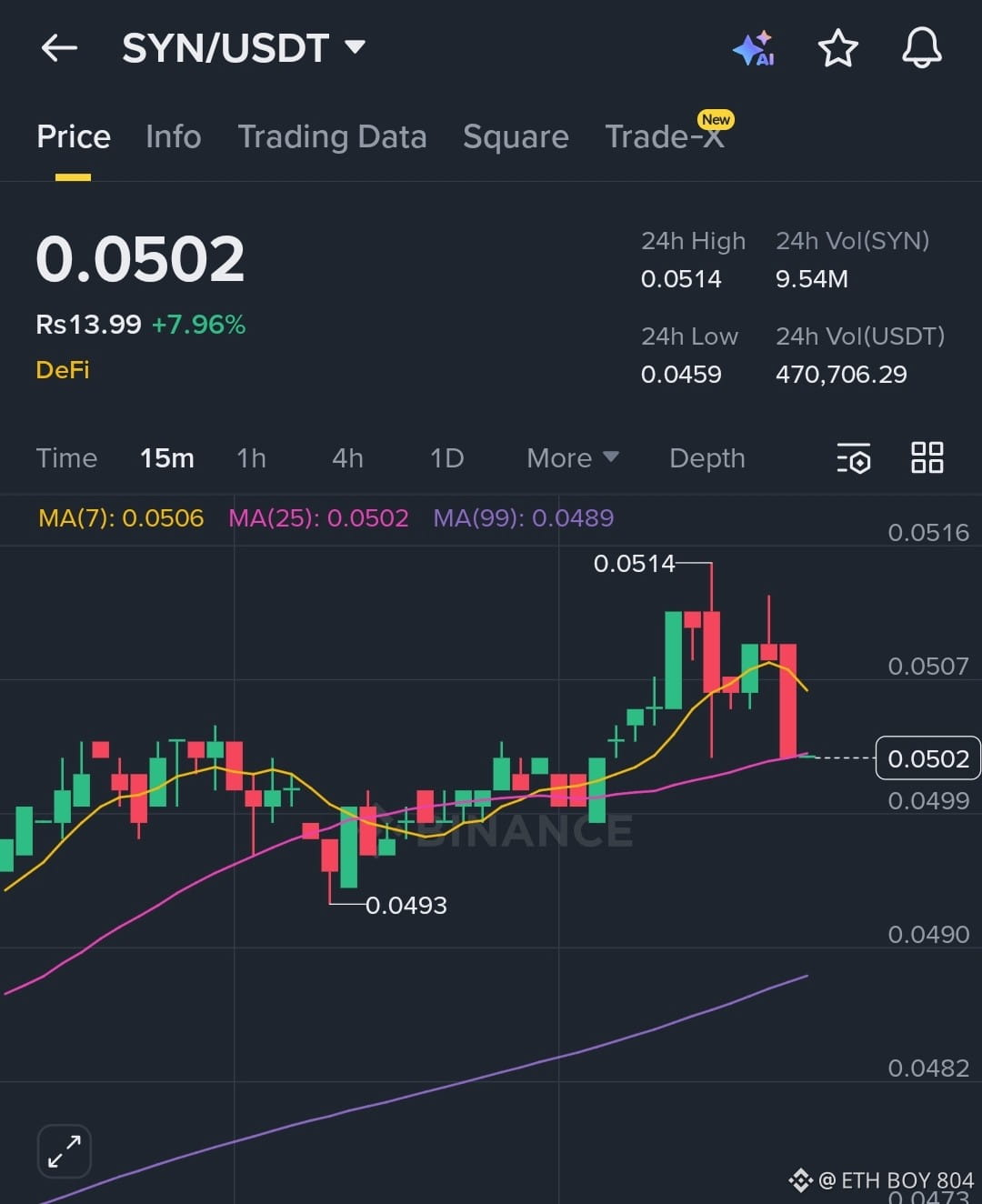
🔥 $SYN IS IGNITING — MOMENTUM BUILDING FAST
+10.65% in 24H ⚡ Strong volume (9.3M) — buyers are stepping in with confidence.
After a clean bounce from $0.0459, price is now holding strong above $0.0509… accumulation is clear 📈
💰 Trade Setup (Long):
Entry: $0.0500 – $0.0510
SL: $0.0480
🎯 Targets:
TP1: $0.0520
TP2: $0.0540
TP3: $0.0560+
📊 Market Outlook:
• Strong support at $0.050
• Pullbacks = golden re-entry zone
• Break $0.0514–$0.0520 → momentum explosion 🚀
This is accumulation turning into expansion…
Buyers are positioning — breakout is close ⚡
💰 Stay sharp. Follow the trend. Let the move unfold.
{spot}(SYNUSDT)
#freedomofmoney
#Trump's48HourUltimatumNearsEnd
#AsiaStocksPlunge
#TrumpConsidersEndingIranConflict
#iOSSecurityUpdate
🔥 $SYN IS IGNITING — MOMENTUM BUILDING FAST
+10.65% in 24H ⚡ Strong volume (9.3M) — buyers are stepping in with confidence.
After a clean bounce from $0.0459, price is now holding strong above $0.0509… accumulation is clear 📈
💰 Trade Setup (Long):
Entry: $0.0500 – $0.0510
SL: $0.0480
🎯 Targets:
TP1: $0.0520
TP2: $0.0540
TP3: $0.0560+
📊 Market Outlook:
• Strong support at $0.050
• Pullbacks = golden re-entry zone
• Break $0.0514–$0.0520 → momentum explosion 🚀
This is accumulation turning into expansion…
Buyers are positioning — breakout is close ⚡
💰 Stay sharp. Follow the trend. Let the move unfold.
#freedomofmoney
#Trump's48HourUltimatumNearsEnd
#AsiaStocksPlunge
#TrumpConsidersEndingIranConflict
#iOSSecurityUpdate
+10.65% in 24H ⚡ Strong volume (9.3M) — buyers are stepping in with confidence.
After a clean bounce from $0.0459, price is now holding strong above $0.0509… accumulation is clear 📈
💰 Trade Setup (Long):
Entry: $0.0500 – $0.0510
SL: $0.0480
🎯 Targets:
TP1: $0.0520
TP2: $0.0540
TP3: $0.0560+
📊 Market Outlook:
• Strong support at $0.050
• Pullbacks = golden re-entry zone
• Break $0.0514–$0.0520 → momentum explosion 🚀
This is accumulation turning into expansion…
Buyers are positioning — breakout is close ⚡
💰 Stay sharp. Follow the trend. Let the move unfold.
#freedomofmoney
#Trump's48HourUltimatumNearsEnd
#AsiaStocksPlunge
#TrumpConsidersEndingIranConflict
#iOSSecurityUpdate
1
158
·
--
Падение
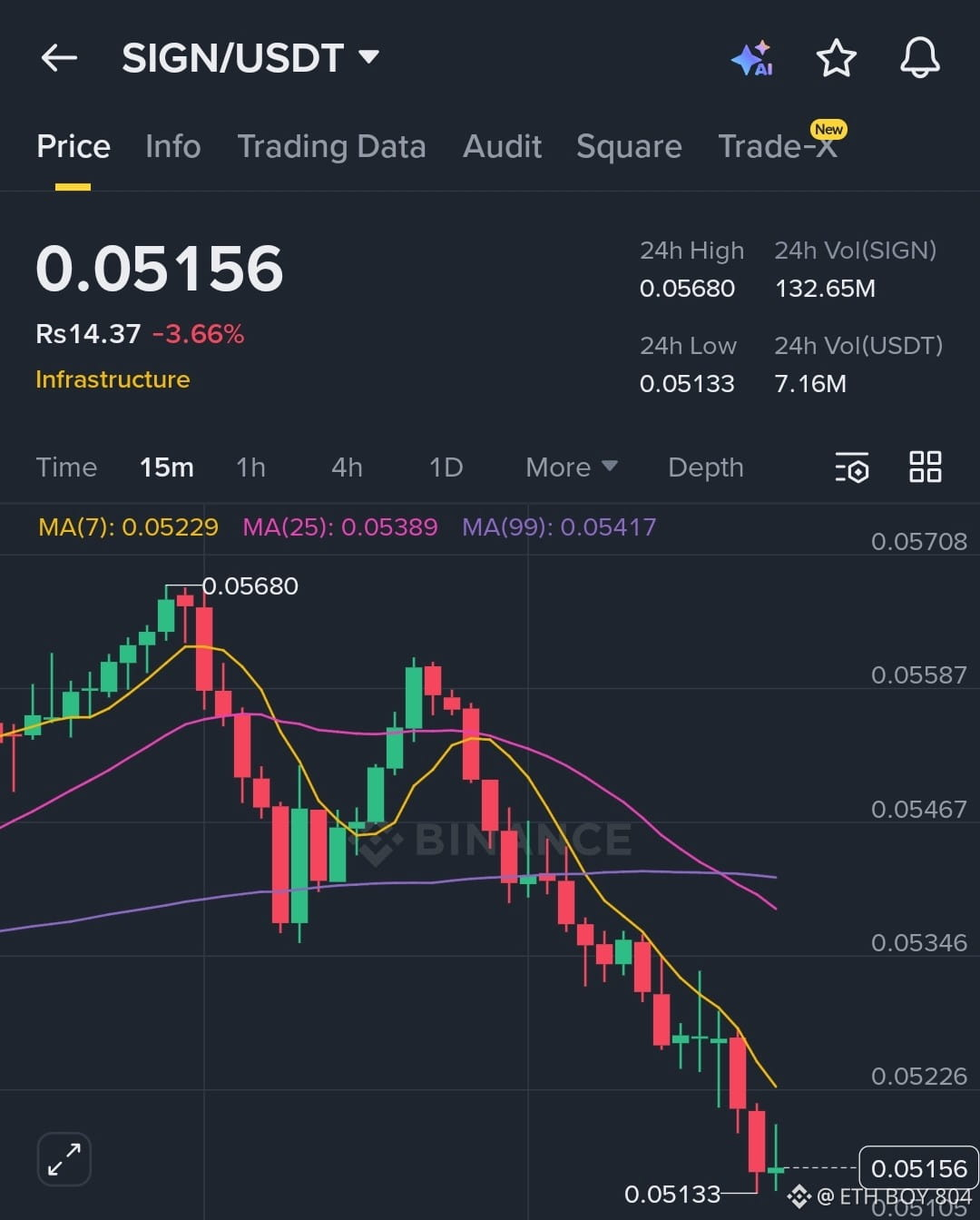
🚨 $SIGN /USDT — BEARS IN FULL CONTROL
No relief… no bounce… just steady pressure 📉
$SIGN is bleeding out as sellers tighten their grip on the market.
💰 Current Price: $0.05275
📉 24H Change: -1.31%
📊 Range: $0.05680 → $0.05198
🔥 Volume: 130.86M traded — heavy activity
📊 What’s Happening?
• Continuous downside pressure
• Weak recovery attempts = getting sold
• High volume = distribution in play
🎯 Key Zones:
• $0.0519 → Critical support (break = acceleration down)
• $0.0568 → Rejection zone (bulls failed here)
🚨 Outlook:
❌ Lose support → faster dump incoming
✔ Reclaim strength → only then relief bounce possible
This market isn’t forgiving right now… ⚡
Stay sharp, control risk, and don’t fight the trend.
{spot}(SIGNUSDT)
#US5DayHalt
#Trump's48HourUltimatumNearsEnd
#TrumpConsidersEndingIranConflict
#AsiaStocksPlunge
#iOSSecurityUpdate
🚨 $SIGN /USDT — BEARS IN FULL CONTROL
No relief… no bounce… just steady pressure 📉
$SIGN is bleeding out as sellers tighten their grip on the market.
💰 Current Price: $0.05275
📉 24H Change: -1.31%
📊 Range: $0.05680 → $0.05198
🔥 Volume: 130.86M traded — heavy activity
📊 What’s Happening?
• Continuous downside pressure
• Weak recovery attempts = getting sold
• High volume = distribution in play
🎯 Key Zones:
• $0.0519 → Critical support (break = acceleration down)
• $0.0568 → Rejection zone (bulls failed here)
🚨 Outlook:
❌ Lose support → faster dump incoming
✔ Reclaim strength → only then relief bounce possible
This market isn’t forgiving right now… ⚡
Stay sharp, control risk, and don’t fight the trend.
#US5DayHalt
#Trump's48HourUltimatumNearsEnd
#TrumpConsidersEndingIranConflict
#AsiaStocksPlunge
#iOSSecurityUpdate
No relief… no bounce… just steady pressure 📉
$SIGN is bleeding out as sellers tighten their grip on the market.
💰 Current Price: $0.05275
📉 24H Change: -1.31%
📊 Range: $0.05680 → $0.05198
🔥 Volume: 130.86M traded — heavy activity
📊 What’s Happening?
• Continuous downside pressure
• Weak recovery attempts = getting sold
• High volume = distribution in play
🎯 Key Zones:
• $0.0519 → Critical support (break = acceleration down)
• $0.0568 → Rejection zone (bulls failed here)
🚨 Outlook:
❌ Lose support → faster dump incoming
✔ Reclaim strength → only then relief bounce possible
This market isn’t forgiving right now… ⚡
Stay sharp, control risk, and don’t fight the trend.
#US5DayHalt
#Trump's48HourUltimatumNearsEnd
#TrumpConsidersEndingIranConflict
#AsiaStocksPlunge
#iOSSecurityUpdate
65
·
--
Рост
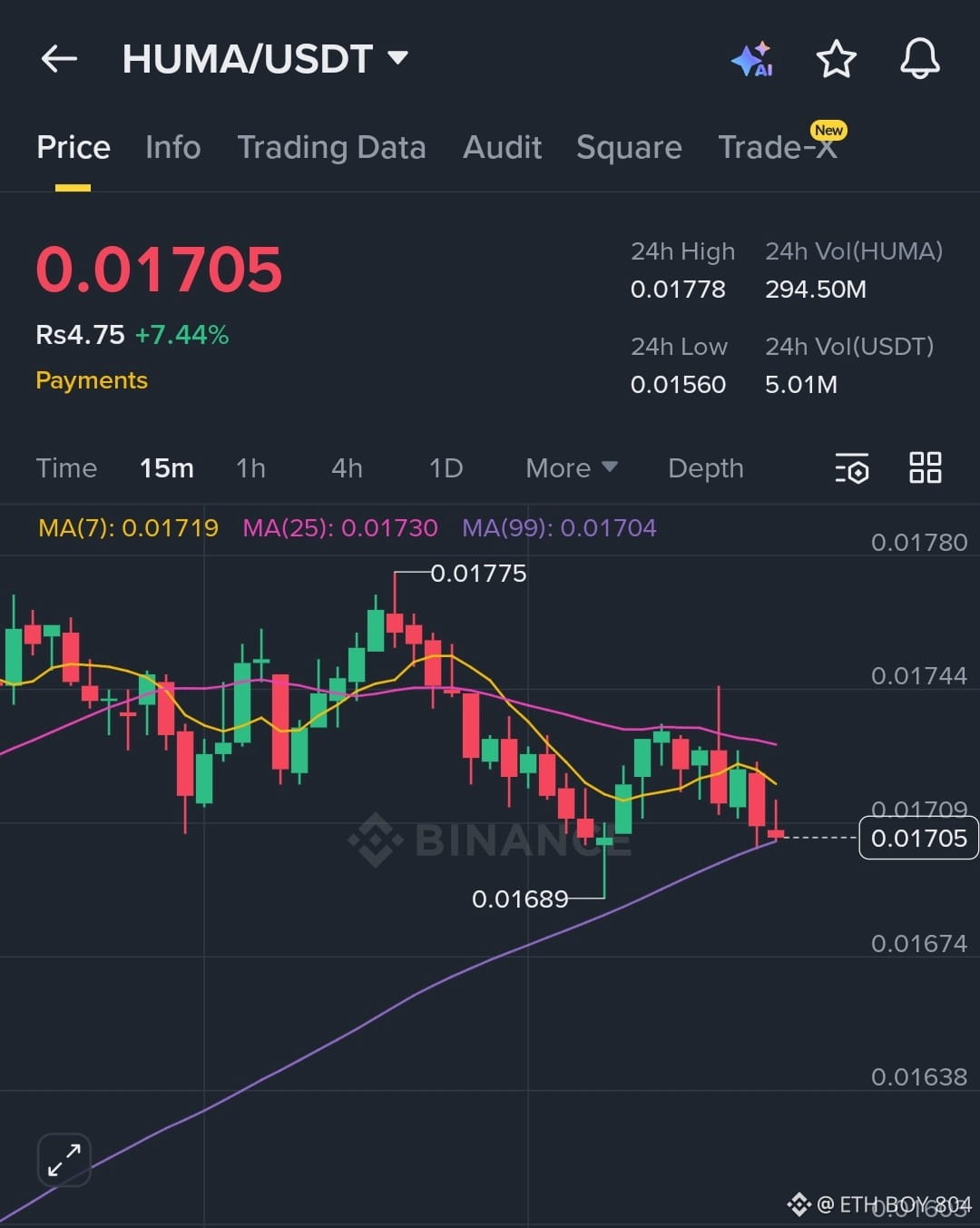
⚡ $HUMA — BREAKDOWN LOADING
Price got rejected hard at $0.0176… and since then, momentum is fading fast 📉
Sellers are stepping in aggressively — and bulls are struggling to defend.
📊 Current Structure:
• Lower highs forming = weakness confirmed
• Support getting tested = pressure building
• Momentum fading = breakdown risk rising
🎯 Key Zones:
• $0.0176 → Strong rejection zone
• Support below → If lost, expect fast drop into liquidity
🚨 What’s Next?
❌ Lose support → sharp sell-off incoming
✔ Reclaim strength → only then bulls survive
This is not random… this is distribution before a move ⚡
👀 Stay alert. React fast. No hesitation.
{spot}(HUMAUSDT)
#freedomofmoney
#Trump's48HourUltimatumNearsEnd
#AsiaStocksPlunge
#TrumpConsidersEndingIranConflict
#iOSSecurityUpdate
⚡ $HUMA — BREAKDOWN LOADING
Price got rejected hard at $0.0176… and since then, momentum is fading fast 📉
Sellers are stepping in aggressively — and bulls are struggling to defend.
📊 Current Structure:
• Lower highs forming = weakness confirmed
• Support getting tested = pressure building
• Momentum fading = breakdown risk rising
🎯 Key Zones:
• $0.0176 → Strong rejection zone
• Support below → If lost, expect fast drop into liquidity
🚨 What’s Next?
❌ Lose support → sharp sell-off incoming
✔ Reclaim strength → only then bulls survive
This is not random… this is distribution before a move ⚡
👀 Stay alert. React fast. No hesitation.
#freedomofmoney
#Trump's48HourUltimatumNearsEnd
#AsiaStocksPlunge
#TrumpConsidersEndingIranConflict
#iOSSecurityUpdate
Price got rejected hard at $0.0176… and since then, momentum is fading fast 📉
Sellers are stepping in aggressively — and bulls are struggling to defend.
📊 Current Structure:
• Lower highs forming = weakness confirmed
• Support getting tested = pressure building
• Momentum fading = breakdown risk rising
🎯 Key Zones:
• $0.0176 → Strong rejection zone
• Support below → If lost, expect fast drop into liquidity
🚨 What’s Next?
❌ Lose support → sharp sell-off incoming
✔ Reclaim strength → only then bulls survive
This is not random… this is distribution before a move ⚡
👀 Stay alert. React fast. No hesitation.
#freedomofmoney
#Trump's48HourUltimatumNearsEnd
#AsiaStocksPlunge
#TrumpConsidersEndingIranConflict
#iOSSecurityUpdate
1
188
·
--
Рост
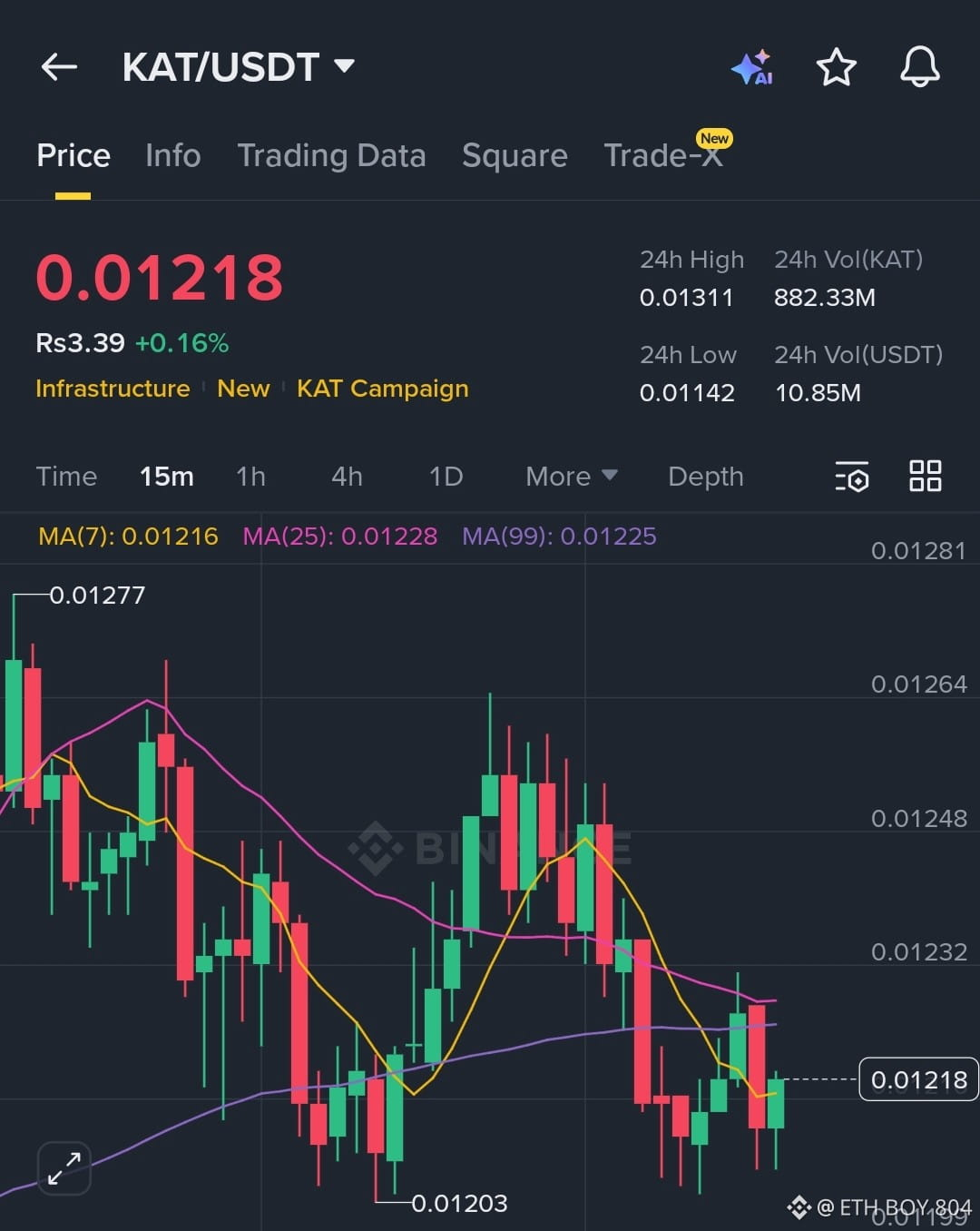
⚡ $KAT /USDT — MOMENT OF TRUTH
Price sitting at $0.01220… after a sharp rejection from $0.0126–$0.0127 🔥
Bulls pushed hard — but bears shut it down instantly. Now the market is frozen… waiting.
📊 Current Situation:
• Strong rejection = sellers still active
• Price holding support = bulls not giving up
• Compression forming = big move loading
🎯 Key Zones:
• $0.0126–0.0127 → Resistance (break = momentum shift)
• $0.0120 → Critical support (lose this = downside opens)
🚀 What’s Next?
✔ Break above resistance → momentum ignition
❌ Lose support → fake bounce confirmed
This is the calm before the storm… ⚡
One move decides everything.
👀 Stay ready. No emotions. Just reaction.
{spot}(KATUSDT)
#US5DayHalt
#CZCallsBitcoinAHardAsset
#AsiaStocksPlunge
#TrumpConsidersEndingIranConflict
#iOSSecurityUpdate
⚡ $KAT /USDT — MOMENT OF TRUTH
Price sitting at $0.01220… after a sharp rejection from $0.0126–$0.0127 🔥
Bulls pushed hard — but bears shut it down instantly. Now the market is frozen… waiting.
📊 Current Situation:
• Strong rejection = sellers still active
• Price holding support = bulls not giving up
• Compression forming = big move loading
🎯 Key Zones:
• $0.0126–0.0127 → Resistance (break = momentum shift)
• $0.0120 → Critical support (lose this = downside opens)
🚀 What’s Next?
✔ Break above resistance → momentum ignition
❌ Lose support → fake bounce confirmed
This is the calm before the storm… ⚡
One move decides everything.
👀 Stay ready. No emotions. Just reaction.
#US5DayHalt
#CZCallsBitcoinAHardAsset
#AsiaStocksPlunge
#TrumpConsidersEndingIranConflict
#iOSSecurityUpdate
Price sitting at $0.01220… after a sharp rejection from $0.0126–$0.0127 🔥
Bulls pushed hard — but bears shut it down instantly. Now the market is frozen… waiting.
📊 Current Situation:
• Strong rejection = sellers still active
• Price holding support = bulls not giving up
• Compression forming = big move loading
🎯 Key Zones:
• $0.0126–0.0127 → Resistance (break = momentum shift)
• $0.0120 → Critical support (lose this = downside opens)
🚀 What’s Next?
✔ Break above resistance → momentum ignition
❌ Lose support → fake bounce confirmed
This is the calm before the storm… ⚡
One move decides everything.
👀 Stay ready. No emotions. Just reaction.
#US5DayHalt
#CZCallsBitcoinAHardAsset
#AsiaStocksPlunge
#TrumpConsidersEndingIranConflict
#iOSSecurityUpdate
1
244
Войдите, чтобы посмотреть больше материала
Присоединяйтесь к пользователям криптовалют по всему миру на Binance Square
⚡️ Получайте новейшую и полезную информацию о криптоактивах.
💬 Нам доверяет крупнейшая в мире криптобиржа.
👍 Получите достоверные аналитические данные от верифицированных создателей контента.
Эл. почта/номер телефона