


Grant Cardone, the face behind Cardone Capital and a big name in real estate, just dropped some pretty ambitious news. He’s taking a chunk of his company’s real estate—about $5 billion worth of apartments and commercial buildings scattered across the U.S.—and putting it on the blockchain. Not just talk, either. He’s actually moving forward, turning these properties into digital tokens that people can trade online.
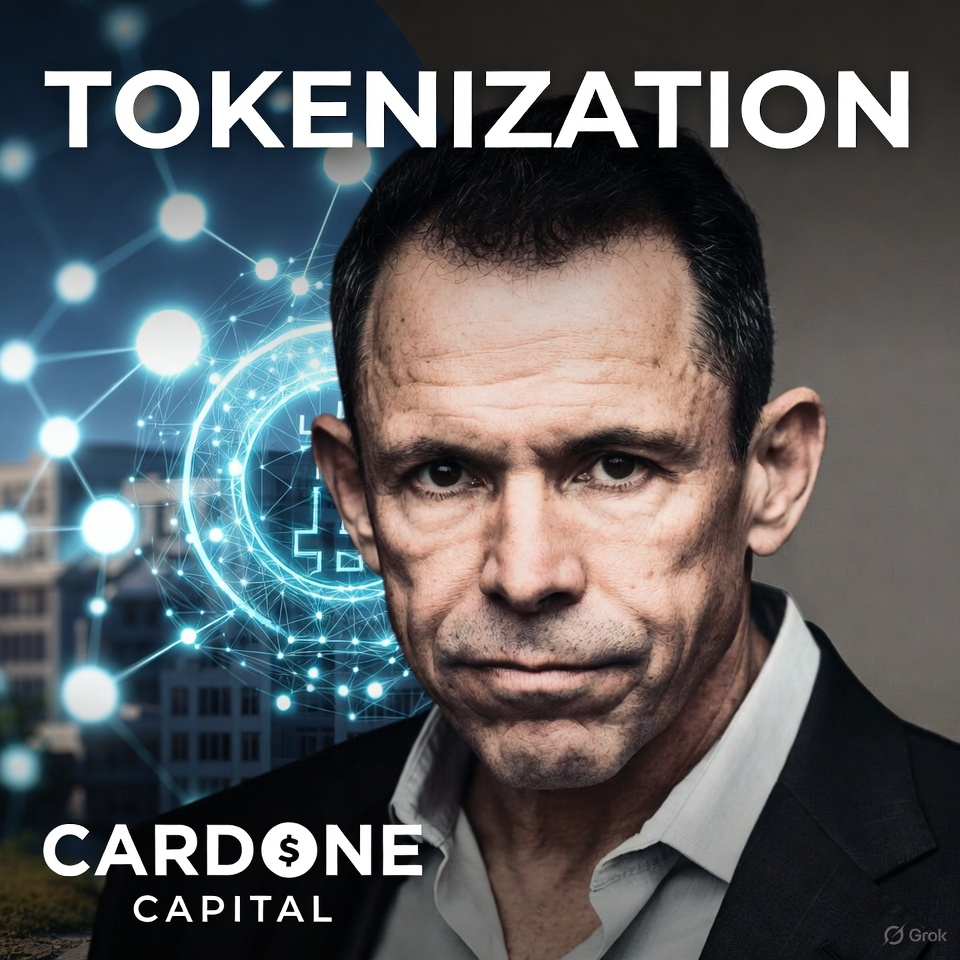
So why shake things up like this? Cardone’s main pitch is that it lets investors use real estate as on-chain collateral and gives them the option to trade their stakes easily, instead of being stuck with an illiquid asset for years. By tokenizing these properties, Cardone Capital is diving headfirst into the booming “real-world assets” trend. That’s where assets like real estate, art, even bonds, get split up and turned into digital tokens you can actually buy and sell.
Here’s the gist of tokenization: think of it as making digital tokens that stand for a slice of ownership in real property. Instead of needing deep pockets to buy a building, investors can grab tokens that offer a share of the income and any rise in the property’s value.
There are some obvious perks. First, there’s fractional ownership—splitting up massive properties into tiny tokens so regular people can get in on deals that used to be just for the ultra-wealthy. Then comes liquidity. Selling real estate is usually slow and painful, but with tokenized assets, you can trade your stake in minutes if the market supports it. Plus, the blockchain keeps records clear and tamper-proof, which could mean easier audits and less paperwork.
But let’s be real, it’s not all easy. The legal side is tricky, especially in the U.S. Most tokenized investments count as securities, so there are strict rules about disclosures and protecting investors. That’s why Cardone’s team is moving carefully, rolling this out step by step.
A huge part of this is picking the right Layer 2 blockchain partner. If you haven’t heard of Layer 2s, they’re upgrades built on top of blockchains like Ethereum that make things faster and cheaper. Cardone’s team is still hunting for one that can handle a lot of transactions without the wild fees you see on Ethereum itself. He hasn’t settled on a partner yet and is even asking around publicly for suggestions.
Why bother with Layer 2? Simple—lower fees make trading affordable, transactions settle fast, and you still get the security of a giant like Ethereum. But it’s not just about the tech. They need something that works for investors, follows all the rules, and fits with the finance systems we already have.
Bigger picture? Cardone’s move is part of a larger wave. More and more companies are looking at putting real-world assets on the blockchain, and some folks think this market could be worth trillions in the next decade or so. Traditional asset managers, fintech startups, and institutional investors are all starting to notice. With Cardone stepping in, even more attention—and money—might follow.
Bottom line: Cardone’s plan to tokenize $5 billion in real estate isn’t just another blockchain side project. He’s making a serious play to drag property investing into the digital era. His search for the right Layer 2 partner makes it clear he wants this to work at scale. If he pulls it off, this could totally change how people invest in real estate.