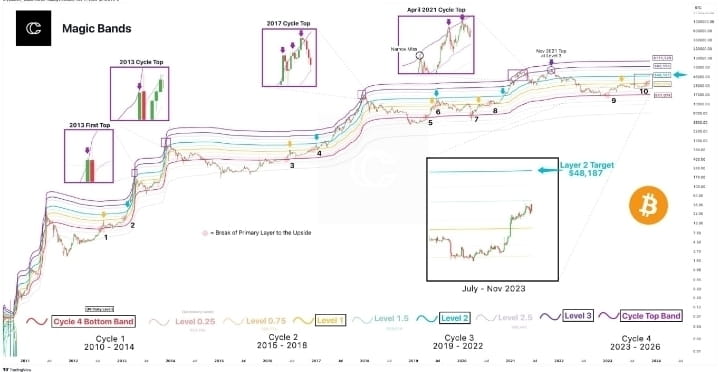
General analysis on the bullish and bearish factors that can influence the price of Bitcoin (BTC). However, please note that cryptocurrency markets are highly unpredictable and subject to various factors, so it is important to conduct thorough research and consider multiple perspectives before making any investment decisions.
Bullish Factors for Bitcoin (BTC):
1. Increasing Adoption: Bitcoin has seen growing acceptance as a form of payment by various companies and institutions, which can contribute to increased demand and price appreciation.
2. Institutional Investment: The entry of institutional investors, such as hedge funds and asset management firms, into the cryptocurrency space can provide liquidity and legitimacy to Bitcoin, potentially driving its value higher.
3. Limited Supply: Bitcoin has a capped supply of 21 million coins, which creates scarcity and can contribute to long-term price appreciation if demand continues to rise.
4. Store of Value Narrative: Bitcoin has gained popularity as a potential store of value and a hedge against inflation, particularly in times of economic uncertainty. This narrative can attract investors looking for alternative assets and drive up demand for Bitcoin.
5. Global Economic Conditions: Economic instability or geopolitical events can drive investors towards Bitcoin as a safe haven asset, potentially leading to price increases.
Bearish Factors for Bitcoin (BTC):
1. Regulatory Uncertainty: Government regulations and potential restrictions on cryptocurrencies can impact market sentiment and create uncertainty, which may negatively affect Bitcoin's price.
2. Market Volatility: Cryptocurrency markets are known for their significant price volatility, and Bitcoin is not an exception. Sudden price swings and market corrections can lead to short-term price declines.
3. Competition: Bitcoin faces competition from other cryptocurrencies and blockchain platforms that offer similar functionalities or improvements. If competing cryptocurrencies gain more traction and adoption, it could potentially impact Bitcoin's market dominance.
Bullish Factors for Bitcoin (BTC):
1. Increasing Adoption: Bitcoin has seen growing acceptance as a form of payment by various companies and institutions, which can contribute to increased demand and price appreciation.
2. Institutional Investment: The entry of institutional investors, such as hedge funds and asset management firms, into the cryptocurrency space can provide liquidity and legitimacy to Bitcoin, potentially driving its value higher.
3. Limited Supply: Bitcoin has a capped supply of 21 million coins, which creates scarcity and can contribute to long-term price appreciation if demand continues to rise.
4. Store of Value Narrative: Bitcoin has gained popularity as a potential store of value and a hedge against inflation, particularly in times of economic uncertainty. This narrative can attract investors looking for alternative assets and drive up demand for Bitcoin.
5. Global Economic Conditions: Economic instability or geopolitical events can drive investors towards Bitcoin as a safe haven asset, potentially leading to price increases.
Bearish Factors for Bitcoin (BTC):
1. Regulatory Uncertainty: Government regulations and potential restrictions on cryptocurrencies can impact market sentiment and create uncertainty, which may negatively affect Bitcoin's price.
2. Market Volatility: Cryptocurrency markets are known for their significant price volatility, and Bitcoin is not an exception. Sudden price swings and market corrections can lead to short-term price declines.
3. Competition: Bitcoin faces competition from other cryptocurrencies and blockchain platforms that offer similar functionalities or improvements. If competing cryptocurrencies gain more traction and adoption, it could potentially impact Bitcoin's market dominance.