

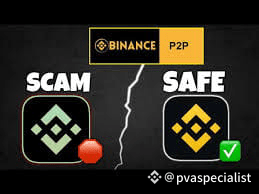
Binance P2P scams often involve fraudsters manipulating the trust-based nature of direct trading. Scammers exploit the platform’s escrow service, user inexperience, or external communication channels to steal funds or personal information. Common scams include:
Fake Proof of Payment Scams: Scammers send counterfeit bank transfer receipts or screenshots to convince sellers to release crypto before verifying funds in their bank account.
Chargeback Fraud: Buyers use reversible payment methods (e.g., PayPal, certain bank transfers) to pay, then initiate a chargeback after receiving crypto, leaving sellers with no funds and no crypto.
Impersonation Scams: Fraudsters pose as legitimate buyers/sellers, Binance staff, or even trusted contacts, using fake
profiles or spoofed communications to trick users into sending crypto or
sharing account details.Paid but Canceled Scams: Buyers pay, then claim issues (e.g., technical glitches) and ask sellers to cancel the order, promising a refund. Once canceled, the buyer disappears without refunding.
Account Takeover: Scammers gain access to a user’s Binance account via phishing or stolen credentials, and then conduct unauthorized P2P trades.
Triangulation Fraud: Scammers use third-party payment accounts or stolen funds to buy crypto, leaving the seller at risk of legal or financial repercussions when the funds are flagged as fraudulent.
SMS/Email Phishing: Fraudsters send fake SMS or emails mimicking Binance or banks, claiming payments have been made or accounts are compromised, prompting users to release crypto or share sensitive information.
Romance/Investment Scams: Scammers build trust via dating apps or social media, then manipulate victims into sending crypto to a third party (often a legitimate P2P trader unaware of the scam) under false pretenses.
In 2023, crypto fraud, including P2P scams, led to $5.6 billion in losses globally, a 45% increase from the previous year, highlighting the growing sophistication of these
schemes.
How to Prevent P2P Scams on Binance
To stay safe while trading on Binance P2P, follow these proactive measures to secure your transactions and account:
1. Verify the Counterparty
Trade with Verified Merchants: Prioritize users with a yellow badge, indicating they’ve passed Binance’s additional verification (e.g., facial recognition, proof of trading experience). These merchants often have security deposits (e.g., 2,000–5,000 $USDT ) to ensure accountability.
Check Feedback and Ratings: Review the counterparty’s trade history, completion rate, and user comments. Avoid those with low completion rates, negative feedback, or recently created accounts.
Use Binance’s Trusted List: Binance provides a list of verified sellers/buyers with established reputations. Stick to these users to minimize scam risks.
2. Leverage Binance’s Escrow Service
Understand the Escrow System: Binance P2P holds the seller’s crypto in escrow until the buyer confirms payment and the seller verifies receipt. Only release crypto after confirming funds in your bank account, not based on screenshots or notifications.
Don’t Rush: Scammers often pressure sellers to release crypto quickly. Take time to verify payment, as Binance’s escrow ensures the crypto remains secure until you confirm.
3. Verify Payments Thoroughly
Check Your Bank Account Directly: Always confirm funds have arrived in your bank account or wallet before releasing crypto. Do not rely on SMS, email notifications, or screenshots, which can be faked.
Avoid Reversible Payment Methods: Use secure, irreversible methods like bank transfers (where supported) instead of PayPal, credit cards, or digital wallets prone to chargebacks. Specify in your ad that third-party payments are not accepted.
Request Transfer Records: Ask buyers for a photo of the transfer record as proof of payment, but still verify funds in your account. This can deter reversible payment scams.
4. Enhance Account Security
Enable Two-Factor Authentication (2FA): Use hardware-based 2FA (e.g., Google Authenticator, Authy) instead of SMS-based 2FA, which is vulnerable to SIM swap attacks.
Set anAnti-Phishing Code: Activate Binance’s anti-phishing code to verify legitimate communications from the platform.
Use Strong, Unique Passwords: Avoid reusing passwords and enable device/IP whitelisting for added security.
Avoid Fake Platforms: Only access Binance P2P through the official website or app. Bookmark the URL and use Binance Verify to check the legitimacy of links, Telegram groups, or emails.
5. Stay On-Platform
Keep Communications on Binance: Scammers may lure you to external platforms (e.g., WhatsApp, Telegram) to bypass Binance’s protections. Always use the platform’s live trade chat to maintain a record and ensure support eligibility.
Reject Off-Platform Deals: Scammers may offer better rates to trade outside Binance P2P. These transactions are unprotected, and Binance cannot assist if issues arise.
6. Recognize Red Flags
Too-Good-to-Be-True Offers: Be cautious of deals offering above-market rates or urgent requests to release crypto.
Pressure Tactics: Scammers may use aggressive or urgent language to rush you into releasing crypto or sharing details.
Suspicious Profiles: Watch for users with incomplete profiles, low trade volumes, or requests for unusual payment methods.
Fake Binance Staff: Binance staff will never contact you via personal channels or ask for codes to “unblock” accounts. Report such attempts immediately.
7. Protect Against Phishing and Malware
Avoid Suspicious Links: Don’t click links in unsolicited emails or messages claiming to be from Binance. These may lead to fake websites that steal login credentials.
Beware of Clipper Malware: This malware swaps copied wallet addresses with the scammer’s. Double-check addresses before sending crypto.
Verify QR Codes: Scammers may present fake QR codes mimicking Binance login or P2P order codes. Only scan codes from trusted sources.
8. Follow Binance’s Guidelines
Complete KYC Verification: Binance requires Know Your Customer (K Almighty) verification, ensuring users trade with authentic identities. This reduces the risk of dealing with fraudulent accounts.
Take Screenshots: Document all transactions, including chat logs and payment proofs, as evidence in case of disputes.
Read Binance’s Policies: Familiarize yourself with Binance’s user transaction policy and scam prevention guides (e.g., Binance Academy’s “How to Stay Safe in P2P Trading”).
9. Trade Strategically
Start Small: For new counterparties, conduct small test transactions to verify reliability before larger trades.
Set Clear Ad Terms: Clearly state acceptable payment methods and terms in your P2P ads to avoid misunderstandings or scams involving third-party payments.
Monitor Market Volatility: Use stop-loss orders to protect against sudden price swings, as advised for high-volatility periods like elections.
What to Do If You Suspect a Scam
If you encounter a suspicious transaction or believe you’ve been scammed on Binance P2P, act quickly to limit damage:
Do Not Release Crypto: If you haven’t released funds, verify payment directly with your bank. If suspicious, pause the transaction and open an appeal via Binance’s platform.
Contact Binance Support: Report the issue to Binance’s customer support team immediately. Provide screenshots, transaction IDs, and chat logs. Binance can release escrowed crypto to you if the counterparty fails to comply, as funds are held in the seller’s wallet.
File an Appeal: If you can’t resolve the issue with the counterparty, use Binance’s appeal process to report suspicious behavior. The support team will investigate and may release funds from the escrow.
Secure Your Account: Change passwords, enable 2FA, and disable your account if you suspect a takeover. Follow Binance’s guide on reporting scams.
Report to Authorities: File a report with local law enforcement, providing all evidence (e.g., transaction records, communications). Binance collaborates with authorities, though recovery is not guaranteed.
Notify Your Bank: If a payment was made or received, inform your bank to monitor for chargebacks or fraudulent activity. Request transaction receipts for disputes.
Monitor Accounts: Regularly check your Binance and bank accounts for unauthorized activity. Set up alerts for real-time notifications.
Real-Life Examples and Lessons
Case in India(2025): A user lost ₹407 (small amount) to a scammer who went offline after payment without releasing $USDT . The user reported it to Binance’s customer support, which resolved the issue by releasing the escrowed crypto. Lesson: Even small transactions can be targeted; always verify payment and use Binance’s appeal process.
Manila SIM Swap (2024): A trader lost $40,000 in $USDT after a scammer executed a SIM swap to access their Binance account. Lesson: Use hardware-based 2FA to prevent account takeovers.
Fake Payment Proof: A seller released crypto after receiving a fake bank transfer screenshot, only to find the payment was never made. Lesson: Always confirm funds in your bank account, not via screenshots or SMS.