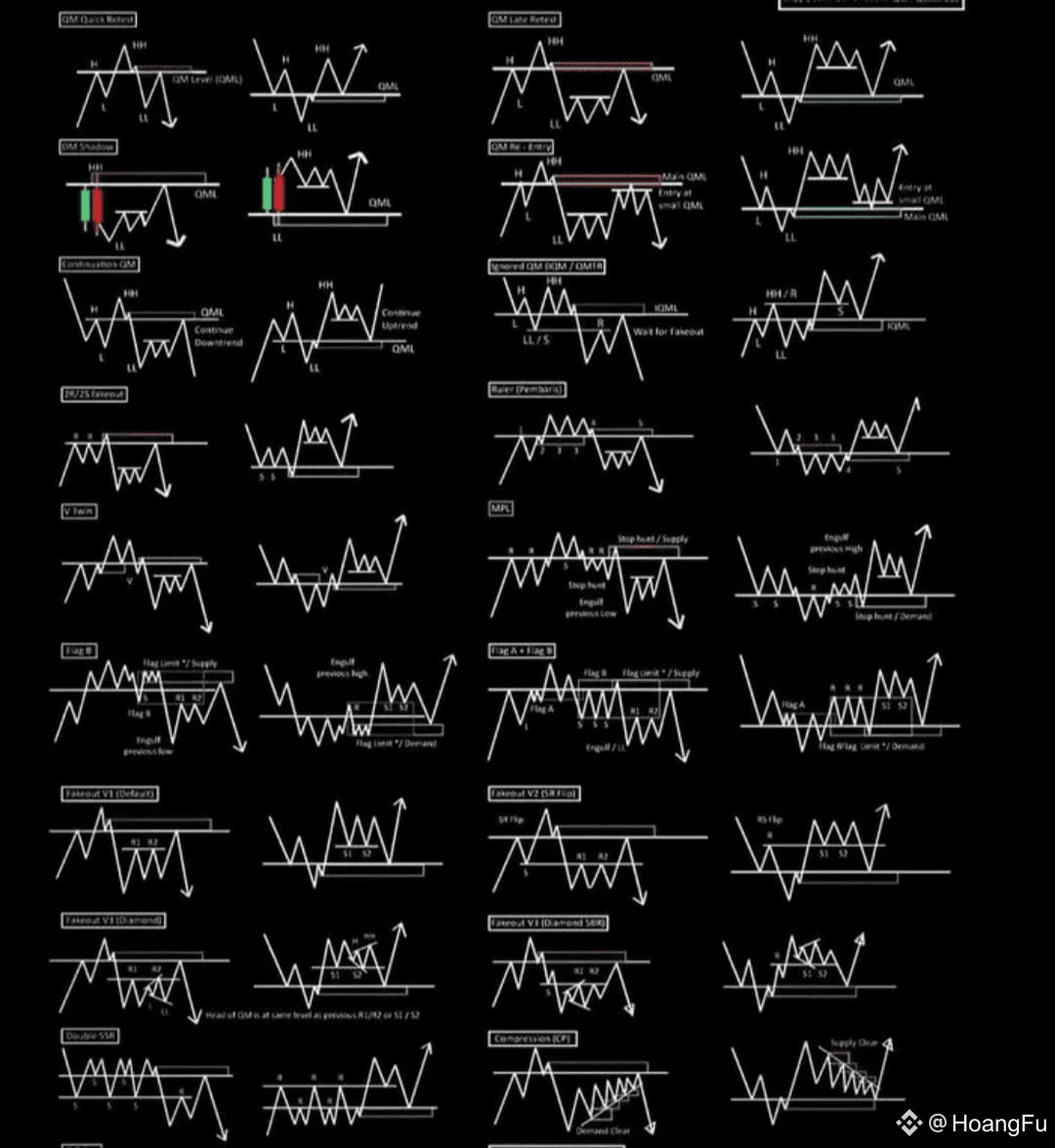
💸💸 Setting Up a Standard Trade Order
An effective trade entry setup requires attention to the following basic elements:
* Step 1: T - Trend (Primary Trend) 📈
First, you need to identify the primary trend of the market. Understanding your position within that trend is crucial.
* Step 2: L - Levels (Key Levels) 🔑
Identify key resistance and support levels. These are points where the price is likely to react strongly, helping you make more accurate decisions.
* Step 3: S - Signal (Reliable Signal) 💎
Monitor and look for trading signals according to your personal methodology. It's advisable to analyze across multiple timeframes to find the optimal entry point.
Trading Process
1. Identify the Entry Signal:
Once you have a signal, determine parameters such as Entry, Stop Loss (SL), and Take Profit (TP) to calculate your Risk/Reward (RR) ratio. If RR < 1, consider not entering the trade. You should only enter a trade when RR >= 1; the higher, the better.
2. Calculate Trade Volume:
Based on your capital, it's generally reasonable to risk 3-5% of your capital per trade.
3. Manage Open Trades:
Monitor your open trades closely. For example, if a trade is profitable (R1), move your SL to the Entry price to protect your capital and continue to let your profits run.
Do these guidelines clarify how to set up your trade orders?
An effective trade entry setup requires attention to the following basic elements:
* Step 1: T - Trend (Primary Trend) 📈
First, you need to identify the primary trend of the market. Understanding your position within that trend is crucial.
* Step 2: L - Levels (Key Levels) 🔑
Identify key resistance and support levels. These are points where the price is likely to react strongly, helping you make more accurate decisions.
* Step 3: S - Signal (Reliable Signal) 💎
Monitor and look for trading signals according to your personal methodology. It's advisable to analyze across multiple timeframes to find the optimal entry point.
Trading Process
1. Identify the Entry Signal:
Once you have a signal, determine parameters such as Entry, Stop Loss (SL), and Take Profit (TP) to calculate your Risk/Reward (RR) ratio. If RR < 1, consider not entering the trade. You should only enter a trade when RR >= 1; the higher, the better.
2. Calculate Trade Volume:
Based on your capital, it's generally reasonable to risk 3-5% of your capital per trade.
3. Manage Open Trades:
Monitor your open trades closely. For example, if a trade is profitable (R1), move your SL to the Entry price to protect your capital and continue to let your profits run.
Do these guidelines clarify how to set up your trade orders?