buenas he sido estafada por una chica la cual no puedontrasferi mi dinero a mi cuenta ya q te piden un código el cual solo lo tiene ella

Посты

MARKET STRUCTURE GUIDE
·
--
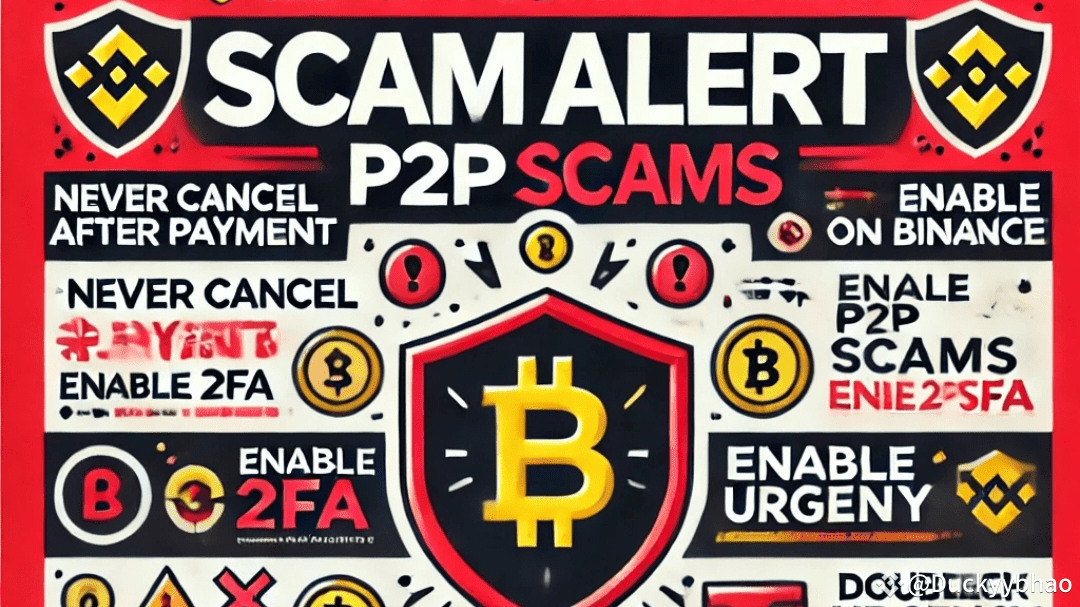
🚨Binance P2P Scams🚨: How to Avoid Them?👇
Can You Get Scammed on Binance P2P?
Yes, you can get scammed on Binance P2P if you're not cautious. Common scams include fake proof of payment, where scammers send counterfeit receipts, and the "paid but canceled" scam, where sellers refuse to release crypto after receiving payment. Scammers may also request refunds after overpaying or impersonate Binance customer support to trick you into canceling orders.
To avoid these scams, always verify payment before releasing crypto, use secure payment methods, avoid sharing personal information, and report any suspicious activity to Binance's support team immediately.
Types of Binance P2P Scams and How to Avoid Them
The security procedures offered by Binance for P2P transactions are the platform’s priority. However, this does not mean that fraudsters are not looking for ways to trick you. Here are the main types of scams and tips on how to avoid them.
Before engaging in P2P transactions, consult our guide: How to Buy Crypto P2P
Fake Proof of Payment Scam
One prevalent scam within Binance P2P is the "fake proof of payment" scam. Scammers employ this tactic by sending a counterfeit receipt and pressuring you to release your crypto without confirming the actual receipt of funds in your account. Identifying these fake proofs of payment can be challenging, as they often contain irregularities like varying font sizes, styles, or colors. To safeguard against this scam, always verify the receipt of funds in your bank account or wallet before releasing crypto in a P2P transactions.
Paid but Canceled Scam
Another Binance P2P scam is called “paid but canceled.” Scammers with limited transaction history post sell ads and later refuse to release the order after the buyer has paid. They may provide excuses like OTP issues, technical glitches, or a sudden change of mind. To rectify the situation, they request the buyer's wallet address or Pay ID / UPI for a refund, but only if the buyer cancels the order. This maneuver aims to convince the buyer to cancel the order willingly, after which the seller does not honor the refund, causing financial loss to the buyer. To avoid this scam, never cancel an order without first receiving the refund, no matter what the counterparty suggests. If anything appears suspicious, initiate an appeal, and let the Binance support team handle it.
P2P Chargebacks
P2P chargebacks occur when a buyer requests a refund after you've released the crypto and received payment. Successful chargebacks can result in a double loss: the crypto you sold and the money you received. To mitigate this risk, opt for secure payment methods that don't offer chargebacks. Check the user's reputation for potential risks and verify your trade partner's name. Avoid accepting third-party payment methods, and be explicit in your ad terms that third-party payments are not accepted. If a counterparty insists on a third-party payment, consider canceling the transaction. If you experience a chargeback scam, reach out to Binance Customer Support and request a transaction receipt to present as proof in the investigation.
Overpayment Binance P2P Scams
Overpayment is a common Binance P2P scam. Scammers send a payment that exceeds the amount owed and then request a refund for the difference. They may use various tactics to convince you to send the refund, such as claiming it was a mistake or offering you a bonus for your cooperation. However, once the refund is sent, the original payment becomes fraudulent, leaving you in a lose-lose situation
How to Avoid Binance P2P Scams
To protect yourself from P2P scams, we suggest you follow these tips:
Use Safe P2P Payment Applications
Opt for P2P payment platforms with strong security features. Look for applications that offer features such as two-factor authentication and fraud protection. These security measures can help protect your transactions from potential threats.
Beware of Unrealistic Offers
Scammers often lure victims with offers that seem too good to be true. Be wary of offers that seem too tempting, as they are probably scams.
Report Suspicious Activity
If you encounter a suspicious situation, don't hesitate to report it. Your financial institution and the P2P payment application provider should be promptly informed of any dubious activity.
How to Report Binance P2P Scams
If you fall victim to a Binance P2P scam or suspect fraudulent activity in a P2P transaction, it is vital to report the incident as soon as possible. Here are the different ways to do it:
Utilize the Binance Reporting System: On the details page of the transaction you identify as fraudulent, click on "Report Scam." This action will redirect you to the Case Report Form, where you can provide all necessary details about the Binance P2P scam.
Contact Binance Support: If you prefer another method to report Binance P2P scams, log in to your verified Binance account on the official website and use the “Binance Support” icon at the bottom right of the screen. In the Self-Service section, click “View All,” and then select “Report Scam” to access the Case Report Form.
Case-Specific Reporting: If none of the provided categories match your case, you can report it as “Others.”
#P2PScamAwareness
#P2PScamWarning
#BinanceLaunchpoolHMSTR
#Write2Earn!