

#us
us
Просмотров: 10.5M
23,725 обсуждают
Популярные
Новые

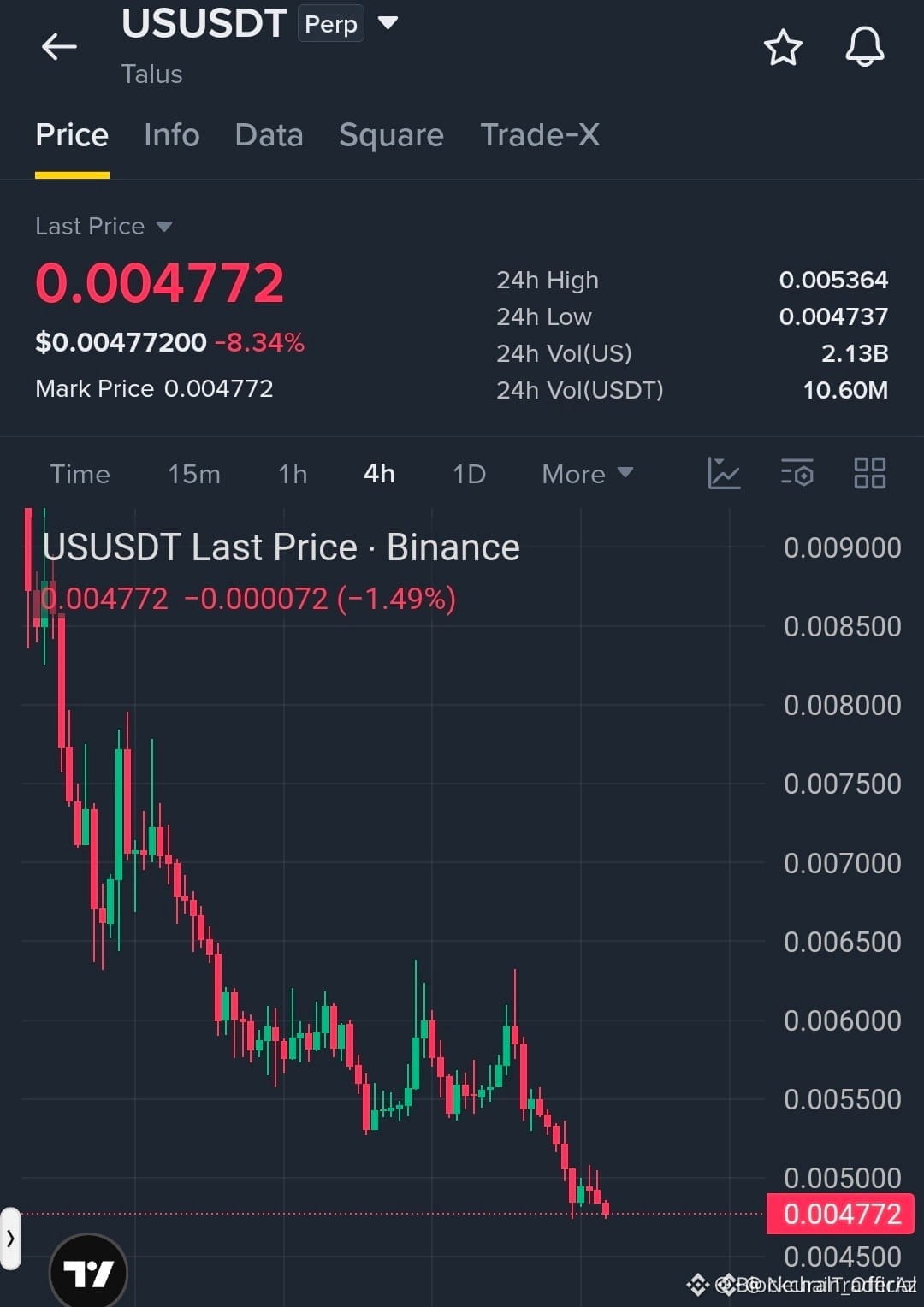
🔴 $US PLUNGES DEEPER AS BEAR CLUTCH INTENSIFIES 🚨
📊 Liquidity sweep on the 4H chart shows a widening gap below the 200‑EMA, where smart money is harvesting sell orders. 🦈 The order block at the recent swing low has been repeatedly broken, confirming institutional dominance.
⚡ Volume spikes accompany each candle, and the RSI stays entrenched in oversold territory, leaving little upside bias. 🔍 A clean break of the previous swing high would be required to reset the narrative, but the current pressure suggests further downside.
💬 Do you see a deeper capitulation forming or a potential floor forming soon? 👇
⚠️ Not financial advice. Always manage your risk. 🛡️
🏷️ #US #ShortSetup #Bearish #LiquidityHunt #Crypto
🦈 🔥
🔴 $US PLUNGES DEEPER AS BEAR CLUTCH INTENSIFIES 🚨
📊 Liquidity sweep on the 4H chart shows a widening gap below the 200‑EMA, where smart money is harvesting sell orders. 🦈 The order block at the recent swing low has been repeatedly broken, confirming institutional dominance.
⚡ Volume spikes accompany each candle, and the RSI stays entrenched in oversold territory, leaving little upside bias. 🔍 A clean break of the previous swing high would be required to reset the narrative, but the current pressure suggests further downside.
💬 Do you see a deeper capitulation forming or a potential floor forming soon? 👇
⚠️ Not financial advice. Always manage your risk. 🛡️
🏷️ #US #ShortSetup #Bearish #LiquidityHunt #Crypto
🦈 🔥
📊 Liquidity sweep on the 4H chart shows a widening gap below the 200‑EMA, where smart money is harvesting sell orders. 🦈 The order block at the recent swing low has been repeatedly broken, confirming institutional dominance.
⚡ Volume spikes accompany each candle, and the RSI stays entrenched in oversold territory, leaving little upside bias. 🔍 A clean break of the previous swing high would be required to reset the narrative, but the current pressure suggests further downside.
💬 Do you see a deeper capitulation forming or a potential floor forming soon? 👇
⚠️ Not financial advice. Always manage your risk. 🛡️
🏷️ #US #ShortSetup #Bearish #LiquidityHunt #Crypto
🦈 🔥
18

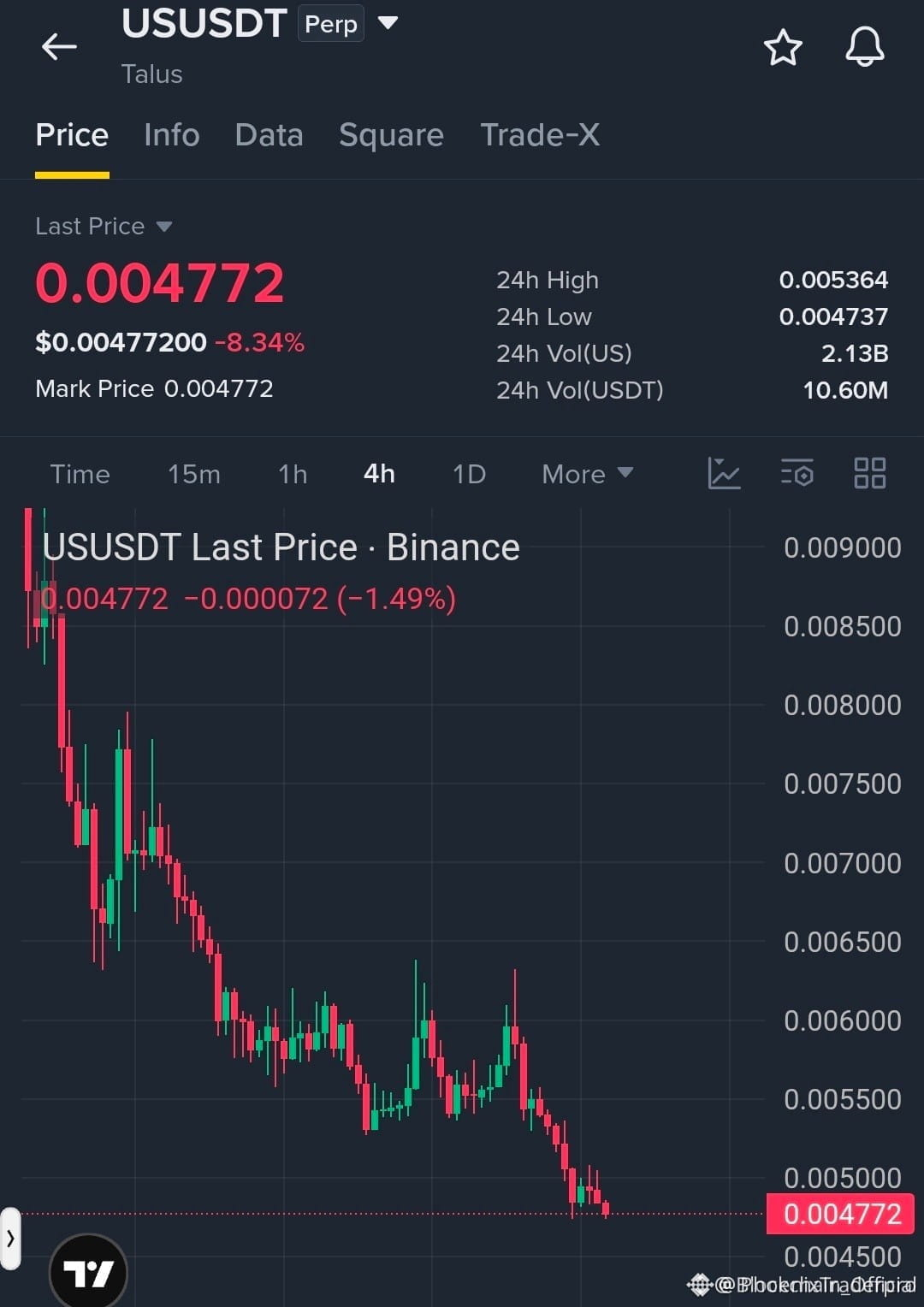
🔴 $US PLUNGING DEEPER INTO BEARISH CHAOS – SELLERS DOMINATE! 🐻
The market is grinding under relentless sell pressure, carving lower lows with each candle. Volume spikes on the 1‑hour chart signal that smart money is flushing out lingering longs. 📊
Key resistance at the prior swing failed to hold, and the RSI sits deep in oversold territory, yet momentum stays negative, hinting at another leg of the descent. 🔍⚡
💬 Are you tightening stops or hunting the next liquidity dump?
⚠️ Not financial advice. Always manage your risk. 🛡️
🏷️ #US #ShortSetup #Bearish #Crypto
🐻 🔥
🔴 $US PLUNGING DEEPER INTO BEARISH CHAOS – SELLERS DOMINATE! 🐻
The market is grinding under relentless sell pressure, carving lower lows with each candle. Volume spikes on the 1‑hour chart signal that smart money is flushing out lingering longs. 📊
Key resistance at the prior swing failed to hold, and the RSI sits deep in oversold territory, yet momentum stays negative, hinting at another leg of the descent. 🔍⚡
💬 Are you tightening stops or hunting the next liquidity dump?
⚠️ Not financial advice. Always manage your risk. 🛡️
🏷️ #US #ShortSetup #Bearish #Crypto
🐻 🔥
The market is grinding under relentless sell pressure, carving lower lows with each candle. Volume spikes on the 1‑hour chart signal that smart money is flushing out lingering longs. 📊
Key resistance at the prior swing failed to hold, and the RSI sits deep in oversold territory, yet momentum stays negative, hinting at another leg of the descent. 🔍⚡
💬 Are you tightening stops or hunting the next liquidity dump?
⚠️ Not financial advice. Always manage your risk. 🛡️
🏷️ #US #ShortSetup #Bearish #Crypto
🐻 🔥
27

·
--
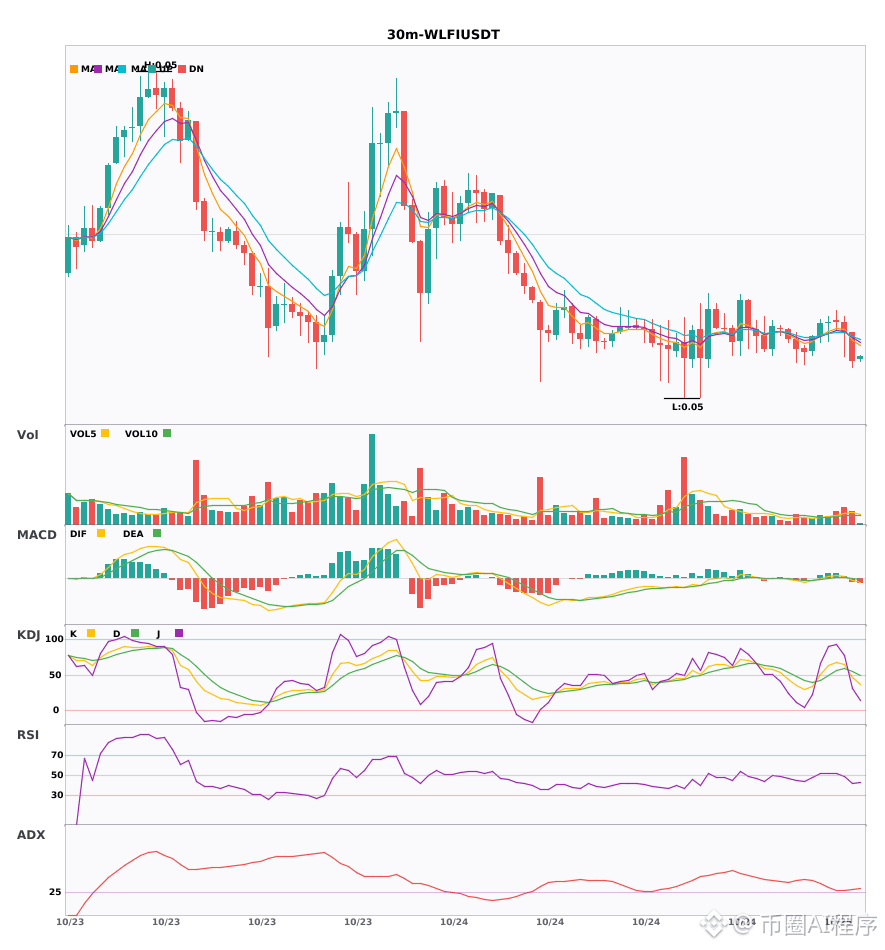
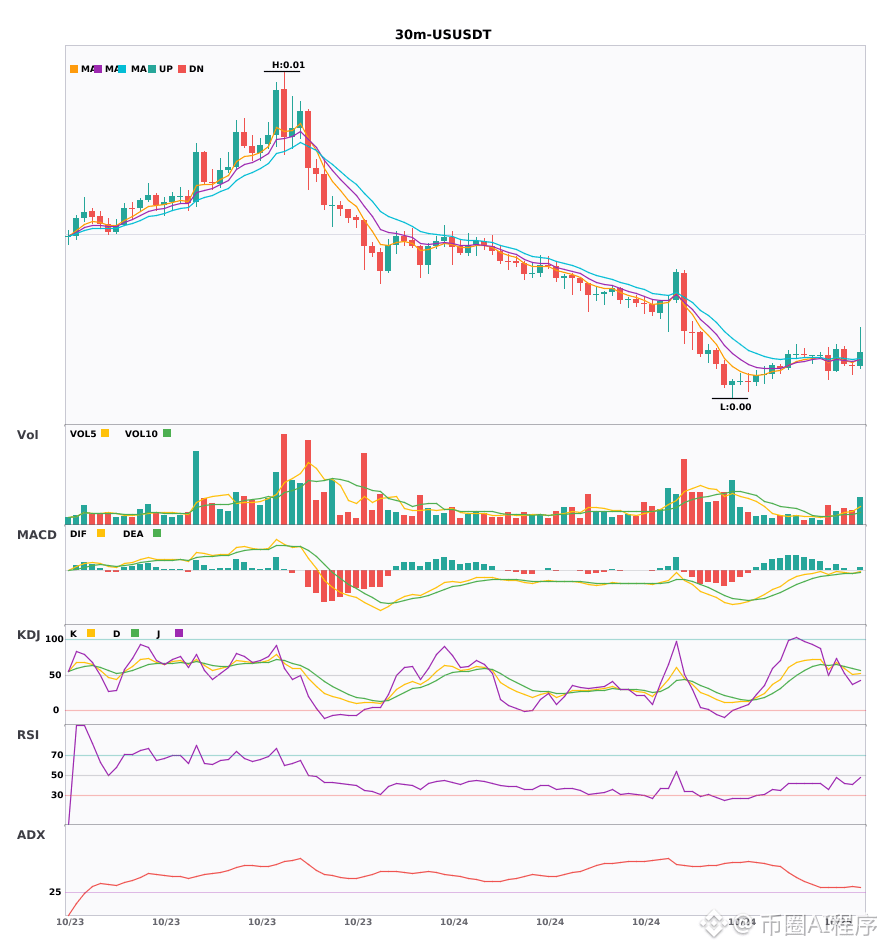
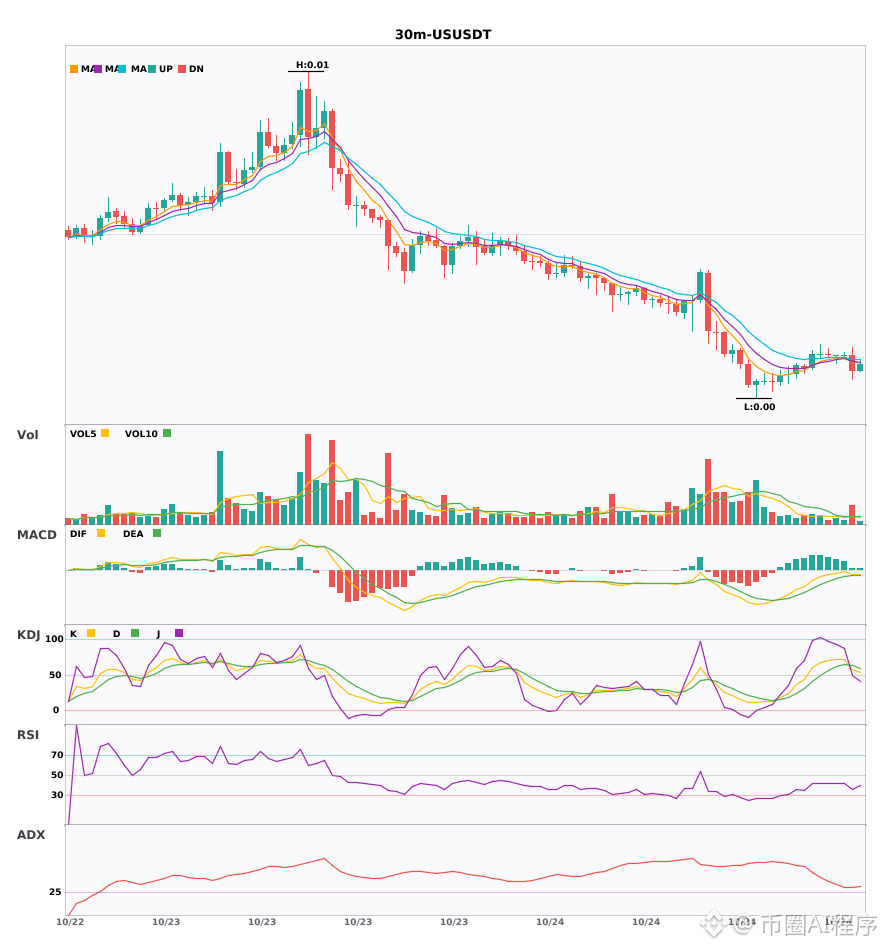
$WLFI / $US 30分钟空头信号,4小时空头趋势确认🔥
════════════════════
🟢 $WLFI 30分钟 空头信号
⚠️技术面:4小时空头共振确认 | 30分钟入场 MACD零下死叉,空头加速 | EMA5下穿EMA8,短期转空 | KDJ死叉,短期看空 (K为46.9 D为55.0) | 成交量放大(1.9倍)
════════════════════
🟢 $US 30分钟 空头信号
⚠️技术面:4小时空头共振确认 | 30分钟入场 EMA5下穿EMA8,短期转空 | KDJ强势运行,多头占优 (K为51.3 D为58.7) | 成交量放大(1.6倍)
════════════════════
🔔 关注获取第一手行情异动 🔔
#多周期共振 #WLFI #US
📌 交易时注意k线形态是否符合
$WLFI / $US 30分钟空头信号,4小时空头趋势确认🔥
════════════════════
🟢 $WLFI 30分钟 空头信号
⚠️技术面:4小时空头共振确认 | 30分钟入场 MACD零下死叉,空头加速 | EMA5下穿EMA8,短期转空 | KDJ死叉,短期看空 (K为46.9 D为55.0) | 成交量放大(1.9倍)
════════════════════
🟢 $US 30分钟 空头信号
⚠️技术面:4小时空头共振确认 | 30分钟入场 EMA5下穿EMA8,短期转空 | KDJ强势运行,多头占优 (K为51.3 D为58.7) | 成交量放大(1.6倍)
════════════════════
🔔 关注获取第一手行情异动 🔔
#多周期共振 #WLFI #US
📌 交易时注意k线形态是否符合
════════════════════
🟢 $WLFI 30分钟 空头信号
⚠️技术面:4小时空头共振确认 | 30分钟入场 MACD零下死叉,空头加速 | EMA5下穿EMA8,短期转空 | KDJ死叉,短期看空 (K为46.9 D为55.0) | 成交量放大(1.9倍)
════════════════════
🟢 $US 30分钟 空头信号
⚠️技术面:4小时空头共振确认 | 30分钟入场 EMA5下穿EMA8,短期转空 | KDJ强势运行,多头占优 (K为51.3 D为58.7) | 成交量放大(1.6倍)
════════════════════
🔔 关注获取第一手行情异动 🔔
#多周期共振 #WLFI #US
📌 交易时注意k线形态是否符合
26



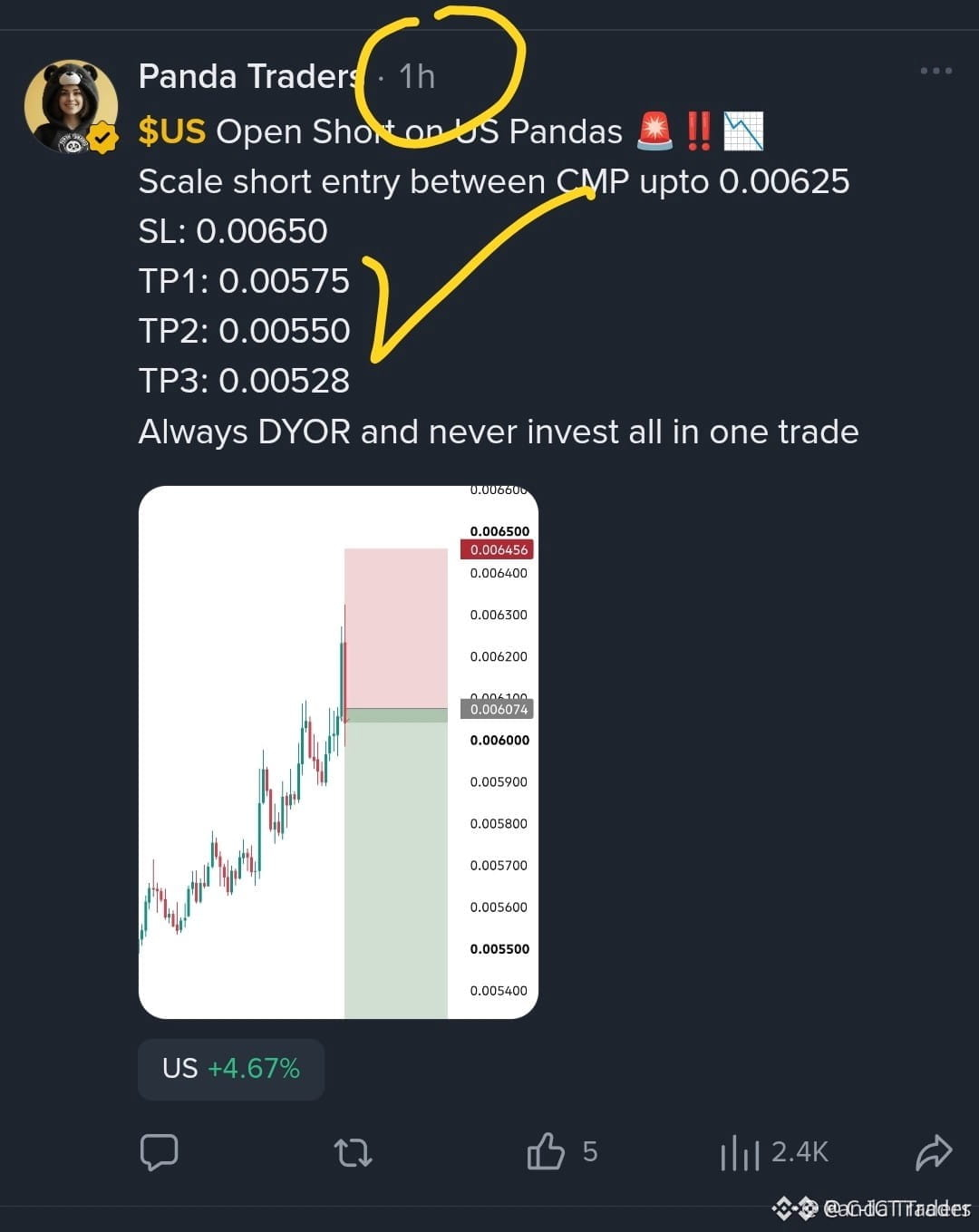
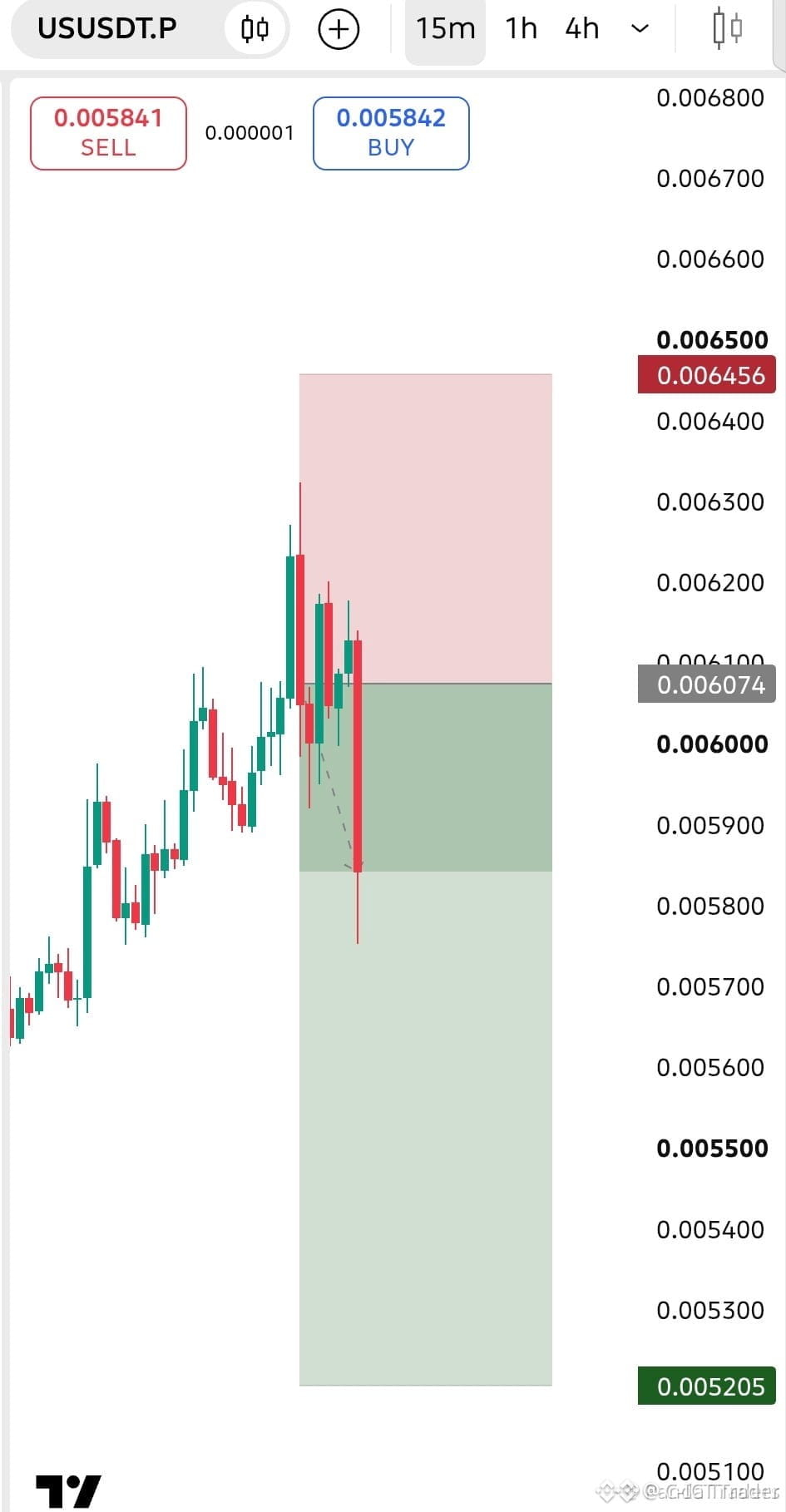
🚨 $US SHORT ON PANDA LIQUIDITY SWEEP 💥
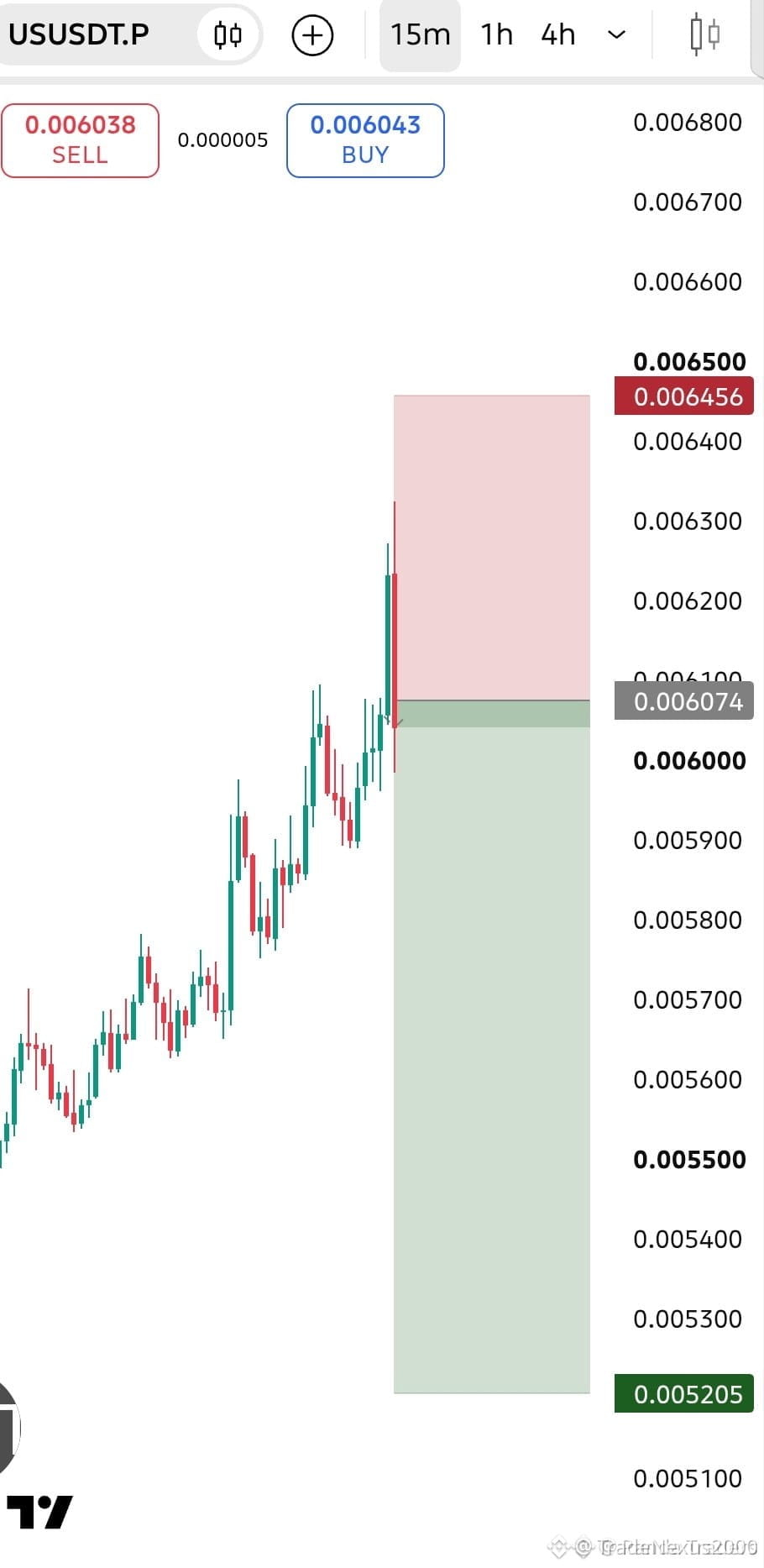
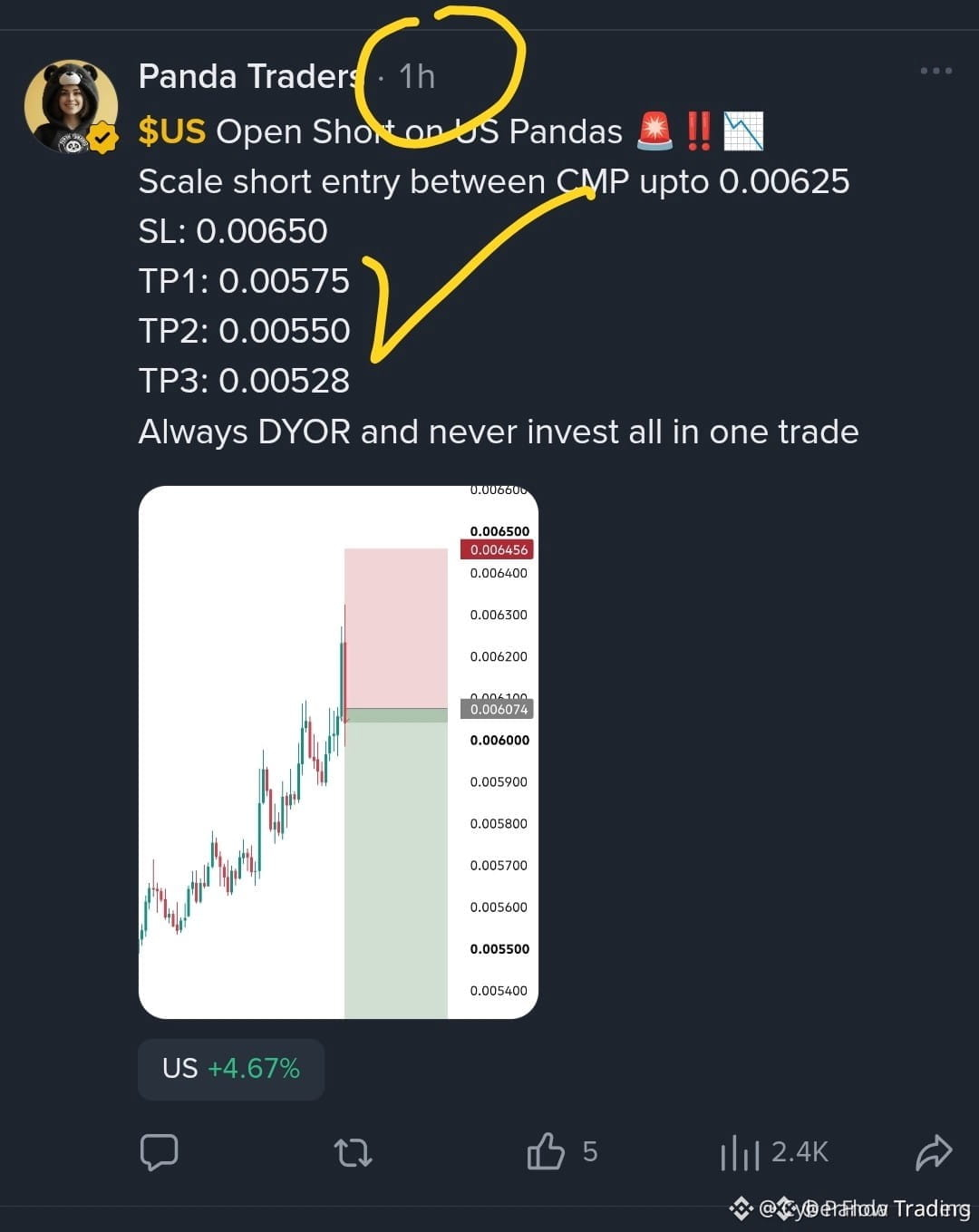
Entry: 0.00625 ⚡
Target: 0.00575, 0.00550, 0.00528 🚀
Stop Loss: 0.00650 ⚠️
📊 Smart money has been draining the US Pandas order block, leaving a clean demand vacuum at the current market price. 🦈 The recent sell‑off on a top‑tier exchange signals an institutional liquidity hunt, with volume spikes confirming aggressive short pressure. 📌 Scaling in below 0.00625 aligns with the observed absorption pattern, offering a crisp risk‑to‑reward profile across three tiered targets.
💬 How are you positioning for the next liquidity sweep? 👇
⚠️ Not financial advice. Always manage your risk. 🛡️
🏷️ #US #ShortSetup #LiquiditySweep #Crypto
🦈 🔥
🚨 $US SHORT ON PANDA LIQUIDITY SWEEP 💥
Entry: 0.00625 ⚡
Target: 0.00575, 0.00550, 0.00528 🚀
Stop Loss: 0.00650 ⚠️
📊 Smart money has been draining the US Pandas order block, leaving a clean demand vacuum at the current market price. 🦈 The recent sell‑off on a top‑tier exchange signals an institutional liquidity hunt, with volume spikes confirming aggressive short pressure. 📌 Scaling in below 0.00625 aligns with the observed absorption pattern, offering a crisp risk‑to‑reward profile across three tiered targets.
💬 How are you positioning for the next liquidity sweep? 👇
⚠️ Not financial advice. Always manage your risk. 🛡️
🏷️ #US #ShortSetup #LiquiditySweep #Crypto
🦈 🔥
Entry: 0.00625 ⚡
Target: 0.00575, 0.00550, 0.00528 🚀
Stop Loss: 0.00650 ⚠️
📊 Smart money has been draining the US Pandas order block, leaving a clean demand vacuum at the current market price. 🦈 The recent sell‑off on a top‑tier exchange signals an institutional liquidity hunt, with volume spikes confirming aggressive short pressure. 📌 Scaling in below 0.00625 aligns with the observed absorption pattern, offering a crisp risk‑to‑reward profile across three tiered targets.
💬 How are you positioning for the next liquidity sweep? 👇
⚠️ Not financial advice. Always manage your risk. 🛡️
🏷️ #US #ShortSetup #LiquiditySweep #Crypto
🦈 🔥
50

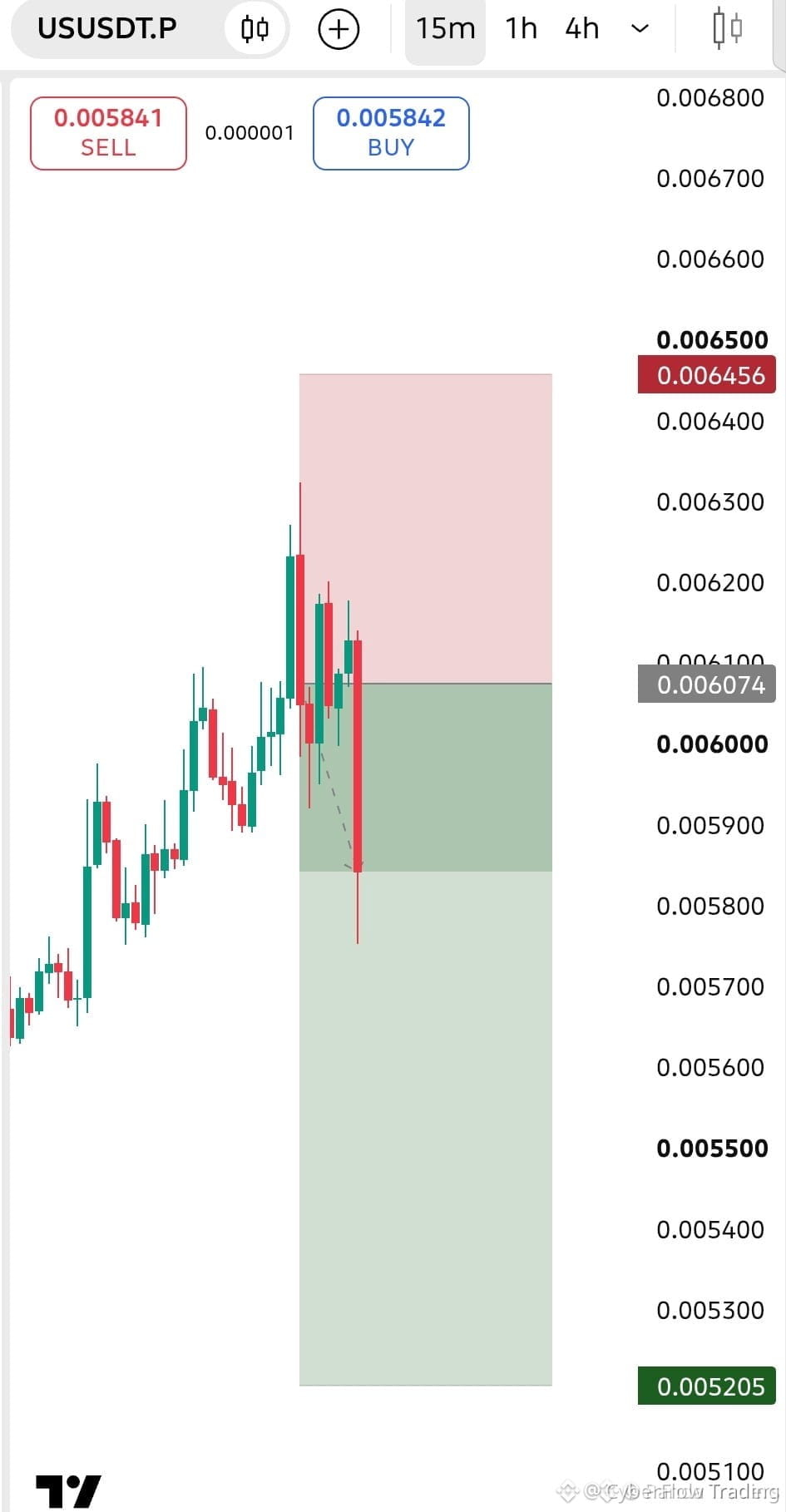
🚀 $US SURGES THROUGH RED WICK, LIQUIDITY SWEEP UNLEASHED! 🟢
A massive red wick just carved through the order book, flushing out the last pool of buying pressure. 🦈 Smart money is now hoarding the dip, forcing a swift liquidity sweep that could fuel the next wave. ⚡
On‑chain metrics show a spike in sell volume while the 4‑hour RSI is sliding under 30, a classic sign of capitulation. 📊 If the sellers keep the torch, we could see a deeper slide toward the next demand zone. 💬 Are you positioning short or waiting for the next rebound? 👇
⚠️ Not financial advice. Always manage your risk. 🛡️
🏷️ #US #Bearish #LiquiditySweep #Crypto
🦈 🔥
🚀 $US SURGES THROUGH RED WICK, LIQUIDITY SWEEP UNLEASHED! 🟢
A massive red wick just carved through the order book, flushing out the last pool of buying pressure. 🦈 Smart money is now hoarding the dip, forcing a swift liquidity sweep that could fuel the next wave. ⚡
On‑chain metrics show a spike in sell volume while the 4‑hour RSI is sliding under 30, a classic sign of capitulation. 📊 If the sellers keep the torch, we could see a deeper slide toward the next demand zone. 💬 Are you positioning short or waiting for the next rebound? 👇
⚠️ Not financial advice. Always manage your risk. 🛡️
🏷️ #US #Bearish #LiquiditySweep #Crypto
🦈 🔥
A massive red wick just carved through the order book, flushing out the last pool of buying pressure. 🦈 Smart money is now hoarding the dip, forcing a swift liquidity sweep that could fuel the next wave. ⚡
On‑chain metrics show a spike in sell volume while the 4‑hour RSI is sliding under 30, a classic sign of capitulation. 📊 If the sellers keep the torch, we could see a deeper slide toward the next demand zone. 💬 Are you positioning short or waiting for the next rebound? 👇
⚠️ Not financial advice. Always manage your risk. 🛡️
🏷️ #US #Bearish #LiquiditySweep #Crypto
🦈 🔥
40

·
--
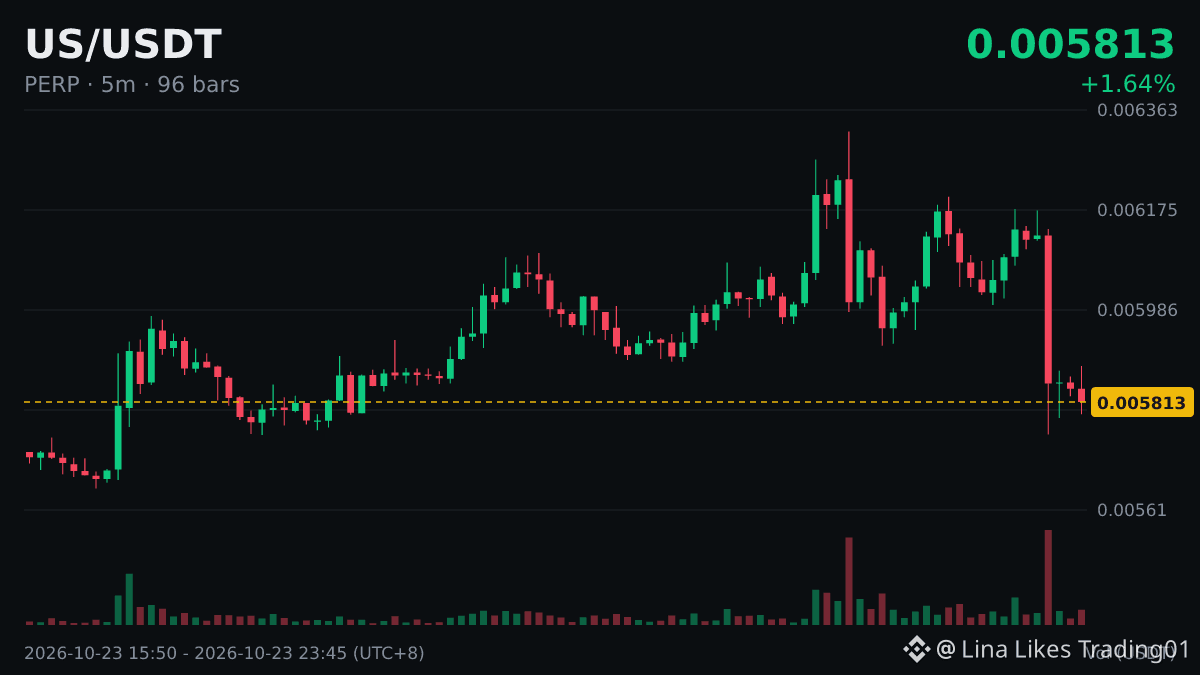
🚨 $US CRASHES THROUGH RED WICK, LIQUIDITY SWEEP UNLEASHED 💥
🦈 The red‑wick on the 4H chart flagged rapid demand exhaustion, prompting smart‑money sharks to sweep lingering sell orders at $US , sparking a decisive down‑move. 📊 Volume surged to three times the 20‑day average as price tore through the prior order block, unveiling fresh liquidity near the recent high. 📌 The resulting fair‑value gap creates a void that institutional buyers may target for a reclamation swing. ⚡ With the next swing low aligning to the previous trough, downside bias remains pronounced.
⚠️ Not financial advice. Always manage your risk. 🛡️
🏷️ #US #ShortSetup #LiquiditySweep #Crypto
🔥 🦈
🚨 $US CRASHES THROUGH RED WICK, LIQUIDITY SWEEP UNLEASHED 💥
🦈 The red‑wick on the 4H chart flagged rapid demand exhaustion, prompting smart‑money sharks to sweep lingering sell orders at $US , sparking a decisive down‑move. 📊 Volume surged to three times the 20‑day average as price tore through the prior order block, unveiling fresh liquidity near the recent high. 📌 The resulting fair‑value gap creates a void that institutional buyers may target for a reclamation swing. ⚡ With the next swing low aligning to the previous trough, downside bias remains pronounced.
⚠️ Not financial advice. Always manage your risk. 🛡️
🏷️ #US #ShortSetup #LiquiditySweep #Crypto
🔥 🦈
🦈 The red‑wick on the 4H chart flagged rapid demand exhaustion, prompting smart‑money sharks to sweep lingering sell orders at $US , sparking a decisive down‑move. 📊 Volume surged to three times the 20‑day average as price tore through the prior order block, unveiling fresh liquidity near the recent high. 📌 The resulting fair‑value gap creates a void that institutional buyers may target for a reclamation swing. ⚡ With the next swing low aligning to the previous trough, downside bias remains pronounced.
⚠️ Not financial advice. Always manage your risk. 🛡️
🏷️ #US #ShortSetup #LiquiditySweep #Crypto
🔥 🦈
28



📊 *U.S. Market Update | October 23*
*everyone! Here's a quick update as Friday's trading session gets underway.*
*Wall Street remains under pressure following yesterday's technology-led selloff. Rising crude oil prices and concerns about AI-related valuations are keeping investors cautious, while the energy sector is showing relative strength.*
*One of today's biggest stories involves SpaceX's reported plans to expand its wireless network. The news has boosted interest in communications infrastructure companies such as Crown Castle (CCI) and American Tower (AMT), while traditional wireless carriers face renewed competitive concerns.*
*Meanwhile, SLB is attracting buying interest following its earnings report, highlighting the growing divergence between energy stocks and the broader market.*
*We'll continue monitoring these developments and share important trading updates as the session progresses.* 📈
#USGovernment #US
📊 *U.S. Market Update | October 23*
*everyone! Here's a quick update as Friday's trading session gets underway.*
*Wall Street remains under pressure following yesterday's technology-led selloff. Rising crude oil prices and concerns about AI-related valuations are keeping investors cautious, while the energy sector is showing relative strength.*
*One of today's biggest stories involves SpaceX's reported plans to expand its wireless network. The news has boosted interest in communications infrastructure companies such as Crown Castle (CCI) and American Tower (AMT), while traditional wireless carriers face renewed competitive concerns.*
*Meanwhile, SLB is attracting buying interest following its earnings report, highlighting the growing divergence between energy stocks and the broader market.*
*We'll continue monitoring these developments and share important trading updates as the session progresses.* 📈
#USGovernment #US
*everyone! Here's a quick update as Friday's trading session gets underway.*
*Wall Street remains under pressure following yesterday's technology-led selloff. Rising crude oil prices and concerns about AI-related valuations are keeping investors cautious, while the energy sector is showing relative strength.*
*One of today's biggest stories involves SpaceX's reported plans to expand its wireless network. The news has boosted interest in communications infrastructure companies such as Crown Castle (CCI) and American Tower (AMT), while traditional wireless carriers face renewed competitive concerns.*
*Meanwhile, SLB is attracting buying interest following its earnings report, highlighting the growing divergence between energy stocks and the broader market.*
*We'll continue monitoring these developments and share important trading updates as the session progresses.* 📈
#USGovernment #US

2
138

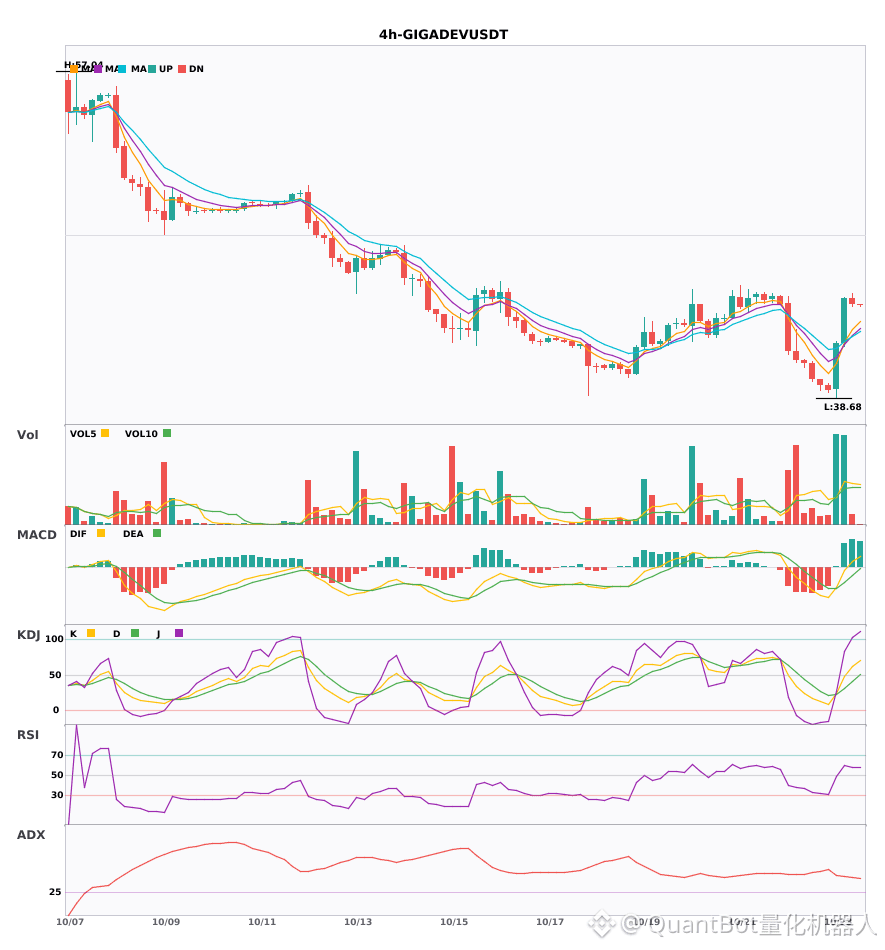
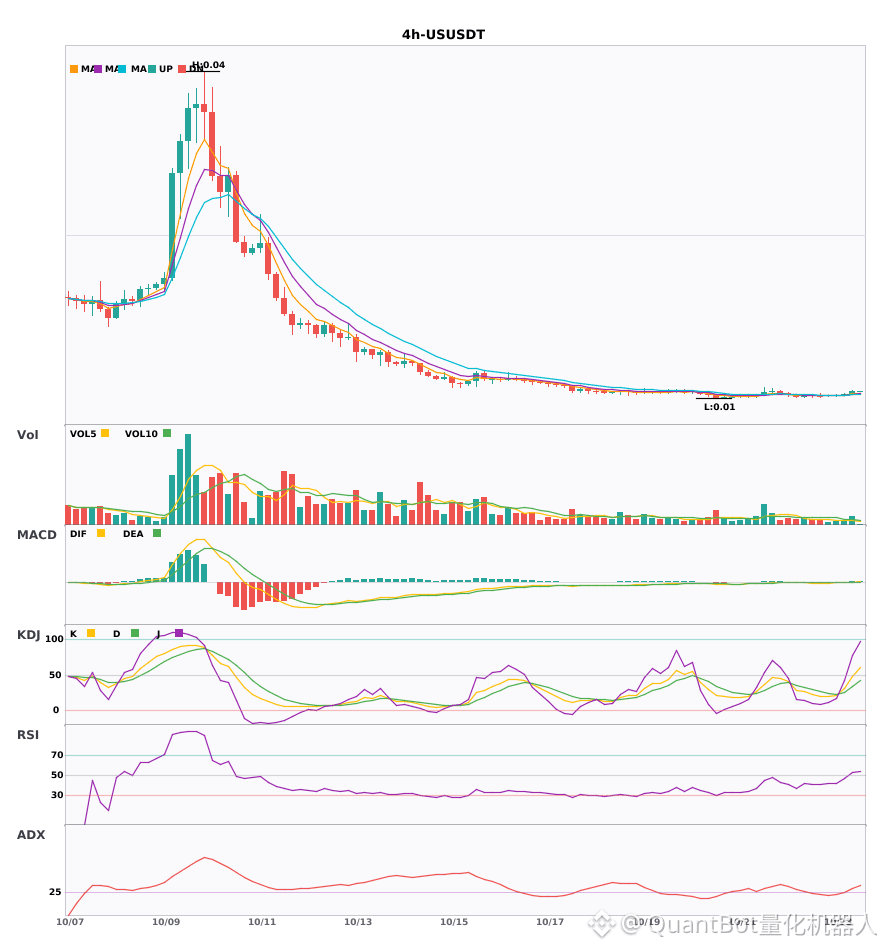
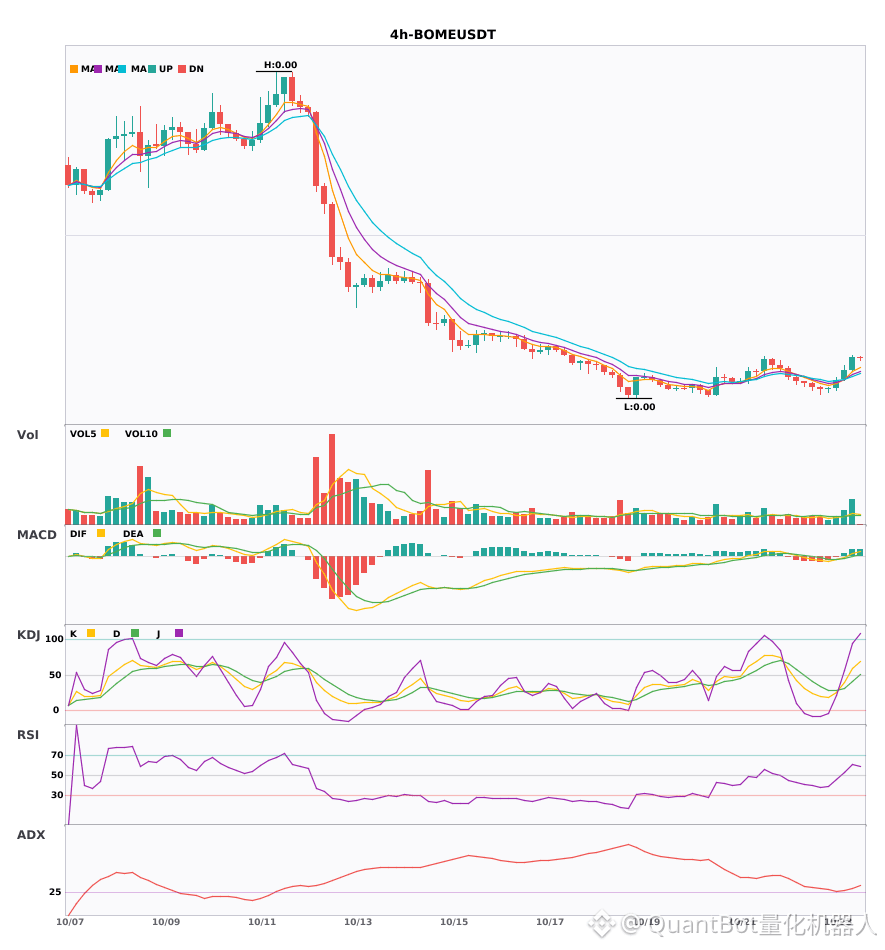
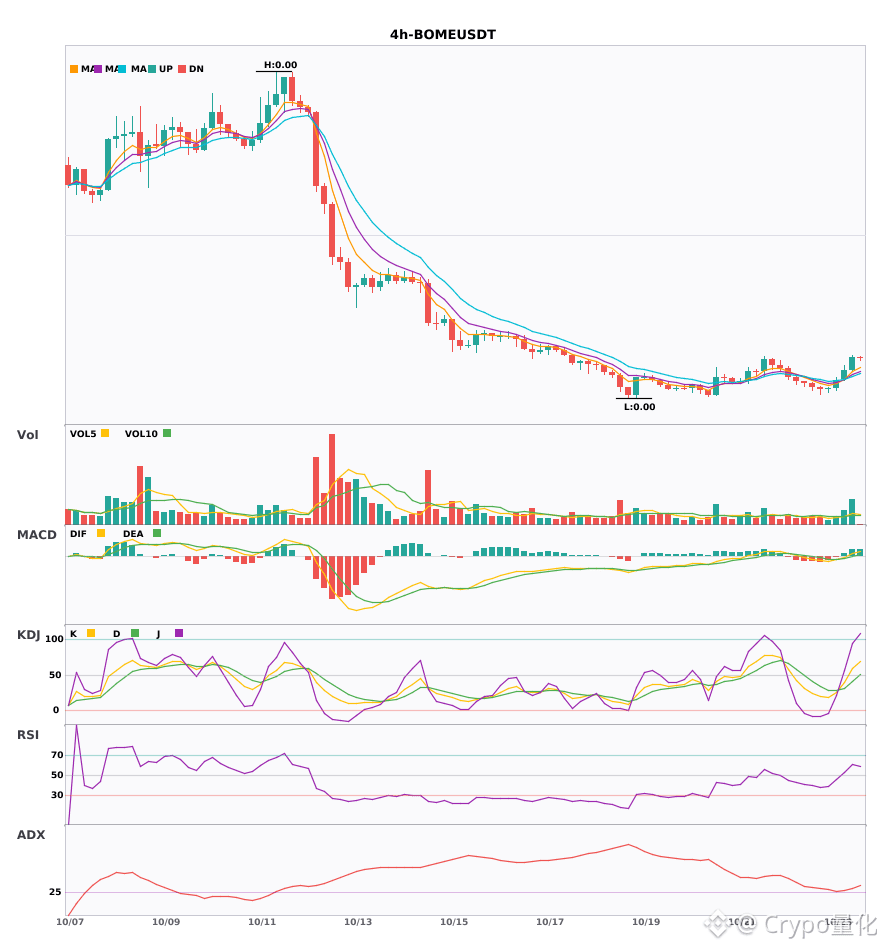
3个4小时级别多头信号同时出现:$GIGADEV / $US / $BOME
📈 $GIGADEV | 4小时 多头信号
━━━━━━━━━━━━━━━━━━
技术分析:ADX(46) 非常强的趋势(需警惕过热回调) | MACDDIF突破零轴,趋势转多 | EMA5大于EMA8大于EMA13 多头排列 | 成交量放大(2.4倍)
价格变动:-0.7200%
📈 $US | 4小时 多头信号
━━━━━━━━━━━━━━━━━━
技术分析:ADX(32) 明显的趋势行情 | MACDDIF突破零轴,趋势转多 | EMA5大于EMA8大于EMA13 多头排列 | KDJ弱势运行,空头占优 (K为48.0 D为33.4) | 成交量放大(1.7倍)
价格变动:4.2000%
📈 $BOME | 4小时 多头信号
━━━━━━━━━━━━━━━━━━
技术分析:ADX(32) 明显的趋势行情 | MACDDIF突破零轴,趋势转多 | EMA5大于EMA8大于EMA13 多头排列 | 成交量爆发(2.6倍)
价格变动:3.7000%
━━━━━━━━━━━━━━━━━━
#技术分析 #GIGADEV #US #BOME
📌 以上内容仅供参考,不构成投资建议
3个4小时级别多头信号同时出现:$GIGADEV / $US / $BOME
📈 $GIGADEV | 4小时 多头信号
━━━━━━━━━━━━━━━━━━
技术分析:ADX(46) 非常强的趋势(需警惕过热回调) | MACDDIF突破零轴,趋势转多 | EMA5大于EMA8大于EMA13 多头排列 | 成交量放大(2.4倍)
价格变动:-0.7200%
📈 $US | 4小时 多头信号
━━━━━━━━━━━━━━━━━━
技术分析:ADX(32) 明显的趋势行情 | MACDDIF突破零轴,趋势转多 | EMA5大于EMA8大于EMA13 多头排列 | KDJ弱势运行,空头占优 (K为48.0 D为33.4) | 成交量放大(1.7倍)
价格变动:4.2000%
📈 $BOME | 4小时 多头信号
━━━━━━━━━━━━━━━━━━
技术分析:ADX(32) 明显的趋势行情 | MACDDIF突破零轴,趋势转多 | EMA5大于EMA8大于EMA13 多头排列 | 成交量爆发(2.6倍)
价格变动:3.7000%
━━━━━━━━━━━━━━━━━━
#技术分析 #GIGADEV #US #BOME
📌 以上内容仅供参考,不构成投资建议
📈 $GIGADEV | 4小时 多头信号
━━━━━━━━━━━━━━━━━━
技术分析:ADX(46) 非常强的趋势(需警惕过热回调) | MACDDIF突破零轴,趋势转多 | EMA5大于EMA8大于EMA13 多头排列 | 成交量放大(2.4倍)
价格变动:-0.7200%
📈 $US | 4小时 多头信号
━━━━━━━━━━━━━━━━━━
技术分析:ADX(32) 明显的趋势行情 | MACDDIF突破零轴,趋势转多 | EMA5大于EMA8大于EMA13 多头排列 | KDJ弱势运行,空头占优 (K为48.0 D为33.4) | 成交量放大(1.7倍)
价格变动:4.2000%
📈 $BOME | 4小时 多头信号
━━━━━━━━━━━━━━━━━━
技术分析:ADX(32) 明显的趋势行情 | MACDDIF突破零轴,趋势转多 | EMA5大于EMA8大于EMA13 多头排列 | 成交量爆发(2.6倍)
价格变动:3.7000%
━━━━━━━━━━━━━━━━━━
#技术分析 #GIGADEV #US #BOME
📌 以上内容仅供参考,不构成投资建议
9

·
--
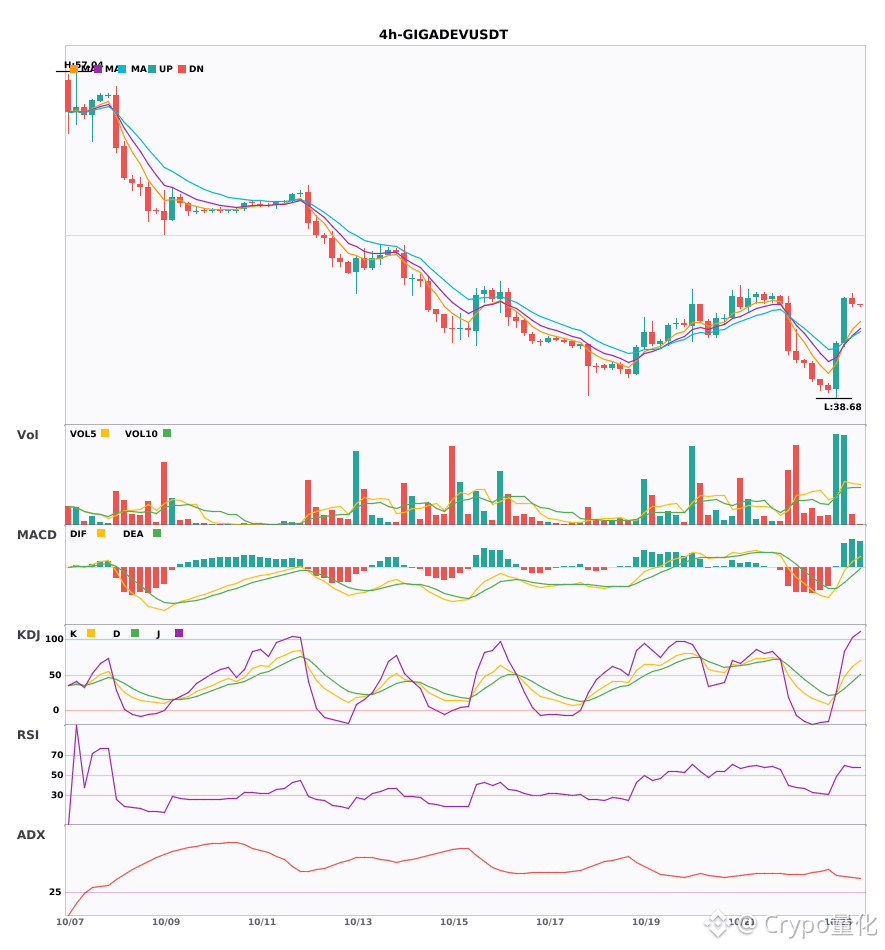
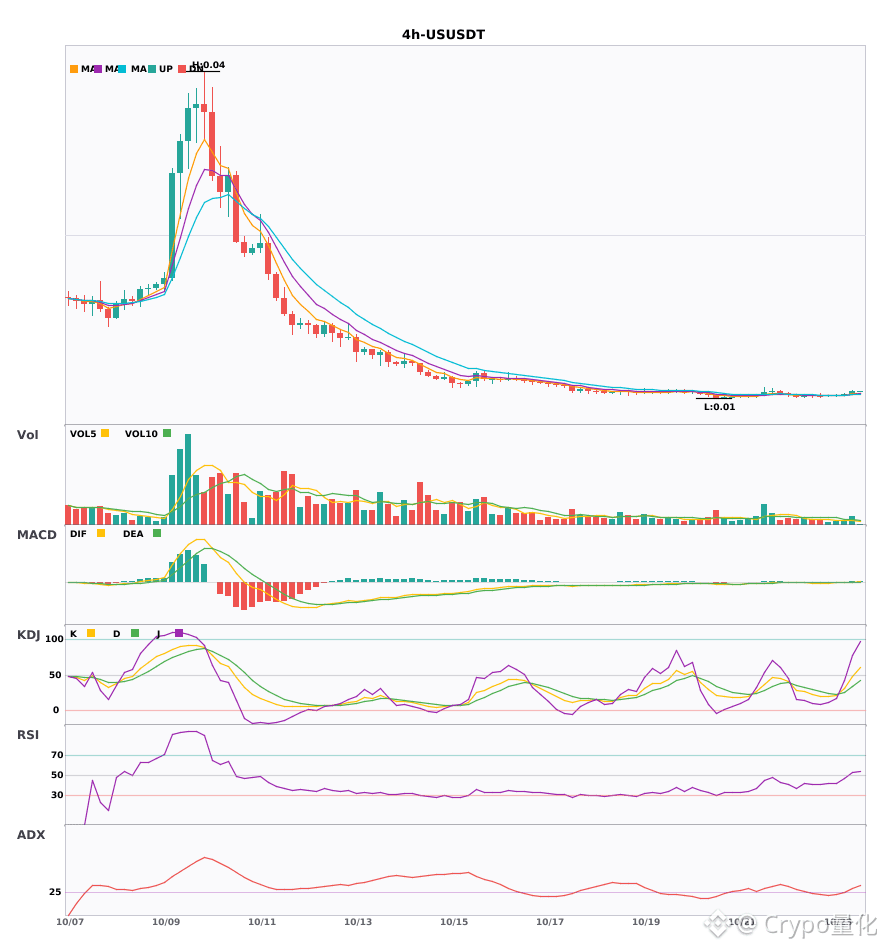
$GIGADEV / $US / $BOME 4小时级别偏多,短线共振机会🔥
════════════════════
🔴 $GIGADEV 4小时 多头信号
⚠️技术面:ADX(46) 非常强的趋势(需警惕过热回调) | MACDDIF突破零轴,趋势转多 | EMA5大于EMA8大于EMA13 多头排列 | 成交量放大(2.4倍)
════════════════════
🔴 $US 4小时 多头信号
⚠️技术面:ADX(32) 明显的趋势行情 | MACDDIF突破零轴,趋势转多 | EMA5大于EMA8大于EMA13 多头排列 | KDJ弱势运行,空头占优 (K为48.0 D为33.4) | 成交量放大(1.7倍)
════════════════════
🔴 $BOME 4小时 多头信号
⚠️技术面:ADX(32) 明显的趋势行情 | MACDDIF突破零轴,趋势转多 | EMA5大于EMA8大于EMA13 多头排列 | 成交量爆发(2.6倍)
════════════════════
🔔 关注获取第一手行情异动 🔔
#技术分析 #GIGADEV #US #BOME
📌 交易时注意k线形态是否符合
$GIGADEV / $US / $BOME 4小时级别偏多,短线共振机会🔥
════════════════════
🔴 $GIGADEV 4小时 多头信号
⚠️技术面:ADX(46) 非常强的趋势(需警惕过热回调) | MACDDIF突破零轴,趋势转多 | EMA5大于EMA8大于EMA13 多头排列 | 成交量放大(2.4倍)
════════════════════
🔴 $US 4小时 多头信号
⚠️技术面:ADX(32) 明显的趋势行情 | MACDDIF突破零轴,趋势转多 | EMA5大于EMA8大于EMA13 多头排列 | KDJ弱势运行,空头占优 (K为48.0 D为33.4) | 成交量放大(1.7倍)
════════════════════
🔴 $BOME 4小时 多头信号
⚠️技术面:ADX(32) 明显的趋势行情 | MACDDIF突破零轴,趋势转多 | EMA5大于EMA8大于EMA13 多头排列 | 成交量爆发(2.6倍)
════════════════════
🔔 关注获取第一手行情异动 🔔
#技术分析 #GIGADEV #US #BOME
📌 交易时注意k线形态是否符合
════════════════════
🔴 $GIGADEV 4小时 多头信号
⚠️技术面:ADX(46) 非常强的趋势(需警惕过热回调) | MACDDIF突破零轴,趋势转多 | EMA5大于EMA8大于EMA13 多头排列 | 成交量放大(2.4倍)
════════════════════
🔴 $US 4小时 多头信号
⚠️技术面:ADX(32) 明显的趋势行情 | MACDDIF突破零轴,趋势转多 | EMA5大于EMA8大于EMA13 多头排列 | KDJ弱势运行,空头占优 (K为48.0 D为33.4) | 成交量放大(1.7倍)
════════════════════
🔴 $BOME 4小时 多头信号
⚠️技术面:ADX(32) 明显的趋势行情 | MACDDIF突破零轴,趋势转多 | EMA5大于EMA8大于EMA13 多头排列 | 成交量爆发(2.6倍)
════════════════════
🔔 关注获取第一手行情异动 🔔
#技术分析 #GIGADEV #US #BOME
📌 交易时注意k线形态是否符合
17


·
--
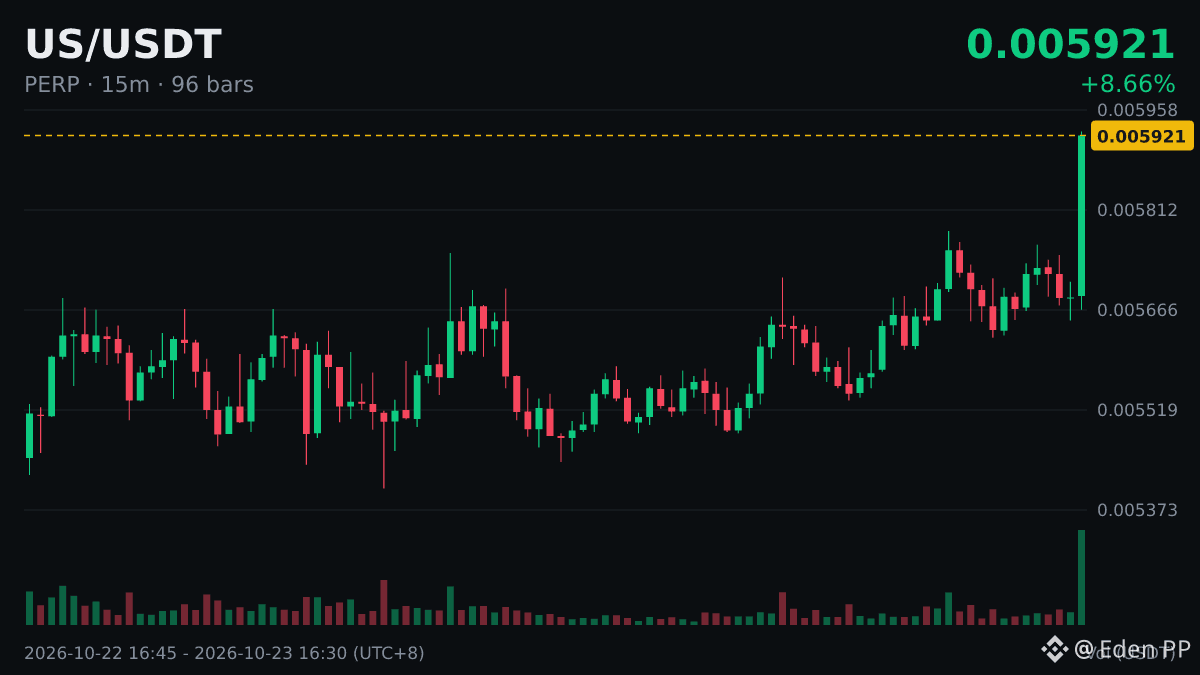
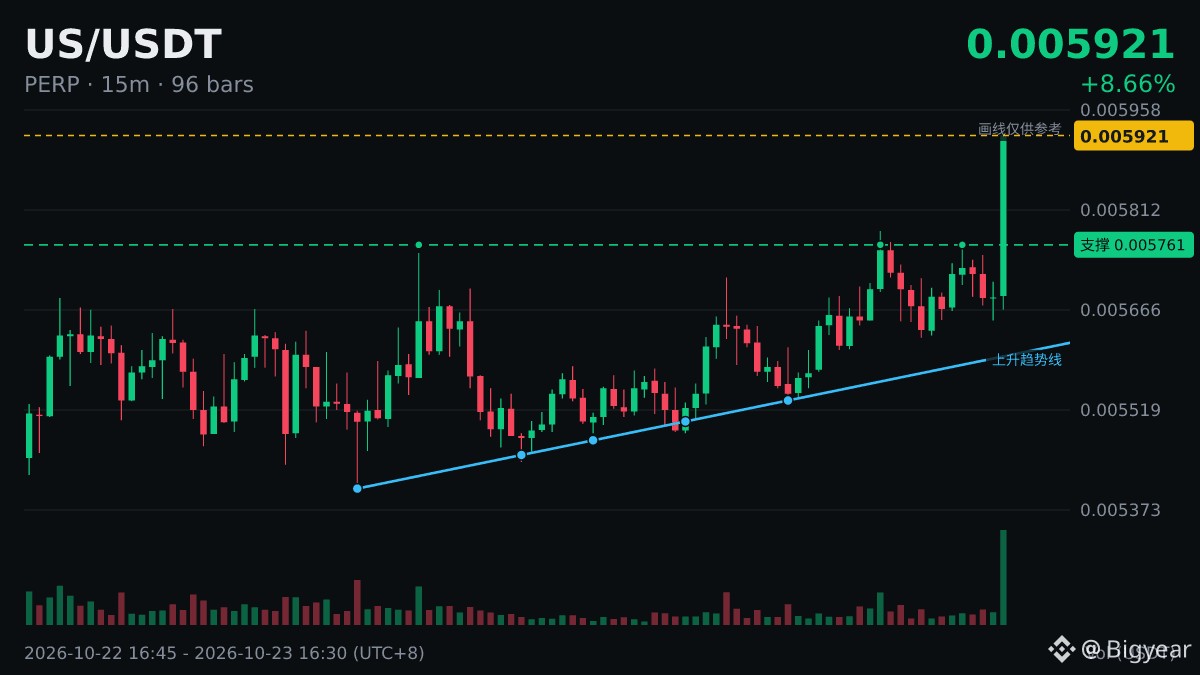
$US 24小时新高,现价 0.00592,前高 0.005781。
新高之后一般三种走法:
① 回踩前高不破、再创新高:最健康
② 在前高附近反复拉扯:消化,等方向
③ 直接跌回前高下方还站不回去:诱多
目前处于前高上方,观察属于①还是②。
#US
$US 24小时新高,现价 0.00592,前高 0.005781。
新高之后一般三种走法:
① 回踩前高不破、再创新高:最健康
② 在前高附近反复拉扯:消化,等方向
③ 直接跌回前高下方还站不回去:诱多
目前处于前高上方,观察属于①还是②。
#US
新高之后一般三种走法:
① 回踩前高不破、再创新高:最健康
② 在前高附近反复拉扯:消化,等方向
③ 直接跌回前高下方还站不回去:诱多
目前处于前高上方,观察属于①还是②。
#US
2


·
--
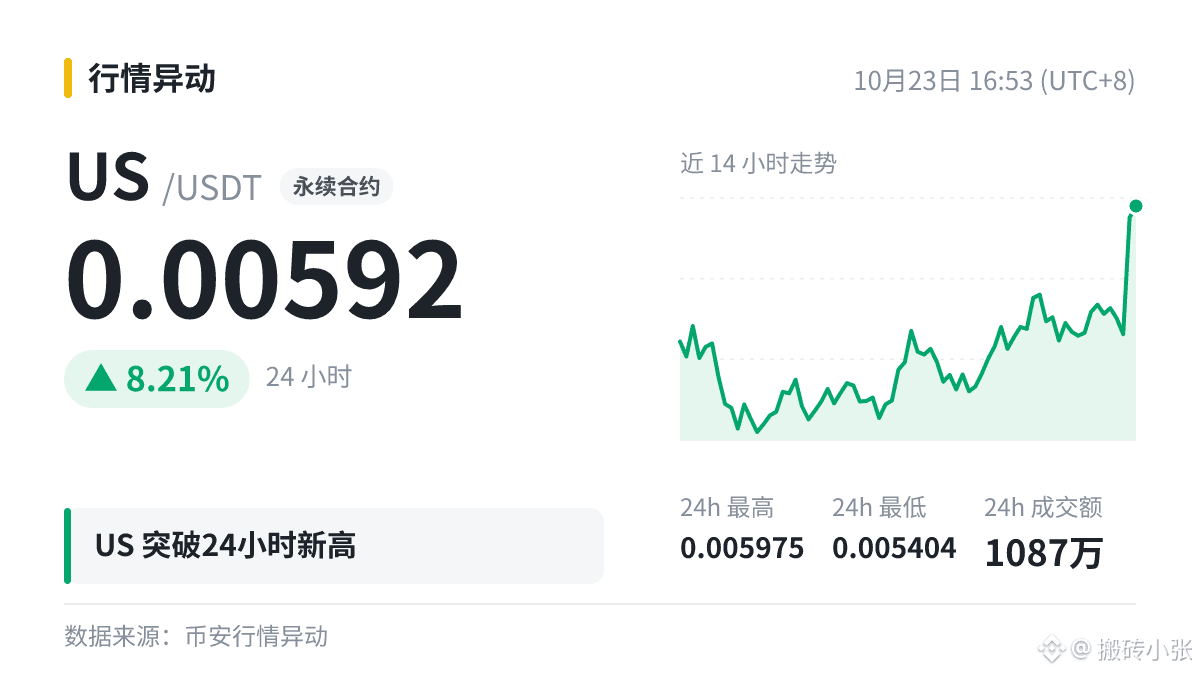
下午一打开行情,$US 刷新了 24小时新高(0.005901,前高 0.005781)。
第一反应:揉揉眼睛。第二反应:翻翻自己的持仓。第三反应:默默去喝水。
评论区报个到:你是踏空派,还是站岗派?
#US
下午一打开行情,$US 刷新了 24小时新高(0.005901,前高 0.005781)。
第一反应:揉揉眼睛。第二反应:翻翻自己的持仓。第三反应:默默去喝水。
评论区报个到:你是踏空派,还是站岗派?
#US
第一反应:揉揉眼睛。第二反应:翻翻自己的持仓。第三反应:默默去喝水。
评论区报个到:你是踏空派,还是站岗派?
#US
60

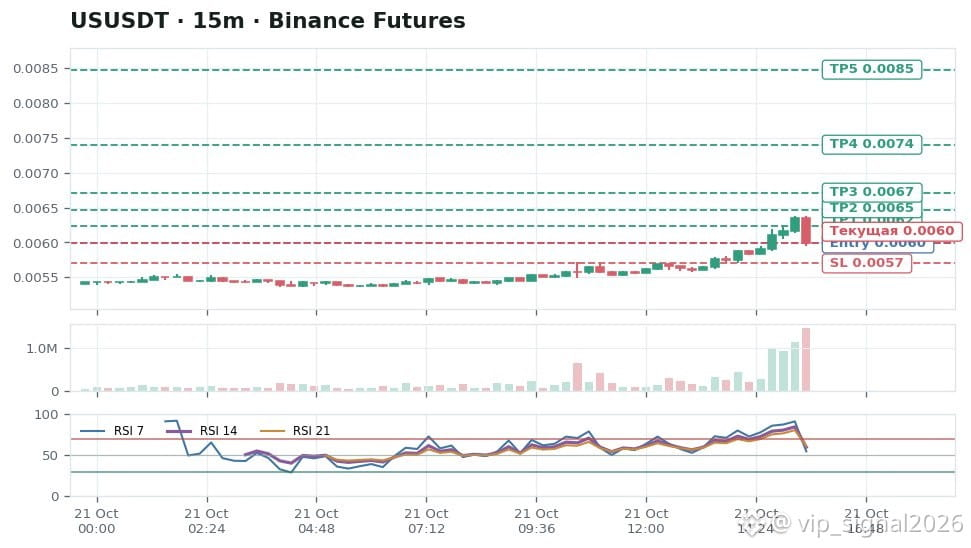
$US LONG
1. Младший таймфрейм демонстрирует глубокое погружение осциллятора, в то время как старшие интервалы удерживают нейтральные позиции.
2. При удержании защитного рубежа траектория предполагает последовательный штурм верхних ориентиров.
3. Встречный откат ниже критической отметки потребует мгновенного пересмотра тактики.
🏁Вход: 0.005986$
🎯Тейк 1: 0.00624052$
🎯Тейк 2: 0.00646727$
🎯Тейк 3: 0.00671465$
🎯Тейк 4: 0.00740271$
🎯Тейк 5: 0.0084796$
⛔️Стоп: 0.00569867$
📈 RSI14: m1 27.7 • m5 48.7 • m15 59.5 • m30 62.1
📊 VOL: m1 $10.8K • m5 $771.4K • m15 $1.5M • m30 $1.5M
🧲 OI: now $6.3M • 5m -1.5% • 15m +4.5% • 30m +6.3%
⚠️ Это не финансовая рекомендация. Торгуйте на свой страх и риск. DYOR.
#US #fomcотслеживание #SaylorHintsStrategyBitcoinBuy 📈
$US
$US LONG
1. Младший таймфрейм демонстрирует глубокое погружение осциллятора, в то время как старшие интервалы удерживают нейтральные позиции.
2. При удержании защитного рубежа траектория предполагает последовательный штурм верхних ориентиров.
3. Встречный откат ниже критической отметки потребует мгновенного пересмотра тактики.
🏁Вход: 0.005986$
🎯Тейк 1: 0.00624052$
🎯Тейк 2: 0.00646727$
🎯Тейк 3: 0.00671465$
🎯Тейк 4: 0.00740271$
🎯Тейк 5: 0.0084796$
⛔️Стоп: 0.00569867$
📈 RSI14: m1 27.7 • m5 48.7 • m15 59.5 • m30 62.1
📊 VOL: m1 $10.8K • m5 $771.4K • m15 $1.5M • m30 $1.5M
🧲 OI: now $6.3M • 5m -1.5% • 15m +4.5% • 30m +6.3%
⚠️ Это не финансовая рекомендация. Торгуйте на свой страх и риск. DYOR.
#US #fomcотслеживание #SaylorHintsStrategyBitcoinBuy 📈
$US
1. Младший таймфрейм демонстрирует глубокое погружение осциллятора, в то время как старшие интервалы удерживают нейтральные позиции.
2. При удержании защитного рубежа траектория предполагает последовательный штурм верхних ориентиров.
3. Встречный откат ниже критической отметки потребует мгновенного пересмотра тактики.
🏁Вход: 0.005986$
🎯Тейк 1: 0.00624052$
🎯Тейк 2: 0.00646727$
🎯Тейк 3: 0.00671465$
🎯Тейк 4: 0.00740271$
🎯Тейк 5: 0.0084796$
⛔️Стоп: 0.00569867$
📈 RSI14: m1 27.7 • m5 48.7 • m15 59.5 • m30 62.1
📊 VOL: m1 $10.8K • m5 $771.4K • m15 $1.5M • m30 $1.5M
🧲 OI: now $6.3M • 5m -1.5% • 15m +4.5% • 30m +6.3%
⚠️ Это не финансовая рекомендация. Торгуйте на свой страх и риск. DYOR.
#US #fomcотслеживание #SaylorHintsStrategyBitcoinBuy 📈
$US
12

·
--
Статья
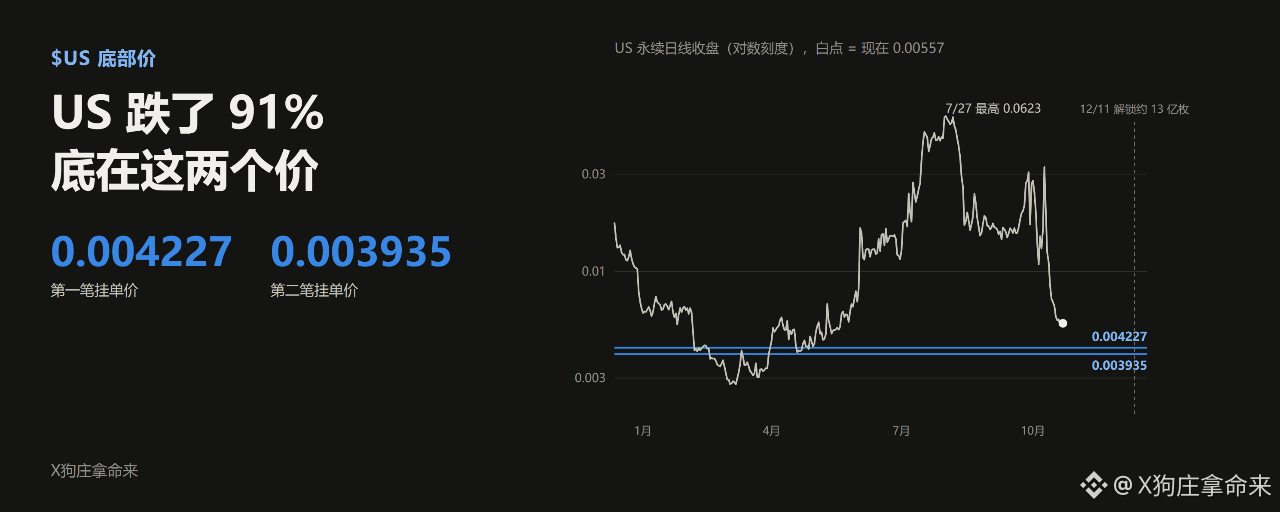
US 跌了 91%,我认为底在这两个价:0.004227 和 0.003935$US 7 月 27 日最高 0.062308,现在 0.0056 左右,跌了 91%。10 月两次拉起来又被砸下去,现在缩量阴跌。我认为底就在这两个价格:0.004227 和 0.003935。下面说说为什么,也说说回测和最大的风险。
▍这两个价格
· 第一笔挂 0.004227,第二笔挂 0.003935。
· 现在离它们分别还有 25% 和 30%。
· 我不追,挂好单等它来:来了就接,不来就当没这回事。
▍为什么我觉得是底
· 已经跌回老底盘了:2 到 5 月横盘的时候,成交最密集的价格在 0.0052,大部分成交落在 0.0039 到 0.0072 之间。现在已经回到这个区间里,两个价就在区间的下沿。
· 卖的人在变少:10 月 9 日那天成交 6 亿美金,最近几天每天只有 1600 万到 2200 万,只有 20 天中位的两三成,每天的涨跌也收窄到几个点。
· 盘子已经很小:在 0.004227,流通市值大约 930 万到 1400 万美金(各家算的流通量不同,22 亿到 33.5 亿枚),100 亿枚全算上也只有 4200 万。
· 币安没有现货,只有合约和 Alpha:这类币一旦反弹,弹性比有现货的大。
· 下面几乎没成交过:上市以来只有 1.4% 的成交额发生在 0.0045 以下。这两个价是最后的承接区,跌破了下面就是真空。
▍回测:同类走势跌到同样的位置,后来怎么走
我用币安合约全部币(包括已经下架的)2023 年底到 2026 年 9 月的日线,找暴涨 8 倍以上、之后又跌回原地的币,看它们跌到和 US 这两个价同样的位置之后怎么走。剔掉错价和 2025 年 10 月 10 日全场爆仓那天的针,一共 24 个,LAB、SIREN、RAVE、SKYAI、PIPPIN 都在里面。
· 在第一个价接:90 天内最高一般能反弹 62%,38% 能翻倍,17% 能到 3 倍。FHE、BLESS、SKYAI、H 都弹了 3 到 7 倍。
· 但 88% 会继续跌到第二个价,67% 会再跌穿第二个价两成以上。先反弹五成的有 9 个,先跌穿两成的有 13 个。
· 90 天后收盘,一般还是跌 6%。
说白了:这两个价大概率接得到反弹,但不一定守得住。它是反弹的起点,不一定是最终的底。
▍最大的雷:12 月 11 日解锁
· US 是去年 12 月 11 日上线的,投资人和团队锁了一年。按代币解锁追踪网站 tokenomics.com 的数据,12 月 11 日会一次放出约 13 亿枚,其中约 6.8 亿给投资人、5.3 亿给团队,相当于现在流通量的四成到六成;之后每个月还有约 2 亿枚。
· 投资人当初是按 1.5 亿美金的估值进的(Polychain 领投),粗算下来大约 0.015 一枚,现在的价格只有他们成本的三成多。亏着的人不一定马上卖,但这 13 亿枚就是压在头上的货。
· 合约里抄底的人已经很多:持仓按币数从 9 月底的 5.5 亿枚涨到 10.3 亿枚,差不多翻了一倍,62% 的账户在做多。真跌破,这些多单就是踩踏的燃料。
▍我会怎么做
· 分两笔挂:一笔 0.004227,一笔 0.003935,只开 1 倍。
· 月线收盘跌破 0.003935 就认错;0.002664 是最后一道线。
· 接到了就盯着反弹走。按回测,弹五六成就先收一部分,别把反弹当成新一轮大行情。
· 12 月 11 日前后小心解锁砸盘,那几天可能还有更低的价格。
不构成投资建议。
你会在这两个价格接 US 吗?还是等 12 月解锁砸完再说?评论区聊聊。
#US #Talus #币安合约 #山寨币
US 跌了 91%,我认为底在这两个价:0.004227 和 0.003935
$US 7 月 27 日最高 0.062308,现在 0.0056 左右,跌了 91%。10 月两次拉起来又被砸下去,现在缩量阴跌。我认为底就在这两个价格:0.004227 和 0.003935。下面说说为什么,也说说回测和最大的风险。
▍这两个价格
· 第一笔挂 0.004227,第二笔挂 0.003935。
· 现在离它们分别还有 25% 和 30%。
· 我不追,挂好单等它来:来了就接,不来就当没这回事。
▍为什么我觉得是底
· 已经跌回老底盘了:2 到 5 月横盘的时候,成交最密集的价格在 0.0052,大部分成交落在 0.0039 到 0.0072 之间。现在已经回到这个区间里,两个价就在区间的下沿。
· 卖的人在变少:10 月 9 日那天成交 6 亿美金,最近几天每天只有 1600 万到 2200 万,只有 20 天中位的两三成,每天的涨跌也收窄到几个点。
· 盘子已经很小:在 0.004227,流通市值大约 930 万到 1400 万美金(各家算的流通量不同,22 亿到 33.5 亿枚),100 亿枚全算上也只有 4200 万。
· 币安没有现货,只有合约和 Alpha:这类币一旦反弹,弹性比有现货的大。
· 下面几乎没成交过:上市以来只有 1.4% 的成交额发生在 0.0045 以下。这两个价是最后的承接区,跌破了下面就是真空。
▍回测:同类走势跌到同样的位置,后来怎么走
我用币安合约全部币(包括已经下架的)2023 年底到 2026 年 9 月的日线,找暴涨 8 倍以上、之后又跌回原地的币,看它们跌到和 US 这两个价同样的位置之后怎么走。剔掉错价和 2025 年 10 月 10 日全场爆仓那天的针,一共 24 个,LAB、SIREN、RAVE、SKYAI、PIPPIN 都在里面。
· 在第一个价接:90 天内最高一般能反弹 62%,38% 能翻倍,17% 能到 3 倍。FHE、BLESS、SKYAI、H 都弹了 3 到 7 倍。
· 但 88% 会继续跌到第二个价,67% 会再跌穿第二个价两成以上。先反弹五成的有 9 个,先跌穿两成的有 13 个。
· 90 天后收盘,一般还是跌 6%。
说白了:这两个价大概率接得到反弹,但不一定守得住。它是反弹的起点,不一定是最终的底。
▍最大的雷:12 月 11 日解锁
· US 是去年 12 月 11 日上线的,投资人和团队锁了一年。按代币解锁追踪网站 tokenomics.com 的数据,12 月 11 日会一次放出约 13 亿枚,其中约 6.8 亿给投资人、5.3 亿给团队,相当于现在流通量的四成到六成;之后每个月还有约 2 亿枚。
· 投资人当初是按 1.5 亿美金的估值进的(Polychain 领投),粗算下来大约 0.015 一枚,现在的价格只有他们成本的三成多。亏着的人不一定马上卖,但这 13 亿枚就是压在头上的货。
· 合约里抄底的人已经很多:持仓按币数从 9 月底的 5.5 亿枚涨到 10.3 亿枚,差不多翻了一倍,62% 的账户在做多。真跌破,这些多单就是踩踏的燃料。
▍我会怎么做
· 分两笔挂:一笔 0.004227,一笔 0.003935,只开 1 倍。
· 月线收盘跌破 0.003935 就认错;0.002664 是最后一道线。
· 接到了就盯着反弹走。按回测,弹五六成就先收一部分,别把反弹当成新一轮大行情。
· 12 月 11 日前后小心解锁砸盘,那几天可能还有更低的价格。
不构成投资建议。
你会在这两个价格接 US 吗?还是等 12 月解锁砸完再说?评论区聊聊。
#US #Talus #币安合约 #山寨币
▍这两个价格
· 第一笔挂 0.004227,第二笔挂 0.003935。
· 现在离它们分别还有 25% 和 30%。
· 我不追,挂好单等它来:来了就接,不来就当没这回事。
▍为什么我觉得是底
· 已经跌回老底盘了:2 到 5 月横盘的时候,成交最密集的价格在 0.0052,大部分成交落在 0.0039 到 0.0072 之间。现在已经回到这个区间里,两个价就在区间的下沿。
· 卖的人在变少:10 月 9 日那天成交 6 亿美金,最近几天每天只有 1600 万到 2200 万,只有 20 天中位的两三成,每天的涨跌也收窄到几个点。
· 盘子已经很小:在 0.004227,流通市值大约 930 万到 1400 万美金(各家算的流通量不同,22 亿到 33.5 亿枚),100 亿枚全算上也只有 4200 万。
· 币安没有现货,只有合约和 Alpha:这类币一旦反弹,弹性比有现货的大。
· 下面几乎没成交过:上市以来只有 1.4% 的成交额发生在 0.0045 以下。这两个价是最后的承接区,跌破了下面就是真空。
▍回测:同类走势跌到同样的位置,后来怎么走
我用币安合约全部币(包括已经下架的)2023 年底到 2026 年 9 月的日线,找暴涨 8 倍以上、之后又跌回原地的币,看它们跌到和 US 这两个价同样的位置之后怎么走。剔掉错价和 2025 年 10 月 10 日全场爆仓那天的针,一共 24 个,LAB、SIREN、RAVE、SKYAI、PIPPIN 都在里面。
· 在第一个价接:90 天内最高一般能反弹 62%,38% 能翻倍,17% 能到 3 倍。FHE、BLESS、SKYAI、H 都弹了 3 到 7 倍。
· 但 88% 会继续跌到第二个价,67% 会再跌穿第二个价两成以上。先反弹五成的有 9 个,先跌穿两成的有 13 个。
· 90 天后收盘,一般还是跌 6%。
说白了:这两个价大概率接得到反弹,但不一定守得住。它是反弹的起点,不一定是最终的底。
▍最大的雷:12 月 11 日解锁
· US 是去年 12 月 11 日上线的,投资人和团队锁了一年。按代币解锁追踪网站 tokenomics.com 的数据,12 月 11 日会一次放出约 13 亿枚,其中约 6.8 亿给投资人、5.3 亿给团队,相当于现在流通量的四成到六成;之后每个月还有约 2 亿枚。
· 投资人当初是按 1.5 亿美金的估值进的(Polychain 领投),粗算下来大约 0.015 一枚,现在的价格只有他们成本的三成多。亏着的人不一定马上卖,但这 13 亿枚就是压在头上的货。
· 合约里抄底的人已经很多:持仓按币数从 9 月底的 5.5 亿枚涨到 10.3 亿枚,差不多翻了一倍,62% 的账户在做多。真跌破,这些多单就是踩踏的燃料。
▍我会怎么做
· 分两笔挂:一笔 0.004227,一笔 0.003935,只开 1 倍。
· 月线收盘跌破 0.003935 就认错;0.002664 是最后一道线。
· 接到了就盯着反弹走。按回测,弹五六成就先收一部分,别把反弹当成新一轮大行情。
· 12 月 11 日前后小心解锁砸盘,那几天可能还有更低的价格。
不构成投资建议。
你会在这两个价格接 US 吗?还是等 12 月解锁砸完再说?评论区聊聊。
#US #Talus #币安合约 #山寨币
jixntcc_:
today, i got someone better🤍
1
766
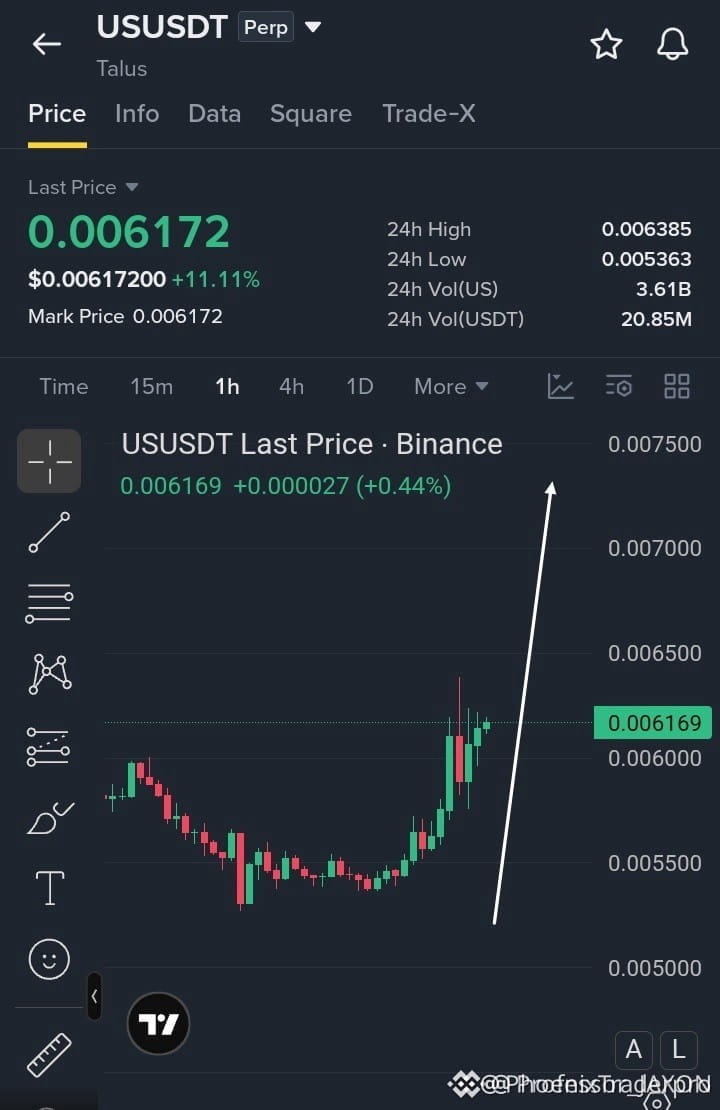
🚀 $US BREAKING ABOVE 0.0060 – MOMENTUM SURGE TO NEW RESISTANCE 📈
Entry: 0.006050-0.006180 ⚡
Target: 0.006400 🚀
Target: 0.006800 🚀
Target: 0.007300 🚀
Stop Loss: 0.005850 ⚠️
📊 The 1H chart snapped back from the 0.005400 floor, thrusting past 0.006000 as buyers reclaimed the zone with fierce aggression. 🌊 Smart money is sweeping lingering sell orders, setting the stage for a climb toward the next resistance cluster.
⚡ Volume spikes confirm the thrust, and the risk‑to‑reward profile stretches comfortably across three upside targets. 💡 Keep an eye on the 0.006180 ceiling – a breach could fuel the next leg. 💬 Are you ready to ride this wave or waiting for the next liquidity sweep? 👇
⚠️ Not financial advice. Always manage your risk. 🛡️
🏷️ #US #LongSetup #BullishBreakout #Crypto
🔥 🚀
🚀 $US BREAKING ABOVE 0.0060 – MOMENTUM SURGE TO NEW RESISTANCE 📈
Entry: 0.006050-0.006180 ⚡
Target: 0.006400 🚀
Target: 0.006800 🚀
Target: 0.007300 🚀
Stop Loss: 0.005850 ⚠️
📊 The 1H chart snapped back from the 0.005400 floor, thrusting past 0.006000 as buyers reclaimed the zone with fierce aggression. 🌊 Smart money is sweeping lingering sell orders, setting the stage for a climb toward the next resistance cluster.
⚡ Volume spikes confirm the thrust, and the risk‑to‑reward profile stretches comfortably across three upside targets. 💡 Keep an eye on the 0.006180 ceiling – a breach could fuel the next leg. 💬 Are you ready to ride this wave or waiting for the next liquidity sweep? 👇
⚠️ Not financial advice. Always manage your risk. 🛡️
🏷️ #US #LongSetup #BullishBreakout #Crypto
🔥 🚀
Entry: 0.006050-0.006180 ⚡
Target: 0.006400 🚀
Target: 0.006800 🚀
Target: 0.007300 🚀
Stop Loss: 0.005850 ⚠️
📊 The 1H chart snapped back from the 0.005400 floor, thrusting past 0.006000 as buyers reclaimed the zone with fierce aggression. 🌊 Smart money is sweeping lingering sell orders, setting the stage for a climb toward the next resistance cluster.
⚡ Volume spikes confirm the thrust, and the risk‑to‑reward profile stretches comfortably across three upside targets. 💡 Keep an eye on the 0.006180 ceiling – a breach could fuel the next leg. 💬 Are you ready to ride this wave or waiting for the next liquidity sweep? 👇
⚠️ Not financial advice. Always manage your risk. 🛡️
🏷️ #US #LongSetup #BullishBreakout #Crypto
🔥 🚀
21
Войдите, чтобы посмотреть больше материала
Присоединяйтесь к пользователям криптовалют по всему миру на Binance Square
⚡️ Получайте новейшую и полезную информацию о криптоактивах.
💬 Нам доверяет крупнейшая в мире криптобиржа.
👍 Получите достоверные аналитические данные от верифицированных создателей контента.
Эл. почта/номер телефона
В тренде
1
#BinancekzWin
Просмотров: 32,413
93 обсуждают
2
#BinancePick
Просмотров: 2.6M
141,866 обсуждают
3
#EarningsSeason
Просмотров: 5M
24,364 обсуждают
4
#FranklinTempletonFilesForTwoDividendToBitcoinETFs
Просмотров: 2,034
102 обсуждают
5
#StrategyMSTRSurpassesNasdaqInMarketCap
Просмотров: 2,387
102 обсуждают
6
#CanadaProposesStablecoinRedemptionWithin3BusinessDays
Просмотров: 103
13 обсуждают
7
#ElectrumWalletBugLetRogueServersStealFunds
Просмотров: 8,951
236 обсуждают
8
#ArgentineCourtDismissesLIBRACaseAgainstMilei
Просмотров: 19,084
317 обсуждают
9
#SKHynixReportedlyPlansSpecialDividendFromKioxiaStakeSale
Просмотров: 3,158
48 обсуждают
10
#KeystoneWebsiteBreachExposesBuyersShippingAddresses
Просмотров: 1,688
41 обсуждают