
#pinescript
pinescript
Просмотров: 436
20 обсуждают
Популярные
Новые
·
--
😍99% SUCCESS RATE😍😍 YES I FOUND A STRETEGY WITH 99% SUCCESS RATE 😍 AFTER SO MANY FAILED ATTEMPTS… 👀
I’ve spent a long time building, testing, breaking, and rebuilding Pine Scripts.
Some looked great.
Some completely failed. 😂
But I kept going.
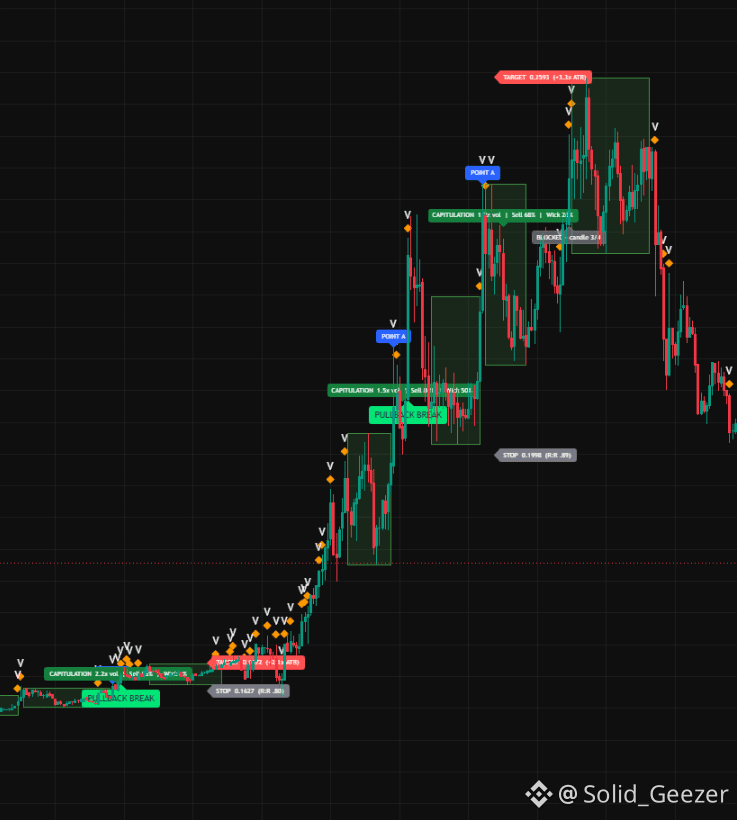
And finally, I found a script that gave me around a 90% backtested win rate.
Is it perfect? No.
Is it guaranteed? No.
But after the journey so far…
I finally have something I’m proud of. 🚀
More soon. 👀
Comment any coin name i will show you exaclty where breakout happened
⚠️ Not financial advice. Backtested results do not guarantee future performance. Trade responsibly.
#PineScript #TradingView #CryptoTrading #BinanceSquare
😍99% SUCCESS RATE😍😍 YES I FOUND A STRETEGY WITH 99% SUCCESS RATE 😍 AFTER SO MANY FAILED ATTEMPTS… 👀
I’ve spent a long time building, testing, breaking, and rebuilding Pine Scripts.
Some looked great.
Some completely failed. 😂
But I kept going.
And finally, I found a script that gave me around a 90% backtested win rate.
Is it perfect? No.
Is it guaranteed? No.
But after the journey so far…
I finally have something I’m proud of. 🚀
More soon. 👀
Comment any coin name i will show you exaclty where breakout happened
⚠️ Not financial advice. Backtested results do not guarantee future performance. Trade responsibly.
#PineScript #TradingView #CryptoTrading #BinanceSquare
I’ve spent a long time building, testing, breaking, and rebuilding Pine Scripts.
Some looked great.
Some completely failed. 😂
But I kept going.
And finally, I found a script that gave me around a 90% backtested win rate.
Is it perfect? No.
Is it guaranteed? No.
But after the journey so far…
I finally have something I’m proud of. 🚀
More soon. 👀
Comment any coin name i will show you exaclty where breakout happened
⚠️ Not financial advice. Backtested results do not guarantee future performance. Trade responsibly.
#PineScript #TradingView #CryptoTrading #BinanceSquare
114

·
--
🚀 Manual Trading in Crypto is Dead? (Here is my breadown)
- 100% Logic, 0% Emotion: Algos dont panic sell during flash crash or FOMO
- Power Customization: In place of generic grid , real alpha comes from writting own logic and paramters
- Backtesting > Guessing: testing strategy on past market data and know you strategy's exact win rate , profit factor and rest metrices
- Proper sleep: Crypto never closes , automation manages your risk dynamically , while you are offline.
💻💵 to survive current market , code the logic and let machine do the heavy lifting , follow to know more about automation and algo development
#ALGO #Crypto2026 #pinescript #SmartMoneyConcepts #PEPE
🚀 Manual Trading in Crypto is Dead? (Here is my breadown)
- 100% Logic, 0% Emotion: Algos dont panic sell during flash crash or FOMO
- Power Customization: In place of generic grid , real alpha comes from writting own logic and paramters
- Backtesting > Guessing: testing strategy on past market data and know you strategy's exact win rate , profit factor and rest metrices
- Proper sleep: Crypto never closes , automation manages your risk dynamically , while you are offline.
💻💵 to survive current market , code the logic and let machine do the heavy lifting , follow to know more about automation and algo development
#ALGO #Crypto2026 #pinescript #SmartMoneyConcepts #PEPE
- 100% Logic, 0% Emotion: Algos dont panic sell during flash crash or FOMO
- Power Customization: In place of generic grid , real alpha comes from writting own logic and paramters
- Backtesting > Guessing: testing strategy on past market data and know you strategy's exact win rate , profit factor and rest metrices
- Proper sleep: Crypto never closes , automation manages your risk dynamically , while you are offline.
💻💵 to survive current market , code the logic and let machine do the heavy lifting , follow to know more about automation and algo development
#ALGO #Crypto2026 #pinescript #SmartMoneyConcepts #PEPE
74

Many traders can build or copy strategies on #tradingview .
But the real challenge is turning those strategies into something executable.
A practical workflow often looks like:
#tradingview / #pinescript strategy
→ strategy conversion
→ backtesting
→ paper trading
→ Binance API deployment
→ live monitoring
The biggest failure point is usually not strategy design, but it’s execution reliability.
Signal logic alone doesn’t solve:
• API setup
• Slippage
• Position sizing
• Risk controls
• Monitoring
Bridging strategy creation and live execution is where most automation complexity begins.
We’ve been exploring this strategy-to-execution workflow closely at #VegaXArchitect , particularly around simplifying the move from #pinescript to live deployment.
How are others here handling this transition?
Many traders can build or copy strategies on #tradingview .
But the real challenge is turning those strategies into something executable.
A practical workflow often looks like:
#tradingview / #pinescript strategy
→ strategy conversion
→ backtesting
→ paper trading
→ Binance API deployment
→ live monitoring
The biggest failure point is usually not strategy design, but it’s execution reliability.
Signal logic alone doesn’t solve:
• API setup
• Slippage
• Position sizing
• Risk controls
• Monitoring
Bridging strategy creation and live execution is where most automation complexity begins.
We’ve been exploring this strategy-to-execution workflow closely at #VegaXArchitect , particularly around simplifying the move from #pinescript to live deployment.
How are others here handling this transition?
But the real challenge is turning those strategies into something executable.
A practical workflow often looks like:
#tradingview / #pinescript strategy
→ strategy conversion
→ backtesting
→ paper trading
→ Binance API deployment
→ live monitoring
The biggest failure point is usually not strategy design, but it’s execution reliability.
Signal logic alone doesn’t solve:
• API setup
• Slippage
• Position sizing
• Risk controls
• Monitoring
Bridging strategy creation and live execution is where most automation complexity begins.
We’ve been exploring this strategy-to-execution workflow closely at #VegaXArchitect , particularly around simplifying the move from #pinescript to live deployment.
How are others here handling this transition?
6
6
Paper trading may be the most overlooked step in automated strategy deployment.
Many traders move directly from backtesting to live execution and that’s often where avoidable failures begin.
A strong backtest does not account for:
• Real exchange order behavior
• API connection issues
• Slippage
• Position sizing under live conditions
• Monitoring failures
• Unexpected strategy behavior
Paper trading helps bridge the gap between “strategy looks good” and “strategy behaves correctly.”
A safer deployment workflow often looks like:
#tradingview / #pinescript strategy
→ Backtest
→ Paper trading
→ Small live deployment
→ Full automation
Skipping paper testing can turn small execution issues into expensive live mistakes.
In many cases, deployment risk matters just as much as strategy logic.
At #VegaXArchitect , we’ve been closely focused on reducing this strategy-to-execution gap by making validation and deployment workflows more practical.
How much importance do you place on paper trading before going live?
Paper trading may be the most overlooked step in automated strategy deployment.
Many traders move directly from backtesting to live execution and that’s often where avoidable failures begin.
A strong backtest does not account for:
• Real exchange order behavior
• API connection issues
• Slippage
• Position sizing under live conditions
• Monitoring failures
• Unexpected strategy behavior
Paper trading helps bridge the gap between “strategy looks good” and “strategy behaves correctly.”
A safer deployment workflow often looks like:
#tradingview / #pinescript strategy
→ Backtest
→ Paper trading
→ Small live deployment
→ Full automation
Skipping paper testing can turn small execution issues into expensive live mistakes.
In many cases, deployment risk matters just as much as strategy logic.
At #VegaXArchitect , we’ve been closely focused on reducing this strategy-to-execution gap by making validation and deployment workflows more practical.
How much importance do you place on paper trading before going live?
Many traders move directly from backtesting to live execution and that’s often where avoidable failures begin.
A strong backtest does not account for:
• Real exchange order behavior
• API connection issues
• Slippage
• Position sizing under live conditions
• Monitoring failures
• Unexpected strategy behavior
Paper trading helps bridge the gap between “strategy looks good” and “strategy behaves correctly.”
A safer deployment workflow often looks like:
#tradingview / #pinescript strategy
→ Backtest
→ Paper trading
→ Small live deployment
→ Full automation
Skipping paper testing can turn small execution issues into expensive live mistakes.
In many cases, deployment risk matters just as much as strategy logic.
At #VegaXArchitect , we’ve been closely focused on reducing this strategy-to-execution gap by making validation and deployment workflows more practical.
How much importance do you place on paper trading before going live?
1
121

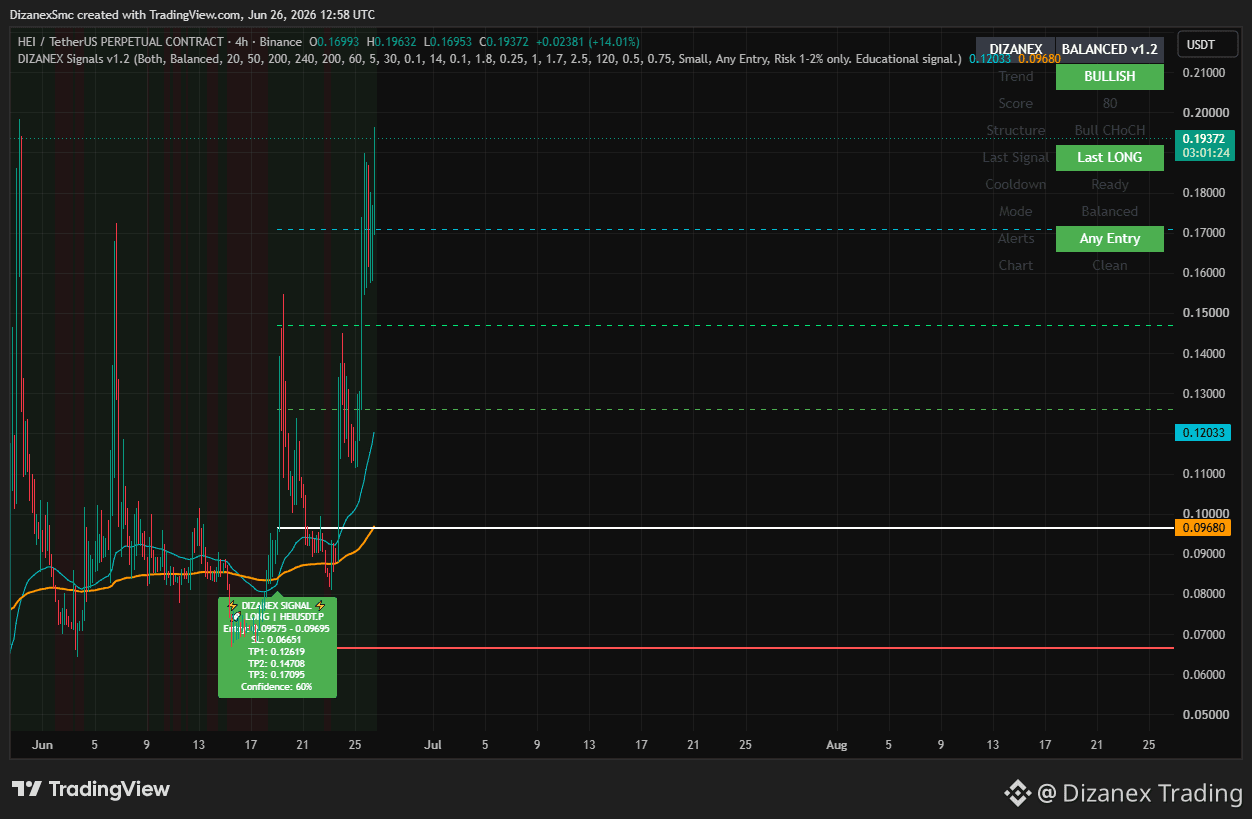
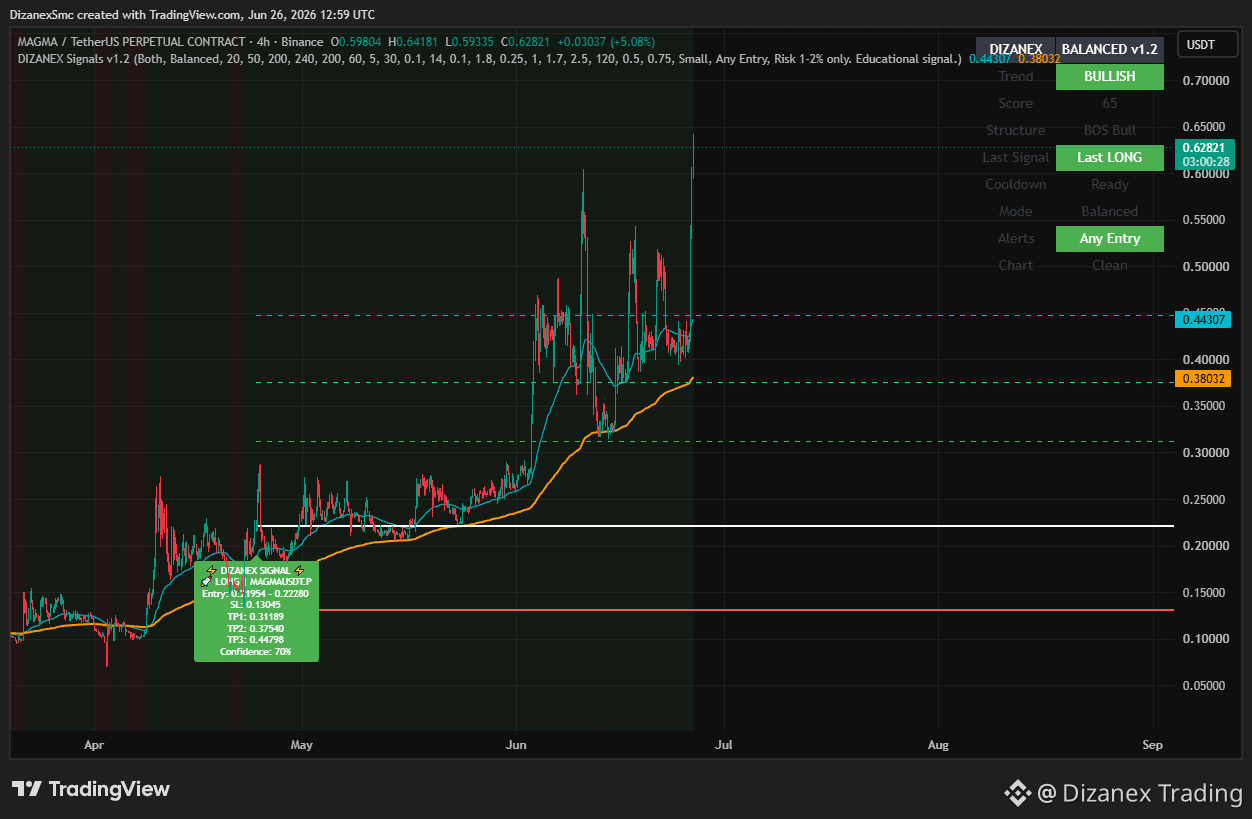
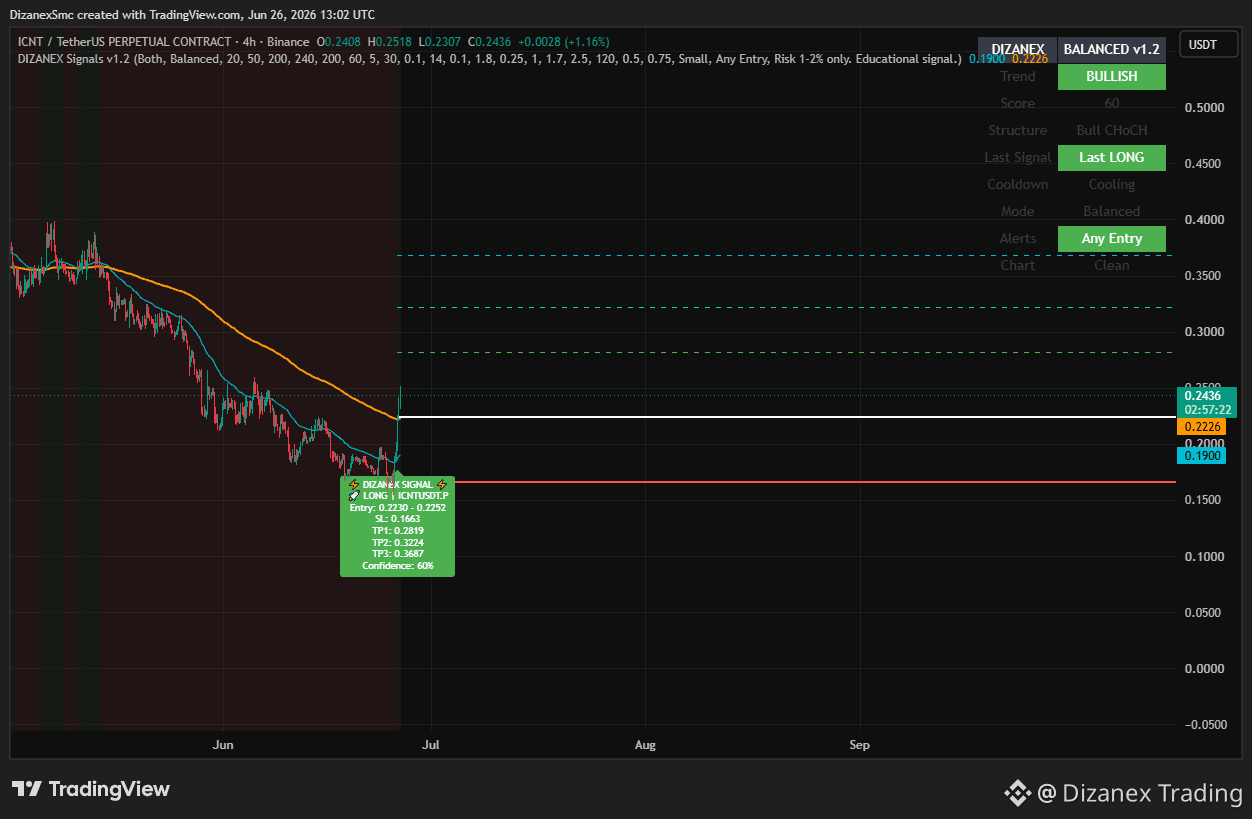
Not chasing more signals. Working toward better decisions.
One update at a time. 🚀 #DIZANEX #PineScript #Trading #TradingView #CryptoSignals $HEI $MAGMA $ICNT
{future}(ICNTUSDT)
{future}(MAGMAUSDT)
{spot}(HEIUSDT)
Not chasing more signals. Working toward better decisions.
One update at a time. 🚀 #DIZANEX #PineScript #Trading #TradingView #CryptoSignals $HEI $MAGMA $ICNT
One update at a time. 🚀 #DIZANEX #PineScript #Trading #TradingView #CryptoSignals $HEI $MAGMA $ICNT
308

·
--
🚨 I will build you a FREE custom TradingView indicator
Yes. FREE. No catch.
Here is why 👇
I am a Pine Script v5 developer specializing in Smart
Money Concepts and ICT methodology.
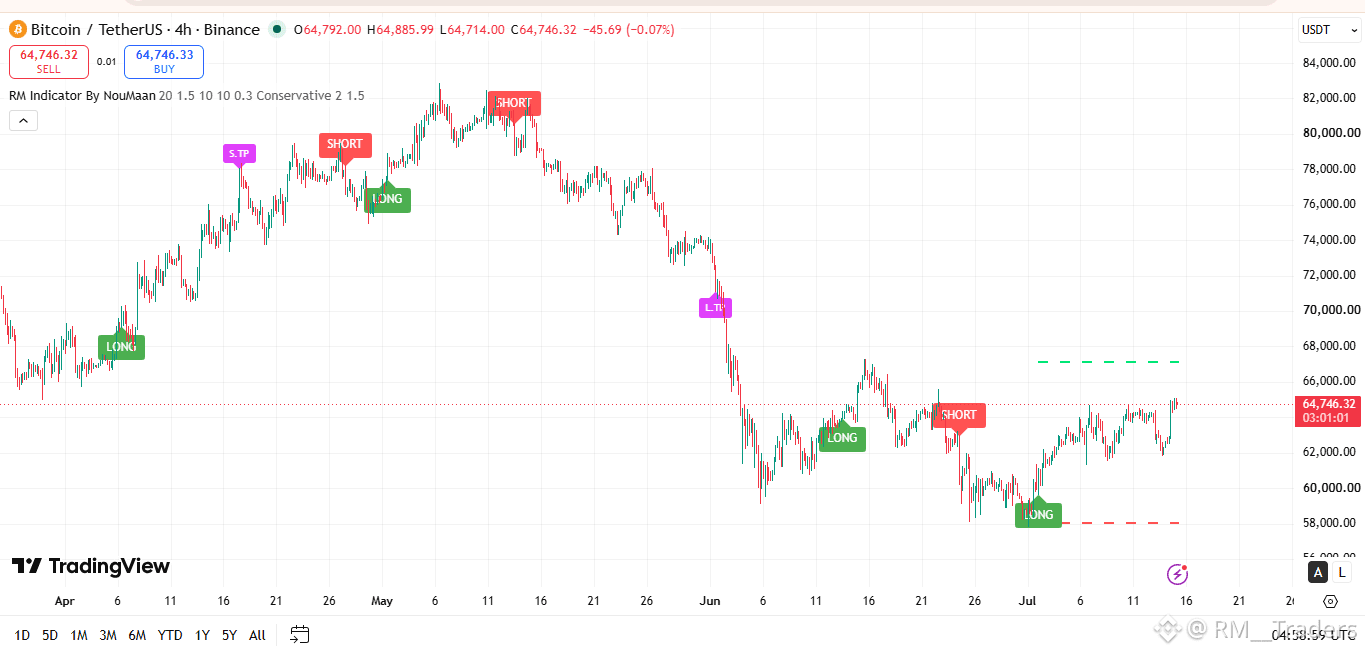
I built this indicator you see on the chart — clean
LONG/SHORT signals, dynamic cloud zones, automatic TP
levels on BTC, Forex, Stocks and Indices.
Now I want to build ONE for YOU — based on YOUR
strategy — completely FREE.
All you have to do is:
💬 Comment below or DM me with:
→ Your strategy idea
→ Which market you trade
→ Which timeframe you use
I will code it in Pine Script v5 for TradingView
and deliver it to you personally.
Why am I doing this?
Because I am launching my custom indicator
development service and I want to show you
what I can build for YOU.
Drop your strategy below 👇
#TradingViewSetup #pinescript #FIT21
#cryptotrading #forextrading
$BTC $NVDAB
🚨 I will build you a FREE custom TradingView indicator
Yes. FREE. No catch.
Here is why 👇
I am a Pine Script v5 developer specializing in Smart
Money Concepts and ICT methodology.
I built this indicator you see on the chart — clean
LONG/SHORT signals, dynamic cloud zones, automatic TP
levels on BTC, Forex, Stocks and Indices.
Now I want to build ONE for YOU — based on YOUR
strategy — completely FREE.
All you have to do is:
💬 Comment below or DM me with:
→ Your strategy idea
→ Which market you trade
→ Which timeframe you use
I will code it in Pine Script v5 for TradingView
and deliver it to you personally.
Why am I doing this?
Because I am launching my custom indicator
development service and I want to show you
what I can build for YOU.
Drop your strategy below 👇
#TradingViewSetup #pinescript #FIT21
#cryptotrading #forextrading
$BTC $NVDAB
Yes. FREE. No catch.
Here is why 👇
I am a Pine Script v5 developer specializing in Smart
Money Concepts and ICT methodology.
I built this indicator you see on the chart — clean
LONG/SHORT signals, dynamic cloud zones, automatic TP
levels on BTC, Forex, Stocks and Indices.
Now I want to build ONE for YOU — based on YOUR
strategy — completely FREE.
All you have to do is:
💬 Comment below or DM me with:
→ Your strategy idea
→ Which market you trade
→ Which timeframe you use
I will code it in Pine Script v5 for TradingView
and deliver it to you personally.
Why am I doing this?
Because I am launching my custom indicator
development service and I want to show you
what I can build for YOU.
Drop your strategy below 👇
#TradingViewSetup #pinescript #FIT21
#cryptotrading #forextrading
$BTC $NVDAB
31
Many #tradingview strategies look strong in backtests — but fail quickly once they go live.
The reason usually isn’t the strategy idea itself.
Real deployment introduces challenges that backtests often miss:
• Slippage
• Exchange execution delays
• API reliability
• Position sizing errors
• Risk controls
• Live monitoring
A profitable backtest does not automatically mean a strategy is ready for real capital.
This is where many traders underestimate the true complexity of automation.
A more realistic process often looks like:
#tradingview / #pinescript strategy
→ strategy conversion
→ backtest
→ paper trading
→ small live deployment
→ full automation
The biggest gap in automated trading is often not strategy creation.
It’s execution.
We’ve been closely focused on this strategy-to-execution gap at #VegaXArchitect , especially around simplifying how traders move from TradingView strategies to live deployment.
How are others here validating their strategies before going live?
Many #tradingview strategies look strong in backtests — but fail quickly once they go live.
The reason usually isn’t the strategy idea itself.
Real deployment introduces challenges that backtests often miss:
• Slippage
• Exchange execution delays
• API reliability
• Position sizing errors
• Risk controls
• Live monitoring
A profitable backtest does not automatically mean a strategy is ready for real capital.
This is where many traders underestimate the true complexity of automation.
A more realistic process often looks like:
#tradingview / #pinescript strategy
→ strategy conversion
→ backtest
→ paper trading
→ small live deployment
→ full automation
The biggest gap in automated trading is often not strategy creation.
It’s execution.
We’ve been closely focused on this strategy-to-execution gap at #VegaXArchitect , especially around simplifying how traders move from TradingView strategies to live deployment.
How are others here validating their strategies before going live?
The reason usually isn’t the strategy idea itself.
Real deployment introduces challenges that backtests often miss:
• Slippage
• Exchange execution delays
• API reliability
• Position sizing errors
• Risk controls
• Live monitoring
A profitable backtest does not automatically mean a strategy is ready for real capital.
This is where many traders underestimate the true complexity of automation.
A more realistic process often looks like:
#tradingview / #pinescript strategy
→ strategy conversion
→ backtest
→ paper trading
→ small live deployment
→ full automation
The biggest gap in automated trading is often not strategy creation.
It’s execution.
We’ve been closely focused on this strategy-to-execution gap at #VegaXArchitect , especially around simplifying how traders move from TradingView strategies to live deployment.
How are others here validating their strategies before going live?
11
63
Backtesting a strategy on #tradingview is easy.
Running that same strategy live on Binance is where many traders get stuck.
The biggest challenges usually aren’t the strategy itself:
• Converting #pinescript code into other language for trading bot.
• Exchange API setup
• Slippage and execution reliability
• Paper testing before real deployment
• Position sizing and live monitoring
A strategy that performs well on TradingView can still fail once real execution variables are introduced.
That’s why workflows built around:
TradingView strategy
→ strategy conversion
→ backtest
→ paper trading
→ live deployment
are becoming increasingly important for traders who want to move beyond backtesting.
We’ve been focused on solving this strategy-to-execution gap at #VegaXArchitect .
Curious how others here are approaching live deployment from TradingView strategies.
Backtesting a strategy on #tradingview is easy.
Running that same strategy live on Binance is where many traders get stuck.
The biggest challenges usually aren’t the strategy itself:
• Converting #pinescript code into other language for trading bot.
• Exchange API setup
• Slippage and execution reliability
• Paper testing before real deployment
• Position sizing and live monitoring
A strategy that performs well on TradingView can still fail once real execution variables are introduced.
That’s why workflows built around:
TradingView strategy
→ strategy conversion
→ backtest
→ paper trading
→ live deployment
are becoming increasingly important for traders who want to move beyond backtesting.
We’ve been focused on solving this strategy-to-execution gap at #VegaXArchitect .
Curious how others here are approaching live deployment from TradingView strategies.
Running that same strategy live on Binance is where many traders get stuck.
The biggest challenges usually aren’t the strategy itself:
• Converting #pinescript code into other language for trading bot.
• Exchange API setup
• Slippage and execution reliability
• Paper testing before real deployment
• Position sizing and live monitoring
A strategy that performs well on TradingView can still fail once real execution variables are introduced.
That’s why workflows built around:
TradingView strategy
→ strategy conversion
→ backtest
→ paper trading
→ live deployment
are becoming increasingly important for traders who want to move beyond backtesting.
We’ve been focused on solving this strategy-to-execution gap at #VegaXArchitect .
Curious how others here are approaching live deployment from TradingView strategies.
9
124
Войдите, чтобы посмотреть больше материала
Присоединяйтесь к пользователям криптовалют по всему миру на Binance Square
⚡️ Получайте новейшую и полезную информацию о криптоактивах.
💬 Нам доверяет крупнейшая в мире криптобиржа.
👍 Получите достоверные аналитические данные от верифицированных создателей контента.
Эл. почта/номер телефона
В тренде
1
#AppleDebutsFoldablePhone
Просмотров: 49,813
976 обсуждают
2
#TSMCAugustRevenueUp53.3%YoY
Просмотров: 11,930
342 обсуждают
3
#IranSaysReadyToEscalateWarWithUS
Просмотров: 15,163
346 обсуждают
4
#EUExtendsCentralContactPointToCASPs
Просмотров: 14,911
380 обсуждают
5
#US10YTreasuryYieldHitsHighestSinceNov2023
Просмотров: 38,634
603 обсуждают
6
#USTreasuryToBuyBackUpTo$6BLongDatedDebt
Просмотров: 21,979
182 обсуждают
7
#BitcoinSurpasses$79K
Просмотров: 76,270
296 обсуждают
8
#BrentCrudeTops$100
Просмотров: 135,552
423 обсуждают
9
#USADPWeeklyEmploymentRises12000
Просмотров: 128,749
1,536 обсуждают
10
#BankOfAmericaGroupPilotsUSBDCStablecoin
Просмотров: 94,392
1,203 обсуждают