

#layer2
layer2
Просмотров: 4.4M
25,283 обсуждают
Популярные
Новые

💀 Ваш любимый L2 это просто скам для выжимания ликвидности?
Серьёзно, вы реально верите в 50x на токенах, где 90% объема — это боты, крутящие поинты ради аирдропа? 🤡
Каждый день «убийцы Эфира» обещают революцию, а по факту киты просто разгружают свои обмылки об розницу. Альтсезона «для всех подряд» больше не будет. Ликвидности тупо не хватит на 10,000 одинаковых L2-сетей. Смарт-мани забирают всё, пока толпа усредняет падающие ножи.
💡 Мой расклад: Выходите из розовых очков. Выигрывают только те экосистемы, где есть реальный TVL и доходность, а не красивый маркетинг.
👇 Назовите в комментариях один L2-токен, который вы всё ещё свято верите догнать до ATH? Посмотрим, сколько нас тут таких «оптимистов» 👇
$ETH $ARB $STRK
#crypto #altcoins #Layer2 #trading
💀 Ваш любимый L2 это просто скам для выжимания ликвидности?
Серьёзно, вы реально верите в 50x на токенах, где 90% объема — это боты, крутящие поинты ради аирдропа? 🤡
Каждый день «убийцы Эфира» обещают революцию, а по факту киты просто разгружают свои обмылки об розницу. Альтсезона «для всех подряд» больше не будет. Ликвидности тупо не хватит на 10,000 одинаковых L2-сетей. Смарт-мани забирают всё, пока толпа усредняет падающие ножи.
💡 Мой расклад: Выходите из розовых очков. Выигрывают только те экосистемы, где есть реальный TVL и доходность, а не красивый маркетинг.
👇 Назовите в комментариях один L2-токен, который вы всё ещё свято верите догнать до ATH? Посмотрим, сколько нас тут таких «оптимистов» 👇
$ETH $ARB $STRK
#crypto #altcoins #Layer2 #trading
Серьёзно, вы реально верите в 50x на токенах, где 90% объема — это боты, крутящие поинты ради аирдропа? 🤡
Каждый день «убийцы Эфира» обещают революцию, а по факту киты просто разгружают свои обмылки об розницу. Альтсезона «для всех подряд» больше не будет. Ликвидности тупо не хватит на 10,000 одинаковых L2-сетей. Смарт-мани забирают всё, пока толпа усредняет падающие ножи.
💡 Мой расклад: Выходите из розовых очков. Выигрывают только те экосистемы, где есть реальный TVL и доходность, а не красивый маркетинг.
👇 Назовите в комментариях один L2-токен, который вы всё ещё свято верите догнать до ATH? Посмотрим, сколько нас тут таких «оптимистов» 👇
$ETH $ARB $STRK
#crypto #altcoins #Layer2 #trading
ABO3ZAM:
كلامك في الصميم يا وحش، السيولة فعلاً مبعثرة. شرايك، هل تشوف إغلاق الشمعة الأسبوعية تحت مستويات الدعم الحالية بيعطينا كسر وهمي ولا بداية لموجة تصحيح أقوى؟ 🎯
4
875
Arbitrum 重新推进 Stylus,本来是个值得关注的技术利好:Rust、C/C++ 编写的合约能与 EVM 应用同链互操作,也给计算密集型场景带来更低成本的想象空间。但社区争议点不在 Stylus 本身,而在配套的“新合约审批权”。
关键问题是:谁有权批准或拒绝合约上线?审批标准是否透明?被拒后能否申诉?权限是否设有有效期?如果入口掌握在少数多签或团队手中,“无需许可部署”就可能变成“先获许可部署”,给大项目和匿名团队带来不公平门槛。
安全审核与风险隔离可以理解,但临时权力必须有清晰边界、链上公示、时间锁和退出机制。否则一次技术升级,可能同时改写 Arbitrum 的开放承诺。$ARB #Arbitrum #Stylus #Layer2
Arbitrum 重新推进 Stylus,本来是个值得关注的技术利好:Rust、C/C++ 编写的合约能与 EVM 应用同链互操作,也给计算密集型场景带来更低成本的想象空间。但社区争议点不在 Stylus 本身,而在配套的“新合约审批权”。
关键问题是:谁有权批准或拒绝合约上线?审批标准是否透明?被拒后能否申诉?权限是否设有有效期?如果入口掌握在少数多签或团队手中,“无需许可部署”就可能变成“先获许可部署”,给大项目和匿名团队带来不公平门槛。
安全审核与风险隔离可以理解,但临时权力必须有清晰边界、链上公示、时间锁和退出机制。否则一次技术升级,可能同时改写 Arbitrum 的开放承诺。$ARB #Arbitrum #Stylus #Layer2
关键问题是:谁有权批准或拒绝合约上线?审批标准是否透明?被拒后能否申诉?权限是否设有有效期?如果入口掌握在少数多签或团队手中,“无需许可部署”就可能变成“先获许可部署”,给大项目和匿名团队带来不公平门槛。
安全审核与风险隔离可以理解,但临时权力必须有清晰边界、链上公示、时间锁和退出机制。否则一次技术升级,可能同时改写 Arbitrum 的开放承诺。$ARB #Arbitrum #Stylus #Layer2
2


Arbitrum 重新推动 Stylus 上线,本应是生态利好:Rust、C、C++ 等语言能进入 EVM+ 开发环境,有助于高性能应用和新开发者进入。但真正引发争议的不是技术,而是配套的“新合约批准权限”。
关键问题在于:谁有权批准合约?审批流程是否透明?权限能否被约束或撤回?审计标准、责任边界和紧急暂停机制又如何设计?若权限过宽,部署效率或许会提升,但 DAO 与用户也会承担额外信任假设;若治理条款、时间锁和监督机制足够清晰,Stylus 才更像一次长期能力升级。
利好不能只看叙事,还要看权限如何分配。$ARB 持有者和开发者更应关注提案细节,而不只是上线节奏。
#Arbitrum #Stylus #Layer2
Arbitrum 重新推动 Stylus 上线,本应是生态利好:Rust、C、C++ 等语言能进入 EVM+ 开发环境,有助于高性能应用和新开发者进入。但真正引发争议的不是技术,而是配套的“新合约批准权限”。
关键问题在于:谁有权批准合约?审批流程是否透明?权限能否被约束或撤回?审计标准、责任边界和紧急暂停机制又如何设计?若权限过宽,部署效率或许会提升,但 DAO 与用户也会承担额外信任假设;若治理条款、时间锁和监督机制足够清晰,Stylus 才更像一次长期能力升级。
利好不能只看叙事,还要看权限如何分配。$ARB 持有者和开发者更应关注提案细节,而不只是上线节奏。
#Arbitrum #Stylus #Layer2
关键问题在于:谁有权批准合约?审批流程是否透明?权限能否被约束或撤回?审计标准、责任边界和紧急暂停机制又如何设计?若权限过宽,部署效率或许会提升,但 DAO 与用户也会承担额外信任假设;若治理条款、时间锁和监督机制足够清晰,Stylus 才更像一次长期能力升级。
利好不能只看叙事,还要看权限如何分配。$ARB 持有者和开发者更应关注提案细节,而不只是上线节奏。
#Arbitrum #Stylus #Layer2
1

·
--
Arbitrum 拟重启 Stylus,本应是 Layer2 开发者生态的利好,却因新增合约审批权限引发争议。
Stylus 让开发者能用 Rust、C、C++ 等语言编写合约,降低高性能应用的部署门槛;但社区真正在意的是:新合约上线是否需要额外审批?这会不会让原本追求无许可的链上部署,变成带有准入色彩的机制?
支持者认为,早期加入审核可降低风险、防止严重漏洞;反对者则担心,一旦审批权长期存在,会削弱 Arbitrum 的去中心化属性,也可能影响开发者预期。技术升级从来不只是技术问题,最终仍要回到治理与权限边界。
接下来关键看官方如何说明审批主体、时效和退出机制。若只是过渡性防护,社区或许能接受;若权限模糊,$ARB 持有者大概率还会继续追问。
#Arbitrum #Stylus #Layer2
Arbitrum 拟重启 Stylus,本应是 Layer2 开发者生态的利好,却因新增合约审批权限引发争议。
Stylus 让开发者能用 Rust、C、C++ 等语言编写合约,降低高性能应用的部署门槛;但社区真正在意的是:新合约上线是否需要额外审批?这会不会让原本追求无许可的链上部署,变成带有准入色彩的机制?
支持者认为,早期加入审核可降低风险、防止严重漏洞;反对者则担心,一旦审批权长期存在,会削弱 Arbitrum 的去中心化属性,也可能影响开发者预期。技术升级从来不只是技术问题,最终仍要回到治理与权限边界。
接下来关键看官方如何说明审批主体、时效和退出机制。若只是过渡性防护,社区或许能接受;若权限模糊,$ARB 持有者大概率还会继续追问。
#Arbitrum #Stylus #Layer2
Stylus 让开发者能用 Rust、C、C++ 等语言编写合约,降低高性能应用的部署门槛;但社区真正在意的是:新合约上线是否需要额外审批?这会不会让原本追求无许可的链上部署,变成带有准入色彩的机制?
支持者认为,早期加入审核可降低风险、防止严重漏洞;反对者则担心,一旦审批权长期存在,会削弱 Arbitrum 的去中心化属性,也可能影响开发者预期。技术升级从来不只是技术问题,最终仍要回到治理与权限边界。
接下来关键看官方如何说明审批主体、时效和退出机制。若只是过渡性防护,社区或许能接受;若权限模糊,$ARB 持有者大概率还会继续追问。
#Arbitrum #Stylus #Layer2
1

·
--
Arbitrum 拟重新推进 Stylus,本是为了让 Rust、C/C++ 等语言进入合约开发,降低高性能应用的部署门槛;但真正引发争议的,是配套出现的“新合约批准权限”。
关键问题在于:谁有权决定哪些 Stylus 合约可以上线?批准标准是否透明?权限会不会变成审查入口,或在紧急情况下被过度使用?如果部署控制权过于集中,开发者会担心生态自由度;若完全没有审核机制,又可能放大安全风险。
技术升级值得期待,但权限设计必须先讲清楚:边界、时限、复审流程、社区否决机制,都应公开讨论并接受投票。Layer2 竞争不只是比性能和生态数据,也要比治理可信度。$ARB 持有者需要判断的,不仅是 Stylus 能否带来新应用,更是 Arbitrum 是否仍在践行去中心化路线。
#Arbitrum #Stylus #Layer2
Arbitrum 拟重新推进 Stylus,本是为了让 Rust、C/C++ 等语言进入合约开发,降低高性能应用的部署门槛;但真正引发争议的,是配套出现的“新合约批准权限”。
关键问题在于:谁有权决定哪些 Stylus 合约可以上线?批准标准是否透明?权限会不会变成审查入口,或在紧急情况下被过度使用?如果部署控制权过于集中,开发者会担心生态自由度;若完全没有审核机制,又可能放大安全风险。
技术升级值得期待,但权限设计必须先讲清楚:边界、时限、复审流程、社区否决机制,都应公开讨论并接受投票。Layer2 竞争不只是比性能和生态数据,也要比治理可信度。$ARB 持有者需要判断的,不仅是 Stylus 能否带来新应用,更是 Arbitrum 是否仍在践行去中心化路线。
#Arbitrum #Stylus #Layer2
关键问题在于:谁有权决定哪些 Stylus 合约可以上线?批准标准是否透明?权限会不会变成审查入口,或在紧急情况下被过度使用?如果部署控制权过于集中,开发者会担心生态自由度;若完全没有审核机制,又可能放大安全风险。
技术升级值得期待,但权限设计必须先讲清楚:边界、时限、复审流程、社区否决机制,都应公开讨论并接受投票。Layer2 竞争不只是比性能和生态数据,也要比治理可信度。$ARB 持有者需要判断的,不仅是 Stylus 能否带来新应用,更是 Arbitrum 是否仍在践行去中心化路线。
#Arbitrum #Stylus #Layer2
4

·
--
🛡️ Layer 2 fees may be low, but security still matters.
Before bridging funds, check:
• The bridge’s security model
• Smart contract and validator risks
• Withdrawal delays and fees
• Official URLs and network details
Cheaper transactions ≠ zero risk.
Do you check bridge security before using it?
#Ethereum #Layer2 #Web3 $ETH
{spot}(ETHUSDT)
🛡️ Layer 2 fees may be low, but security still matters.
Before bridging funds, check:
• The bridge’s security model
• Smart contract and validator risks
• Withdrawal delays and fees
• Official URLs and network details
Cheaper transactions ≠ zero risk.
Do you check bridge security before using it?
#Ethereum #Layer2 #Web3 $ETH
Before bridging funds, check:
• The bridge’s security model
• Smart contract and validator risks
• Withdrawal delays and fees
• Official URLs and network details
Cheaper transactions ≠ zero risk.
Do you check bridge security before using it?
#Ethereum #Layer2 #Web3 $ETH
54

·
--
Bitcoin Hyper is heating up the BTC Layer-2 landscape! 🔥 Ahead of its official launch on Nov 26, the project just rolled out its new wallet, backed by an impressive $33M presale and a 35% APY staking yield.
With testnet momentum building, early participants are watching closely for high-yield potential. Is this the next major Bitcoin L2 to watch? Keep an eye on this space as the countdown begins! ⚡
#Bitcoin #CryptoNews #Layer2
Bitcoin Hyper is heating up the BTC Layer-2 landscape! 🔥 Ahead of its official launch on Nov 26, the project just rolled out its new wallet, backed by an impressive $33M presale and a 35% APY staking yield.
With testnet momentum building, early participants are watching closely for high-yield potential. Is this the next major Bitcoin L2 to watch? Keep an eye on this space as the countdown begins! ⚡
#Bitcoin #CryptoNews #Layer2
With testnet momentum building, early participants are watching closely for high-yield potential. Is this the next major Bitcoin L2 to watch? Keep an eye on this space as the countdown begins! ⚡
#Bitcoin #CryptoNews #Layer2
59

·
--
截止日到了,钱还没走完。Blast 的提款界面已经到期,但跨链桥里还压着约 4000 万美元资产,这个数字比任何公告都更能说明问题——不是所有人都走得掉,也不是所有人都知道该怎么走。
官方给出的方案是合约级退出指南,听起来很完整,但实际操作要提交证明,还要等一天。对普通用户来说,这一步的摩擦已经足够劝退一批人。USDB 持有者更麻烦,得单独去申领 DAI,等于在退出流程里再插一道手续。时间窗口关了,流程却没简化,滞留的资金就成了摆在链上的现实。
Layer 2 的退出机制平时没人细看,真到截止日才暴露成本。桥里的 4000 万美元不是小数,它意味着有一部分人要么没赶上,要么卡在证明环节,要么根本不清楚还有 USDB 的单独步骤。提款界面关闭不等于资产自动到账,这个落差值得每个用过 L2 的人记一笔。
#Blast #Layer2 #跨链桥
$ETH
截止日到了,钱还没走完。Blast 的提款界面已经到期,但跨链桥里还压着约 4000 万美元资产,这个数字比任何公告都更能说明问题——不是所有人都走得掉,也不是所有人都知道该怎么走。
官方给出的方案是合约级退出指南,听起来很完整,但实际操作要提交证明,还要等一天。对普通用户来说,这一步的摩擦已经足够劝退一批人。USDB 持有者更麻烦,得单独去申领 DAI,等于在退出流程里再插一道手续。时间窗口关了,流程却没简化,滞留的资金就成了摆在链上的现实。
Layer 2 的退出机制平时没人细看,真到截止日才暴露成本。桥里的 4000 万美元不是小数,它意味着有一部分人要么没赶上,要么卡在证明环节,要么根本不清楚还有 USDB 的单独步骤。提款界面关闭不等于资产自动到账,这个落差值得每个用过 L2 的人记一笔。
#Blast #Layer2 #跨链桥
$ETH
官方给出的方案是合约级退出指南,听起来很完整,但实际操作要提交证明,还要等一天。对普通用户来说,这一步的摩擦已经足够劝退一批人。USDB 持有者更麻烦,得单独去申领 DAI,等于在退出流程里再插一道手续。时间窗口关了,流程却没简化,滞留的资金就成了摆在链上的现实。
Layer 2 的退出机制平时没人细看,真到截止日才暴露成本。桥里的 4000 万美元不是小数,它意味着有一部分人要么没赶上,要么卡在证明环节,要么根本不清楚还有 USDB 的单独步骤。提款界面关闭不等于资产自动到账,这个落差值得每个用过 L2 的人记一笔。
#Blast #Layer2 #跨链桥
$ETH
1

·
--
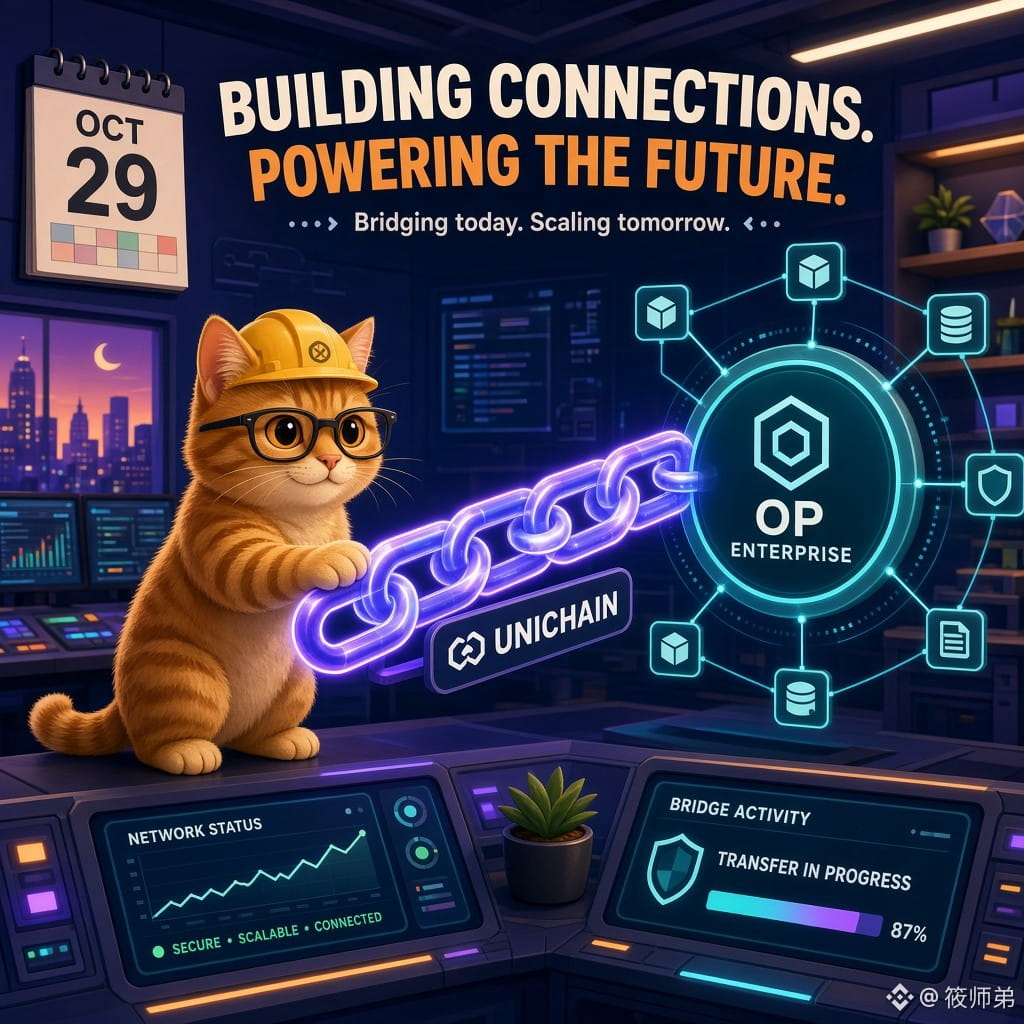
Unichain主网10/29移交Optimism:为原生跨链铺路
据Uniswap官方博客与Optimism治理提案:Unichain正迁至OP Enterprise——测试网已于10/13切换,主网目标10/29把排序器、RPC、监控与事件响应交给Optimism运营。链ID、合约、余额以及Uniswap v2/v3/v4部署不变,仍为Stage 1 rollup;同步调整proposer与L1费用路由。目标是接入OP Stack原生互操作,用户后续可在Unichain与其他OP链间无桥转移资产(先从ETH起)。
【观点】
L2正从「自己跑全套」走向专业化运营+共享互操作层。对UNI生态是减运维负担,对OP是扩超级链版图;真正分水岭不在换运营商,而在原生interop上线后流动性会不会回流。
【机会/风险】
关注10/29切换是否顺畅、出块与费用有无波动;$UNI生态TVL与跨链桥流量。风险:迁移窗口技术故障、interop时间表仍未定、叙事透支于落地。
你更看好「专用应用链」还是「OP超级链共享流动性」?
#Unichain #Optimism #Layer2 $UNI $OP
仅供参考,不构成投资建议。
Unichain主网10/29移交Optimism:为原生跨链铺路
据Uniswap官方博客与Optimism治理提案:Unichain正迁至OP Enterprise——测试网已于10/13切换,主网目标10/29把排序器、RPC、监控与事件响应交给Optimism运营。链ID、合约、余额以及Uniswap v2/v3/v4部署不变,仍为Stage 1 rollup;同步调整proposer与L1费用路由。目标是接入OP Stack原生互操作,用户后续可在Unichain与其他OP链间无桥转移资产(先从ETH起)。
【观点】
L2正从「自己跑全套」走向专业化运营+共享互操作层。对UNI生态是减运维负担,对OP是扩超级链版图;真正分水岭不在换运营商,而在原生interop上线后流动性会不会回流。
【机会/风险】
关注10/29切换是否顺畅、出块与费用有无波动;$UNI 生态TVL与跨链桥流量。风险:迁移窗口技术故障、interop时间表仍未定、叙事透支于落地。
你更看好「专用应用链」还是「OP超级链共享流动性」?
#Unichain #Optimism #Layer2 $UNI $OP
仅供参考,不构成投资建议。
据Uniswap官方博客与Optimism治理提案:Unichain正迁至OP Enterprise——测试网已于10/13切换,主网目标10/29把排序器、RPC、监控与事件响应交给Optimism运营。链ID、合约、余额以及Uniswap v2/v3/v4部署不变,仍为Stage 1 rollup;同步调整proposer与L1费用路由。目标是接入OP Stack原生互操作,用户后续可在Unichain与其他OP链间无桥转移资产(先从ETH起)。
【观点】
L2正从「自己跑全套」走向专业化运营+共享互操作层。对UNI生态是减运维负担,对OP是扩超级链版图;真正分水岭不在换运营商,而在原生interop上线后流动性会不会回流。
【机会/风险】
关注10/29切换是否顺畅、出块与费用有无波动;$UNI 生态TVL与跨链桥流量。风险:迁移窗口技术故障、interop时间表仍未定、叙事透支于落地。
你更看好「专用应用链」还是「OP超级链共享流动性」?
#Unichain #Optimism #Layer2 $UNI $OP
仅供参考,不构成投资建议。
226
·
--
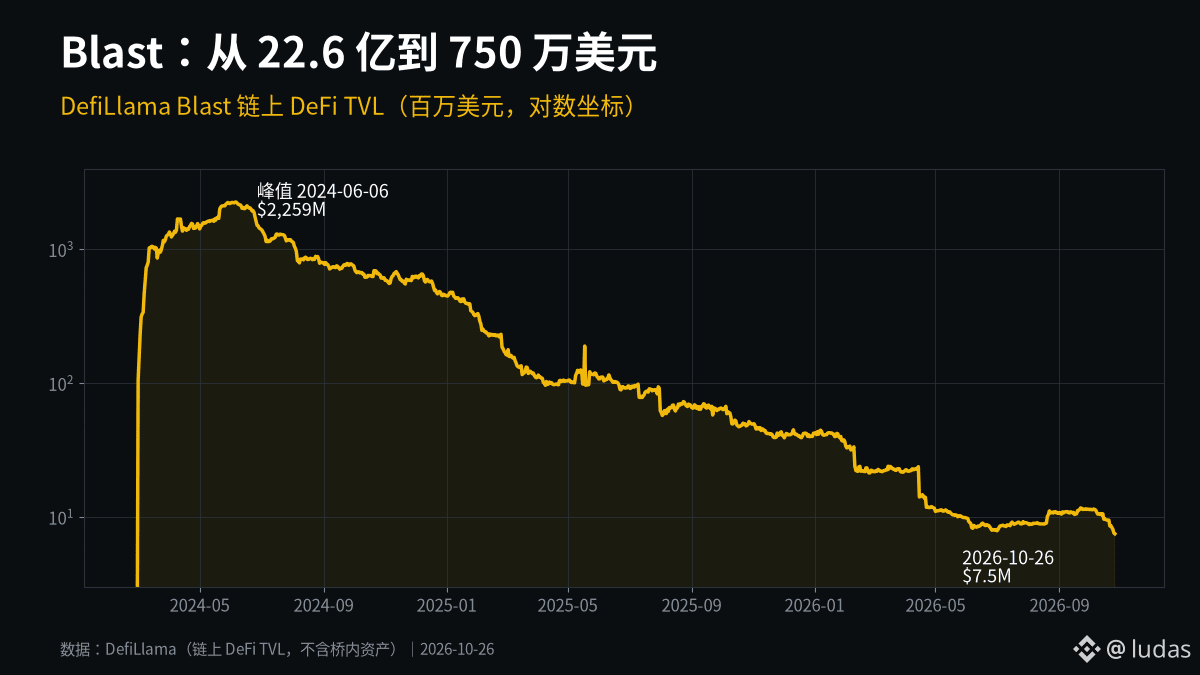
一条曾经锁住 22.6 亿美元的 L2,今天正式关掉了常规提款入口——桥里还躺着约 4000 万美元 ⚠️
📊 关键数字:
• DefiLlama:Blast 链上 DeFi TVL 峰值约 22.6 亿美元(2024-06-06),10/26 只剩约 750 万,跌超 99%
• TokenPost:官方以太坊桥资产 10/2 约 6350 万美元,到 10/26 仍有约 4041 万
• 10/2 Blast 宣布关停,理由是运营成本高于收入、看不到可持续路径
🧵 还没撤的怎么办?资产没丢,但要走合约级流程(官方文档):
1️⃣ 在 Blast 上发起提款
2️⃣ 最多约 1 小时后,在以太坊 OptimismPortal 提交证明
3️⃣ 等 1 天挑战期,再执行最终交易
$BLAST 提回以太坊必须填官方 L1 地址 0x71b9…b1Fa,填错会永久锁死;USDB 还要额外领取 DAI。
⚠️ 这段时间一定会有假"提款助手"钓鱼,只认官方文档。
我的看法:靠积分和空投吸来的 TVL,激励一停就会走。$ETH L2 赛道正在洗牌,"能不能赚到真实手续费"比 TVL 峰值重要得多。
你还有资产留在已经停运的链上吗?下一个会是谁?👇
#Blast #Layer2 #以太坊 #链上数据
一条曾经锁住 22.6 亿美元的 L2,今天正式关掉了常规提款入口——桥里还躺着约 4000 万美元 ⚠️
📊 关键数字:
• DefiLlama:Blast 链上 DeFi TVL 峰值约 22.6 亿美元(2024-06-06),10/26 只剩约 750 万,跌超 99%
• TokenPost:官方以太坊桥资产 10/2 约 6350 万美元,到 10/26 仍有约 4041 万
• 10/2 Blast 宣布关停,理由是运营成本高于收入、看不到可持续路径
🧵 还没撤的怎么办?资产没丢,但要走合约级流程(官方文档):
1️⃣ 在 Blast 上发起提款
2️⃣ 最多约 1 小时后,在以太坊 OptimismPortal 提交证明
3️⃣ 等 1 天挑战期,再执行最终交易
$BLAST 提回以太坊必须填官方 L1 地址 0x71b9…b1Fa,填错会永久锁死;USDB 还要额外领取 DAI。
⚠️ 这段时间一定会有假"提款助手"钓鱼,只认官方文档。
我的看法:靠积分和空投吸来的 TVL,激励一停就会走。$ETH L2 赛道正在洗牌,"能不能赚到真实手续费"比 TVL 峰值重要得多。
你还有资产留在已经停运的链上吗?下一个会是谁?👇
#Blast #Layer2 #以太坊 #链上数据
📊 关键数字:
• DefiLlama:Blast 链上 DeFi TVL 峰值约 22.6 亿美元(2024-06-06),10/26 只剩约 750 万,跌超 99%
• TokenPost:官方以太坊桥资产 10/2 约 6350 万美元,到 10/26 仍有约 4041 万
• 10/2 Blast 宣布关停,理由是运营成本高于收入、看不到可持续路径
🧵 还没撤的怎么办?资产没丢,但要走合约级流程(官方文档):
1️⃣ 在 Blast 上发起提款
2️⃣ 最多约 1 小时后,在以太坊 OptimismPortal 提交证明
3️⃣ 等 1 天挑战期,再执行最终交易
$BLAST 提回以太坊必须填官方 L1 地址 0x71b9…b1Fa,填错会永久锁死;USDB 还要额外领取 DAI。
⚠️ 这段时间一定会有假"提款助手"钓鱼,只认官方文档。
我的看法:靠积分和空投吸来的 TVL,激励一停就会走。$ETH L2 赛道正在洗牌,"能不能赚到真实手续费"比 TVL 峰值重要得多。
你还有资产留在已经停运的链上吗?下一个会是谁?👇
#Blast #Layer2 #以太坊 #链上数据
114

·
--
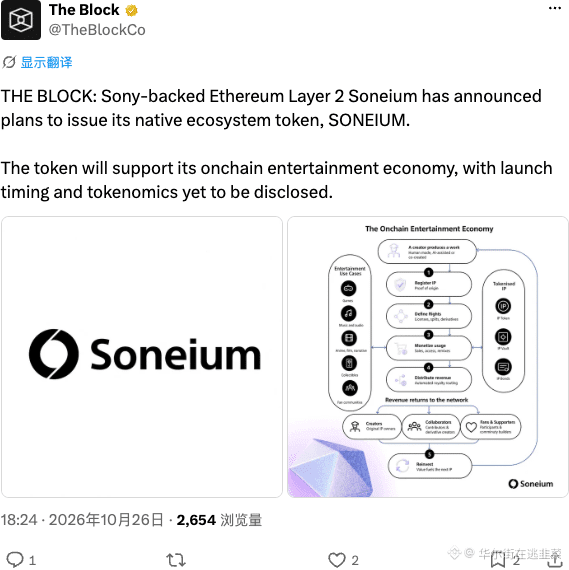
索尼背书的 Soneium 终于发币了,但这波定心丸还没完全吃到嘴里。
生态定位链上娱乐逻辑通顺,但 Timing 和 Tokenomics 暂未公布,全是问号。纯靠索尼 IP 撑场子,只要别搞收割那一套就行。生态能否跑通流量才是硬道理,先蹲个实锤。
SONEIUM
#Layer2
索尼背书的 Soneium 终于发币了,但这波定心丸还没完全吃到嘴里。
生态定位链上娱乐逻辑通顺,但 Timing 和 Tokenomics 暂未公布,全是问号。纯靠索尼 IP 撑场子,只要别搞收割那一套就行。生态能否跑通流量才是硬道理,先蹲个实锤。
SONEIUM
#Layer2
生态定位链上娱乐逻辑通顺,但 Timing 和 Tokenomics 暂未公布,全是问号。纯靠索尼 IP 撑场子,只要别搞收割那一套就行。生态能否跑通流量才是硬道理,先蹲个实锤。
SONEIUM
#Layer2
1
·
--
Optimistic Rollups vs. ZK Rollups 🧵
Both help scale Ethereum, but they verify transactions differently.
🔹 Optimistic Rollups: assume transactions are valid unless challenged with a fraud proof.
🔹 ZK Rollups: use cryptographic validity proofs.
Which approach will shape the future of $ETH scaling?
#Ethereum #Layer2
{future}(ETHUSDT)
Optimistic Rollups vs. ZK Rollups 🧵
Both help scale Ethereum, but they verify transactions differently.
🔹 Optimistic Rollups: assume transactions are valid unless challenged with a fraud proof.
🔹 ZK Rollups: use cryptographic validity proofs.
Which approach will shape the future of $ETH scaling?
#Ethereum #Layer2
Both help scale Ethereum, but they verify transactions differently.
🔹 Optimistic Rollups: assume transactions are valid unless challenged with a fraud proof.
🔹 ZK Rollups: use cryptographic validity proofs.
Which approach will shape the future of $ETH scaling?
#Ethereum #Layer2
82


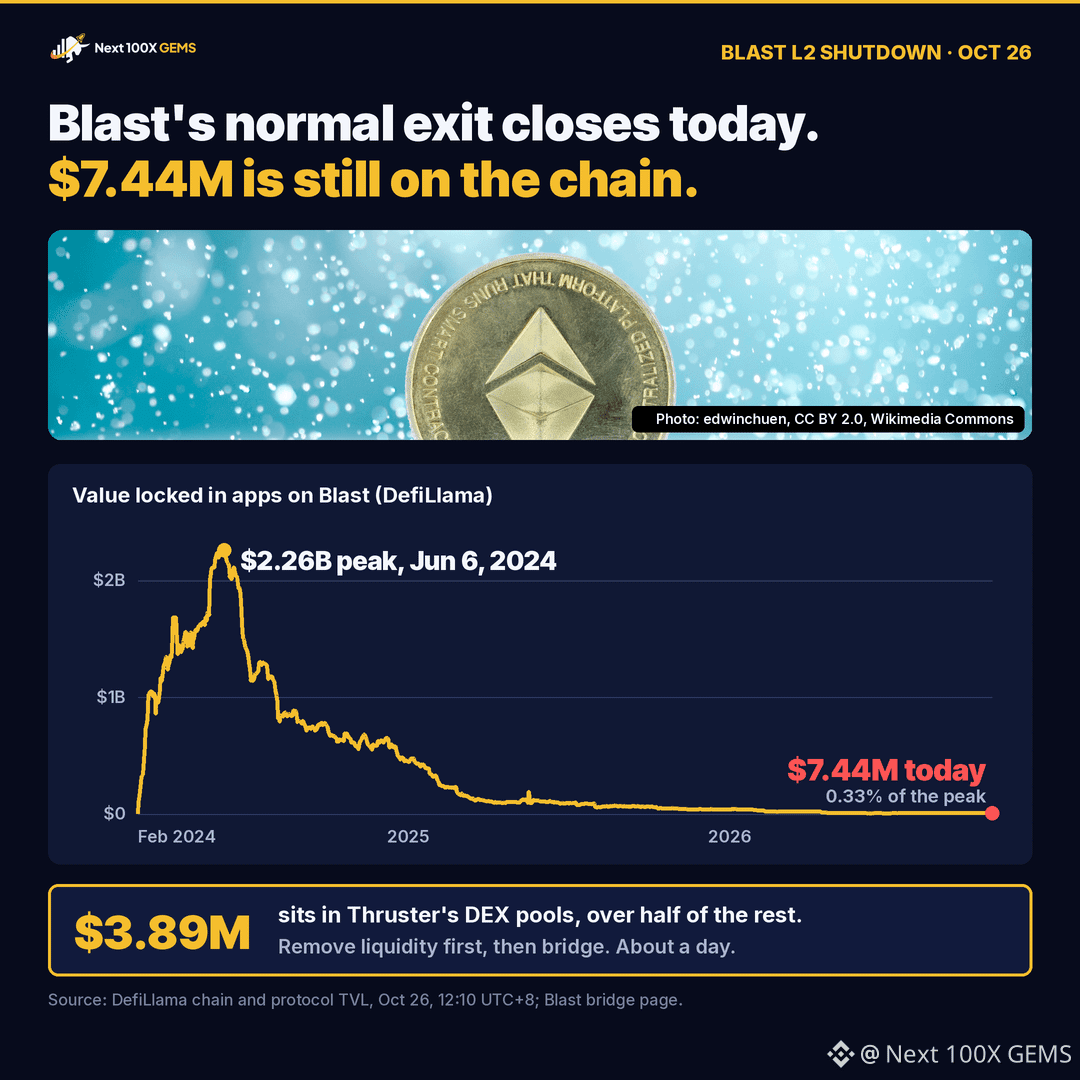
Blast's normal withdrawal route closes today, Oct 26, and DefiLlama still counts $7.44M sitting in apps on the chain.
That is about 0.33% of the $2.26B peak it recorded on June 6, 2024. The team announced the shutdown on Oct 2, saying the L2 costs more to run than it earns.
Over half of what's left sits in one DEX. Thruster's two pool versions hold about $3.89M (checked 12:10 UTC+8). LP tokens don't bridge on their own, so you remove the liquidity first and then bridge the coins back to Ethereum. Blast's bridge page says that leg takes about a day.
After today, Blast says funds can still come out, but only by calling its bridge contracts on Ethereum directly. It promised to publish instructions, and as of 12:10 UTC+8 its last post on X is a reminder from Oct 13.
Coinbase told users to move BLAST off before Oct 26 or lose access once the network shuts down.
Blast hasn't named a cutoff hour. If you still have anything on the chain, the PWA wallet included, start the exit now through the official Blast bridge. Anyone in your DMs offering to recover Blast funds is running a scam.
$BLAST
#Blast #Layer2
NFA. DYOR.
Blast's normal withdrawal route closes today, Oct 26, and DefiLlama still counts $7.44M sitting in apps on the chain.
That is about 0.33% of the $2.26B peak it recorded on June 6, 2024. The team announced the shutdown on Oct 2, saying the L2 costs more to run than it earns.
Over half of what's left sits in one DEX. Thruster's two pool versions hold about $3.89M (checked 12:10 UTC+8). LP tokens don't bridge on their own, so you remove the liquidity first and then bridge the coins back to Ethereum. Blast's bridge page says that leg takes about a day.
After today, Blast says funds can still come out, but only by calling its bridge contracts on Ethereum directly. It promised to publish instructions, and as of 12:10 UTC+8 its last post on X is a reminder from Oct 13.
Coinbase told users to move BLAST off before Oct 26 or lose access once the network shuts down.
Blast hasn't named a cutoff hour. If you still have anything on the chain, the PWA wallet included, start the exit now through the official Blast bridge. Anyone in your DMs offering to recover Blast funds is running a scam.
$BLAST
#Blast #Layer2
NFA. DYOR.
That is about 0.33% of the $2.26B peak it recorded on June 6, 2024. The team announced the shutdown on Oct 2, saying the L2 costs more to run than it earns.
Over half of what's left sits in one DEX. Thruster's two pool versions hold about $3.89M (checked 12:10 UTC+8). LP tokens don't bridge on their own, so you remove the liquidity first and then bridge the coins back to Ethereum. Blast's bridge page says that leg takes about a day.
After today, Blast says funds can still come out, but only by calling its bridge contracts on Ethereum directly. It promised to publish instructions, and as of 12:10 UTC+8 its last post on X is a reminder from Oct 13.
Coinbase told users to move BLAST off before Oct 26 or lose access once the network shuts down.
Blast hasn't named a cutoff hour. If you still have anything on the chain, the PWA wallet included, start the exit now through the official Blast bridge. Anyone in your DMs offering to recover Blast funds is running a scam.
$BLAST
#Blast #Layer2
NFA. DYOR.
158

·
--
While everyone is busy arguing over short-term price charts around the 2308.96 mark for $ETH, the actual engineering reality of the network is shifting at a pace most retail desks are completely ignoring. The transition is no longer a theoretical roadmap; it is happening right now in the data plumbing of the Layer-2 ecosystem.
Looking closely at the on-chain metrics, daily active addresses and transaction throughput on rollups like Arbitrum and Optimism are soaking up the overwhelming majority of execution activity, leaving the base layer acting strictly as a high-security settlement layer. But the real structural evolution is happening in the zero-knowledge space. ZKsync and Starknet are aggressively compressing proof verification times, which is driving blob gas fees down to a fraction of last year's costs. This blob efficiency is the exact mechanism designed to make Ethereum scalable without sacrificing decentralization.
Bridge net inflows tell a clear story as well. Institutional capital is steadily rotating into these modular environments, favoring cryptographic validity over simple fraud-proof models. Meanwhile, developer commit frequency for core Ethereum clients remains unmatched across the entire crypto industry, providing a massive moat against fragmentation. When you combine this relentless developer activity with the automated supply burn governed by L2 data posting, the long-term fundamentals look entirely different from a standard high-inflation network. Are you seeing institutional capital lean heavier into ZK rollups or optimistic environments on your end?
#Layer2 #BlockchainScaling
While everyone is busy arguing over short-term price charts around the 2308.96 mark for $ETH , the actual engineering reality of the network is shifting at a pace most retail desks are completely ignoring. The transition is no longer a theoretical roadmap; it is happening right now in the data plumbing of the Layer-2 ecosystem.
Looking closely at the on-chain metrics, daily active addresses and transaction throughput on rollups like Arbitrum and Optimism are soaking up the overwhelming majority of execution activity, leaving the base layer acting strictly as a high-security settlement layer. But the real structural evolution is happening in the zero-knowledge space. ZKsync and Starknet are aggressively compressing proof verification times, which is driving blob gas fees down to a fraction of last year's costs. This blob efficiency is the exact mechanism designed to make Ethereum scalable without sacrificing decentralization.
Bridge net inflows tell a clear story as well. Institutional capital is steadily rotating into these modular environments, favoring cryptographic validity over simple fraud-proof models. Meanwhile, developer commit frequency for core Ethereum clients remains unmatched across the entire crypto industry, providing a massive moat against fragmentation. When you combine this relentless developer activity with the automated supply burn governed by L2 data posting, the long-term fundamentals look entirely different from a standard high-inflation network. Are you seeing institutional capital lean heavier into ZK rollups or optimistic environments on your end?
#Layer2 #BlockchainScaling
Looking closely at the on-chain metrics, daily active addresses and transaction throughput on rollups like Arbitrum and Optimism are soaking up the overwhelming majority of execution activity, leaving the base layer acting strictly as a high-security settlement layer. But the real structural evolution is happening in the zero-knowledge space. ZKsync and Starknet are aggressively compressing proof verification times, which is driving blob gas fees down to a fraction of last year's costs. This blob efficiency is the exact mechanism designed to make Ethereum scalable without sacrificing decentralization.
Bridge net inflows tell a clear story as well. Institutional capital is steadily rotating into these modular environments, favoring cryptographic validity over simple fraud-proof models. Meanwhile, developer commit frequency for core Ethereum clients remains unmatched across the entire crypto industry, providing a massive moat against fragmentation. When you combine this relentless developer activity with the automated supply burn governed by L2 data posting, the long-term fundamentals look entirely different from a standard high-inflation network. Are you seeing institutional capital lean heavier into ZK rollups or optimistic environments on your end?
#Layer2 #BlockchainScaling
1
28

Arbitrum is leading the charge for Layer-2 networks, showing strong momentum with an active surge that has pushed it straight into today's top gainers! 💥
The network fundamentals have never looked stronger, with $ARB absorbing massive liquidity as dApp ecosystems across Ethereum search for cheap, lightning-fast settlement layers.
Key Metrics Driving This Pump:
🔹 Sudden influx of trading volume over the last 24 hours.
🔹 Massive increase in total transactions settled on-chain.
🔹 A decisive breakout from its multi-week horizontal range.
When large-cap utility tokens start pumping with volume like this, it usually signals that smart money is taking positions.
What is your next price target for $ARB? Are you going long or taking profits? Let's discuss! 📊
#ARBİTRUM #Layer2 #Ethereum #Altcoins
Arbitrum is leading the charge for Layer-2 networks, showing strong momentum with an active surge that has pushed it straight into today's top gainers! 💥
The network fundamentals have never looked stronger, with $ARB absorbing massive liquidity as dApp ecosystems across Ethereum search for cheap, lightning-fast settlement layers.
Key Metrics Driving This Pump:
🔹 Sudden influx of trading volume over the last 24 hours.
🔹 Massive increase in total transactions settled on-chain.
🔹 A decisive breakout from its multi-week horizontal range.
When large-cap utility tokens start pumping with volume like this, it usually signals that smart money is taking positions.
What is your next price target for $ARB ? Are you going long or taking profits? Let's discuss! 📊
#ARBİTRUM #Layer2 #Ethereum #Altcoins
The network fundamentals have never looked stronger, with $ARB absorbing massive liquidity as dApp ecosystems across Ethereum search for cheap, lightning-fast settlement layers.
Key Metrics Driving This Pump:
🔹 Sudden influx of trading volume over the last 24 hours.
🔹 Massive increase in total transactions settled on-chain.
🔹 A decisive breakout from its multi-week horizontal range.
When large-cap utility tokens start pumping with volume like this, it usually signals that smart money is taking positions.
What is your next price target for $ARB ? Are you going long or taking profits? Let's discuss! 📊
#ARBİTRUM #Layer2 #Ethereum #Altcoins
243

Bitcoin Hyper ($HYPER ) - Part 2 | My Accumulation Plan 🚀
Part 1 got 282+ Views, thanks for the support!
Quick Update: BTC is down -1.34% but HYPER is holding better -0.47% - This is strength!
My Plan for $HYPER:
1️⃣ Why I like it: Bitcoin's Fast Layer-2 narrative is getting hot on Binance Square
2️⃣ My Entry: DCA on dips, not FOMO on pumps
3️⃣ My View: If BTC holds $80K, Layer-2 tokens could run fast
This is not financial advice. DYOR!
Are you buying $HYPER on this dip or waiting? Let's discuss 👇
$BTC
{spot}(BTCUSDT)
#BitcoinHyper #Layer2 #crypto #BinanceSquare #BTC☀
Bitcoin Hyper ($HYPER ) - Part 2 | My Accumulation Plan 🚀
Part 1 got 282+ Views, thanks for the support!
Quick Update: BTC is down -1.34% but HYPER is holding better -0.47% - This is strength!
My Plan for $HYPER :
1️⃣ Why I like it: Bitcoin's Fast Layer-2 narrative is getting hot on Binance Square
2️⃣ My Entry: DCA on dips, not FOMO on pumps
3️⃣ My View: If BTC holds $80K, Layer-2 tokens could run fast
This is not financial advice. DYOR!
Are you buying $HYPER on this dip or waiting? Let's discuss 👇
$BTC
#BitcoinHyper #Layer2 #crypto #BinanceSquare #BTC☀
Part 1 got 282+ Views, thanks for the support!
Quick Update: BTC is down -1.34% but HYPER is holding better -0.47% - This is strength!
My Plan for $HYPER :
1️⃣ Why I like it: Bitcoin's Fast Layer-2 narrative is getting hot on Binance Square
2️⃣ My Entry: DCA on dips, not FOMO on pumps
3️⃣ My View: If BTC holds $80K, Layer-2 tokens could run fast
This is not financial advice. DYOR!
Are you buying $HYPER on this dip or waiting? Let's discuss 👇
$BTC
#BitcoinHyper #Layer2 #crypto #BinanceSquare #BTC☀
2
261
·
--
Blast二层今天(10/26)关闭官方提现界面,还在链上的资金注意了
据The Block 10/2报道:Paradigm领投的以太坊L2 Blast宣布清盘,原因是运营成本高于收入、看不到可持续路径;TVL从主网前超20亿美元跌到约3200万美元(DefiLlama)。
官方公告:10/26前可通过官网桥正常提现,约1天到账;之后只能直接调用以太坊上的桥合约提款。
L2BEAT最新数据:Blast仍有约4469万美元资产(7日-10.8%),其中ETH类约70%、稳定币约915万美元。
同期大盘:ETH约2,340美元,以太坊现货ETF 10月累计净流出约11.8亿美元(Decrypt)。
【观点】
这是“靠积分和空投拉TVL”模式最直白的结局:激励一停,资金走光,链的收入撑不起排序器和安全成本。L2赛道正在出清,用户和资金会继续向头部Rollup与主网集中,长尾L2的代币估值逻辑需要重估。
【机会/风险】
1. 还有资产在Blast上的,今天走官方桥最省事;之后走合约提款门槛高,警惕冒充“代提现”的钓鱼网站和私信。
2. 关注其他低TVL、靠激励维持的L2是否跟进关停或合并,相关代币可能承压。
3. ETH短线看2,330-2,350支撑,本周FOMC前ETF资金流仍是关键变量。
你觉得下一个撑不下去的L2会是谁?是行业健康出清,还是L2叙事退潮的信号?
#以太坊 #Layer2 #Blast #加密新闻 $ETH $OP
仅供参考,不构成投资建议
Blast二层今天(10/26)关闭官方提现界面,还在链上的资金注意了
据The Block 10/2报道:Paradigm领投的以太坊L2 Blast宣布清盘,原因是运营成本高于收入、看不到可持续路径;TVL从主网前超20亿美元跌到约3200万美元(DefiLlama)。
官方公告:10/26前可通过官网桥正常提现,约1天到账;之后只能直接调用以太坊上的桥合约提款。
L2BEAT最新数据:Blast仍有约4469万美元资产(7日-10.8%),其中ETH类约70%、稳定币约915万美元。
同期大盘:ETH约2,340美元,以太坊现货ETF 10月累计净流出约11.8亿美元(Decrypt)。
【观点】
这是“靠积分和空投拉TVL”模式最直白的结局:激励一停,资金走光,链的收入撑不起排序器和安全成本。L2赛道正在出清,用户和资金会继续向头部Rollup与主网集中,长尾L2的代币估值逻辑需要重估。
【机会/风险】
1. 还有资产在Blast上的,今天走官方桥最省事;之后走合约提款门槛高,警惕冒充“代提现”的钓鱼网站和私信。
2. 关注其他低TVL、靠激励维持的L2是否跟进关停或合并,相关代币可能承压。
3. ETH短线看2,330-2,350支撑,本周FOMC前ETF资金流仍是关键变量。
你觉得下一个撑不下去的L2会是谁?是行业健康出清,还是L2叙事退潮的信号?
#以太坊 #Layer2 #Blast #加密新闻 $ETH $OP
仅供参考,不构成投资建议
据The Block 10/2报道:Paradigm领投的以太坊L2 Blast宣布清盘,原因是运营成本高于收入、看不到可持续路径;TVL从主网前超20亿美元跌到约3200万美元(DefiLlama)。
官方公告:10/26前可通过官网桥正常提现,约1天到账;之后只能直接调用以太坊上的桥合约提款。
L2BEAT最新数据:Blast仍有约4469万美元资产(7日-10.8%),其中ETH类约70%、稳定币约915万美元。
同期大盘:ETH约2,340美元,以太坊现货ETF 10月累计净流出约11.8亿美元(Decrypt)。
【观点】
这是“靠积分和空投拉TVL”模式最直白的结局:激励一停,资金走光,链的收入撑不起排序器和安全成本。L2赛道正在出清,用户和资金会继续向头部Rollup与主网集中,长尾L2的代币估值逻辑需要重估。
【机会/风险】
1. 还有资产在Blast上的,今天走官方桥最省事;之后走合约提款门槛高,警惕冒充“代提现”的钓鱼网站和私信。
2. 关注其他低TVL、靠激励维持的L2是否跟进关停或合并,相关代币可能承压。
3. ETH短线看2,330-2,350支撑,本周FOMC前ETF资金流仍是关键变量。
你觉得下一个撑不下去的L2会是谁?是行业健康出清,还是L2叙事退潮的信号?
#以太坊 #Layer2 #Blast #加密新闻 $ETH $OP
仅供参考,不构成投资建议

446
Войдите, чтобы посмотреть больше материала
Присоединяйтесь к пользователям криптовалют по всему миру на Binance Square
⚡️ Получайте новейшую и полезную информацию о криптоактивах.
💬 Нам доверяет крупнейшая в мире криптобиржа.
👍 Получите достоверные аналитические данные от верифицированных создателей контента.
Эл. почта/номер телефона
В тренде
1
#BinancePick
Просмотров: 3.1M
154,591 обсуждают
2
#EarningsSeason
Просмотров: 5.3M
26,115 обсуждают
3
#AnthropicTTMRevenueGrewAbout1200%
Просмотров: 37,518
460 обсуждают
4
#AnthropicS1ExpectedToday
Просмотров: 30,826
370 обсуждают
5
#SouthKoreaReportedlyWeighsFourthCryptoTaxDelay
Просмотров: 33,818
500 обсуждают
6
#FranklinTempletonFilesForTwoDividendToBitcoinETFs
Просмотров: 44,947
568 обсуждают
7
#StrategyMSTRSurpassesNasdaqInMarketCap
Просмотров: 34,938
402 обсуждают
8
#CanadaProposesStablecoinRedemptionWithin3BusinessDays
Просмотров: 1,438
37 обсуждают
9
#ElectrumWalletBugLetRogueServersStealFunds
Просмотров: 33,599
482 обсуждают
10
#ArgentineCourtDismissesLIBRACaseAgainstMilei
Просмотров: 50,103
604 обсуждают