

#kriptohaber24
kriptohaber24
Просмотров: 1.9M
468 обсуждают
Популярные
Новые
·
--
KJANETF+0,03%
The _Trading _Geek:
👍Great Post! 📈 Join my “CHAT ROOM” 📌 for FREE Trading Insights, LONG & SHORT Setups, and Market Updates 🎯🚀 Find it pinned at the top of my "PROFILE" 👑 Tap “JOIN NOW” and stay connected with the community for upcoming market opportunities! ⚡Hope To See You There😇👇
Tap Here To Join "CHAT ROOM"
1
1
50
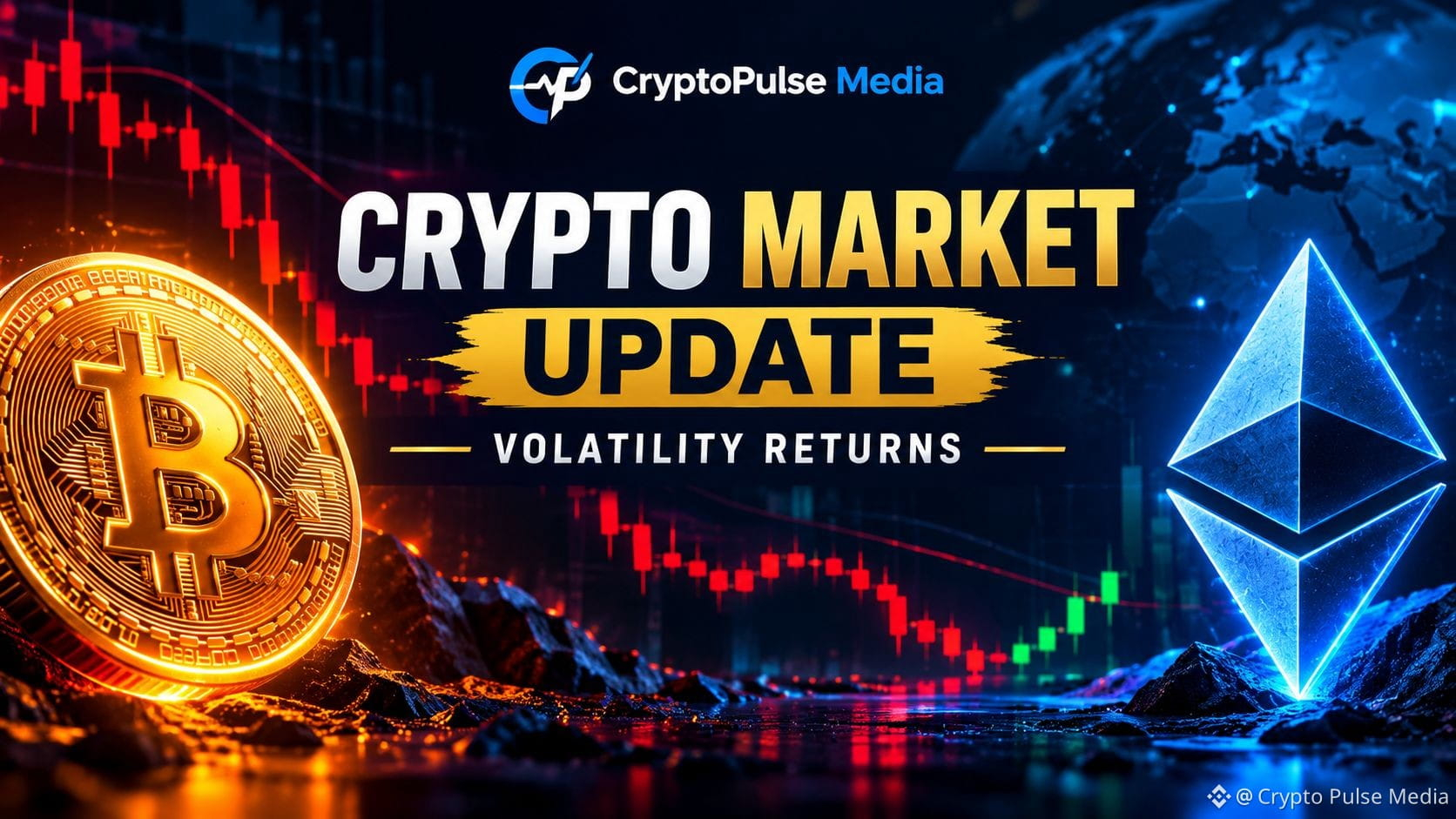
🔍 What traders should watch:
₿ Bitcoin (BTC): Can buyers defend nearby support?
◆ Ethereum (ETH): Will selling pressure ease?
📊 Altcoins: Watch volume, market sentiment, and BTC's next move.
💡 Market Insight: Don't let short-term price swings control your decisions. Watch key levels, manage risk, and avoid emotional trading.
The next move matters—but confirmation matters more.
What’s your outlook: 📈 Bullish or 📉 Bearish
#Write2Earn #hottoken #Robert #ARB #kriptohaber24
🔍 What traders should watch:
₿ Bitcoin (BTC): Can buyers defend nearby support?
◆ Ethereum (ETH): Will selling pressure ease?
📊 Altcoins: Watch volume, market sentiment, and BTC's next move.
💡 Market Insight: Don't let short-term price swings control your decisions. Watch key levels, manage risk, and avoid emotional trading.
The next move matters—but confirmation matters more.
What’s your outlook: 📈 Bullish or 📉 Bearish
#Write2Earn #hottoken #Robert #ARB #kriptohaber24
₿ Bitcoin (BTC): Can buyers defend nearby support?
◆ Ethereum (ETH): Will selling pressure ease?
📊 Altcoins: Watch volume, market sentiment, and BTC's next move.
💡 Market Insight: Don't let short-term price swings control your decisions. Watch key levels, manage risk, and avoid emotional trading.
The next move matters—but confirmation matters more.
What’s your outlook: 📈 Bullish or 📉 Bearish
#Write2Earn #hottoken #Robert #ARB #kriptohaber24
142
·
--
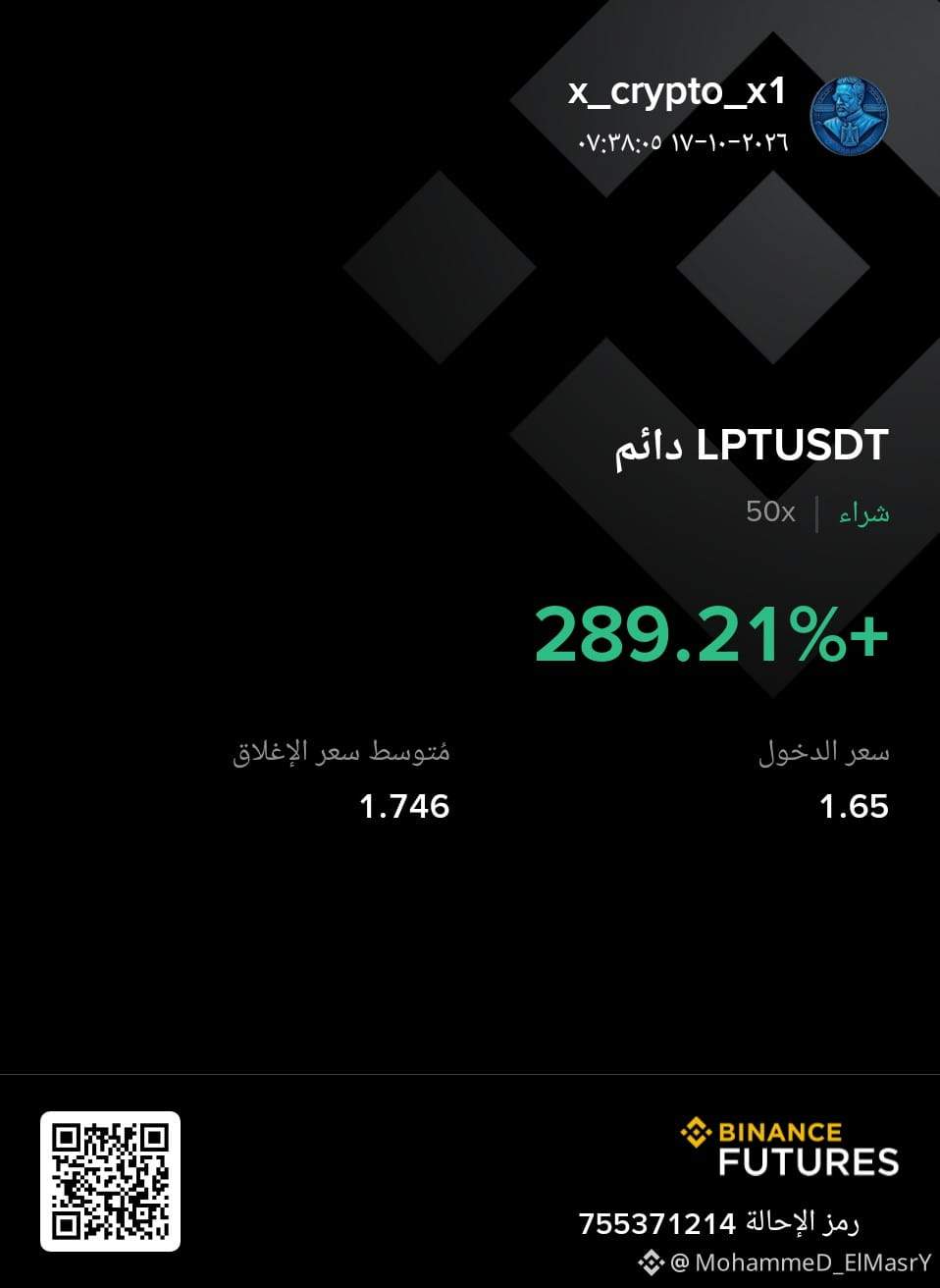
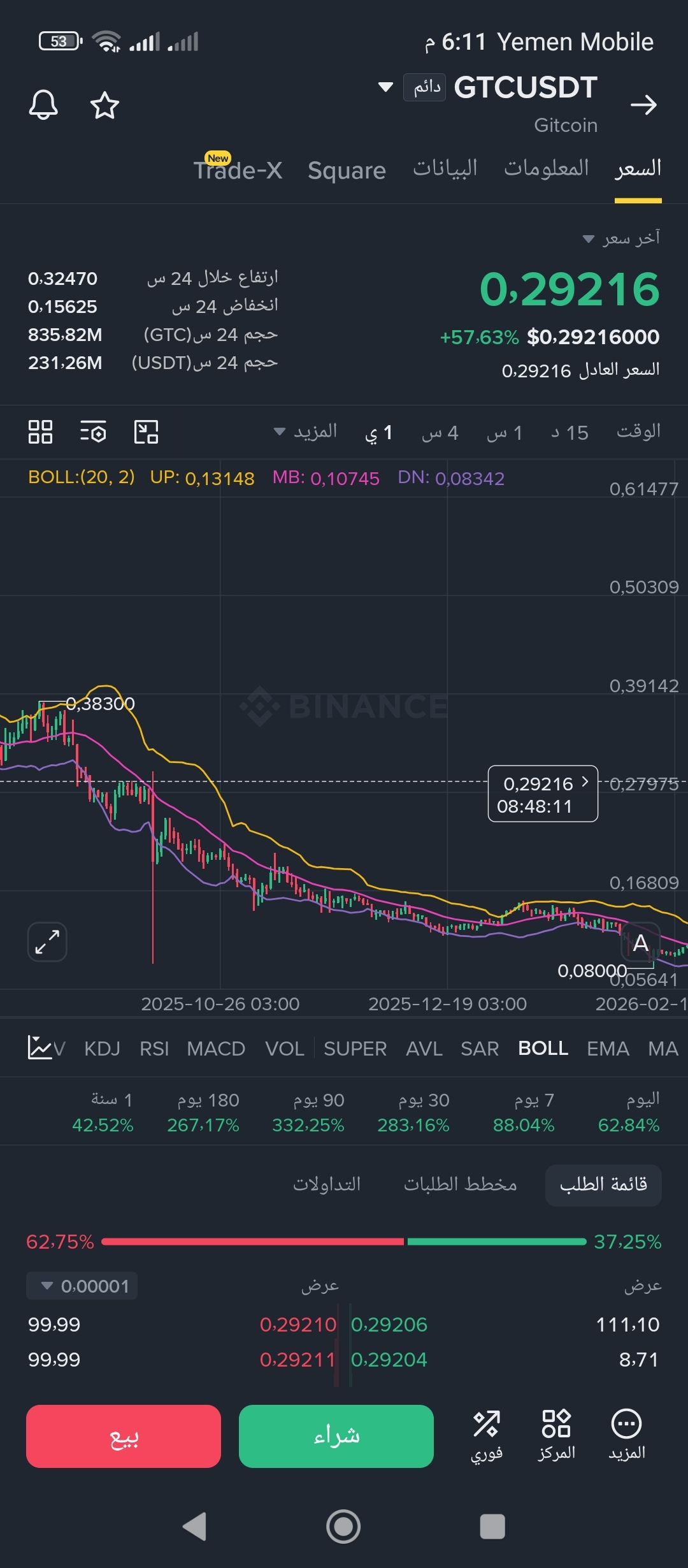
⚫⚪🔴قولو ماشاء الله ⚫⚪🔴
#m_elmasry1
#x_crypto_x1
#kriptohaber24
#UnicornChannel
#DelistingAlert
$NVDAB $AAPLB $MSFTB
⚫⚪🔴قولو ماشاء الله ⚫⚪🔴
#m_elmasry1
#x_crypto_x1
#kriptohaber24
#UnicornChannel
#DelistingAlert
$NVDAB $AAPLB $MSFTB
#m_elmasry1
#x_crypto_x1
#kriptohaber24
#UnicornChannel
#DelistingAlert
$NVDAB $AAPLB $MSFTB
2
261
1
202
·
--
Рост
الطاقة والأسواق: استمرار الضغوط على أسعار النفط والطاقة وسط توترات الشرق الأوسط ومخاطر الشحن والملاحة.
العملات والدولار: الدولار يقترب من أعلى مستوى له في عام ونصف بدعم من التوترات الجيوسياسية وترقب بيانات التضخم الأمريكية.
نمو الاقتصاد العالمي: توقعات أممية (أونكتاد) بتباطؤ نمو الاقتصاد العالمي إلى 2.6% خلال العام الجاري متأثراً بصدمات الطاقة.
جائزة نوبل: فوز الأميركيين "روبرت هول" و"مايكل وودفورد" بجائزة نوبل في الاقتصاد لعام 2026 لإسهاماتهما في نماذج استقرار الاقتصاد الكلي.
$NVDAB $AAPLB $TSMB #kriptohaber24 #Shibarium #BTC
الطاقة والأسواق: استمرار الضغوط على أسعار النفط والطاقة وسط توترات الشرق الأوسط ومخاطر الشحن والملاحة.
العملات والدولار: الدولار يقترب من أعلى مستوى له في عام ونصف بدعم من التوترات الجيوسياسية وترقب بيانات التضخم الأمريكية.
نمو الاقتصاد العالمي: توقعات أممية (أونكتاد) بتباطؤ نمو الاقتصاد العالمي إلى 2.6% خلال العام الجاري متأثراً بصدمات الطاقة.
جائزة نوبل: فوز الأميركيين "روبرت هول" و"مايكل وودفورد" بجائزة نوبل في الاقتصاد لعام 2026 لإسهاماتهما في نماذج استقرار الاقتصاد الكلي.
$NVDAB $AAPLB $TSMB #kriptohaber24 #Shibarium #BTC
العملات والدولار: الدولار يقترب من أعلى مستوى له في عام ونصف بدعم من التوترات الجيوسياسية وترقب بيانات التضخم الأمريكية.
نمو الاقتصاد العالمي: توقعات أممية (أونكتاد) بتباطؤ نمو الاقتصاد العالمي إلى 2.6% خلال العام الجاري متأثراً بصدمات الطاقة.
جائزة نوبل: فوز الأميركيين "روبرت هول" و"مايكل وودفورد" بجائزة نوبل في الاقتصاد لعام 2026 لإسهاماتهما في نماذج استقرار الاقتصاد الكلي.
$NVDAB $AAPLB $TSMB #kriptohaber24 #Shibarium #BTC
12
·
--
Рост
الذهب والعملات والأسواق المالية#Write2Earn
قفزة الذهب: واصلت أسعار الذهب مكاسبها متجاوزة حاجز 4200 دولار للأونصة وسط ترقب الأسواق لبيانات التضخم الأمريكية وتراجع عوائد السندات.
قوة الدولار: استقر الدولار الأمريكي قرب أعلى مستوى له في 18 شهراً مدعوماً بالتوترات الجيوسياسية في الشرق الأوسط والأسواق العالمية.
3. الاقتصاد العالمي والتوقعات الدولية
تباطؤ النمو: توقعات منظمة "أونكتاد" بانخفاض نمو الاقتصاد العالمي إلى نحو 2.6% خلال العام الجاري، متأثراً بالصراعات الدولية وانقسامات التجارة العالمية، رغم الدعم الذي تقدمه استثمارات قطاع الذكاء الاصطناعي.
جائزة نوبل للاقتصاد: فاز العالمان الأمريكيان روبرت هول ومايكل وودفورد بجائزة نوبل في الاقتصاد لعام 2026 نظير إسهاماتهما البحثية البارزة.
$NVDAB $MSFTB $AVGOB #kriptohaber24 #BitcoinOptionsVolatilityHitsFiveYearLow #
الذهب والعملات والأسواق المالية#Write2Earn
قفزة الذهب: واصلت أسعار الذهب مكاسبها متجاوزة حاجز 4200 دولار للأونصة وسط ترقب الأسواق لبيانات التضخم الأمريكية وتراجع عوائد السندات.
قوة الدولار: استقر الدولار الأمريكي قرب أعلى مستوى له في 18 شهراً مدعوماً بالتوترات الجيوسياسية في الشرق الأوسط والأسواق العالمية.
3. الاقتصاد العالمي والتوقعات الدولية
تباطؤ النمو: توقعات منظمة "أونكتاد" بانخفاض نمو الاقتصاد العالمي إلى نحو 2.6% خلال العام الجاري، متأثراً بالصراعات الدولية وانقسامات التجارة العالمية، رغم الدعم الذي تقدمه استثمارات قطاع الذكاء الاصطناعي.
جائزة نوبل للاقتصاد: فاز العالمان الأمريكيان روبرت هول ومايكل وودفورد بجائزة نوبل في الاقتصاد لعام 2026 نظير إسهاماتهما البحثية البارزة.
$NVDAB $MSFTB $AVGOB #kriptohaber24 #BitcoinOptionsVolatilityHitsFiveYearLow #
قفزة الذهب: واصلت أسعار الذهب مكاسبها متجاوزة حاجز 4200 دولار للأونصة وسط ترقب الأسواق لبيانات التضخم الأمريكية وتراجع عوائد السندات.
قوة الدولار: استقر الدولار الأمريكي قرب أعلى مستوى له في 18 شهراً مدعوماً بالتوترات الجيوسياسية في الشرق الأوسط والأسواق العالمية.
3. الاقتصاد العالمي والتوقعات الدولية
تباطؤ النمو: توقعات منظمة "أونكتاد" بانخفاض نمو الاقتصاد العالمي إلى نحو 2.6% خلال العام الجاري، متأثراً بالصراعات الدولية وانقسامات التجارة العالمية، رغم الدعم الذي تقدمه استثمارات قطاع الذكاء الاصطناعي.
جائزة نوبل للاقتصاد: فاز العالمان الأمريكيان روبرت هول ومايكل وودفورد بجائزة نوبل في الاقتصاد لعام 2026 نظير إسهاماتهما البحثية البارزة.
$NVDAB $MSFTB $AVGOB #kriptohaber24 #BitcoinOptionsVolatilityHitsFiveYearLow #
70
·
--
Рост
درس تعلمته بصعوبة في عالم الكريبتو...
"أكبر خسران ليس من يشتري في القمة، بل من يشتري بدافع الـ FOMO (الخوف من تفويت الفرصة) دون خطة جني أرباح."
❓ ما هو القوانين الذهبية أو الدرس الأكبر الذي تعلمته من تداولك وتتمنى لو عرفته من اليوم الأول؟
اكتبه في تعليق ليستفيد الجميع من تجربتك! 📜
$NVDAB $MSFTB $LLYB #kriptohaber24 #KeepBuilding
درس تعلمته بصعوبة في عالم الكريبتو...
"أكبر خسران ليس من يشتري في القمة، بل من يشتري بدافع الـ FOMO (الخوف من تفويت الفرصة) دون خطة جني أرباح."
❓ ما هو القوانين الذهبية أو الدرس الأكبر الذي تعلمته من تداولك وتتمنى لو عرفته من اليوم الأول؟
اكتبه في تعليق ليستفيد الجميع من تجربتك! 📜
$NVDAB $MSFTB $LLYB #kriptohaber24 #KeepBuilding
"أكبر خسران ليس من يشتري في القمة، بل من يشتري بدافع الـ FOMO (الخوف من تفويت الفرصة) دون خطة جني أرباح."
❓ ما هو القوانين الذهبية أو الدرس الأكبر الذي تعلمته من تداولك وتتمنى لو عرفته من اليوم الأول؟
اكتبه في تعليق ليستفيد الجميع من تجربتك! 📜
$NVDAB $MSFTB $LLYB #kriptohaber24 #KeepBuilding
59
لو معك 1,000$ للاستثمار فقط في الشراء المباشر (Spot)...
هل تضعها في:
🔹 الخيار A: عملات القيمة السوقية الكبيرة (Large Caps) لأمان أعلى وأرباح متزنة؟
🔸 الخيار B: عملات البديلة ذات القيمة المنخفضة (Low Caps) لمخاطرة أعلى وأرباح مضاعفة؟
شاركنا استراتيجيتك ولماذا اخترتها؟ 👇
$NVDAB $AAPLB $AMZNB #kriptohaber24 #FactCheck
لو معك 1,000$ للاستثمار فقط في الشراء المباشر (Spot)...
هل تضعها في:
🔹 الخيار A: عملات القيمة السوقية الكبيرة (Large Caps) لأمان أعلى وأرباح متزنة؟
🔸 الخيار B: عملات البديلة ذات القيمة المنخفضة (Low Caps) لمخاطرة أعلى وأرباح مضاعفة؟
شاركنا استراتيجيتك ولماذا اخترتها؟ 👇
$NVDAB $AAPLB $AMZNB #kriptohaber24 #FactCheck
هل تضعها في:
🔹 الخيار A: عملات القيمة السوقية الكبيرة (Large Caps) لأمان أعلى وأرباح متزنة؟
🔸 الخيار B: عملات البديلة ذات القيمة المنخفضة (Low Caps) لمخاطرة أعلى وأرباح مضاعفة؟
شاركنا استراتيجيتك ولماذا اخترتها؟ 👇
$NVDAB $AAPLB $AMZNB #kriptohaber24 #FactCheck
65
·
--
Рост
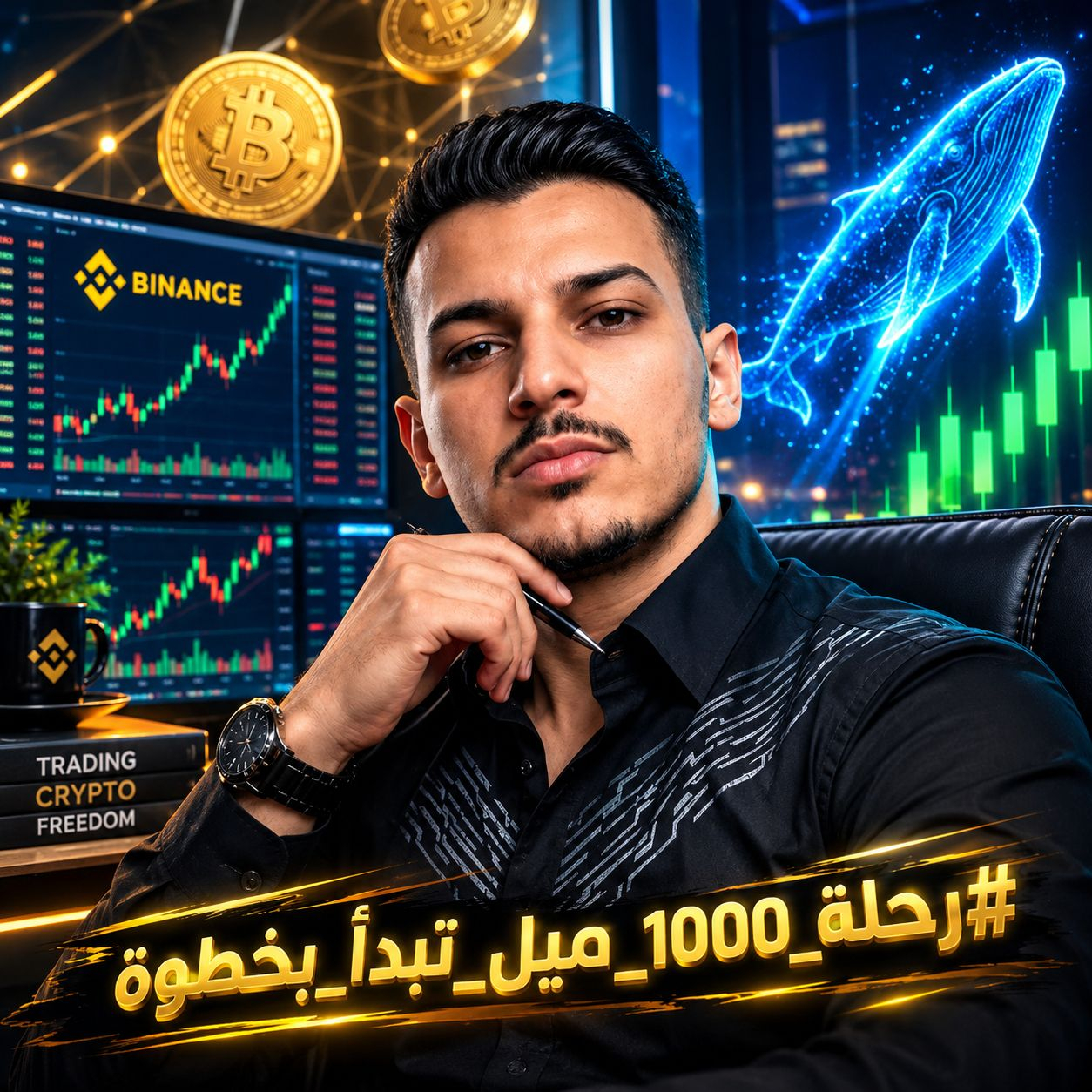
#رحلة_1000_ميل_تبدأ_بخطوة
🎯 تم تحقيق الهدف الثاني بنجاح، والآن نبدأ صفقة شراء (Long)! 🔥📈
الحمد لله، بعد جني الأرباح من صفقة البيع السابقة لزوج MET/USDT، نتحول الآن لاغتنام فرصة شراء جديدة (Long) عند السعر الحالي 0.4646 USDT مع ظهور إشارات ارتداد إيجابية. #BTC #TrendingTopic #kriptohaber24
$BANK
$ICP
$APT
#رحلة_1000_ميل_تبدأ_بخطوة
🎯 تم تحقيق الهدف الثاني بنجاح، والآن نبدأ صفقة شراء (Long)! 🔥📈
الحمد لله، بعد جني الأرباح من صفقة البيع السابقة لزوج MET/USDT، نتحول الآن لاغتنام فرصة شراء جديدة (Long) عند السعر الحالي 0.4646 USDT مع ظهور إشارات ارتداد إيجابية. #BTC #TrendingTopic #kriptohaber24
$BANK
$ICP
$APT
🎯 تم تحقيق الهدف الثاني بنجاح، والآن نبدأ صفقة شراء (Long)! 🔥📈
الحمد لله، بعد جني الأرباح من صفقة البيع السابقة لزوج MET/USDT، نتحول الآن لاغتنام فرصة شراء جديدة (Long) عند السعر الحالي 0.4646 USDT مع ظهور إشارات ارتداد إيجابية. #BTC #TrendingTopic #kriptohaber24
$BANK
$ICP
$APT
1
70

Проверено
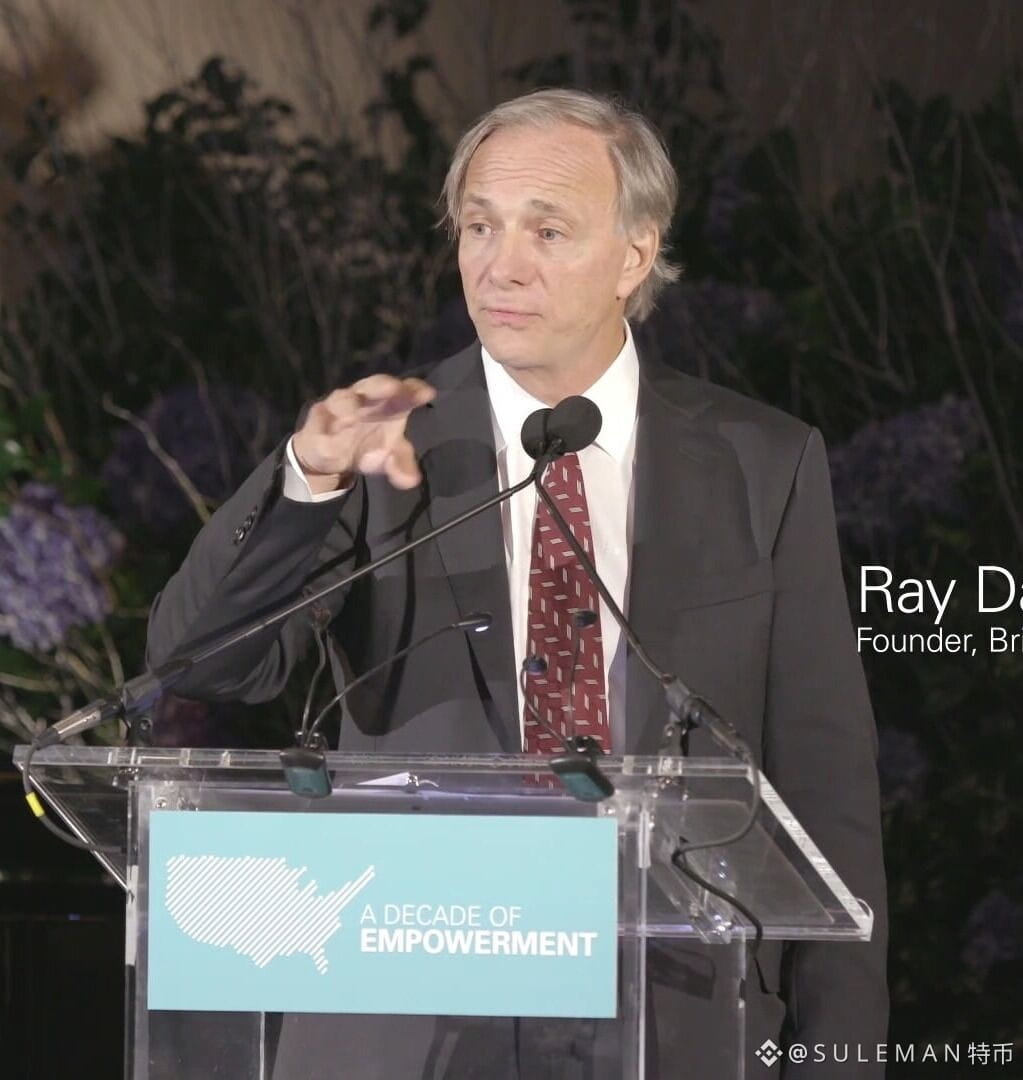
🇺🇸 BIG: Ray Dalio warns the US could face a debt crisis within three years as spending outpaces revenue and foreign demand for Treasuries weakens.
$ORCA
$ZEC
{future}(ZECUSDT)
{future}(RLCUSDT)
{future}(ORCAUSDT)
#NewsAboutCrypto #news #USGovernment #Write2Earn #kriptohaber24
🇺🇸 BIG: Ray Dalio warns the US could face a debt crisis within three years as spending outpaces revenue and foreign demand for Treasuries weakens.
$ORCA
$ZEC
#NewsAboutCrypto #news #USGovernment #Write2Earn #kriptohaber24
$ORCA
$ZEC
#NewsAboutCrypto #news #USGovernment #Write2Earn #kriptohaber24
2
881
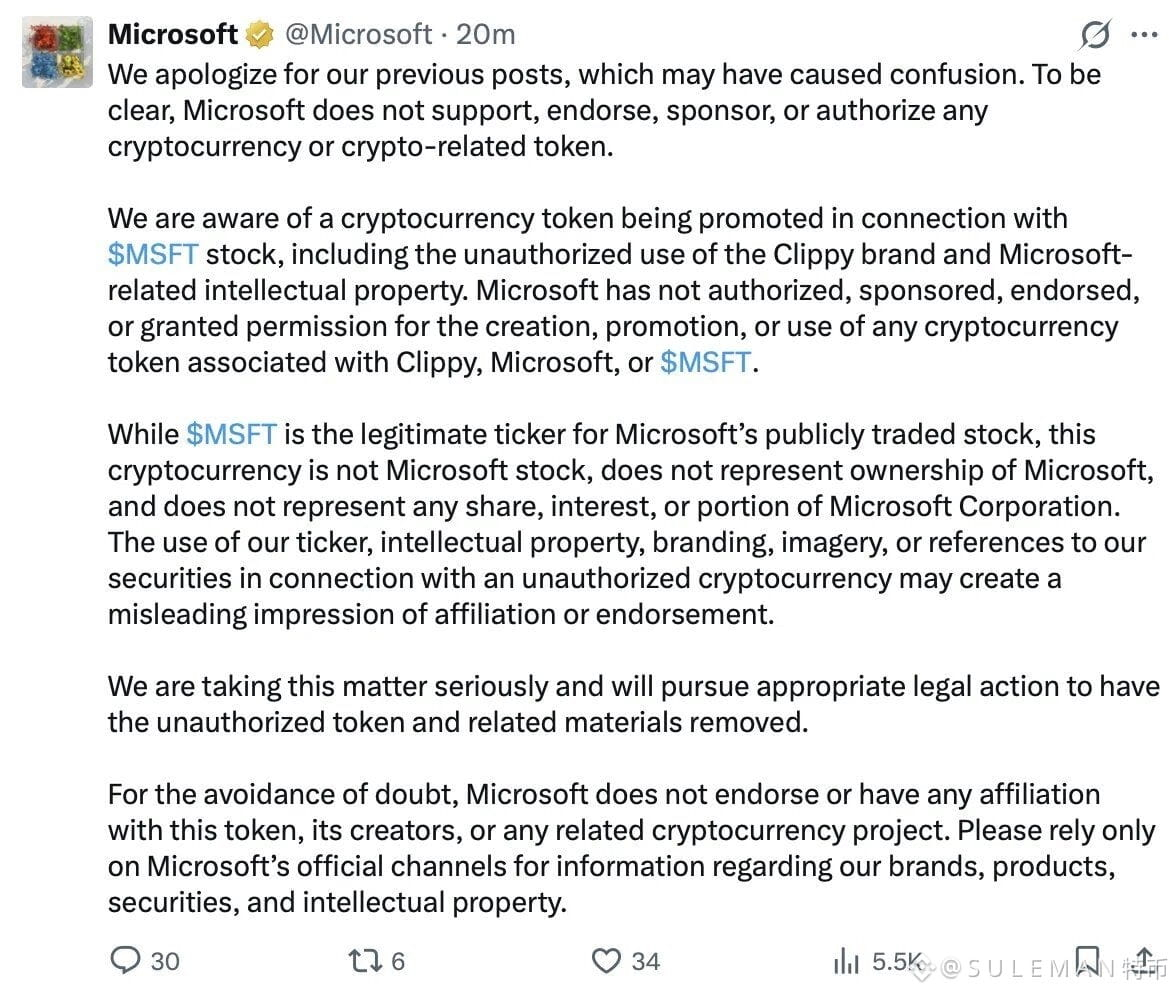
🔥 HUGE: Microsoft's official X account got hacked to shill a Clippy meme coin.
$HYPE
{future}(HYPEUSDT)
$2Z
{future}(2ZUSDT)
$PONS
{future}(PONSUSDT)
#Market_Update #Binance #BTC #Bitget #kriptohaber24
🔥 HUGE: Microsoft's official X account got hacked to shill a Clippy meme coin.
$HYPE
$2Z
$PONS
#Market_Update #Binance #BTC #Bitget #kriptohaber24
$HYPE
$2Z
$PONS
#Market_Update #Binance #BTC #Bitget #kriptohaber24
2
557

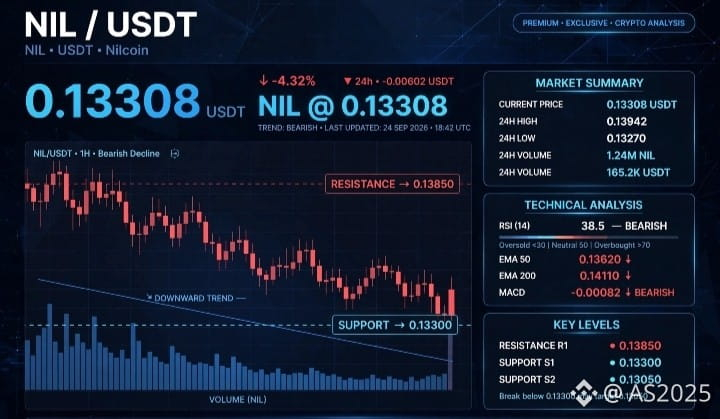
$NIL @ 0.13308$ هبوط -4.32% و RSI 38.5 ويختبر دعم 0.13300.. هل يصمد ولا ينزل 0.13050$؟ ⚠️"*
📈 التحليل الفني 1H:*
1. *مقاومة 0.13850$ قوية جداً:* الخط الأحمر المنقط فوق - السعر فشل يرجعله من 3 أيام
2. *دعم 0.13300$ بيُختبر دلوقتي:* SUPPORT → 0.13300 - السعر واقف عليه بالظبط - لو اتكسر = نزول لـ 0.13050$ SUPPORT S2
3. *ترند هابط Downward Trend:* الخط الأزرق المايل نازل - كل قمة أقل من اللي قبلها - شموع حمرا كتير
4. *EMA 50 و 200 فوق السعر:* السعر تحت المتوسطات = ضغط بيع قوي
5. *فوليوم ضعيف LOW BUY VOLUME:* مفيش مشترين يدافعوا عن الدعم
🎯 خطة تداول $NIL
{future}(NILUSDT)
- *الوضع:* خطر - واقف على دعم - متشتريش دلوقتي
- *لو معاك:* SL تحت 0.13300$ مباشرة، لو كسر = اخرج لـ 0.13050$
- *لو هتدخل جديد:* استنى كسر 0.13850$ لفوق + فوليوم عالي أو ارتداد قوي من 0.13050$
- *ENTRY مضاربة:* 0.13308$ الحالي مخاطرة عالية جداً
- *SL:* 0.13050$ (-1.9%)
- *TP1:* 0.13620$ EMA50 +2.3%
- *TP2:* 0.13850$ مقاومة +4%
- *Outlook:* Bearish unless 0.13850 reclaimed
#kriptohaber24 #NIL #NILUSDT #NILCoin #Bearish #SupportTest #Crypto #تحليل_فني #توصيات 📉⚠️
*الخلاصة:* NIL في ترند هابط واضح وبيختبر دعم 0.13300 الحرج دلوقتي. فوليوم 165K ضعيف = مفيش ثقة. خليك برا لحد ما يثبت فوق 0.13850$.
$NIL @ 0.13308$ هبوط -4.32% و RSI 38.5 ويختبر دعم 0.13300.. هل يصمد ولا ينزل 0.13050$؟ ⚠️"*
📈 التحليل الفني 1H:*
1. *مقاومة 0.13850$ قوية جداً:* الخط الأحمر المنقط فوق - السعر فشل يرجعله من 3 أيام
2. *دعم 0.13300$ بيُختبر دلوقتي:* SUPPORT → 0.13300 - السعر واقف عليه بالظبط - لو اتكسر = نزول لـ 0.13050$ SUPPORT S2
3. *ترند هابط Downward Trend:* الخط الأزرق المايل نازل - كل قمة أقل من اللي قبلها - شموع حمرا كتير
4. *EMA 50 و 200 فوق السعر:* السعر تحت المتوسطات = ضغط بيع قوي
5. *فوليوم ضعيف LOW BUY VOLUME:* مفيش مشترين يدافعوا عن الدعم
🎯 خطة تداول $NIL
- *الوضع:* خطر - واقف على دعم - متشتريش دلوقتي
- *لو معاك:* SL تحت 0.13300$ مباشرة، لو كسر = اخرج لـ 0.13050$
- *لو هتدخل جديد:* استنى كسر 0.13850$ لفوق + فوليوم عالي أو ارتداد قوي من 0.13050$
- *ENTRY مضاربة:* 0.13308$ الحالي مخاطرة عالية جداً
- *SL:* 0.13050$ (-1.9%)
- *TP1:* 0.13620$ EMA50 +2.3%
- *TP2:* 0.13850$ مقاومة +4%
- *Outlook:* Bearish unless 0.13850 reclaimed
#kriptohaber24 #NIL #NILUSDT #NILCoin #Bearish #SupportTest #Crypto #تحليل_فني #توصيات 📉⚠️
*الخلاصة:* NIL في ترند هابط واضح وبيختبر دعم 0.13300 الحرج دلوقتي. فوليوم 165K ضعيف = مفيش ثقة. خليك برا لحد ما يثبت فوق 0.13850$.
📈 التحليل الفني 1H:*
1. *مقاومة 0.13850$ قوية جداً:* الخط الأحمر المنقط فوق - السعر فشل يرجعله من 3 أيام
2. *دعم 0.13300$ بيُختبر دلوقتي:* SUPPORT → 0.13300 - السعر واقف عليه بالظبط - لو اتكسر = نزول لـ 0.13050$ SUPPORT S2
3. *ترند هابط Downward Trend:* الخط الأزرق المايل نازل - كل قمة أقل من اللي قبلها - شموع حمرا كتير
4. *EMA 50 و 200 فوق السعر:* السعر تحت المتوسطات = ضغط بيع قوي
5. *فوليوم ضعيف LOW BUY VOLUME:* مفيش مشترين يدافعوا عن الدعم
🎯 خطة تداول $NIL
- *الوضع:* خطر - واقف على دعم - متشتريش دلوقتي
- *لو معاك:* SL تحت 0.13300$ مباشرة، لو كسر = اخرج لـ 0.13050$
- *لو هتدخل جديد:* استنى كسر 0.13850$ لفوق + فوليوم عالي أو ارتداد قوي من 0.13050$
- *ENTRY مضاربة:* 0.13308$ الحالي مخاطرة عالية جداً
- *SL:* 0.13050$ (-1.9%)
- *TP1:* 0.13620$ EMA50 +2.3%
- *TP2:* 0.13850$ مقاومة +4%
- *Outlook:* Bearish unless 0.13850 reclaimed
#kriptohaber24 #NIL #NILUSDT #NILCoin #Bearish #SupportTest #Crypto #تحليل_فني #توصيات 📉⚠️
*الخلاصة:* NIL في ترند هابط واضح وبيختبر دعم 0.13300 الحرج دلوقتي. فوليوم 165K ضعيف = مفيش ثقة. خليك برا لحد ما يثبت فوق 0.13850$.
1
181
بينما تلاحق الأرباح في عملات الـ AI والميمز، تذكر دائماً أن تأمين حسابك هو خط دفاعك الأول. لا تضغط على روابط مجهولة، وفعل المصادقة الثنائية (2FA) دائماً.
❓ شاركوني في التعليقات: هل تعتقدون أن عملات الذكاء الاصطناعي ستقود الصعود القادم للسوق، أم أن الزخم الحالي مؤقت؟ وما هي عملتكم المفضلة في هذا المجال؟👇
#PrometheumLaunchesTokenizedSecurities #ETFShiftToHYPEAndXRP #Floki🔥🔥 #kriptohaber24 #Crypto_Jobs🎯 $XRP $USDC $BNB
بينما تلاحق الأرباح في عملات الـ AI والميمز، تذكر دائماً أن تأمين حسابك هو خط دفاعك الأول. لا تضغط على روابط مجهولة، وفعل المصادقة الثنائية (2FA) دائماً.
❓ شاركوني في التعليقات: هل تعتقدون أن عملات الذكاء الاصطناعي ستقود الصعود القادم للسوق، أم أن الزخم الحالي مؤقت؟ وما هي عملتكم المفضلة في هذا المجال؟👇
#PrometheumLaunchesTokenizedSecurities #ETFShiftToHYPEAndXRP #Floki🔥🔥 #kriptohaber24 #Crypto_Jobs🎯 $XRP $USDC $BNB
❓ شاركوني في التعليقات: هل تعتقدون أن عملات الذكاء الاصطناعي ستقود الصعود القادم للسوق، أم أن الزخم الحالي مؤقت؟ وما هي عملتكم المفضلة في هذا المجال؟👇
#PrometheumLaunchesTokenizedSecurities #ETFShiftToHYPEAndXRP #Floki🔥🔥 #kriptohaber24 #Crypto_Jobs🎯 $XRP $USDC $BNB
162

·
--
Падение
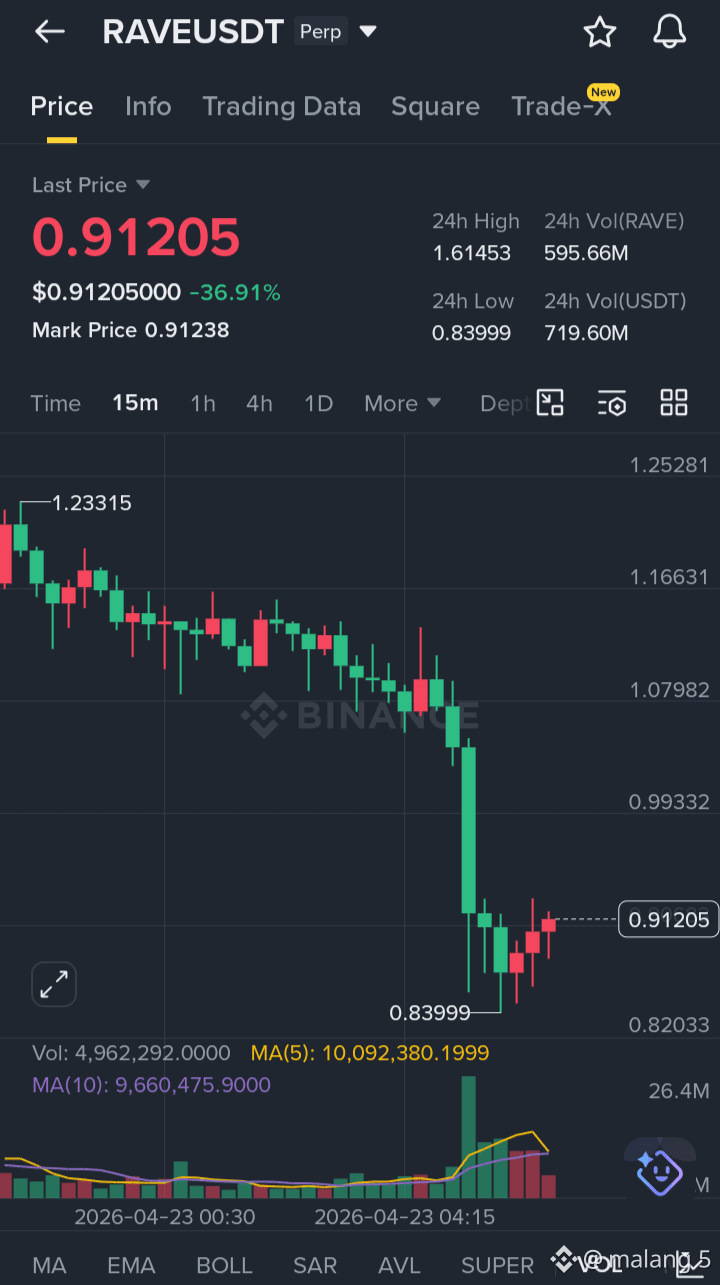
$RAVE USDT in freefall mode. Price crashed to 0.91205 with a brutal -36.91% move. Massive sell pressure pushed it down from 1.23 zone$BTC to 0.83 low. Volume spike confirms panic selling. Short-term bounce forming, but trend still weak unless 1.00 is reclaimed.
#Write2Earn #YapayzekaAI #Dogecoin #Megadrop #kriptohaber24
{future}(BTCUSDT)
{future}(RAVEUSDT)
$RAVE USDT in freefall mode. Price crashed to 0.91205 with a brutal -36.91% move. Massive sell pressure pushed it down from 1.23 zone$BTC to 0.83 low. Volume spike confirms panic selling. Short-term bounce forming, but trend still weak unless 1.00 is reclaimed.
#Write2Earn #YapayzekaAI #Dogecoin #Megadrop #kriptohaber24
#Write2Earn #YapayzekaAI #Dogecoin #Megadrop #kriptohaber24
283
·
--
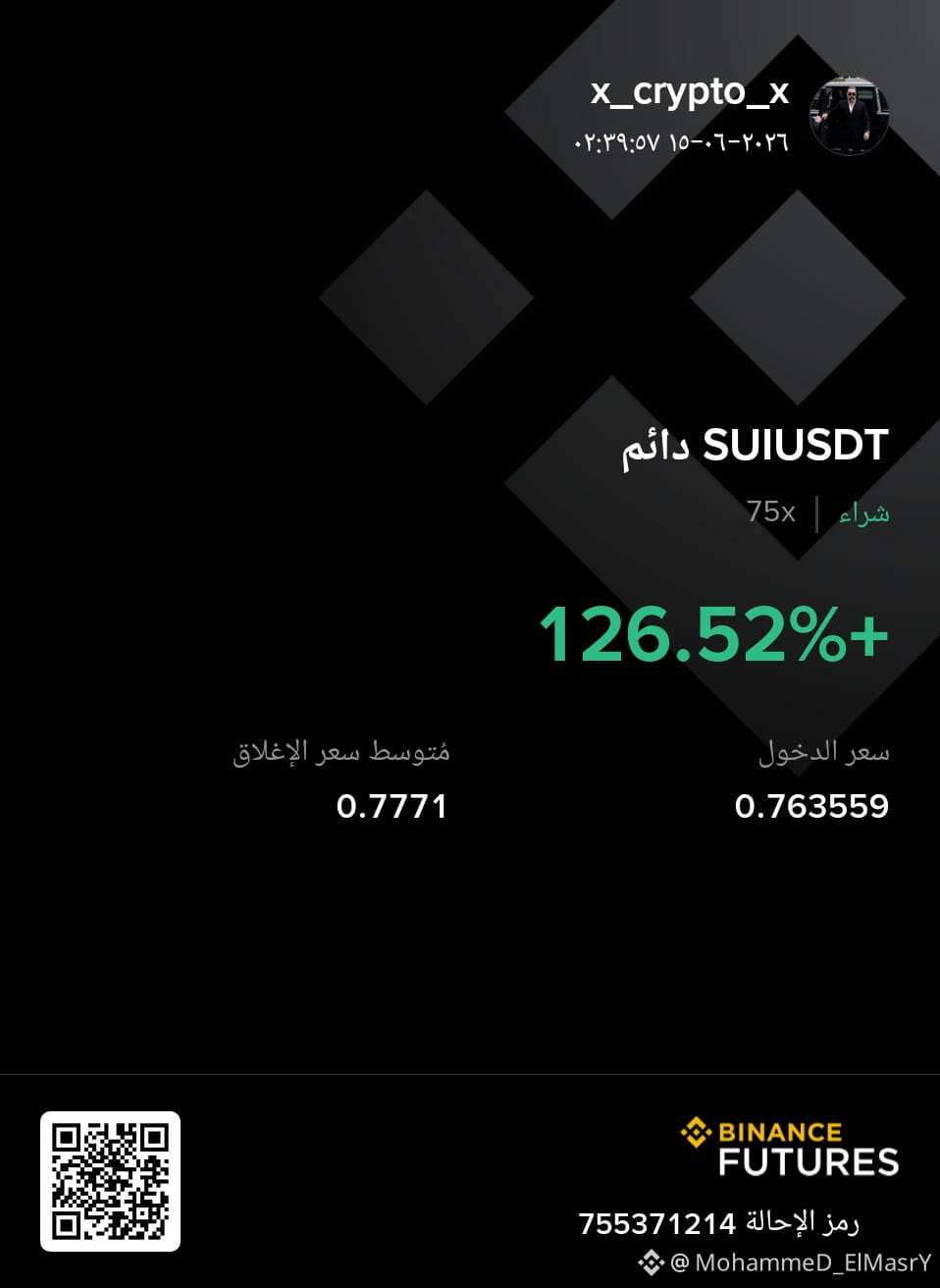
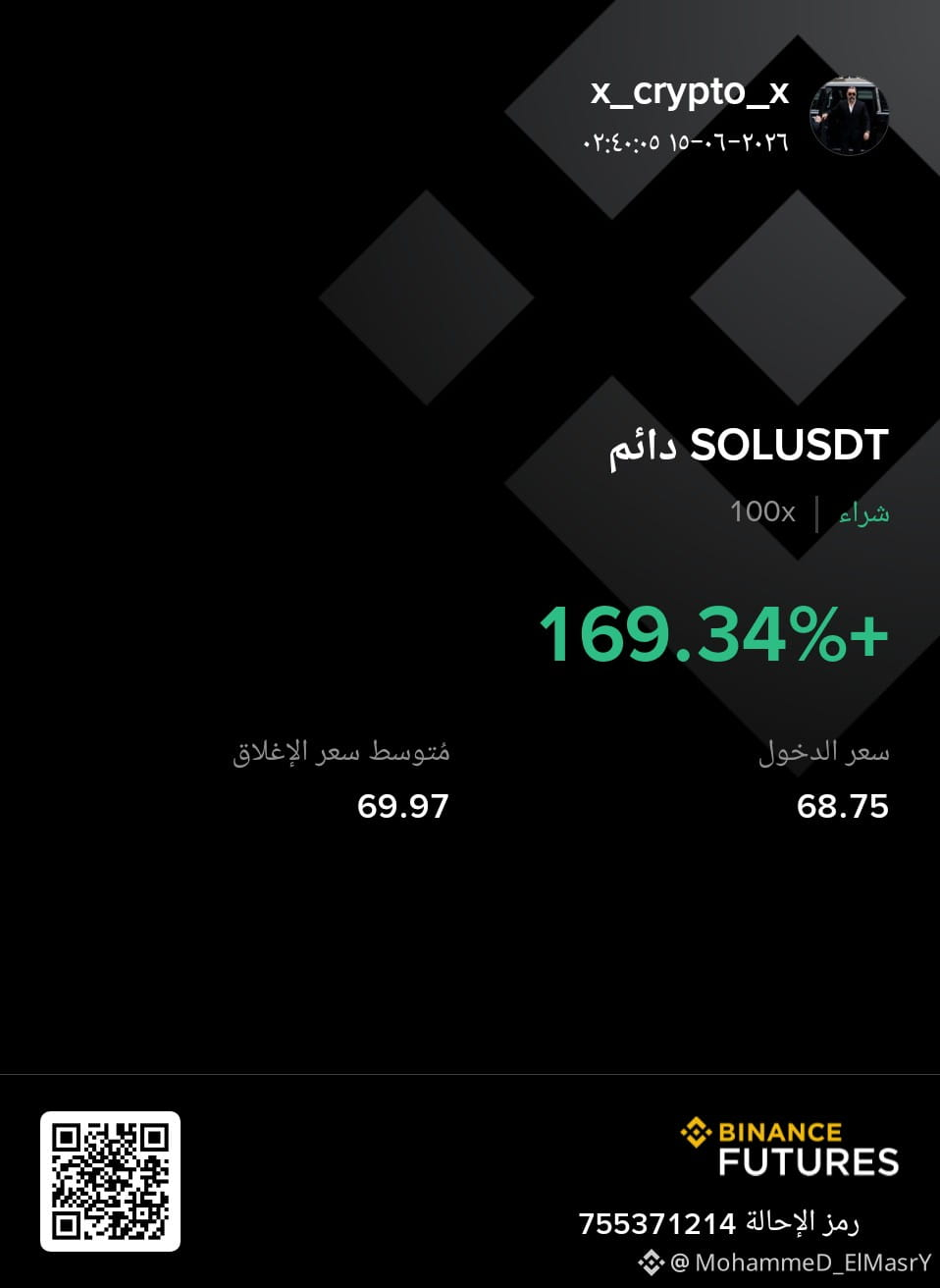
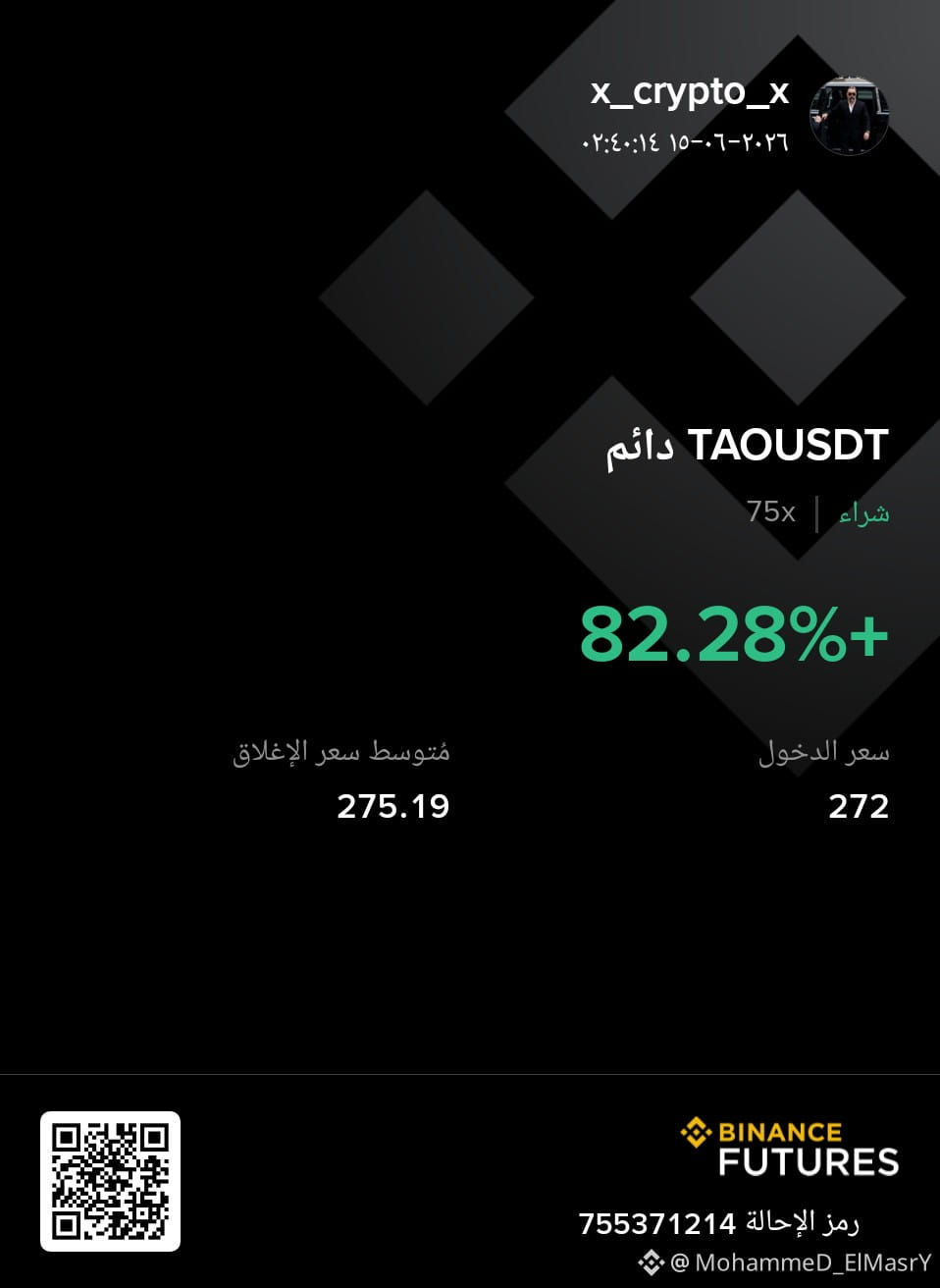
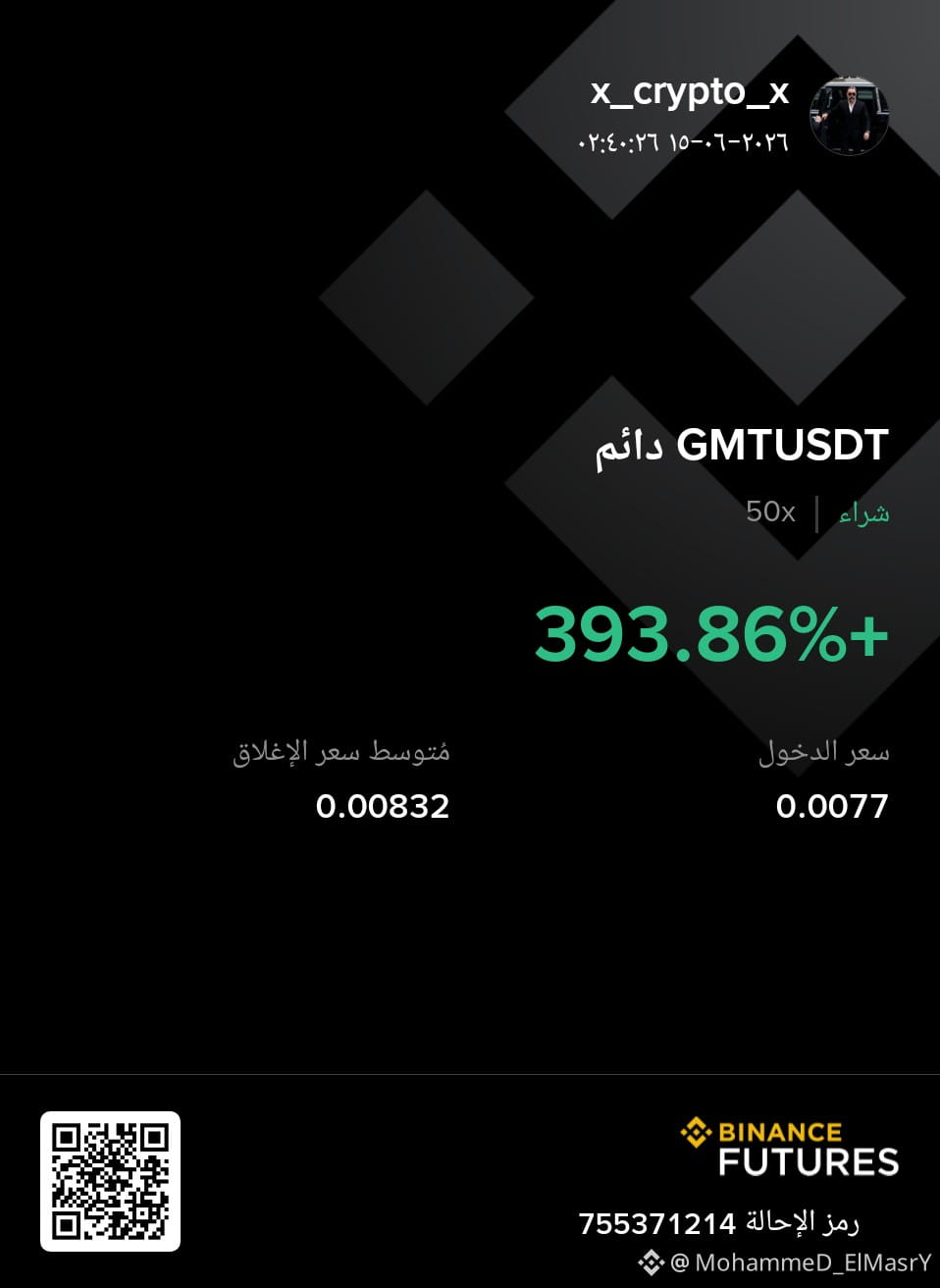
⚫⚪🔴 هكذا نقتنص الفرص ✌️💪✌️
#x_crypto_x1
#m_elmasry1
#HBARUSD
#Jasmyusdt⚠️⚠️
#kriptohaber24
$NVDAB $SPCXB 😎$MUB
⚫⚪🔴 هكذا نقتنص الفرص ✌️💪✌️
#x_crypto_x1
#m_elmasry1
#HBARUSD
#Jasmyusdt⚠️⚠️
#kriptohaber24
$NVDAB $SPCXB 😎$MUB
#x_crypto_x1
#m_elmasry1
#HBARUSD
#Jasmyusdt⚠️⚠️
#kriptohaber24
$NVDAB $SPCXB 😎$MUB
61
Knicks clinch first NBA title in 53 years, as Brunson shines against SpursThe New York Knicks, fuelled by a sensational 45 points from Jalen Brunson, rallied again to beat the San Antonio Spurs 94-90 and win their first NBA title in 53 years on Saturday.
The Knicks won the best-of-seven championship series 4-1, denying Victor Wembanyama and his young Spurs teammates on their home floor to lift the trophy for the first time since 1973.
The Knicks, who recovered from 29 points down in game four to produce the biggest comeback in Finals history, erased a double-digit deficit to win for the fourth time in the series.
The Knicks trailed by 16 in the second quarter and were down by 10 early in the fourth, but Brunson wouldn’t let them lose.
“I’ve got no words,” Brunson said after setting a Knicks record for points in a Finals game, surpassing Willis Reed’s 38 in game three of the team’s 1970 triumph over the Los Angeles Lakers.
With their backs against the wall, the Spurs were locked in defensively from the opening tip-off.
Wembanyama set the tone, blocking three shots in the first quarter as the Spurs powered to a 23-13 lead, holding the Knicks to their fewest points in any quarter this postseason.
Wembanyama tied a Finals record with five blocks in the first half and drilled a three-pointer that pushed the Spurs’ lead to 16 early in the second period
But the Knicks were heating up, cutting the deficit to three before Devin Vassell’s fadeaway basket at the buzzer sent the Spurs into the interval with a 42-37 lead
San Antonio quickly rebuilt a double-digit lead, but Brunson and the gritty Knicks wouldn’t let them get away
“We weren’t ready to win an NBA championship,” Spurs coach Mitch Johnson said. “The better team won.
We did a lot of good things, and we didn’t finish the job. That’s what it is
#Launchpool
#kriptohaber24
#jasmyustd
#NOTCOİN
#ZcashResumesOrchardTransactionsAfterAIAudit
Knicks clinch first NBA title in 53 years, as Brunson shines against Spurs
The New York Knicks, fuelled by a sensational 45 points from Jalen Brunson, rallied again to beat the San Antonio Spurs 94-90 and win their first NBA title in 53 years on Saturday.
The Knicks won the best-of-seven championship series 4-1, denying Victor Wembanyama and his young Spurs teammates on their home floor to lift the trophy for the first time since 1973.
The Knicks, who recovered from 29 points down in game four to produce the biggest comeback in Finals history, erased a double-digit deficit to win for the fourth time in the series.
The Knicks trailed by 16 in the second quarter and were down by 10 early in the fourth, but Brunson wouldn’t let them lose.
“I’ve got no words,” Brunson said after setting a Knicks record for points in a Finals game, surpassing Willis Reed’s 38 in game three of the team’s 1970 triumph over the Los Angeles Lakers.
With their backs against the wall, the Spurs were locked in defensively from the opening tip-off.
Wembanyama set the tone, blocking three shots in the first quarter as the Spurs powered to a 23-13 lead, holding the Knicks to their fewest points in any quarter this postseason.
Wembanyama tied a Finals record with five blocks in the first half and drilled a three-pointer that pushed the Spurs’ lead to 16 early in the second period
But the Knicks were heating up, cutting the deficit to three before Devin Vassell’s fadeaway basket at the buzzer sent the Spurs into the interval with a 42-37 lead
San Antonio quickly rebuilt a double-digit lead, but Brunson and the gritty Knicks wouldn’t let them get away
“We weren’t ready to win an NBA championship,” Spurs coach Mitch Johnson said. “The better team won.
We did a lot of good things, and we didn’t finish the job. That’s what it is
#Launchpool
#kriptohaber24
#jasmyustd
#NOTCOİN
#ZcashResumesOrchardTransactionsAfterAIAudit
The Knicks won the best-of-seven championship series 4-1, denying Victor Wembanyama and his young Spurs teammates on their home floor to lift the trophy for the first time since 1973.
The Knicks, who recovered from 29 points down in game four to produce the biggest comeback in Finals history, erased a double-digit deficit to win for the fourth time in the series.
The Knicks trailed by 16 in the second quarter and were down by 10 early in the fourth, but Brunson wouldn’t let them lose.
“I’ve got no words,” Brunson said after setting a Knicks record for points in a Finals game, surpassing Willis Reed’s 38 in game three of the team’s 1970 triumph over the Los Angeles Lakers.
With their backs against the wall, the Spurs were locked in defensively from the opening tip-off.
Wembanyama set the tone, blocking three shots in the first quarter as the Spurs powered to a 23-13 lead, holding the Knicks to their fewest points in any quarter this postseason.
Wembanyama tied a Finals record with five blocks in the first half and drilled a three-pointer that pushed the Spurs’ lead to 16 early in the second period
But the Knicks were heating up, cutting the deficit to three before Devin Vassell’s fadeaway basket at the buzzer sent the Spurs into the interval with a 42-37 lead
San Antonio quickly rebuilt a double-digit lead, but Brunson and the gritty Knicks wouldn’t let them get away
“We weren’t ready to win an NBA championship,” Spurs coach Mitch Johnson said. “The better team won.
We did a lot of good things, and we didn’t finish the job. That’s what it is
#Launchpool
#kriptohaber24
#jasmyustd
#NOTCOİN
#ZcashResumesOrchardTransactionsAfterAIAudit
39
Статья
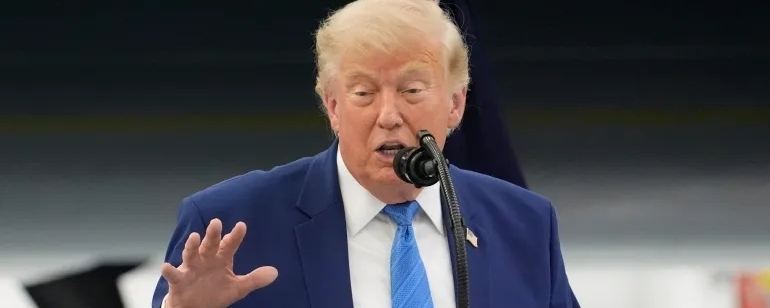
Trump vows Iran will not charge Strait of Hormuz tolls, but says US mightUnited States President Donald Trump has pledged there will be no tolls for passage through the Strait of Hormuz, unless they are collected by his own country.
Trump’s statement, made in a Saturday afternoon post on Truth Social, is the latest sign that a recently signed memorandum of understanding (MOU) may be unravelling.
There will be NO TOLLS in the Hormuz Strait for 60 days during the Cease Fire Period, and there will be NO TOLLS after the 60 day period has expired,” Trump wrote, “unless they are imposed by and for the United States of America.”
Since the US and Israel launched a war against Iran on February 28, Iran has successfully used the Strait of Hormuz as a pressure point, closing the strategic waterway to traffic.
But under the terms of Wednesday’s ceasefire memorandum, the strait is supposed to reopen for an interim period of 60 days. During that time, Iran is barred from charging vessels for passage.
Iranian officials have also said that any upcoming talks should focus on proper implementation of the initial memorandum, and that the 60-day negotiating period stipulated in Wednesday’s deal would begin after that was settled.
Pakistan, a top mediator between the US and Iran, has said that follow-up talks are set to begin in Switzerland on Sunday
Switzerland’s Federal Department of Foreign Affairs has confirmed that an Iranian delegation, led by parliamentary Speaker Mohammad Bagher Ghalibaf and Foreign Minister Abbas Araghchi, has already arrived for the negotiations.
On the US side, Trump’s son-in-law Jared Kushner, special envoy Steve Witkoff and Vice President JD Vance are expected to attend
#PolymarketFakeTradingVideoWSJReport
#StrategySTRCDropsBelow$83Intraday
#msUSDDepegsFallsTo$0.29
#kriptohaber24
#JohnCarl
Trump vows Iran will not charge Strait of Hormuz tolls, but says US might
United States President Donald Trump has pledged there will be no tolls for passage through the Strait of Hormuz, unless they are collected by his own country.
Trump’s statement, made in a Saturday afternoon post on Truth Social, is the latest sign that a recently signed memorandum of understanding (MOU) may be unravelling.
There will be NO TOLLS in the Hormuz Strait for 60 days during the Cease Fire Period, and there will be NO TOLLS after the 60 day period has expired,” Trump wrote, “unless they are imposed by and for the United States of America.”
Since the US and Israel launched a war against Iran on February 28, Iran has successfully used the Strait of Hormuz as a pressure point, closing the strategic waterway to traffic.
But under the terms of Wednesday’s ceasefire memorandum, the strait is supposed to reopen for an interim period of 60 days. During that time, Iran is barred from charging vessels for passage.
Iranian officials have also said that any upcoming talks should focus on proper implementation of the initial memorandum, and that the 60-day negotiating period stipulated in Wednesday’s deal would begin after that was settled.
Pakistan, a top mediator between the US and Iran, has said that follow-up talks are set to begin in Switzerland on Sunday
Switzerland’s Federal Department of Foreign Affairs has confirmed that an Iranian delegation, led by parliamentary Speaker Mohammad Bagher Ghalibaf and Foreign Minister Abbas Araghchi, has already arrived for the negotiations.
On the US side, Trump’s son-in-law Jared Kushner, special envoy Steve Witkoff and Vice President JD Vance are expected to attend
#PolymarketFakeTradingVideoWSJReport
#StrategySTRCDropsBelow$83Intraday
#msUSDDepegsFallsTo$0.29
#kriptohaber24
#JohnCarl
Trump’s statement, made in a Saturday afternoon post on Truth Social, is the latest sign that a recently signed memorandum of understanding (MOU) may be unravelling.
There will be NO TOLLS in the Hormuz Strait for 60 days during the Cease Fire Period, and there will be NO TOLLS after the 60 day period has expired,” Trump wrote, “unless they are imposed by and for the United States of America.”
Since the US and Israel launched a war against Iran on February 28, Iran has successfully used the Strait of Hormuz as a pressure point, closing the strategic waterway to traffic.
But under the terms of Wednesday’s ceasefire memorandum, the strait is supposed to reopen for an interim period of 60 days. During that time, Iran is barred from charging vessels for passage.
Iranian officials have also said that any upcoming talks should focus on proper implementation of the initial memorandum, and that the 60-day negotiating period stipulated in Wednesday’s deal would begin after that was settled.
Pakistan, a top mediator between the US and Iran, has said that follow-up talks are set to begin in Switzerland on Sunday
Switzerland’s Federal Department of Foreign Affairs has confirmed that an Iranian delegation, led by parliamentary Speaker Mohammad Bagher Ghalibaf and Foreign Minister Abbas Araghchi, has already arrived for the negotiations.
On the US side, Trump’s son-in-law Jared Kushner, special envoy Steve Witkoff and Vice President JD Vance are expected to attend
#PolymarketFakeTradingVideoWSJReport
#StrategySTRCDropsBelow$83Intraday
#msUSDDepegsFallsTo$0.29
#kriptohaber24
#JohnCarl
424
·
--
$XLM shorts just got liquidated. 🟢
Liquidity sweep complete and momentum shifting.
Long $XLM
Entry: $0.19556
SL: $0.19000
TP1: $0.20000
TP2: $0.20400
TP3: $0.20900
$1.95K in short liquidations hit at $0.19556. Buyers defended the zone.
$XLM is showing absorption at support with volume picking up.
Flip and hold this level = continuation to next resistance.
Manage risk. Let the trade work.
#XLMUSDT
#Shibarium
#kriptohaber24
#MemeWatch2024
#USDTfree
$XLM shorts just got liquidated. 🟢
Liquidity sweep complete and momentum shifting.
Long $XLM
Entry: $0.19556
SL: $0.19000
TP1: $0.20000
TP2: $0.20400
TP3: $0.20900
$1.95K in short liquidations hit at $0.19556. Buyers defended the zone.
$XLM is showing absorption at support with volume picking up.
Flip and hold this level = continuation to next resistance.
Manage risk. Let the trade work.
#XLMUSDT
#Shibarium
#kriptohaber24
#MemeWatch2024
#USDTfree
Liquidity sweep complete and momentum shifting.
Long $XLM
Entry: $0.19556
SL: $0.19000
TP1: $0.20000
TP2: $0.20400
TP3: $0.20900
$1.95K in short liquidations hit at $0.19556. Buyers defended the zone.
$XLM is showing absorption at support with volume picking up.
Flip and hold this level = continuation to next resistance.
Manage risk. Let the trade work.
#XLMUSDT
#Shibarium
#kriptohaber24
#MemeWatch2024
#USDTfree
64
Статья
The cryptocurrency market, known for its extreme volatility, has experienced numerous flash crashesFlash crashes pose significant risks and opportunities for traders. On the one hand, they can result in substantial losses for those caught off guard. On the other hand, savvy traders can capitalize on these events by buying assets at temporarily depressed prices. Understanding the causes, implications, and strategies to navigate flash crashes is essential for anyone involved in crypto trading.
Flash crashes are an inherent part of the crypto market’s volatility, posing both risks and opportunities for traders. Understanding their causes, historical examples, and impact can help traders prepare for these events.
By employing strategies such as diversification, careful use of leverage, and monitoring market conditions, traders can mitigate risks and potentially benefit from these sudden price movements. While flash crashes can be daunting, they also offer unique opportunities for those who approach them with knowledge and preparation.
A flash crash is a sudden and rapid decline in the price of a cryptocurrency, typically followed by a quick recovery.
Common causes include algorithmic trading errors, market manipulation, thin liquidity, and regulatory announcements.
No, corrections are more gradual and reflect broader market adjustments, while flash crashes are sudden and temporary.
#Write2Earn
#HotTrends
#Dogecoin
#kriptohaber24
#ETFvsBTC
$DN
The cryptocurrency market, known for its extreme volatility, has experienced numerous flash crashes
Flash crashes pose significant risks and opportunities for traders. On the one hand, they can result in substantial losses for those caught off guard. On the other hand, savvy traders can capitalize on these events by buying assets at temporarily depressed prices. Understanding the causes, implications, and strategies to navigate flash crashes is essential for anyone involved in crypto trading.
Flash crashes are an inherent part of the crypto market’s volatility, posing both risks and opportunities for traders. Understanding their causes, historical examples, and impact can help traders prepare for these events.
By employing strategies such as diversification, careful use of leverage, and monitoring market conditions, traders can mitigate risks and potentially benefit from these sudden price movements. While flash crashes can be daunting, they also offer unique opportunities for those who approach them with knowledge and preparation.
A flash crash is a sudden and rapid decline in the price of a cryptocurrency, typically followed by a quick recovery.
Common causes include algorithmic trading errors, market manipulation, thin liquidity, and regulatory announcements.
No, corrections are more gradual and reflect broader market adjustments, while flash crashes are sudden and temporary.
#Write2Earn
#HotTrends
#Dogecoin
#kriptohaber24
#ETFvsBTC
$DN
Flash crashes are an inherent part of the crypto market’s volatility, posing both risks and opportunities for traders. Understanding their causes, historical examples, and impact can help traders prepare for these events.
By employing strategies such as diversification, careful use of leverage, and monitoring market conditions, traders can mitigate risks and potentially benefit from these sudden price movements. While flash crashes can be daunting, they also offer unique opportunities for those who approach them with knowledge and preparation.
A flash crash is a sudden and rapid decline in the price of a cryptocurrency, typically followed by a quick recovery.
Common causes include algorithmic trading errors, market manipulation, thin liquidity, and regulatory announcements.
No, corrections are more gradual and reflect broader market adjustments, while flash crashes are sudden and temporary.
#Write2Earn
#HotTrends
#Dogecoin
#kriptohaber24
#ETFvsBTC
$DN
82
Войдите, чтобы посмотреть больше материала
Присоединяйтесь к пользователям криптовалют по всему миру на Binance Square
⚡️ Получайте новейшую и полезную информацию о криптоактивах.
💬 Нам доверяет крупнейшая в мире криптобиржа.
👍 Получите достоверные аналитические данные от верифицированных создателей контента.
Эл. почта/номер телефона
В тренде
1
#BinancekzWin
Просмотров: 32,374
93 обсуждают
2
#BinancePick
Просмотров: 2.6M
138,898 обсуждают
3
#EarningsSeason
Просмотров: 5M
24,021 обсуждают
4
#ElectrumWalletBugLetRogueServersStealFunds
Просмотров: 3,254
168 обсуждают
5
#ArgentineCourtDismissesLIBRACaseAgainstMilei
Просмотров: 11,557
241 обсуждают
6
#SKHynixReportedlyPlansSpecialDividendFromKioxiaStakeSale
Просмотров: 2,377
41 обсуждают
7
#KeystoneWebsiteBreachExposesBuyersShippingAddresses
Просмотров: 1,365
31 обсуждают
8
#USQ3GDPAndSeptemberPCEDueNextWeek
Просмотров: 85,709
1,051 обсуждают
9
#SouthKoreaDelaysCryptoIncomeTax
Просмотров: 157,556
1,097 обсуждают
10
#ElectrumFixesHighRiskExploitInVersionsBefore4.8.3
Просмотров: 68,762
787 обсуждают