

#cryptoregulationbattle
cryptoregulationbattle
Просмотров: 220,912
682 обсуждают
Популярные
Новые

·
--
🌍 جنوب أفريقيا تقترح أطرًا تنظيمية جديدة للأصول الرقمية!
ضمن جهود تنظيم سوق العملات الرقمية وحماية المستثمرين، قدمت جنوب أفريقيا مقترحات تشريعية جديدة لتأطير قطاع الكريبتو. التنظيم الوضح في القارة الأفريقية يعكس زيادة التبني المالي ويسهم في جذب الاستثمارات المؤسسية.
# #CryptoRegulationBattle #Adoption #CryptoNews
🌍 جنوب أفريقيا تقترح أطرًا تنظيمية جديدة للأصول الرقمية!
ضمن جهود تنظيم سوق العملات الرقمية وحماية المستثمرين، قدمت جنوب أفريقيا مقترحات تشريعية جديدة لتأطير قطاع الكريبتو. التنظيم الوضح في القارة الأفريقية يعكس زيادة التبني المالي ويسهم في جذب الاستثمارات المؤسسية.
# #CryptoRegulationBattle #Adoption #CryptoNews
ضمن جهود تنظيم سوق العملات الرقمية وحماية المستثمرين، قدمت جنوب أفريقيا مقترحات تشريعية جديدة لتأطير قطاع الكريبتو. التنظيم الوضح في القارة الأفريقية يعكس زيادة التبني المالي ويسهم في جذب الاستثمارات المؤسسية.
# #CryptoRegulationBattle #Adoption #CryptoNews
80

·
--

Статья
قانون فيتنام 2026: شروط "تعجيزية" وحظر قد يغيران سوق الكريبتو! ⚠️🇻🇳🇻🇳قانون فيتنام الجديد 2026: شروط ترخيص "تعجيزية" ستهز سوق الكريبتو!
بدأت ملامح الإطار التنظيمي للعملات المشفرة في فيتنام لعام 2026 تتضح رسمياً، حيث دخلت وزارة المالية المراحل النهائية لمراجعة طلبات الترخيص.
هذا التحول ينهي "العصر الرمادي" لرابع أكبر سوق لتبني الكريبتو في العالم، لكن الشروط المسربة صدمت الجميع!
📊 التحليل: شروط "تعجيزية" وحظر للعملات المستقرة!
وفقاً للتقارير الواردة حول مسودة التنظيم الجديدة، وضعت الحكومة الفيتنامية قيوداً صارمة جداً قد تغير خارطة التداول الآسيوي:
رأس مال ضخم: تشترط المسودة رأسمال مدفوعاً يبلغ 10 تريليون دونغ فيتنامي (حوالي 380 مليون دولار أمريكي) للمنصات الراغبة في الحصول على ترخيص كامل، وهو رقم يعادل أضعاف الشروط المفروضة في أسواق كبرى مثل هونغ كونغ.
حظر الـ Stablecoins محلياً: بموجب الإطار الحالي، يجب أن تسوى جميع التداولات بالعملة المحلية (الدونغ)، مع اتجاه قوي لحظر استخدام العملات المستقرة مثل USDT في المعاملات المحلية لتجنب هروب رؤوس الأموال.
غرامات صارمة: المنصات التي لن توفق أوضاعها قبل الربع الأخير من عام 2026 ستواجه حظراً كاملاً وغرامات مالية قاسية.
💡 النصيحة للمتداولين والمستثمريندخول التنظيمات الرسمية حيز التنفيذ في سوق ضخم كفيتنام هو سلاح ذو حدين.
على المدى الطويل، يمنح هذا الإطار شرعية قانونية تجذب المؤسسات المالية الضخمة لضخ السيولة في الأصول القيادية مثل $BTC و \(ETH، كما يعزز من مكانة العملات الممتثلة للأنظمة ومشاريع البنية التحتية مثل \)BNB.
ومع ذلك، ننصح المتداولين في المنطقة الآسيوية بمراقبة حركة العملات المستقرة والتحول التدريجي نحو المنصات المتوافقة قانونياً لتجنب أي تجميد مفاجئ للسيولة.
💬 سؤال للنقاش:هل تعتقد أن الشروط الصارمة وحظر العملات المستقرة في فيتنام سيحمي المستثمرين، أم أنه سيخنق نمو الكريبتو في المنطقة؟ شاركنا برأيك في التعليقات! 👇
$BNB $ETH
#VietnamRWASummit2026 #CryptoRegulationBattle #CryptoNews
قانون فيتنام 2026: شروط "تعجيزية" وحظر قد يغيران سوق الكريبتو! ⚠️🇻🇳
🇻🇳قانون فيتنام الجديد 2026: شروط ترخيص "تعجيزية" ستهز سوق الكريبتو!
بدأت ملامح الإطار التنظيمي للعملات المشفرة في فيتنام لعام 2026 تتضح رسمياً، حيث دخلت وزارة المالية المراحل النهائية لمراجعة طلبات الترخيص.
هذا التحول ينهي "العصر الرمادي" لرابع أكبر سوق لتبني الكريبتو في العالم، لكن الشروط المسربة صدمت الجميع!
📊 التحليل: شروط "تعجيزية" وحظر للعملات المستقرة!
وفقاً للتقارير الواردة حول مسودة التنظيم الجديدة، وضعت الحكومة الفيتنامية قيوداً صارمة جداً قد تغير خارطة التداول الآسيوي:
رأس مال ضخم: تشترط المسودة رأسمال مدفوعاً يبلغ 10 تريليون دونغ فيتنامي (حوالي 380 مليون دولار أمريكي) للمنصات الراغبة في الحصول على ترخيص كامل، وهو رقم يعادل أضعاف الشروط المفروضة في أسواق كبرى مثل هونغ كونغ.
حظر الـ Stablecoins محلياً: بموجب الإطار الحالي، يجب أن تسوى جميع التداولات بالعملة المحلية (الدونغ)، مع اتجاه قوي لحظر استخدام العملات المستقرة مثل USDT في المعاملات المحلية لتجنب هروب رؤوس الأموال.
غرامات صارمة: المنصات التي لن توفق أوضاعها قبل الربع الأخير من عام 2026 ستواجه حظراً كاملاً وغرامات مالية قاسية.
💡 النصيحة للمتداولين والمستثمريندخول التنظيمات الرسمية حيز التنفيذ في سوق ضخم كفيتنام هو سلاح ذو حدين.
على المدى الطويل، يمنح هذا الإطار شرعية قانونية تجذب المؤسسات المالية الضخمة لضخ السيولة في الأصول القيادية مثل $BTC و \(ETH، كما يعزز من مكانة العملات الممتثلة للأنظمة ومشاريع البنية التحتية مثل \)BNB.
ومع ذلك، ننصح المتداولين في المنطقة الآسيوية بمراقبة حركة العملات المستقرة والتحول التدريجي نحو المنصات المتوافقة قانونياً لتجنب أي تجميد مفاجئ للسيولة.
💬 سؤال للنقاش:هل تعتقد أن الشروط الصارمة وحظر العملات المستقرة في فيتنام سيحمي المستثمرين، أم أنه سيخنق نمو الكريبتو في المنطقة؟ شاركنا برأيك في التعليقات! 👇
$BNB $ETH
#VietnamRWASummit2026 #CryptoRegulationBattle #CryptoNews
بدأت ملامح الإطار التنظيمي للعملات المشفرة في فيتنام لعام 2026 تتضح رسمياً، حيث دخلت وزارة المالية المراحل النهائية لمراجعة طلبات الترخيص.
هذا التحول ينهي "العصر الرمادي" لرابع أكبر سوق لتبني الكريبتو في العالم، لكن الشروط المسربة صدمت الجميع!
📊 التحليل: شروط "تعجيزية" وحظر للعملات المستقرة!
وفقاً للتقارير الواردة حول مسودة التنظيم الجديدة، وضعت الحكومة الفيتنامية قيوداً صارمة جداً قد تغير خارطة التداول الآسيوي:
رأس مال ضخم: تشترط المسودة رأسمال مدفوعاً يبلغ 10 تريليون دونغ فيتنامي (حوالي 380 مليون دولار أمريكي) للمنصات الراغبة في الحصول على ترخيص كامل، وهو رقم يعادل أضعاف الشروط المفروضة في أسواق كبرى مثل هونغ كونغ.
حظر الـ Stablecoins محلياً: بموجب الإطار الحالي، يجب أن تسوى جميع التداولات بالعملة المحلية (الدونغ)، مع اتجاه قوي لحظر استخدام العملات المستقرة مثل USDT في المعاملات المحلية لتجنب هروب رؤوس الأموال.
غرامات صارمة: المنصات التي لن توفق أوضاعها قبل الربع الأخير من عام 2026 ستواجه حظراً كاملاً وغرامات مالية قاسية.
💡 النصيحة للمتداولين والمستثمريندخول التنظيمات الرسمية حيز التنفيذ في سوق ضخم كفيتنام هو سلاح ذو حدين.
على المدى الطويل، يمنح هذا الإطار شرعية قانونية تجذب المؤسسات المالية الضخمة لضخ السيولة في الأصول القيادية مثل $BTC و \(ETH، كما يعزز من مكانة العملات الممتثلة للأنظمة ومشاريع البنية التحتية مثل \)BNB.
ومع ذلك، ننصح المتداولين في المنطقة الآسيوية بمراقبة حركة العملات المستقرة والتحول التدريجي نحو المنصات المتوافقة قانونياً لتجنب أي تجميد مفاجئ للسيولة.
💬 سؤال للنقاش:هل تعتقد أن الشروط الصارمة وحظر العملات المستقرة في فيتنام سيحمي المستثمرين، أم أنه سيخنق نمو الكريبتو في المنطقة؟ شاركنا برأيك في التعليقات! 👇
$BNB $ETH
#VietnamRWASummit2026 #CryptoRegulationBattle #CryptoNews
2
62

·
--
$XRP — The Catalyst Question
XRP has repeatedly become a major discussion topic whenever U.S. crypto regulation moves into focus.
The key distinction:
Headline ≠ confirmed outcome.
Always separate proposals, political statements and actual enacted rules.
$XRP #CryptoRegulationBattle #XRP
{spot}(XRPUSDT)
$XRP — The Catalyst Question
XRP has repeatedly become a major discussion topic whenever U.S. crypto regulation moves into focus.
The key distinction:
Headline ≠ confirmed outcome.
Always separate proposals, political statements and actual enacted rules.
$XRP #CryptoRegulationBattle #XRP
XRP has repeatedly become a major discussion topic whenever U.S. crypto regulation moves into focus.
The key distinction:
Headline ≠ confirmed outcome.
Always separate proposals, political statements and actual enacted rules.
$XRP #CryptoRegulationBattle #XRP
21
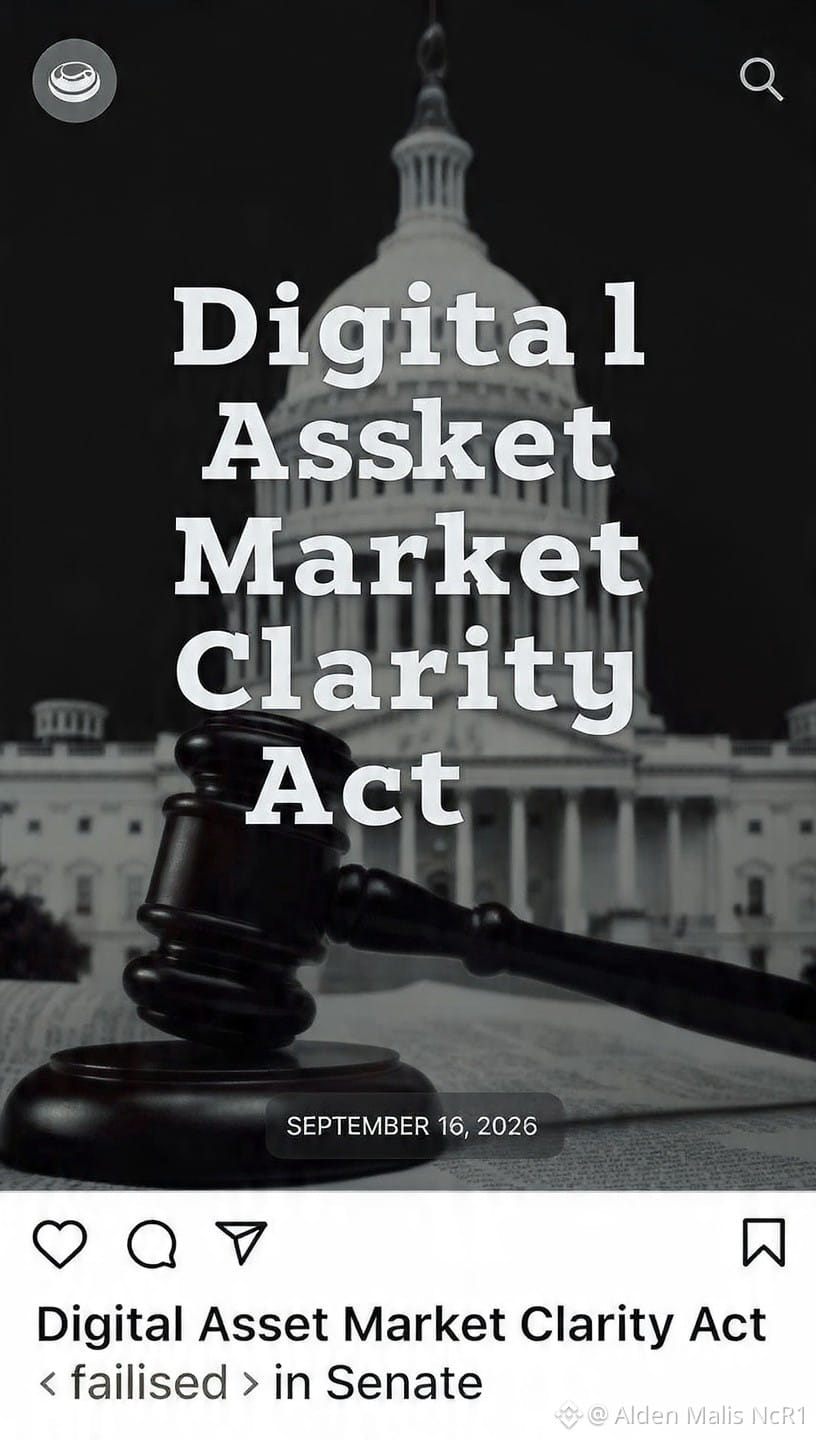
$BTC Bari khabar!
US Senate ne "Digital Asset Market Clarity Act" ko advance nahi kiya
40+ Senators ne bill ke khilaf vote kiya
Is se 2026 me market structure law khatam.
Crypto companies ke liye bara dhakka
Michael Saylor: "Bitcoin ko clarity chahiye hi nahi"
#ClarityAct #CryptoRegulationBattle
$BTC Bari khabar!
US Senate ne "Digital Asset Market Clarity Act" ko advance nahi kiya
40+ Senators ne bill ke khilaf vote kiya
Is se 2026 me market structure law khatam.
Crypto companies ke liye bara dhakka
Michael Saylor: "Bitcoin ko clarity chahiye hi nahi"
#ClarityAct #CryptoRegulationBattle
US Senate ne "Digital Asset Market Clarity Act" ko advance nahi kiya
40+ Senators ne bill ke khilaf vote kiya
Is se 2026 me market structure law khatam.
Crypto companies ke liye bara dhakka
Michael Saylor: "Bitcoin ko clarity chahiye hi nahi"
#ClarityAct #CryptoRegulationBattle
49

·
--
Биткоин замер на отметке $77 406 в ожидании принятия Сенатом США закона Clarity Act, который может установить жесткий государственный контроль над рынком. На фоне приближающегося заседания ФРС и неизбежной регуляторной зачистки альткоины уже демонстрируют падение, предвещая возможное завершение эпохи анонимности и свободы криптовалют
#bitcoin #CryptoRegulationBattle #CLARITYAct #CryptoNews #FedRate
Биткоин замер на отметке $77 406 в ожидании принятия Сенатом США закона Clarity Act, который может установить жесткий государственный контроль над рынком. На фоне приближающегося заседания ФРС и неизбежной регуляторной зачистки альткоины уже демонстрируют падение, предвещая возможное завершение эпохи анонимности и свободы криптовалют
#bitcoin #CryptoRegulationBattle #CLARITYAct #CryptoNews #FedRate
#bitcoin #CryptoRegulationBattle #CLARITYAct #CryptoNews #FedRate
1
372

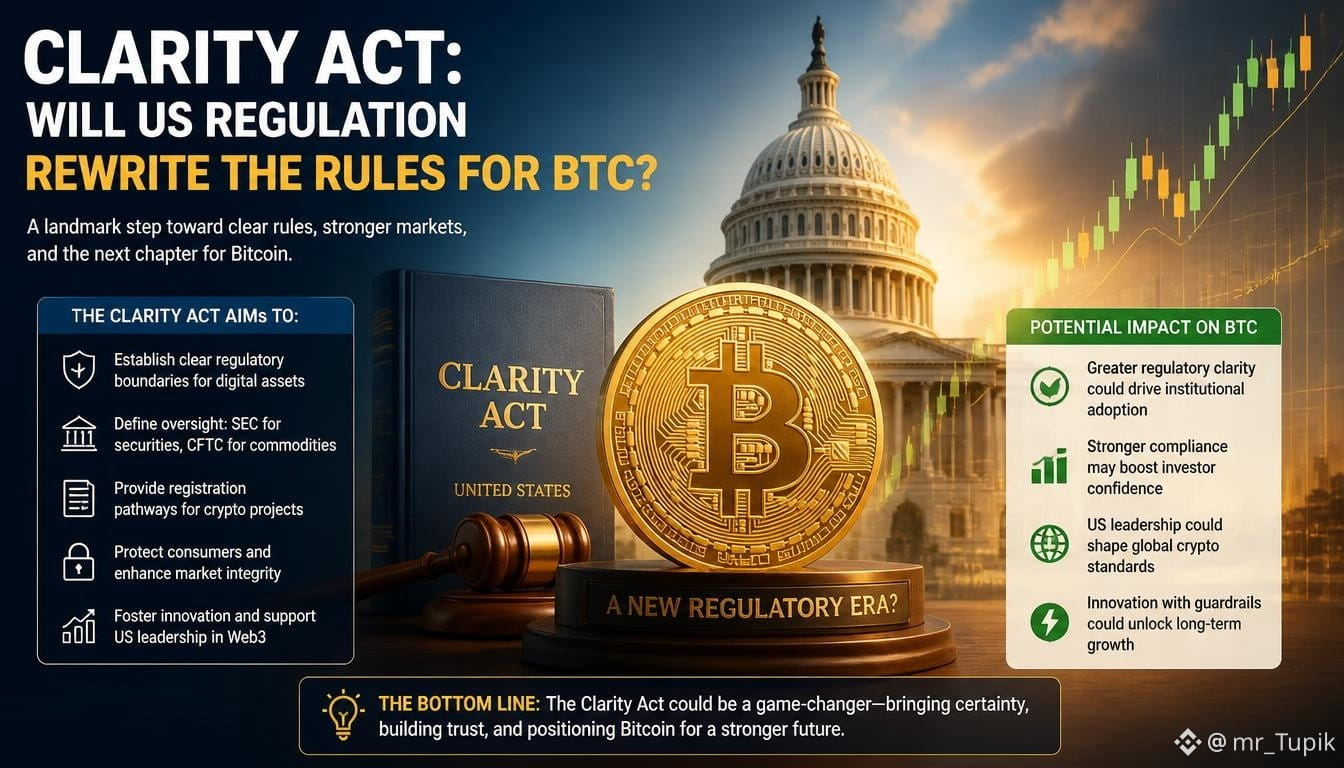
Senate Republicans just released the "final" text of the Digital Asset Market CLARITY Act (H.R. 3633) 📜 ahead of Tuesday's cloture vote on September 15.
The new draft folds in 126 substantive changes requested by Democrats after more than a year of negotiations. The biggest addition: tougher ethics rules 🛡️ (based on the Tillis-Gallego proposal), banning federal officials, judges, and their spouses from holding a "significant financial interest" ($15,000+) in crypto-token businesses, with mandatory divestment or a blind trust.
President Trump voluntarily agreed to these restrictions 🤝, according to Cynthia Lummis.
Now it comes down to the vote count 🗳️: Republicans hold 53 seats and need 60 to invoke cloture, meaning at least 7 Democrats or independents must cross over. A failed vote could effectively shelve the bill until 2029 ⏳
#ClarityAc #CryptoRegulationBattle #HR3633 #crypto
Senate Republicans just released the "final" text of the Digital Asset Market CLARITY Act (H.R. 3633) 📜 ahead of Tuesday's cloture vote on September 15.
The new draft folds in 126 substantive changes requested by Democrats after more than a year of negotiations. The biggest addition: tougher ethics rules 🛡️ (based on the Tillis-Gallego proposal), banning federal officials, judges, and their spouses from holding a "significant financial interest" ($15,000+) in crypto-token businesses, with mandatory divestment or a blind trust.
President Trump voluntarily agreed to these restrictions 🤝, according to Cynthia Lummis.
Now it comes down to the vote count 🗳️: Republicans hold 53 seats and need 60 to invoke cloture, meaning at least 7 Democrats or independents must cross over. A failed vote could effectively shelve the bill until 2029 ⏳
#ClarityAc #CryptoRegulationBattle #HR3633 #crypto
The new draft folds in 126 substantive changes requested by Democrats after more than a year of negotiations. The biggest addition: tougher ethics rules 🛡️ (based on the Tillis-Gallego proposal), banning federal officials, judges, and their spouses from holding a "significant financial interest" ($15,000+) in crypto-token businesses, with mandatory divestment or a blind trust.
President Trump voluntarily agreed to these restrictions 🤝, according to Cynthia Lummis.
Now it comes down to the vote count 🗳️: Republicans hold 53 seats and need 60 to invoke cloture, meaning at least 7 Democrats or independents must cross over. A failed vote could effectively shelve the bill until 2029 ⏳
#ClarityAc #CryptoRegulationBattle #HR3633 #crypto
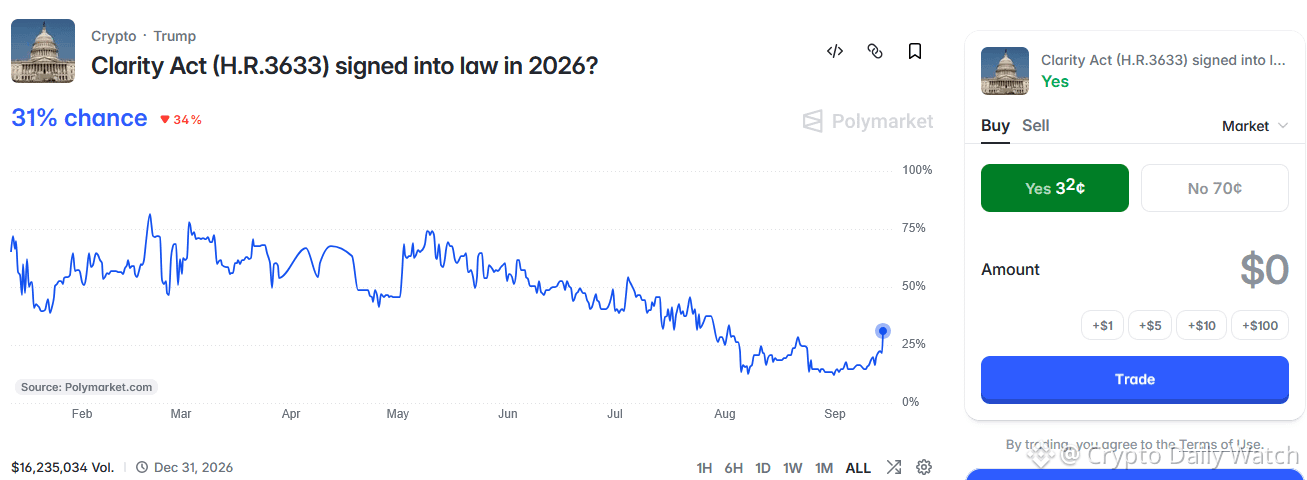
99

·
--
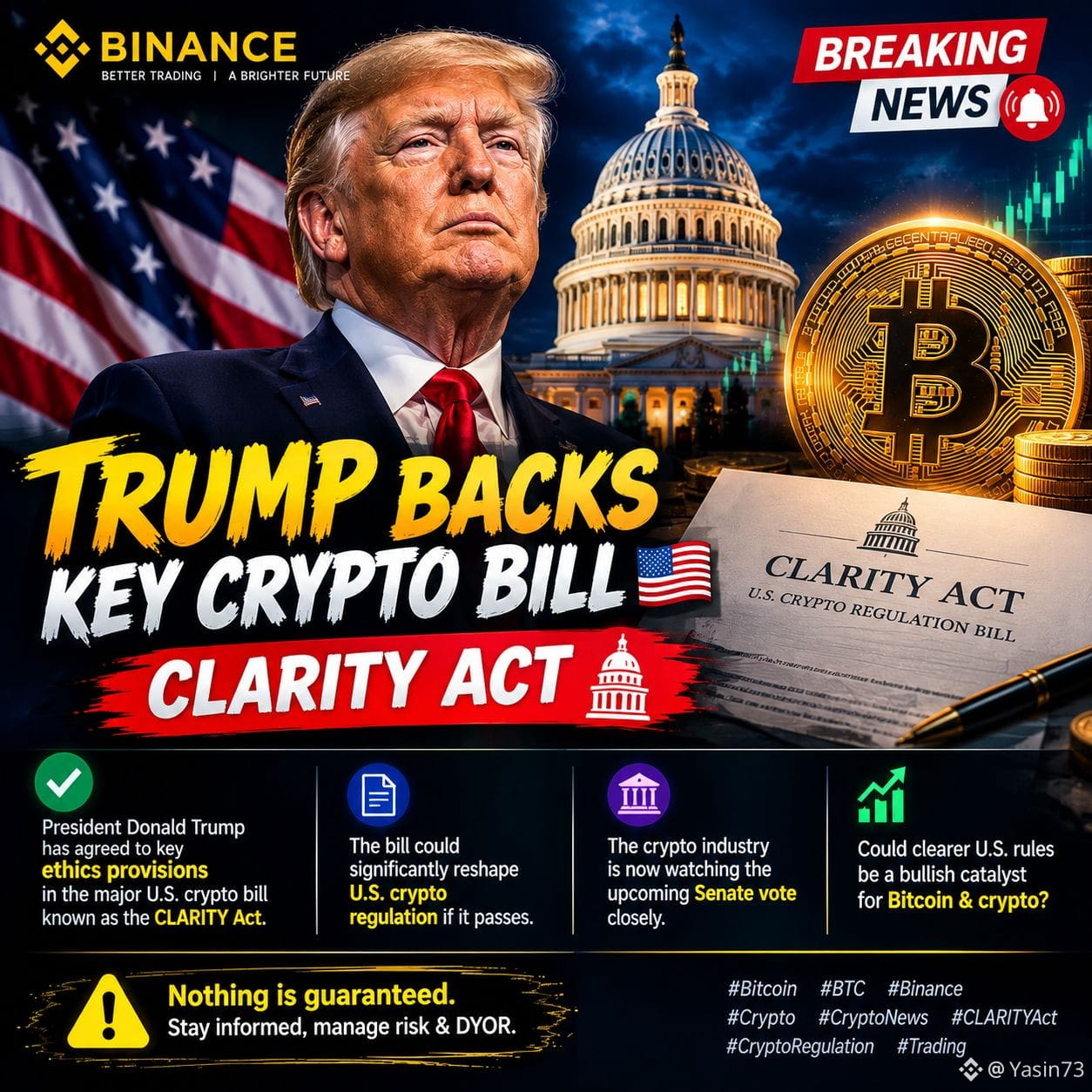
🚨 BREAKING CRYPTO NEWS 🇺🇸
🔥 Trump Makes Major Move on Crypto Bill!
🇺🇸 President Donald Trump has agreed to key ethics provisions in the major U.S. crypto bill known as the CLARITY Act.
📜 The bill could significantly reshape U.S. crypto regulation if it passes.
💰 The crypto industry is now watching the upcoming Senate vote closely.
📈 Could clearer U.S. rules become a bullish catalyst for Bitcoin & crypto?
⚠️ Nothing is guaranteed. Stay informed, manage risk & DYOR.
#Bitcoin #BTC #Binance e #crypto #CryptoNewss ews #CLARITYAct #CryptoRegulationBattle ulation #trading
🚨 BREAKING CRYPTO NEWS 🇺🇸
🔥 Trump Makes Major Move on Crypto Bill!
🇺🇸 President Donald Trump has agreed to key ethics provisions in the major U.S. crypto bill known as the CLARITY Act.
📜 The bill could significantly reshape U.S. crypto regulation if it passes.
💰 The crypto industry is now watching the upcoming Senate vote closely.
📈 Could clearer U.S. rules become a bullish catalyst for Bitcoin & crypto?
⚠️ Nothing is guaranteed. Stay informed, manage risk & DYOR.
#Bitcoin #BTC #Binance e #crypto #CryptoNewss ews #CLARITYAct #CryptoRegulationBattle ulation #trading
🔥 Trump Makes Major Move on Crypto Bill!
🇺🇸 President Donald Trump has agreed to key ethics provisions in the major U.S. crypto bill known as the CLARITY Act.
📜 The bill could significantly reshape U.S. crypto regulation if it passes.
💰 The crypto industry is now watching the upcoming Senate vote closely.
📈 Could clearer U.S. rules become a bullish catalyst for Bitcoin & crypto?
⚠️ Nothing is guaranteed. Stay informed, manage risk & DYOR.
#Bitcoin #BTC #Binance e #crypto #CryptoNewss ews #CLARITYAct #CryptoRegulationBattle ulation #trading
66

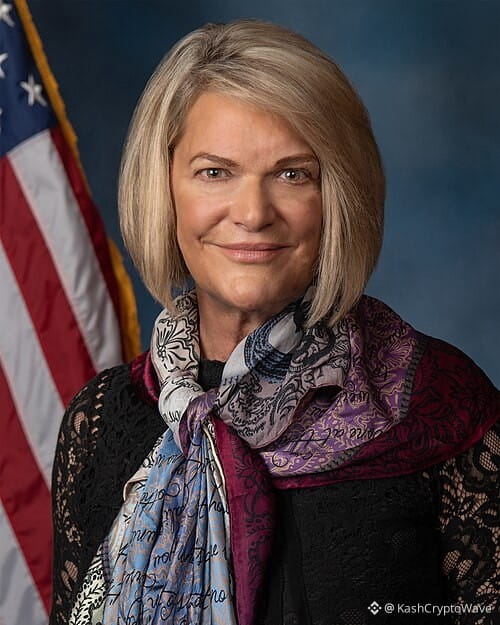
Senator Cynthia Lummis just confirmed the final CLARITY Act text drops over the July 4 weekend, with a Senate vote scheduled for July .
Key Details:
· Text Release: Tomorrow, July 4
· Senate Vote: July 2026
· **The $30T Number:** Senate Banking Chair Tim Scott predicts crypto market cap could hit $30 trillion with regulatory clarity
Reality Check:
· Bill needs 60 votes in the Senate
· Polymarket odds: 39-42% chance of passing this year
· Key Hurdles: DeFi provisions, ethics language, law enforcement concerns on Section 604
If passed: Regulatory clarity could unlock institutional capital. If delayed: August recess pushes timeline to fall 2026 .
👇 Will the CLARITY Act finally pass, or get delayed again?
$BTC $ETH $XRP
#CLARITYAct #CryptoRegulationBattle #Lummis #breakingnews
Senator Cynthia Lummis just confirmed the final CLARITY Act text drops over the July 4 weekend, with a Senate vote scheduled for July .
Key Details:
· Text Release: Tomorrow, July 4
· Senate Vote: July 2026
· **The $30T Number:** Senate Banking Chair Tim Scott predicts crypto market cap could hit $30 trillion with regulatory clarity
Reality Check:
· Bill needs 60 votes in the Senate
· Polymarket odds: 39-42% chance of passing this year
· Key Hurdles: DeFi provisions, ethics language, law enforcement concerns on Section 604
If passed: Regulatory clarity could unlock institutional capital. If delayed: August recess pushes timeline to fall 2026 .
👇 Will the CLARITY Act finally pass, or get delayed again?
$BTC $ETH $XRP
#CLARITYAct #CryptoRegulationBattle #Lummis #breakingnews
Key Details:
· Text Release: Tomorrow, July 4
· Senate Vote: July 2026
· **The $30T Number:** Senate Banking Chair Tim Scott predicts crypto market cap could hit $30 trillion with regulatory clarity
Reality Check:
· Bill needs 60 votes in the Senate
· Polymarket odds: 39-42% chance of passing this year
· Key Hurdles: DeFi provisions, ethics language, law enforcement concerns on Section 604
If passed: Regulatory clarity could unlock institutional capital. If delayed: August recess pushes timeline to fall 2026 .
👇 Will the CLARITY Act finally pass, or get delayed again?
$BTC $ETH $XRP
#CLARITYAct #CryptoRegulationBattle #Lummis #breakingnews
93

·
--
Проверено
🇷🇺 Russia Moves Forward with Crypto Tax Legislation
Russia's State Duma is reportedly advancing a cryptocurrency tax bill, marking another step toward integrating digital assets into the country's regulatory framework.
As governments around the world seek to balance innovation with oversight, clear tax regulations can provide greater certainty for investors, businesses, and institutions operating in the crypto sector.
While taxation may not always be welcomed by market participants, regulatory clarity often serves as a foundation for broader adoption and long-term market growth.
Could clearer crypto tax rules encourage more institutional participation in digital assets?
#russiadumaadvancescryptotaxbill #CryptoRegulationBattle #bitcoin #CryptoNews
🇷🇺 Russia Moves Forward with Crypto Tax Legislation
Russia's State Duma is reportedly advancing a cryptocurrency tax bill, marking another step toward integrating digital assets into the country's regulatory framework.
As governments around the world seek to balance innovation with oversight, clear tax regulations can provide greater certainty for investors, businesses, and institutions operating in the crypto sector.
While taxation may not always be welcomed by market participants, regulatory clarity often serves as a foundation for broader adoption and long-term market growth.
Could clearer crypto tax rules encourage more institutional participation in digital assets?
#russiadumaadvancescryptotaxbill #CryptoRegulationBattle #bitcoin #CryptoNews
Russia's State Duma is reportedly advancing a cryptocurrency tax bill, marking another step toward integrating digital assets into the country's regulatory framework.
As governments around the world seek to balance innovation with oversight, clear tax regulations can provide greater certainty for investors, businesses, and institutions operating in the crypto sector.
While taxation may not always be welcomed by market participants, regulatory clarity often serves as a foundation for broader adoption and long-term market growth.
Could clearer crypto tax rules encourage more institutional participation in digital assets?
#russiadumaadvancescryptotaxbill #CryptoRegulationBattle #bitcoin #CryptoNews
1
1
1.1k
·
--
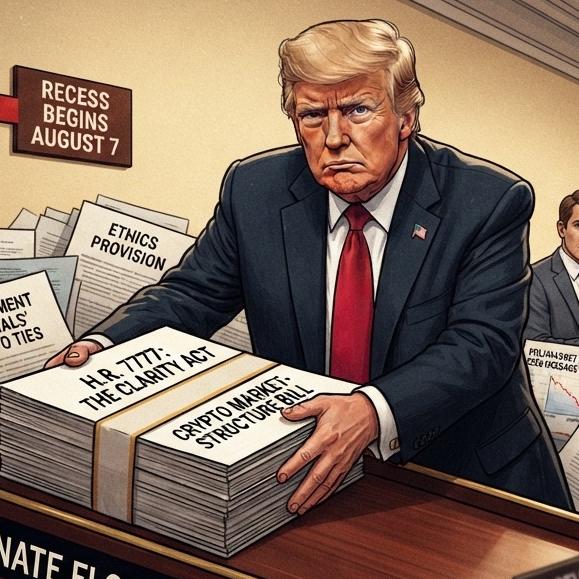
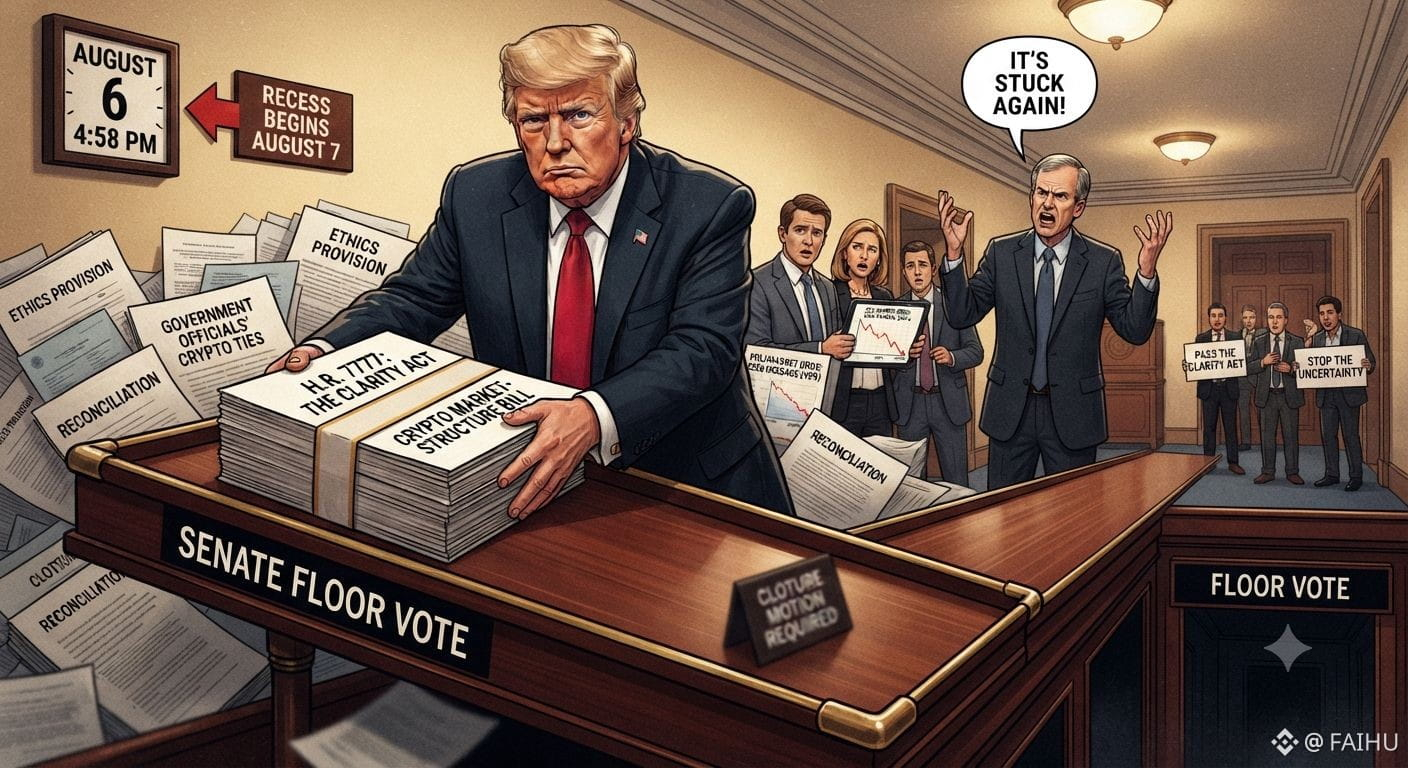
🏛️ The CLARITY Act: So Close, Still Stuck
The most advanced crypto market-structure bill in US history is sitting one floor vote away from becoming law — and running out of runway.
📅 Where it stands: House passed it back in July 2025 (294–134, 70+ Democrats crossing over). Senate Banking advanced it 15–9 in May 2026. It’s been sitting on the Senate calendar since June 1, eligible for a vote at any time. It missed its July 4 target. No cloture motion has been filed. Majority Leader Thune hasn’t given it floor time. The Senate breaks for recess August 7 — after that, the window for 2026 passage closes.
⚖️ What’s actually holding it up: an ethics provision on government officials’ crypto ties. Democrats want it in the bill; the White House has signaled it won’t accept language seen as targeting the president. Senate Republicans released a merged version (Banking + Agriculture Committee text) on July 22 — but the sticking point remains unresolved.
🧭 Why it matters: CLARITY would legally settle what’s currently just agency guidance — which digital assets are CFTC-regulated commodities vs. SEC-regulated securities. The March 2026 SEC/CFTC classification of 16 assets (including XRP, ETH, SOL) is real but reversible by any future administration. Only a statute locks it in. Meanwhile, several crypto projects have reportedly shut down in 2026 citing this exact uncertainty.
📉 Market odds are slipping: Polymarket has 2026 passage priced at ~48%, down from 74% a month ago.
👀 Watch one thing: does Thune file cloture before August 7? No filing, no summer vote — and this fight rolls into the fall.
#CLARITYAct #CryptoRegulationBattle #Binance #trump
🏛️ The CLARITY Act: So Close, Still Stuck
The most advanced crypto market-structure bill in US history is sitting one floor vote away from becoming law — and running out of runway.
📅 Where it stands: House passed it back in July 2025 (294–134, 70+ Democrats crossing over). Senate Banking advanced it 15–9 in May 2026. It’s been sitting on the Senate calendar since June 1, eligible for a vote at any time. It missed its July 4 target. No cloture motion has been filed. Majority Leader Thune hasn’t given it floor time. The Senate breaks for recess August 7 — after that, the window for 2026 passage closes.
⚖️ What’s actually holding it up: an ethics provision on government officials’ crypto ties. Democrats want it in the bill; the White House has signaled it won’t accept language seen as targeting the president. Senate Republicans released a merged version (Banking + Agriculture Committee text) on July 22 — but the sticking point remains unresolved.
🧭 Why it matters: CLARITY would legally settle what’s currently just agency guidance — which digital assets are CFTC-regulated commodities vs. SEC-regulated securities. The March 2026 SEC/CFTC classification of 16 assets (including XRP, ETH, SOL) is real but reversible by any future administration. Only a statute locks it in. Meanwhile, several crypto projects have reportedly shut down in 2026 citing this exact uncertainty.
📉 Market odds are slipping: Polymarket has 2026 passage priced at ~48%, down from 74% a month ago.
👀 Watch one thing: does Thune file cloture before August 7? No filing, no summer vote — and this fight rolls into the fall.
#CLARITYAct #CryptoRegulationBattle #Binance #trump
The most advanced crypto market-structure bill in US history is sitting one floor vote away from becoming law — and running out of runway.
📅 Where it stands: House passed it back in July 2025 (294–134, 70+ Democrats crossing over). Senate Banking advanced it 15–9 in May 2026. It’s been sitting on the Senate calendar since June 1, eligible for a vote at any time. It missed its July 4 target. No cloture motion has been filed. Majority Leader Thune hasn’t given it floor time. The Senate breaks for recess August 7 — after that, the window for 2026 passage closes.
⚖️ What’s actually holding it up: an ethics provision on government officials’ crypto ties. Democrats want it in the bill; the White House has signaled it won’t accept language seen as targeting the president. Senate Republicans released a merged version (Banking + Agriculture Committee text) on July 22 — but the sticking point remains unresolved.
🧭 Why it matters: CLARITY would legally settle what’s currently just agency guidance — which digital assets are CFTC-regulated commodities vs. SEC-regulated securities. The March 2026 SEC/CFTC classification of 16 assets (including XRP, ETH, SOL) is real but reversible by any future administration. Only a statute locks it in. Meanwhile, several crypto projects have reportedly shut down in 2026 citing this exact uncertainty.
📉 Market odds are slipping: Polymarket has 2026 passage priced at ~48%, down from 74% a month ago.
👀 Watch one thing: does Thune file cloture before August 7? No filing, no summer vote — and this fight rolls into the fall.
#CLARITYAct #CryptoRegulationBattle #Binance #trump
1
111

🚨 CIS ALERT | 13 DE AGOSTO DE 2026
🚨🚨 ÚLTIMA HORA — LA SEC CANCELA UNA REUNIÓN CLAVE SOBRE CRYPTO 🚨🚨
🇺🇸 La SEC canceló inesperadamente la reunión prevista para mañana, en la que estaba previsto avanzar sobre nuevas propuestas regulatorias relacionadas con el mercado de activos digitales.
⏳ La SEC indicó que la reunión fue cancelada por un “imprevisto de agenda”.
¿Por qué importa? 👀
La reunión estaba vinculada a propuestas muy esperadas para facilitar que determinadas empresas crypto puedan operar y captar capital bajo un marco regulatorio diferente.
Además, la SEC continúa trabajando en una “innovation exemption”, que podría facilitar nuevos modelos basados en blockchain, incluidos mercados y activos tokenizados.
⚠️ El contexto es importante:
Mientras la SEC retrasa este paso, el CLARITY Act continúa pendiente en el Senado.
Esto significa que el mercado sigue esperando claridad desde dos frentes: Congreso + SEC.
🧠 Lectura CIS
Impacto inmediato: 🟡 Incertidumbre
Regulación: 🟡 En evolución
Catalizador: ⏳ Pendiente
No significa que la regulación crypto haya cambiado de dirección.
Pero sí agrega incertidumbre sobre los tiempos.
👀 Seguimos esto de cerca.
CIS — Charles Investment System
Datos antes que narrativa.
Fuente: Reuters · SEC �
Reuters +1
#SEC #CryptoRegulationBattle #BTC #ETH(二饼) #XRPPredictions
🚨 CIS ALERT | 13 DE AGOSTO DE 2026
🚨🚨 ÚLTIMA HORA — LA SEC CANCELA UNA REUNIÓN CLAVE SOBRE CRYPTO 🚨🚨
🇺🇸 La SEC canceló inesperadamente la reunión prevista para mañana, en la que estaba previsto avanzar sobre nuevas propuestas regulatorias relacionadas con el mercado de activos digitales.
⏳ La SEC indicó que la reunión fue cancelada por un “imprevisto de agenda”.
¿Por qué importa? 👀
La reunión estaba vinculada a propuestas muy esperadas para facilitar que determinadas empresas crypto puedan operar y captar capital bajo un marco regulatorio diferente.
Además, la SEC continúa trabajando en una “innovation exemption”, que podría facilitar nuevos modelos basados en blockchain, incluidos mercados y activos tokenizados.
⚠️ El contexto es importante:
Mientras la SEC retrasa este paso, el CLARITY Act continúa pendiente en el Senado.
Esto significa que el mercado sigue esperando claridad desde dos frentes: Congreso + SEC.
🧠 Lectura CIS
Impacto inmediato: 🟡 Incertidumbre
Regulación: 🟡 En evolución
Catalizador: ⏳ Pendiente
No significa que la regulación crypto haya cambiado de dirección.
Pero sí agrega incertidumbre sobre los tiempos.
👀 Seguimos esto de cerca.
CIS — Charles Investment System
Datos antes que narrativa.
Fuente: Reuters · SEC �
Reuters +1
#SEC #CryptoRegulationBattle #BTC #ETH(二饼) #XRPPredictions
🚨🚨 ÚLTIMA HORA — LA SEC CANCELA UNA REUNIÓN CLAVE SOBRE CRYPTO 🚨🚨
🇺🇸 La SEC canceló inesperadamente la reunión prevista para mañana, en la que estaba previsto avanzar sobre nuevas propuestas regulatorias relacionadas con el mercado de activos digitales.
⏳ La SEC indicó que la reunión fue cancelada por un “imprevisto de agenda”.
¿Por qué importa? 👀
La reunión estaba vinculada a propuestas muy esperadas para facilitar que determinadas empresas crypto puedan operar y captar capital bajo un marco regulatorio diferente.
Además, la SEC continúa trabajando en una “innovation exemption”, que podría facilitar nuevos modelos basados en blockchain, incluidos mercados y activos tokenizados.
⚠️ El contexto es importante:
Mientras la SEC retrasa este paso, el CLARITY Act continúa pendiente en el Senado.
Esto significa que el mercado sigue esperando claridad desde dos frentes: Congreso + SEC.
🧠 Lectura CIS
Impacto inmediato: 🟡 Incertidumbre
Regulación: 🟡 En evolución
Catalizador: ⏳ Pendiente
No significa que la regulación crypto haya cambiado de dirección.
Pero sí agrega incertidumbre sobre los tiempos.
👀 Seguimos esto de cerca.
CIS — Charles Investment System
Datos antes que narrativa.
Fuente: Reuters · SEC �
Reuters +1
#SEC #CryptoRegulationBattle #BTC #ETH(二饼) #XRPPredictions

1
491

$BTC 🔥 JAPAN IS GOING FULL BULLISH ON CRYPTO! Big Regulation Changes 🚀
Huge news coming out of Japan for the crypto market! Japan’s House of Representatives has just passed a major bill that is set to completely change the game for the entire industry.
Key Highlights:
Flat 20% Tax: Crypto will officially be treated under the Financial Instruments and Exchange Act, unifying the tax rate at a flat 20%—putting it on par with traditional equities/stocks (Effective: 2028).
Institutional Boom: The Tokyo Stock Exchange is clearing the pathway to potentially launch Crypto ETFs by 2027!
Why This Matters:
When a massive global capital market elevates crypto to the same level as the stock market, a huge influx of institutional money is practically guaranteed. Japan is positioning itself as the ultimate benchmark for transparent, institutional-grade crypto regulation in Asia.
What are your thoughts? Will other Asian countries follow Japan's lead? Let me know in the comments! 👇
#CryptoNews #JapanCrypto #ETF #BinanceSquare #CryptoRegulationBattle $RUNE
$BTC 🔥 JAPAN IS GOING FULL BULLISH ON CRYPTO! Big Regulation Changes 🚀
Huge news coming out of Japan for the crypto market! Japan’s House of Representatives has just passed a major bill that is set to completely change the game for the entire industry.
Key Highlights:
Flat 20% Tax: Crypto will officially be treated under the Financial Instruments and Exchange Act, unifying the tax rate at a flat 20%—putting it on par with traditional equities/stocks (Effective: 2028).
Institutional Boom: The Tokyo Stock Exchange is clearing the pathway to potentially launch Crypto ETFs by 2027!
Why This Matters:
When a massive global capital market elevates crypto to the same level as the stock market, a huge influx of institutional money is practically guaranteed. Japan is positioning itself as the ultimate benchmark for transparent, institutional-grade crypto regulation in Asia.
What are your thoughts? Will other Asian countries follow Japan's lead? Let me know in the comments! 👇
#CryptoNews #JapanCrypto #ETF #BinanceSquare #CryptoRegulationBattle $RUNE
Huge news coming out of Japan for the crypto market! Japan’s House of Representatives has just passed a major bill that is set to completely change the game for the entire industry.
Key Highlights:
Flat 20% Tax: Crypto will officially be treated under the Financial Instruments and Exchange Act, unifying the tax rate at a flat 20%—putting it on par with traditional equities/stocks (Effective: 2028).
Institutional Boom: The Tokyo Stock Exchange is clearing the pathway to potentially launch Crypto ETFs by 2027!
Why This Matters:
When a massive global capital market elevates crypto to the same level as the stock market, a huge influx of institutional money is practically guaranteed. Japan is positioning itself as the ultimate benchmark for transparent, institutional-grade crypto regulation in Asia.
What are your thoughts? Will other Asian countries follow Japan's lead? Let me know in the comments! 👇
#CryptoNews #JapanCrypto #ETF #BinanceSquare #CryptoRegulationBattle $RUNE

1
2
163

·
--

Статья
🚨 اللعبة انتهت.. كيف أمَّمت أمريكا الكريبتو وقتلت أحلام الثراء السريع؟تخيل معي هذا المشهد: أنت تجلس أمام شاشتك في عام 2021، تشتري عملة مجهولة الهوية بـ 100 دولار، لتستيقظ بعد شهر وتجدها أصبحت 10,000 دولار! كانت اللعبة بسيطة، غرب أمريكي وحش (Wild West)، لا قوانين، لا ضرائب، ولا أحد يسألك من أين لك هذا.
ولكن.. استيقظ الآن، لقد انتهى الحلم!
دخلت عملاق الاقتصاد العالمي—الولايات المتحدة الأمريكية—إلى الحلبة، ليس لتظلم اللعبة، بل لتشتري الملعب بالكامل!
مع صدور تشريعات تنظيم العملات الرقمية والقوانين الجديدة مثل (GENIUS Act)، وتحرك واشنطن لبناء "احتياطي استراتيجي للبيتكوين"، يتساءل الجميع في مجتمع الكريبتو: هل هذه بداية العصر الذهبي أم شهادة وفاة للأرباح الخيالية؟
1. من "عملة المتمردين" إلى "سلاح في خزانة العم سام"
القصة بدأت عندما أدركت الإدارة الأمريكية أن محاربة الكريبتو خاسرة. الحل؟ السيطرة عليه.
عندما تقرر دولة بحجم أمريكا تحويل البيتكوين المصادر والأصول الرقمية إلى احتياطي سيادي، وتدفع نحو تشريعات تشرعن العملات المستقرة (Stablecoins) وتحدد صلاحيات الهيئات الرقابية، فهذا يعني شيئاً واحداً: الكريبتو لم يعد مجرد "صعة شبَاب" بل أصبح جدار حماية للنظام المالي العالمي.
2. هل انتهت أيام الـ 100x؟ (الجانب المظلم للتقنين)
لنكن صادقين مع أنفسنا. التقنين يعيد هيكلة السوق بالكامل:
صناديق وول ستريت (Wall Street) هي من تحرك السوق الآن: السيولة الضخمة جاءت معها بـ "الهدوء المالي". الحركة التي كانت تحدث في يوم، أصبحت تستغرق شهوراً.
الرقابة الخانقة: أيام التداول المجهول وتفادي إجراءات التوثيق (KYC) أصبحت من الماضي.
فلترة العملات الوهمية: التقنين سيقضي على آلاف العملات الاحتيالية، لكنه في نفس الوقت سيقلل فرص العثور على تلك " الجوهرة النادرة" التي تتضاعف مئات المرات في ليلة وضحاها.
3. الصدمة الكبرى: أين تذهب الفرص الآن؟
إذا كانت الأرباح السريعة العشوائية قُتلت، فما الذي ولد بدلاً منها؟ " الثراء المستدام والآمن".
مؤسسات تعني سيولة: ورود المؤسسات الحاكمة يعني أن السوق لن ينهار إلى الصفر كما كان يحدث سابقاً.
صراع الاحتياطيات السيادية: إذا بدأت أمريكا بالشراء والاحتفاظ، فماذا ستفعل باقي القوى الاقتصادية؟ نحن أمام "صدمة عرض" (Supply Shock) قد تجعل البيتكوين والعملات القيادية تصل لأرقام لم نكن نتخيلها، ولكن على مدى أطول.
💭 كلمة أخيرة.. كيف تنجو في العصر الجديد؟
السوق لم يمت، بل نضج! مَن يصر على التداول بأسلوب عام 2020 كمن يحاول الطيران بطائرة ورقية في عاصفة.
قواعد اللعبة تغيرت: الذكاء الآن ليس في البحث عن "عملة الميم القادمة"، بل في التموقع قبل أن تشتري الحكومات والمؤسسات ما في يدك!
👇 شاركوني رأيكم في التعليقات:
هل ترى أن التقنين الأمريكي خدمة حماية للمستثمر الصغير، أم أنه قضى على روح الحرية واللامركزية التي بُني عليها الكريبتو؟
#bitcoin #CryptoRegulationBattle #BinanceSquare #CryptoNews #USBitcoinReservers
🚨 اللعبة انتهت.. كيف أمَّمت أمريكا الكريبتو وقتلت أحلام الثراء السريع؟
تخيل معي هذا المشهد: أنت تجلس أمام شاشتك في عام 2021، تشتري عملة مجهولة الهوية بـ 100 دولار، لتستيقظ بعد شهر وتجدها أصبحت 10,000 دولار! كانت اللعبة بسيطة، غرب أمريكي وحش (Wild West)، لا قوانين، لا ضرائب، ولا أحد يسألك من أين لك هذا.
ولكن.. استيقظ الآن، لقد انتهى الحلم!
دخلت عملاق الاقتصاد العالمي—الولايات المتحدة الأمريكية—إلى الحلبة، ليس لتظلم اللعبة، بل لتشتري الملعب بالكامل!
مع صدور تشريعات تنظيم العملات الرقمية والقوانين الجديدة مثل (GENIUS Act)، وتحرك واشنطن لبناء "احتياطي استراتيجي للبيتكوين"، يتساءل الجميع في مجتمع الكريبتو: هل هذه بداية العصر الذهبي أم شهادة وفاة للأرباح الخيالية؟
1. من "عملة المتمردين" إلى "سلاح في خزانة العم سام"
القصة بدأت عندما أدركت الإدارة الأمريكية أن محاربة الكريبتو خاسرة. الحل؟ السيطرة عليه.
عندما تقرر دولة بحجم أمريكا تحويل البيتكوين المصادر والأصول الرقمية إلى احتياطي سيادي، وتدفع نحو تشريعات تشرعن العملات المستقرة (Stablecoins) وتحدد صلاحيات الهيئات الرقابية، فهذا يعني شيئاً واحداً: الكريبتو لم يعد مجرد "صعة شبَاب" بل أصبح جدار حماية للنظام المالي العالمي.
2. هل انتهت أيام الـ 100x؟ (الجانب المظلم للتقنين)
لنكن صادقين مع أنفسنا. التقنين يعيد هيكلة السوق بالكامل:
صناديق وول ستريت (Wall Street) هي من تحرك السوق الآن: السيولة الضخمة جاءت معها بـ "الهدوء المالي". الحركة التي كانت تحدث في يوم، أصبحت تستغرق شهوراً.
الرقابة الخانقة: أيام التداول المجهول وتفادي إجراءات التوثيق (KYC) أصبحت من الماضي.
فلترة العملات الوهمية: التقنين سيقضي على آلاف العملات الاحتيالية، لكنه في نفس الوقت سيقلل فرص العثور على تلك " الجوهرة النادرة" التي تتضاعف مئات المرات في ليلة وضحاها.
3. الصدمة الكبرى: أين تذهب الفرص الآن؟
إذا كانت الأرباح السريعة العشوائية قُتلت، فما الذي ولد بدلاً منها؟ " الثراء المستدام والآمن".
مؤسسات تعني سيولة: ورود المؤسسات الحاكمة يعني أن السوق لن ينهار إلى الصفر كما كان يحدث سابقاً.
صراع الاحتياطيات السيادية: إذا بدأت أمريكا بالشراء والاحتفاظ، فماذا ستفعل باقي القوى الاقتصادية؟ نحن أمام "صدمة عرض" (Supply Shock) قد تجعل البيتكوين والعملات القيادية تصل لأرقام لم نكن نتخيلها، ولكن على مدى أطول.
💭 كلمة أخيرة.. كيف تنجو في العصر الجديد؟
السوق لم يمت، بل نضج! مَن يصر على التداول بأسلوب عام 2020 كمن يحاول الطيران بطائرة ورقية في عاصفة.
قواعد اللعبة تغيرت: الذكاء الآن ليس في البحث عن "عملة الميم القادمة"، بل في التموقع قبل أن تشتري الحكومات والمؤسسات ما في يدك!
👇 شاركوني رأيكم في التعليقات:
هل ترى أن التقنين الأمريكي خدمة حماية للمستثمر الصغير، أم أنه قضى على روح الحرية واللامركزية التي بُني عليها الكريبتو؟
#bitcoin #CryptoRegulationBattle #BinanceSquare #CryptoNews #USBitcoinReservers
ولكن.. استيقظ الآن، لقد انتهى الحلم!
دخلت عملاق الاقتصاد العالمي—الولايات المتحدة الأمريكية—إلى الحلبة، ليس لتظلم اللعبة، بل لتشتري الملعب بالكامل!
مع صدور تشريعات تنظيم العملات الرقمية والقوانين الجديدة مثل (GENIUS Act)، وتحرك واشنطن لبناء "احتياطي استراتيجي للبيتكوين"، يتساءل الجميع في مجتمع الكريبتو: هل هذه بداية العصر الذهبي أم شهادة وفاة للأرباح الخيالية؟
1. من "عملة المتمردين" إلى "سلاح في خزانة العم سام"
القصة بدأت عندما أدركت الإدارة الأمريكية أن محاربة الكريبتو خاسرة. الحل؟ السيطرة عليه.
عندما تقرر دولة بحجم أمريكا تحويل البيتكوين المصادر والأصول الرقمية إلى احتياطي سيادي، وتدفع نحو تشريعات تشرعن العملات المستقرة (Stablecoins) وتحدد صلاحيات الهيئات الرقابية، فهذا يعني شيئاً واحداً: الكريبتو لم يعد مجرد "صعة شبَاب" بل أصبح جدار حماية للنظام المالي العالمي.
2. هل انتهت أيام الـ 100x؟ (الجانب المظلم للتقنين)
لنكن صادقين مع أنفسنا. التقنين يعيد هيكلة السوق بالكامل:
صناديق وول ستريت (Wall Street) هي من تحرك السوق الآن: السيولة الضخمة جاءت معها بـ "الهدوء المالي". الحركة التي كانت تحدث في يوم، أصبحت تستغرق شهوراً.
الرقابة الخانقة: أيام التداول المجهول وتفادي إجراءات التوثيق (KYC) أصبحت من الماضي.
فلترة العملات الوهمية: التقنين سيقضي على آلاف العملات الاحتيالية، لكنه في نفس الوقت سيقلل فرص العثور على تلك " الجوهرة النادرة" التي تتضاعف مئات المرات في ليلة وضحاها.
3. الصدمة الكبرى: أين تذهب الفرص الآن؟
إذا كانت الأرباح السريعة العشوائية قُتلت، فما الذي ولد بدلاً منها؟ " الثراء المستدام والآمن".
مؤسسات تعني سيولة: ورود المؤسسات الحاكمة يعني أن السوق لن ينهار إلى الصفر كما كان يحدث سابقاً.
صراع الاحتياطيات السيادية: إذا بدأت أمريكا بالشراء والاحتفاظ، فماذا ستفعل باقي القوى الاقتصادية؟ نحن أمام "صدمة عرض" (Supply Shock) قد تجعل البيتكوين والعملات القيادية تصل لأرقام لم نكن نتخيلها، ولكن على مدى أطول.
💭 كلمة أخيرة.. كيف تنجو في العصر الجديد؟
السوق لم يمت، بل نضج! مَن يصر على التداول بأسلوب عام 2020 كمن يحاول الطيران بطائرة ورقية في عاصفة.
قواعد اللعبة تغيرت: الذكاء الآن ليس في البحث عن "عملة الميم القادمة"، بل في التموقع قبل أن تشتري الحكومات والمؤسسات ما في يدك!
👇 شاركوني رأيكم في التعليقات:
هل ترى أن التقنين الأمريكي خدمة حماية للمستثمر الصغير، أم أنه قضى على روح الحرية واللامركزية التي بُني عليها الكريبتو؟
#bitcoin #CryptoRegulationBattle #BinanceSquare #CryptoNews #USBitcoinReservers
1
33

·
--

Статья
🏛️ The CLARITY Act on a Tightrope⚖️ ¿El Último Disparo de EE.UU. o un Espejismo ya Descontado?
El reloj de arena del Senado estadounidense corre implacable hacia el receso del **7 de agosto**, y con él, el destino del marco regulatorio más importante para los activos digitales en la historia del país. Justo un año después de que la Cámara de Representantes aprobara la **Ley CLARITY** (Digital Asset Market Clarity Act) con un contundente consenso bipartidista de 294 votos, el proyecto de ley vuelve a estar bajo los reflectores de Wall Street.
Con Bitcoin cotizando en **$63,275.05** (con una leve presión a la baja del **-0.46%** en las últimas 24 horas) y las probabilidades de aprobación en Polymarket desplomándose drásticamente de un optimista **74% a un frío 43%**, el ecosistema se debate en una encrucijada existencial: ¿está la claridad regulatoria ya descontada en el mercado, o será el catalizador de la próxima gran ola de adopción global?
### 📊 El Termómetro del Mercado: Entre Entradas Millonarias y el Miedo del Retail
Los flujos de capital muestran a un mercado que intenta adelantarse desesperadamente al calendario político. Durante las fases de avance legislativo, se registraron entradas masivas de **$857 millones** hacia el sector. Sin embargo, a medida que la probabilidad de un consenso en el Senado disminuye, los ETFs de criptomonedas ya reflejan salidas de **$231 millones**.
Para analistas de la industria, un Índice de Miedo y Codicia hundido en **20** (miedo extremo) sugiere que el peor escenario ya está en el radar de los inversionistas de a pie. Sin embargo, la realidad matemática del Senado es implacable: se necesitan **60 votos** para aprobar el proyecto, lo que obliga a que al menos **cinco senadores demócratas** crucen el pasillo político. De no lograrse un acuerdo antes del 7 de agosto, la próxima ventana de oportunidad legislativa se abrirá hasta el **2027**.
### 📉 Análisis Técnico Rápido: El Latido de BTC
🔥🔸* **Precio y Tendencia:** BTC cotiza en **$63,275.05** (-0.46%), moviéndose por debajo de la EMA(7) de **$64,873.09** que actúa como resistencia inmediata.
🔥🔸* **Fuerza (RSI):** Se ubica en **37.97**, confirmando que los vendedores mantienen el control del mercado en el corto plazo.
🔥🔸 * **Impulso (MACD & Stochastic):** El MACD es bajista en **-121.01**, pero con un Stochastic RSI en **28.99** que ya entra en sobreventa, sugiriendo un posible rebote de alivio pronto.
### 🔍 Lo que Pasa "Bajo la Mesa": La Guerra Silenciosa por los Depósitos Bancarios
Mientras el debate público se enfoca en si la SEC o la CFTC controlarán las criptomonedas, la verdadera batalla de poder se libra en los pasillos del Congreso, impulsada por el cabildeo de la banca tradicional. El punto crítico que pocos están discutiendo es **el intento de los bancos por asfixiar las recompensas de las stablecoins**.
Los bancos tradicionales temen una fuga masiva de depósitos si los usuarios pueden migrar sus ahorros a stablecoins que ofrezcan rendimientos pasivos integrados. Para evitar el colapso del sistema de depósitos bancarios tradicionales, los legisladores han tenido que estructurar un delicado compromiso: **se prohibirán los rendimientos que funcionen como "intereses sobre depósitos" para las stablecoins**, pero se permitirán incentivos basados en el uso directo de la red (como el staking o incentivos de transacciones). Este sutil detalle legal definirá si las stablecoins se convierten en un verdadero sistema financiero alternativo o si quedan limitadas a ser meras herramientas de intercambio de corto plazo.
### ⚖️ El Abismo de la "Certificación" y el Éxodo de los Desarrolladores
Otro factor que pasa desapercibido es la colosal carga burocrática que la ley impondrá sobre los proyectos. Para que un token sea clasificado como "mercancía digital" (bajo la CFTC) y no como un "contrato de inversión" (bajo la estricta SEC), las empresas deberán certificar ante los reguladores que su red está verdaderamente descentralizada. Pocas startups cuentan actualmente con los recursos legales o la estructura operativa para superar este escrutinio técnico.
Como señalan líderes de la industria, esta es la última oportunidad de EE.UU. para establecer las reglas del juego. Si la ley fracasa y se posterga hasta 2027, la fuga de cerebros y capital hacia jurisdicciones con reglas claras como los **Emiratos Árabes Unidos (UAE), Singapur o Europa** será masiva e irreversible. No es solo una votación; es el último disparo de la superpotencia para retener el futuro del dinero dentro de sus fronteras.
### 🌍 El Impacto Invisible: Control Cambiario, Privacidad y el Filtro del KYC Global
Un aspecto crucial que está pasando completamente por debajo de la mesa es el impacto que las nuevas directrices de intercambio de información fiscal y las regulaciones internacionales tendrán en los usuarios que operan desde **jurisdicciones con fuertes controles cambiarios**. Con la integración de normativas globales, los exchanges y plataformas DeFi se verán obligados a endurecer drásticamente sus protocolos de **"Conoce a tu Cliente" (KYC)**.
Este endurecimiento no solo compromete la privacidad de los datos personales en regiones con marcos jurídicos débiles o inestables, sino que expone a los usuarios a un escrutinio fiscal asfixiante por parte de gobiernos locales. La triangulación de información financiera internacional, bajo la bandera de combatir el lavado de dinero, se convertirá en un filtro invisible pero implacable, obligando a los inversionistas de estos países a elegir entre una exposición regulatoria peligrosa en su territorio natal o la exclusión total de los mercados financieros globales más líquidos.
#BitcoinDown32.9%YTDAsETFsShed$4.9B #EtherFallsTwiceAsHardAsBitcoin #CryptoRegulationBattle #Cryptolaw
🏛️ The CLARITY Act on a Tightrope⚖️
¿El Último Disparo de EE.UU. o un Espejismo ya Descontado?
El reloj de arena del Senado estadounidense corre implacable hacia el receso del **7 de agosto**, y con él, el destino del marco regulatorio más importante para los activos digitales en la historia del país. Justo un año después de que la Cámara de Representantes aprobara la **Ley CLARITY** (Digital Asset Market Clarity Act) con un contundente consenso bipartidista de 294 votos, el proyecto de ley vuelve a estar bajo los reflectores de Wall Street.
Con Bitcoin cotizando en **$63,275.05** (con una leve presión a la baja del **-0.46%** en las últimas 24 horas) y las probabilidades de aprobación en Polymarket desplomándose drásticamente de un optimista **74% a un frío 43%**, el ecosistema se debate en una encrucijada existencial: ¿está la claridad regulatoria ya descontada en el mercado, o será el catalizador de la próxima gran ola de adopción global?
### 📊 El Termómetro del Mercado: Entre Entradas Millonarias y el Miedo del Retail
Los flujos de capital muestran a un mercado que intenta adelantarse desesperadamente al calendario político. Durante las fases de avance legislativo, se registraron entradas masivas de **$857 millones** hacia el sector. Sin embargo, a medida que la probabilidad de un consenso en el Senado disminuye, los ETFs de criptomonedas ya reflejan salidas de **$231 millones**.
Para analistas de la industria, un Índice de Miedo y Codicia hundido en **20** (miedo extremo) sugiere que el peor escenario ya está en el radar de los inversionistas de a pie. Sin embargo, la realidad matemática del Senado es implacable: se necesitan **60 votos** para aprobar el proyecto, lo que obliga a que al menos **cinco senadores demócratas** crucen el pasillo político. De no lograrse un acuerdo antes del 7 de agosto, la próxima ventana de oportunidad legislativa se abrirá hasta el **2027**.
### 📉 Análisis Técnico Rápido: El Latido de BTC
🔥🔸* **Precio y Tendencia:** BTC cotiza en **$63,275.05** (-0.46%), moviéndose por debajo de la EMA(7) de **$64,873.09** que actúa como resistencia inmediata.
🔥🔸* **Fuerza (RSI):** Se ubica en **37.97**, confirmando que los vendedores mantienen el control del mercado en el corto plazo.
🔥🔸 * **Impulso (MACD & Stochastic):** El MACD es bajista en **-121.01**, pero con un Stochastic RSI en **28.99** que ya entra en sobreventa, sugiriendo un posible rebote de alivio pronto.
### 🔍 Lo que Pasa "Bajo la Mesa": La Guerra Silenciosa por los Depósitos Bancarios
Mientras el debate público se enfoca en si la SEC o la CFTC controlarán las criptomonedas, la verdadera batalla de poder se libra en los pasillos del Congreso, impulsada por el cabildeo de la banca tradicional. El punto crítico que pocos están discutiendo es **el intento de los bancos por asfixiar las recompensas de las stablecoins**.
Los bancos tradicionales temen una fuga masiva de depósitos si los usuarios pueden migrar sus ahorros a stablecoins que ofrezcan rendimientos pasivos integrados. Para evitar el colapso del sistema de depósitos bancarios tradicionales, los legisladores han tenido que estructurar un delicado compromiso: **se prohibirán los rendimientos que funcionen como "intereses sobre depósitos" para las stablecoins**, pero se permitirán incentivos basados en el uso directo de la red (como el staking o incentivos de transacciones). Este sutil detalle legal definirá si las stablecoins se convierten en un verdadero sistema financiero alternativo o si quedan limitadas a ser meras herramientas de intercambio de corto plazo.
### ⚖️ El Abismo de la "Certificación" y el Éxodo de los Desarrolladores
Otro factor que pasa desapercibido es la colosal carga burocrática que la ley impondrá sobre los proyectos. Para que un token sea clasificado como "mercancía digital" (bajo la CFTC) y no como un "contrato de inversión" (bajo la estricta SEC), las empresas deberán certificar ante los reguladores que su red está verdaderamente descentralizada. Pocas startups cuentan actualmente con los recursos legales o la estructura operativa para superar este escrutinio técnico.
Como señalan líderes de la industria, esta es la última oportunidad de EE.UU. para establecer las reglas del juego. Si la ley fracasa y se posterga hasta 2027, la fuga de cerebros y capital hacia jurisdicciones con reglas claras como los **Emiratos Árabes Unidos (UAE), Singapur o Europa** será masiva e irreversible. No es solo una votación; es el último disparo de la superpotencia para retener el futuro del dinero dentro de sus fronteras.
### 🌍 El Impacto Invisible: Control Cambiario, Privacidad y el Filtro del KYC Global
Un aspecto crucial que está pasando completamente por debajo de la mesa es el impacto que las nuevas directrices de intercambio de información fiscal y las regulaciones internacionales tendrán en los usuarios que operan desde **jurisdicciones con fuertes controles cambiarios**. Con la integración de normativas globales, los exchanges y plataformas DeFi se verán obligados a endurecer drásticamente sus protocolos de **"Conoce a tu Cliente" (KYC)**.
Este endurecimiento no solo compromete la privacidad de los datos personales en regiones con marcos jurídicos débiles o inestables, sino que expone a los usuarios a un escrutinio fiscal asfixiante por parte de gobiernos locales. La triangulación de información financiera internacional, bajo la bandera de combatir el lavado de dinero, se convertirá en un filtro invisible pero implacable, obligando a los inversionistas de estos países a elegir entre una exposición regulatoria peligrosa en su territorio natal o la exclusión total de los mercados financieros globales más líquidos.
#BitcoinDown32.9%YTDAsETFsShed$4.9B #EtherFallsTwiceAsHardAsBitcoin #CryptoRegulationBattle #Cryptolaw
El reloj de arena del Senado estadounidense corre implacable hacia el receso del **7 de agosto**, y con él, el destino del marco regulatorio más importante para los activos digitales en la historia del país. Justo un año después de que la Cámara de Representantes aprobara la **Ley CLARITY** (Digital Asset Market Clarity Act) con un contundente consenso bipartidista de 294 votos, el proyecto de ley vuelve a estar bajo los reflectores de Wall Street.
Con Bitcoin cotizando en **$63,275.05** (con una leve presión a la baja del **-0.46%** en las últimas 24 horas) y las probabilidades de aprobación en Polymarket desplomándose drásticamente de un optimista **74% a un frío 43%**, el ecosistema se debate en una encrucijada existencial: ¿está la claridad regulatoria ya descontada en el mercado, o será el catalizador de la próxima gran ola de adopción global?
### 📊 El Termómetro del Mercado: Entre Entradas Millonarias y el Miedo del Retail
Los flujos de capital muestran a un mercado que intenta adelantarse desesperadamente al calendario político. Durante las fases de avance legislativo, se registraron entradas masivas de **$857 millones** hacia el sector. Sin embargo, a medida que la probabilidad de un consenso en el Senado disminuye, los ETFs de criptomonedas ya reflejan salidas de **$231 millones**.
Para analistas de la industria, un Índice de Miedo y Codicia hundido en **20** (miedo extremo) sugiere que el peor escenario ya está en el radar de los inversionistas de a pie. Sin embargo, la realidad matemática del Senado es implacable: se necesitan **60 votos** para aprobar el proyecto, lo que obliga a que al menos **cinco senadores demócratas** crucen el pasillo político. De no lograrse un acuerdo antes del 7 de agosto, la próxima ventana de oportunidad legislativa se abrirá hasta el **2027**.
### 📉 Análisis Técnico Rápido: El Latido de BTC
🔥🔸* **Precio y Tendencia:** BTC cotiza en **$63,275.05** (-0.46%), moviéndose por debajo de la EMA(7) de **$64,873.09** que actúa como resistencia inmediata.
🔥🔸* **Fuerza (RSI):** Se ubica en **37.97**, confirmando que los vendedores mantienen el control del mercado en el corto plazo.
🔥🔸 * **Impulso (MACD & Stochastic):** El MACD es bajista en **-121.01**, pero con un Stochastic RSI en **28.99** que ya entra en sobreventa, sugiriendo un posible rebote de alivio pronto.
### 🔍 Lo que Pasa "Bajo la Mesa": La Guerra Silenciosa por los Depósitos Bancarios
Mientras el debate público se enfoca en si la SEC o la CFTC controlarán las criptomonedas, la verdadera batalla de poder se libra en los pasillos del Congreso, impulsada por el cabildeo de la banca tradicional. El punto crítico que pocos están discutiendo es **el intento de los bancos por asfixiar las recompensas de las stablecoins**.
Los bancos tradicionales temen una fuga masiva de depósitos si los usuarios pueden migrar sus ahorros a stablecoins que ofrezcan rendimientos pasivos integrados. Para evitar el colapso del sistema de depósitos bancarios tradicionales, los legisladores han tenido que estructurar un delicado compromiso: **se prohibirán los rendimientos que funcionen como "intereses sobre depósitos" para las stablecoins**, pero se permitirán incentivos basados en el uso directo de la red (como el staking o incentivos de transacciones). Este sutil detalle legal definirá si las stablecoins se convierten en un verdadero sistema financiero alternativo o si quedan limitadas a ser meras herramientas de intercambio de corto plazo.
### ⚖️ El Abismo de la "Certificación" y el Éxodo de los Desarrolladores
Otro factor que pasa desapercibido es la colosal carga burocrática que la ley impondrá sobre los proyectos. Para que un token sea clasificado como "mercancía digital" (bajo la CFTC) y no como un "contrato de inversión" (bajo la estricta SEC), las empresas deberán certificar ante los reguladores que su red está verdaderamente descentralizada. Pocas startups cuentan actualmente con los recursos legales o la estructura operativa para superar este escrutinio técnico.
Como señalan líderes de la industria, esta es la última oportunidad de EE.UU. para establecer las reglas del juego. Si la ley fracasa y se posterga hasta 2027, la fuga de cerebros y capital hacia jurisdicciones con reglas claras como los **Emiratos Árabes Unidos (UAE), Singapur o Europa** será masiva e irreversible. No es solo una votación; es el último disparo de la superpotencia para retener el futuro del dinero dentro de sus fronteras.
### 🌍 El Impacto Invisible: Control Cambiario, Privacidad y el Filtro del KYC Global
Un aspecto crucial que está pasando completamente por debajo de la mesa es el impacto que las nuevas directrices de intercambio de información fiscal y las regulaciones internacionales tendrán en los usuarios que operan desde **jurisdicciones con fuertes controles cambiarios**. Con la integración de normativas globales, los exchanges y plataformas DeFi se verán obligados a endurecer drásticamente sus protocolos de **"Conoce a tu Cliente" (KYC)**.
Este endurecimiento no solo compromete la privacidad de los datos personales en regiones con marcos jurídicos débiles o inestables, sino que expone a los usuarios a un escrutinio fiscal asfixiante por parte de gobiernos locales. La triangulación de información financiera internacional, bajo la bandera de combatir el lavado de dinero, se convertirá en un filtro invisible pero implacable, obligando a los inversionistas de estos países a elegir entre una exposición regulatoria peligrosa en su territorio natal o la exclusión total de los mercados financieros globales más líquidos.
#BitcoinDown32.9%YTDAsETFsShed$4.9B #EtherFallsTwiceAsHardAsBitcoin #CryptoRegulationBattle #Cryptolaw
4
2
349

Le Congrès traîne, la SEC avance sans attendre. Qui écrit vraiment les règles de la crypto ?
Le CLARITY Act la loi censée clarifier une bonne fois pour toutes le statut légal des cryptos aux USA a vu ses chances de passage en 2026 tomber à environ 30% selon Bernstein et Galaxy Research . Elles étaient au-dessus de 80% en février. Le Sénat a préféré prioriser d’autres textes avant la pause estivale.
Pendant ce temps ? La SEC prépare le lancement de nouvelles règles majeures, dont un régime d’offre adapté aux actifs crypto et une exemption d’innovation qui pourrait ouvrir la voie au trading 24/7 d’actions tokenisées sur blockchain.
Autrement dit : pendant que les élus négocient, les régulateurs agissent.
Ce basculement pose une vraie question de fond : est-ce une bonne nouvelle (la crypto avance quand même) ou un signal inquiétant (des règles écrites par des agences non-élues, sans débat démocratique complet) ?
Ajoute à ça un détail politique sensible : les négociations butent aussi sur une clause d’éthique concernant les intérêts crypto des hauts fonctionnaires et de leurs familles un sujet qui dépasse largement la technique et touche à la confiance dans l’ensemble du système.
La question que je te pose :
Un marché qui avance grâce à des décisions d’agences plutôt que par un vote démocratique du Congrès est-ce que ça te rassure sur l’avenir de la crypto, ou est-ce que ça t’inquiète sur qui contrôle vraiment les règles du jeu ?
Dis-moi en commentaire. 👇
#CryptoRegulationBattle #CLARITYAct #Politique
Le Congrès traîne, la SEC avance sans attendre. Qui écrit vraiment les règles de la crypto ?
Le CLARITY Act la loi censée clarifier une bonne fois pour toutes le statut légal des cryptos aux USA a vu ses chances de passage en 2026 tomber à environ 30% selon Bernstein et Galaxy Research . Elles étaient au-dessus de 80% en février. Le Sénat a préféré prioriser d’autres textes avant la pause estivale.
Pendant ce temps ? La SEC prépare le lancement de nouvelles règles majeures, dont un régime d’offre adapté aux actifs crypto et une exemption d’innovation qui pourrait ouvrir la voie au trading 24/7 d’actions tokenisées sur blockchain.
Autrement dit : pendant que les élus négocient, les régulateurs agissent.
Ce basculement pose une vraie question de fond : est-ce une bonne nouvelle (la crypto avance quand même) ou un signal inquiétant (des règles écrites par des agences non-élues, sans débat démocratique complet) ?
Ajoute à ça un détail politique sensible : les négociations butent aussi sur une clause d’éthique concernant les intérêts crypto des hauts fonctionnaires et de leurs familles un sujet qui dépasse largement la technique et touche à la confiance dans l’ensemble du système.
La question que je te pose :
Un marché qui avance grâce à des décisions d’agences plutôt que par un vote démocratique du Congrès est-ce que ça te rassure sur l’avenir de la crypto, ou est-ce que ça t’inquiète sur qui contrôle vraiment les règles du jeu ?
Dis-moi en commentaire. 👇
#CryptoRegulationBattle #CLARITYAct #Politique
Le CLARITY Act la loi censée clarifier une bonne fois pour toutes le statut légal des cryptos aux USA a vu ses chances de passage en 2026 tomber à environ 30% selon Bernstein et Galaxy Research . Elles étaient au-dessus de 80% en février. Le Sénat a préféré prioriser d’autres textes avant la pause estivale.
Pendant ce temps ? La SEC prépare le lancement de nouvelles règles majeures, dont un régime d’offre adapté aux actifs crypto et une exemption d’innovation qui pourrait ouvrir la voie au trading 24/7 d’actions tokenisées sur blockchain.
Autrement dit : pendant que les élus négocient, les régulateurs agissent.
Ce basculement pose une vraie question de fond : est-ce une bonne nouvelle (la crypto avance quand même) ou un signal inquiétant (des règles écrites par des agences non-élues, sans débat démocratique complet) ?
Ajoute à ça un détail politique sensible : les négociations butent aussi sur une clause d’éthique concernant les intérêts crypto des hauts fonctionnaires et de leurs familles un sujet qui dépasse largement la technique et touche à la confiance dans l’ensemble du système.
La question que je te pose :
Un marché qui avance grâce à des décisions d’agences plutôt que par un vote démocratique du Congrès est-ce que ça te rassure sur l’avenir de la crypto, ou est-ce que ça t’inquiète sur qui contrôle vraiment les règles du jeu ?
Dis-moi en commentaire. 👇
#CryptoRegulationBattle #CLARITYAct #Politique
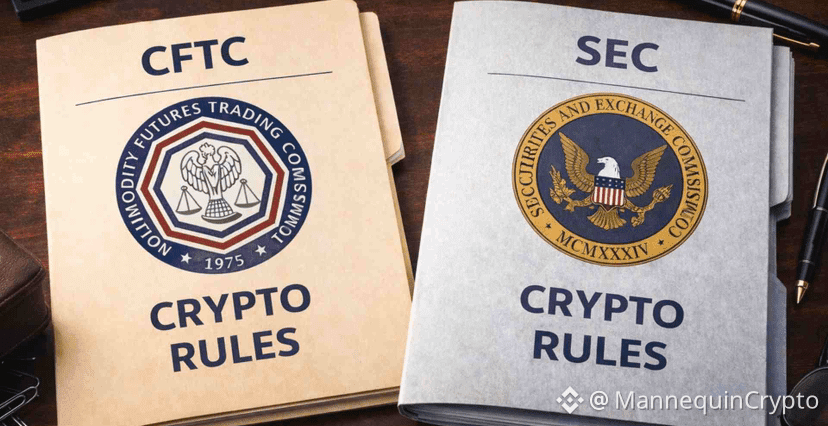
48


·
--
🚨 CLARITY Act : Le temps presse et l'incertitude plane.La loi tant attendue sur la structure du marché des actifs numériques est absente du calendrier du Sénat pour ce lundi 3 août.
Ce qui devait être une étape décisive semble s'enliser dans les méandres procéduraux de Washington.
Ce qu'il faut comprendre :
Le blocage législatif : Les débats persistent en coulisses, notamment sur les clauses d'éthique, les interdictions de rendement sur les stablecoins et la définition précise du DeFi.
La fenêtre se referme : Avec le début du congé parlementaire fixé au 7 août, le temps disponible pour un vote au Sénat est devenu extrêmement limité.
Réaction des marchés : Attendez-vous à une volatilité persistante et à des mouvements latéraux tant qu'une clarté réglementaire n'est pas actée.
Conseil tactique : Ne vous laissez pas emporter par le bruit médiatique. Dans ce genre de "danse bureaucratique", la patience est votre meilleur atout.
Gérez vos risques, restez disciplinés et évitez les spéculations basées sur des rumeurs de vote immédiat. La clarté réglementaire est nécessaire, mais le marché continue de tourner, avec ou sans cette loi aujourd'hui. ⚔️🔋
#DrYo242 : Votre bouclier dans la volatilité
$WAXP $ETH $BTC
#CryptoRegulationBattle #strategy
#clarityactnotonmondaysenateschedule
🚨 CLARITY Act : Le temps presse et l'incertitude plane.La loi tant attendue sur la structure du marché des actifs numériques est absente du calendrier du Sénat pour ce lundi 3 août.
Ce qui devait être une étape décisive semble s'enliser dans les méandres procéduraux de Washington.
Ce qu'il faut comprendre :
Le blocage législatif : Les débats persistent en coulisses, notamment sur les clauses d'éthique, les interdictions de rendement sur les stablecoins et la définition précise du DeFi.
La fenêtre se referme : Avec le début du congé parlementaire fixé au 7 août, le temps disponible pour un vote au Sénat est devenu extrêmement limité.
Réaction des marchés : Attendez-vous à une volatilité persistante et à des mouvements latéraux tant qu'une clarté réglementaire n'est pas actée.
Conseil tactique : Ne vous laissez pas emporter par le bruit médiatique. Dans ce genre de "danse bureaucratique", la patience est votre meilleur atout.
Gérez vos risques, restez disciplinés et évitez les spéculations basées sur des rumeurs de vote immédiat. La clarté réglementaire est nécessaire, mais le marché continue de tourner, avec ou sans cette loi aujourd'hui. ⚔️🔋
#DrYo242 : Votre bouclier dans la volatilité
$WAXP $ETH $BTC
#CryptoRegulationBattle #strategy
#clarityactnotonmondaysenateschedule
Ce qui devait être une étape décisive semble s'enliser dans les méandres procéduraux de Washington.
Ce qu'il faut comprendre :
Le blocage législatif : Les débats persistent en coulisses, notamment sur les clauses d'éthique, les interdictions de rendement sur les stablecoins et la définition précise du DeFi.
La fenêtre se referme : Avec le début du congé parlementaire fixé au 7 août, le temps disponible pour un vote au Sénat est devenu extrêmement limité.
Réaction des marchés : Attendez-vous à une volatilité persistante et à des mouvements latéraux tant qu'une clarté réglementaire n'est pas actée.
Conseil tactique : Ne vous laissez pas emporter par le bruit médiatique. Dans ce genre de "danse bureaucratique", la patience est votre meilleur atout.
Gérez vos risques, restez disciplinés et évitez les spéculations basées sur des rumeurs de vote immédiat. La clarté réglementaire est nécessaire, mais le marché continue de tourner, avec ou sans cette loi aujourd'hui. ⚔️🔋
#DrYo242 : Votre bouclier dans la volatilité
$WAXP $ETH $BTC
#CryptoRegulationBattle #strategy
#clarityactnotonmondaysenateschedule
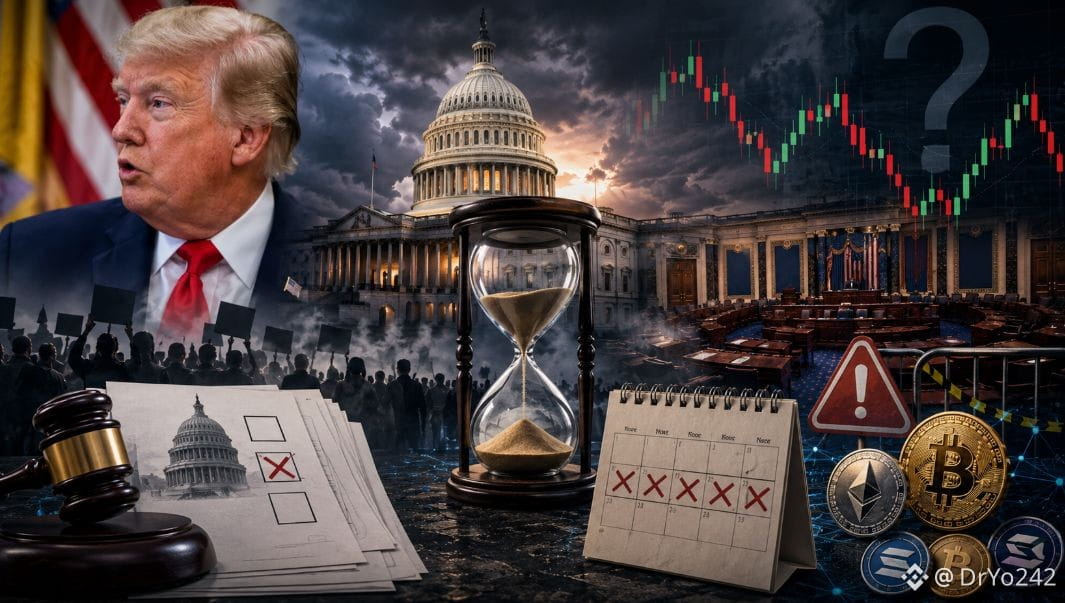
3
331

#SECRegulationCrypto
🚨 ألغت هيئة الأوراق المالية والبورصات (SEC) اجتماعًا خاصًا بقواعد العملات المشفرة… لكن لماذا؟ 👀
حسنًا، هذه واحدة لفتت انتباهي.
كان من المفترض أن تناقش الـ SEC إطارًا تنظيميًا رئيسيًا للعملات المشفرة، ثم تم إلغاء الاجتماع بسبب “مشكلة جدولة غير متوقعة”.
وفي الوقت نفسه، دخل مجلس الشيوخ في عطلة دون دفع قانون CLARITY إلى الأمام.
لذا فإن السؤال الآن ليس فقط: ماذا حدث؟
بل: لماذا الآن؟
من الذي ينتظر وضوحًا؟
ماذا يعني ذلك بالنسبة للعملات المشفرة؟
إلى أين سيتجه السوق من هنا؟
من منظور متداول، أنا لا أطارد العنوان.
أنا أراقب كيف يتفاعل BTC مع حالة عدم اليقين.
لأن عندما تصبح التنظيمات هي القصة، يمكن أن تتحرك السيولة والمشاعر قبل أن تتغير الأساسيات.
بالنسبة لي، الجزء المثير للاهتمام ليس التنبؤ بالشمعة التالية.
بل مراقبة ما إذا كان سيتم تسعير هذا عدم اليقين… أو يصبح محفزًا للحركة التالية.
الأسواق لا تتحرك دائمًا بسبب أخبار جيدة أو سيئة.
أحيانًا تتحرك لأن السوق لا يعرف ما الذي سيأتي بعد ذلك. 👀
ما الذي تراقبه هنا؟
التنظيمات 📜
السيولة 📈📉
$BTC structure 📊
متابعة من فضلكم
$BTC
{future}(BTCUSDT)
$ETH
{future}(ETHUSDT)
#CryptoNews #Bitcoin #Ethereum #CryptoRegulationBattle
#SECRegulationCrypto
🚨 ألغت هيئة الأوراق المالية والبورصات (SEC) اجتماعًا خاصًا بقواعد العملات المشفرة… لكن لماذا؟ 👀
حسنًا، هذه واحدة لفتت انتباهي.
كان من المفترض أن تناقش الـ SEC إطارًا تنظيميًا رئيسيًا للعملات المشفرة، ثم تم إلغاء الاجتماع بسبب “مشكلة جدولة غير متوقعة”.
وفي الوقت نفسه، دخل مجلس الشيوخ في عطلة دون دفع قانون CLARITY إلى الأمام.
لذا فإن السؤال الآن ليس فقط: ماذا حدث؟
بل: لماذا الآن؟
من الذي ينتظر وضوحًا؟
ماذا يعني ذلك بالنسبة للعملات المشفرة؟
إلى أين سيتجه السوق من هنا؟
من منظور متداول، أنا لا أطارد العنوان.
أنا أراقب كيف يتفاعل BTC مع حالة عدم اليقين.
لأن عندما تصبح التنظيمات هي القصة، يمكن أن تتحرك السيولة والمشاعر قبل أن تتغير الأساسيات.
بالنسبة لي، الجزء المثير للاهتمام ليس التنبؤ بالشمعة التالية.
بل مراقبة ما إذا كان سيتم تسعير هذا عدم اليقين… أو يصبح محفزًا للحركة التالية.
الأسواق لا تتحرك دائمًا بسبب أخبار جيدة أو سيئة.
أحيانًا تتحرك لأن السوق لا يعرف ما الذي سيأتي بعد ذلك. 👀
ما الذي تراقبه هنا؟
التنظيمات 📜
السيولة 📈📉
$BTC structure 📊
متابعة من فضلكم
$BTC
$ETH
#CryptoNews #Bitcoin #Ethereum #CryptoRegulationBattle
🚨 ألغت هيئة الأوراق المالية والبورصات (SEC) اجتماعًا خاصًا بقواعد العملات المشفرة… لكن لماذا؟ 👀
حسنًا، هذه واحدة لفتت انتباهي.
كان من المفترض أن تناقش الـ SEC إطارًا تنظيميًا رئيسيًا للعملات المشفرة، ثم تم إلغاء الاجتماع بسبب “مشكلة جدولة غير متوقعة”.
وفي الوقت نفسه، دخل مجلس الشيوخ في عطلة دون دفع قانون CLARITY إلى الأمام.
لذا فإن السؤال الآن ليس فقط: ماذا حدث؟
بل: لماذا الآن؟
من الذي ينتظر وضوحًا؟
ماذا يعني ذلك بالنسبة للعملات المشفرة؟
إلى أين سيتجه السوق من هنا؟
من منظور متداول، أنا لا أطارد العنوان.
أنا أراقب كيف يتفاعل BTC مع حالة عدم اليقين.
لأن عندما تصبح التنظيمات هي القصة، يمكن أن تتحرك السيولة والمشاعر قبل أن تتغير الأساسيات.
بالنسبة لي، الجزء المثير للاهتمام ليس التنبؤ بالشمعة التالية.
بل مراقبة ما إذا كان سيتم تسعير هذا عدم اليقين… أو يصبح محفزًا للحركة التالية.
الأسواق لا تتحرك دائمًا بسبب أخبار جيدة أو سيئة.
أحيانًا تتحرك لأن السوق لا يعرف ما الذي سيأتي بعد ذلك. 👀
ما الذي تراقبه هنا؟
التنظيمات 📜
السيولة 📈📉
$BTC structure 📊
متابعة من فضلكم
$BTC
$ETH
#CryptoNews #Bitcoin #Ethereum #CryptoRegulationBattle
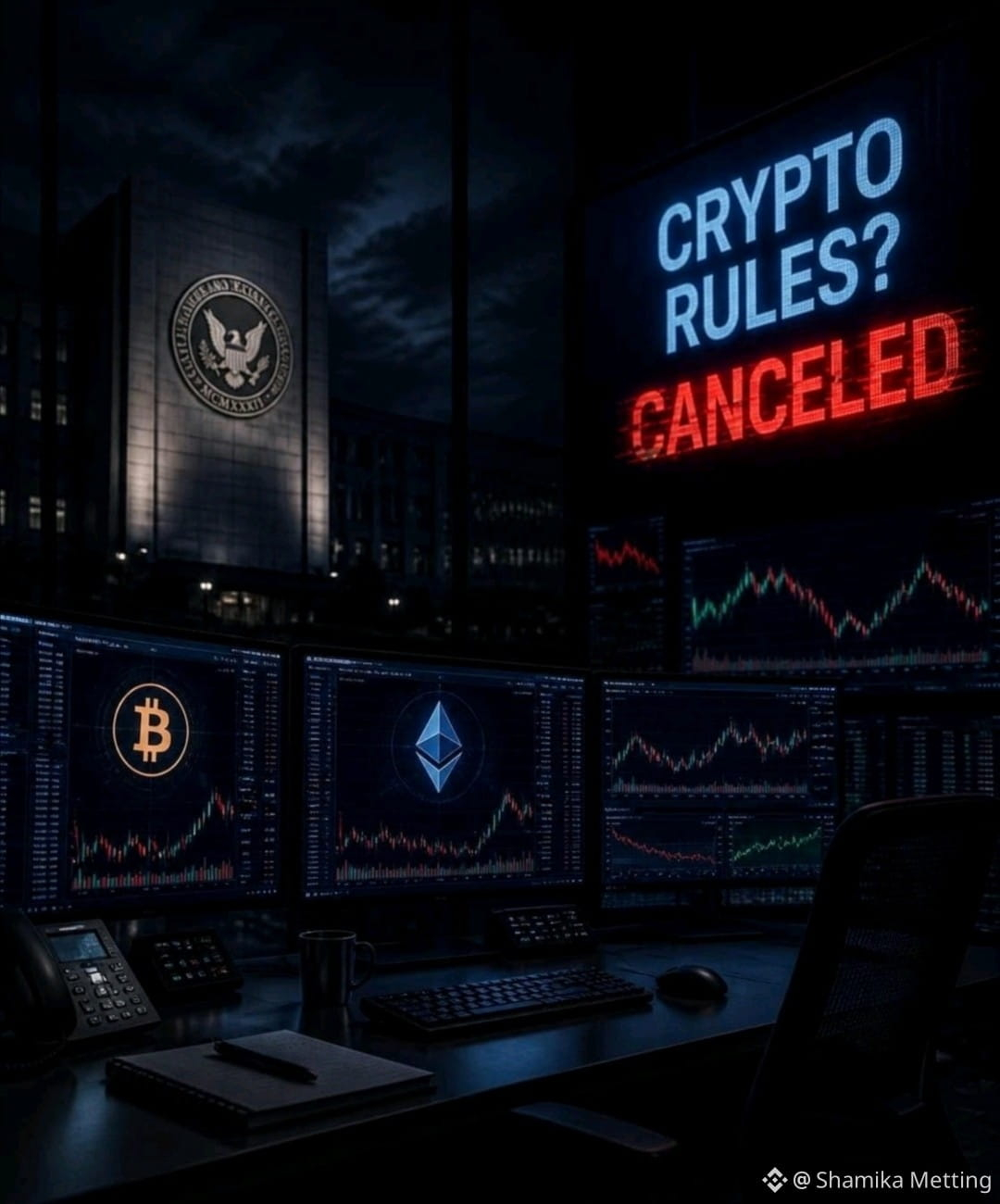
1
1
89

¡Histórico! EE.UU. adopta oficialmente las criptomonedas 🇺🇸🚀
Giro tectónico en el orden financiero mundial. El presidente Donald Trump ha firmado una histórica orden ejecutivapara integrar de forma estructural a las criptomonedas dentro del sistema bancario y financiero tradicional de los Estados Unidos. La directiva presidencial obliga a las agencias federales a abrir los rieles bancarios para la custodia de activos digitales y acelerar la regulación pro-innovación de las stablecoins dolarizadas. 🏛️💳
✅ El mandato: Permitir a la banca tradicional operar directamente con la infraestructura Web3. ✅ El objetivo geopolítico: Asegurar el dominio financiero de EE.UU. a través de la tecnología blockchain.
¿Estamos presenciando el inicio de la adopción masiva definitiva en @Binance? 📊
#TRUMP #ExecutiveOrder #CryptoNews #WallStreet #Binance #CryptoRegulationBattle
¡Histórico! EE.UU. adopta oficialmente las criptomonedas 🇺🇸🚀
Giro tectónico en el orden financiero mundial. El presidente Donald Trump ha firmado una histórica orden ejecutivapara integrar de forma estructural a las criptomonedas dentro del sistema bancario y financiero tradicional de los Estados Unidos. La directiva presidencial obliga a las agencias federales a abrir los rieles bancarios para la custodia de activos digitales y acelerar la regulación pro-innovación de las stablecoins dolarizadas. 🏛️💳
✅ El mandato: Permitir a la banca tradicional operar directamente con la infraestructura Web3. ✅ El objetivo geopolítico: Asegurar el dominio financiero de EE.UU. a través de la tecnología blockchain.
¿Estamos presenciando el inicio de la adopción masiva definitiva en @Binance? 📊
#TRUMP #ExecutiveOrder #CryptoNews #WallStreet #Binance #CryptoRegulationBattle
Giro tectónico en el orden financiero mundial. El presidente Donald Trump ha firmado una histórica orden ejecutivapara integrar de forma estructural a las criptomonedas dentro del sistema bancario y financiero tradicional de los Estados Unidos. La directiva presidencial obliga a las agencias federales a abrir los rieles bancarios para la custodia de activos digitales y acelerar la regulación pro-innovación de las stablecoins dolarizadas. 🏛️💳
✅ El mandato: Permitir a la banca tradicional operar directamente con la infraestructura Web3. ✅ El objetivo geopolítico: Asegurar el dominio financiero de EE.UU. a través de la tecnología blockchain.
¿Estamos presenciando el inicio de la adopción masiva definitiva en @Binance? 📊
#TRUMP #ExecutiveOrder #CryptoNews #WallStreet #Binance #CryptoRegulationBattle

1
30

·
--
🚨 BREAKING: US Court Denies Kalshi & Polymarket Pause Request! 🛑
The legal battle for the future of crypto prediction markets just heated up. The U.S. Appeals Court has officially rejected the emergency requests from both Kalshi and Polymarket to put a temporary pause (stay) on state-level lawsuits in Nevada and Washington.
Here is what you need to know right now:
No Breathing Room: The platforms wanted a temporary freeze on these state lawsuits while they battle regulators, but the court said NO.
The Legal Siege Continues: This means both platforms must fight multiple legal battles across different states simultaneously.
Regulatory Heat: U.S. regulators are pushing harder than ever to restrict decentralised and prediction-based trading platforms.
🧠 My Personal Take (Opinion):
In my view, this is a massive wake-up call for the entire Web3 ecosystem. By denying this pause, regulators are trying to drain these platforms' resources through endless, scattered legal battles. However, Polymarket has proven its resilience and massive community volume before. While this brings short-term FUD (Fear, Uncertainty, Doubt) and potential market volatility, the decentralized nature of crypto prediction markets makes them almost impossible to shut down completely. This is a stress test, and the platforms that survive will come out ten times stronger.
What do you think? Will this legal pressure crush Polymarket's trading volume, or is this just another bump in the road for DeFi? Drop your thoughts below! 👇
Trending Tags: $BTC $USDC $BNB #Polymarket #CryptoRegulationBattle #USCourtDeniesKalshiPolymarketPause
🚨 BREAKING: US Court Denies Kalshi & Polymarket Pause Request! 🛑
The legal battle for the future of crypto prediction markets just heated up. The U.S. Appeals Court has officially rejected the emergency requests from both Kalshi and Polymarket to put a temporary pause (stay) on state-level lawsuits in Nevada and Washington.
Here is what you need to know right now:
No Breathing Room: The platforms wanted a temporary freeze on these state lawsuits while they battle regulators, but the court said NO.
The Legal Siege Continues: This means both platforms must fight multiple legal battles across different states simultaneously.
Regulatory Heat: U.S. regulators are pushing harder than ever to restrict decentralised and prediction-based trading platforms.
🧠 My Personal Take (Opinion):
In my view, this is a massive wake-up call for the entire Web3 ecosystem. By denying this pause, regulators are trying to drain these platforms' resources through endless, scattered legal battles. However, Polymarket has proven its resilience and massive community volume before. While this brings short-term FUD (Fear, Uncertainty, Doubt) and potential market volatility, the decentralized nature of crypto prediction markets makes them almost impossible to shut down completely. This is a stress test, and the platforms that survive will come out ten times stronger.
What do you think? Will this legal pressure crush Polymarket's trading volume, or is this just another bump in the road for DeFi? Drop your thoughts below! 👇
Trending Tags: $BTC $USDC $BNB #Polymarket #CryptoRegulationBattle #USCourtDeniesKalshiPolymarketPause
The legal battle for the future of crypto prediction markets just heated up. The U.S. Appeals Court has officially rejected the emergency requests from both Kalshi and Polymarket to put a temporary pause (stay) on state-level lawsuits in Nevada and Washington.
Here is what you need to know right now:
No Breathing Room: The platforms wanted a temporary freeze on these state lawsuits while they battle regulators, but the court said NO.
The Legal Siege Continues: This means both platforms must fight multiple legal battles across different states simultaneously.
Regulatory Heat: U.S. regulators are pushing harder than ever to restrict decentralised and prediction-based trading platforms.
🧠 My Personal Take (Opinion):
In my view, this is a massive wake-up call for the entire Web3 ecosystem. By denying this pause, regulators are trying to drain these platforms' resources through endless, scattered legal battles. However, Polymarket has proven its resilience and massive community volume before. While this brings short-term FUD (Fear, Uncertainty, Doubt) and potential market volatility, the decentralized nature of crypto prediction markets makes them almost impossible to shut down completely. This is a stress test, and the platforms that survive will come out ten times stronger.
What do you think? Will this legal pressure crush Polymarket's trading volume, or is this just another bump in the road for DeFi? Drop your thoughts below! 👇
Trending Tags: $BTC $USDC $BNB #Polymarket #CryptoRegulationBattle #USCourtDeniesKalshiPolymarketPause
116

·
--
Japan Just Gave $BTC Something More Valuable Than a Tax Rate
The 20% tax is not the story.
The story is regulatory clarity.
Markets often see regulation as a risk until institutions start seeing it as a requirement.
Japan just made that transition easier for $BTC.
Do you see regulation as bullish for the next cycle?
#bitcoin #BTC #CryptoRegulationBattle #Japan
Japan Just Gave $BTC Something More Valuable Than a Tax Rate
The 20% tax is not the story.
The story is regulatory clarity.
Markets often see regulation as a risk until institutions start seeing it as a requirement.
Japan just made that transition easier for $BTC .
Do you see regulation as bullish for the next cycle?
#bitcoin #BTC #CryptoRegulationBattle #Japan
The 20% tax is not the story.
The story is regulatory clarity.
Markets often see regulation as a risk until institutions start seeing it as a requirement.
Japan just made that transition easier for $BTC .
Do you see regulation as bullish for the next cycle?
#bitcoin #BTC #CryptoRegulationBattle #Japan

1
86
Войдите, чтобы посмотреть больше материала
Присоединяйтесь к пользователям криптовалют по всему миру на Binance Square
⚡️ Получайте новейшую и полезную информацию о криптоактивах.
💬 Нам доверяет крупнейшая в мире криптобиржа.
👍 Получите достоверные аналитические данные от верифицированных создателей контента.
Эл. почта/номер телефона
В тренде
1
#BinanceKZ
Просмотров: 33,978
75 обсуждают
2
#NEARFallsToAround$4.70Down14%
Просмотров: 275
6 обсуждают
3
#EvernorthPlansNasdaqListingOct8
Просмотров: 217
26 обсуждают
4
#SECProposesCryptoCustodyFramework
Просмотров: 255
34 обсуждают
5
#IMFApproves$139MDisbursementToElSalvador
Просмотров: 163
11 обсуждают
6
#AnthropicTargetsIPOAsSoonAsMidNovember
Просмотров: 1,203
74 обсуждают
7
#EtherGains70.9%InQ3
Просмотров: 201,335
1,307 обсуждают
8
#TreasuryLetsStatesFileStablecoinCertificationsEarly
Просмотров: 14,189
101 обсуждают
9
#US10YearYieldNears5.3%
Просмотров: 170,929
1,248 обсуждают
10
#DollarIndexHitsHighestSinceMay2025
Просмотров: 55,788
701 обсуждают