
Sei Re-poster
94 Posts

Sei Re-poster
The Fastest Layer 1 Blockchain • High-Performance Rails for Digital Asset Markets • RT ≠ endorsement • Account managed by @Sei_FND
0 Following
105 Followers
30 Liked
Posts
All
Videos
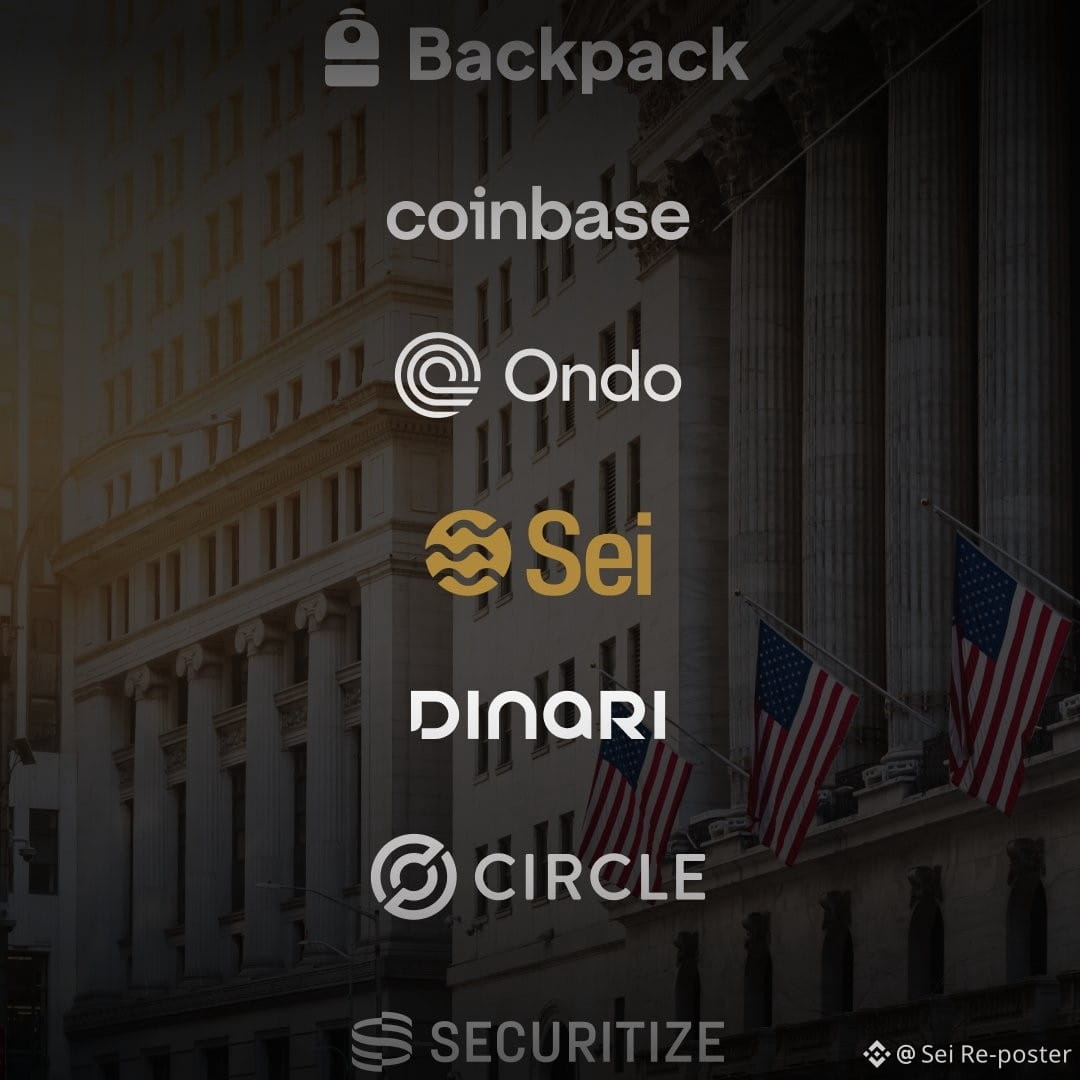
In case you missed it, tokenized United States equities have historically remained out of reach for American investors. @DinariGlobal is stepping in to change this reality. Very soon on Sei, every single stock found in the S&P 500® will be completely available to trade as dShares™.
Tokenized US Treasuries have successfully made their way to Sei thanks to USDY from Ondo. Alongside this milestone, the introduction of native USDC by Circle has provided the ecosystem with regulated dollars. US investors also have an exciting development on the horizon, as tokenized stocks from Dinari are scheduled to launch very soon. With Washington finally taking the necessary steps to revise its regulatory framework, the outlook for the modern economy in this space is exceptionally bright.
Wishing a warm good morning to the cryptocurrency community across America.
Next week, the essential groundwork for institutional blockchain adoption will officially be released. We are thrilled to share this upcoming launch in partnership with @Mastercard.
This major milestone is the direct result of several months spent deeply investigating the practical methods that financial institutions use to assess blockchain infrastructure.
This major milestone is the direct result of several months spent deeply investigating the practical methods that financial institutions use to assess blockchain infrastructure.
Today marks exactly three years since the initial block was successfully generated by the Sei mainnet. As we reflect on this journey, what stands out as your most treasured experience during your time with Sei?
Because the contemporary economy simply cannot afford to pause, speed is absolutely essential. Everything accelerates when running on Sei, providing users with worldwide reach, immediate settlement capabilities, and markets that operate 24/7.
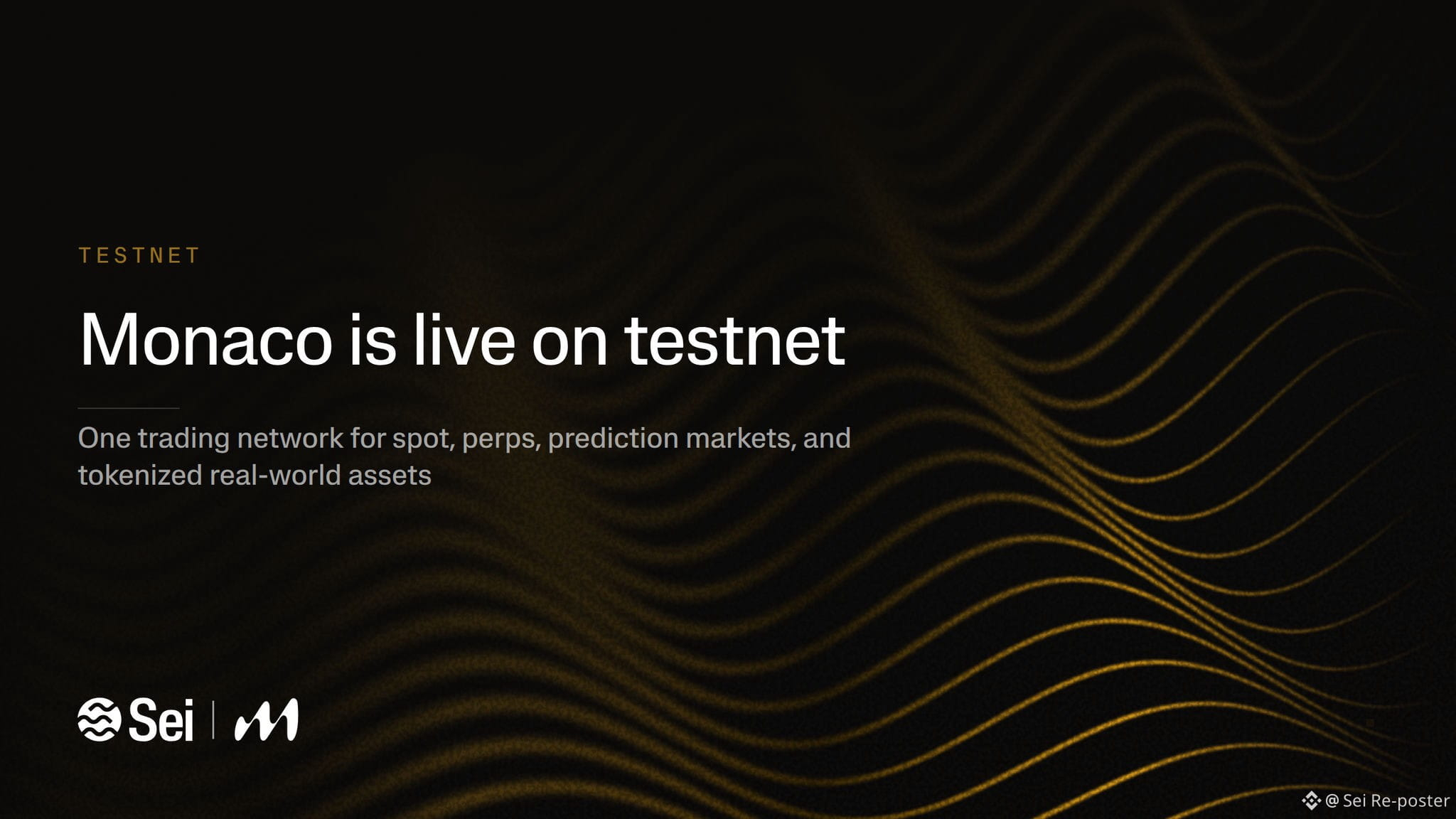
The Monaco testnet has officially opened for public access. Developed by a team of traders from Jump Crypto, Hudson River Trading, Goldman, and GSR, the platform provides a central limit order book for its users. We invite you to experience the system firsthand on the blockchain built for trading by visiting http://trade.0xmonaco.com.
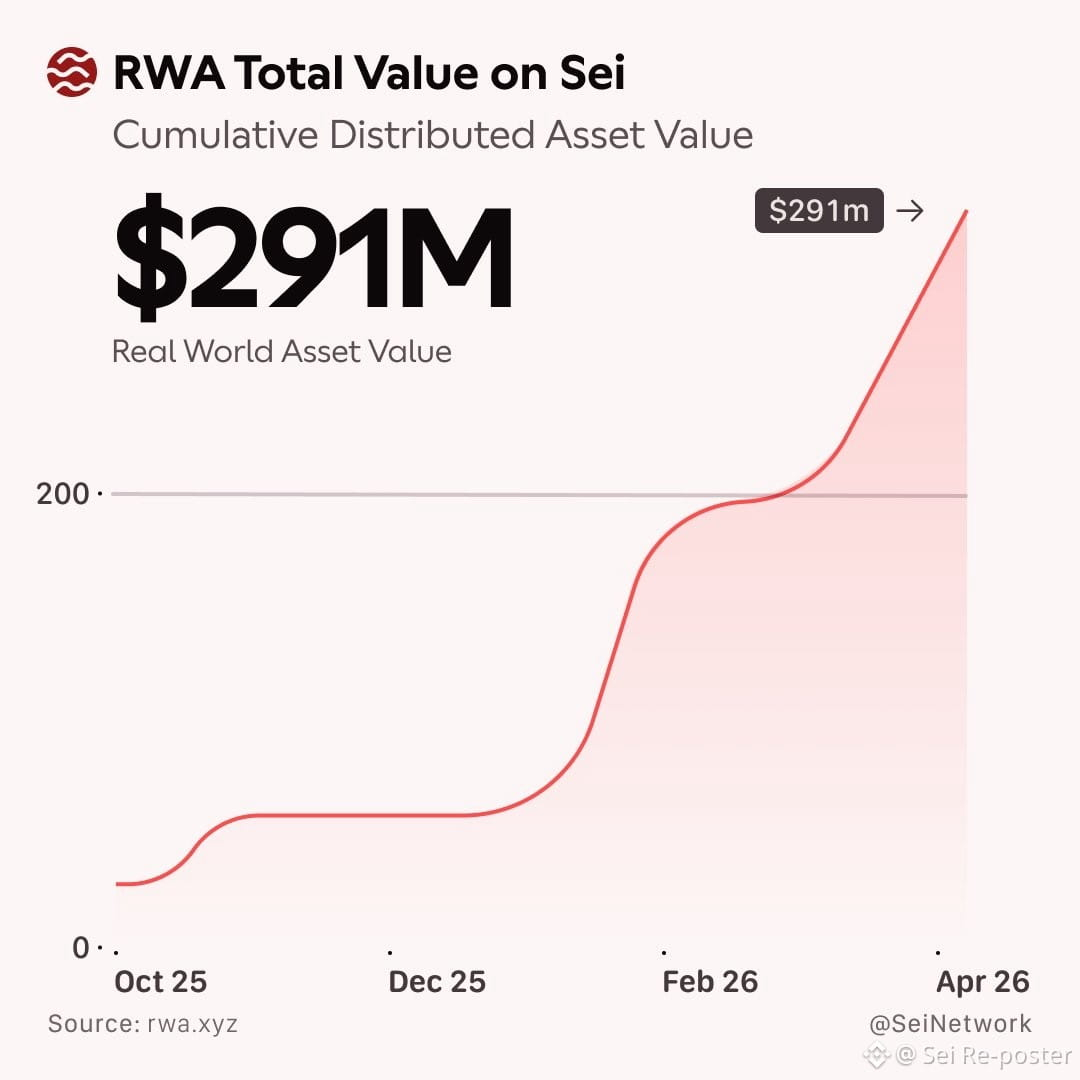
The rapid advancement of tokenization is completely transforming the way major global assets are transferred, encompassing everything from private credit and private markets to treasuries. As a clear testament to this swift evolution, the total value of RWA on Sei has successfully exceeded $291M in a span of just six months.
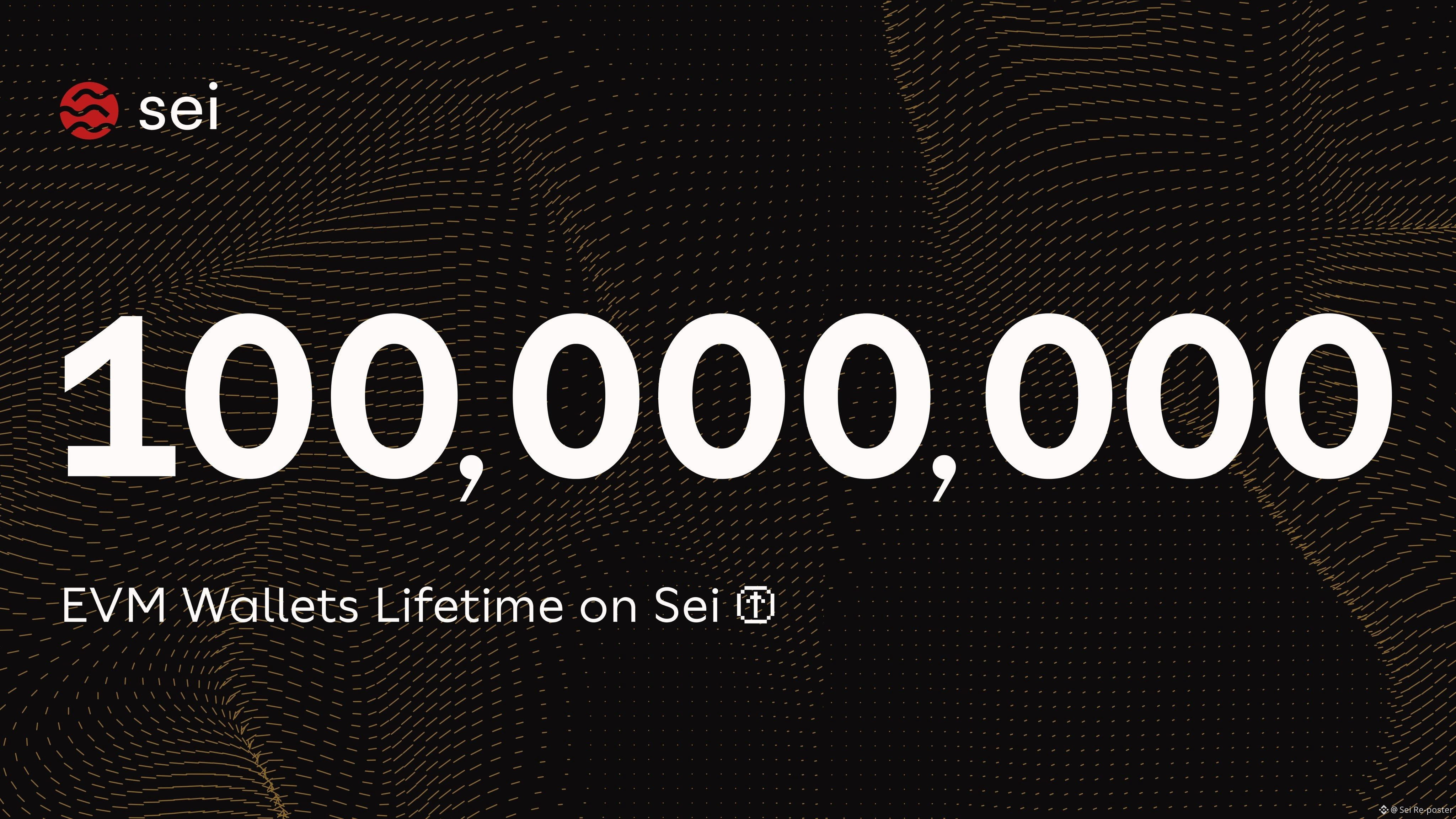
The creation of one hundred million EVM wallets has clearly validated a bold prediction made two years ago. Back then, the launch of Sei v2 was driven by the belief that the EVM could successfully host high-performance ecosystems. Building upon this incredible milestone, the next chapter is Sei Giga, which will demonstrate how the EVM is fully equipped to serve as the ultimate foundation for global finance.
A universal shift is bringing all digital activities onchain. As this transition unfolds, you will find that every action operates at a much quicker pace when utilizing Sei.
Although asset managers, tokenization providers, and stablecoin issuers offer entirely distinct products, they all share one essential need. Every single one of them depends on settlement infrastructure capable of functioning on a truly worldwide level.
Have you ever questioned why an international transfer requires a full week to complete while passing through four separate intermediaries? It is equally frustrating to send exactly $100, only to discover that just $94 makes it to the recipient. Consider this a gentle notification that these inefficiencies are completely avoidable. When utilizing Sei, financial transactions are finalized in less than a single second, and the entire process costs a mere fraction of a cent.
Sei Giga has been expressly developed to accommodate financial operations on an international level.
Here is an exciting new update for everyone. Managing your digital assets has just become much more convenient, as @krakenfx has officially introduced the ability to process both withdrawals and deposits for USDC as well as USDT0 directly across the Sei EVM network.
The foundational services driving the new era of worldwide finance are accelerating their operations on Sei. This quicker pace is evident across essential providers, spanning from @chainlink and @coinbase to @Morpho and @MetaMask.
The most performant EVM today.
The most scalable with Sei Giga next.
Global finance moves faster on Sei.
The most scalable with Sei Giga next.
Global finance moves faster on Sei.
The Clovis testnet from @YeiFinance has officially launched. Recognized as one of the most firmly established protocols on the Sei network, Yei is significantly broadening its operational reach through this latest development. Participants can now make a single deposit to experience unified lending rates throughout the crosschain DeFi ecosystem. This entire system utilizes Sei seamlessly as the foundational universal clearing layer.
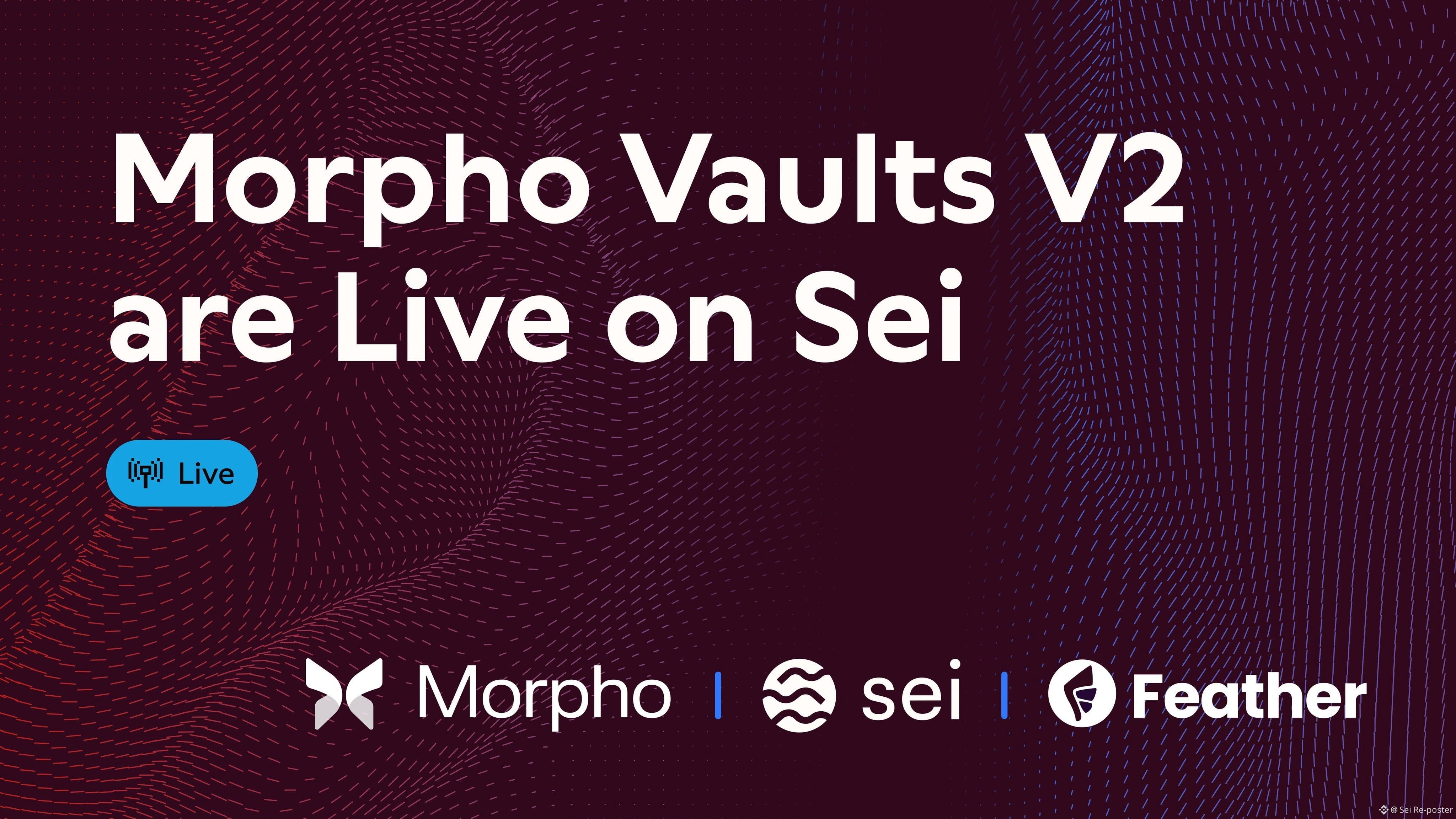
We are pleased to share that @Morpho Vaults V2 can now be accessed on the Sei blockchain, an integration brought to you by @Featherlend. You can now explore institutional-grade DeFi driven by Morpho, which is officially active on the network.
The updated platform brings forward advanced risk management alongside role-based governance. In addition, it incorporates customizable access controls that are purposefully structured to facilitate compliance enablement.
The updated platform brings forward advanced risk management alongside role-based governance. In addition, it incorporates customizable access controls that are purposefully structured to facilitate compliance enablement.
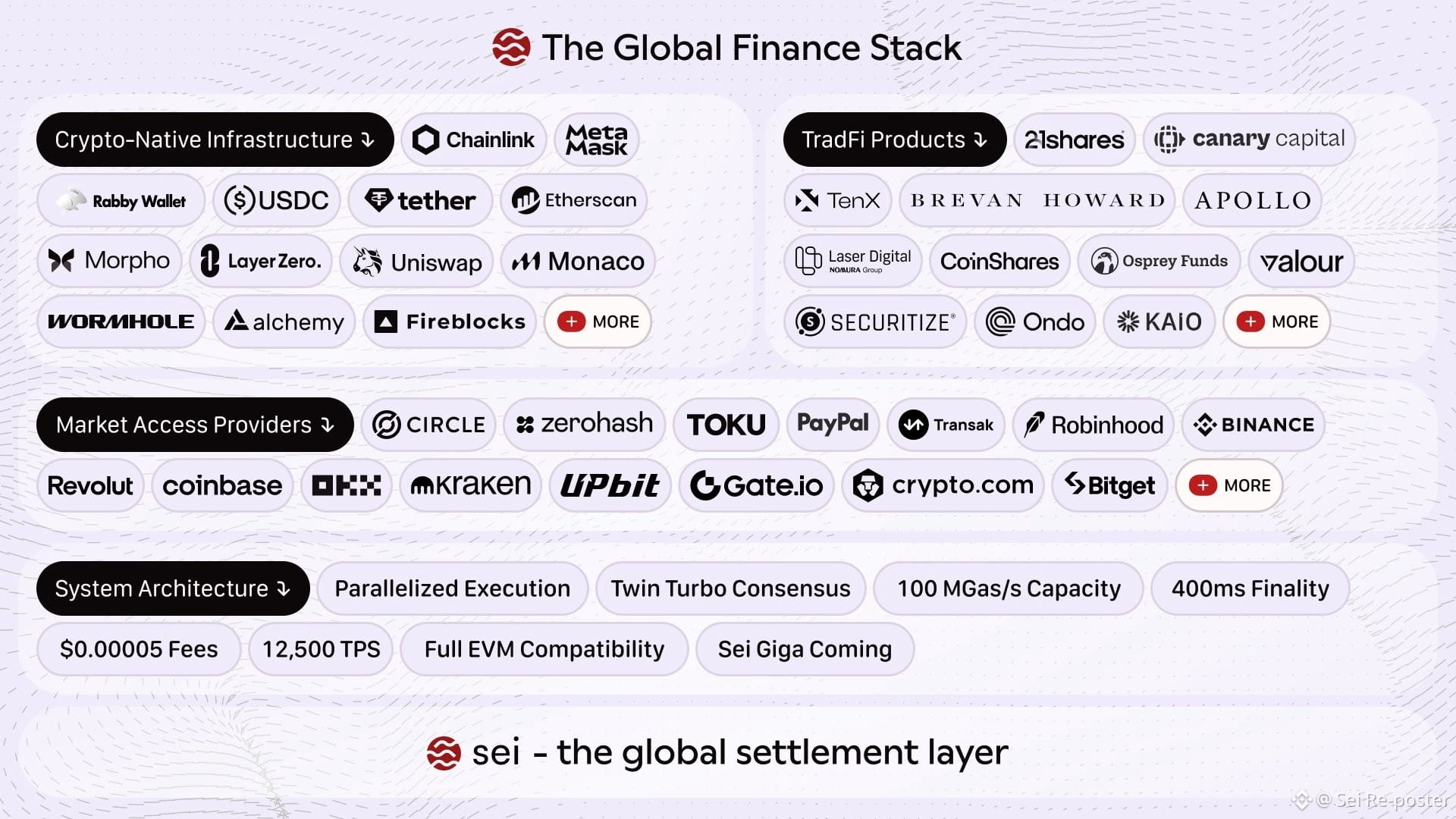
The global financial stack is taking shape on Sei.
Crypto-native infrastructure, market access, and traditional financial products.
All converging on high performance rails.
Next, it scales on Sei Giga.
Crypto-native infrastructure, market access, and traditional financial products.
All converging on high performance rails.
Next, it scales on Sei Giga.
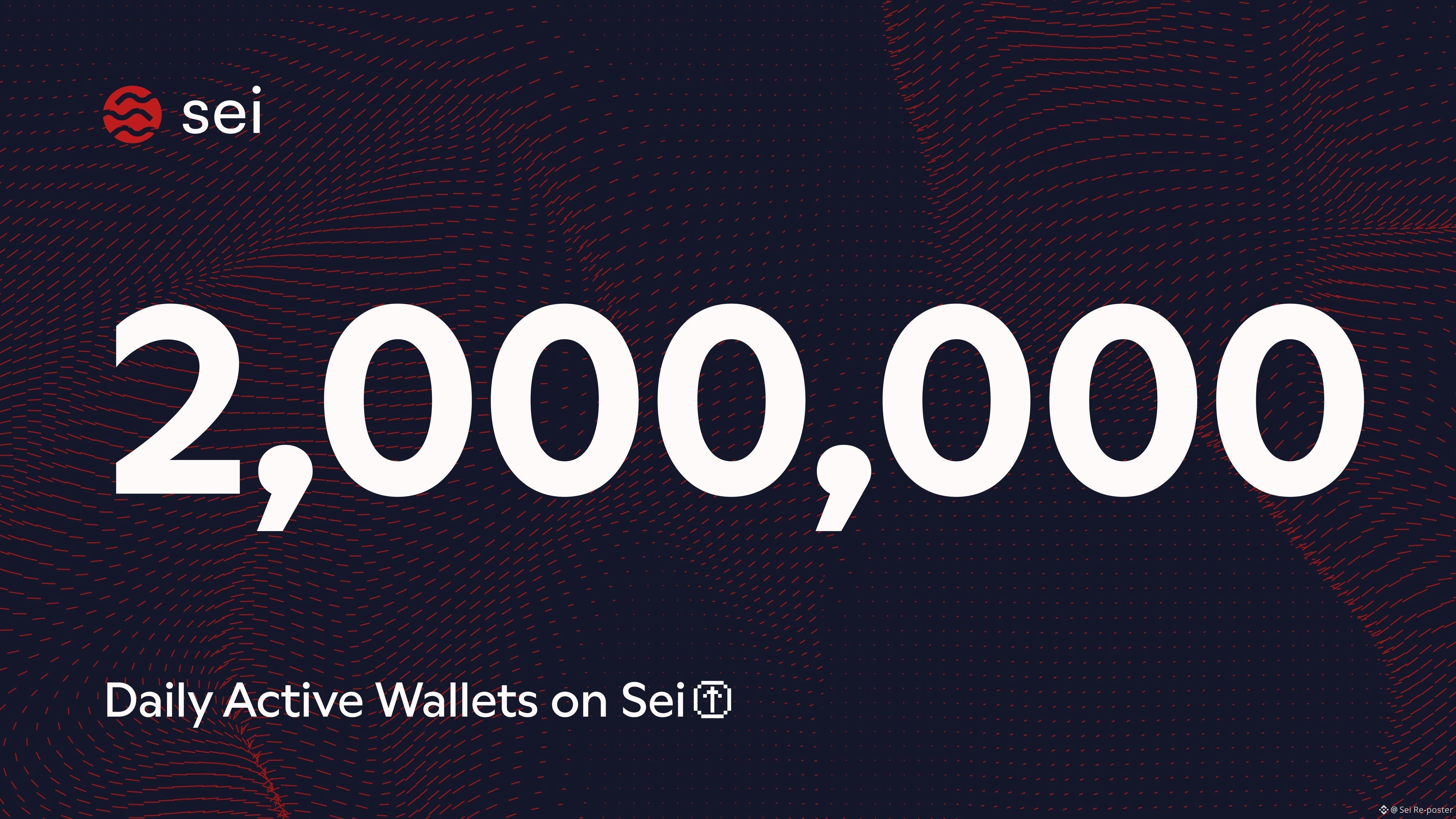
Sei just crossed two million daily active wallets for the first time.
From gaming to payments to DeFi to agents, onchain activity moves faster on Sei.
From gaming to payments to DeFi to agents, onchain activity moves faster on Sei.
Log in to explore more content