
Tapu13
7.8k Posts
Tapu13
 Square Verified+
Always Smile 😊 x: @Tapanpatel137 🔶 DYOR 💙

USD1 Holder
Frequent Trader
4.2 Years
427 Following
85.8K+ Followers
53.1K+ Liked
Posts
All
Quotes
Live
PINNED
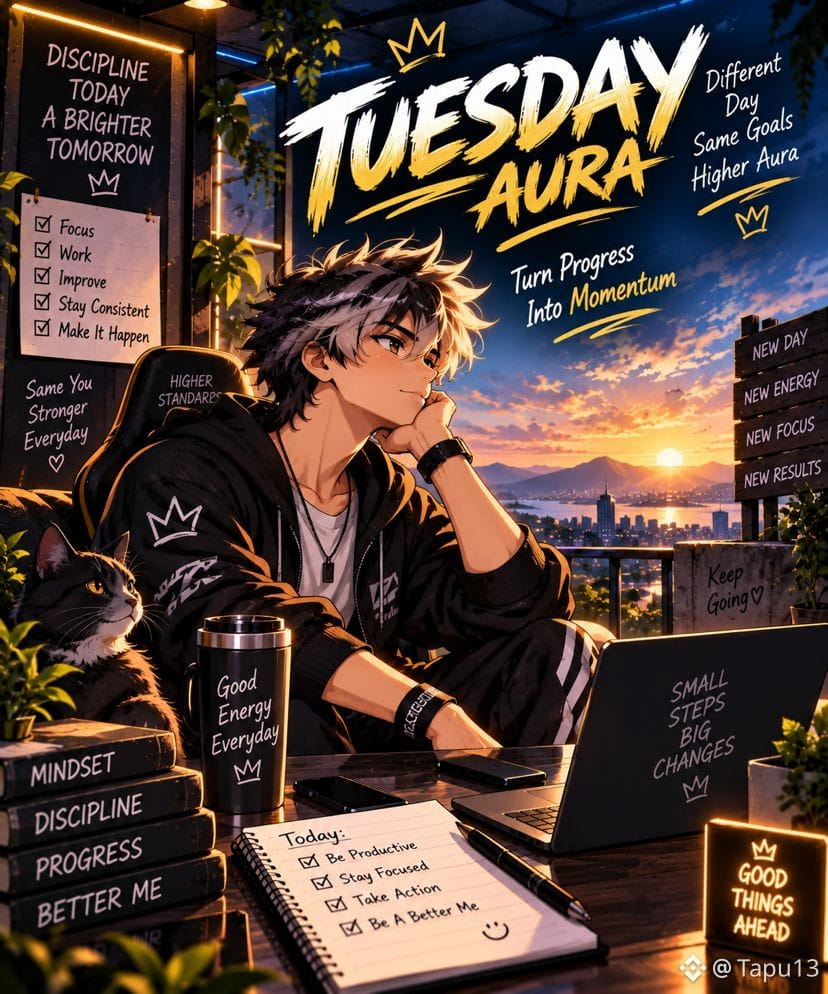
TUESDAY✨
Different day.
Same goals.
Higher aura. 👑
You don’t need to start over.
You just need to keep moving forward.
🔥 Turn progress into momentum.
🎯 Stay focused on what matters.
💪 Let discipline carry you when motivation fades.
🚀 Take small steps that create big changes.
Remember:
Your competition is yesterday’s version of you.
Show up. Stay consistent. Keep growing.
Let your energy speak louder than your excuses. ✨
👑 Same you. Stronger every day.
Different day.
Same goals.
Higher aura. 👑
You don’t need to start over.
You just need to keep moving forward.
🔥 Turn progress into momentum.
🎯 Stay focused on what matters.
💪 Let discipline carry you when motivation fades.
🚀 Take small steps that create big changes.
Remember:
Your competition is yesterday’s version of you.
Show up. Stay consistent. Keep growing.
Let your energy speak louder than your excuses. ✨
👑 Same you. Stronger every day.
PINNED
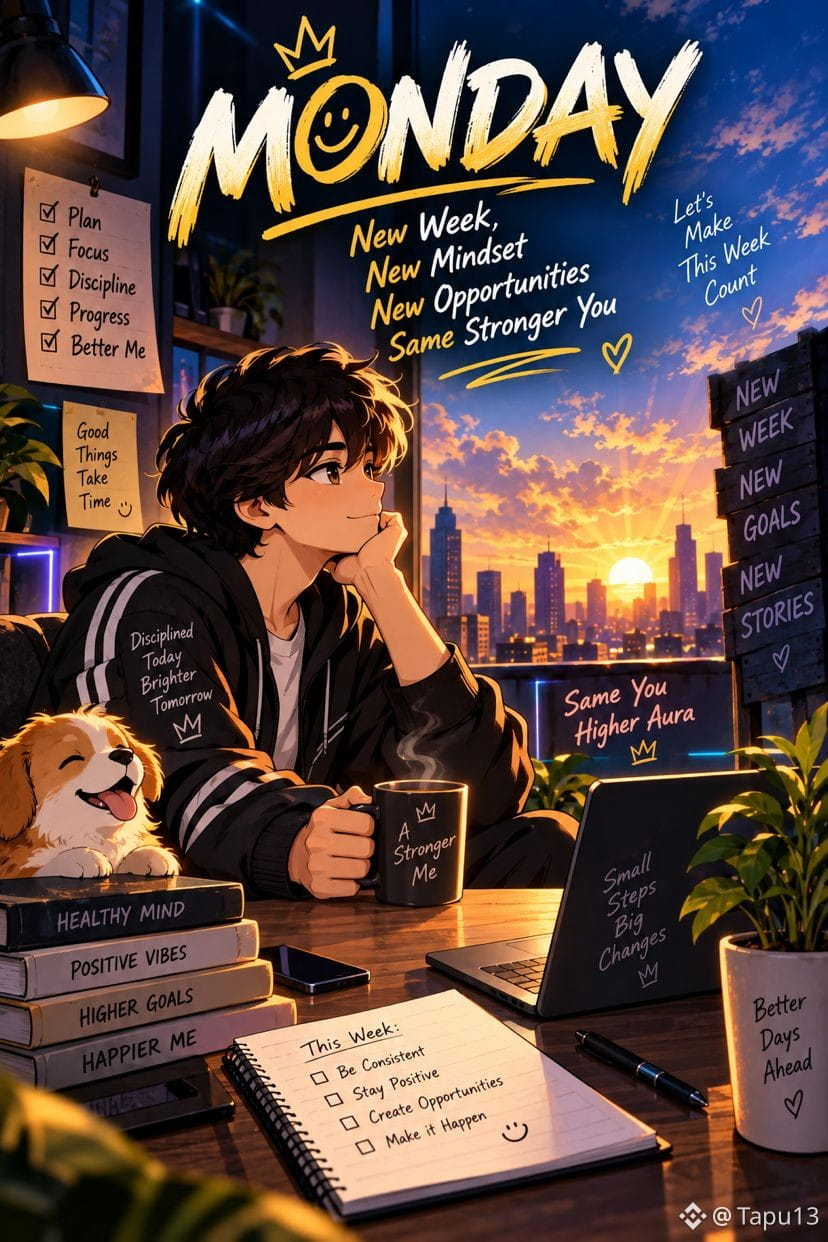
MONDAY ✨
New week.
New mindset.
New opportunities.
Same you but stronger. 👑
Don’t wait for motivation.
Create your own energy, take the first step, and let your consistency speak for you.
✨ Plan it.
🔥 Focus on it.
💪 Stay consistent.
🚀 Make it happen.
This Monday, don’t chase perfection build progress.
Your aura changes when you stop making excuses and start choosing yourself. 🖤
New week. New goals. Higher aura. 👑✨
New week.
New mindset.
New opportunities.
Same you but stronger. 👑
Don’t wait for motivation.
Create your own energy, take the first step, and let your consistency speak for you.
✨ Plan it.
🔥 Focus on it.
💪 Stay consistent.
🚀 Make it happen.
This Monday, don’t chase perfection build progress.
Your aura changes when you stop making excuses and start choosing yourself. 🖤
New week. New goals. Higher aura. 👑✨
13

x_Rex
·
--
Stablecoin market cap just hit $289.9 billion ☘️🧧
That's almost $290 billion sitting on the sidelines in stablecoins.
Still Waiting.
Every dollar in stablecoins is a dollar that COULD move into crypto but hasn't yet. It's dry powder. Parked capital. People who are in the ecosystem but not fully committed yet.
When stablecoin dominance is high and market sentiment shifts — that capital moves FAST.
USD1 from World Liberty Financial earning 5.2% APR on Binance right now. USDT. USDC. reUSD earning 6.17%. People are parking money AND earning yield while they wait.
$290 billion waiting on the sidelines is either the biggest opportunity or the biggest warning sign depending on how you look at it .
Are you sitting in stablecoins right now or fully deployed? 👇
#StablecoinSafety #BinanceSquare #BinanceSquareTalks #crypto
🐎😍
That's almost $290 billion sitting on the sidelines in stablecoins.
Still Waiting.
Every dollar in stablecoins is a dollar that COULD move into crypto but hasn't yet. It's dry powder. Parked capital. People who are in the ecosystem but not fully committed yet.
When stablecoin dominance is high and market sentiment shifts — that capital moves FAST.
USD1 from World Liberty Financial earning 5.2% APR on Binance right now. USDT. USDC. reUSD earning 6.17%. People are parking money AND earning yield while they wait.
$290 billion waiting on the sidelines is either the biggest opportunity or the biggest warning sign depending on how you look at it .
Are you sitting in stablecoins right now or fully deployed? 👇
#StablecoinSafety #BinanceSquare #BinanceSquareTalks #crypto
🐎😍
13
WOLF 狼
·
--
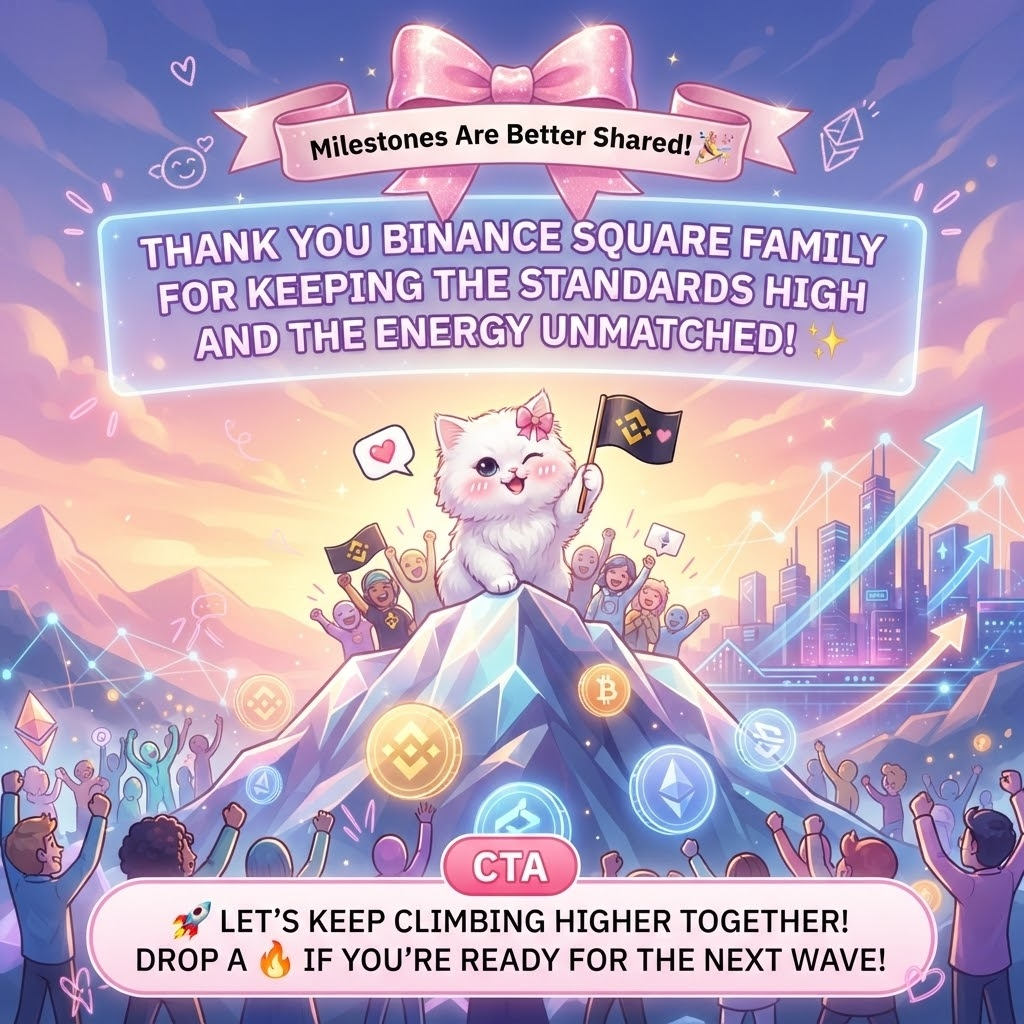
Milestones Are Better Shared 🧧🎉
Hitting new personal and community goals in the crypto space is amazing, but having an active, supportive network cheering you on makes the journey truly special. 📈
Thank you Binance Square family for keeping the standards high and the energy unmatched.✨
Let's keep climbing higher together.🚀
#RedpecketReward #Congratulations😊😍 #REWARDS
Hitting new personal and community goals in the crypto space is amazing, but having an active, supportive network cheering you on makes the journey truly special. 📈
Thank you Binance Square family for keeping the standards high and the energy unmatched.✨
Let's keep climbing higher together.🚀
#RedpecketReward #Congratulations😊😍 #REWARDS
13

Shaheen 69
·
--
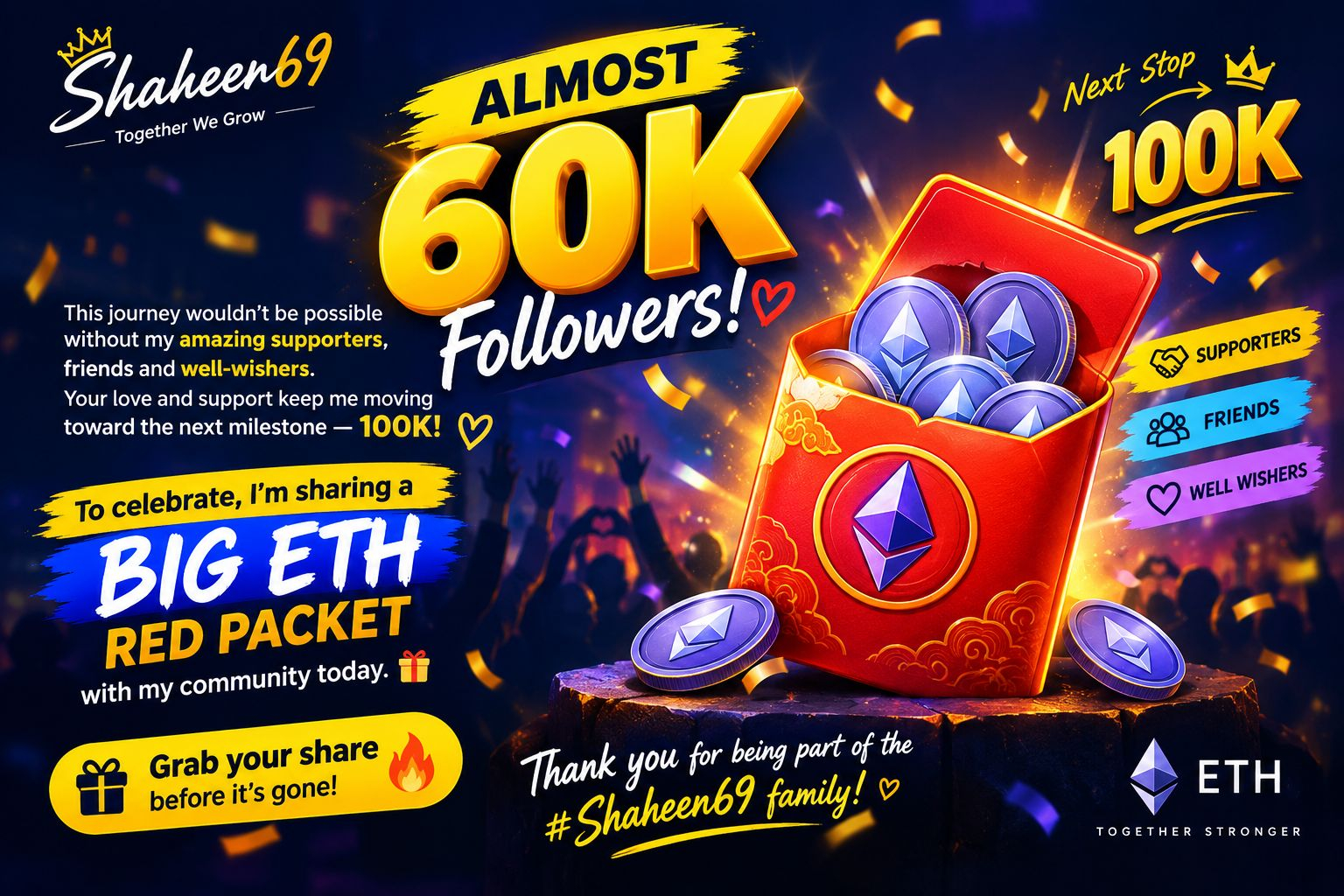
Bullish🚀 Almost 60K! ❤️
This journey wouldn’t be possible without my amazing supporters, friends, and well-wishers. Your love and support keep me moving toward the next milestone — 100K! 🙌
To celebrate, I’m sharing a BIG ETH red packet with my community today. 🎁💎
Grab your share before it’s gone! 🔥
Thank you for being part of the #Shaheen69 family! ❤️
$ETH
This journey wouldn’t be possible without my amazing supporters, friends, and well-wishers. Your love and support keep me moving toward the next milestone — 100K! 🙌
To celebrate, I’m sharing a BIG ETH red packet with my community today. 🎁💎
Grab your share before it’s gone! 🔥
Thank you for being part of the #Shaheen69 family! ❤️
$ETH
13
Tapu13
·
--
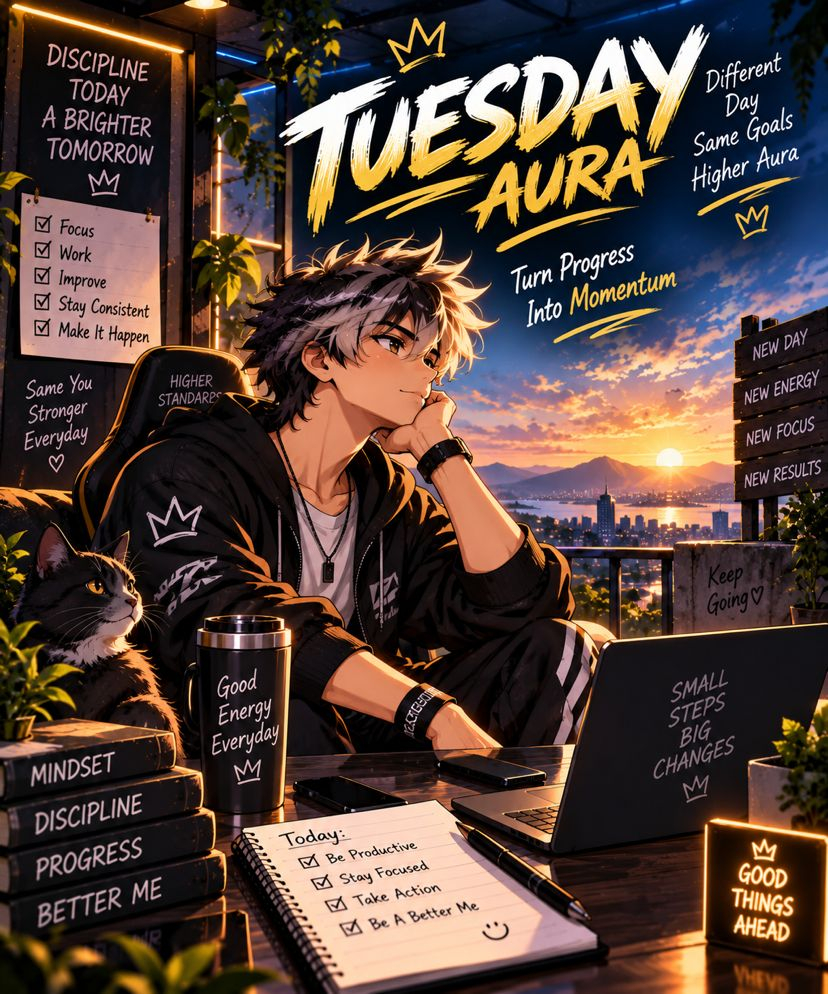
TUESDAY✨
Different day.
Same goals.
Higher aura. 👑
You don’t need to start over.
You just need to keep moving forward.
🔥 Turn progress into momentum.
🎯 Stay focused on what matters.
💪 Let discipline carry you when motivation fades.
🚀 Take small steps that create big changes.
Remember:
Your competition is yesterday’s version of you.
Show up. Stay consistent. Keep growing.
Let your energy speak louder than your excuses. ✨
👑 Same you. Stronger every day.
Different day.
Same goals.
Higher aura. 👑
You don’t need to start over.
You just need to keep moving forward.
🔥 Turn progress into momentum.
🎯 Stay focused on what matters.
💪 Let discipline carry you when motivation fades.
🚀 Take small steps that create big changes.
Remember:
Your competition is yesterday’s version of you.
Show up. Stay consistent. Keep growing.
Let your energy speak louder than your excuses. ✨
👑 Same you. Stronger every day.
13
Tapu13
·
--
TUESDAY✨
Different day.
Same goals.
Higher aura. 👑
You don’t need to start over.
You just need to keep moving forward.
🔥 Turn progress into momentum.
🎯 Stay focused on what matters.
💪 Let discipline carry you when motivation fades.
🚀 Take small steps that create big changes.
Remember:
Your competition is yesterday’s version of you.
Show up. Stay consistent. Keep growing.
Let your energy speak louder than your excuses. ✨
👑 Same you. Stronger every day.
Different day.
Same goals.
Higher aura. 👑
You don’t need to start over.
You just need to keep moving forward.
🔥 Turn progress into momentum.
🎯 Stay focused on what matters.
💪 Let discipline carry you when motivation fades.
🚀 Take small steps that create big changes.
Remember:
Your competition is yesterday’s version of you.
Show up. Stay consistent. Keep growing.
Let your energy speak louder than your excuses. ✨
👑 Same you. Stronger every day.
13
Tapu13
·
--
TUESDAY✨
Different day.
Same goals.
Higher aura. 👑
You don’t need to start over.
You just need to keep moving forward.
🔥 Turn progress into momentum.
🎯 Stay focused on what matters.
💪 Let discipline carry you when motivation fades.
🚀 Take small steps that create big changes.
Remember:
Your competition is yesterday’s version of you.
Show up. Stay consistent. Keep growing.
Let your energy speak louder than your excuses. ✨
👑 Same you. Stronger every day.
Different day.
Same goals.
Higher aura. 👑
You don’t need to start over.
You just need to keep moving forward.
🔥 Turn progress into momentum.
🎯 Stay focused on what matters.
💪 Let discipline carry you when motivation fades.
🚀 Take small steps that create big changes.
Remember:
Your competition is yesterday’s version of you.
Show up. Stay consistent. Keep growing.
Let your energy speak louder than your excuses. ✨
👑 Same you. Stronger every day.
13
Tapu13
·
--
TUESDAY✨
Different day.
Same goals.
Higher aura. 👑
You don’t need to start over.
You just need to keep moving forward.
🔥 Turn progress into momentum.
🎯 Stay focused on what matters.
💪 Let discipline carry you when motivation fades.
🚀 Take small steps that create big changes.
Remember:
Your competition is yesterday’s version of you.
Show up. Stay consistent. Keep growing.
Let your energy speak louder than your excuses. ✨
👑 Same you. Stronger every day.
Different day.
Same goals.
Higher aura. 👑
You don’t need to start over.
You just need to keep moving forward.
🔥 Turn progress into momentum.
🎯 Stay focused on what matters.
💪 Let discipline carry you when motivation fades.
🚀 Take small steps that create big changes.
Remember:
Your competition is yesterday’s version of you.
Show up. Stay consistent. Keep growing.
Let your energy speak louder than your excuses. ✨
👑 Same you. Stronger every day.
13
Tapu13
·
--
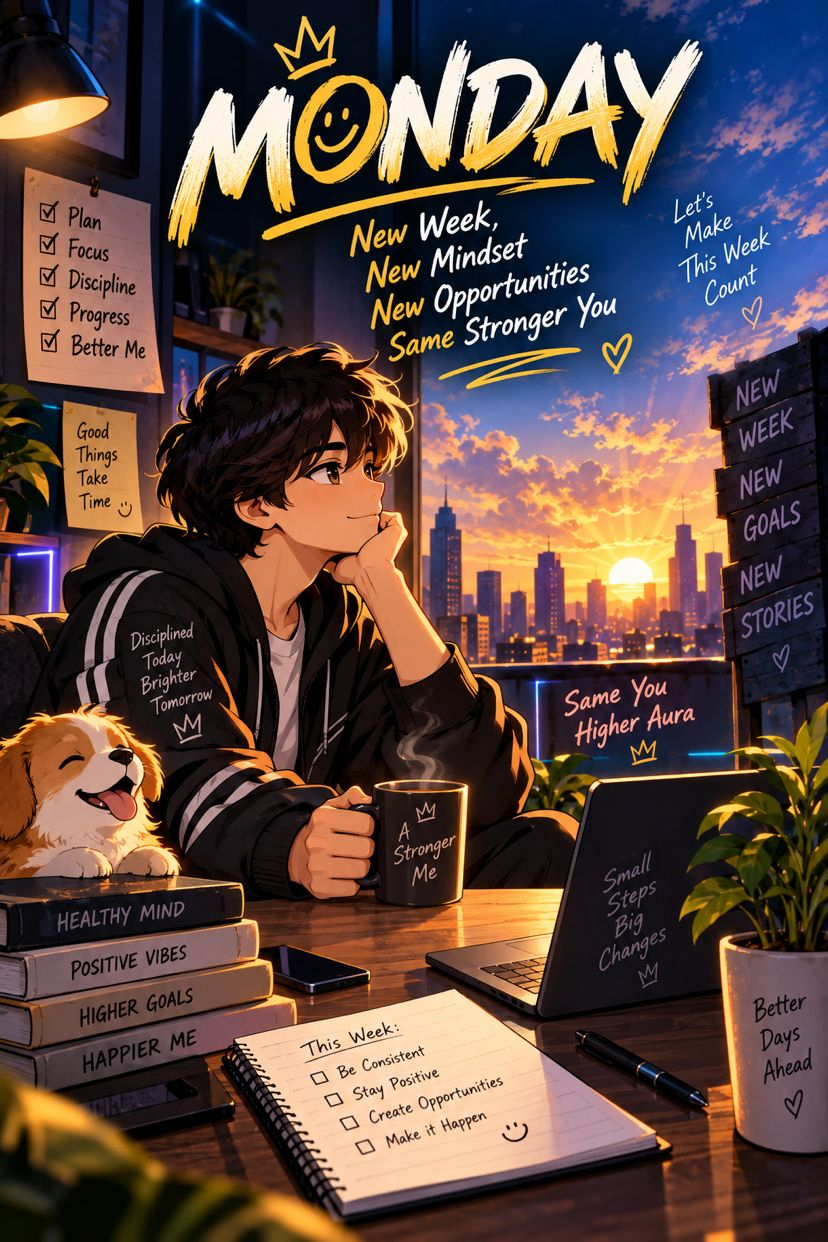
MONDAY ✨
New week.
New mindset.
New opportunities.
Same you but stronger. 👑
Don’t wait for motivation.
Create your own energy, take the first step, and let your consistency speak for you.
✨ Plan it.
🔥 Focus on it.
💪 Stay consistent.
🚀 Make it happen.
This Monday, don’t chase perfection build progress.
Your aura changes when you stop making excuses and start choosing yourself. 🖤
New week. New goals. Higher aura. 👑✨
New week.
New mindset.
New opportunities.
Same you but stronger. 👑
Don’t wait for motivation.
Create your own energy, take the first step, and let your consistency speak for you.
✨ Plan it.
🔥 Focus on it.
💪 Stay consistent.
🚀 Make it happen.
This Monday, don’t chase perfection build progress.
Your aura changes when you stop making excuses and start choosing yourself. 🖤
New week. New goals. Higher aura. 👑✨
13
Tapu13
·
--
MONDAY ✨
New week.
New mindset.
New opportunities.
Same you but stronger. 👑
Don’t wait for motivation.
Create your own energy, take the first step, and let your consistency speak for you.
✨ Plan it.
🔥 Focus on it.
💪 Stay consistent.
🚀 Make it happen.
This Monday, don’t chase perfection build progress.
Your aura changes when you stop making excuses and start choosing yourself. 🖤
New week. New goals. Higher aura. 👑✨
New week.
New mindset.
New opportunities.
Same you but stronger. 👑
Don’t wait for motivation.
Create your own energy, take the first step, and let your consistency speak for you.
✨ Plan it.
🔥 Focus on it.
💪 Stay consistent.
🚀 Make it happen.
This Monday, don’t chase perfection build progress.
Your aura changes when you stop making excuses and start choosing yourself. 🖤
New week. New goals. Higher aura. 👑✨
13
Tapu13
·
--
Never become a bandage in someone’s life
Cause bandages are thrown away
Once the wounds heal.
Cause bandages are thrown away
Once the wounds heal.

Never become a bandage in someone’s life
Cause bandages are thrown away
Once the wounds heal.
Cause bandages are thrown away
Once the wounds heal.

13
Tapu13
·
--
🎉 FUN FRIDAY RED PACKET 🧧
Welcome to the Carnival of Luck 🎡🔥
Forget the boring Friday today, we’re turning up the fun 😎
🎪 Spin the vibes
🎯 Chase your luck
🎁 Catch the surprise
🧧 Grab your red packet
GOOD VIBES + BIG FUN + A LITTLE LUCK = FRIDAY! 🍀❤️
🎊 One Friday. One packet. One lucky moment!
Who’s ready to join the carnival? 👀🎉
Welcome to the Carnival of Luck 🎡🔥
Forget the boring Friday today, we’re turning up the fun 😎
🎪 Spin the vibes
🎯 Chase your luck
🎁 Catch the surprise
🧧 Grab your red packet
GOOD VIBES + BIG FUN + A LITTLE LUCK = FRIDAY! 🍀❤️
🎊 One Friday. One packet. One lucky moment!
Who’s ready to join the carnival? 👀🎉

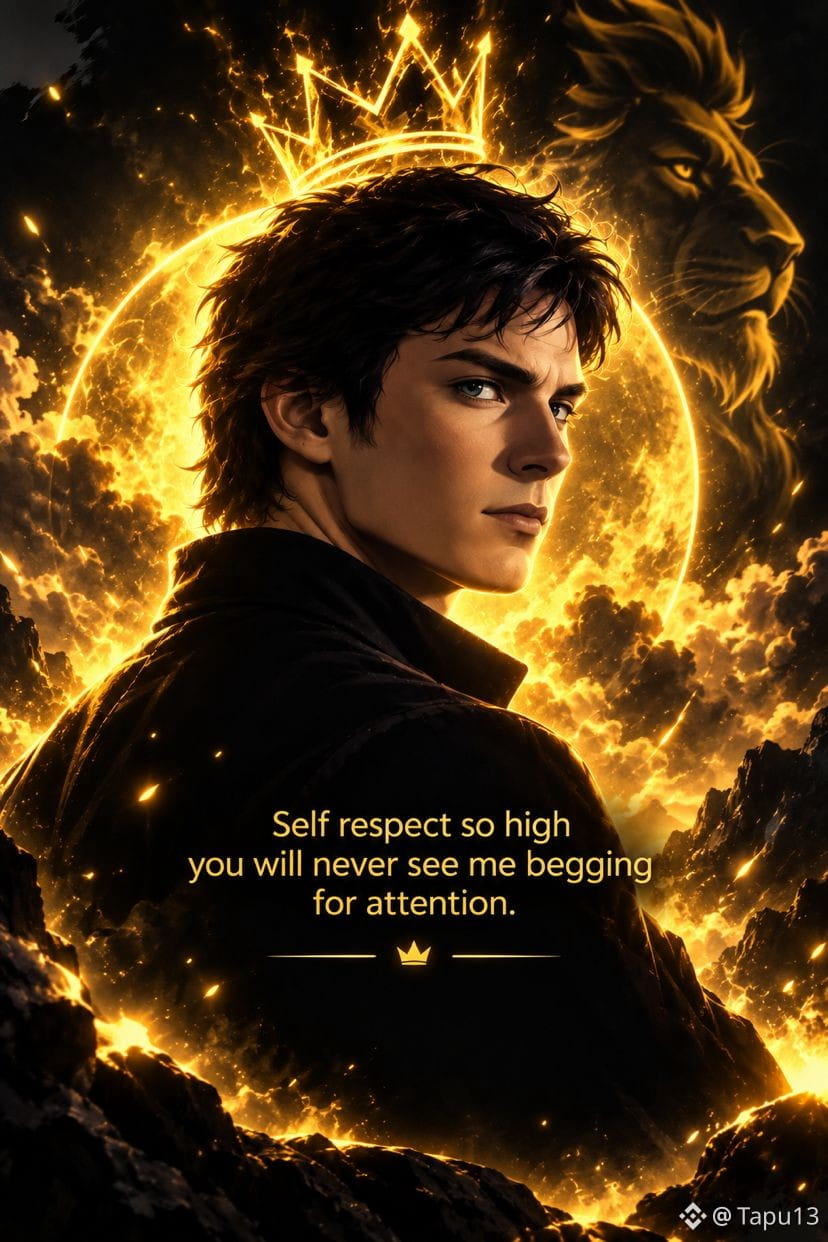
Self Respect So High
You Will Never See Me Begging
For Attention.
You Will Never See Me Begging
For Attention.
13
Tapu13
·
--
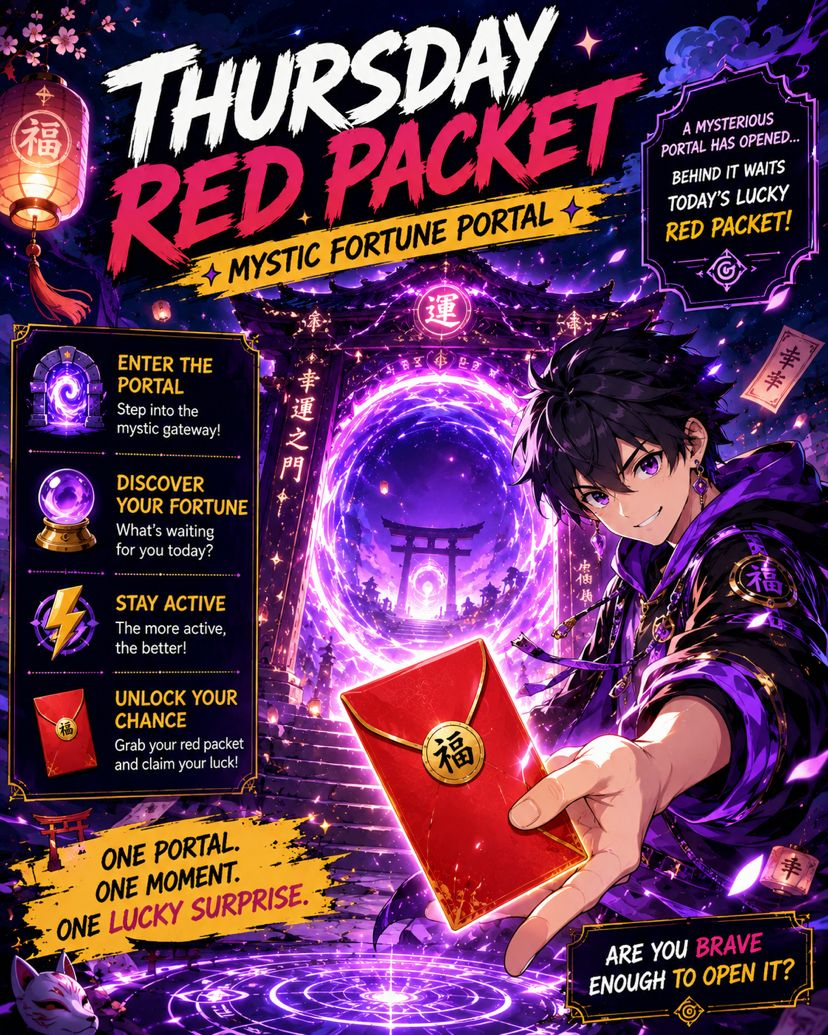
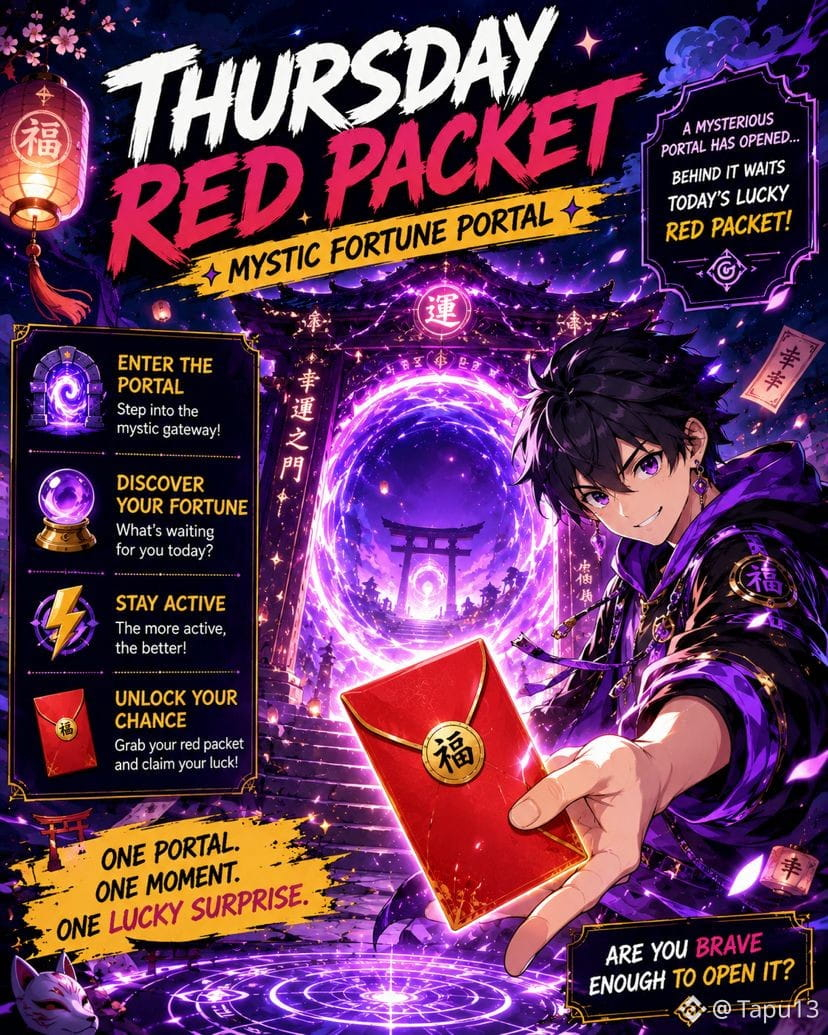
🔴 THURSDAY RED PACKET 🔴
A mysterious portal has opened… ✨
and behind it waits today’s lucky red packet 🧧
🌌 Enter the portal
🔮 Discover your fortune
⚡ Stay active
🧧 Unlock your chance
One portal. One moment. One lucky surprise. 🍀
Are you brave enough to open it? 👀🔥
A mysterious portal has opened… ✨
and behind it waits today’s lucky red packet 🧧
🌌 Enter the portal
🔮 Discover your fortune
⚡ Stay active
🧧 Unlock your chance
One portal. One moment. One lucky surprise. 🍀
Are you brave enough to open it? 👀🔥
🎉 FUN FRIDAY RED PACKET 🧧
Welcome to the Carnival of Luck 🎡🔥
Forget the boring Friday today, we’re turning up the fun 😎
🎪 Spin the vibes
🎯 Chase your luck
🎁 Catch the surprise
🧧 Grab your red packet
GOOD VIBES + BIG FUN + A LITTLE LUCK = FRIDAY! 🍀❤️
🎊 One Friday. One packet. One lucky moment!
Who’s ready to join the carnival? 👀🎉
Welcome to the Carnival of Luck 🎡🔥
Forget the boring Friday today, we’re turning up the fun 😎
🎪 Spin the vibes
🎯 Chase your luck
🎁 Catch the surprise
🧧 Grab your red packet
GOOD VIBES + BIG FUN + A LITTLE LUCK = FRIDAY! 🍀❤️
🎊 One Friday. One packet. One lucky moment!
Who’s ready to join the carnival? 👀🎉

🔴 THURSDAY RED PACKET 🔴
A mysterious portal has opened… ✨
and behind it waits today’s lucky red packet 🧧
🌌 Enter the portal
🔮 Discover your fortune
⚡ Stay active
🧧 Unlock your chance
One portal. One moment. One lucky surprise. 🍀
Are you brave enough to open it? 👀🔥
A mysterious portal has opened… ✨
and behind it waits today’s lucky red packet 🧧
🌌 Enter the portal
🔮 Discover your fortune
⚡ Stay active
🧧 Unlock your chance
One portal. One moment. One lucky surprise. 🍀
Are you brave enough to open it? 👀🔥
13
Tapu13
·
--
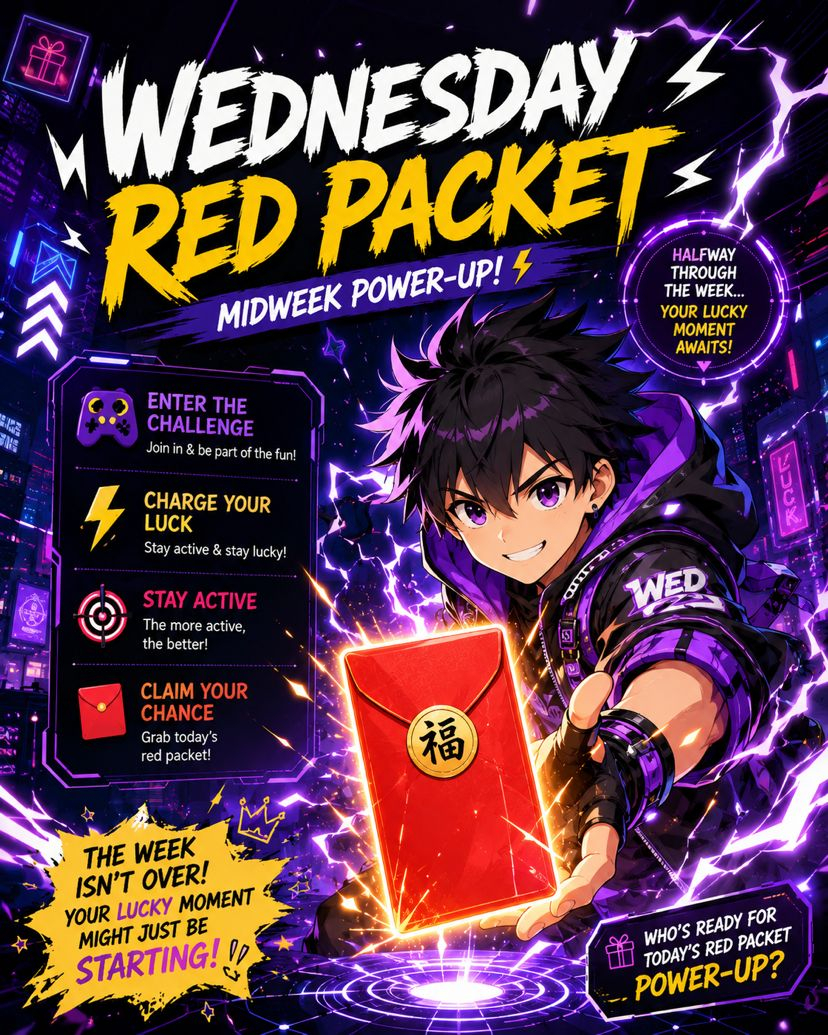
Theme: ⚡ “Midweek Power-Up” ⚡
🧧 WEDNESDAY RED PACKET 🧧
Halfway through the week…
time for a MIDWEEK POWER-UP⚡🔥
🎮 Enter the challenge
⚡ Charge your luck
🎯 Stay active
🧧 Claim your chance
The week isn’t over your lucky moment might just be starting. 👀❤️
Who’s ready for today’s RED PACKET POWER-UP? 🔥
🧧 WEDNESDAY RED PACKET 🧧
Halfway through the week…
time for a MIDWEEK POWER-UP⚡🔥
🎮 Enter the challenge
⚡ Charge your luck
🎯 Stay active
🧧 Claim your chance
The week isn’t over your lucky moment might just be starting. 👀❤️
Who’s ready for today’s RED PACKET POWER-UP? 🔥
Theme: ⚡ “Midweek Power-Up” ⚡
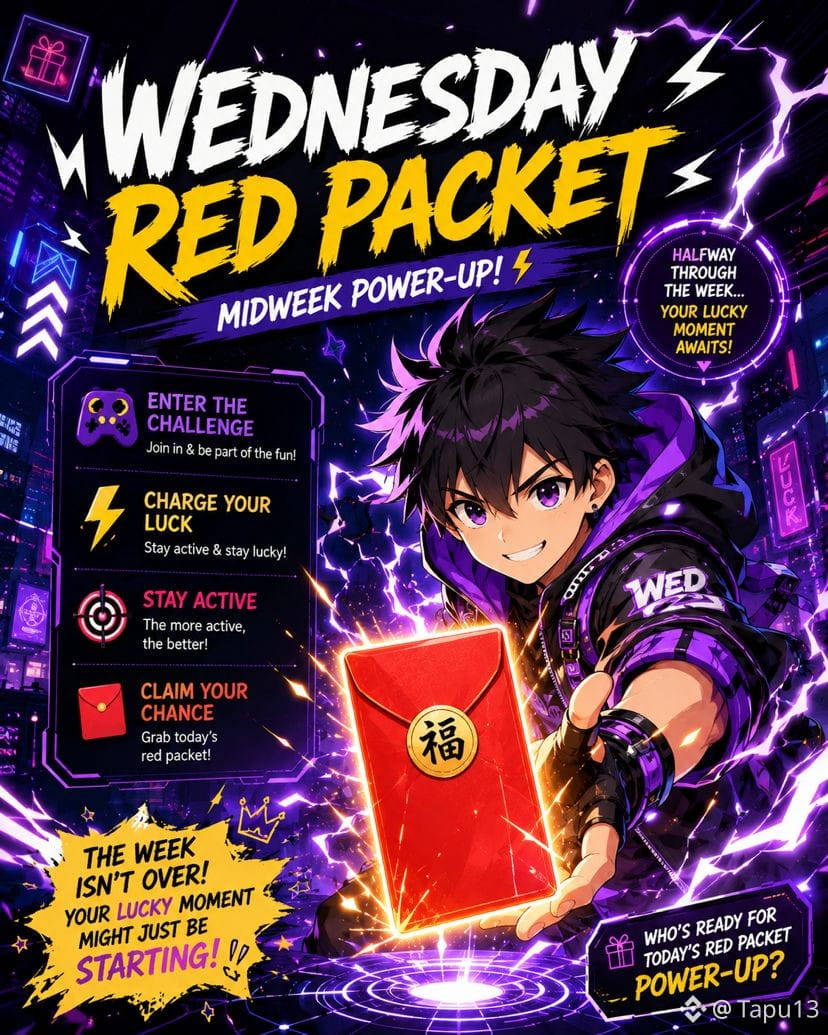
🧧 WEDNESDAY RED PACKET 🧧
Halfway through the week…
time for a MIDWEEK POWER-UP⚡🔥
🎮 Enter the challenge
⚡ Charge your luck
🎯 Stay active
🧧 Claim your chance
The week isn’t over your lucky moment might just be starting. 👀❤️
Who’s ready for today’s RED PACKET POWER-UP? 🔥
🧧 WEDNESDAY RED PACKET 🧧
Halfway through the week…
time for a MIDWEEK POWER-UP⚡🔥
🎮 Enter the challenge
⚡ Charge your luck
🎯 Stay active
🧧 Claim your chance
The week isn’t over your lucky moment might just be starting. 👀❤️
Who’s ready for today’s RED PACKET POWER-UP? 🔥
Log in to explore more content