


When people discuss artificial intelligence in blockchain, the conversation often stays at the surface. A chain integrates a model, exposes an API, or supports an agent framework, and suddenly it is described as AI-enabled. The label spreads quickly because it is easy to attach. Yet most of these integrations sit at the edge of the system rather than at its core.
Designing a network that is truly AI-native requires a different starting point.
It means assuming that autonomous systems will not be occasional visitors. They will be persistent participants. They will transact, verify, collaborate, and compete at a speed and frequency that is difficult for humans to match. Once you accept this, infrastructure priorities change. State must persist. Memory must be accessible. Coordination must be verifiable. Costs must remain stable under automation.
This is where Vanar Chain becomes interesting.
An AI agent does not behave like a retail user. It does not log in once, perform a task, and disappear. It operates continuously. It learns from previous outcomes. It builds strategies. It references historical context. If the environment resets every time the session ends, intelligence becomes theatrical. It can sound competent, but it cannot accumulate reliability.
Durability is what turns activity into progress.
When Vanar speaks about readiness, memory, and consumer-grade execution, it is indirectly describing the conditions agents require. An agent that manages assets, enforces rules, or coordinates with other agents must know what has happened before. It must be able to prove it. Other participants must be able to verify those claims independently.
Otherwise cooperation collapses.
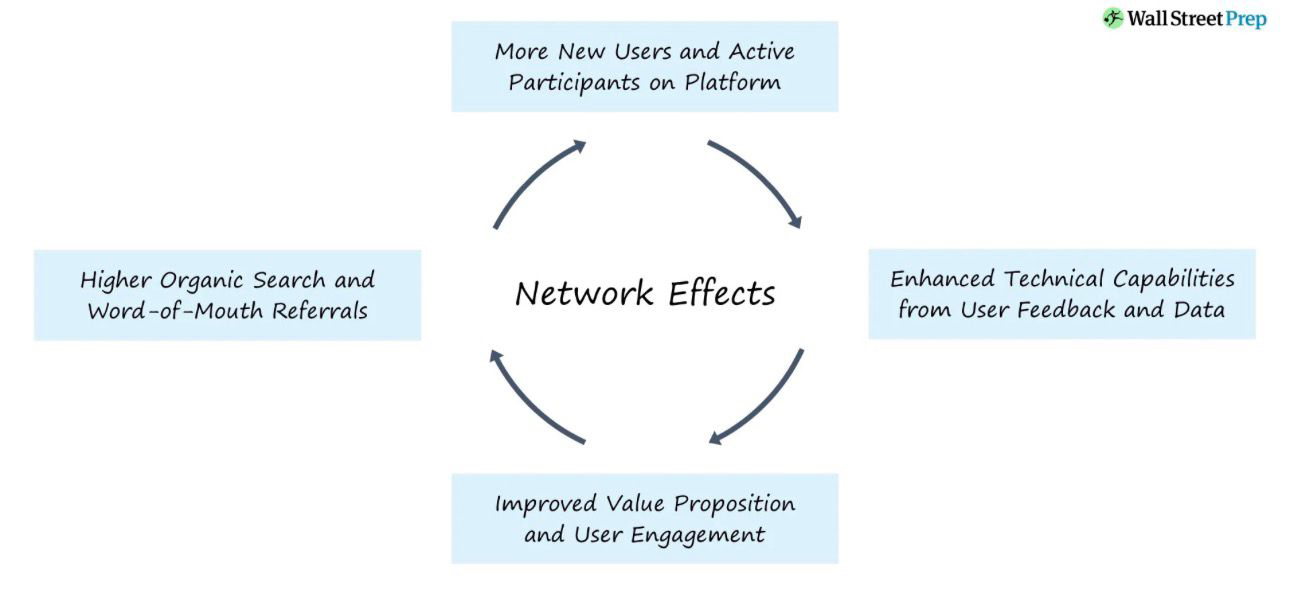
Network effects begin here. The more agents rely on a shared source of truth, the more valuable that source becomes. Each additional participant strengthens the system for the others because history deepens. Reputation forms. Patterns emerge. Disputes become easier to resolve.
A stateless environment cannot offer this.
There is also a compounding element in tooling. Developers building AI systems prefer places where infrastructure already supports persistence, indexing, identity continuity, and predictable fees. They do not want to rebuild fundamentals for every project. When a chain provides them, entry barriers fall. New services launch faster. Integration becomes routine.
Routine accelerates growth.
Vanar’s orientation toward familiar execution environments reinforces this dynamic. If builders can move with minimal friction, they experiment more. Some experiments fail. Others become anchors. Over time, anchors attract ecosystems around them.
Clusters appear.
Clusters are powerful because they create gravitational pull. Once several agents, applications, and datasets coexist in the same environment, moving elsewhere becomes costly. References break. History fragments. Coordination weakens. Staying put becomes rational.
That is how network effects defend themselves.
Another layer concerns users who interact with AI indirectly. They may never see the chain. They experience a service that responds intelligently and consistently. Behind the scenes, however, agents are reading shared memory, settling commitments, and updating records.
If those processes are reliable, trust increases even if the mechanism remains invisible.
Invisible reliability is often the hallmark of mature infrastructure. People stop asking how something works and begin assuming it will. At that moment adoption widens dramatically.
For token dynamics, this has implications as well. If AI agents operate continuously, they generate ongoing demand for execution, storage, and coordination. Usage is no longer tied only to human attention cycles. It becomes programmatic.
Programmatic demand tends to be steady.
Steady demand allows validators, builders, and long-term participants to plan. Investment horizons extend. Ecosystem funding becomes more strategic. Instead of chasing temporary spikes, stakeholders nurture persistent growth.
Stability encourages ambition.
Of course, AI-native design introduces challenges. Data management, privacy boundaries, and performance trade-offs require careful governance. However acknowledging these issues early is healthier than pretending they will not matter. Maturity begins when systems prepare for complexity rather than avoiding it.
What I find compelling is that Vanar increasingly looks like it is building the substrate before the rush arrives. If agents scale rapidly, the chains prepared for persistence will attract them first. Latecomers may struggle to retrofit durability after habits have formed elsewhere.
Preparation compounds quietly.
My take is straightforward. AI will multiply activity on whichever networks allow it to remember, verify, and coordinate most easily. The winners will not necessarily be the loudest. They will be the most dependable.
Vanar is positioning itself within that category.