The Economics of Participation in Fogo’s Consensus
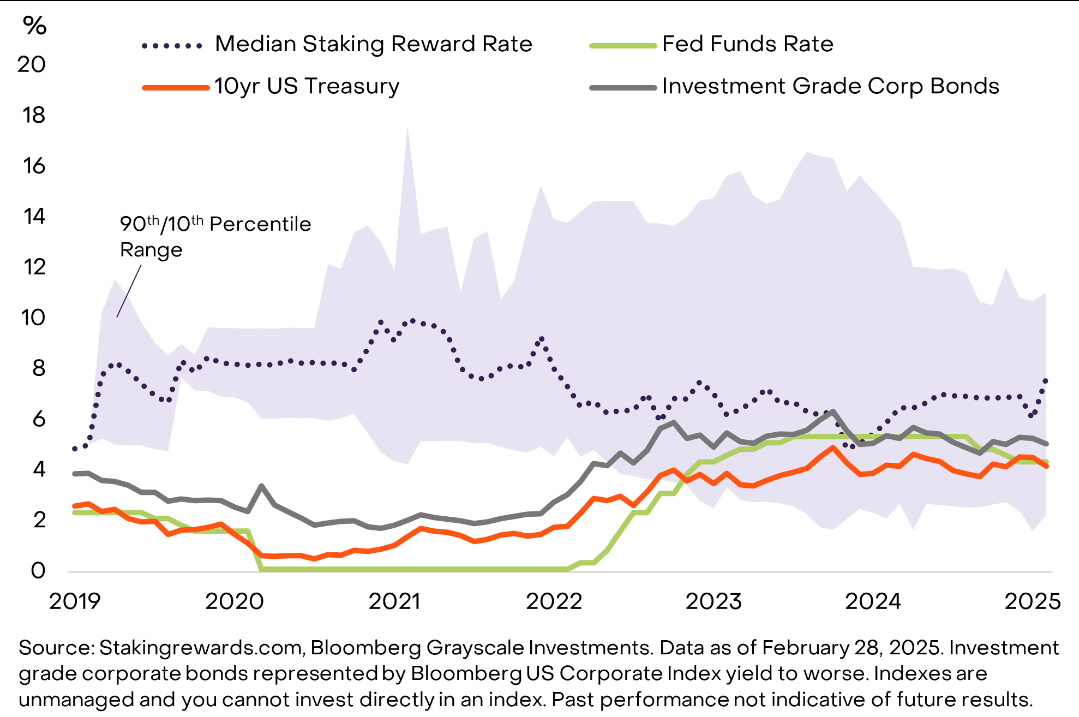
People love to argue about blockchain consensus—speed, validator count, failure tolerance. But let’s cut through the noise: why would anyone actually care enough to play fair? In Fogo, consensus isn’t some dry technical rulebook. It’s an economic game, plain and simple. The real drivers are incentives, penalties, efficiency, and whether it all adds up over time.
To really see what’s at stake, you’ve got to zoom in on four things: how much validators put on the line, how they get paid, what risks they face, and how hard it is for everyone to work together.
1. Capital Commitment: More Than Just a Security Deposit
If you’ve watched Ethereum or Solana, you know the drill. Validators have to stake real value—actual money, not Monopoly bills. Fogo sticks to this rule. Locking up capital says, “I’m not just passing through—I’ve got something to lose.”
That stake does double duty. It’s both collateral and a validator’s calling card. Mess up? You lose money. So, suddenly, consensus isn’t just a race; it’s a real investment. As the network grows, the price of screwing around just climbs higher.
But here’s the tricky part. Set the minimum stake too high and only whales get to play. Too low and you get a flood of spammers. Fogo needs to find that Goldilocks zone. Staking isn’t just about security—it’s about weeding out the half-hearted.
2. Reward Distribution: Playing for the Long Game
Let’s be honest—rewards keep validators showing up. In Fogo, this probably means a mix of block rewards, transaction fees, maybe bonuses for good behavior.
But how you pay matters more than how much.
If rewards show up in one big rush and blow up the economy, validators might just scoop up the cash and bail. If rewards are steady and tied to real network activity, you attract the folks who want to stick around.
The best systems push validators to stay online, act fast, keep things accurate, and cooperate. Rewards should shut down shady tactics like cherry-picking transactions or squeezing out extra profit by gaming the system. Ethereum had that whole MEV mess—when incentives twist, so does behavior.
Fogo wants rewards to be about reliable service, not loopholes. Validators shouldn’t be sharks—they should be the folks keeping the lights on.
3. Risk and Slashing: The Cost of Bad Behavior
No free rides here. If you cheat or just mess up badly, slashing carves a chunk out of your stake. Simple logic: attacking the network has to cost more than it pays.
But it’s not all or nothing. Go too harsh with penalties, and everyone gets skittish. Too soft, and the bad actors sneak in. If the rules are fuzzy, nobody knows what’ll get them slashed, so they just pad their risk.
Validators juggle the possible rewards, the threat of slashing, hardware bills, and their reputation. If Fogo lays out the rules clearly and sticks to them, you get serious players and scare off the gamblers. That kind of clarity makes capital cheaper and brings in more pros.
4. Coordination Costs: Herding Cats
Validators can’t go solo. They have to stay in sync, update software, vote on upgrades, and jump in when things go sideways. All that takes time and energy.
On big networks, this gets chaotic. Just look at Cosmos—governance gets tangled across different chains and groups, and suddenly everything slows down.
Fogo probably tries to keep things simple. Fewer, more committed validators mean less drama. That doesn’t have to mean centralization—it can just mean smart design. Less friction means more focus on actually running the network, not just covering your back.
Conclusion: Consensus as an Economic Engine
Strip everything down and Fogo’s consensus runs on incentives, not just blocks. Capital commitment shows who’s in for real. Good rewards keep the network alive. Slashing keeps everyone honest. Coordination decides how smoothly things move. And reputation holds it all together.
Get the economics right and you don’t just have a protocol—you’ve got a system that actually works.@Fogo Official #fogo $FOGO