


The rise of Web3 technology has created a new era of opportunities across various industries, including fitness. People today are more focused on their health and wellness, and they want access to more data to inform their fitness solutions. With the increasing demand for fitness data, the online fitness industry is expected to grow at an impressive CAGR of 33.1% from its pre-pandemic value of USD 6 billion. The industry is predicted to be worth USD 59 billion by 2027.
Web3 technology is revolutionizing the way we interact with the digital world, with a strong focus on decentralization, privacy and security. The fitness industry is also undergoing a major shift, with an increasing number of people seeking more personalized and engaging workout experiences. With the combination of these two trends, it is no surprise that Web3 fitness applications are becoming increasingly popular.
What is a Web3 Fitness Application?
A Web3 fitness application is a decentralized platform that enables users to track and manage their fitness goals, workouts, and nutrition. It provides a more personalized and engaging workout experience by leveraging the benefits of Web3 technology.
Developing a Web3 fitness application requires intense research and quantifiable knowledge of the basic requirements and technology. In this guide, you can find an end to end knowledge about Web3 fitness applications.
Types of Web3 Fitness Applications
There are several types of Web3 fitness applications that can be developed, including:
Workout Tracking: These applications enable users to track their workouts, including exercises performed, weight lifted, and sets and reps completed. The use of blockchain technology ensures that users have a secure and transparent record of their progress.
Nutrition Tracking: These applications allow users to track their nutrition, including the food they eat, the number of calories consumed, and the macronutrient ratios of their diets. The use of blockchain technology enables users to have a secure and transparent record of their nutrition data.
Personalized Fitness Plans: These applications use data collected from wearable devices and user profiles to create personalized fitness plans. The use of blockchain technology ensures that users have control over their data and can access their personalized plans securely.
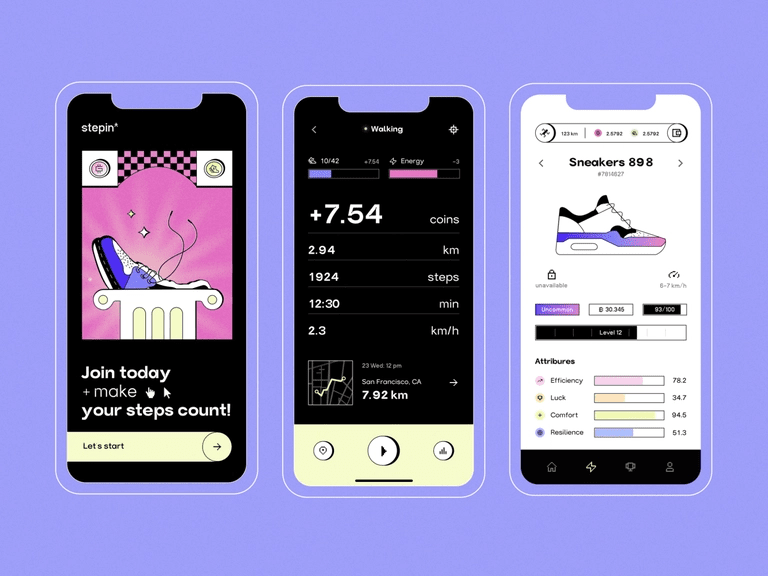
Move to Earn(M2E): Move to Earn is a unique and innovative Web3 fitness app that combines health and wellness with earning rewards. This app provides a gamified experience for users where they can earn rewards by simply moving and tracking their fitness activities. The app is built on a decentralized platform and uses blockchain technology to provide secure and transparent reward distribution.
Basic Workflow of a Web3 Fitness App
User Registration
The first step in the workflow is for the user to register for the application, which involves creating an account and providing personal information such as name, email address, and fitness goals.
Data Collection
The application uses wearable devices or manual input to collect data on the user’s workouts and nutrition, such as exercises performed, weight lifted, and food consumed.
Personalized Fitness Plan Generation
The collected data is analyzed and used to create a personalized fitness plan for the user, based on their fitness goals, physical abilities, and preferences.
Recommending Fitness Products To be Used During Workouts
This way the app can recommend fitness products and nutrition products to improve the workout regime and also to complete their revenue models. Apps like Stepn give access to earn upon buying their products.
Data Storage and Sharing
The collected data and personalized fitness plan are stored securely on the blockchain, ensuring that users have control over their data and can access it transparently. The user can choose to share their data with others, such as friends or trainers, in a secure and transparent manner.
Progress Tracking
The application provides users with a clear and transparent view of their progress, including workout routines, nutrition plans, and progress reports. The use of blockchain technology ensures that users have a secure and transparent record of their progress.
Generating Rewards
Based on the completion of fitness plans, users will get web3 rewards which can be a Crypto, NFT, or the platform’s token. This will encourage users to continue the fitness courses, resulting in a healthy way of living.
Challenges in Creating a Web3 Fitness App
Building a Web3 fitness application comes with its own set of challenges. Some of the major challenges include:
Technical Complexity: Developing a Web3 fitness application requires a good understanding of decentralized technology, blockchain, smart contracts, and cross-platform frameworks. The technical complexity involved in building such an application can make it difficult for developers to get the desired results, and this may lead to increased development time and costs.
Interoperability Challenges: Interoperability is a major challenge in Web3 technology. Web3 applications need to be able to communicate with each other and exchange data in a seamless manner, which can be challenging for developers to achieve.
User Adoption: Despite the benefits of Web3 technology, many users are still unfamiliar with the concept and may not be willing to switch to a new platform. This can be a challenge for fitness application developers who need to convince users to adopt their application and switch from traditional fitness applications.
Scalability Issues: Decentralized networks are still in their early stages of development, and many of them are not able to handle a large number of users and transactions. This can be a challenge for fitness applications that need to handle a large number of users and transactions, and it may result in slow performance and increased downtime.
Revenue Generation: Decentralized applications face a unique challenge in terms of revenue generation, as they do not have a centralized ownership structure. This can make it difficult for fitness application developers to monetize their application, as traditional revenue models, such as advertising and in-app purchases, may not be feasible.
Integrating Blockchain Technology in the Fitness App
The integration of blockchain technology is one of the key components in building a Web3 fitness application. Blockchain technology provides a secure and decentralized platform for storing and exchanging data and assets.
In a Web3 fitness application, blockchain technology is used to store and manage users’ fitness data, such as workout routines, nutrition plans, and progress reports. The data is stored on a decentralized network, ensuring that users have complete control over their information and it is secure from unauthorized access or tampering.
Blockchain technology also enables the creation of smart contracts, which are self-executing contracts with the terms of the agreement directly written into code. Smart contracts can be used in a Web3 fitness application to automate various processes, such as rewards for reaching fitness goals and tracking of in-app purchases.
The use of blockchain technology in a Web3 fitness application not only enhances security and privacy but also provides users with more transparency and control over their data. Additionally, it enables the creation of a shared economy, where users can exchange tokens and rewards for participating in the platform.
Going the Extra Mile to Create an Innovative Web3 Fitness App
When building a Web3 fitness application, it is essential to think outside the box and consider unique and innovative features that can set the application apart from traditional fitness applications.
Gamification
One way to make fitness more engaging and enjoyable is by incorporating gamification elements into the application. For example, users can earn rewards and progress through levels for meeting their fitness goals, competing against friends, and participating in challenges.
Decentralized Marketplaces
Another unique feature of a Web3 fitness application is the integration of decentralized marketplaces. This marketplace can be used to buy and sell fitness-related goods and services, such as workout equipment, nutrition plans, and personal training sessions. The use of blockchain technology enables the creation of a transparent and secure marketplace for users to transact with each other.
Wearable Integration
Integrating with wearable devices, such as fitness trackers and smartwatches, can provide users with a more comprehensive view of their fitness progress. The data collected from these devices can be used to provide users with more accurate and personalized recommendations, helping them reach their fitness goals more effectively.
Community-Driven
A Web3 fitness application can also be designed to be community-driven, where users can collaborate, share information, and support each other in their fitness journeys. This can provide users with a sense of belonging and motivation, and encourage them to stay active and engaged in the platform.
Web3 Fitness App Development: Step-by-step Guide
If you are creating a web3 fitness app, here are the steps you can follow:
Define the Purpose and Goals: The first step is to understand the purpose of the web3 fitness app and what goals you want to achieve with it. This could be to improve user engagement, gamify fitness, or reward users for reaching their fitness goals.
Research and Analysis: Research the existing web3 fitness apps and analyze their features and functionalities to understand what works and what doesn’t. This research will help you to create an app that stands out from the crowd.
Conceptualize the App: Based on the research, conceptualize the app by creating a detailed user flow and wireframe of how the app will work. This will help you to define the user experience and ensure that the app is easy to use.
Choose the Technology: Choose the technology stack you want to use for developing the web3 fitness app. This could be a combination of blockchain, web3, and smart contract technology.
Develop the Backend: Develop the backend of the app, including the database, APIs, and smart contract logic. This will be the foundation of the app and will ensure that the data is secure and accurate.
Develop the Frontend: Develop the frontend of the app, including the user interface and user experience. This will be what users interact with, so it’s important to make sure it is visually appealing and easy to use.
Integrate with Web3: Integrate the web3 technology into the app, including the blockchain, smart contract logic, and web3 wallets. This will ensure that the app can interact with decentralized systems and reward users for reaching their fitness goals.
Test and Launch: Once the app is developed, test it thoroughly to ensure that there are no bugs or glitches. After testing, launch the app and market it to the target audience.
Monitor and Improve: Continuously monitor the app and collect feedback from users. Based on the feedback, make improvements to the app to enhance the user experience and keep users engaged.
Basic Features:
Decentralized Data Management
The Web3 fitness application stores all data on a decentralized network, providing users with complete control over their information. This eliminates the risk of data breaches and privacy concerns.
Personalized Workouts
The application provides users with personalized workout routines based on their fitness goals, body type, and experience level. The routines are updated regularly to ensure users are always challenged and motivated.
Gamified Experience
The application features a gamified experience, encouraging users to stay engaged and motivated. Points and rewards are earned for completing workouts and reaching fitness milestones.
Nutrition Tracking
The application includes a comprehensive nutrition tracking system, allowing users to monitor their calorie intake and macronutrient ratios.
Social Connections
Users can connect with other fitness enthusiasts, share progress, and receive support and encouragement. This creates a sense of community and accountability, further motivating users to stay on track with their fitness goals.
Revenue Model
The Web3 fitness application can generate revenue through various means, including:
Premium Subscriptions: Users can opt for premium subscriptions, providing access to additional features, such as advanced nutrition tracking and personalized workout routines.
Advertising: The platform can monetize its user base through targeted advertising, connecting users with relevant products and services.
In-app Purchases: Users can purchase in-app products, such as supplements and workout equipment, further monetizing the platform.
Technology Stack
The Web3 fitness application is built on a combination of blockchain, smart contracts and decentralized storage solutions. Some of the key technologies used include:
Ethereum: A decentralized blockchain platform that enables the creation of smart contracts.
IPFS: A decentralized file storage solution that enables the efficient storage and retrieval of large amounts of data.
React Native: A cross-platform framework for building native mobile applications.
GraphQL: A query language for APIs that enables more efficient data retrieval and manipulation.
Usage of AI in Web3 Fitness Apps
There are several reasons why AI can be beneficial in the development of a web3 fitness application. Here are some of the key benefits:
Personalization
AI algorithms can analyze the user’s fitness data, including their exercise history, habits, and goals, and create customized workout plans and nutrition recommendations.
Data Analysis
AI can help collect and analyze large amounts of data from multiple sources, such as wearable devices, fitness trackers, and food journals, to give users a comprehensive view of their health and fitness.
Predictive Modeling
AI can use machine learning techniques to make predictions about future health outcomes, such as the risk of injury or the likelihood of reaching fitness goals.
User Engagement
AI can provide personalized feedback and motivate users to stick to their fitness plans through gamification and social features.
Automation
AI can automate repetitive and time-consuming tasks, such as tracking workouts, calculating calories burned, and generating reports.
Benefits of Using a Web3 Fitness App Over Traditional Fitness Apps
There are several benefits of using a Web3 fitness app, including:
Gamification of fitness: Web3 fitness apps like Move to Earn use blockchain technology and token rewards to make fitness fun and engaging. By incorporating elements of games into fitness, they motivate users to stick to their fitness routine and track their progress.
Increased accountability: The decentralized and transparent nature of blockchain technology ensures that user data is secure and tamper-proof. This means that users have more control over their own fitness data and can easily share it with others to increase accountability and motivation.
Personalized experience: Web3 fitness apps use AI and machine learning to provide users with personalized fitness recommendations based on their goals, fitness level, and preferences. This helps users to achieve their fitness goals faster and with greater ease.
Community building: Web3 fitness apps like Move to Earn encourage users to join communities and collaborate with others to achieve their fitness goals. This helps to foster a sense of community and support, making fitness more enjoyable and accessible to everyone.
Financial incentives: Web3 fitness apps reward users with tokens for reaching their fitness goals, which can then be redeemed for discounts on products and services, donated to charity, or used to purchase additional fitness products. This creates a financial incentive for users to maintain their fitness routine, making it more likely that they will stick to it.
Web3 Fitness Apps: Top Move-to-Earn Apps for Healthy Living and Earning Crypto
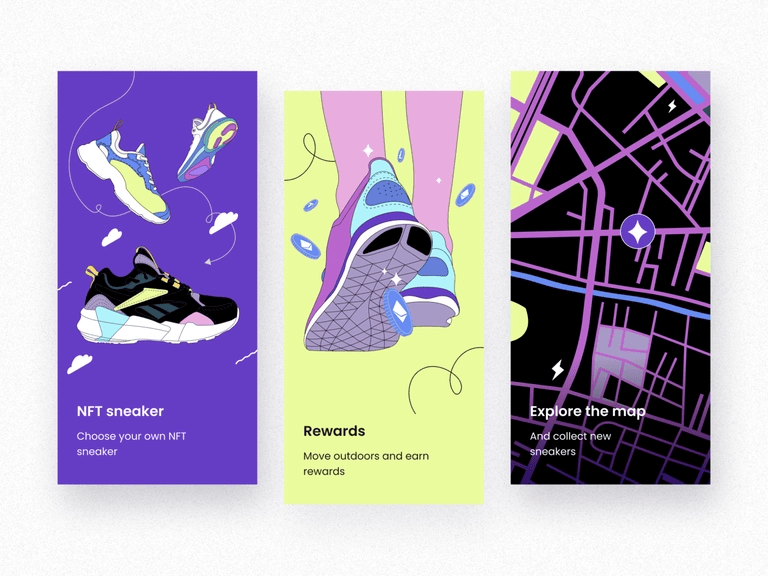
The world of crypto is constantly evolving and the latest trend in the crypto space is Move-to-Earn (M2E) apps. These are Web3 fitness apps that reward users for carrying out physical activities, making it a unique combination of fitness and finance.
The move-to-earn principle incentivizes users to get active by offering rewards for reaching their goals. The Web3 version of this concept goes beyond the traditional marketplace by using a token-based rewards system. This system allows move-to-earn apps to offer benefits beyond just cash rewards, such as access to exclusive content or community privileges.
The token-based rewards system opens up new worlds of possibilities, including partnering with athletes to create NFTs and designing utilities that offer new layers of interaction and engagement.
Here we will take a look at the top Move-to-Earn apps that are making waves in the Web3 space. These apps are designed to offer a win-win situation for users who can earn rewards for their daily physical activities, such as walking, jogging, running, and more.
STEPN
It is a leading Move-to-Earn app that uses the Solana blockchain. To earn crypto with STEPN, users must put on a pair of Sneaker NFTs and start moving. The earning potential depends on the types, levels, and quality of the NFTs. The two main cryptocurrencies used by STEPN are GST and GMT.
STEP app (FITFI)
It is another popular Move-to-Earn app that requires users to stake NFT sneakers before they can start earning crypto. The app uses the KCAL token, which can be obtained by using the app and staking sneakers. The Step app is entirely community-funded and recently held a strong holder offering (SHO) with DAO Maker.
Sweatcoin
It is a Move-to-Earn game that focuses on improving people’s health. The platform uses the SWEAT token to reward users for fitness-related activities. Users can start earning right away after downloading the app and creating an account, with no initial investment necessary.
Wirtual
It is another leading Move-to-Earn app that assigns users to one of seven tiers based on the amount of Wirtual coins they hold. The platform has a store where users can buy NFTs to increase their virtual currency earning potential.
Genopets
It is an innovative move-to-earn app that combines the worlds of role-playing games (RPGs) and NFTs to reward users for taking care of their virtual pets. Users can mint and sell Genopet NFTs, and the platform operates on a dual token system, with GENE serving as the governance token and KI serving as the in-game token that can be used to make purchases and earn rewards. Through this gamified experience, Genopets encourages users to stay active and healthy, and to make money by selling NFTs and earning KI.
MetaGym
It is the first exercise-to-earn gym in the Metaverse. With its related smartphone and wearable apps, users can complete fitness challenges and log their health behaviors to earn the in-game cryptocurrency, $MGCN. This currency can be used to level up and purchase new NFT apparel, upgrades, and power-ups. Users can also lease their avatar or sell characters directly in the app to make additional income.
Dustland Runner
It is a move-to-earn app that immerses players in a post-apocalyptic world where they must flee for resources and seek out other survivors. As players run, walk, or jog during missions, they earn rewards based on the distance traveled. These rewards are in the form of DOSE tokens, which can be used to buy in-game items and enhance the player’s avatar.
DotMoovs
It is a peer-to-peer move-to-earn platform that uses AI, blockchain, and NFTs. The platform rewards users for participating in dance and soccer tournaments and challenges with MOOV tokens. The app tracks movements with GPS and uses an AI referee to prevent cheating. Users can use their earned Moov points to buy in-game items or upgrade their avatars.
Fitmint
It is a move-to-earn app that requires users to purchase their NFT “OG Basics” sneakers in order to access all of the app’s features. Each pair of sneakers has a unique set of statistics and users can level up their NFTs, breed new sneakers, and unlock more gameplay by being active. The app also enables users to earn daily passive income by owning NFT sneakers.
Each of these move-to-earn apps offers unique and innovative ways for users to stay active and earn rewards, whether it be in the form of NFTs, in-game currency, or passive income. These apps bring a new level of engagement and motivation to fitness, making it more enjoyable and rewarding for users.
Conclusion
The Web3 fitness application is a unique and innovative solution, leveraging the benefits of decentralized technology to provide users with a more personalized and engaging workout experience. With its comprehensive features, diverse revenue model, and efficient technology stack, it is a great opportunity for entrepreneurs and investors to tap into the growing fitness and Web3 markets.
Web3 Fitness App Development: How to Build a Web3 Fitness Application? was originally published in CryptoStars on Medium, where people are continuing the conversation by highlighting and responding to this story.