

The world of finance is rapidly changing, driven by the adoption of blockchain technology. Decentralized Finance (DeFi) is an emerging ecosystem that is revolutionizing the traditional financial system. It is an open and permissionless platform that enables anyone with an internet connection to participate in a variety of financial activities. #DeFiCeFi
On the other hand, Centralized Finance (CeFi) is the traditional financial system that has been serving the world for ages. It is controlled by centralized authorities like banks, governments, and other financial institutions.#DeFiChallenge
DeFi vs CeFi: What's the Difference?
The key difference between DeFi and CeFi is the approach towards decentralization. DeFi projects are open-source and transparent, whereas CeFi is controlled by centralized authorities. The users in DeFi have complete control over their funds, and the transactions are executed on the blockchain network.
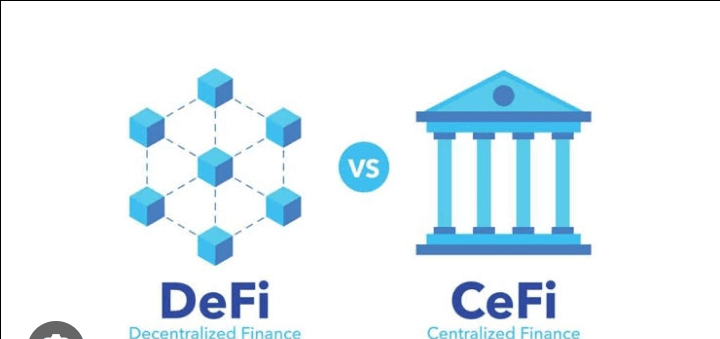
However, in CeFi, the users' funds are held by centralized authorities, and the transactions are executed by them. Due to this centralization, there is a lack of transparency, and the authorities have the power to freeze or seize the user's funds.
DeFi protocols such as Uniswap, Aave, and Compound offer financial activities such as lending, borrowing, and trading with the use of smart contracts. These smart contracts are self-executing and ensure that the transactions happen with complete fairness and transparency. The users have complete control over their funds, and they can interact with the protocols without any intermediaries. $BTC
In contrast, CeFi offers similar financial activities, but it relies on the traditional banking system. The users have to rely on intermediaries like banks to execute transactions, which can be time-consuming and costly.
The Advantages of DeFi and CeFi
DeFi has several advantages over CeFi. Firstly, DeFi is open and transparent, which means that the users have complete control over their funds, and they can see how the transactions are being executed. This transparency ensures that there is no fraud or manipulation.
Secondly, DeFi is accessible to anyone with an internet connection. There are no geographical barriers, and anyone from any part of the world can participate in DeFi activities.
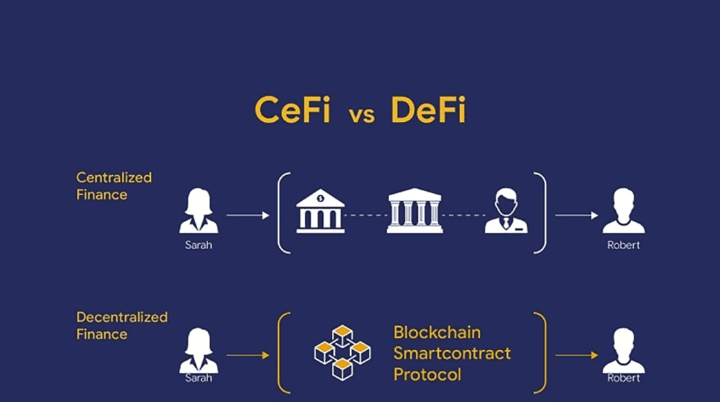
Lastly, DeFi is permissionless, which means that the users don't have to go through a long verification process to participate in DeFi activities. They can interact with DeFi protocols directly, without any intermediaries.
In contrast, CeFi has its advantages. Firstly, CeFi is faster than DeFi because it relies on the traditional banking system. Transactions are executed quickly, and the users don't have to wait for confirmations.
Secondly, CeFi offers a wide range of financial activities like loans, mortgages, and credit cards. These activities are not available in DeFi because they require a centralized authority to execute them.
Lastly, CeFi offers protection to the users' funds in case of fraud or theft. The centralized authorities are responsible for safeguarding the user's funds, and they have the technology and infrastructure to detect and prevent any fraudulent activities.
Conclusion
The DeFi vs CeFi debate is ongoing, and it is difficult to say which one is better. However, both DeFi and CeFi have their advantages and disadvantages. DeFi is more transparent, accessible, and permissionless, whereas CeFi is faster, offers a wide range of financial activities, and provides protection to the user's funds. It is up to the users to decide which platform serves their needs the best.
