


In trading, success is not determined by market knowledge alone. It also depends on discipline, emotional control, patience, and the ability to remain steady under pressure.
One powerful idea shared by a Chinese trader is that every person has an inner warrior—a symbol of courage, strength, and determination that can sometimes become buried beneath fear, disappointment, and the pressures of everyday life.
The Lost Sword: A Powerful Symbol
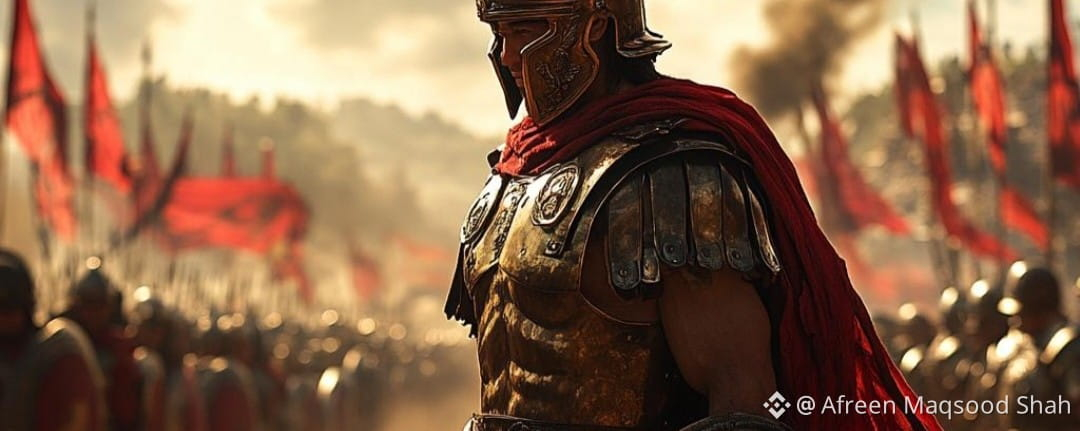
The trader shared a personal story about his lifelong fascination with the Roman Centurion. To him, the Centurion represented courage, leadership, and discipline.
In his imagination, he once asked this inner figure what it wanted from him. The answer was surprising:
“I want the sword you dropped on the ground and never picked up again.”
He remembered a childhood moment when he had thrown away a stick he used as a sword while playing king. He had never picked it up again. For him, that forgotten sword became a symbol of something deeper: a part of himself that had been abandoned and was waiting to be reclaimed.
The lesson is not about a literal sword. It is about rediscovering the qualities we may have suppressed while adapting to life's challenges—confidence, courage, ambition, and the willingness to stand up again after failure.
What Does This Mean for a Trader?
Trading is a constant test of the mind. Fear can make us sell too early, greed can make us hold too long, and impatience can push us into unnecessary trades.
A disciplined trader learns to recognize these emotions without allowing them to control every decision.
The inner warrior of a trader represents:
Discipline: Following a trading plan instead of reacting emotionally to every price movement.
Patience: Waiting for a suitable opportunity rather than forcing a trade.
Courage: Accepting a loss when necessary instead of refusing to admit a mistake.
Self-control: Avoiding revenge trading after a disappointing result.
Resilience: Learning from mistakes and returning with a clearer strategy.
True courage in trading does not mean taking bigger risks. It means having the strength to protect your capital, respect your limits, and walk away when the market offers no clear opportunity.
Protect Your Mind as Carefully as Your Capital
The trader also emphasizes taking short breaks during trading sessions. Constantly watching charts can create mental fatigue and reduce the quality of our decisions.
Taking a break, drinking water, eating properly, and getting enough sleep can help maintain concentration. There is no universal rule that everyone's glucose level falls after exactly one hour, but mental fatigue is a real reason to step away from the screen.
Remember: protecting your mental energy is part of a responsible trading process.
Become the Ruler of Your Own Mind
The most important message in this story is the idea of finding the ruler within yourself.
This ruler represents the ability to remain calm when prices fall, avoid becoming overconfident when prices rise, and follow your own rules even when emotions are strong.
Many traders lose control not because they lack intelligence, but because the desire for quick profits becomes stronger than their discipline.
The market cannot always be controlled. Your decisions, risk limits, and reactions are the things you can work to control.
Final Thoughts
Perhaps each of us has a symbolic sword lying somewhere in our past—a forgotten dream, lost confidence, abandoned discipline, or courage we stopped using after a difficult experience.
The question is whether we are ready to pick it up again.
In trading and in life, growth begins when we stop allowing fear, greed, and past failures to define us. We develop strength by practicing discipline, learning from mistakes, and choosing thoughtful action over impulsive reactions.
Your greatest advantage is not the ability to predict every market move. It is the ability to remain disciplined when the market challenges you most.
Reclaim your sword. Strengthen your mind. Let discipline—not greed—guide your decisions.
Disclaimer: This article is for educational purposes only and does not constitute financial advice.