
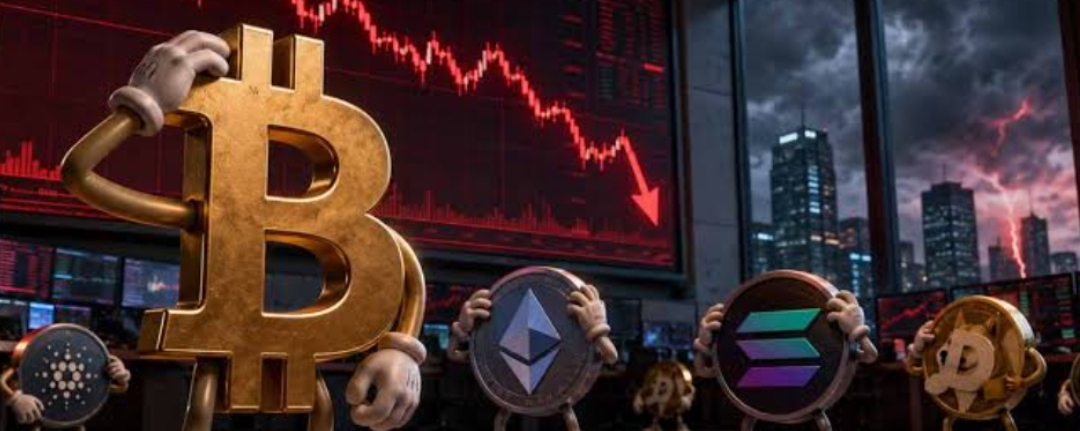


Bitcoin dropped toward the $76,000 area after the latest regulatory setback. XRP suffered a much sharper fall, dropping roughly 10% around the same event.
So why is XRP taking a bigger hit than Bitcoin?
The answer starts with what the market was expecting from XRP.
XRP Had More Riding on the CLARITY Act
The U.S. Senate failed to advance the CLARITY Act in a 49–50 procedural vote. The legislation was designed to create a clearer regulatory framework for digital assets in the United States.
The whole crypto market reacted negatively, but XRP was particularly sensitive.
Before the vote, traders had been positioning around the possibility that clearer U.S. crypto rules could benefit assets such as XRP. XRP had even jumped as speculation around the vote increased.
When that expected catalyst disappeared, some of that optimism disappeared with it.
This is one reason XRP fell harder than Bitcoin.
Bitcoin and XRP Are Different Trades
Bitcoin is still the largest crypto asset and has a much broader investment story.
Its demand comes from many different areas, including long-term holders and institutional investment products.
XRP also has institutional interest, but its recent market story had become more closely connected with U.S. regulation and expectations around the CLARITY Act.
That meant the failed vote represented more than general bad news for XRP.
It directly challenged one of the narratives traders had been buying.
The Rally Before the Drop Matters
There is another important part of the story.
XRP had rallied before the vote.
On Monday, XRP climbed almost 10% to around $1.49 as expectations surrounding the legislation increased. After the Senate setback, XRP quickly reversed much of that move.
This is something we often see in markets.
When traders buy heavily before an expected positive event, disappointment can produce an aggressive reversal.
The stronger the expectations become, the bigger the reaction can be when reality does not match them.
The Wider Market Is Not Helping
XRP's weakness is not happening alone.
Bitcoin has fallen from nearly $82,000 earlier this month to below $76,000, while markets are also dealing with uncertainty around interest rates and the Federal Reserve.
When Bitcoin becomes weak, smaller crypto assets often experience even larger moves.
Bitcoin usually has deeper liquidity and a larger base of investors. Altcoins can therefore move much faster when traders suddenly reduce risk.
XRP is showing that effect right now.
But Institutional Interest Hasn't Disappeared
This is where the story becomes more interesting.
XRP's falling price does not necessarily mean every source of demand has disappeared.
Recent reporting indicates that XRP investment products had continued attracting money even while the token itself was struggling.
That creates a strange situation.
Short-term traders are reacting aggressively to regulation and the wider market, while some longer-term institutional demand has remained.
Those two forces can exist at the same time.
Why XRP Can Move Faster Than Bitcoin
Think about it in simple terms.
Bitcoin currently has many different narratives supporting demand.
XRP had a much more specific catalyst sitting directly in front of the market: regulatory clarity.
When that catalyst failed to arrive, XRP had more optimism to remove from its price.
That does not automatically change XRP's long-term future.
But it explains why the immediate reaction was much more aggressive.
What Comes Next?
The next stage will depend on whether buyers return after the initial shock.
One thing to watch is whether XRP can stabilize after the selloff instead of continuing to make lower lows.
Another is institutional demand. If investment-product flows remain healthy while price weakness slows, that would show that not every investor is leaving.
The wider Bitcoin market matters too.
It will be difficult for XRP to build a sustained recovery if Bitcoin continues falling and investors remain defensive.
Regulation Is Still the Big Story
The CLARITY Act setback delayed the regulatory certainty the crypto industry had been hoping for.
That does not mean regulation has disappeared forever. It means the market now has to adjust its expectations about when clearer rules could arrive.
For XRP, that adjustment has been painful because regulatory optimism had become such an important part of its recent narrative.
Is XRP's Drop a Warning or a Reset?
For now, it is too early to call the decline either a final bottom or the beginning of a much larger fall.
What we can see clearly is that XRP had more exposure to the regulatory disappointment than Bitcoin, and its price reacted accordingly.
Bitcoin weakened.
XRP weakened much faster.
Now the important part begins: watching whether demand returns once the emotional reaction to the failed vote settles down.
XRP's next move may tell us whether this was simply a sharp reset of expectations—or whether the market needs more time before confidence returns.