Ever since I first got into this space and started watching projects evolve beyond theoretical whitepapers into real infrastructure shaping how the future of finance might work, few ecosystems have captured my attention like Dusk. If you’re part of this community, you already know we’re not just talking about another blockchain chasing hype. We’re talking about a platform with an actual purpose a privacy-focused, regulation-ready network built for how real money and real institutions could transact onchain.
Today I want to give you a complete, up-to-date look at where Dusk stands right now not some recycled filler with all the recent developments, latest releases, and where we are heading next. This isn’t fluff it’s real progress from hours of digging into engineering updates, network releases, and ecosystem news.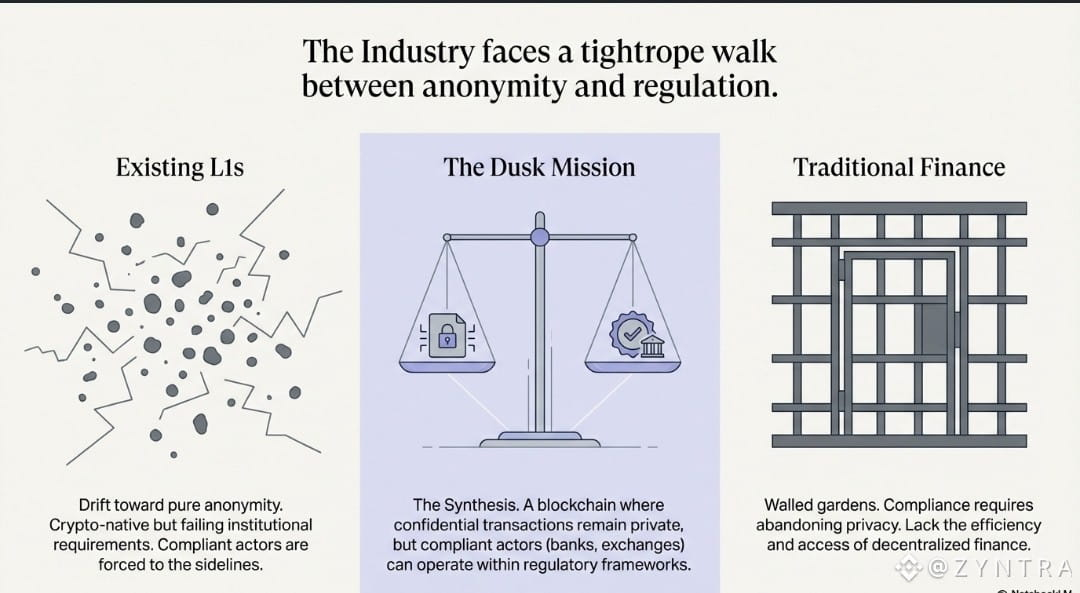
Why Dusk Matters Right Now
Let’s start with the big picture. Dusk is a Layer-1 blockchain designed from the ground up to balance privacy and regulatory compliance. That’s a tough tightrope to walk. Most privacy-focused chains drift toward pure anonymity, while most institutional chains abandon privacy for compliance. Dusk’s mission is to give both at the same time a blockchain where confidential transactions remain private, but compliant actors like banks and exchanges can still operate within regulatory frameworks.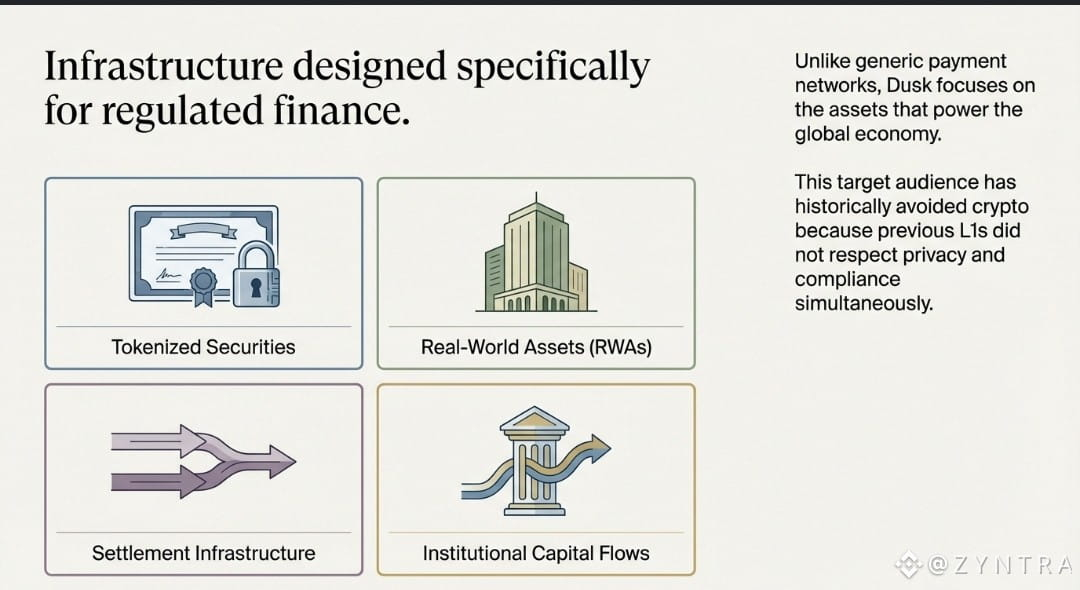
Instead of building yet another payment network or generic smart contract platform, Dusk focuses on regulated finance tokenized securities, real-world assets, settlement infrastructure, and institutional flows. That’s the audience that, up to now, has largely stayed on the sidelines of crypto because existing L1s didn’t respect both privacy and compliance simultaneously.
Mainnet Is Live, And It’s More Than a Check Mark
This is huge. After many years of development, Dusk’s mainnet has officially launched, marking the transition from testnets and theory into real, production infrastructure. We are now in the era where staking, nodes, token transfers, and real financial tooling are live onchain.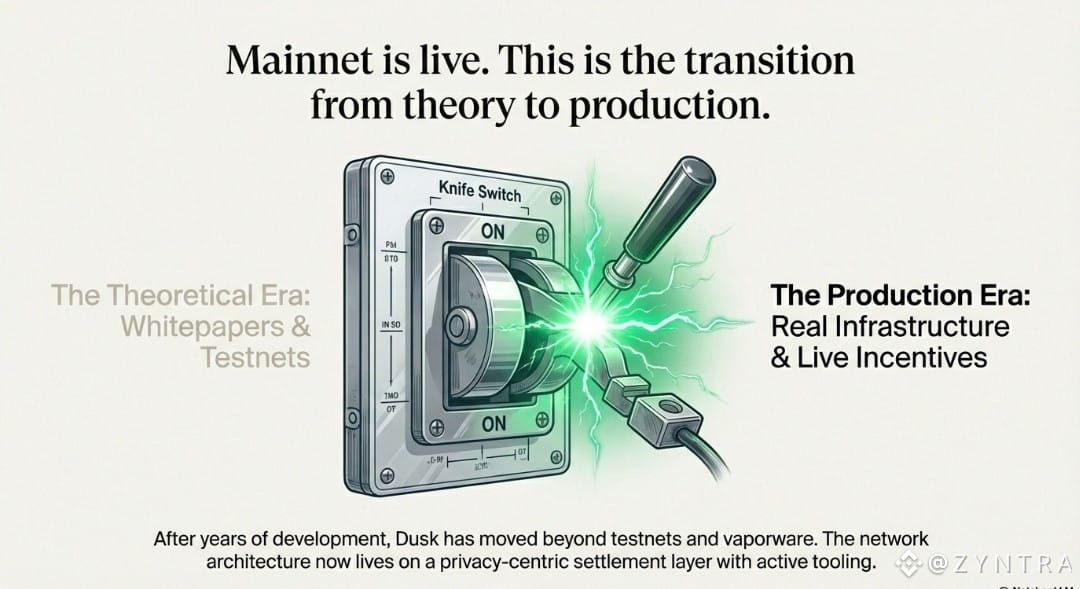
This isn’t just a “chain went live” press release moment. The network architecture now lives on a privacy-centric settlement layer, with tools that actual users and institutions can interact with.
Here’s what this means for all of us:
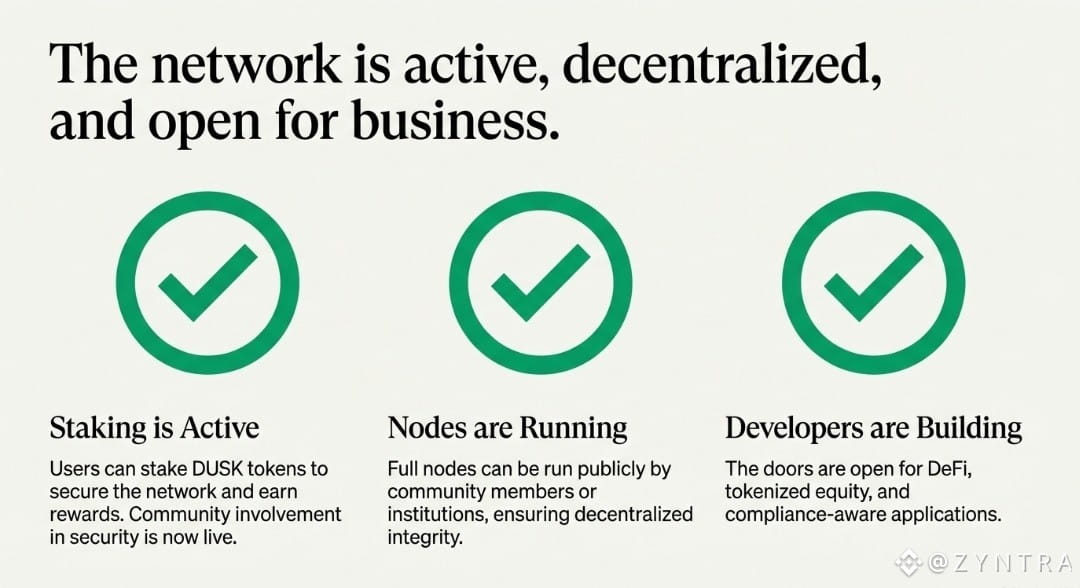
Staking Is Active
Stake your DUSK tokens, secure the network, and earn network rewards. This is one of the first mechanisms that actually involves the community in network security and governance.
Nodes Can Run Publicly
Interested community members or institutions can run full nodes to help decentralize and maintain the network integrity.
Developers Can Build
Whether you’re thinking DeFi, tokenized equity, or compliance-aware applications, the doors are open.
This is the real infrastructure moment we’ve been waiting for, not vaporware, not testnets that never graduate, but a live, production chain with incentives aligned to grow.
A Fresh Architecture for a Fresh Era
One of the smartest moves Dusk has made is modularizing the stack to maximize flexibility and developer adoption.
Dusk isn’t just one monolithic blockchain. It’s evolving into a multilayer architecture with distinct layers tailored for specific use cases: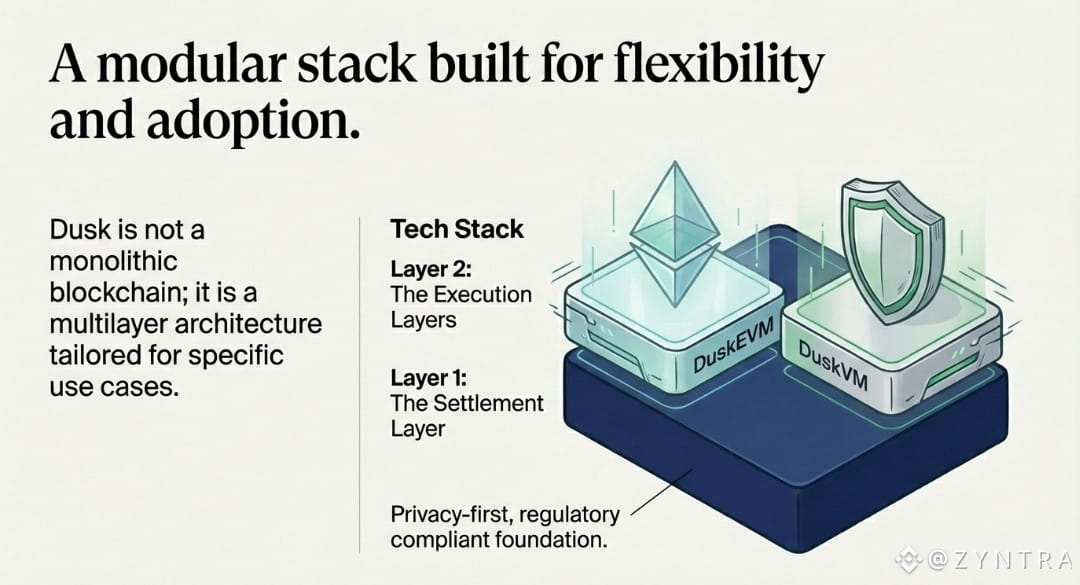
Settlement Layer
This is the core: privacy first, regulatory compliant, and designed from Day One for real value movement.
Execution Layers
Here’s where things get interesting. Dusk is introducing:
DuskEVM: An Ethereum-compatible execution environment that brings familiar tooling like MetaMask, Hardhat, and Solidity into our ecosystem while maintaining native compliance and privacy capabilities.
DuskVM: A layer dedicated to privacy-preserving applications utilizing Phoenix’s advanced transaction model.
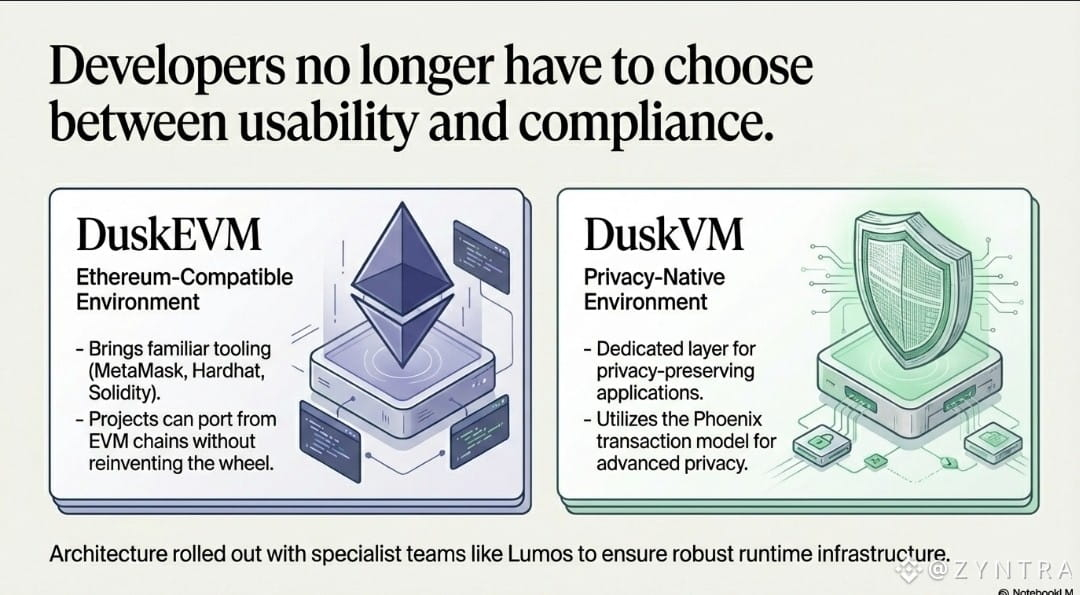
This split means developers don’t choose between usability and compliance they get both. It also means projects built for Ethereum or EVM environments can port over without reinventing the wheel.
This architecture isn’t a theoretical roadmap it’s actively being rolled out with collaborations from specialist teams like Lumos, who are helping with the core runtime infrastructure and bridges between layers.
Dual Transaction Models: Public and Private
One of the smartest innovations in the updated Dusk stack is the dual transaction model:
Phoenix: Fully private, zero-knowledge based transaction mechanism
Moonlight: Fully public transaction layer designed for transparency when needed
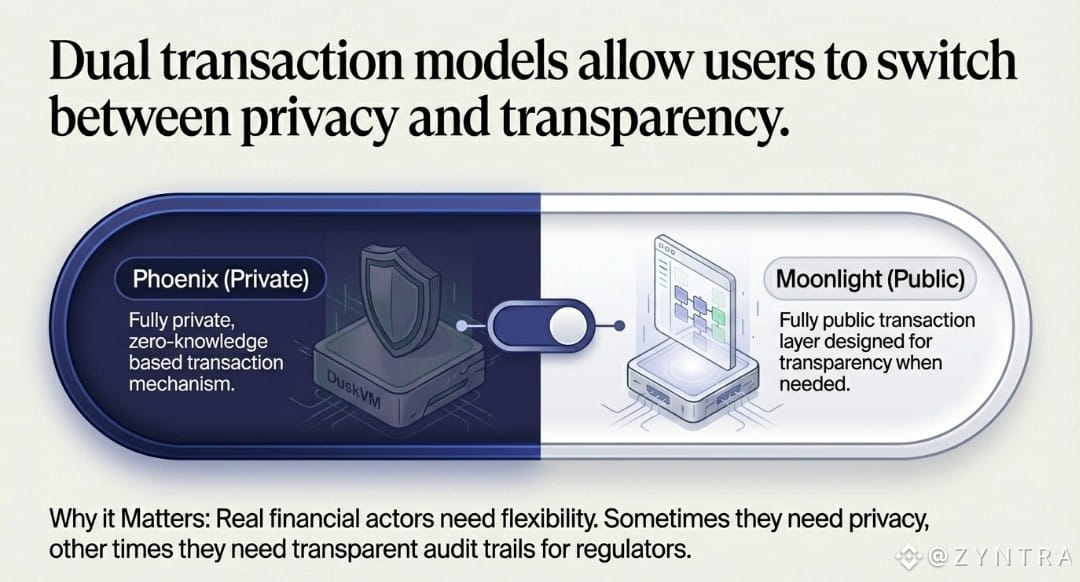
Why does this matter? Because real financial actors operate across both planes. Sometimes you want privacy, sometimes you need transparent audit trails for regulators. Dusk gives both and lets users switch easily at the click of a button.
You’re not forced into anonymity for everything, nor are private companies forced into full visibility. It’s flexibility that real markets not just crypto maximalists need.
Ecosystem Tools and Developer Experience
Dusk hasn’t only shipped a mainnet. The team has been relentlessly building out developer tools that make building on the network smoother: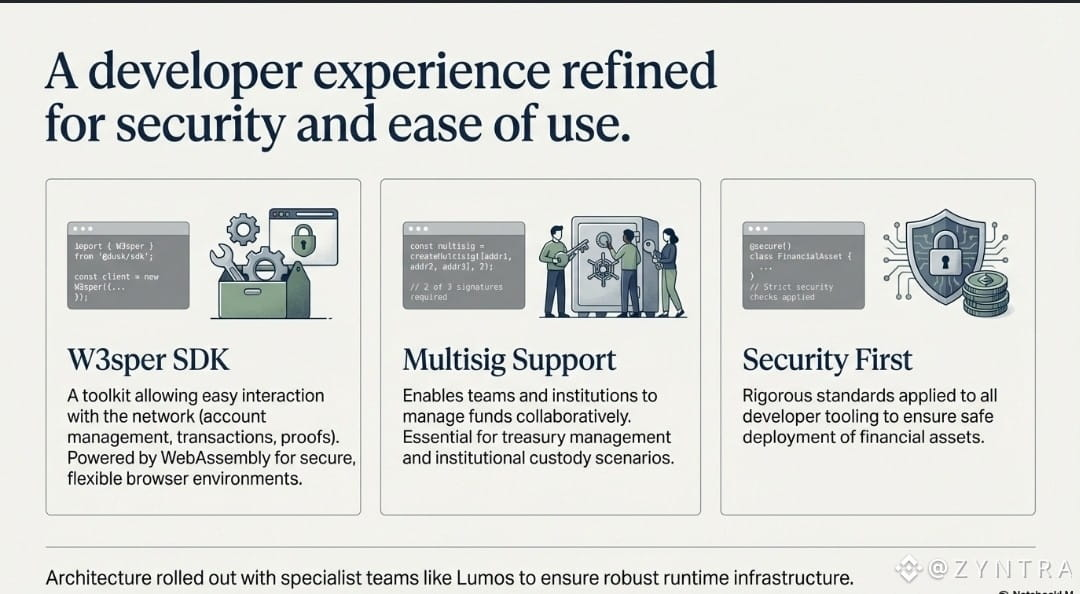
W3sper SDK
This toolkit lets developers interact with the network easily account management, transactions, events, and proof handling all wrapped up in secure, WebAssembly-powered interfaces that work both securely and flexibly in browser environments.
Multisig and Wallet Upgrades
Multi-signature capabilities let teams and institutions manage funds collaboratively with security and flexibility, enabling treasury management and shared custody scenarios that are essential for enterprise adoption.
Performance Upgrades
Critical pieces like Piecrust Dusk’s VM for handling contract state and data have been optimized for speed and scalability, meaning the chain isn’t just secure, it’s competitive.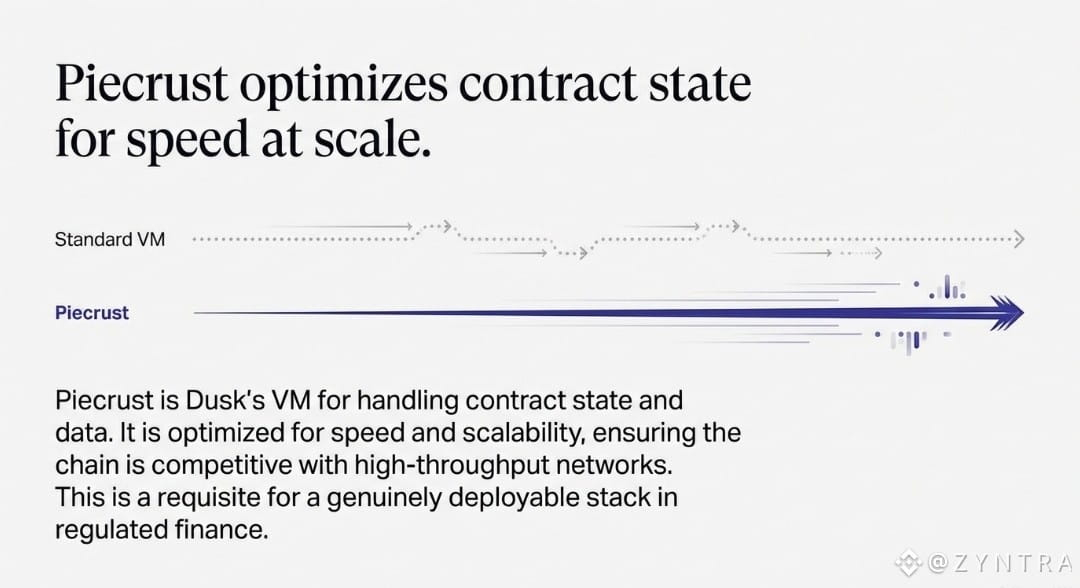
All of this isn’t just tech for tech’s sake. It’s about providing a genuinely deployable stack for applications that matter in regulated finance.
Strategic Integration With Finance, Not Just Crypto
Here’s where some projects in this space fall flat: they build a cool chain but no real bridges to traditional markets. Dusk is moving in the opposite direction.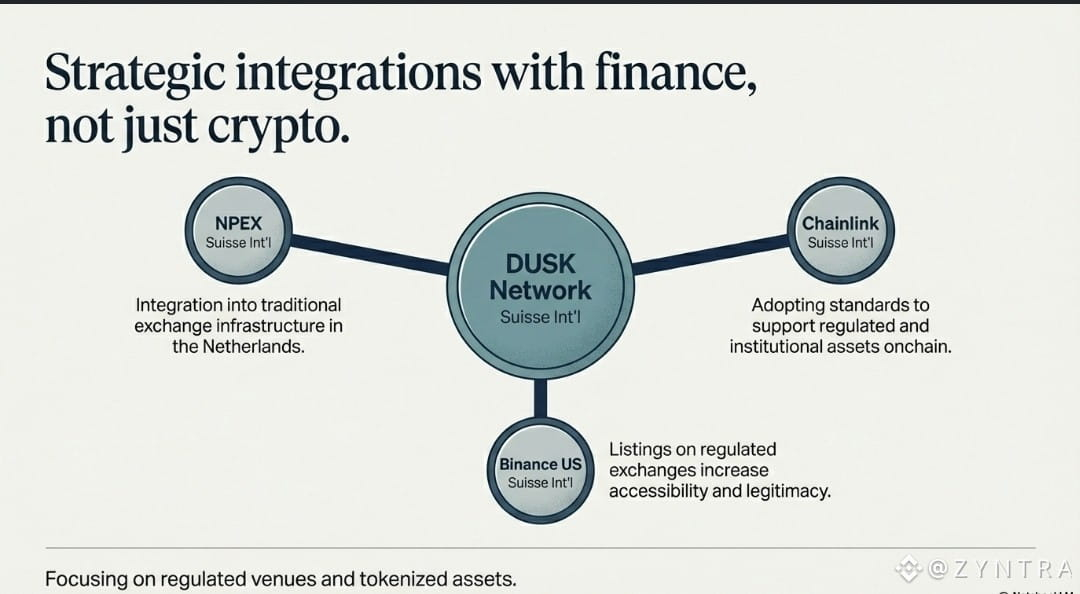
We’re seeing meaningful ecosystem developments geared specifically at regulated markets:
Collaborations with regulated venues like NPEX in the Netherlands to integrate Dusk’s core ledger into traditional exchange infrastructure this is not superficial partnership theatre, but technology integration.
Adoption of Chainlink standards to support regulated and institutional assets onchain this brings real data infrastructure into the stack.
Listings on regulated exchanges like Binance US increase accessibility and regulatory legitimacy for the network’s native token.
These moves are not about moonshots they are about making the network relevant to real money, real firms, and real securities markets.
Where the Roadmap Is Headed Next
If you’re excited about Dusk right now, there’s even more ahead.
Institutional Adoption
With MiCA and the DLT Pilot Regime in Europe offering clearer regulatory frameworks for blockchain infrastructure, Dusk is positioned to capture institutional interest more than almost any other chain.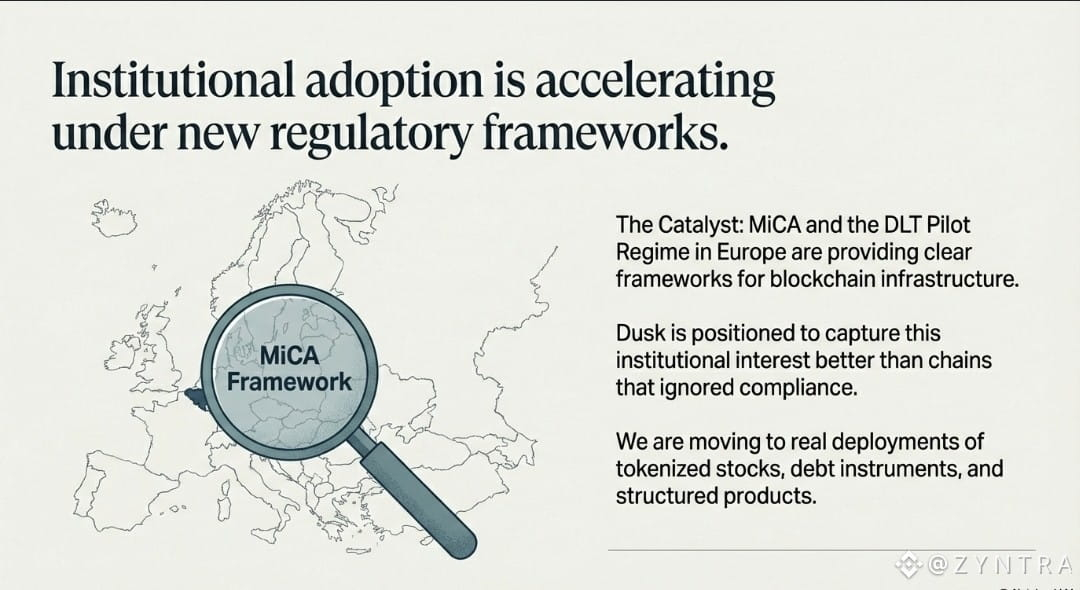
EVM Onboarding and DeFi
As DuskEVM becomes fully operational, expect a surge of DeFi and compliance-aware apps migrating or launching new products on the network.
Full Tooling for Tokenization
From tokenized stocks to debt instruments and structured financial products, the tooling is aligning to make these real. We’re no longer talking about future capabilities many primitives already exist and are in testing or early deployment phases.
Community-Driven Expansion
With staking, community nodes, and an expanding developer ecosystem, the governance and evolution of Dusk will increasingly reflect the community’s voice as much as the core team’s vision.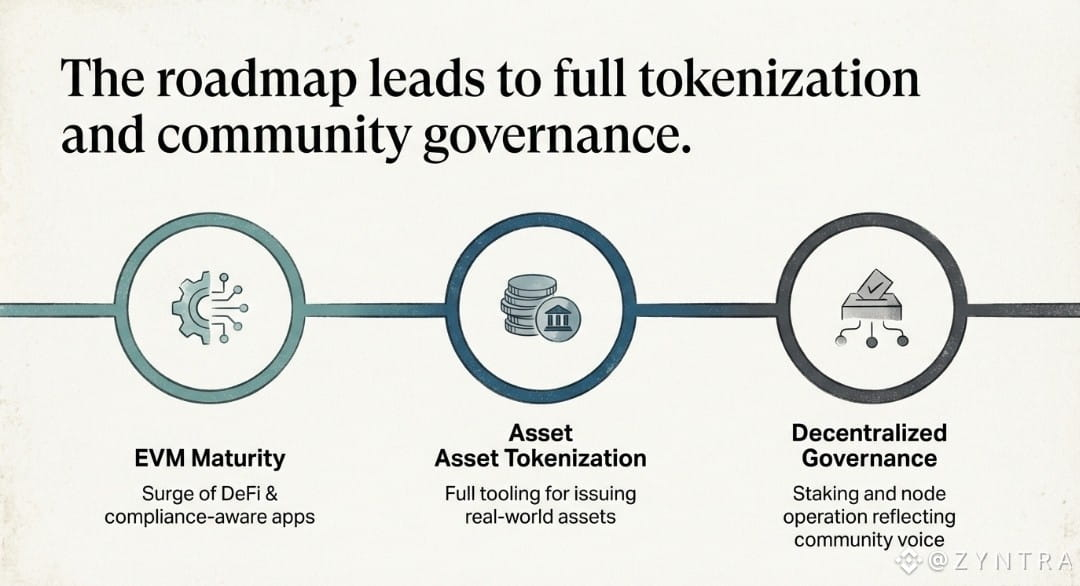
A Final Word to the Community
What we’re witnessing with Dusk isn’t incremental. It’s foundational. A network that can honestly reconcile privacy with compliance has enormous implications beyond crypto speculation. It changes how markets can tokenize assets, how firms can settle securities, and how identity and privacy can coexist in finance.
If you’ve been part of this ecosystem from the start, you’ve likely seen the patience tested, the challenges real, and the progress slow at times. But the launch of mainnet and the active build-out of infrastructure isn’t just a milestone, it’s a new beginning. The building is just getting started, and this community is part of that story.
Stick around, stay involved, build where you can, and let’s see how far we can take what we’ve collectively started.